
Land Tenure and Taxation: How Farmers Navigated Feudal Obligations


Welcome to Feudal Japan History, where we invite you to embark on a captivating journey through the intricate tapestry of Japan's feudal era. Dive deep into the Japanese feudal land tenure system and discover how farmers navigated the complex web of obligations and taxation that defined their lives. This exploration not only unveils the challenges faced by agricultural communities but also sheds light on the societal structures that shaped their existence.
As you delve into our expert-driven articles, prepare to uncover the fascinating dynamics of power, land, and survival that characterized this pivotal period in history. What secrets lie within the fields of feudal Japan? Read on to find out!
- Introduction to the Japanese Feudal Land Tenure System
- Understanding the Japanese Feudal Land Tenure System
- The Role of Farmers in the Feudal System
- Taxation in the Feudal Era
- Navigating Feudal Obligations: Strategies Employed by Farmers
- Case Studies of Farmers' Experiences
- Changes in the Land Tenure System Over Time
- Conclusion
- Further Reading and Resources
- Frequently Asked Questions
- Final Reflection: Navigating the Complexities of Land Tenure in Japan's Feudal System
- Unlock the Secrets of Land Tenure Today!
Introduction to the Japanese Feudal Land Tenure System
The Japanese feudal land tenure system played a crucial role in shaping the agricultural landscape and social structure of feudal Japan. This intricate system governed how land was owned, cultivated, and taxed, fundamentally influencing the lives of farmers, who were the backbone of the economy during this period. Understanding this system is essential for comprehending the broader historical, cultural, and societal dynamics of feudal Japan. In this article, we will delve into the complexities of land tenure and taxation, exploring the obligations that farmers navigated in order to sustain their livelihoods and contribute to the feudal hierarchy.
Overview of Feudal Japan
Feudal Japan, spanning from the 12th to the 19th centuries, was characterized by a decentralized political structure where power was held by regional lords, known as daimyōs. These feudal lords controlled vast estates and governed the peasants who worked the land. The social order revolved around the samurai class, who provided military service in exchange for land, while the majority of the population were farmers, bound by obligations to their lords.
The shōen system, or the estate system, emerged as a key feature of this era. Under this system, land was often granted to samurai in exchange for their loyalty and service, leading to a complex web of land ownership that affected agricultural practices and economic stability. Farmers, in turn, were responsible for producing the food that sustained both their families and the samurai class, making their role vital to the feudal economy.
Importance of Land Tenure in Japanese Society
Land tenure in feudal Japan was not merely a legal or economic issue; it was deeply intertwined with social status, power dynamics, and cultural practices. The ownership and cultivation of land dictated a farmer's obligations, rights, and social standing within the feudal hierarchy.
Farmers were typically tied to the land they worked, often facing stringent regulations regarding production and taxation. They were required to pay a portion of their harvests as tribute to their lords, which could vary significantly depending on the region and the specific agreements in place. This system created a cycle of dependency and obligation that defined the lives of many rural families for generations.
Moreover, the relationship between land tenure and taxation also fostered a sense of community among farmers. They often banded together to navigate the challenges posed by their feudal obligations, sharing resources and knowledge to enhance productivity and ensure survival amidst the pressures of land management.
Purpose of the Article
This article aims to provide a comprehensive exploration of the Japanese feudal land tenure system, focusing specifically on how farmers navigated their obligations in a complex sociopolitical environment. By examining historical records, cultural practices, and the economic implications of land tenure, we hope to shed light on the resilience and adaptability of farmers during this era.
Readers can expect an in-depth analysis of:
- The structure of land ownership in feudal Japan
- The taxation systems imposed on farmers
- The social implications of land tenure for rural communities
Through this exploration, we seek to enhance understanding of the intricate relationships that defined life in feudal Japan, particularly from the perspective of those who labored on the land.
Understanding the Japanese Feudal Land Tenure System

Definition and Key Features of Land Tenure
The Japanese feudal land tenure system was a complex framework governing land ownership, usage, and the obligations of those who farmed it. At its core, this system was characterized by a hierarchical structure where land was owned by the ruling class, primarily the daimyo (feudal lords), while farmers, or peasants, worked the land under various conditions.
Key features of this system included:
- Land Ownership: Ownership was typically concentrated in the hands of the samurai class or nobility, who received land grants from the emperor or higher-ranking lords.
- Peasant Obligations: Farmers were often required to pay taxes in the form of a portion of their crops, which could range from 30% to 50% of their total yield, depending on their agreements with landlords.
- Tenancy Rights: Many farmers operated under tenancy agreements, which could be either fixed or sharecropping arrangements. These agreements dictated the terms of land use and the obligations of the tenant to the landowner.
- Social Hierarchy: The system reinforced social hierarchies, with landowners enjoying privileges and power, while farmers remained at the bottom of the social structure.
This system was not static; it evolved over centuries, adapting to changing political and economic conditions, especially during periods of unrest and social upheaval.
Historical Context of Land Ownership in Feudal Japan
To fully understand the Japanese feudal land tenure system, it is essential to consider its historical context. Japan’s feudal era, spanning from the late 12th century until the mid-19th century, was marked by a power struggle among various clans and the emergence of a distinct socio-political structure.
- Rise of the Samurai: The samurai class emerged as the military elite, gaining control over land as they provided protection and governance to the peasantry. Their rise coincided with the Kamakura period (1185-1333), where the shogunate established a new form of government that relied heavily on land as a source of power.
- Land as Wealth: During this period, land was synonymous with wealth and status. The more land a lord controlled, the more power they wielded. This led to a series of conflicts, known as the Sengoku period (1467-1603), where various warlords fought for territorial dominance.
- Impact of Agricultural Practices: Agricultural advancements, such as improved irrigation and crop rotation, increased productivity and altered land use patterns. As a result, the economic importance of land intensified, and lords sought to extract more from their tenants to bolster their armies and fortifications.
- The Tokugawa Shogunate: The establishment of the Tokugawa shogunate (1603-1868) brought relative stability. The shogunate implemented a more structured land tenure system, classifying land into various categories and standardizing taxation, which further entrenched the social hierarchy.
Types of Land Tenure: Shiki and Chō
Within the Japanese feudal land tenure system, two primary types of land tenure emerged: Shiki and Chō. Each of these systems had distinct characteristics and implications for both landowners and farmers.
- Shiki (式):
- Definition: Shiki refers to a land tenure system where land is owned outright by the lord, who grants the right to use it to a farmer in exchange for a share of the crops produced.
- Characteristics:
- The farmer receives a designated area of land for cultivation.
- Taxes are paid in the form of a fixed percentage of the harvest.
- Farmers had limited rights, and failure to meet obligations could result in eviction.
- Chō (町):
- Definition: The Chō system, in contrast, refers to a form of communal land tenure, where multiple farmers share a piece of land and jointly manage its cultivation.
- Characteristics:
- The land is divided into smaller plots, with farmers cultivating their sections.
- Decisions regarding land use and crop selection are made collectively by the community.
- Taxes are typically assessed based on the collective output of the land, fostering a sense of shared responsibility among the farmers.
Both Shiki and Chō systems highlight the complexities of land tenure in feudal Japan, showcasing how farmers navigated their obligations within the constraints of a rigid social hierarchy. Understanding these distinctions is crucial for comprehending the broader implications of land ownership and agricultural practices during this era.
The Role of Farmers in the Feudal System
In the intricate web of Japan's feudal society, farmers played a pivotal role. They were the backbone of the agricultural economy, and their labor sustained not only their families but also the samurai class and the ruling elite. The Japanese feudal land tenure system dictated the relationship between farmers and the land they worked on, establishing a framework of obligations and responsibilities that defined rural life during this era.
Farmers' Responsibilities Under Feudal Obligations
Farmers were bound by a series of obligations that were both economic and social in nature. Their primary responsibilities included:
- Cultivation of Crops: Farmers were expected to produce a variety of crops, primarily rice, which was the main staple of the Japanese diet and a crucial economic commodity. The yield from their fields was often measured in koku, a unit that represented the amount of rice sufficient to feed one person for a year.
- Payment of Taxes: A significant portion of farmers' produce was owed as tax to their landlords (daimyō) or local lords. This tax often took the form of a portion of their harvest, which could be as high as 40% in some regions. The remainder was meant for the farmer's sustenance and to support their family.
- Labor Services: In addition to paying taxes in the form of produce, farmers were required to provide labor services. This could involve working on the landlord’s land or participating in communal agricultural projects, such as irrigation systems, which were vital for crop production.
- Social Duties: Farmers were also expected to contribute to local governance and community activities, such as participating in village meetings or festivals. These duties reinforced social cohesion within the farming community and with the local nobility.
Relationship Between Farmers and Landlords
The relationship between farmers and landlords was complex, characterized by both dependence and tension. Key aspects include:
- Patron-Client Dynamics: Farmers were often tied to a particular piece of land and its lord through a system of mutual obligations. While landlords provided protection and access to land, farmers were expected to deliver a stable agricultural output in return. This relationship was foundational to the feudal structure.
- Security and Protection: In times of conflict or natural disasters, landlords were expected to provide protection to their tenants. This could include military assistance or relief during famine. However, the effectiveness of this support varied greatly among different regions and landlords.
- Exploitation and Resistance: While some landlords were benevolent and worked closely with their tenants, others exploited their position, demanding excessive taxes and labor. This led to a variety of peasant uprisings and rebellions, as farmers sought to resist harsh treatment and improve their living conditions.
Economic Contributions of Farmers to Feudal Japan
Farmers were instrumental in shaping Japan's economy during the feudal era. Their contributions can be summarized as follows:
- Agricultural Production: The agricultural sector was the foundation of the Japanese economy, with rice cultivation being particularly significant. The productivity of farmers directly influenced the wealth and power of the ruling classes. Regions with fertile land and efficient farming techniques often prospered.
- Tax Revenue Generation: Taxes collected from farmers formed the bulk of the income for the samurai class and local governments. This revenue was essential for maintaining the military, administering local justice, and funding public works.
- Community Development: Farmers also participated in local economies beyond mere agricultural production. They engaged in trade and bartering, contributing to the rise of market towns and trade networks that facilitated economic growth during the feudal period.
The Japanese feudal land tenure system defined the lives and responsibilities of farmers, who were indispensable to the agricultural economy and the social fabric of feudal Japan. Their navigational skills through the obligations of this system determined not only their survival but also the prosperity of the entire feudal structure.
Taxation in the Feudal Era
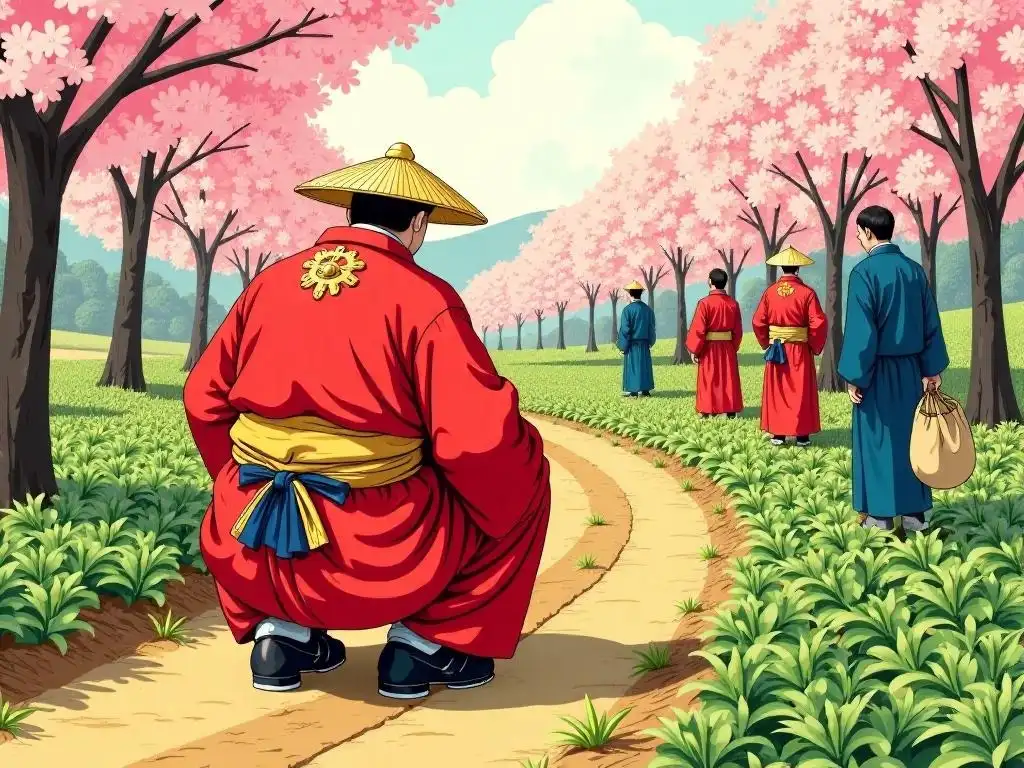
The taxation system in feudal Japan was a fundamental aspect of the Japanese feudal land tenure system that shaped the lives of farmers and the agricultural landscape. Taxation was not merely a financial obligation; it reflected the intricate relationships between landowners, samurai, and the peasantry. This section delves into the nuances of taxation during the feudal era, examining its practices, types, and impact on agricultural production.
Overview of Taxation Practices in Feudal Japan
In feudal Japan, taxation was primarily levied on agricultural production, which was the backbone of the economy. The central government, along with local daimyōs (feudal lords), established a system where farmers were required to pay a portion of their harvest as tax. This system was deeply intertwined with the land tenure arrangements, where land ownership was often linked to military service or loyalty to a daimyō.
- Fixed vs. Variable Taxation: Taxes were typically fixed as a percentage of the harvest, usually around 40%, but this could vary based on the region and the specific agreements between farmers and landowners. In certain cases, taxes could be adjusted during poor harvests, although this was not guaranteed.
- Tax Collection Methods: Farmers were responsible for delivering their tax in kind, meaning they had to physically transport a portion of their crops to the local lord’s granary or storage facility. This process involved significant labor and logistics, impacting the overall agricultural cycle.
- Record Keeping: Local officials maintained detailed records of tax obligations, often leading to bureaucratic complexities that farmers had to navigate. These records were crucial for ensuring that tax revenues supported the samurai class and the local government.
Types of Taxes Imposed on Farmers
Farmers in feudal Japan faced various taxes that could be categorized into several types:
- Land Tax (Nenjū): The primary tax, usually calculated as a proportion of the harvest. This was often the most burdensome for farmers, directly affecting their livelihoods.
- Poll Tax (Kōmoku): A tax imposed per person, which applied to all adult males. This tax was particularly challenging for families with many dependents.
- Labor Tax (Hōken): Farmers were sometimes required to provide labor for public works or military service as part of their tax obligations. This could take away time from their farming activities.
- Special Taxes (Tokubetsu Zei): During times of war or natural disasters, daimyōs could impose additional special taxes to fund military campaigns or relief efforts, further straining farmers’ resources.
| Tax Type | Description | Impact on Farmers |
|---|---|---|
| Land Tax (Nenjū) | A percentage of the harvest | Major burden on income; influenced planting decisions |
| Poll Tax (Kōmoku) | Fixed charge per adult male | Increased financial strain with larger families |
| Labor Tax (Hōken) | Mandatory labor for public services | Reduced time for agriculture; affected harvest yields |
| Special Taxes (Tokubetsu Zei) | Additional levies during crises | Unpredictable financial burden; risk of debt or famine |
Impact of Taxation on Agricultural Production
The taxation system significantly influenced agricultural production and the daily lives of farmers. The following points illustrate these impacts:
- Resource Allocation: High tax burdens meant that farmers often had to allocate a substantial portion of their resources to meet their tax obligations. This left them with limited resources for personal sustenance and investment in better farming techniques.
- Crop Selection: To maximize their own survival, many farmers opted for fast-growing or less labor-intensive crops that yielded enough to meet tax demands without risking famine. This shift in crop selection often led to reduced biodiversity and long-term soil depletion.
- Debt and Dependency: In years of poor harvest, farmers frequently fell into debt to pay their taxes. This created a cycle of dependency on local landlords or moneylenders, further entrenching their obligations and limiting their autonomy.
- Social Stratification: The tax system reinforced social hierarchies, as wealthier landowners could absorb losses better than small farmers. This disparity often led to resentment and social unrest within rural communities.
The Japanese feudal land tenure system and its taxation practices created a complex web of obligations that shaped the agricultural landscape of feudal Japan. Understanding these dynamics is essential to grasping the broader social and economic context of the era.

Adaptation to the Japanese Feudal Land Tenure System
The Japanese feudal land tenure system was a complex web of obligations, rights, and relationships that significantly influenced the lives of farmers during the feudal era. Farmers were primarily tenants, working lands owned by powerful feudal lords (daimyō). To navigate this system effectively, they employed various strategies that allowed them to maintain their livelihoods while fulfilling their obligations.
Key Strategies:
- Understanding Obligations: Farmers were required to pay a portion of their harvest as rent to their lords. This percentage could vary widely, often between 30% to 50% of the crop yield, depending on the region and specific agreements. Understanding these obligations was vital for farmers to plan their production effectively.
- Diversification of Crops: To mitigate the risks of crop failure due to natural disasters or market fluctuations, many farmers diversified their agricultural production. For instance, by planting multiple varieties of rice or incorporating vegetables and legumes into their fields, they created a more resilient farming system that could better withstand adverse conditions.
- Seasonal Labor: Farmers often engaged in seasonal labor beyond their own plots. This included working on larger estates or in nearby villages, providing them with additional income that could offset their rent obligations. Such practices were vital during lean years when their own yields were insufficient.
Bartering and Trade as Means of Survival
Bartering and trade played crucial roles in the economic life of farmers during the feudal period. The limitations imposed by the Japanese feudal land tenure system made it necessary for farmers to seek alternative means of sustenance and economic stability.
Important Aspects of Bartering and Trade:
- Local Markets: Farmers frequently participated in local markets where they could trade excess produce for goods they needed, such as tools, seeds, and textiles. These markets served as vital economic hubs, fostering community ties and enabling farmers to negotiate better terms for their goods.
- Reciprocal Exchange: In many villages, a system of reciprocal exchange flourished, where farmers would trade labor or goods in a mutually beneficial manner. For instance, if one farmer had a surplus of rice and another had vegetables, they could agree to swap their products, ensuring both benefited without monetary transactions.
- Specialization: Some farmers specialized in particular crops or crafts, allowing them to trade their specialized products for others. This specialization not only improved their economic standing but also encouraged collaboration and interdependence among farmers.
Collective Action Among Farmers: The Role of Villages
The role of villages in supporting farmers was indispensable during the feudal era. Collective action among farmers helped them navigate the challenges posed by the Japanese feudal land tenure system and ensured their survival.
Collective Efforts:
- Mutual Aid Societies: Many villages formed mutual aid societies, where farmers pooled resources to assist one another during times of need. These societies provided financial support for those facing crop failures or natural disasters, thereby fostering a sense of community resilience.
- Collective Bargaining: Farmers often banded together to negotiate with landowners for better terms regarding rents and obligations. By presenting a united front, they could leverage their collective numbers to secure more favorable conditions, such as lower rents or more manageable payment schedules.
- Defense and Security: Villages also served as a means of defense against external threats, such as banditry or warfare. By organizing collectively, farmers could protect their land and resources, ensuring a more stable environment for agriculture.
The navigation of feudal obligations required farmers to be strategic and resourceful. Through adaptation to the land tenure system, bartering and trade, and collective action within villages, they managed to sustain their livelihoods despite the challenges posed by feudalism in Japan.
Case Studies of Farmers' Experiences
The Japanese feudal land tenure system profoundly shaped the lives of farmers during the feudal era. Exploring the experiences of individual farmers offers insight into the complexities of land ownership, taxation, and the socio-economic dynamics that defined this period. Below are two case studies that illustrate the realities faced by farmers in feudal Japan.
A Rice Farmer's Journey
The life of a rice farmer in Japan during the feudal era is emblematic of the challenges and responsibilities inherent in the Japanese feudal land tenure system. Rice, being the staple crop, was not only vital for sustenance but also a key taxable commodity.
-
Land Ownership and Lease Agreements
Many rice farmers did not own the land they cultivated. Instead, they operated as tenants under the control of a daimyo (feudal lord). Lease agreements typically required farmers to pay a portion of their harvest as rent, which could be as high as 50% of the total yield. This arrangement often led to precarious financial situations.
-
Seasonal Cycles and Labor
Farming was labor-intensive and dictated by seasonal cycles. Farmers had to navigate the timing of planting and harvesting while managing labor shortages during peak seasons. The reliance on family and community labor was essential, as hired help was often unaffordable.
-
Taxation and Obligations
Beyond the rent paid to their landlords, farmers were subject to various taxes imposed by local authorities. These included:
- Agricultural taxes based on rice production
- Poll taxes levied on household members
- Corvée labor, where farmers were required to work on public projects
Despite these burdens, successful rice farmers could achieve a degree of stability and even improve their social standing within the village.
During the Edo period (1603-1868), the Japanese feudal land tenure system became increasingly formalized, leading to more structured taxation policies. Farmers faced unique challenges in navigating these regulations while trying to sustain their livelihoods.
-
Increased Taxation Rates
As the Tokugawa shogunate sought to consolidate power and fund its administration, taxation rates increased. Farmers found themselves under pressure to produce more, which was often unfeasible due to poor harvests or natural disasters. The burden of taxation could lead to debt and, in severe cases, loss of land.
-
Tax Collection Methods
Tax collection was typically enforced by local samurai officials, who would use various methods to ensure compliance. This could include:
- Surveillance of harvest yields to assess taxes owed
- Penalties for late payments, including loss of land or increased tax rates
- Public humiliation as a deterrent against tax evasion
-
Resistance and Adaptation
Farmers often sought ways to resist or adapt to these challenges. Methods included:
- Forming cooperatives to share resources and labor
- Engaging in subversive practices, such as under-reporting yields to reduce tax burdens
- Participating in local uprisings against unjust taxation, which were not uncommon during periods of extreme hardship
The experiences of rice farmers during the Japanese feudal land tenure system reveal a complex interplay of economic pressures, social structures, and cultural practices. By examining these case studies, we can better understand how farmers navigated their obligations and the impact of feudalism on rural life in Japan.
Changes in the Land Tenure System Over Time
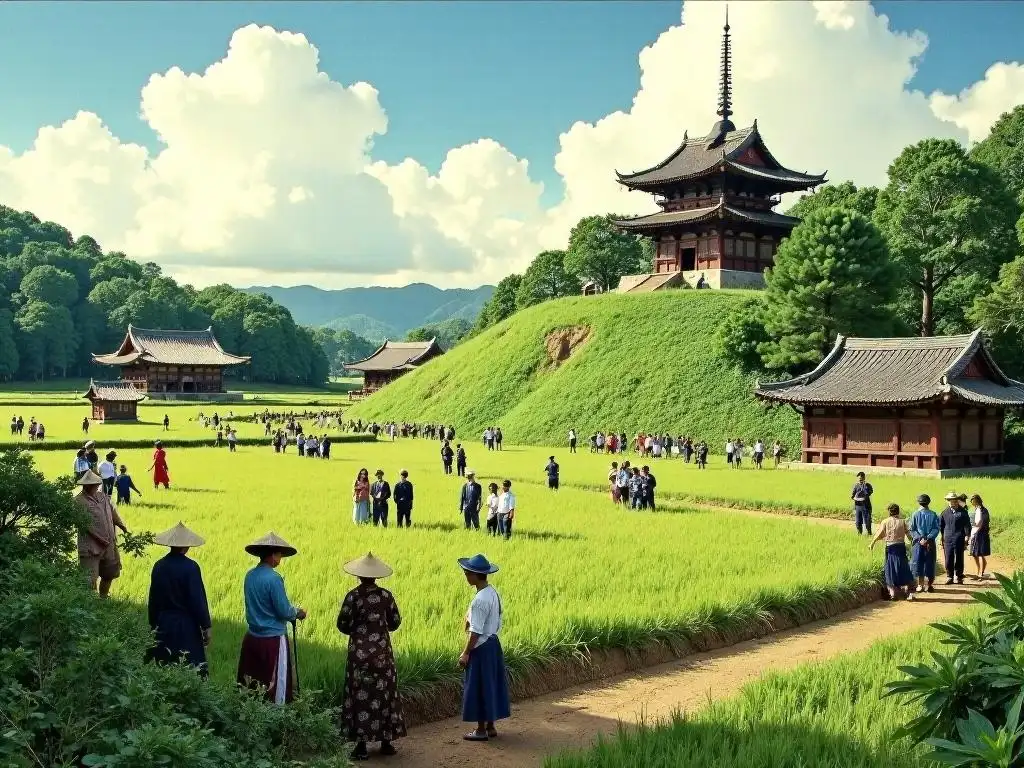
Transition from Feudal Land Tenure to Modern Systems
The Japanese feudal land tenure system, which characterized rural life for centuries, underwent significant transformations, particularly during the late Edo period and into the Meiji era. Traditionally, land was not privately owned but was held in a hierarchical system that linked peasants to landlords (daimyōs) and, ultimately, the emperor. Farmers were typically bound to the land they worked, paying a portion of their harvest as rent, which varied based on the type of crops cultivated and the productivity of the land.
As Japan began to modernize in the 19th century, the feudal land tenure system faced increasing challenges. The growing influence of Western ideologies and economic models prompted discussions about land reform. The need for a more efficient agricultural system became clear, especially as Japan sought to strengthen its economy and military in the face of foreign pressures.
The abolition of the feudal system in 1868, marked by the Meiji Restoration, sparked the transition to a more modern land tenure system. One of the key reforms was the Land Tax Reform of 1873, which aimed to create a more equitable and productive agricultural framework. Under this reform, land was officially surveyed, and farmers were given land certificates, enabling them to purchase land and establish ownership for the first time in Japanese history. This transition marked a significant shift from tenant farming to private land ownership, fundamentally altering the relationship between farmers and the land.
Impact of the Meiji Restoration on Farmers and Land Ownership
The Meiji Restoration had profound implications for farmers and land ownership within the context of the Japanese feudal land tenure system. Following the restoration, the government implemented several policies aimed at modernizing agriculture and improving the livelihood of farmers.
One of the most impactful changes was the introduction of the Land Tax, which replaced the traditional system of rent paid in kind with a monetary tax based on the assessed value of the land. This system required farmers to pay a fixed tax regardless of their harvest yields, which often placed a heavy financial burden on them, particularly in years of poor crop production.
Moreover, the government encouraged agricultural innovation and the adoption of new farming techniques. This included the introduction of modern machinery and fertilizers, which aimed to increase productivity. However, these innovations often required significant capital investment, and many farmers struggled to afford the costs, leading to increased debt and financial instability.
The Meiji government also promoted the idea of land ownership as a civic duty, suggesting that owning land was tied to being a good citizen. This ideology encouraged many farmers to strive for ownership, but it also led to disparities in land distribution, as wealthier individuals could purchase larger plots of land, leaving poorer farmers with little to cultivate.
The Meiji Restoration not only dismantled the traditional feudal land tenure system but also introduced a new framework that fundamentally altered the lives of farmers. The shift from a system of feudal obligations to one of private ownership and taxation created both opportunities and challenges, as farmers navigated the complexities of modern agricultural practices and economic pressures.
Conclusion
Summary of Key Insights on Land Tenure and Taxation
The Japanese feudal land tenure system was a complex framework that shaped the agricultural landscape of Japan during the feudal era. At its core, this system was characterized by a hierarchical structure where land was owned by the nobility, while farmers worked the land under various obligations. Understanding the nuances of this system reveals the intricate relationships between landowners and farmers, as well as the socio-economic dynamics at play.
- Land Ownership and Control:
- The land was primarily owned by daimyōs (feudal lords) who governed large estates. They granted parcels of land to samurai, who in turn managed these lands and collected taxes from the farmers.
- Farmers, often referred to as hyakusho, were typically tied to the land they worked on, leading to a system of serfdom where mobility was limited.
- Tax Obligations:
- Farmers were required to pay a variety of taxes, primarily in the form of rice, which served as the staple currency in feudal Japan. This taxation was crucial for the sustenance of the samurai class and the daimyōs.
- The amount of tax varied significantly depending on the region, crop yield, and the demands of the ruling lord, leading to a fluctuating relationship between farmers and their obligations.
- Cultural Practices:
- The obligations of farmers extended beyond mere economic transactions; they were deeply interwoven with cultural and spiritual practices. Many farmers participated in local festivals and rituals that honored the rice deity, illustrating the cultural significance of agriculture in feudal society.
- Resistance and Adaptation:
- Despite their obligations, farmers found ways to navigate the system. Instances of uprising and resistance against oppressive taxation highlight their struggles, showcasing their resilience and adaptability in the face of feudal pressures.
- Farmers often sought alternative means of income, such as engaging in trade or growing cash crops, to alleviate the financial burdens imposed by their feudal obligations.
The Legacy of the Japanese Feudal System in Modern Agriculture
The impact of the Japanese feudal land tenure system extends well into modern agricultural practices and land ownership in Japan. Understanding this legacy provides insight into contemporary issues surrounding agriculture, land use, and rural communities.
- Land Ownership Patterns:
- Modern land ownership in Japan reflects historical patterns established during the feudal era. While land reforms post-World War II altered ownership structures, remnants of feudal hierarchies can still be seen in land distribution and usage.
- The concept of land as a status symbol persists, with agricultural land often being passed down through generations, continuing the tradition of familial farming.
- Agricultural Practices:
- Traditional farming methods, many of which were developed during the feudal period, still influence modern agricultural practices. Techniques such as crop rotation and irrigation were refined over centuries and remain integral to Japan's agricultural identity.
- The emphasis on rice cultivation, rooted in the feudal system's tax obligations, continues to shape Japan's agricultural policies and cultural practices surrounding food.
- Rural Community Dynamics:
- The social structures established during the feudal era have contributed to the current dynamics of rural communities. The sense of community and collective responsibility among farmers can be traced back to the shared experiences of navigating feudal obligations.
- Modern cooperatives and agricultural associations often echo the communal practices that emerged during feudal times, demonstrating a continuity of social cohesion among farmers.
- Challenges and Adaptations:
- Today's farmers face challenges such as urbanization, aging populations, and global market pressures, which can be seen as a modern parallel to the struggles faced by their feudal ancestors.
- Adaptations in technology and farming methods reflect the enduring spirit of resilience that characterized farmers throughout Japan's feudal history, as they seek to thrive in an ever-changing agricultural landscape.
The Japanese feudal land tenure system profoundly shaped the agricultural practices and societal structures of its time, leaving a legacy that continues to influence modern Japan. Understanding this historical context is essential for grasping the complexities of contemporary agriculture and the ongoing relationship between land, culture, and community.
Further Reading and Resources
Recommended Books on Japanese Feudal History
To gain a deeper understanding of the Japanese feudal land tenure system and the complexities surrounding it, consider exploring the following recommended books:
- "The Making of Modern Japan" by John D. Young
- This comprehensive account covers Japan's transition from feudalism to modernity, providing insights into the land tenure system's evolution.
- "Feudal Japan: The History and Legacy of the Samurai Era" by Charles River Editors
- A detailed exploration of the samurai class and their relationship with land ownership, taxation, and the agricultural practices that supported feudal society.
- "Peasants and Society in Japan 1180-1950" by William Wayne Farris
- This book focuses on the lives of farmers in various historical contexts, examining the impact of land tenure systems on peasant life and society.
- "The Japanese Economy: A History" by Takafumi Kato
- Offers a broader perspective on the economic factors influencing land tenure, taxation, and agricultural productivity throughout Japan's feudal era.
- "Samurai, Warfare and the State in Early Medieval Japan" by Karl F. Friday
- This work delves into the military and political aspects of feudal Japan and their implications for land management and taxation.
Online Resources for Exploring the Life of Farmers in Feudal Japan
The following online resources provide valuable information and insights into the life of farmers during the Japanese feudal era:
- The National Diet Library of Japan
- An extensive digital archive that includes historical documents, maps, and texts related to land tenure and agricultural practices in feudal Japan.
- Japan National Tourism Organization (JNTO)
- Features articles and resources that highlight traditional farming practices and rural life in historical Japan, offering a glimpse into the daily lives of farmers.
- The Japanese Historical Society Website
- Provides access to various research papers and articles focused on the social history of Japan, including the agricultural sector and its relationship with feudal obligations.
- The Asia-Pacific Journal: Japan Focus
- An online journal that publishes academic articles on various topics related to Japanese history, including in-depth studies of feudal land tenure systems.
- YouTube Channels on Japanese History
- Channels such as "History Matters" or "The Samurai Archives" often feature documentaries and discussions about feudal Japan, providing visual context to the life of farmers and their obligations.
By engaging with these resources, readers can enhance their understanding of the Japanese feudal land tenure system and the intricate dynamics that shaped the lives of farmers during this pivotal period in history.
Frequently Asked Questions
What was the Japanese feudal land tenure system?
The Japanese feudal land tenure system was a hierarchical structure where land was owned by daimyos and worked by peasants who were often bound by feudal obligations.
How did taxation work during the feudal era in Japan?
Taxation in feudal Japan was primarily based on agricultural output, with farmers required to pay a portion of their harvest to their daimyos in exchange for land use and protection.
What were the main challenges faced by farmers under feudal obligations?
Farmers often struggled with high taxes, poor harvests, and the risk of land loss due to their inability to meet feudal demands, which created a cycle of debt and dependency.
How did the feudal system impact Japanese society?
The feudal system created a strict social hierarchy, where samurai, daimyos, and peasants had defined roles, influencing cultural practices and social interactions throughout the era.
What reforms eventually changed the feudal land tenure system in Japan?
The Meiji Restoration initiated reforms that dismantled the feudal land tenure system, leading to the establishment of a modern land ownership system and the abolition of feudal obligations.
The intricate relationship between land tenure and taxation in Japan's feudal system remains profoundly relevant today. As we explore how farmers navigated their feudal obligations, we uncover the enduring impact of these historical structures on contemporary land ownership and agricultural practices. The lessons learned from this era resonate with modern discussions about property rights, social equity, and economic sustainability.
Clearly, the Japanese feudal land tenure system has shaped not only the agricultural landscape but also the cultural identity of the nation. The resilience and adaptability of farmers in the face of oppressive obligations serve as a testament to human ingenuity and perseverance. In every challenge lies an opportunity for growth.
This sentiment encapsulates the spirit of those who navigated the complexities of feudal obligations, reminding us that the struggles of the past continue to inform our present and future.
As we reflect on the historical journey of land tenure and taxation, let us consider how these themes manifest in our own lives. I invite you to examine your relationship with land and resources, and to think critically about the systems that govern them. By understanding the past, we can better advocate for equitable practices that honor both our heritage and the needs of future generations. Embrace the lessons of resilience and adaptability as you navigate your own obligations and opportunities in today's world.
Unlock the Secrets of Land Tenure Today!
Thank you for taking the time to delve into the fascinating dynamics of land tenure and taxation in feudal Japan! Your exploration of this rich history enhances your understanding of how farmers skillfully navigated their obligations. Now, let's keep the momentum going and put that knowledge into action!
- Dive deeper into the intricate relationships of feudal systems by researching specific samurai or peasant families in Japan. Uncover their stories and the challenges they faced!
- Share your insights with friends or on social media. Start a discussion about the implications of land tenure in modern contexts— how might these historical lessons apply today?
- Join local history groups or online forums focused on feudal Japan to connect with like-minded enthusiasts, exchange ideas, and broaden your understanding.
How do you think the lessons learned from the land tenure systems of feudal Japan can influence today's agricultural practices and land ownership debates?