
Peasant Revolts: The Farmers' Fight Against Feudal Oppression

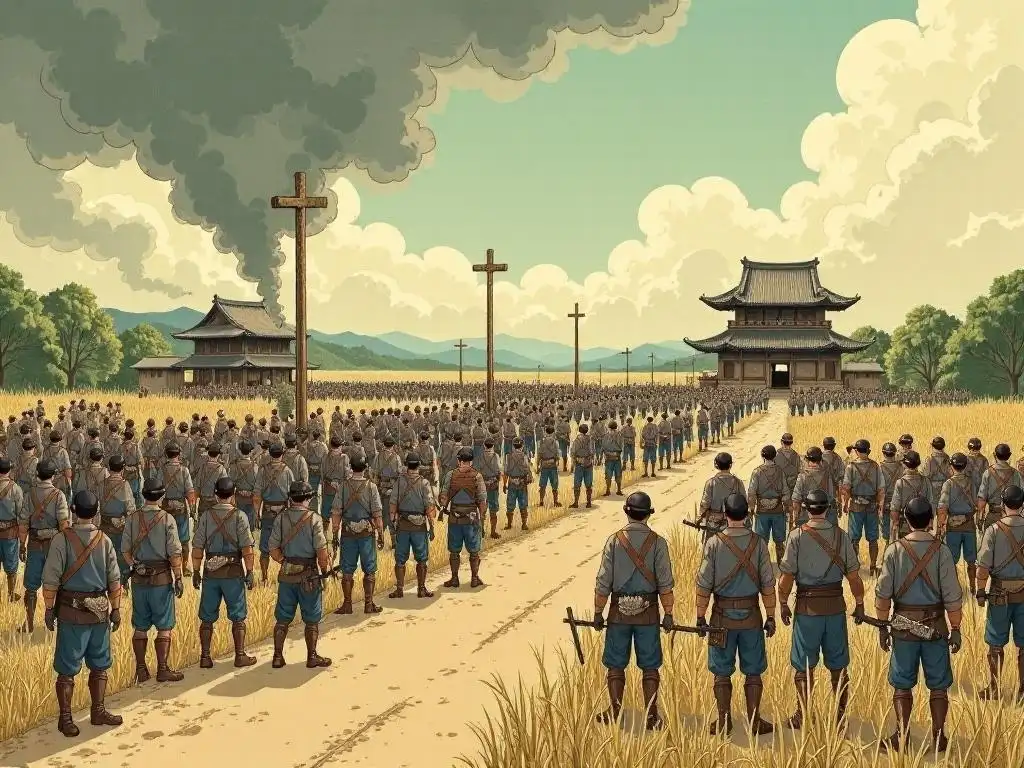
Welcome to Feudal Japan History, where we embark on an intriguing journey through the complexities of Japan’s feudal era. In our latest article, "Peasant Revolts: The Farmers' Fight Against Feudal Oppression," we delve into the fascinating world of Japan feudal peasant revolts, revealing the untold stories of farmers who stood against the tides of oppression. What drove these peasants to rise up, and how did their struggles reshape the social landscape of their time?
Prepare to uncover the layers of history, culture, and societal dynamics that defined an era as we unravel the epic tales of resistance that still echo today. Join us as we explore the resilience of the human spirit in the face of adversity!
- Introduction to Japan Feudal Peasant Revolts
- Historical Context of Peasant Revolts in Feudal Japan
- Major Peasant Revolts in Japan's Feudal Era
- The Role of Farmers in Feudal Japanese Society
- Responses to Peasant Revolts by Feudal Authorities
- Legacy of Peasant Revolts in Japan's History
- Conclusion: The Importance of Understanding Japan Feudal Peasant Revolts
-
Frequently Asked Questions
- What were the main causes of the peasant revolts in feudal Japan?
- How did the samurai class respond to peasant revolts?
- Can you name some notable peasant revolts in Japan's feudal history?
- What role did rice play in the peasant revolts?
- How did peasant revolts impact Japanese society in the long term?
- Final Reflection: The Enduring Spirit of Resistance in Japan's Feudal Peasant Revolts
- Unveil the Power of Knowledge and Action!
Introduction to Japan Feudal Peasant Revolts
The peasant revolts in feudal Japan represent a critical chapter in the nation’s social history, reflecting the struggles and resilience of farmers against the oppressive conditions imposed by the feudal system. Spanning several centuries, these uprisings were not merely spontaneous acts of rebellion; they were deeply rooted in the socio-economic realities of the time, characterized by harsh taxes, land dispossession, and the overarching control of local lords.
This article delves into the intricacies of these revolts, exploring the lives of the farmers involved, the catalysts behind their uprisings, and the broader implications of their struggles within the context of Japan's feudal system. By examining these revolts, we gain invaluable insights into the dynamics of power and resistance that shaped the lives of everyday people during this tumultuous period.
Overview of Peasant Life in Feudal Japan
Peasant life in feudal Japan was marked by a rigid social structure and a subsistence economy that dictated daily existence. Farmers, primarily engaged in rice cultivation, were the backbone of the agrarian society, yet they faced numerous challenges that significantly impacted their livelihoods:
- Land Ownership: Most peasants worked land owned by feudal lords, known as daimyo. They were required to pay hefty rents and taxes, often leaving them with barely enough to sustain their families.
- Labor Demands: The feudal system imposed labor obligations on farmers, who were expected to work on their lord's land in addition to their own. This dual burden often led to exhaustion and further economic strain.
- Natural Disasters: Japan's susceptibility to natural calamities such as floods, droughts, and earthquakes exacerbated the precariousness of peasant life. Crop failures could spell disaster, pushing families into debt and despair.
- Social Hierarchy: The samurai class, at the top of the social hierarchy, exerted control over the peasants, often enforcing strict regulations and punishing disobedience harshly.
These factors created a volatile environment, fostering discontent among the peasant population. As conditions worsened, the seeds of revolt took root, culminating in significant uprisings across various regions of Japan.
The peasant revolts of feudal Japan were not only expressions of frustration but also pivotal moments in the broader narrative of social change. Their significance can be highlighted through several key aspects:
- Catalysts for Change: Many revolts challenged the established order, forcing feudal lords and the central government to reconsider their policies regarding taxation and land management. These uprisings often prompted reforms aimed at alleviating peasant suffering.
- Cultural Impact: The revolts gave rise to a rich tapestry of folklore and historical narratives that celebrated the bravery and resilience of farmers. This cultural legacy has persisted, influencing Japanese literature, theater, and art.
- Formation of Identity: The collective struggles of the peasantry fostered a sense of identity and solidarity among farmers, laying the groundwork for future social movements. Their fight against oppression resonates in modern discourse about social justice and the rights of the marginalized.
- Historical Legacy: Studying these revolts provides crucial insights into the evolution of Japan’s socio-political landscape, illustrating how the struggles of the past continue to shape contemporary society.
Understanding the peasant revolts within the framework of feudal Japan allows us to appreciate not only the historical context but also the enduring impact of these events on Japanese culture and society. Through this exploration, we can acknowledge the voices of those who fought for their rights and the legacy they left behind in the annals of history.
Historical Context of Peasant Revolts in Feudal Japan
The history of peasant revolts in feudal Japan is deeply intertwined with the socio-economic and political landscape of the era. Spanning from the late 12th century to the 19th century, this period was characterized by a rigid social hierarchy, marked by the dominance of the samurai class and the subjugation of the peasantry. Understanding the historical context of these revolts requires an examination of the feudal system itself, the economic pressures faced by farmers, and the profound social inequalities that fueled discontent among the rural populace.
The Feudal System and Its Impact on Farmers
The feudal system in Japan established a socio-political structure that revolved around landownership and loyalty. At the top of this hierarchy were the shoguns, who wielded military power, followed by daimyos (feudal lords) who controlled vast estates. The peasants, who constituted the majority of the population, were bound to the land and worked tirelessly to produce agricultural goods.
Under this system, peasants were often subjected to heavy taxation and labor obligations. The shiki (land tax) was a significant burden, taking a substantial portion of their harvest. In addition to taxes, the farmers were required to provide labor for public works and support their local daimyos in military campaigns. This exploitation fostered a sense of grievance, as many peasants struggled to meet their basic needs while their lords reaped the benefits of their labor.
The class divide created by the feudal system was stark, with little opportunity for social mobility. This rigidity reinforced the idea that the peasants were mere tools for the economic prosperity of the samurai class, leading to widespread resentment. As the feudal structure remained unchallenged for centuries, it laid the groundwork for periodic uprisings as farmers sought to reclaim their autonomy and rights.
Key Factors Leading to Peasant Revolts
Several interrelated factors contributed to the emergence of peasant revolts throughout the feudal era in Japan. These factors can be broadly categorized into economic pressures and social inequalities.
Economic Pressures on Peasants
Economic hardship was a primary catalyst for peasant revolts. A variety of conditions exacerbated the financial strain on farmers, including:
- Natural Disasters: Frequent flooding and droughts devastated crops, leading to food shortages. For instance, the 1586 drought in the Kanto region caused widespread famine, which intensified peasant unrest.
- Rising Taxes: As daimyos sought to fund their military exploits and maintain their lifestyles, taxes on peasants increased. By the 17th century, it was not uncommon for farmers to pay up to 40% of their harvest in taxes, leaving them with little for sustenance.
- Market Fluctuations: Peasants were often at the mercy of fluctuating market prices. When prices dropped, their meager profits dwindled, further deepening poverty.
These economic pressures often triggered immediate outbursts of anger, leading to organized revolts against oppressive landlords. Notable revolts, such as the Shinmachi Disturbance in 1837, exemplify how cumulative stressors could ignite widespread dissent among the farming communities.
Social Inequalities and Structure
The rigid social hierarchy of feudal Japan entrenched inequalities that further fueled peasant discontent. Key elements include:
- Lack of Rights: Peasants were often viewed as subservient and had little recourse for redress against injustices. The lack of legal protections made it difficult for them to contest unfair practices by daimyos or local officials.
- Cultural Ideals: Confucian ideals promoted loyalty to one’s lord, creating an internal conflict for peasants torn between their obligations and their plight. However, these ideals also laid the groundwork for collective actions when grievances reached a tipping point.
- Community Solidarity: Despite their oppression, the sense of community among peasants was strong. This bond often led to collective action during times of crisis, as seen in revolts like the Jōkyū Disturbance in 1221, where farmers banded together to resist oppressive taxation.
The interplay between economic pressures and deep-rooted social inequalities created a volatile environment for peasants during feudal Japan. As hardships mounted, so did the resolve of farmers to resist oppression, leading to a series of uprisings that punctuated the historical landscape of this era.
Major Peasant Revolts in Japan's Feudal Era

The feudal era of Japan was marked by a series of peasant revolts that arose as a direct response to the oppressive conditions under which farmers lived. These revolts were fueled by a combination of economic hardship, social injustice, and political discontent. Below, we explore two significant uprisings that illustrate the struggles of the peasant class during this tumultuous period.
The Jōkyū Rebellion (1221)
Causes and Background
The Jōkyū Rebellion, also known as the Jōkyū War, was a significant uprising that took place in 1221. The revolt was primarily sparked by the growing discontent among the samurai class and the peasantry against the Kamakura shogunate. Key factors that contributed to the unrest included:
- Economic Burdens: Farmers faced exorbitant taxation and harsh labor demands from their feudal lords, leading to widespread poverty and resentment.
- Political Strain: The conflict between the imperial court and the shogunate escalated, creating a climate of instability and division.
- Social Inequality: The rigid social hierarchy left little room for mobility, which frustrated many peasants who felt trapped in their circumstances.
The peasants, along with loyal samurai, rallied in support of the imperial court, aiming to restore power to the emperor and diminish the shogunate's grip on governance.
Outcome and Consequences
The Jōkyū Rebellion ultimately ended in failure for the insurgents. The shogunate's military superiority and strategic defenses quelled the uprising swiftly. The aftermath of the rebellion had several notable consequences:
- Increased Repression: The shogunate responded with harsh measures against dissent, leading to stricter controls over peasants and samurai alike.
- Political Realignment: The failure of the uprising solidified the Kamakura shogunate's power and led to a more pronounced division between the ruling samurai class and the peasantry.
- Cultural Reflection: The rebellion inspired literature and folklore that highlighted the plight of farmers, serving as a historical reminder of their struggles against feudal oppression.
The Shinchōkō Rebellion (1536)
Causes and Background
The Shinchōkō Rebellion, occurring in 1536, was another significant peasant uprising, this time set against the backdrop of increasing economic distress and social discontent in the Sengoku period. The causes of this rebellion included:
- Rising Taxation: As warlords vied for power, they imposed heavy taxes on peasant farms to fund their military campaigns, exacerbating the economic strain on farmers.
- Land Disputes: Many farmers faced threats of eviction from their lands as feudal lords sought to consolidate their power, leading to desperation and anger among the peasant class.
- Social Frustration: The ongoing conflicts during the Sengoku period created a sense of chaos and instability, pushing farmers to take a stand against their oppressors.
The Shinchōkō Rebellion was marked by the participation of several villages, uniting against the local daimyō and his samurai retainers.
Outcome and Consequences
Although the Shinchōkō Rebellion demonstrated the collective power of the peasantry, it ultimately ended in a brutal suppression by the daimyō’s forces. The fallout from the rebellion included:
- Severe Punishments: The aftermath saw harsh reprisals against the rebels, including execution and land confiscation, which served as a warning to other would-be dissidents.
- Shift in Power Dynamics: The rebellion highlighted the tensions between the peasantry and the samurai, leading to an understanding among some daimyōs that they needed to address peasant grievances to maintain stability.
- Legacy of Resistance: The Shinchōkō Rebellion became part of the narrative of peasant resistance, contributing to future movements and uprisings throughout Japan's feudal history.
These revolts are critical examples of the farmers' fight against feudal oppression, highlighting the persistent struggle for rights and recognition within Japan's complex social hierarchy.
The Peasant Revolts of the 17th Century
The 17th century was a pivotal period in Japan's feudal history, marked by significant social upheaval, particularly among the peasantry. During this era, the Tokugawa shogunate, established in 1603, implemented strict social hierarchies and heavy taxation, which placed enormous burdens on farmers. As agricultural production became increasingly central to the economy, the exploitation of peasant labor intensified. This led to widespread dissatisfaction, ultimately sparking numerous revolts across the country.
One of the most notable aspects of the 17th-century peasant revolts was the emergence of organized resistance. Farmers began to unite against their feudal lords, forming alliances that transcended local grievances. The revolts were often ignited by immediate issues such as crop failures, exorbitant taxes, and oppressive labor demands, but they reflected deeper, systemic frustrations with the feudal system as a whole. The most significant uprisings during this time included the Kōden Revolt in 1637 and the Shimabara Rebellion, which underscored the desperation of the rural populace.
In addition to the economic and social factors driving these revolts, the 17th century also saw the influence of cultural developments that shaped peasant identity. The rise of local leaders who articulated the grievances of the farmers played a crucial role in mobilizing resistance. These figures often emerged from within the communities, serving as both advocates and organizers. The combination of economic hardship, social stratification, and emerging leadership galvanized the peasantry into action, making the 17th century a crucial period in the history of peasant revolts in Japan.
Notable Events and Figures
Several significant events and personalities characterized the peasant revolts of the 17th century. One prominent revolt was the Shimabara Rebellion of 1637-1638, which was partly fueled by the oppressive taxation policies imposed by the Tokugawa regime. This uprising primarily involved Christian peasants who were reacting to political and social disenfranchisement. The rebellion culminated in a violent confrontation at Hara Castle, where thousands of rebels faced the shogunate's forces. The eventual defeat of the rebels led to harsh reprisals, including the execution of many captured participants, which served as a stark warning to other potential dissenters.
Another notable figure during this period was Kōzō Shōgen, a leader of the Kōden Revolt. His efforts to rally local farmers against excessive taxation and the seizure of land were emblematic of the growing unrest among the peasantry. Kōzō’s ability to mobilize support from various villages illustrated the potential for unified action against feudal oppression. Despite the ultimate failure of the revolt, it highlighted the resilience and determination of farmers to resist their exploitation.
Additionally, the Tōhoku Rebellion in the late 1600s involved a wide range of communities coming together to challenge the feudal lords’ demands. This was remarkable not only for its scale but also for the collaborative effort between different social classes, including samurai who sympathized with the peasants. These events and figures were critical in shaping the narrative of resistance among Japan's rural communities during the feudal era.
Impact on Feudal Society
The peasant revolts of the 17th century had a profound and lasting impact on feudal society in Japan. First and foremost, they exposed the vulnerabilities of the Tokugawa shogunate’s governance, revealing the deep-seated discontent among the rural populace. The scale and intensity of these uprisings forced the ruling class to reconsider their policies and approaches to taxation and land management. As a result, the shogunate implemented some reforms aimed at alleviating the burdens on farmers to maintain stability and prevent further insurrections.
Moreover, these revolts contributed to the gradual evolution of peasant identity and consciousness. The collective experiences of resistance fostered a sense of solidarity among farmers, leading to the formation of local networks and communities that would continue to play a role in social organization throughout the Edo period. The legacy of these revolts also influenced later movements, as the narrative of peasant struggle against oppression became ingrained in the cultural memory of the Japanese people.
Finally, the revolts served as a catalyst for change in the broader socio-political landscape of Japan. They laid the groundwork for future uprisings and movements against feudal authority, demonstrating that the peasantry could not only resist but also challenge the established order. The events of the 17th century ultimately contributed to a slow but relentless shift in the balance of power between the ruling classes and the common people, echoing through the annals of Japan's social history.
The Role of Farmers in Feudal Japanese Society

Farmers held a crucial position in feudal Japanese society, often regarded as the backbone of the economy. Their labor and productivity were essential for sustaining the agrarian-based economy, yet they frequently faced extreme hardships and oppression from the ruling samurai class. Understanding the role of farmers provides insight into the sociopolitical dynamics of feudal Japan, particularly during periods of unrest and peasant revolts.
Daily Life and Struggles of Farmers
The daily life of farmers in feudal Japan was characterized by a relentless cycle of labor, dictated by the seasons and agricultural needs. Most farmers worked long hours from dawn until dusk, engaging in various tasks such as plowing, planting, weeding, and harvesting.
- Work Schedule:
- Spring: Planting rice and other crops.
- Summer: Weeding and maintaining fields.
- Autumn: Harvesting crops.
- Winter: Preparing fields and repairing tools.
Farmers were often bound to the land they worked on, paying a significant portion of their harvest as tax to the local lord. This feudal obligation, combined with natural disasters like droughts, floods, or pests, could lead to severe famine and debt. Many farmers found themselves trapped in a cycle of poverty, unable to break free from the demands of their overlords.
Moreover, the imposition of rigid social hierarchies and the samurai's often brutal enforcement of laws meant that farmers had little recourse in times of hardship.
The life of a farmer was a constant struggle against nature and the burdens imposed by those in power.
Cultural Contributions of Peasants
Despite their struggles, peasants played a vital role in shaping the cultural landscape of feudal Japan. Their contributions extended beyond agriculture, influencing various aspects of Japanese life, including art, religion, and community activities.
Agricultural Innovations
Farmers were not only laborers but also innovators who developed various techniques to improve agricultural productivity. Key innovations included:
- Irrigation Systems: Farmers created intricate irrigation channels, allowing them to cultivate rice paddies in mountainous terrains.
- Crop Rotation: This technique helped to maintain soil fertility and increase yields.
- Fertilization Methods: Use of organic materials like fish and livestock waste enhanced crop growth.
These practices contributed to a more stable food supply, which, in turn, supported population growth and urbanization in Japan.
Festivals and Traditions
Peasant life was rich with festivals and traditions that celebrated agricultural cycles and local deities.
- Rice Planting Festivals: These events were not only a way to pray for a good harvest but also a time for community bonding.
- Harvest Festivals (Niinamesai): Marked the season's end, where communities would gather to give thanks and celebrate the bounty of the land.
Peasant festivals often featured traditional music, dance, and food, fostering a sense of identity and resilience among the farming communities.
While the farmers of feudal Japan faced significant challenges, their innovations and cultural contributions played an essential role in shaping the society of their time. Understanding their experiences is crucial for grasping the broader context of peasant revolts and the fight against feudal oppression.

Government Repression and Policies
The response of feudal authorities to peasant revolts in Japan was characterized predominantly by repression and the implementation of stringent policies aimed at maintaining control. The ruling samurai class viewed these uprisings not only as threats to their authority but also as challenges to the established social order. Consequently, their reactions often involved the following key strategies:
- Military Action:
- When a revolt erupted, local lords would frequently deploy samurai or hired mercenaries to suppress the uprising. These military forces often employed brutal tactics, which included:
- Mass Executions: Captured rebels faced severe penalties, including execution as a deterrent to future uprisings.
- Destruction of Property: Villages associated with revolts were often razed to instill fear and discourage dissent.
- When a revolt erupted, local lords would frequently deploy samurai or hired mercenaries to suppress the uprising. These military forces often employed brutal tactics, which included:
- Legal Repercussions:
- Feudal lords enacted harsh legal measures against those involved in revolts. This included:
- Increased Taxes: Post-revolt, many lords raised taxes to recover losses incurred during the uprisings, exacerbating the burden on farmers.
- Forced Labor: Some peasants were subjected to forced labor as punishment, further entrenching their subjugation.
- Feudal lords enacted harsh legal measures against those involved in revolts. This included:
- Surveillance and Control:
- To prevent further insurrections, feudal authorities increased surveillance of the peasant class. Techniques included:
- Informants: Local lords often employed informants within villages to report any signs of dissatisfaction or planning of revolts.
- Public Displays: Executions and punishments were often carried out publicly to serve as a warning to others.
- To prevent further insurrections, feudal authorities increased surveillance of the peasant class. Techniques included:
These methods of repression were aimed at quelling immediate unrest but often exacerbated the underlying issues of discontent among the peasant population.
Changes in Feudal Policies Post-Revolts
In the wake of significant peasant revolts, feudal authorities occasionally implemented changes in policies, albeit primarily as a means to maintain stability rather than genuine concern for the welfare of farmers. Some of the notable changes included:
- Land Reforms:
- Following large-scale revolts, some lords instituted land reforms to placate the peasantry. These reforms sometimes involved:
- Redistribution of Land: In certain cases, land that had been confiscated from rebellious peasants was returned or redistributed to gain loyalty.
- Lowered Tax Burdens: Recognizing the unsustainable pressure on farmers, some regions saw temporary reductions in taxes, though these were often reversed later.
- Following large-scale revolts, some lords instituted land reforms to placate the peasantry. These reforms sometimes involved:
- Improved Relations with Farmers:
- Feudal authorities recognized the importance of maintaining a cooperative relationship with the peasantry to avoid further insurrections. This included:
- Negotiation: Some lords began to engage in dialogue with village leaders, allowing for the establishment of village councils to discuss grievances.
- Incentives for Loyalty: Promises of protection and reduced taxes were occasionally offered to loyal villages in exchange for support against potential uprisings.
- Feudal authorities recognized the importance of maintaining a cooperative relationship with the peasantry to avoid further insurrections. This included:
- Institutional Changes:
- The aftermath of revolts sometimes prompted broader institutional changes, such as:
- Strengthening of Local Governance: Authorities increased the power of local officials to manage village affairs, thereby decentralizing some control from the lords.
- Creation of Mediation Mechanisms: Some regions developed mediation processes to address disputes between peasants and landowners, albeit with limited effectiveness.
- The aftermath of revolts sometimes prompted broader institutional changes, such as:
Despite these changes, many of the reforms were superficial and largely aimed at maintaining the status quo. The cycle of oppression and revolt persisted, reflecting the deep-rooted tensions in the feudal system of Japan.
Legacy of Peasant Revolts in Japan's History
The legacy of peasant revolts in Japan during the feudal era is a testament to the resilience and determination of farmers who fought against oppression. These uprisings, often sparked by severe taxation, land disputes, and social injustices, have left an indelible mark on Japan's historical narrative. The waves of rebellions, particularly during the Muromachi and Edo periods, not only challenged the existing feudal structures but also paved the way for significant societal changes.
One of the most notable uprisings was the Shinano Peasant Revolt in the 16th century, where farmers rose against the oppressive land taxes imposed by the local lord. This revolt exemplified the growing unrest among the agrarian classes and set a precedent for future movements. Another significant event was the Ikki, a series of peasant uprisings that occurred in the 15th and 16th centuries, which sought to improve the conditions of farmers and assert their rights against feudal lords.
The collective memory of these revolts has influenced Japanese culture, shaping perceptions of social justice and resistance against tyranny. The narratives surrounding these uprisings have been preserved in folklore and literature, highlighting the struggles of the peasantry as heroic and just.
Influence on Modern Japanese Society
The impact of feudal peasant revolts can still be felt in modern Japanese society. The agrarian struggles of the past have contributed to a sense of social consciousness among the Japanese people, fostering a belief in equity and justice. The concept of "wakamono no kiai" (the spirit of youth) embodies the courage and determination that characterized the peasant uprisings, and it resonates in contemporary movements advocating for farmers' rights and social equity.
Moreover, the historical context of these revolts has influenced Japan's democratic evolution. As Japan transitioned from a feudal society to a modern state in the late 19th century, the principles of self-determination and resistance against oppression became integral to the national identity. The legacy of the peasant revolts is reflected in Japan's post-war constitution, which emphasizes human rights and the dignity of the individual.
In the context of agricultural policies, the memory of revolts has led to reforms aimed at protecting farmers' interests. Modern movements advocating for agricultural sustainability and the rights of rural communities can trace their roots back to the struggles of historical peasant revolts, illustrating the enduring influence of these events.
Lessons Learned from Historical Revolts
The historical peasant revolts in Japan offer valuable lessons that continue to resonate today. One of the primary lessons is the importance of collective action. The success of peasant movements often hinged on the ability to unite diverse groups against common grievances. This collective spirit is essential in contemporary social movements, where collaboration across different sectors can amplify voices and drive change.
Another critical lesson is the significance of advocacy for rights and justice. The revolts underscored the need for marginalized groups to assert their rights against oppressive structures. This advocacy remains relevant as modern societies grapple with issues of inequality and injustice, reminding us that the fight for rights is ongoing.
Furthermore, the peasant revolts highlight the role of leadership and organization. Charismatic leaders often emerged during these uprisings, guiding and mobilizing their communities. Effective leadership is still crucial in modern activism, as it can inspire and rally individuals toward a common goal.
The legacy of Japan's feudal peasant revolts is multifaceted, shaping not only historical narratives but also influencing contemporary society and social justice movements. The lessons derived from these uprisings continue to be relevant, emphasizing the enduring struggle for equity and the importance of collective action in addressing social injustices.
Conclusion: The Importance of Understanding Japan Feudal Peasant Revolts
The peasant revolts during Japan's feudal era represent critical episodes that not only highlight the struggles of farmers but also illuminate the broader social dynamics of the time. Understanding these revolts is essential for grasping the complexities of Japan's feudal society, where oppressive structures often left the agrarian population disenfranchised and desperate for change. The farmers' fight against feudal oppression serves as a testament to their resilience and determination to seek justice, challenging the status quo.
These revolts underscore the significance of social justice, as they reveal the lengths to which individuals and communities would go to resist exploitation. The narratives of these uprisings are not merely historical footnotes but rather powerful illustrations of human rights issues that resonate even today. By studying these events, we gain insights into the socio-economic conditions that precipitated unrest, allowing for a deeper appreciation of the historical context that shaped modern Japan.
The peasant revolts in feudal Japan shed light on the ongoing struggle for social justice, reflecting a persistent theme in human history. The farmers’ rebellions were often sparked by grievances such as excessive taxation, land disputes, and the harsh demands of feudal lords. This struggle for fairness and equity resonates with contemporary movements advocating for the rights of marginalized communities worldwide.
By examining these historical events, we cultivate a greater awareness of the systemic inequalities that persist in various forms today. The revolts encourage us to reflect on how power dynamics play out in society and the importance of advocating for the rights of the oppressed. Moreover, they serve as reminders that social change is often driven by grassroots movements, which can inspire present-day activists seeking to challenge injustices.
Future Implications for Study and Research on Feudal Japan
In light of the insights gained from studying Japan's feudal peasant revolts, future research should continue to explore the multifaceted aspects of these uprisings. Scholars may delve deeper into the regional variations of revolts, analyzing how local conditions and cultures influenced the nature and outcomes of these movements.
Additionally, interdisciplinary studies that incorporate perspectives from sociology, economics, and political science can enrich our understanding of the peasant experience in feudal Japan. By examining the interplay between agricultural practices, economic pressures, and social hierarchies, researchers can paint a more comprehensive picture of the period.
Furthermore, there is a need to investigate the legacy of these revolts in shaping modern Japanese society and its values. Understanding how historical grievances have informed contemporary attitudes toward social justice can provide valuable lessons for both scholars and activists alike. Ultimately, the study of Japan's feudal peasant revolts not only enhances our historical knowledge but also inspires ongoing dialogues about justice, equity, and the power of collective action.
Frequently Asked Questions
What were the main causes of the peasant revolts in feudal Japan?
The primary causes included heavy taxation, land disputes, and social inequality. Peasants often faced harsh conditions and sought to challenge feudal oppression.
How did the samurai class respond to peasant revolts?
The samurai class, tasked with maintaining order, often suppressed revolts violently. They viewed these uprisings as a direct threat to the feudal hierarchy and their own status.
Can you name some notable peasant revolts in Japan's feudal history?
One of the most significant was the Tensho Ippan War (1580-1582). Other notable revolts include the Shinano Uprising and the Jōkyū Disturbance, each highlighting the struggles of peasants against their lords.
What role did rice play in the peasant revolts?
Rice was a crucial economic resource in feudal Japan. Its production and taxation were directly tied to peasant livelihoods, making it a focal point for discontent and revolts.
How did peasant revolts impact Japanese society in the long term?
These revolts challenged the feudal system, leading to gradual changes in land ownership and taxation policies. They also contributed to a growing consciousness among the lower classes about their rights and power.
Final Reflection: The Enduring Spirit of Resistance in Japan's Feudal Peasant Revolts
The struggle of the peasantry against feudal oppression remains a powerful testament to the resilience of the human spirit. Today, as we navigate a world still grappling with social inequalities and economic disparities, the lessons from Japan's feudal peasant revolts resonate profoundly. These uprisings were not merely historical events; they were pivotal moments that shaped the course of societal change and continue to inspire movements for justice and equity in our contemporary landscape.
The legacy of these revolts is woven into the fabric of Japan's cultural and social identity. They remind us that collective action can challenge systemic injustices and that the voices of the marginalized can rise against oppression. As historian John W. Hall noted, The peasant revolts were not just reactions to immediate grievances; they were expressions of a deeper yearning for dignity and autonomy.
This sentiment underscores the ongoing relevance of these uprisings, as they highlight the importance of standing up for one's rights and the power of unity in the face of adversity.
As we reflect on the struggles of the past, let us carry forward the lessons learned from the peasant revolts. I invite you to consider how you can embody this spirit of resistance in your own life. Whether it’s advocating for social justice, supporting local farmers, or simply raising awareness about economic inequalities, every action counts. Together, we can honor the legacy of those who fought for their rights and ensure that their sacrifices continue to inspire future generations in the ongoing quest for fairness and dignity.
Unveil the Power of Knowledge and Action!
Thank you for diving into the inspiring yet challenging world of peasant revolts in feudal Japan. You’ve uncovered the stories of resilience and the struggle for justice among farmers who bravely fought against oppression. Now, it’s time to transform that knowledge into meaningful action!
Here’s how you can further explore this theme and make a difference:
- Join a discussion group focused on historical social movements, where you can share insights about the relevance of peasant revolts in today’s society.
- Explore local history by visiting museums or participating in events that highlight the agricultural past and the struggles faced by farmers throughout history.
- Share this article with friends on social media to spark conversations about the importance of understanding our history and its impact on present-day injustices.
Which story of resilience or struggle resonates most with you, and how do you see its reflection in today’s society?