
The Spiritual Connection: Shinto Beliefs and Farming Practices in Feudal Japan


Welcome to Feudal Japan History, where we embark on a captivating journey through the intricate tapestry of Japan’s feudal era. Here, we delve into the profound interconnection between spirituality and agriculture, exploring how Shinto beliefs shaped farming practices during this fascinating period. As you navigate our expert-driven articles, prepare to uncover the rich cultural and societal layers that define this unique epoch. What secrets lie within the fields of ancient Japan? Join us as we unveil the spiritual essence that nurtured the land and its people.
In the rich tapestry of feudal Japan, the interplay between spirituality and daily life was profoundly evident, particularly in the realm of agriculture. Shinto, the indigenous spirituality of Japan, held a pivotal role in shaping the agricultural practices and rituals of the time. This relationship between Shinto beliefs and farming practices is not merely historical; it reflects a deep-seated understanding of nature, community, and the divine that permeated the lives of farmers.
The farmers of feudal Japan, often viewed through the lens of their labor and productivity, were also custodians of cultural traditions and spiritual beliefs that guided their practices. This article delves into the intricate connections between Shinto beliefs and farming in feudal Japan, exploring how these elements coalesced to create a unique agricultural landscape deeply rooted in spirituality.
The Role of Shinto in Agricultural Practices
Shintoism, often characterized by its animistic beliefs, posits that kami (spirits) inhabit all aspects of nature, including plants, animals, and even inanimate objects. This belief system profoundly influenced the agricultural practices of feudal Japan in several ways:
- Rituals and Offerings: Farmers would often perform rituals to honor the kami associated with rice cultivation, the staple of the Japanese diet. Offerings of rice, sake, and other goods were made at local shrines to ensure a bountiful harvest.
- Seasonal Festivals: Important festivals, such as the Niiname-sai, celebrated the first harvest of the year and involved ceremonies to express gratitude to the kami. These events not only strengthened community bonds but also reinforced the spiritual significance of farming.
- Field Shrines: Many farms included small shrines dedicated to specific kami, where farmers would pray for protection and blessings over their crops.
The Agricultural Calendar and Shinto Festivals
The agricultural calendar in feudal Japan was closely tied to Shinto festivals, which marked significant seasonal transitions and farming cycles. Understanding the synchronization of these events sheds light on the farmers' reverence for nature and their reliance on spiritual guidance:
- Spring Planting:
- Kamo Matsuri: Held in spring, this festival was dedicated to the kami of agriculture, marking the beginning of the planting season with prayers for a good yield.
- Summer Cultivation:
- Tsuji Matsuri: Celebrated during the summer months, this festival involved rituals to protect crops from pests and diseases, emphasizing the farmers' connection to the kami’s protection.
- Autumn Harvest:
- Niiname-sai: As previously mentioned, this festival celebrated the harvest, thanking the kami for their blessings and ensuring a fruitful future.
Shinto Beliefs and Sustainable Farming Practices
The spiritual connection between Shinto and farming practices also fostered a sense of environmental stewardship among farmers. This is reflected in several sustainable practices:
- Natural Farming Techniques: Farmers believed in working in harmony with nature, leading to the use of organic farming methods that minimized harm to the environment.
- Crop Rotation and Soil Care: Practices such as crop rotation were not only efficient but were also seen as a way to respect the land and its kami, ensuring its vitality for future generations.
- Preservation of Sacred Groves: Many farmers maintained sacred groves or trees as a sign of respect for the kami, which also served to protect biodiversity and local ecosystems.
Conclusion
The spiritual connection between Shinto beliefs and farming practices in feudal Japan highlights the intricate relationship between culture, spirituality, and agriculture. This bond not only shaped the daily lives of farmers but also influenced broader societal values, integrating respect for nature and community into the very fabric of Japanese life. Understanding these connections offers valuable insights into the historical and cultural significance of agriculture in feudal Japan, revealing a society where spirituality and livelihood were deeply intertwined.
- The Role of Shinto in Agricultural Practices
- The Agricultural Calendar and Shinto Festivals
- Shinto Beliefs and Sustainable Farming Practices
- Conclusion
- What role did Shinto beliefs play in farming practices during feudal Japan?
- How did seasonal festivals relate to agricultural activities in feudal Japan?
- Were there specific Shinto rituals conducted for crop fertility?
- How did land ownership affect farming practices in feudal Japan?
- What is the significance of nature in Shinto and its impact on agriculture?
Introduction to Shinto and Feudal Japan

In feudal Japan, the intricate relationship between spirituality and daily life was deeply rooted in the traditional belief system known as Shinto. This indigenous religion, characterized by the worship of kami (spirits), played a pivotal role in shaping the cultural and agricultural practices of the time. Understanding Shinto is essential for grasping the spiritual connections that influenced farming practices during this era.
Overview of Shinto beliefs in feudal Japan
Shinto, often translated as "the way of the gods," is a polytheistic belief system that emphasizes the reverence for kami, which can be deities, spirits of nature, or ancestors. In feudal Japan, Shinto was not merely a religion but a vital aspect of cultural identity. Key beliefs included:
- Kami Worship: Farmers believed that every element of nature, from mountains to rivers, housed kami. Proper respect and rituals were essential to appease these spirits and ensure their favor.
- Ritual Purity: Cleanliness was paramount in Shinto, reflecting the belief that purity attracted positive kami. This influenced agricultural practices, with farmers often engaging in purification rituals before planting.
- Seasonal Festivals: Festivals (matsuri) were held to honor the kami and celebrate the agricultural cycle. These events included offerings of rice and sake, symbolizing gratitude for bountiful harvests.
The intertwining of Shinto with daily life fostered a sense of community and connection to the land, guiding not only spiritual practices but also agricultural methods.
The significance of agriculture in Japanese society
Agriculture was the backbone of feudal Japanese society, underpinning its economy, culture, and social structure. The significance of farming can be understood through several key aspects:
- Economic Foundation: The success of agriculture determined the wealth of feudal lords and the stability of local communities. Rice, in particular, was a staple food and a measure of wealth.
- Social Hierarchy: The agrarian society was structured around land ownership. Farmers (hyakusho) were essential to this system, as they cultivated the land, paying taxes in rice or labor to their lords.
- Cultural Identity: Farming practices were intertwined with local customs, festivals, and Shinto beliefs, reinforcing cultural identity and community bonds. The agricultural calendar dictated social activities, with planting and harvesting seasons marking important communal events.
Given its significance, the relationship between agriculture and spirituality was profound, as farmers relied on Shinto practices to ensure a prosperous yield.
The intersection of spirituality and farming practices
The fusion of Shinto beliefs with farming practices in feudal Japan created a unique agricultural environment where spirituality guided everyday activities. This intersection can be illustrated through the following practices:
- Rituals and Offerings: Farmers often performed rituals to invoke the blessings of kami for a successful harvest. This included the offering of the first fruits or rice to the gods, ensuring divine favor.
- Agricultural Shrines: Many villages housed shrines dedicated to specific kami associated with agriculture. These shrines served as focal points for the community’s spiritual life and agricultural activities.
- Festivals as Agricultural Milestones: Seasonal festivals, such as the Niinamesai (harvest festival), were critical events where farmers expressed gratitude for the harvest and prayed for future prosperity. These festivals reinforced the connection between spiritual beliefs and the agricultural calendar.
Shinto farming practices in feudal Japan were deeply intertwined with the spiritual beliefs of the time. The rituals, offerings, and community festivals not only enhanced agricultural productivity but also fostered a profound respect for the land and its spiritual significance. This spiritual connection to farming remains a defining characteristic of Japan’s rich cultural heritage.
Shinto Farming Practices in Feudal Japan
The intersection of Shinto beliefs and agricultural practices in feudal Japan reveals a profound spiritual connection that shaped the lives of farmers. Shinto, as the indigenous faith of Japan, emphasizes the worship of kami (spirits) that inhabit natural elements. This belief system influenced farming practices, rituals, and the overall relationship between people and the land. Understanding these practices provides insight into the daily lives of farmers and their reverence for the divine.
Understanding Shinto farming rituals
Shinto farming rituals were integral to ensuring a successful harvest and maintaining harmony with nature. Farmers traditionally engaged in a variety of rituals designed to appease the kami and seek their blessings. These rituals included:
- Purification rites: Farmers would often purify themselves and their tools before beginning the farming season to remove any impurities that might offend the kami.
- Offerings to the kami: It was common to present offerings such as rice, sake, and vegetables at altars or shrines to express gratitude and ask for a bountiful harvest.
- Divination practices: Various methods, including the use of omens and the consultation of priests, were employed to determine auspicious times for planting and harvesting.
The rituals were not merely ceremonial; they served to reinforce the farmers' connection to the land and the kami that inhabited it. This deep-rooted belief in the spiritual aspects of agriculture fostered a sense of community among farmers, as they collectively participated in the rituals that governed their livelihoods.
The role of shrines in agricultural life
Shrines played a pivotal role in the agricultural life of feudal Japan, serving as both spiritual centers and community gathering places. These shrines were often located near farmlands and were dedicated to specific kami associated with agriculture. The significance of shrines can be summarized as follows:
- Places of worship: Farmers would regularly visit shrines to offer prayers and seek blessings for their crops. This practice reinforced their spiritual connection to the kami and their reliance on divine favor for agricultural success.
- Community gatherings: Shrines often hosted festivals and communal activities, bringing farmers together to celebrate the changing seasons and their agricultural accomplishments. These events fostered social cohesion and shared cultural identity.
- Cultural education: Shrines served as sites for the transmission of agricultural knowledge through oral traditions, where older generations would share farming techniques and spiritual practices with the younger ones.
The presence of shrines within the agricultural landscape highlighted the intertwining of spirituality and daily life, illustrating how deeply embedded Shinto beliefs were in the farming practices of feudal Japan.
Seasonal festivals and their agricultural significance
Seasonal festivals, or matsuri, were critical in the agricultural calendar of feudal Japan, marking key moments in the farming cycle. These festivals not only celebrated the changing seasons but also reinforced the spiritual connection between the harvest and Shinto beliefs. Some notable aspects include:
- Rice planting festivals: Often held in spring, these festivals celebrated the beginning of the planting season. Farmers would perform rituals to pray for a good harvest, highlighting the importance of rice as a staple food in Japanese culture.
- Harvest festivals: In autumn, communities would gather to give thanks for the bountiful harvest. These celebrations often included offerings of the first rice and other crops to the kami, symbolizing gratitude and reverence for the gifts of nature.
- Ritual performances: Many festivals featured traditional dances, music, and theatrical performances that depicted agricultural themes, passing down stories and myths related to farming and Shinto beliefs.
These seasonal festivals were not only an expression of gratitude towards the kami but also served as vital moments for community bonding, reinforcing the interconnectedness of spiritual beliefs and agricultural practices in feudal Japan.
Through these practices and celebrations, Shinto beliefs significantly influenced the agricultural life of feudal Japan, shaping the farmers' relationship with the land and the divine.
The Influence of Shinto on Agricultural Techniques
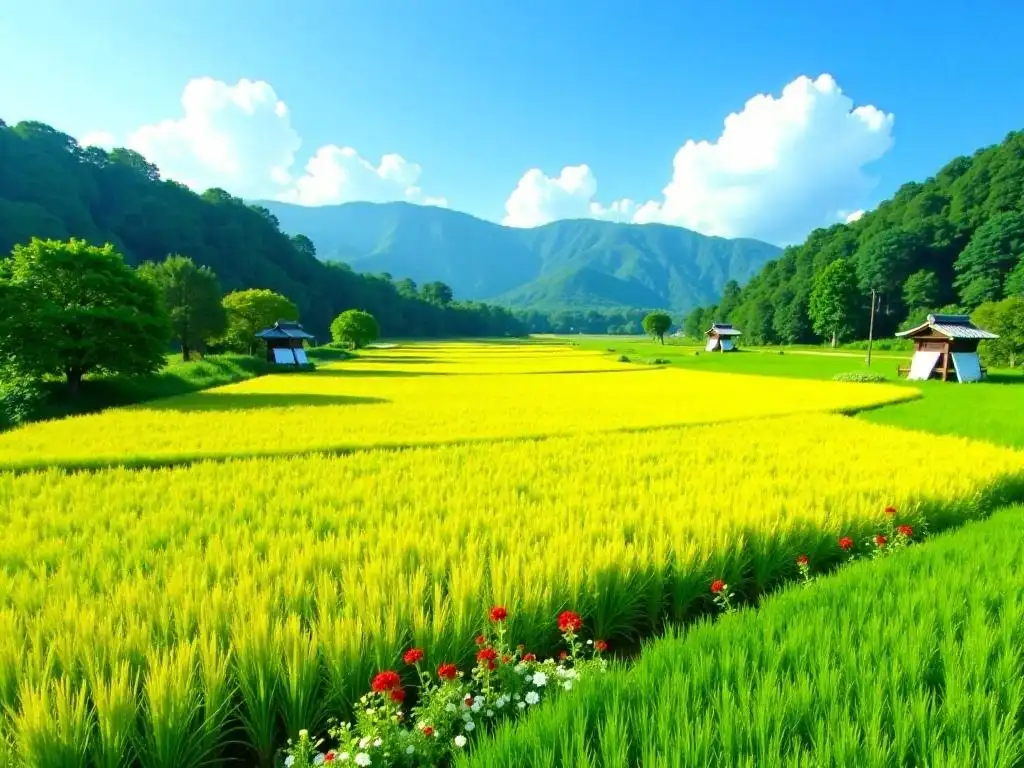
Traditional farming methods influenced by Shinto beliefs
Shinto, as the indigenous spirituality of Japan, profoundly influenced agricultural techniques during the feudal era. Farmers viewed their land as sacred, inhabited by kami (spiritual beings or gods), which fostered a deep respect for nature and its cycles. This reverence shaped various traditional farming methods that were intertwined with Shinto beliefs.
Farmers often performed rituals and ceremonies to appease the kami associated with agriculture. For instance, they would offer rice, sake, and seasonal produce at shrines to invoke blessings for a bountiful harvest. These practices included:
- Seasonal Festivals: Celebrations like matsuri were organized to honor agricultural deities, often coinciding with planting or harvesting seasons.
- Shrine Offerings: Farmers would create small altars in their fields, making daily offerings to kami to ensure protection and prosperity.
This fusion of spirituality and agriculture not only enhanced community bonds but also instilled a sense of duty among farmers to maintain their land respectfully. Techniques such as crop rotation and natural pest control were often observed, as these practices were seen as aligning with the natural order upheld by the kami.
The importance of rice cultivation in Shinto practices
Rice holds a central role in Shinto practices, serving as both a staple food and a symbol of purity and prosperity. In feudal Japan, rice cultivation was not merely an agricultural activity but a sacred duty that connected farmers to their ancestors and the divine.
Key aspects of rice cultivation in Shinto include:
- Symbolism of Rice: Rice is often referred to as shinmai (new rice) and is considered a gift from the kami. It symbolizes life, fertility, and sustenance, making it central to many Shinto rituals.
- Shinto Rituals: The Ise Grand Shrine, one of the most significant Shinto shrines, hosts annual ceremonies where newly harvested rice is offered to the kami, reflecting the deep connection between agriculture and spirituality.
- Harvest Festivals: Celebrations such as Inada Matsuri highlight the communal aspect of rice farming, where local farmers gather to celebrate the harvest and express gratitude to the kami.
The intricate relationship between rice cultivation and Shinto practices not only facilitated agricultural success but also reinforced cultural identity and continuity within farming communities.
Fertility rites and their impact on crop yield
Fertility rites were integral to Shinto beliefs, aimed at ensuring abundant crop yields and prosperous harvests. These rites encompassed a variety of rituals performed by farmers and local priests to invoke the blessings of kami, particularly those associated with fertility and agriculture.
Prominent fertility rites included:
- Kagura Dance: This traditional dance was performed to entertain the kami and ask for their favor. It was believed that the rhythmic movements and music could stimulate the earth's fertility.
- Ritual Planting: Special ceremonies were conducted at the time of sowing seeds, where farmers would pray for the seeds to take root and grow strong. This often included the use of sacred tools or the recitation of specific incantations.
- Divination Practices: Farmers frequently engaged in divination to determine the most auspicious days for planting and harvesting, believing that aligning agricultural activities with cosmic forces would enhance crop yields.
The impact of these fertility rites was significant; they fostered a communal spirit among farmers, encouraged cooperation, and provided psychological assurance that their efforts were supported by divine forces. Such practices not only contributed to agricultural productivity but also reinforced the cultural importance of Shinto in everyday life in feudal Japan.
Case Studies of Shinto and Farming Practices

The intersection of Shinto beliefs and farming practices in feudal Japan presents a fascinating lens through which to explore the agricultural life of the era. Shinto, the indigenous spirituality of Japan, emphasized the importance of harmony with nature, which profoundly influenced the agricultural methods employed by farmers. This section examines specific case studies that highlight regional variations, notable shrines, and historical examples of how Shinto practices enhanced crop production.
Regional variations in Shinto farming practices across Japan
In feudal Japan, regional differences in geography, climate, and culture led to distinct Shinto farming practices. Each area adapted its agricultural rituals to align with local environmental conditions and community needs. Notable variations include:
- Kanto Region: Farmers in this area often performed rituals at local shrines dedicated to Inari, the deity of rice and agriculture. They would celebrate the Inari Matsuri to ensure a bountiful rice harvest, incorporating offerings of rice and sake.
- Kansai Region: In contrast, the Kansai farmers might focus on the Tenjin deity, who represents scholarship and agriculture. The Tenjin Matsuri involved ceremonies that combined prayers for academic success and agricultural prosperity.
- Tohoku Region: The harsh winters necessitated a unique approach, where farmers engaged in Kagura, traditional Shinto dance rituals, during the spring to invoke blessings for the upcoming planting season. These dances included offerings of local produce to the kami (spirits).
These regional practices underscore the adaptability of Shinto beliefs within various agricultural contexts, reflecting local customs and environmental characteristics.
Notable shrines associated with agricultural success
Several shrines throughout Japan are particularly renowned for their association with agricultural prosperity. These sacred sites often served as focal points for farmers seeking divine favor:
- Fushimi Inari Taisha (Kyoto): This shrine is dedicated to Inari, the kami of rice and agriculture. The thousands of vermillion torii gates symbolize the blessings received by those who honor Inari. Farmers would visit the shrine before planting rice, offering prayers and food as thanks for past harvests.
- Ise Grand Shrine (Mie): As one of Shinto's holiest sites, Ise Grand Shrine holds a special significance for farmers. Rituals conducted here, such as the Ame-no-Tajikarao, are believed to enhance the fertility of the land and protect crops from pests and blight.
- Kasama Inari Shrine (Ibaraki): Known for its robust agricultural festivals, this shrine is pivotal for local farmers. The annual Kasama Inari Matsuri features processions and offerings that celebrate the deity's role in ensuring crop growth and abundance.
These shrines not only served religious purposes but also embodied the community's hopes and aspirations for successful harvests.
Historical examples of Shinto practices enhancing crop production
Throughout Japan's feudal history, numerous documented instances illustrate how Shinto practices directly influenced agricultural outcomes. Some significant examples include:
- The Saito Clan's Rice Rituals: In the 16th century, the Saito clan, prominent in the Gifu Prefecture, conducted elaborate rituals at their local shrine to Inari. These rituals included the use of sacred rice, which was planted in consecrated fields. Historical records indicate that their yields consistently surpassed those of neighboring clans.
- The Use of Sacred Stones: In the Edo period, farmers often employed "shimenawa" (sacred ropes) and stones at the borders of their fields to define sacred spaces. These stones, believed to house protective kami, were thought to ward off negative influences and pests, resulting in healthier crops.
- The Agricultural Calendar: Shinto beliefs also dictated the agricultural calendar. Farmers aligned their planting and harvesting schedules with various Shinto festivals. For example, the Taue Matsuri, a rice planting festival, was celebrated in June, where farmers would pray for a good harvest, reinforcing the community's bond with spirituality and agriculture.
These historical examples demonstrate not only the integral role of Shinto in agricultural practices but also how these practices evolved to meet the challenges of farming in feudal Japan. By intertwining spiritual beliefs with farming activities, communities fostered resilience and adaptability, ultimately enhancing crop production and ensuring their livelihoods.
The Societal Impact of Shinto Farming Practices
How Shinto beliefs shaped farmer communities
Shinto, the indigenous spirituality of Japan, has profoundly influenced the agricultural practices and societal structures of farming communities during the feudal era. At the core of Shinto beliefs is a deep reverence for nature and the kami, or spirits, that inhabit natural elements such as trees, mountains, rivers, and rice fields. This reverence instilled a sense of harmony between farmers and their environment, directly shaping their farming practices.
Farmers engaged in rituals and festivals to honor the kami, particularly in relation to rice cultivation, which was central to their sustenance and cultural identity. For instance, the Oni Matsuri (rice planting festival) allowed farmers to pray for a bountiful harvest, reflecting their dependence on divine favor. The cyclical nature of farming was thus intertwined with Shinto spirituality, creating a community bond centered around shared beliefs and practices.
Moreover, the social organization of farming communities was influenced by Shinto values. The concept of amae (the desire to be loved) fostered close-knit relationships within villages, encouraging cooperative farming efforts. Farmers would often work together, helping one another during planting and harvesting seasons, which reinforced community ties and shared spiritual responsibilities.
The relationship between samurai and farmers influenced by spirituality
The relationship between farmers and samurai in feudal Japan was complex and deeply rooted in the spiritual beliefs of Shinto. Samurai, as the ruling class, relied on the agricultural output of farmers to sustain their military and economic power. However, this dependence was often shrouded in a mutual respect that stemmed from shared spiritual practices.
Samurai were not merely warriors; they were also guardians of the land and its people. Many samurai participated in Shinto rituals, acknowledging the importance of the kami in agricultural success. This spiritual connection fostered a sense of duty among samurai to protect farming communities, viewing themselves as stewards of both land and people. The samurai often engaged in farming practices themselves, especially during times of peace, which further enhanced their understanding of the farmers' struggles and reverence for the land.
Additionally, the bushi no on (the duty of the warrior) philosophy encouraged samurai to support the agricultural economy. By participating in Shinto rituals alongside farmers, they reinforced the idea that both classes were integral to the fabric of society. This relationship was not without tensions, as samurai sometimes imposed heavy taxes on farmers, but the underlying spiritual connection often led to negotiations and compromises that benefited both parties.
The legacy of Shinto practices in modern Japanese agriculture
The legacy of Shinto farming practices continues to resonate in modern Japanese agriculture, illustrating the enduring influence of spirituality on agricultural methods. Today, many farmers still engage in traditional rituals to honor the kami, particularly during significant agricultural events such as rice planting and harvest festivals. These practices not only serve to invoke blessings for fertility and abundance but also reinforce community identity and continuity of cultural traditions.
Modern farming practices in Japan often incorporate elements of satoyama, a concept rooted in Shinto that emphasizes sustainable agriculture and the harmonious coexistence of human activity with nature. This ecological approach is a direct descendant of the Shinto belief that nature is sacred and must be respected. Farmers are increasingly adopting organic and permaculture methods that reflect this ethos, further binding modern practices to their historical and spiritual roots.
Moreover, the integration of Shinto beliefs into environmental conservation efforts highlights the ongoing relevance of these ancient practices. The recognition of certain natural sites as sacred can lead to their preservation, reflecting a collective commitment to maintaining the spiritual and ecological integrity of the land.
The legacy of Shinto farming practices is evident in contemporary agricultural approaches and community relationships, illustrating the profound impact of spirituality on Japan's agricultural history and identity.
Challenges and Changes in Shinto Farming Practices

The impact of feudal conflicts on agricultural traditions
Feudal Japan was characterized by a series of conflicts and power struggles that significantly impacted agricultural traditions and Shinto farming practices. During this period, the constant warring among samurai clans disrupted the stability necessary for farming. Land was often seized, and many farmers were forced to abandon their fields, leading to a decline in agricultural productivity.
- Disruption of Rituals: Shinto, as a religion deeply intertwined with agriculture, emphasized rituals to appease deities and ensure bountiful harvests. The instability caused by feudal conflicts often resulted in the neglect of these rituals. Farmers, focused on survival, sometimes abandoned traditional practices, which could have detrimental effects on crop yields.
- Land Ownership Changes: The feudal system introduced a hierarchy of land ownership, where powerful lords controlled vast areas. This led to a shift in farming practices, as tenants had to adapt to the demands of their lords. Farmers became more focused on meeting the immediate needs of their overlords rather than maintaining the sustainability of their agricultural practices.
- Cultural Resilience: Despite these challenges, many farmers maintained their Shinto beliefs, relying on festivals and ceremonies to invoke divine favor for their harvests. This resilience is evident in the continued practice of rituals like rice planting ceremonies, which sought to ensure a successful crop amidst the chaos of feudal conflicts.
Changes in farming practices during the Meiji Restoration
The Meiji Restoration (1868) marked a significant turning point for agriculture in Japan, leading to profound changes in Shinto farming practices. This era sought to modernize Japan, resulting in both positive and negative effects on traditional farming.
- Introduction of Modern Techniques: One of the most notable changes was the introduction of Western agricultural techniques. Farmers began adopting new tools and methods, which increased productivity but often conflicted with traditional Shinto practices. For example, the mechanization of rice cultivation reduced the reliance on ritualistic farming methods that had been practiced for centuries.
- Land Reform Policies: The Meiji government implemented land reforms that altered land tenure systems. These reforms aimed to create a class of independent farmers but often disregarded the spiritual significance of land in Shinto beliefs. Farmers were encouraged to prioritize profit over ritual, leading to a decline in the spiritual connection to the land.
- Revitalization of Shinto: Interestingly, alongside modernization, there was a revitalization of Shinto as a national religion. The government promoted Shinto to foster national identity, which led to a renewed interest in traditional farming rituals. Farmers began to blend modern practices with Shinto beliefs, creating a unique synthesis that honored both progress and tradition.
The resilience of Shinto beliefs in contemporary farming
Today, Shinto beliefs continue to have a significant influence on farming practices in Japan, showcasing the resilience of these traditions amidst modernization and globalization.
- Integration of Rituals into Modern Farming: Many contemporary farmers still incorporate Shinto rituals into their agricultural practices. For instance, the Kagura dances performed during harvest festivals reflect a deep-rooted connection to the land, serving as a way to express gratitude to the deities for their blessings. These rituals not only honor tradition but also foster community bonds among farmers.
- Organic and Sustainable Practices: In recent years, there has been a shift towards organic farming and sustainable practices, often inspired by Shinto principles of harmony with nature. Farmers are increasingly recognizing the importance of preserving the environment, echoing Shinto beliefs that emphasize respect for nature as a living entity.
- Cultural Heritage and Tourism: The rise of agritourism has allowed farmers to showcase their Shinto farming practices to visitors. This not only serves as an economic boon but also helps educate others about the cultural significance of Shinto beliefs in agriculture. Through workshops and farm tours, the spiritual aspects of farming are being preserved and passed down to future generations.
The challenges and changes in Shinto farming practices throughout history reflect a complex interplay of spirituality, agriculture, and socio-political dynamics. Despite the various upheavals faced over centuries, the enduring nature of Shinto beliefs continues to shape the identity and practices of farmers in contemporary Japan.
Conclusion: The Lasting Legacy of Shinto on Farming in Japan

Reflections on the spiritual connection between Shinto and agriculture
The bond between Shinto beliefs and agricultural practices in feudal Japan is profound and multifaceted. Central to Shinto is the concept of kami, or spirits, which inhabit all aspects of the natural world, including rice paddies, mountains, and rivers. Farmers viewed their land as sacred, believing that successful harvests were a direct reflection of their relationship with these kami. They engaged in rituals and festivals, such as the rice planting ceremony, to honor these spirits and ensure their favor throughout the growing season.
These spiritual practices were not merely superstitions; they were deeply embedded in the cultural identity of communities. For example, during the Kagura dance, which often accompanied agricultural festivals, farmers would express gratitude and seek blessings for their crops. This spiritual connection fostered a sense of community and responsibility towards the land, as villagers collectively participated in the rituals that celebrated their agrarian lifestyle.
Additionally, the Shinto belief in purity played a critical role in agricultural practices. Farmers were expected to maintain a pure environment for their crops, which translated into methods that respected the ecosystem. This included sustainable practices that minimized harm to the land, showcasing an early understanding of ecological balance that is still relevant in contemporary discussions about sustainable agriculture.
The relevance of Shinto farming practices in today’s society
The legacy of Shinto farming practices continues to resonate in modern Japanese society, particularly in rural areas where traditional methods are still cherished. The principles of respect for nature and community involvement that characterized feudal agricultural practices inform contemporary farming philosophies. Many modern farmers embrace these values by integrating Shinto rituals into their agricultural routines, thereby reinforcing their connection to the land.
Furthermore, as Japan grapples with environmental challenges, the Shinto approach to farming offers valuable insights into sustainable practices. The emphasis on harmony with nature aligns with contemporary movements seeking to promote organic farming and eco-friendly methods. For example, the practice of crop rotation and the use of natural fertilizers can be traced back to Shinto principles that prioritize the health of the soil and the surrounding ecosystem.
In urban settings, where many people are distanced from agricultural life, Shinto beliefs still influence local food movements. Community-supported agriculture (CSA) initiatives often incorporate Shinto-inspired practices, emphasizing local produce and the importance of connecting with the land and its spirits.
Future perspectives on Shinto beliefs and sustainable agriculture
Looking ahead, the integration of Shinto beliefs into sustainable agricultural practices presents a promising avenue for future development. As global awareness of environmental issues grows, there is an increasing interest in traditional methods that promote sustainability. Shinto's intrinsic respect for nature and the interconnectedness of all living beings can serve as a guiding philosophy in this context.
Educational programs that highlight the historical significance of Shinto practices can inspire a new generation of farmers and consumers. By fostering a deeper understanding of the spiritual connection to the land, these initiatives can encourage a more responsible and sustainable approach to agriculture. Additionally, as Japan seeks to revitalize its rural communities, the revival of Shinto rituals associated with farming could enhance local identity and community bonding.
The future of agriculture in Japan may well hinge on the ability to blend ancient beliefs with modern practices, creating a holistic approach that respects tradition while addressing contemporary challenges. By embracing the spiritual heritage of Shinto, farmers can cultivate not only crops but also a deeper connection to the land that sustains them, ensuring that this legacy endures for generations to come.
References
Key texts on Shinto and agricultural practices in feudal Japan
Understanding the relationship between Shinto beliefs and farming practices in feudal Japan requires delving into several key texts that provide insights into the spiritual and agricultural landscapes of the era. Below are some foundational works:
- "The Tale of the Heike": This epic narrative captures the essence of samurai culture and the natural world, reflecting the significance of Shinto beliefs in agricultural cycles and societal structure during feudal Japan.
- "Japanese Mythology: A Cultural History" by David A. Young: This book explores various myths and deities associated with agriculture, highlighting how Shinto practices influenced farming rituals and the farmers' relationship with the land.
- "Shinto: The Kami Way" by Sokyo Ono: A comprehensive guide to Shinto practices, this text details the rituals that honor kami (deities) related to agriculture, essential for understanding their integration into farming life.
- "Agricultural Practices in Pre-Modern Japan" by Yoshiko Okuyama: This work provides an in-depth analysis of how Shinto beliefs permeated agricultural methods, including rituals and community involvement in farming.
These texts offer a solid foundation for exploring how Shinto beliefs shaped the agricultural practices of feudal Japan, reflecting a deep spiritual connection to the land.
Further reading on the cultural significance of farming in Japanese history
To gain a broader context of the cultural significance of farming within Japanese history, especially during the feudal era, consider the following readings:
- "The Culture of Farming in Japan" by Haruko T. Inoue: This book examines the socio-economic implications of farming practices through the lens of Shinto beliefs, illustrating how agriculture was intertwined with Japanese culture and identity.
- "Rice as Self: Japanese Identities through Time" by Takashi Fujitani: This text discusses the importance of rice cultivation in Japan, emphasizing its cultural sacredness and the Shinto rituals associated with rice farming.
- "Farming and Feudalism: A History of Agriculture in Japan": An academic journal article that delves into the evolution of agricultural practices in Japan and their connection to feudal social structures and Shinto beliefs.
- "Religion and Society in Japan: The Impact of Shinto on Rural Life" by Yoko Saito: This study focuses on the role of Shinto in shaping community life and agricultural practices, providing insights into how spirituality influenced daily farming activities.
These resources further illuminate the integral role of farming in shaping Japanese society and its deep cultural roots in Shinto beliefs, offering a holistic view of the historical context of agricultural practices in feudal Japan.
Frequently Asked Questions
What role did Shinto beliefs play in farming practices during feudal Japan?
Shinto beliefs were integral to farming practices in feudal Japan, as they emphasized the spiritual connection between nature and agriculture. Farmers performed rituals to honor kami (spirits) to ensure bountiful harvests.
How did seasonal festivals relate to agricultural activities in feudal Japan?
Seasonal festivals were celebrated to align with the agricultural calendar, often involving rituals and offerings to kami. These events reinforced the connection between Shinto beliefs and farming, promoting community engagement.
Were there specific Shinto rituals conducted for crop fertility?
Yes, farmers often conducted Shinto rituals aimed at ensuring crop fertility, such as the rice planting ceremony. These rituals were believed to invoke blessings from kami, ensuring a successful growing season.
How did land ownership affect farming practices in feudal Japan?
Land ownership in feudal Japan was closely tied to social hierarchy. Landlords often controlled agricultural practices, affecting the spiritual and economic well-being of peasant farmers, who relied on Shinto for guidance.
What is the significance of nature in Shinto and its impact on agriculture?
In Shinto, nature is revered as a source of spiritual energy. This deep connection influenced agricultural practices, as farmers believed in harmonizing their actions with the natural world to achieve prosperity in their fields.
Final Reflection: The Enduring Harmony of Shinto and Agriculture
The intricate relationship between Shinto beliefs and farming practices in feudal Japan remains profoundly relevant today, as we navigate the complexities of modern agriculture and sustainability. The reverence for nature that Shinto embodies serves as a powerful reminder of our responsibility to the environment, urging us to cultivate a deeper connection with the land we inhabit. In an age where industrial farming often overshadows traditional practices, the lessons from feudal Japan resonate more than ever, highlighting the importance of balance and respect in our agricultural endeavors.
The influence of Shinto on farming practices has not only shaped the agricultural landscape of Japan but has also left an indelible mark on cultural identity and environmental stewardship. As we witness a resurgence of interest in sustainable practices and organic farming, we can draw inspiration from the harmonious principles of Shinto. The land is a living entity, deserving of respect and care, just as we care for our families.
This quote encapsulates the essence of Shinto's approach to agriculture, reminding us that our relationship with the earth is one of mutual respect and interdependence.
As we reflect on the teachings of Shinto and their application to farming, I invite you to consider how these principles can be integrated into your own life. What steps can you take to honor the land and foster a sustainable relationship with nature? Whether it's through supporting local farmers, practicing mindful consumption, or simply taking a moment to appreciate the beauty of the natural world, every action counts. Let us embrace the wisdom of the past as we cultivate a future that honors both our heritage and the environment.
Embrace the Harmony of Nature: Take Action Today!
Thank you for exploring the intricate relationship between Shinto beliefs and farming practices in Feudal Japan! Your curiosity about this unique spiritual connection paves the way for a deeper understanding of how culture and agriculture intertwine. Now, it's time to apply this knowledge and make meaningful connections.
Here are some actionable steps you can take to celebrate and explore this harmony between spirituality and nature:
- Reflect on your own practices: Spend some time in nature today. Consider how spirituality influences your daily routines and think about integrating mindfulness into your lifestyle.
- Share your insights: Discuss the significance of Shinto beliefs with friends or on social media. Encourage others to explore this fascinating aspect of Feudal Japan and join the conversation!
- Explore local agriculture: Visit a nearby farm that employs sustainable practices. Experience firsthand how farming can be both a livelihood and a spiritual journey.
As you embark on this journey, consider this: How can you incorporate the lessons from Shinto beliefs into your own life or community initiatives? Let's keep the dialogue flowing!