
Harvest Festivals and Rituals: Celebrating the Fruits of Labor in Feudal Japan

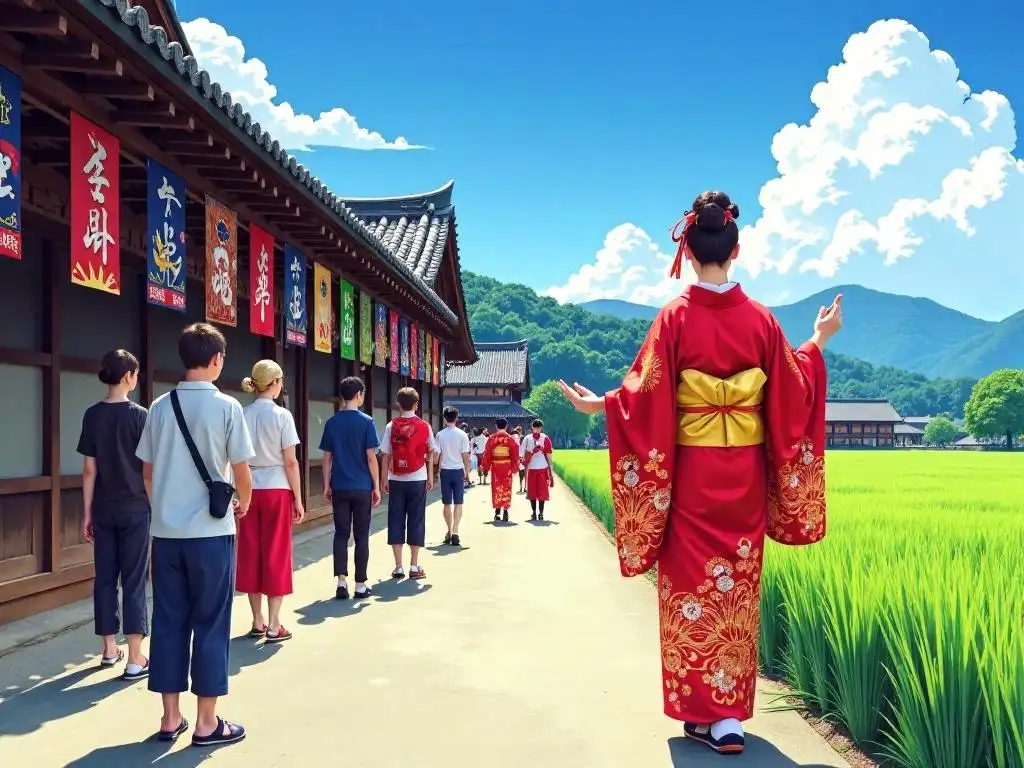
Welcome to Feudal Japan History, where we invite you to embark on a journey through the captivating tales of Japan's feudal era. In this rich tapestry of history, the harvest festivals stand out as vibrant celebrations, marking the fruits of labor and the deep-rooted traditions that connect communities. Discover how these rituals not only honored the bounty of the land but also reinforced social bonds and cultural identity.
As you delve into our featured article, “Harvest Festivals and Rituals: Celebrating the Fruits of Labor in Feudal Japan,” prepare to uncover the fascinating interplay of agriculture, spirituality, and society that defined this remarkable period. Let your curiosity guide you deeper into the heart of feudal Japan!
- Harvest Festivals in Feudal Japan: An Overview of Agricultural Celebrations
- Understanding Feudal Japan Harvest Festivals
- Major Harvest Festivals in Feudal Japan
- Rituals Associated with Harvest Festivals
- The Cultural Significance of Harvest Festivals in Feudal Japan
- The Impact of Harvest Festivals on Feudal Society
- Conclusion: The Legacy of Feudal Japan Harvest Festivals
-
Frequently Asked Questions
- What were the main harvest festivals in Feudal Japan?
- How did harvest festivals impact daily life in Feudal Japan?
- What role did rituals play during the harvest festivals?
- How did social hierarchies influence the celebration of harvest festivals?
- Are there any modern-day harvest festivals that trace back to Feudal Japan?
- Final Reflection: Celebrating the Fruits of Labor in Feudal Japan
- Embrace the Spirit of Celebration and Reflection!
Harvest Festivals in Feudal Japan: An Overview of Agricultural Celebrations
In Feudal Japan, the harvest festivals held a significant place in the cultural and societal fabric of the time. These vibrant celebrations were not merely occasions for revelry; they were deeply rooted in the agricultural cycles that dictated the lives of the Japanese people.
As an agrarian society, Japan's economy and sustenance hinged on the success of its crops, making the harvest season a time of both gratitude and joy. Farmers, communities, and local deities came together to honor the fruits of labor, reflecting a rich tapestry of traditions that encapsulated the reverence for nature and the bounty it provided.
The Feudal Japan harvest festivals served as a crucial link between the agricultural practices of the era and the social dynamics among various classes, particularly the farmers. Through these festivals, communities expressed their appreciation for the earth's generosity while fostering a sense of unity and shared identity. This article aims to delve into the intricacies of these celebrations, exploring their historical significance, the roles of farmers within feudal society, and the seasonal practices that shaped their agricultural calendar.
The Importance of Agriculture in Feudal Japan
Agriculture was the backbone of Feudal Japan's economy, supporting not just the farmers but also the samurai and the ruling class. The agrarian lifestyle fostered a societal structure where land ownership and agricultural output dictated power dynamics. The primary crops, such as rice, millet, and barley, were not only staples of the diet but also served as currency and a means of taxation.
- Rice Cultivation: Central to Japanese agriculture, rice was revered and often associated with the divine. Its cultivation involved meticulous techniques and seasonal rituals.
- Crop Diversity: Farmers grew a variety of crops, including vegetables and legumes, which contributed to the nutritional diversity and food security of the community.
The successful harvest was a matter of survival, and thus, festivals were a vital expression of communal gratitude and hope for future prosperity.
Role of Farmers in Feudal Society
Farmers were the backbone of Feudal Japan, often referred to as the "nōmin." Although they occupied a lower social status compared to the samurai class, their contributions were indispensable. The following aspects highlight their role within feudal society:
- Economic Contributors: Farmers produced the food necessary to sustain the population, including the elite ruling class.
- Cultural Custodians: They were custodians of traditional agricultural practices and local customs, passing down knowledge through generations.
- Community Builders: Farmers often worked together in cooperative efforts, fostering strong community bonds that were essential during harvest seasons.
Despite their essential role, farmers faced numerous challenges, including heavy taxation and the threat of natural disasters, making their participation in harvest festivals not only a celebration but also a vital outlet for communal support.
Seasonal Cycles and Agricultural Practices
The agricultural calendar in Feudal Japan was governed by the changing seasons, each dictating specific farming practices and rituals. Understanding these cycles is crucial to appreciating the significance of harvest festivals.
- Spring (Seeding and Planting):
- Preparation of fields and planting of rice and other crops.
- Rituals to pray for favorable weather.
- Summer (Growth and Maintenance):
- Continuous care for crops, including weeding and pest control.
- Festivals like Aoi Matsuri in Kyoto, celebrating the growth of rice.
- Autumn (Harvesting):
- The culmination of the farming year, marked by labor-intensive harvesting.
- Major festivals, such as Niiname-sai, where offerings of new rice were made to the gods.
- Winter (Rest and Reflection):
- Time for rest, preparation for the next planting season, and reflection on the year’s harvest.
Each of these seasonal cycles was intertwined with rituals and festivals that not only celebrated the harvest but also sought blessings for future crops. Through this lens, we can see how deeply agriculture influenced the social and cultural life in Feudal Japan, with harvest festivals serving as a crucial manifestation of this relationship.
Understanding Feudal Japan Harvest Festivals
Definition and Purpose of Harvest Festivals
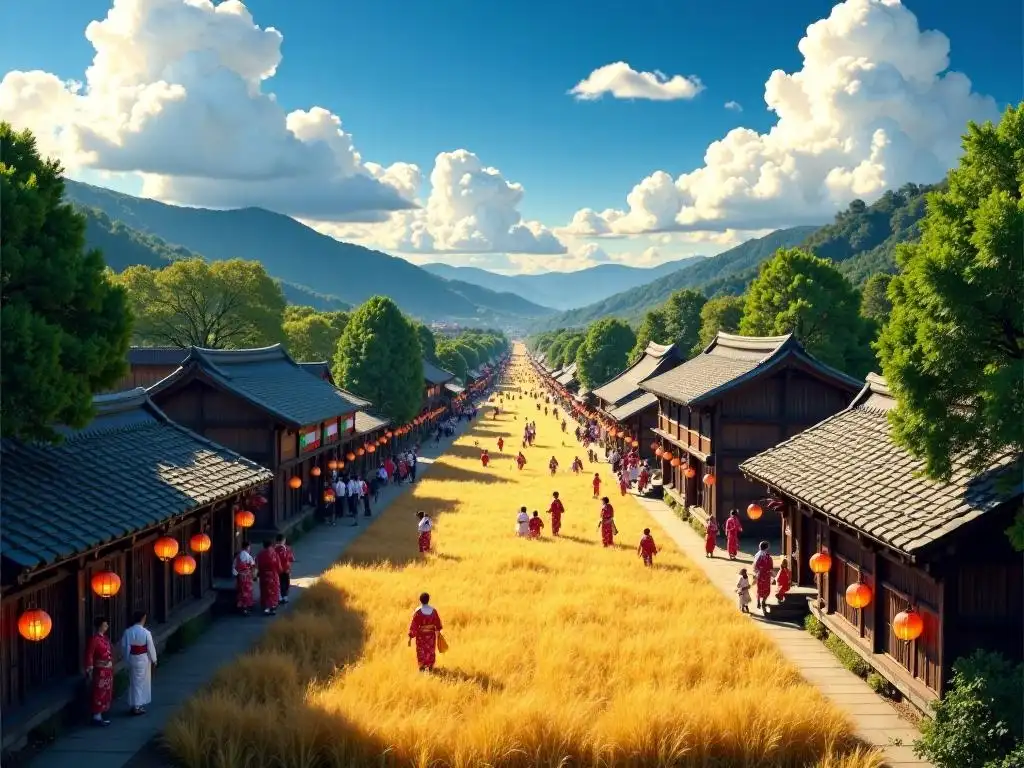
Harvest festivals in Feudal Japan, known as “Nōkō-taisai” (農耕祭), were vital celebrations that marked the completion of the agricultural cycle. These festivals were deeply rooted in the cultural and spiritual practices of the time, reflecting the interdependence between the land, the community, and the divine. The primary purpose of these festivals was to give thanks for the bountiful harvest, seek blessings for future crops, and reinforce communal bonds among the farmers.
The festivals typically occurred in autumn, coinciding with the rice harvest, which was the cornerstone of Japanese agriculture. Farmers believed that proper rituals and celebrations would ensure the favor of the kami (spirits or deities), particularly Inari, the deity of rice and agriculture. Thus, harvest festivals were not only agricultural events but also crucial religious observances that encapsulated the spiritual dimensions of farming.
Key Elements of Harvest Festivals in Feudal Japan
Harvest festivals in Feudal Japan were characterized by several key elements that underscored their significance in the agricultural calendar. Below are the main components:
-
Ritual Offerings
Offerings were made to the kami, often including the first fruits of the harvest, rice, sake, and other local produce. These offerings symbolized gratitude and respect towards the deities for their blessings.
-
Community Participation
The entire farming community would come together to celebrate, fostering a sense of unity and collaboration. This collective participation was essential for reinforcing social bonds, as the success of the harvest relied heavily on shared labor and mutual support.
-
Traditional Performances
Festivals featured traditional music, dance, and theatrical performances, which served both as entertainment and as a way to honor the gods. These performances often included “Kagura” (神楽), a form of ritualistic dance dedicated to the kami, and “Noh” or “Kabuki”, which told stories of agricultural life and the importance of harmony with nature.
-
Games and Competitions
Various games and competitions were organized, including races and contests involving traditional skills like rice pounding. These activities not only provided entertainment but also reinforced community spirit and showcased the farmers' skills.
-
Feasting
The culmination of harvest festivals was often a communal feast where farmers shared the fruits of their labor. Dishes were prepared using freshly harvested ingredients, emphasizing the seasonal bounty and the joy of communal dining.
-
Ritualistic Processions
Many festivals included processions to sacred sites, where participants would carry offerings and engage in prayers. These processions served to physically connect the community with their spiritual beliefs and the land they cultivated.
The blend of spirituality, community engagement, and cultural expression during the harvest festivals reflects the essence of life in Feudal Japan. Each element contributed to a deeper appreciation of the agricultural cycle, emphasizing the vital role of the farmer in sustaining both community and tradition. With festivals deeply embedded in the social fabric, they not only celebrated the harvest but also reinforced the values and beliefs that defined Feudal Japanese society.
Major Harvest Festivals in Feudal Japan
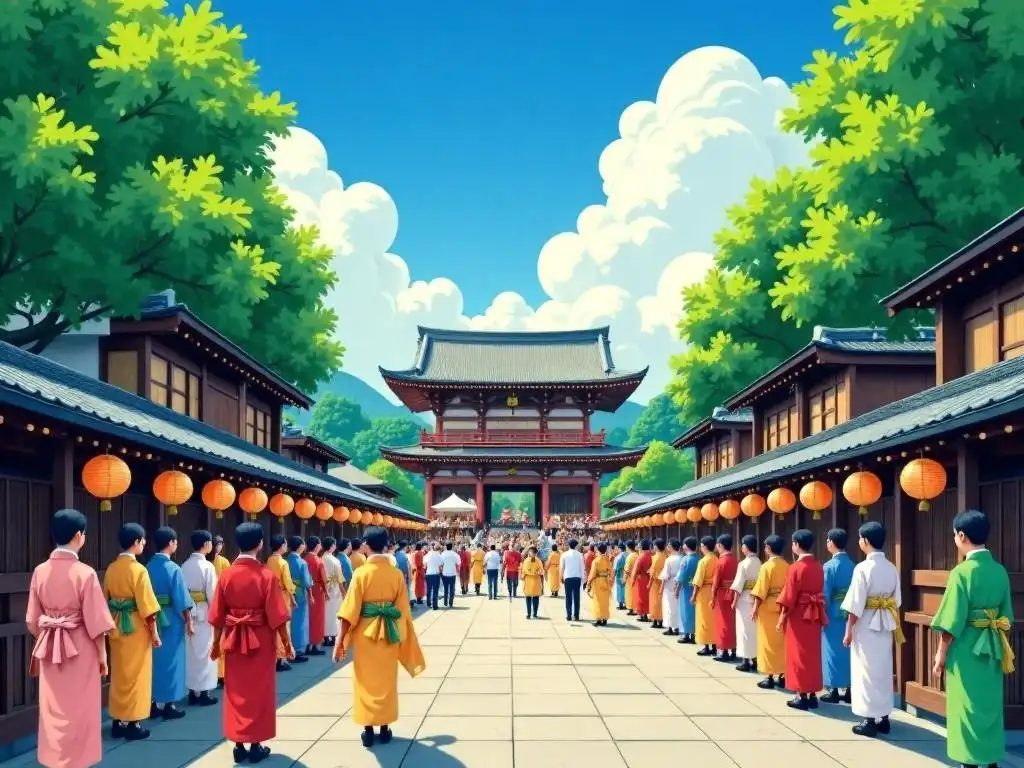
The feudal era of Japan was characterized by a deep connection between agriculture and spirituality. Harvest festivals played a crucial role in the lives of farmers, serving as a time to celebrate the fruits of labor and to honor both the deities and ancestors. Two of the most significant festivals during this period were the Niiname-sai and the O-bon festival, each with its own unique rituals and cultural significance.
The Niiname-sai Festival: Honoring the First Harvest
The Niiname-sai, or "First Harvest Festival," is one of the oldest and most important agricultural festivals in Japan. Traditionally held on November 23, this festival is dedicated to the Shinto deities, particularly Inari, the god of rice, and serves as an expression of gratitude for a bountiful harvest.
The festival originates from ancient agricultural practices, where the first grains were offered to the gods before being consumed by the community. This practice not only reflected the agrarian lifestyle of feudal Japan but also reinforced the spiritual connection between humans and nature.
Rituals and Offerings during Niiname-sai
During the Niiname-sai, several rituals and offerings were performed:
- Rice Offering: The first rice harvested was ceremonially prepared and offered to deities, symbolizing gratitude and respect.
- Festive Foods: A variety of seasonal foods, including vegetables and fruits, were also presented during the festival. The preparation of these offerings involved traditional cooking methods, emphasizing the connection to ancestral practices.
- Purification Rituals: Farmers underwent purification rites to cleanse themselves of impurities before participating in the festivities. This was often done through rituals involving water and salt.
The communal aspect of the festival was equally significant, as it encouraged social cohesion among villagers. Families would gather to share meals, participate in dances, and engage in various festivities that celebrated the end of the harvest season.
Regional Variations of Niiname-sai
While the core elements of the Niiname-sai remained consistent, regional variations emerged throughout Japan, influenced by local customs and agricultural practices.
- Kanto Region: In this area, the festival included traditional music and dance performances, creating a festive atmosphere.
- Kansai Region: Here, the emphasis was placed on honoring ancestors, with offerings of sake and rice wine to celebrate familial bonds.
- Tohoku Region: Unique rituals, such as the use of specific harvest tools in ceremonies, reflected the distinct agricultural practices of this northern area.
These variations not only enriched the cultural tapestry of feudal Japan but also highlighted the adaptability of agricultural traditions in different geographical contexts.
The O-bon Festival: Celebrating Ancestors and the Harvest
The O-bon festival, often simply referred to as Bon, is another pivotal celebration in feudal Japan, recognized for its spiritual and agricultural significance. Celebrated in mid-August, O-bon focuses on honoring the spirits of ancestors, coinciding with the harvest season, thereby linking the two themes of remembrance and gratitude.
This festival is rooted in the belief that the spirits of ancestors return to the earthly realm during this time, creating a sacred period for families to pay their respects and celebrate the harvest.
Connection Between O-bon and Agricultural Practices
The O-bon festival is intrinsically connected to agricultural practices in several ways:
- Timing: The festival aligns with the harvest season, allowing families to celebrate the gathered crops while honoring their ancestors.
- Grain Offerings: Similar to Niiname-sai, offerings of rice and seasonal produce are made at household altars, reflecting the community's reliance on successful farming.
- Rituals of Gratitude: Families express gratitude not only for the harvest but also for the guidance and blessings received from their ancestors throughout the year.
The interdependence of ancestral veneration and agricultural productivity underscores the significance of O-bon in the agrarian society of feudal Japan.
Rituals Associated with O-bon Celebrations
O-bon features a variety of rituals that highlight both the remembrance of ancestors and the celebration of the harvest:
- Bon Odori: Traditional dances performed during O-bon are a way to welcome ancestral spirits back to the physical world. These dances vary by region, showcasing local customs and music.
- Lantern Lighting: Floating lanterns are often released into rivers or oceans, symbolizing the guiding of spirits back to their resting places. This visual representation of the connection between life and the afterlife is both beautiful and poignant.
- Family Gatherings: The festival serves as a time for family reunions, where individuals share meals and stories, reinforcing familial bonds and cultural heritage.
The rituals of O-bon not only honor the past but also foster community spirit, emphasizing the importance of agriculture in shaping Japan's societal values during the feudal era.
The harvest festivals of Niiname-sai and O-bon are essential components of feudal Japan's cultural landscape. These celebrations reflect the deep-rooted connections between agriculture, spirituality, and community, showcasing the rich heritage of Japan's agrarian society.
Rituals Associated with Harvest Festivals

Traditional Rituals Performed by Farmers
In Feudal Japan, harvest festivals were imbued with profound meaning, reflecting the deep connection between farmers and the land. These rituals were not merely celebrations but integral parts of agricultural life, serving to honor the deities and express gratitude for the harvest.
Harvesting Rituals: From Planting to Reaping
The cycle of agriculture in feudal Japan was marked by a series of rituals that began with planting and culminated in the harvest. Farmers would often perform a ritual known as “Hōnen Matsuri”, which was designed to pray for a successful crop yield. This festival typically involved the following steps:
- Preparation of the Field: Farmers would clean the fields, symbolically removing impurities to welcome the spirits of the land.
- Offering Rice to the Deities: Before planting, rice was offered at small altars, accompanied by prayers to ensure that the seeds would take root and flourish.
- Celebration of the Harvest: Upon gathering the crops, farmers would hold a “Shinjū” ceremony, where the first fruits of the harvest were presented to the kami (deities) as a gesture of gratitude.
These rituals were often accompanied by music, dance, and processions, highlighting their communal nature and the shared responsibility of ensuring a successful harvest.
Blessings and Prayers for a Bountiful Harvest
The significance of blessings and prayers in the context of Feudal Japan harvest festivals cannot be overstated. Farmers would often gather to recite specific prayers, invoking the protection and favor of the agricultural deities. Some common practices included:
- Chanting of Sutras: Buddhist chants were recited to bring blessings upon the crops and ensure their health.
- Shinto Offerings: Farmers would present offerings of rice, sake, and seasonal fruits at local shrines, seeking divine favor for their work.
- Ritual Dances: Traditional dances performed during the festivals were believed to appease the spirits and enhance the fertility of the land.
These practices reinforced the cultural belief that the success of agriculture was a gift from the deities, and that human effort alone could not secure a bountiful harvest.
Community Involvement in Harvest Festivals
Harvest festivals in Feudal Japan were community events that fostered a sense of unity among villagers. The collective spirit of these celebrations was essential in reinforcing social bonds and shared cultural identity.
The Role of Villages in Celebrating Harvests
Villages played a crucial role in the organization and execution of harvest festivals. Each community had its unique traditions, yet common elements existed across regions:
- Collaborative Efforts: Villagers worked together to prepare for the festival, from cleaning the fields to setting up altars and preparing food.
- Shared Feasting: The culmination of the harvest festival often involved a communal feast, where villagers shared dishes made from the season’s bounty, promoting solidarity and gratitude.
- Cultural Performances: Local theater and music groups would perform traditional plays and songs, reflecting the history and values of the community.
This communal involvement not only celebrated the harvest but also strengthened the ties that held the village together, reinforcing the importance of cooperation in agricultural life.
Collective Activities and Their Significance
The activities that took place during harvest festivals were rich in symbolism and significance. Some noteworthy collective activities included:
- Rice Planting Competitions: These friendly contests encouraged camaraderie and showcased the skills of different families within the village.
- Processions to Shrines: Villagers would march to local shrines, carrying offerings and singing traditional songs, signifying respect for the deities and the land.
- Festive Games and Dances: Engaging in traditional games and dances not only entertained but also served to strengthen community bonds and pass down cultural traditions.
The collective participation in these activities emphasized the intertwined relationship between agriculture and community life, illustrating how harvest festivals served as vital cultural touchstones in Feudal Japan.
The Cultural Significance of Harvest Festivals in Feudal Japan

Harvest festivals in Feudal Japan were not merely occasions for celebration; they held profound cultural significance that intertwined with the agricultural practices and social structures of the time. These festivals, known as “Nōka Matsuri”, were pivotal in expressing gratitude for the harvest and reinforcing community bonds. They were deeply rooted in Shinto beliefs, where nature and agriculture were revered, and the deities were honored for their role in ensuring bountiful crops.
The timing of these festivals typically coincided with the autumn harvest, marking the end of the agricultural cycle. The rituals involved in these celebrations served to acknowledge the cyclical nature of life and the importance of agriculture in Japanese society. They provided an opportunity for communities to come together, celebrate their labor, and reflect on the relationship between humans and nature.
Symbolism of the Harvest in Japanese Culture
The symbolism associated with the harvest in Japanese culture extends beyond mere agricultural success. It embodies:
- Gratitude: Festivals were a time to express thanks to the kami (gods) for the blessings of the harvest. This act of gratitude was often expressed through offerings of the first rice harvested, which was considered sacred.
- Abundance: The harvest symbolized the prosperity of the community. A successful harvest was perceived as a reflection of both the farmers' hard work and the favor of the deities.
- Cycle of Life: Harvest festivals highlight the cyclical nature of the seasons, promoting a deep respect for the natural world. This cycle was celebrated through rituals that honored the earth's fertility and the interconnectedness of life.
Rituals such as "Kagura" (sacred music and dance) were performed during these festivals, showcasing the belief that the spirits of the rice and the harvest were present among the people, fostering a sense of unity and collective identity.
Feudal Japan’s harvest festivals also served as a reflection of the social hierarchies that defined the era. The structure of these celebrations often mirrored the stratification within society:
- Samurai and Nobility: The upper classes, including samurai and landowners, often held significant influence over the festivities. They would participate by organizing the festivals, providing resources, and ensuring that the rituals were conducted with the appropriate honor due to their status.
- Farmers and Laborers: While farmers were the primary participants in the harvest festivals, their roles were typically subordinate to the ruling classes. They engaged in rituals and celebrations but often did so under the auspices of their lords, reflecting the feudal system's dynamics.
- Community Participation: Despite the hierarchy, the festivals also allowed for a sense of community among the lower classes. Farmers would gather to share in the celebrations, showcasing their skills in traditional dances and music, which offered a brief respite from their daily struggles.
The interplay of these social dynamics during harvest festivals highlights not only the agricultural significance of the events but also their role in reinforcing the existing social order. These celebrations provided a structured way for society to acknowledge its hierarchy while allowing for a temporary sense of unity through shared labor and gratitude.
The harvest festivals in Feudal Japan were multi-faceted events that served as expressions of gratitude, cultural symbolism, and reflections of social hierarchies. They encapsulated the essence of life in Feudal Japan, where agriculture was central to both sustenance and social structure, fostering community identity while respecting the established order.
The Impact of Harvest Festivals on Feudal Society
Economic Implications of Harvest Celebrations
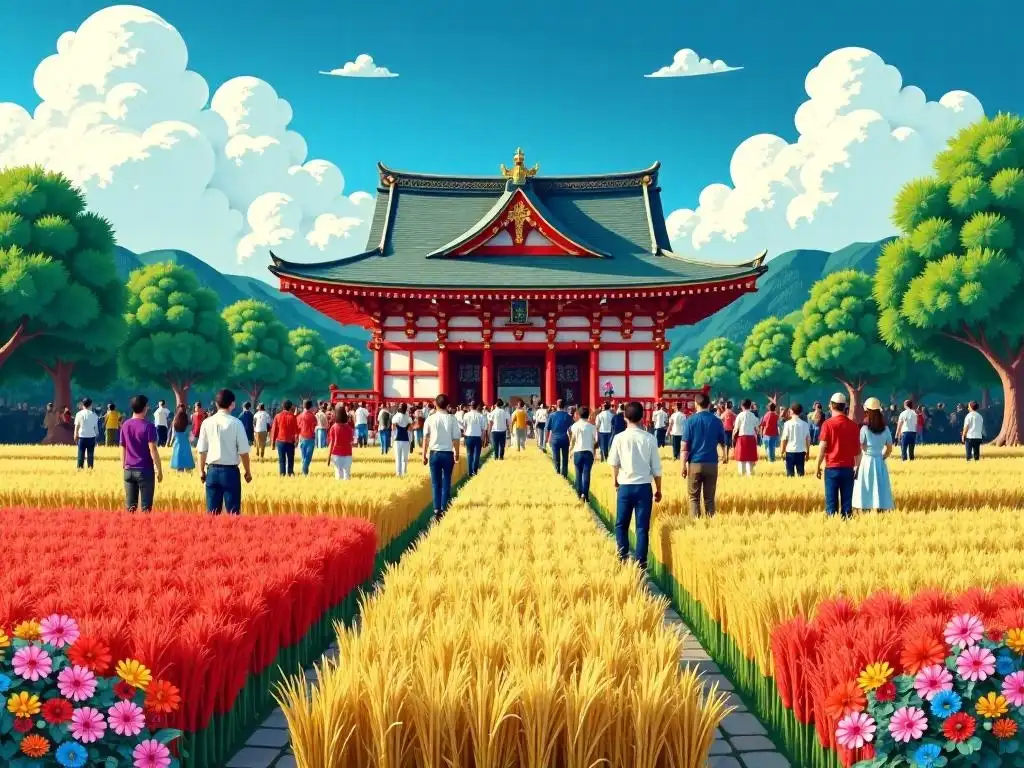
Harvest festivals in Feudal Japan were not just celebrations of agricultural success; they played a significant role in the economic landscape of the time. These festivals often coincided with the culmination of the rice harvest, a crop that was not only a staple food but also a critical economic asset. The abundance or scarcity of rice directly influenced the prosperity of local communities and the feudal lords overseeing them.
- Boosting Local Economies
- Harvest festivals provided an opportunity for farmers to showcase their produce, leading to local markets where excess crops could be sold. This created a cycle of economic activity, benefiting not only farmers but also local artisans and merchants who supplied goods for the festivities.
- The influx of visitors to these festivals often resulted in increased trade, with goods ranging from agricultural products to crafts and textiles being exchanged.
- Taxation and Tribute
- The success of a harvest festival had implications for the feudal lords as well. A bountiful harvest meant increased tax revenue. Lords relied on the productivity of their vassals to maintain their power and wealth. Thus, festivals served as a reminder of the agricultural labor that supported the feudal system.
- Conversely, poor harvests could lead to reduced tributes, affecting the lord’s ability to sustain his household and military obligations. This created a direct link between agricultural success, festival celebrations, and the stability of feudal governance.
- Investment in Agriculture
- The economic impact of harvest festivals encouraged landowners to invest in better farming techniques and tools. Successful festivals often prompted lords to reinvest in their territories, leading to advancements in irrigation, crop rotation, and the introduction of new crops.
- This cycle of investment further enhanced agricultural productivity, contributing to a more robust economy and better living conditions for farmers.
Harvest festivals served as a crucial element in fostering social cohesion and a sense of community identity among the agrarian population of Feudal Japan. These events were steeped in tradition, creating bonds among participants and reinforcing social structures.
- Cultural Significance
- Festivals were imbued with rituals and customs that connected the community to their agricultural roots. This included offerings to deities, such as Inari, the god of rice, and various Shinto rituals, which emphasized gratitude for the harvest and the hope for future abundance.
- The cultural performances, like traditional dances and music, played a vital role in expressing the community’s identity, preserving folklore, and passing down stories through generations.
- Strengthening Community Bonds
- The collaborative nature of preparing for and celebrating harvest festivals fostered a strong sense of solidarity among villagers. Farmers would work together to prepare feasts, decorate communal spaces, and organize events, reinforcing relationships and mutual support.
- These gatherings provided a platform for conflict resolution, as communal participation encouraged dialogue and understanding among different families and clans.
- Role in Social Hierarchy
- While harvest festivals brought communities together, they also highlighted social hierarchies. Feudal lords often attended these celebrations, reinforcing their status and authority. The presence of the lord served as a reminder of the social structure, but it also allowed for a temporary suspension of societal roles, where peasants could share their concerns and grievances more openly.
- The mingling of classes during festivals could promote a sense of shared identity, albeit temporarily, helping to ease tensions that might arise from the rigid feudal system.
The harvest festivals in Feudal Japan were multifaceted events that significantly impacted both the economy and social fabric of rural communities. They not only celebrated agricultural success but also reinforced community ties, cultural traditions, and the complex dynamics of feudal society.
Conclusion: The Legacy of Feudal Japan Harvest Festivals
The legacy of harvest festivals in Feudal Japan is not just a reflection of agricultural practices but also an embodiment of the intricate relationship between the people and their environment. These festivals were a vital part of the rural calendar, marking the end of the harvest and the beginning of winter preparations. They served multiple purposes: celebrating the bounty of the land, honoring deities, and reinforcing community bonds.
Throughout the feudal era, these celebrations were characterized by various rituals, from simple gatherings to elaborate ceremonies involving music, dance, and offerings. The significance of these festivals extended beyond mere celebration; they were a time for reflection on the year’s labor, a moment to express gratitude to the kami (spirits) for the harvest, and an opportunity for social cohesion among the villagers.
As the agricultural practices evolved and the political landscape shifted, the essence of these festivals remained, adapting to new social contexts while retaining their core values of gratitude and community spirit.
Continuing Traditions in Modern Japan
In modern Japan, the influence of feudal harvest festivals is still palpable, as many traditional celebrations continue to thrive. Various regions host festivals that echo the customs of their ancestors, often incorporating local agricultural products and traditional performances.
Some key modern harvest festivals include:
- Matsuri: Many cities hold seasonal matsuri (festivals) that celebrate the rice harvest, featuring parades, traditional music, and dance.
- Kagura: This is a form of ritualistic dance performed at shrines that often accompanies harvest celebrations, showcasing the blend of religion and agriculture.
- Jinja Matsuri: Local shrine festivals often include rituals to thank the deities for bountiful harvests, preserving the spiritual aspect of feudal festivals.
These celebrations not only honor agricultural practices but also serve to educate younger generations about their cultural heritage. Today, communities come together during these festivals to celebrate the fruits of their labor and maintain the bonds that have been cultivated over centuries.
Lessons Learned from Feudal Japan Harvest Festivals
The harvest festivals of Feudal Japan impart several lessons that remain relevant today:
- Community Spirit: The importance of coming together as a community to celebrate shared successes and support one another is a timeless lesson that transcends cultural boundaries.
- Respect for Nature: These festivals emphasize the significance of living in harmony with nature, recognizing the cycles of growth and the need for sustainable practices to ensure future harvests.
- Cultural Preservation: The ongoing celebration of harvest traditions underscores the importance of preserving cultural heritage, allowing communities to maintain their identity amidst modernization.
- Gratitude and Reflection: Feudal harvest festivals remind us to take time to express gratitude for the fruits of our labor and to reflect on the efforts that contribute to our successes.
By understanding the historical context and cultural significance of feudal Japan harvest festivals, one can appreciate their enduring impact on Japanese society and their role in fostering a sense of belonging and continuity across generations.
Frequently Asked Questions
What were the main harvest festivals in Feudal Japan?
The two primary harvest festivals in Feudal Japan were Niinamesai, which honored the first harvest, and Kagura, a ritual to ensure a bountiful yield. These celebrations reflected the agricultural calendar and the importance of rice.
How did harvest festivals impact daily life in Feudal Japan?
Harvest festivals served not only as a time for celebration but also as a means to strengthen community bonds. They provided opportunities for villagers to come together, share their produce, and participate in traditional rituals.
What role did rituals play during the harvest festivals?
Rituals during harvest festivals were essential for expressing gratitude to the gods for a successful harvest. They often included offerings, dances, and music to ensure continued blessings and prosperity for the community.
In Feudal Japan, social hierarchies significantly influenced harvest festivals. The samurai class often controlled resources, while peasants participated in celebrations that reflected their labor. This dynamic underscored the interdependence between classes.
Are there any modern-day harvest festivals that trace back to Feudal Japan?
Yes, many modern-day harvest festivals in Japan, such as Niinamesai, trace their origins back to Feudal Japan. These festivals continue to celebrate agricultural traditions while adapting to contemporary cultural practices.
Final Reflection: Celebrating the Fruits of Labor in Feudal Japan
The rich tapestry of Feudal Japan harvest festivals serves as a poignant reminder of the deep-rooted connection between community, culture, and the cycles of nature. Today, as we navigate an increasingly fast-paced and technology-driven world, the essence of these festivals resonates more than ever. They remind us of the importance of gratitude and celebration in our lives, urging us to pause and appreciate the fruits of our labor, both literally and metaphorically.
Celebrating harvest festivals in Feudal Japan was not just about reaping the rewards of hard work; it was a vital expression of community identity and spiritual connection. These rituals fostered a sense of belonging and continuity, bridging generations through shared traditions. As we reflect on their significance, we can draw parallels to our own lives, where community gatherings and shared celebrations continue to play a crucial role. Tradition is not the worship of ashes, but the preservation of fire.
— Gustav Mahler. This quote encapsulates the enduring spirit of these festivals, reminding us that while times may change, the essence of celebration and gratitude remains timeless.
As we conclude this exploration of Feudal Japan harvest festivals, I invite you to reflect on your own practices of gratitude and celebration. Consider how you can incorporate moments of appreciation into your life, honoring not only your achievements but also the community that supports you. Let the lessons from these ancient rituals inspire you to cultivate a deeper connection with those around you and to celebrate the fruits of your labor in meaningful ways. Embrace the spirit of these festivals, and carry their legacy forward into the future.
Embrace the Spirit of Celebration and Reflection!
Thank you for exploring the rich traditions of harvest festivals and rituals in feudal Japan! Your curiosity not only enhances your understanding of history but also fosters a deeper appreciation for cultural practices that celebrate community and gratitude. Now that you're informed and inspired, let's transform that knowledge into action!
- Attend a Local Harvest Festival: Check your community calendar and participate in a local harvest celebration this season. Immerse yourself in the traditions and savor the flavors of local produce!
- Share Your Knowledge: Discuss your insights with friends or family, or post about it on social media to ignite conversations about cultural traditions.
- Explore Further: Dive deeper into the customs of feudal Japan or other cultures by visiting a museum or reading literature focused on traditional celebrations.
What unique harvest traditions do you cherish, whether from your own culture or those you've discovered? Share your thoughts, and let’s celebrate the fruits of our labor together!