
Feudal Etiquette: The Social Customs of Daimyo Houses

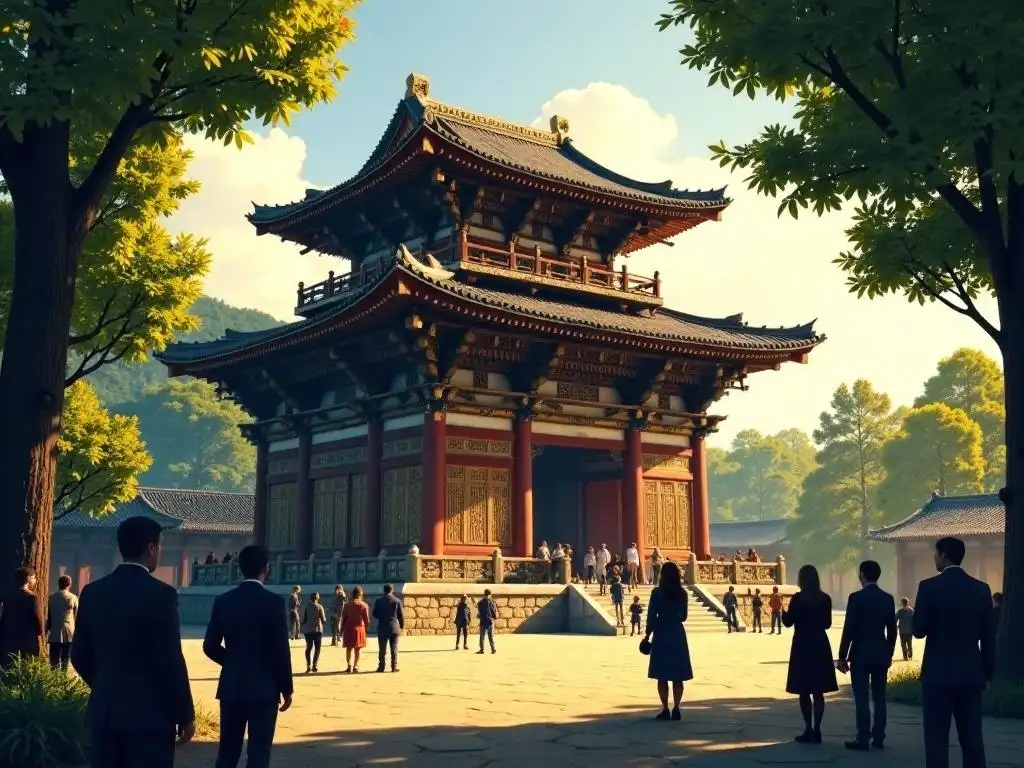
Welcome to Feudal Japan History, where we embark on an intriguing journey through the captivating world of Japan’s feudal era. In our latest article, "Feudal Etiquette: The Social Customs of Daimyo Houses," we unravel the complex tapestry of traditions that governed the lives of the powerful daimyo and their households. Discover how these customs shaped not only their social interactions but also the very fabric of Japanese society. Are you ready to dive into the intricacies of feudal etiquette and uncover the secrets that lie within the grand halls of daimyo houses? Let’s explore together!
- Introduction to Feudal Etiquette
- The Role of Daimyo in Feudal Japan
- Core Social Customs of Daimyo Houses
- Formal Etiquette in Daimyo Interactions
- Dress and Appearance: A Reflection of Status
- Social Hierarchies Within Daimyo Houses
- Conflict Resolution and Diplomacy
- The Influence of Zen Buddhism on Social Customs
- Conclusion: The Legacy of Daimyo Social Customs
- References and Further Reading
-
Frequently Asked Questions
- What were the primary social customs of daimyo houses in feudal Japan?
- How did feudal etiquette affect daily life in daimyo households?
- What role did ceremony play in the lives of daimyo families?
- How did the social customs of daimyo houses influence samurai culture?
- Are there any modern influences of daimyo social customs in Japan today?
- Final Reflection: The Enduring Legacy of Daimyo Social Customs
- Unveil the Rich Tapestry of Feudal Etiquette!
Introduction to Feudal Etiquette
In the intricate tapestry of Feudal Japan, the social customs of daimyo houses played a pivotal role in shaping not only the lives of the samurai and their lords but also the broader societal norms of the era. These customs were not mere formalities; they were deeply intertwined with the values of loyalty, honor, and hierarchy that defined the period.
Understanding these social customs provides a lens through which we can examine the cultural and political dynamics of the time, reflecting the rich heritage and traditions that influenced Japan's feudal society. This article will delve into the nuanced etiquette practiced within daimyo households, exploring its significance and impact on the social fabric of feudal Japan.
The social customs of daimyo houses served as a vital framework for maintaining order and respect within the hierarchy of feudal Japan. These customs dictated not only the interactions among the daimyo, their retainers, and visitors but also reinforced the social stratification that characterized the era.
- Respect and Hierarchy: The customs emphasized respect for one’s superiors, crucial in a society where status and rank determined one's role and influence. This respect was manifested through various protocols, such as bowing, the exchange of gifts, and the manner of speech.
- Ceremonial Practices: Rituals and ceremonies played a significant role in the daily life of daimyo households. From tea ceremonies to formal banquets, these events were meticulously planned to reflect the status of the host and to reinforce social bonds among the participants.
- Cultural Transmission: The adherence to these customs facilitated the transmission of cultural values and practices across generations, ensuring that the ethos of honor and loyalty remained central to the samurai code.
By examining these elements, we gain a deeper appreciation of how the social customs of daimyo houses not only governed personal interactions but also influenced the political landscape of feudal Japan.
To fully comprehend the social customs of daimyo houses, one must first understand the broader context of feudal Japan and its intricate social hierarchy. The feudal system, which flourished from the 12th century until the 19th century, was characterized by a rigid structure where power and land ownership were concentrated in the hands of a few.
- The Daimyo: At the top of this hierarchy were the daimyo, powerful feudal lords who governed vast domains. They held significant military and economic power, and their houses were often centers of culture and political activity.
- Samurai Class: Beneath the daimyo were the samurai, the warrior class that served them. Samurai were bound by a code of conduct known as Bushido, which emphasized loyalty, honor, and discipline. Their adherence to etiquette was crucial in maintaining their status and fulfilling their duties.
- Peasantry and Other Classes: The lower classes, including peasants, artisans, and merchants, played essential roles in sustaining the economy but had limited social mobility. Their interactions with the daimyo and samurai were often governed by strict customs that dictated how they should conduct themselves in the presence of their superiors.
This hierarchical structure created a complex web of relationships governed by etiquette and social norms, which will be explored in depth in the following sections, highlighting the significance of these customs in the daily lives of those within the daimyo's domain.
The Role of Daimyo in Feudal Japan

Definition and Significance of Daimyo
Daimyo were powerful feudal lords who played a crucial role in the political, social, and military landscape of Japan from the late 12th century until the 19th century. They were landowners with significant authority over their domains, which were often composed of multiple villages and territories. The term "daimyo" translates to "great name," reflecting both their elevated status and the influence they wielded over their vassals and the peasant population.
The significance of the daimyo can be understood through several key aspects:
- Feudal Structure: The daimyo were at the top of the feudal hierarchy, directly beneath the shogun. They governed their lands, collected taxes, and maintained order, serving as the primary authority figures in their regions.
- Military Leadership: As lords, daimyo were responsible for raising armies, often composed of samurai loyal to them. This military might was pivotal during periods of conflict, especially during the Sengoku (Warring States) period, where daimyo vied for power and territory.
- Cultural Patrons: Beyond their political and military roles, daimyo were also patrons of culture and arts. Many supported the development of traditional Japanese arts, such as tea ceremonies, Noh theater, and calligraphy, which flourished under their sponsorship.
The social customs of daimyo houses were deeply influenced by their roles and responsibilities, creating a unique blend of tradition, hierarchy, and ritual that defined feudal Japan.
Power Dynamics Among Daimyo Houses
The relationships and power dynamics among daimyo houses were complex and often fraught with tension. Several factors influenced these dynamics, including alliances, marriages, territorial disputes, and the overarching authority of the shogunate.
- Alliances and Marriages:
- Daimyo would often form strategic alliances through marriages. This practice was instrumental in consolidating power and securing peace between rival houses. For instance, a marriage between two daimyo families could lead to shared resources and military support.
- These alliances were not merely personal; they had significant political implications. The stability of a region often hinged on these familial ties, which could either strengthen a house's position or lead to conflicts if alliances soured.
- Territorial Disputes:
- Competition for land was a primary cause of conflict among daimyo houses. With limited resources, daimyo frequently sought to expand their domains, leading to skirmishes and wars.
- The delicate balance of power meant that the loss or gain of territory could shift the dynamics considerably, allowing stronger daimyo to dominate weaker ones or forcing alliances to form against a common enemy.
- Shogunal Authority:
- The shogun, as the supreme military leader, held ultimate power over the daimyo. However, the degree of control exerted by the shogun varied over time and depended on the individual relationships with the daimyo.
- During the Edo period, for example, the Tokugawa shogunate implemented a system of control over the daimyo through policies such as "sankin-kotai" (alternate attendance), which required daimyo to spend every other year in Edo (modern Tokyo) to limit their power and ensure loyalty.
The power dynamics among daimyo houses were characterized by a mixture of cooperation, rivalry, and dependency on the shogunate. Understanding these relationships is essential for comprehending the social customs of daimyo houses, as they were shaped by the need for diplomacy, military strategy, and adherence to the feudal code of conduct.
The Concept of Honor and Its Implications
In feudal Japan, the concept of honor (名誉, meiyo) was central to the social customs of daimyo houses. This intricate value system dictated not only personal behavior but also the interactions between families and clans. Honor was deeply intertwined with one's reputation, and maintaining it was paramount for the daimyo and their retainers.
- Bushido Code: The samurai class, which served the daimyo, adhered to the Bushido code—a set of ethical guidelines emphasizing loyalty, courage, and honorable conduct. A daimyo's reputation was often tied to the actions of their samurai, making it critical for leaders to uphold the ideals of Bushido.
- Seppuku: In cases where dishonor occurred, a daimyo or samurai might resort to seppuku (切腹), a form of ritual suicide. This act was seen as a means to regain honor and avoid disgrace, illustrating the extreme measures taken in the name of personal and familial reputation.
- Conflict Resolution: The concept of honor also influenced how conflicts were managed. Disputes between daimyo were often settled through duels or other formal challenges, reflecting the importance of honor in resolving grievances without resorting to dishonorable tactics.
Rituals and Ceremonies in Daimyo Life
Rituals and ceremonies played a crucial role in the daily life and social customs of daimyo houses. These events reinforced social hierarchies and provided a structured means of interaction among the elite.
- Tea Ceremonies: The chanoyu or tea ceremony was not merely about drinking tea; it was a highly ritualized act that emphasized harmony, respect, purity, and tranquility. Daimyo would host these ceremonies to showcase their wealth, sophistication, and adherence to cultural norms.
- Marriage Rituals: Marriages among daimyo families were strategic, often arranged to solidify alliances. The wedding ceremonies were elaborate and involved multiple rituals, including the san-san-kudo (三三九度), where the couple took three sips from three cups of sake, symbolizing their union.
- Seasonal Festivals: Daimyo houses would also participate in seasonal festivals, which included ceremonies to honor the harvest and kami (spirits). These events were opportunities for public displays of wealth and power, reinforcing the social standing of the daimyo.
Hospitality was a vital aspect of the social customs of daimyo houses, reflecting the values of respect and generosity that permeated feudal society.
- Welcoming Guests: When hosting guests, especially other daimyo or high-ranking officials, the host was expected to provide lavish accommodations and meals. This hospitality not only demonstrated the host's wealth but also their status and ability to maintain alliances.
- Gift-Giving: The exchange of gifts was an integral part of hospitality. Daimyo would present gifts to their guests as a sign of goodwill and respect. The quality and value of the gifts often reflected the social hierarchy, with more expensive gifts indicating a higher status.
- Formal Etiquette: Specific protocols governed interactions during visits. For example, guests were expected to bow deeply upon arrival and departure, and there were strict rules about seating arrangements, ensuring that the highest-ranking guest was honored appropriately.
The social customs of daimyo houses in feudal Japan were intricate and multifaceted, shaped by deeply held values such as honor, ritual, and hospitality. Understanding these customs provides insight into the complex social dynamics of the era and the importance placed on maintaining relationships and status among the elite.
Formal Etiquette in Daimyo Interactions
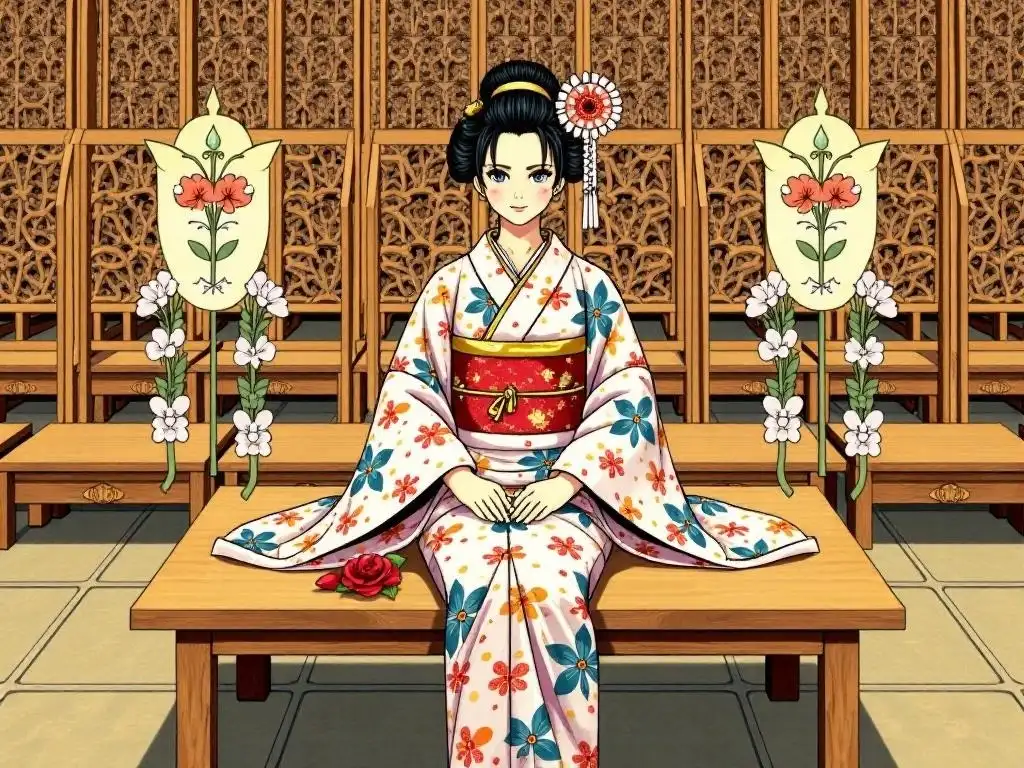
During Japan's feudal era, formal etiquette was paramount in the interactions among daimyo and their retinues. These customs not only reflected the hierarchical structure of society but also reinforced the social order within the daimyo houses. Adherence to these protocols was seen as a demonstration of respect, loyalty, and understanding of one's place within the complex web of feudal relationships.
Greeting Customs and Protocols
Greeting customs in daimyo houses were meticulously structured, often dictated by the social status of the individuals involved. The following elements were crucial in these interactions:
- Bowing: The degree and style of bowing varied significantly based on the rank of the individual being greeted. A lower bow signified greater respect. For instance, a samurai would bow lower to a daimyo than to a fellow samurai of equal rank.
- Verbal Greetings: Specific phrases were used to acknowledge the presence of a daimyo. Common expressions included "Osaka no shiro" (the lord of Osaka) or "O-daimyo-sama" (esteemed lord), which conveyed both respect and recognition of the daimyo’s status.
- Exchange of Gifts: It was customary for daimyo to present gifts during formal greetings, often reflecting the relationship between the parties and the occasion. These gifts could range from simple tokens to elaborate offerings, such as fine silk or crafted weapons, symbolizing the importance of the meeting.
The Role of Titles and Honorifics
Titles and honorifics played a significant role in the social customs of daimyo houses, serving as both a means of identification and a way to maintain the rigid hierarchy of feudal society.
- Hierarchy of Titles: Titles like "daimyo," "shōgun," and "samurai" were not only indicative of rank but also carried with them specific responsibilities and privileges. Properly addressing someone by their title was critical to maintaining decorum.
- Honorific Language: The use of honorifics (keigo) extended beyond titles and included various forms of language that amplified respect. For example, a higher-ranked individual would be addressed with "–sama" or "–dono," while a subordinate might use "–kun" or "–chan" for informal contexts.
- Formal Letters and Communication: Written communication also adhered to strict protocols. Letters would begin with a formal greeting that included the recipient's title, followed by carefully crafted sentences that adhered to the expected structure of respect and politeness.
Seating Arrangements and Their Symbolism
Seating arrangements during gatherings at a daimyo house were not merely practical but steeped in symbolism, reflecting the social hierarchy and the importance of the guests.
- The Head Seat: The most prestigious position at the table was typically reserved for the daimyo or the guest of honor. This seat was often elevated, emphasizing the guest's status and the respect afforded to them.
- Seating Order: The order of seating was determined by rank, with higher-ranking individuals seated farthest from the door and lower-ranking individuals closer. This arrangement symbolized the protection and honor afforded to those of higher status.
- Symbolic Items: In some cases, specific items might be placed at seating arrangements to denote rank or role. For example, ceremonial weapons might accompany the highest-ranking guests, reinforcing their status as protectors and leaders.
Understanding these formal customs and protocols provides insight into the intricacies of life in daimyo houses and the underlying cultural values that characterized feudal Japan. The social customs of daimyo houses not only dictated interactions but also played a crucial role in shaping the political landscape of the era.
Dress and Appearance: A Reflection of Status
In feudal Japan, the dress and appearance of a daimyo and their household were not merely matters of personal preference; they were profound reflections of social status, power, and cultural identity. The attire worn by the ruling class was imbued with meaning, serving as visual indicators of rank and privilege in a highly stratified society.
Traditional Attire of Daimyo and Their Households
The traditional garments of daimyo were characterized by their elaborate designs and high-quality materials. The most significant piece of attire for a daimyo was the kimono, typically made from silk, which symbolized wealth and prestige.
- Layered Clothing: Daimyo often wore multiple layers of kimonos, showcasing their status through the complexity and richness of their attire. The outer layer, known as the uchikake, was often decorated with intricate embroidery and was worn during formal occasions.
- Obi Sash: The obi, a wide sash, was another integral part of the ensemble. The manner in which the obi was tied could indicate a person's social standing. A more elaborate knot suggested higher status.
- Footwear: The choice of footwear also played a role in societal customs. Daimyo typically wore geta (wooden sandals) or waraji (straw sandals), while their servants would wear simpler, less ornate versions.
The attire of the daimyo's household, including their retainers and family members, often mirrored that of the daimyo but was generally less ornate, adhering to a code of modesty that reflected their subordinate status.
Colors and patterns in the clothing of daimyo houses were not chosen arbitrarily; they carried significant meanings that were deeply rooted in cultural customs.
- Symbolic Colors: Certain colors were reserved for particular ranks and occasions. For instance, purple was often associated with nobility and spiritual authority, while red symbolized protection and strength.
- Family Crests (Kamon): The use of family crests, or kamon, on clothing was a way to signify lineage and loyalty. Each daimyo house had its unique crest, which was prominently displayed on garments, especially during formal events and ceremonies.
- Seasonal Variations: Colors and patterns also shifted with the seasons. Lighter colors were preferred in the spring and summer, while darker hues dominated the autumn and winter months, reflecting the natural world and seasonal changes.
This attention to color and pattern not only served as a visual representation of social customs among daimyo houses but also reinforced the hierarchical nature of feudal society.
Grooming Standards and Personal Presentation
Grooming and personal presentation were vital components of the social customs of daimyo houses, reflecting discipline, respect, and adherence to societal norms.
- Hairstyles: The hairstyles of daimyo and their families were often elaborate. Men typically wore their hair in a topknot known as chomage, while women would style their hair in intricate arrangements, often adorned with hairpins and combs. The style and complexity of a hairstyle could indicate one’s status and role within the household.
- Cleanliness and Hygiene: Personal hygiene was of utmost importance. Regular bathing and the use of perfumes were common practices among the elite, and the emphasis on cleanliness was a reflection of both personal dignity and social expectation.
- Posture and Demeanor: Beyond physical appearance, the way a daimyo carried themselves was crucial. A dignified posture and measured movements were expected, reflecting the authority and grace befitting a person of high status.
These grooming standards and personal presentation practices were not simply about aesthetics; they were integral to the social customs that governed interactions within and among daimyo houses, reinforcing the values of respect, hierarchy, and cultural identity in feudal Japan.
In the intricate world of feudal Japan, the social customs of daimyo houses are deeply rooted in a well-defined hierarchy. This hierarchy not only establishes the relationships between different members of the household but also reflects broader societal values and norms of the era. Understanding these social structures provides insight into the functioning and governance of daimyo domains.
Family Structure and Lineage Importance
At the core of daimyo houses lies a complex family structure that emphasizes lineage and ancestry. The importance of family in these households cannot be overstated, as it dictates power dynamics and inheritance. Typically, the head of the family, known as the daimyo, is the highest authority, with direct descendants inheriting titles and lands.
- Patrilineal Succession: Most daimyo houses followed a patrilineal system where lineage was traced through male descendants. This ensured that power remained within the family, fostering loyalty and cohesion.
- Adoption Practices: In cases where a daimyo had no male heirs, adoption was a common practice. A suitable candidate from a loyal or prominent family might be adopted to ensure the continuity of the lineage and to avoid fragmentation of power.
- Marriage Alliances: Marriages were often arranged to strengthen alliances between different daimyo houses. These unions were strategic, enhancing political ties and securing peace.
The lineage and family structure within daimyo houses were not only crucial for maintaining power but also influenced social customs, where respect for elders and ancestors was paramount. Rituals and ceremonies often emphasized filial piety, showcasing the family's heritage and reinforcing the hierarchical order.
Roles and Responsibilities of Retainers and Servants
Within the daimyo household, a well-established system of retainers and servants played a pivotal role in maintaining daily operations and upholding the social customs of daimyo houses. These individuals were not merely employees; they were integral to the functioning of the domain.
- Samurai Retainers: Samurai served as the military backbone of the daimyo house. Their primary responsibilities included protecting the daimyo and his family, managing lands, and maintaining order within the domain. Loyalty to the daimyo was paramount, often demonstrated through the bushido code, which emphasized honor and duty.
- Administrative Roles: Beyond military duties, retainers often took on administrative responsibilities. They managed finances, oversaw agricultural production, and facilitated communication with other domains. This allowed the daimyo to focus on governance and strategy.
- Household Servants: Servants, often from lower social classes, handled daily chores and personal tasks for the daimyo and his family. Their roles included cooking, cleaning, and providing personal assistance. The treatment of these servants varied, with some daimyo known for their benevolence, while others were more authoritarian.
The roles and responsibilities of retainers and servants highlight the hierarchical nature of daimyo houses. Each rank within the household was expected to adhere to specific customs and etiquette, fostering an environment of respect and duty.
Gender Roles in Daimyo Society
Gender roles within daimyo society were distinctly defined, influencing the social customs of daimyo houses. While men predominantly held positions of power, women also played crucial roles, albeit in different capacities.
- Influence of Women: Women in daimyo families were often responsible for managing household affairs and could wield considerable influence in political matters through their relationships. For instance, the mother of a daimyo might play a significant role in negotiations and alliances.
- Marriage and Childbearing: Marriages were primarily arranged for political gain, with women expected to bear heirs to secure the family lineage. This responsibility placed women at the center of family dynamics, even if they did not hold formal power.
- Restrictions and Expectations: Despite their influence, women faced significant restrictions in terms of mobility and public life. Customs often dictated that women remain within the household, managing domestic affairs while men engaged in military and political ventures.
The gender roles in daimyo society illustrate the complexities of life within these households. Women, though often relegated to the background in formal power structures, played vital roles in sustaining the social customs that defined daimyo houses.
Understanding these social customs of daimyo houses reveals the intricate network of relationships and responsibilities that characterized feudal Japan, shaping not only the lives of the individuals involved but also the broader historical narrative of the era.
Conflict Resolution and Diplomacy
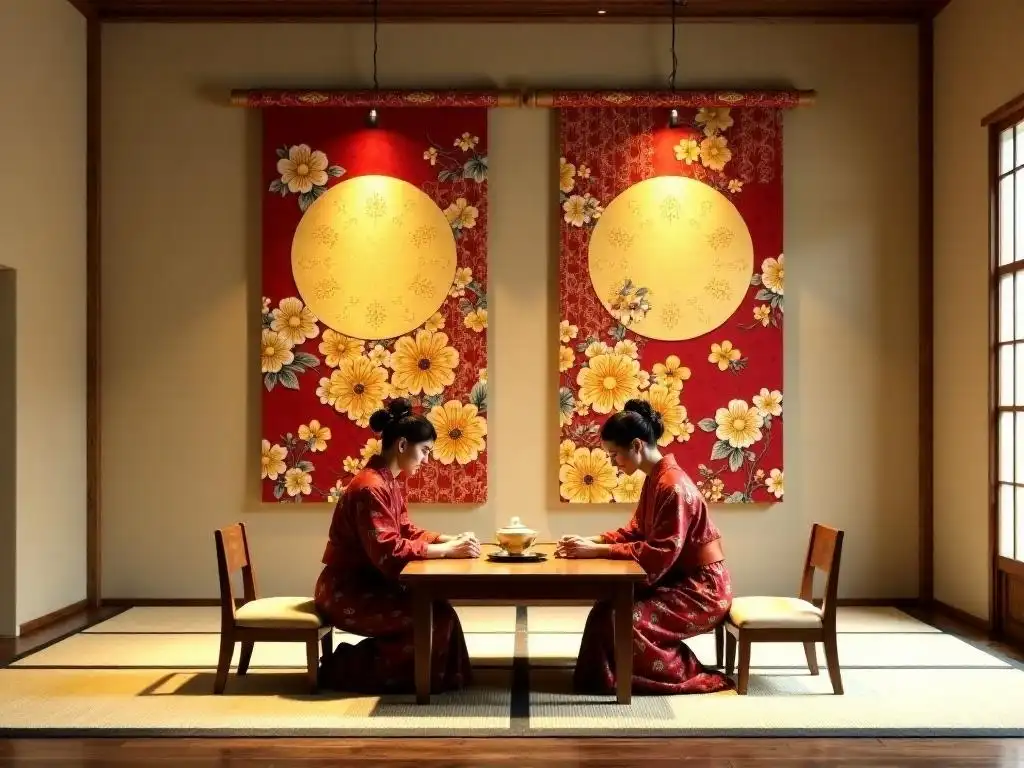
Conflict resolution and diplomacy were paramount in the feudal era of Japan, particularly among the daimyo, who were powerful feudal lords. The social customs of daimyo houses often dictated how conflicts were addressed, ensuring that disputes did not escalate into open warfare, which could destabilize entire regions. The intricacies of these customs reflected a deep understanding of honor, respect, and the necessity for maintaining harmony within the hierarchical structure of feudal society.
Etiquette in Disputes and Negotiations
Disputes among daimyo often arose from territorial claims, resource allocations, or personal grievances. The etiquette practiced during these negotiations was deeply influenced by Confucian principles, which emphasized respect and hierarchy. When engaging in discussions:
- Formal Greetings: It was customary for daimyo and their representatives to exchange formal greetings that acknowledged each other's status. This often involved bowing at specific angles depending on the social rank of the individuals involved.
- Use of Language: The language used in negotiations was carefully chosen to avoid direct confrontation. Indirect expressions of disagreement were preferred, allowing both parties to save face.
- Gift Exchange: To express goodwill, it was common to present gifts that symbolized peace or a desire to resolve the matter amicably. The type of gift varied depending on the relationship between the parties.
An example of this etiquette can be observed in the negotiations surrounding the Treaty of Kan'no in 1532, where several daimyo sought to resolve territorial disputes through a series of formal meetings characterized by adherence to these customs.
The Role of Mediators and Third Parties
Mediators played a crucial role in facilitating disputes among daimyo. Often, these mediators were respected elder statesmen or religious leaders who had no direct stake in the conflict. Their involvement was essential for a few reasons:
- Impartial Perspective: Mediators provided an unbiased viewpoint, helping to frame the issues in terms that both parties could understand and appreciate.
- Structured Dialogue: They facilitated structured conversations, ensuring that each daimyo had the opportunity to express their grievances without interruption. This structure was vital for maintaining decorum and respect.
- Cultural Symbols: The use of cultural symbols during mediation, such as the sharing of tea or conducting rituals, helped to create an atmosphere conducive to reconciliation.
A notable instance of effective mediation occurred during the conflicts between the Takeda and Uesugi clans, where the intervention of respected local monks helped to broker peace.
Rituals of Apology and Forgiveness
Rituals of apology and forgiveness were integral to restoring relationships after conflicts among daimyo. These rituals often involved elaborate ceremonies and were imbued with significant cultural meaning:
- Formal Apologies: A daimyo would often send a formal letter of apology accompanied by a messenger, who would prostrate themselves before the aggrieved party as a sign of sincerity.
- Ceremonial Offerings: Accompanying the apology, ceremonial offerings such as sake and food were presented, symbolizing the desire to mend the relationship.
- Forgiveness Rituals: The act of forgiveness was also ritualized, often involving a public acknowledgment of the apology. This served not only to heal personal rifts but also to reinforce the social order.
These rituals were not merely symbolic; they were essential for maintaining the network of alliances and loyalties that characterized the feudal system. A well-executed apology could enhance a daimyo's reputation and solidify their standing among peers.
The social customs of daimyo houses regarding conflict resolution and diplomacy were complex and deeply rooted in cultural traditions. Understanding these practices provides valuable insight into the social structure of feudal Japan and the importance of maintaining harmony among powerful lords.
Zen Buddhism profoundly influenced the social customs of daimyo houses during Japan's feudal era. Emerging in the 12th century, Zen philosophy emphasized direct experience and meditation, which subsequently permeated various aspects of Japanese culture, including the customs and etiquette observed in the homes of the ruling class.
Zen Principles in Daimyo Etiquette
The core principles of Zen Buddhism—simplicity, mindfulness, and harmony—shaped the behavior and interactions within daimyo households. These principles translated into a distinct set of etiquettes that governed daily life, decision-making, and social interactions among the samurai and their retainers.
- Simplicity and Minimalism:
- Zen teachings advocated for a simple lifestyle, which was reflected in the austere yet elegant environments of the daimyo.
- The use of minimalistic decor in tatami-floored rooms promoted a sense of tranquility and focus. This simplicity extended to clothing, where elaborate patterns were often replaced by more understated designs.
- Mindfulness in Interactions:
- The practice of mindfulness encouraged daimyo and their retainers to engage fully in their interactions, fostering respect and attentiveness in communication.
- This was particularly evident during formal meetings and banquets, where silence and listening were valued as much as speaking.
- Harmonious Relationships:
- Zen principles emphasized the importance of harmony within social structures, which led to the cultivation of relationships based on mutual respect and loyalty.
- This was essential in the context of feudal Japan, where loyalty to one’s lord was paramount, and any breach of etiquette could have severe consequences.
The influence of Zen Buddhism on the social customs of daimyo houses was not merely an aesthetic choice but a foundational aspect of their identity, reflecting a broader cultural shift that prioritized inner peace and social cohesion.
The Integration of Arts and Aesthetics in Daily Life
In addition to shaping etiquette, Zen Buddhism also integrated arts and aesthetics into the daily life of daimyo houses, creating a unique cultural milieu that combined functionality with spiritual expression.
- Tea Ceremony (Chanoyu):
- The tea ceremony became a significant practice in daimyo households, embodying Zen principles. It emphasized ritual, precision, and simplicity, allowing participants to experience mindfulness and tranquility.
- Through the meticulous preparation and serving of tea, samurai and their families engaged in a form of meditation, reinforcing social bonds and cultural sophistication.
- Gardens and Nature:
- Zen gardens, characterized by their minimalist designs and natural elements, were common in daimyo estates. These gardens served as spaces for contemplation and reflection, embodying the harmony between nature and human existence.
- The careful arrangement of rocks, gravel, and plants reflected the Zen belief in simplicity and balance, creating serene environments conducive to meditation and relaxation.
- Calligraphy and Painting:
- The arts flourished within the context of daimyo houses, where calligraphy and ink painting were not only valued forms of expression but also avenues for practicing Zen principles.
- The act of writing or painting became a meditative process, encouraging individuals to focus on the present moment and express their inner thoughts and emotions.
Zen Buddhism's influence on the social customs of daimyo houses extended beyond etiquette to encompass a holistic approach to life, integrating arts and aesthetics into every facet of existence. This blend of spiritual and cultural practices contributed to the rich tapestry of feudal Japanese society, leaving a lasting legacy on its customs and traditions.
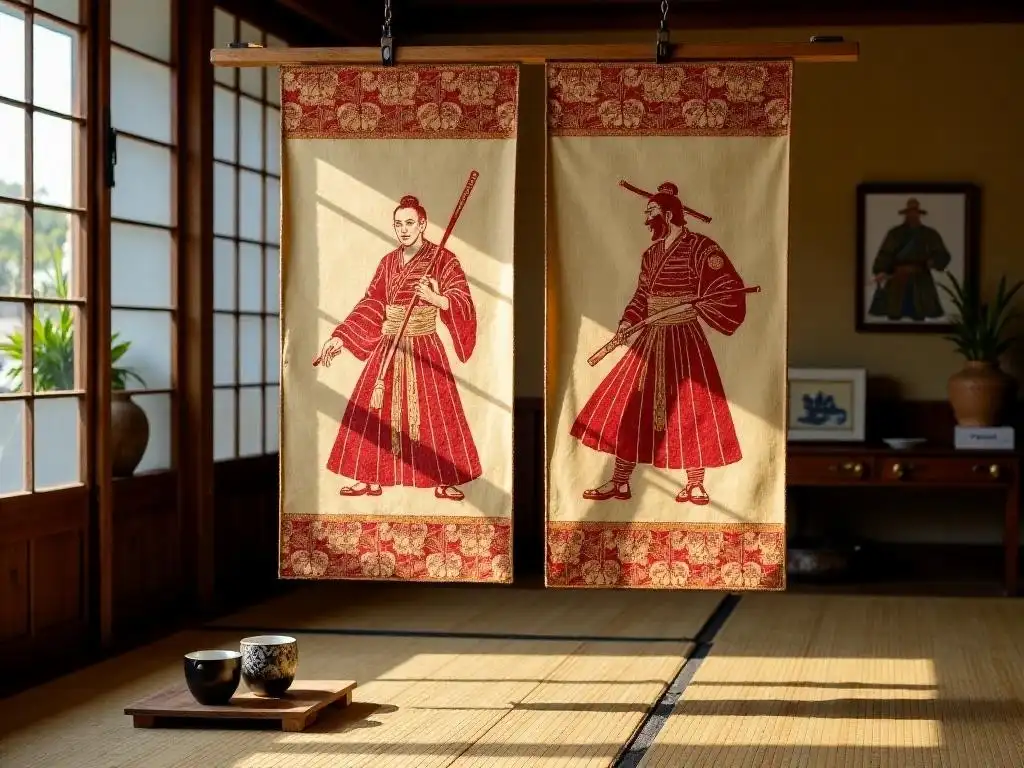
The intricate social customs of daimyo houses during Japan's feudal era have left an indelible mark on the country's cultural landscape. These customs, deeply rooted in the values of honor, loyalty, and hierarchy, not only guided the behavior of the samurai class but also influenced the broader societal norms that continue to resonate in contemporary Japan. Understanding the legacy of these traditions offers valuable insights into both historical and modern Japanese society.
Lasting Impact on Modern Japanese Culture
The social customs of daimyo houses have significantly shaped modern Japanese culture in various ways:
- Hierarchical Structures: The strict social hierarchy established by the daimyo continues to be reflected in contemporary Japanese society. Respect for authority and seniority remains prominent in both professional and social settings, where age and rank play crucial roles in interpersonal interactions.
- Ceremonial Practices: Many traditional ceremonies and practices, such as the tea ceremony (茶道, sadō) and various festivals, are influenced by the etiquette of daimyo households. These customs emphasize decorum, respect, and meticulous attention to detail, mirroring the values held by feudal lords.
- Aesthetic Values: The art and aesthetics that flourished under the patronage of the daimyo have also endured. The appreciation for refined beauty, seen in ikebana (flower arranging) and calligraphy, can be traced back to the cultural pursuits of these feudal leaders.
- Martial Codes: The bushido code, which guided samurai conduct, was heavily influenced by the ethical standards of daimyo houses. Concepts of loyalty, honor, and discipline continue to be integral to Japanese martial arts and the broader societal ethos.
This enduring influence demonstrates how the social customs of daimyo houses have woven themselves into the very fabric of modern Japanese identity, shaping not just individual behaviors, but national cultural expressions.
Reflections on the Evolution of Etiquette in Japan
The evolution of etiquette in Japan reflects a complex interplay between past traditions and contemporary values.
- Tradition vs. Modernity: While many customs have remained intact, the rapid modernization of Japan has led to a reinterpretation of traditional etiquette. For instance, the rigid formalities observed in the daimyo era have softened in casual settings, reflecting a balance between respect for tradition and the demands of modern life.
- Global Influences: The influence of Western culture has brought about changes in social customs, leading to a blending of traditional Japanese etiquette with global norms. This fusion has resulted in new forms of social interaction that still honor the underlying principles established during the feudal period.
- Cultural Preservation: There is a growing movement within Japan to preserve and revive traditional customs as a means of cultural identity. Events, workshops, and educational programs are aimed at teaching younger generations about the historical significance of etiquette rooted in the daimyo era.
- Adaptation and Continuity: As Japanese society continues to evolve, the core values of respect, honor, and hierarchy found in the social customs of daimyo houses persist. These values adapt to contemporary contexts, ensuring that the essence of feudal etiquette remains relevant.
The social customs of daimyo houses have not only left a legacy that influences modern Japanese culture but also continue to evolve, reflecting the dynamic relationship between tradition and modernity. Through this exploration, one can appreciate the depth of Japan's feudal history and its lasting impact on present-day societal norms.
References and Further Reading
Recommended Books on Feudal Etiquette and Daimyo Culture
To deepen your understanding of the social customs of daimyo houses, a selection of insightful literature is available. These books explore the intricate details of feudal etiquette, the role of daimyo, and their cultural significance within Japan's history. Here are some recommended titles:
-
"The World of the Shining Prince: Court Life in Ancient Japan" by Ivan Morris
This classic work provides an in-depth look at the court culture that shaped the behavior and customs of the ruling class, including the daimyo, during Japan's Heian period and beyond.
-
"Samurai: The World of the Warrior" by John Man
Exploring the samurai's role in society, this book delves into the etiquette and customs that governed the lives of the samurai class and their lords, offering valuable insights into the social customs of daimyo houses.
-
"Daimyo: The Warlords of Feudal Japan" by David C. Wright
This comprehensive examination of the daimyo gives context to their power and influence, detailing the protocols of their households and the social structures within their domains.
-
"The Last Samurai: The Life and Battles of Saigo Takamori" by Mark Ravina
While focused on a specific historical figure, this book provides a vivid portrayal of the customs and etiquette that characterized the samurai and their leaders during the late Edo period.
-
"Feudal Japan: The Age of the Samurai" by Stephen Turnbull
A detailed exploration of the feudal system, this book outlines the relationships and customs between the daimyo and samurai, offering a broader understanding of social hierarchies in Japan.
Online Resources for Exploring Japan’s Feudal Era
In addition to printed literature, numerous online resources can enhance your exploration of the social customs of daimyo houses and feudal Japan. These platforms offer articles, documents, and digital archives that provide valuable insights:
-
The Japan Times
A reputable news source that often features articles on Japan's historical epochs, including the feudal era. Their archives contain pieces focused on the customs and societal structures of daimyo houses.
-
National Diet Library Digital Collections
This resource provides access to a vast array of historical documents related to Japan's feudal period, including texts that explore the etiquette and practices of the daimyo and their households.
-
The Metropolitan Museum of Art - Heilbrunn Timeline of Art History
Offers essays and artworks from the feudal period, touching upon the cultural aspects and societal norms that defined the lives of the daimyo and their retainers.
-
Japan Society
A non-profit organization that provides educational resources about Japanese culture and history. Their website includes articles and lectures focusing on the social structures of feudal Japan.
-
YouTube - Documentaries on Feudal Japan
Various channels provide documentaries that cover the life of daimyo, samurai customs, and the overall social etiquette of the feudal era, combining visual storytelling with historical analysis.
By engaging with these resources, readers can gain a more profound appreciation of the rich tapestry of customs and etiquette that shaped the lives of the daimyo and their domains during Japan's feudal era.
Frequently Asked Questions
The social customs of daimyo houses included strict hierarchical structures, elaborate ceremonial practices, and an emphasis on etiquette during interactions, reflecting their status and influence.
How did feudal etiquette affect daily life in daimyo households?
Feudal etiquette dictated various aspects of daily life, including communication styles, dress codes, and behavioral norms, which were essential for maintaining social order and respect among peers.
What role did ceremony play in the lives of daimyo families?
Ceremony was crucial in daimyo households, serving to reinforce authority, showcase prestige, and maintain tradition. Important events often required specific rituals to be observed meticulously.
The social customs of daimyo houses heavily influenced samurai culture by establishing codes of conduct, such as loyalty and honor, which were fundamental to the samurai ethos and their relationships with their lords.
While most daimyo social customs have faded, some elements, such as formal etiquette and respect for hierarchical relationships, still persist in modern Japanese society and continue to shape social interactions.
The social customs of daimyo houses continue to resonate in today's society, reminding us of the intricate web of relationships and hierarchies that shape our interactions. In an age where individualism often overshadows communal values, the rituals and etiquette of the daimyo serve as a poignant reminder of the importance of respect, loyalty, and social cohesion. These customs were not merely rules to be followed; they were the very fabric that held society together, creating a sense of belonging and purpose that is just as vital today.
Cultural practices from the past have a profound influence on our present and future. The social customs of daimyo houses illustrate how traditions can foster community and reinforce social bonds. As we navigate our increasingly fragmented world, we can draw inspiration from these historical practices to cultivate deeper connections with those around us. Tradition is not the worship of ashes, but the preservation of fire.
This quote encapsulates the essence of how we can honor the past while igniting the flames of connection in our modern lives.
As you reflect on the lessons of feudal etiquette, consider how you can incorporate elements of respect and community into your daily interactions. Take a moment to appreciate the relationships in your life and the customs that nurture them. Whether it’s through simple acts of kindness or more structured traditions, let the spirit of the daimyo houses inspire you to create a more harmonious environment. Embrace the challenge of fostering connections that transcend time and culture, and remember that every small gesture can contribute to a greater sense of unity in our ever-evolving society.
Unveil the Rich Tapestry of Feudal Etiquette!
Thank you for diving into the intricate world of feudal etiquette and the social customs of Daimyo houses! Your curiosity not only expands your knowledge but also brings to life the fascinating traditions that shaped Japan’s history. Now, let's take your journey further and explore the legacy of these customs.
- Join a community of enthusiasts: Connect with fellow history lovers in our online forum where you can share insights, ask questions, and engage in discussions about the feudal era.
- Attend a local historical reenactment: Look for nearby events that celebrate feudal Japan and experience firsthand the customs and practices we've discussed.
- Share your newfound knowledge: Spread the word! Write about what you learned and how it has altered your perspective on history, or share this article with friends and family who might be interested.
What aspect of Daimyo etiquette would you most like to experience or explore further? We would love to hear your thoughts!