
Zen and the Art of Tea Ceremony: Spirituality in Everyday Rituals

Welcome to Feudal Japan History, where we invite you to embark on a captivating journey through the intricacies of Japan's feudal era. Here, history intertwines with culture and spirituality, revealing the profound significance of everyday rituals. In our featured article, "Zen and the Art of Tea Ceremony: Spirituality in Everyday Rituals," we delve into the serene world of the Japanese tea ceremony, exploring how this cherished practice transcends mere tradition to embody deep spiritual meaning. Prepare to uncover the layers of mindfulness and tranquility that define this beautiful ritual—your exploration begins now!
- Introduction to Japanese Tea Ceremony Spirituality
- The Role of Zen Buddhism in the Japanese Tea Ceremony
- Key Elements of the Japanese Tea Ceremony
- The Spiritual Benefits of Participating in a Tea Ceremony
- The Symbolism Behind the Japanese Tea Ceremony
- Comparing Traditional and Modern Practices in Japanese Tea Ceremony
- Conclusion: Embracing Spirituality in Everyday Rituals
- Frequently Asked Questions
- Final Reflection: Embracing Spirituality in Everyday Rituals
- Embrace Tranquility: Transform Your Moments with Tea
Introduction to Japanese Tea Ceremony Spirituality
The Japanese tea ceremony, known as chanoyu or sado, transcends the mere act of drinking tea; it embodies a profound spiritual and cultural practice deeply rooted in Zen Buddhism. This ritual is not just about the tea itself, but rather it represents a harmonious blend of aesthetics, mindfulness, and philosophy that invites participants to engage in a moment of peace and reflection. Through the lens of spirituality, the tea ceremony serves as a medium for personal introspection and a connection to nature, crafting a space where the mundane transforms into the sacred.
In this exploration, we will delve into the intricate layers of the Japanese tea ceremony and its significance in spiritual practice, revealing how every gesture, every bowl of tea, and every silent moment contributes to a greater understanding of Zen principles. As we navigate through its historical context, we will uncover how the tea ceremony has evolved and its enduring relevance in today's fast-paced world, where the quest for mindfulness and serenity becomes ever more crucial.
Understanding the Essence of the Tea Ceremony
At its core, the Japanese tea ceremony embodies the principles of wabi-sabi, the beauty of impermanence and imperfection. This philosophy encourages participants to appreciate simplicity and authenticity, fostering a sense of tranquility and deep awareness in each action. The intricate ritual involves meticulously preparing matcha tea, where every step—from the selection of utensils to the serving of the tea—is infused with intention and mindfulness.
- Key Elements of the Ceremony:
- Mindfulness: Each movement is performed with careful attention, allowing participants to immerse themselves fully in the moment.
- Harmony: The interaction between host and guest is characterized by mutual respect and a shared experience.
- Purity: The ritual cleansing of utensils reflects both physical and spiritual purification.
Through these elements, the tea ceremony becomes a meditative practice, inviting individuals to step away from their daily distractions and engage fully with the present.
The Historical Context of Tea in Japan
The introduction of tea to Japan can be traced back to the Tang dynasty in China, but it wasn't until the 9th century that it began to take root in Japanese culture. Initially, tea was consumed primarily by Buddhist monks for its stimulating effects, aiding them in meditation and spiritual practice. Over the centuries, the appreciation for tea evolved, leading to the establishment of the tea ceremony as a formalized ritual by the 15th century.
- Key Historical Milestones:
- 9th Century: Tea is introduced to Japan by monks returning from China.
- 15th Century: The tea ceremony begins to take shape, influenced by Zen aesthetics.
- 16th Century: Tea masters like Sen no Rikyū elevate the tea ceremony to an art form, emphasizing the spiritual dimensions.
Throughout history, the tea ceremony has reflected Japan's social changes, serving as a space for cultural exchange, artistic expression, and spiritual enlightenment. As it continues to evolve, the essence of the Japanese tea ceremony remains a testament to the profound connection between spirituality and daily life.
The Role of Zen Buddhism in the Japanese Tea Ceremony
Zen Buddhism has profoundly influenced the Japanese tea ceremony, also known as chanoyu, which translates to "the art of tea." This spiritual practice emphasizes simplicity, tranquility, and the appreciation of the moment, reflecting core Zen principles. The tea ceremony is not merely about the preparation and consumption of tea; it serves as a meditative ritual that embodies a deeper connection to Zen philosophy.
At its essence, the tea ceremony is a reflection of the Zen Buddhist belief in living fully in the present. The meticulous attention to detail in the preparation of the tea, the careful selection of utensils, and the serene setting all contribute to an atmosphere conducive to meditation and contemplation. This practice invites participants to engage in a mindful experience, fostering a sense of peace and connection with oneself and others.
How Zen Principles Shape the Tea Ceremony
The integration of Zen principles into the tea ceremony is evident through several key aspects:
- Simplicity: The tea ceremony emphasizes minimalism, which is a fundamental tenet of Zen. By stripping away distractions and focusing on the essential elements—tea, water, and utensils—participants can experience a profound sense of clarity and peace.
- Naturalness: The aesthetic of the tea ceremony is rooted in the natural world, reflecting the Zen appreciation for nature. The use of organic materials, seasonal flowers, and natural light enhances the connection between the participants and their environment.
- Harmony: Zen teachings promote harmony between individuals and their surroundings. During the tea ceremony, the host and guests engage in a harmonious exchange, where every action is performed with intention and respect, enhancing the overall experience.
- Spirit of Hospitality (Omotenashi): The concept of omotenashi, or selfless hospitality, is integral to the tea ceremony. The host's genuine care for the guests fosters a spiritual connection that transcends mere social interaction, embodying the Zen spirit of compassion.
- Meditative Focus: Each step of the tea preparation is approached with mindfulness, allowing participants to cultivate a meditative state. The act of whisking the matcha, pouring hot water, and serving tea becomes a form of meditation, promoting mental clarity and spiritual awareness.
The Connection Between Zen Practices and Mindfulness
The relationship between Zen practices and mindfulness in the context of the Japanese tea ceremony is profound and transformative. Mindfulness in Zen Buddhism involves being fully present in each moment, which is mirrored in the tea ceremony's deliberate and reflective actions.
- Awareness of the Present: In Zen, the present moment is considered sacred. The tea ceremony encapsulates this principle, encouraging participants to immerse themselves in the experience, whether it’s the aroma of the tea or the sound of water being poured.
- Acceptance: Zen teaches acceptance of the moment as it is. In the tea ceremony, imperfections are embraced, whether it’s a slight spill or an uneven whisking. This acceptance fosters a deeper appreciation for the beauty of impermanence, a key aspect of Zen philosophy.
- Non-Attachment: The practice of tea ceremony encourages non-attachment to outcomes. Participants learn to appreciate the process rather than focusing solely on the final product, allowing for a more profound spiritual experience.
- Cultivation of Inner Peace: Engaging in the tea ceremony creates an environment ripe for cultivating inner peace. The combination of mindful actions and the serene atmosphere promotes a sense of tranquility that resonates with Zen teachings.
The Japanese tea ceremony serves as a rich tapestry woven with the principles of Zen Buddhism. It transforms an everyday ritual into a profound spiritual practice, inviting participants to explore the depths of mindfulness and spirituality through the simple act of sharing tea. This interconnectedness between Zen and the tea ceremony highlights the beauty of finding spirituality in everyday rituals, encapsulating the essence of Japanese tea ceremony spirituality.
Key Elements of the Japanese Tea Ceremony
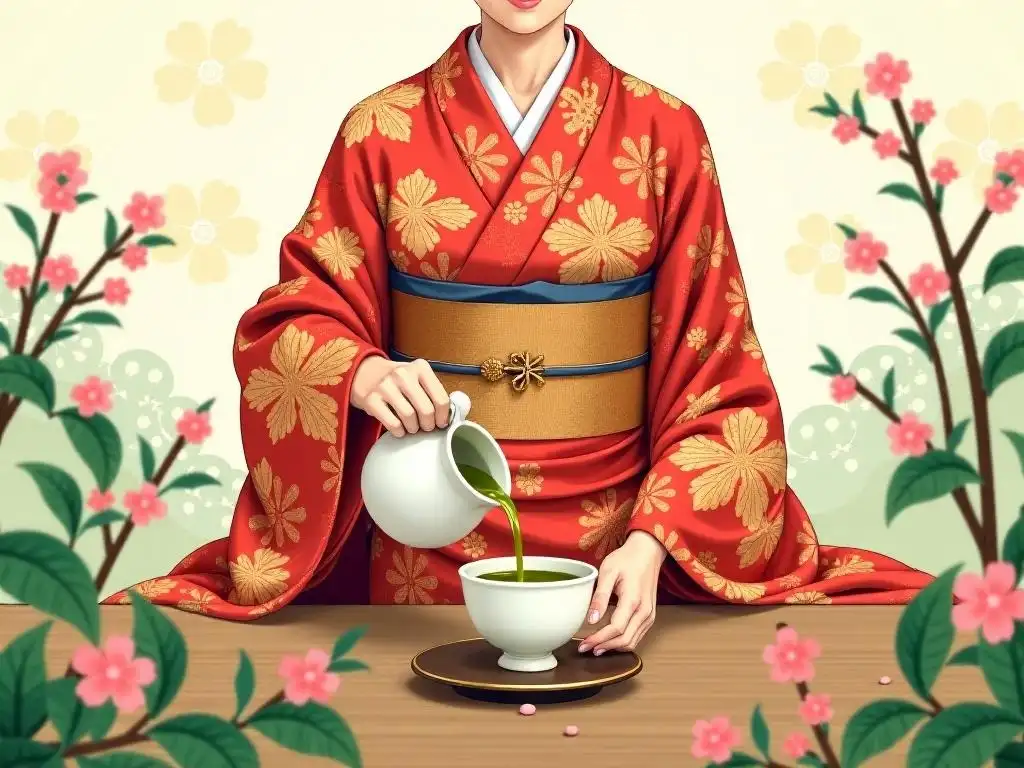
The Japanese tea ceremony, known as Chanoyu or Chado, is an intricate ritual that embodies the principles of Zen Buddhism while emphasizing aesthetics, etiquette, and spirituality. Central to this ceremony are several key elements that contribute to its profound spiritual significance, guiding participants toward a deeper appreciation of the moment and the art of tea.
The Importance of Utensils in Tea Ceremony Spirituality
The utensils used in the Japanese tea ceremony are not merely functional but are considered extensions of the practitioner's spirit. Each item carries its own symbolism and plays a crucial role in the overall experience:
- Chawan (Tea Bowl): The tea bowl is central to the ceremony, symbolizing the host's hospitality. The way the bowl is chosen, treated, and presented reflects the host's mindfulness and respect for the guests.
- Chasen (Tea Whisk): The chasen is crafted from bamboo and is essential for whisking powdered matcha into a frothy consistency. Its delicate nature signifies the balance between strength and gentleness, echoing the Zen principle of harmony.
- Chashaku (Tea Scoop): This bamboo scoop is used to measure the matcha. Its simplicity highlights the beauty of minimalism, allowing participants to focus on the act of preparation as a meditative practice.
- Kensui (Waste Water Bowl): The kensui serves to dispose of excess water and tea, representing the act of letting go—an essential aspect of Zen teachings.
Each utensil must be handled with care and intention, as their proper use fosters a sense of connection and mindfulness, enriching the Japanese tea ceremony spirituality.
The Ritual of Preparing Matcha: A Spiritual Experience
The preparation of matcha is a pivotal moment in the tea ceremony, serving as a spiritual experience that engages both the mind and body. This ritual involves several steps, each imbued with meaning:
- Purification: Before beginning, the practitioner cleanses the utensils and the space, creating an environment conducive to mindfulness. This act symbolizes purification of both the body and spirit.
- Measuring Matcha: The careful measurement of matcha with the chashaku is done with precision, emphasizing attention to detail. This moment encourages participants to be present and engaged in the process.
- Whisking the Tea: Using the chasen, the practitioner whisks the matcha in a circular motion. This dynamic movement not only integrates physical activity but also serves as a metaphor for the flow of life—encouraging participants to embrace the beauty of impermanence.
- Serving the Tea: The act of serving tea is performed with grace and respect, reinforcing the connection between the host and guests. As the tea is shared, it becomes a medium for fostering community and spiritual connection.
Through these rituals, the preparation of matcha transcends mere tea-making; it becomes a meditative act that embodies the essence of Japanese tea ceremony spirituality.
The Significance of the Tea Room Environment
The tea room, or chashitsu, is a carefully designed space that enhances the overall experience of the tea ceremony. Its significance lies in several key aspects:
- Simplicity and Minimalism: The design of the tea room reflects the Zen aesthetic of simplicity, with natural materials and uncluttered spaces. This minimalism encourages participants to focus on the present moment and the tea itself.
- Connection with Nature: The placement of the tea room often takes advantage of natural surroundings, integrating elements such as gardens or views of the landscape. This connection to nature serves as a reminder of the transient beauty of life, reinforcing the spiritual aspect of the ceremony.
- Atmosphere of Tranquility: The tea room is designed to foster a sense of calm and serenity, allowing participants to escape the distractions of everyday life. This tranquil environment is essential for cultivating mindfulness and deepening spiritual awareness.
- Ritualistic Entry: The act of entering the tea room, often through a small door, symbolizes humility and the shedding of one's ego. This transition prepares participants for the sacredness of the ceremony, enhancing their spiritual experience.
The tea room environment is a vital component of the Japanese tea ceremony, contributing to the Japanese tea ceremony spirituality by creating a space that invites reflection, connection, and a deeper appreciation for the art of tea.
The Spiritual Benefits of Participating in a Tea Ceremony
The Japanese tea ceremony, or chanoyu, transcends mere beverage preparation; it is a profound spiritual ritual that encapsulates the essence of Zen Buddhism. This intricate practice serves as a conduit for mindfulness, community, and personal reflection, offering numerous spiritual benefits to participants.
Cultivating Presence and Mindfulness through Ritual
The tea ceremony is imbued with principles of mindfulness, a central tenet of Zen Buddhism. Each movement in the ceremony, from the meticulous preparation of the tea to the graceful serving, is performed with intentionality and presence. This focus on the now fosters a deep sense of awareness and tranquility.
- Mindful Movements: Every action in the tea ceremony is deliberate. Participants learn to engage fully with the present moment, creating a meditative atmosphere.
- Sensory Engagement: The ceremony stimulates the senses—sight, smell, taste, touch, and sound—encouraging participants to appreciate the subtleties of the experience. The vibrant green of matcha, the delicate fragrance of tea, and the soft sound of water boiling become focal points for meditation.
- Release of Distractions: By immersing oneself in the ritual, participants often find a release from the chaos of daily life. This escape allows for a rejuvenation of the spirit, reinforcing the importance of tranquility and peace.
Through these elements, the tea ceremony serves as a powerful practice for cultivating mindfulness and presence, encouraging participants to develop a deeper connection with themselves and their surroundings.
The Role of Community in Enhancing Spirituality
In addition to personal growth, the Japanese tea ceremony emphasizes the communal aspect of spirituality. The experience is not just solitary; it is shared with others, creating a bond that enhances the spiritual journey.
- Shared Experience: Participants come together to engage in the ritual, fostering a sense of belonging and connection. This communal aspect reinforces the idea that spirituality is not solely an individual journey but a collective one.
- Cultural Transmission: Through participating in the tea ceremony, individuals learn about the cultural heritage and values of Japan. This shared knowledge deepens the appreciation for the practice and strengthens the community's identity.
- Mutual Respect: The principles of respect, harmony, and tranquility are vital in a tea ceremony. Participants practice these values not only towards the tea and utensils but also towards each other, creating an atmosphere of mutual care and understanding.
The spiritual benefits of participating in a Japanese tea ceremony are manifold. Through cultivating mindfulness and fostering community, this beautiful ritual encapsulates the essence of shin-gi-tai—the harmonious integration of heart, technique, and physicality—making it a profound expression of Japanese tea ceremony spirituality.
The Symbolism Behind the Japanese Tea Ceremony
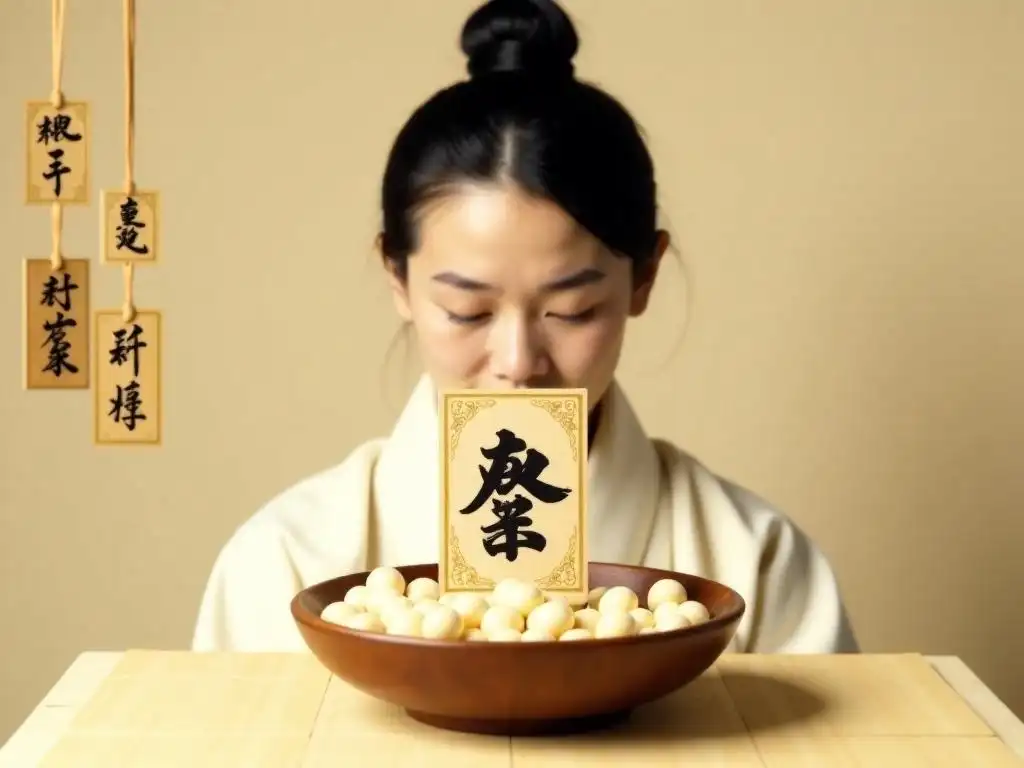
The Japanese tea ceremony, known as chanoyu or sado, is not merely a ritual for serving and consuming tea; it is a profound expression of spirituality and aesthetics, encapsulating the essence of Japanese culture. At its core, the ceremony serves as a conduit for connecting the physical act of tea preparation and consumption with deeper spiritual reflections.
Understanding the Aesthetic Values: Wabi-Sabi in Tea Ceremony
Wabi-sabi is a fundamental concept in Japanese aesthetics that celebrates the beauty in imperfection and transience. This philosophy is deeply embedded in the tea ceremony, where the aesthetic values manifest in various elements:
- Natural Materials: The utensils and setting often feature unrefined materials like clay, wood, and stone. These materials evoke a sense of authenticity and simplicity, reflecting the wabi-sabi principle of appreciating the natural state of objects.
- Imperfect Form: The tea bowls used in the ceremony are frequently asymmetrical or exhibit visible imperfections. This imperfection is not seen as a flaw but as a testament to the object’s history and uniqueness, reinforcing the idea that beauty lies in the transient nature of life.
- Seasonal Awareness: The arrangement of flowers and the choice of tea are often influenced by the season. This conscious selection invites participants to engage with the present moment, acknowledging the beauty of nature's cycles and the fleeting quality of life.
The tea ceremony shows how wabi-sabi encourages participants to embrace simplicity and mindfulness, allowing them to find a serene beauty in the ritual itself.
The Spiritual Journey of Each Participant
Each participant in the Japanese tea ceremony embarks on a unique spiritual journey, marked by introspection and connection. This experience is characterized by several key components:
- Mindfulness and Presence: The ceremony demands complete attention, with each movement executed with intention. Participants are encouraged to leave behind the distractions of daily life, fostering a state of mindfulness that deepens their connection to the experience.
- Harmony and Respect: The principles of wa, kei, sei, and jaku (harmony, respect, purity, and tranquility) guide interactions within the ceremony. Participants learn to respect each other and the environment, cultivating a sense of community and interconnectedness.
- Meditative Reflection: As tea is prepared and served, participants are invited to reflect on the deeper meanings of their actions. This meditative aspect allows individuals to explore their thoughts and emotions, often leading to moments of profound insight and personal growth.
- Connection to Zen Philosophy: The tea ceremony is steeped in Zen Buddhist principles, where the act of making and sharing tea becomes a spiritual practice. Each sip of tea serves as a reminder of impermanence and the beauty of the present moment, reinforcing the idea that spirituality can be found in everyday rituals.
In essence, the Japanese tea ceremony transcends the mere act of drinking tea; it becomes a spiritual practice that promotes mindfulness, harmony, and a deeper understanding of one's self and the world around them. Through this ritual, participants engage in an enriching journey that nurtures their spiritual well-being.
Comparing Traditional and Modern Practices in Japanese Tea Ceremony
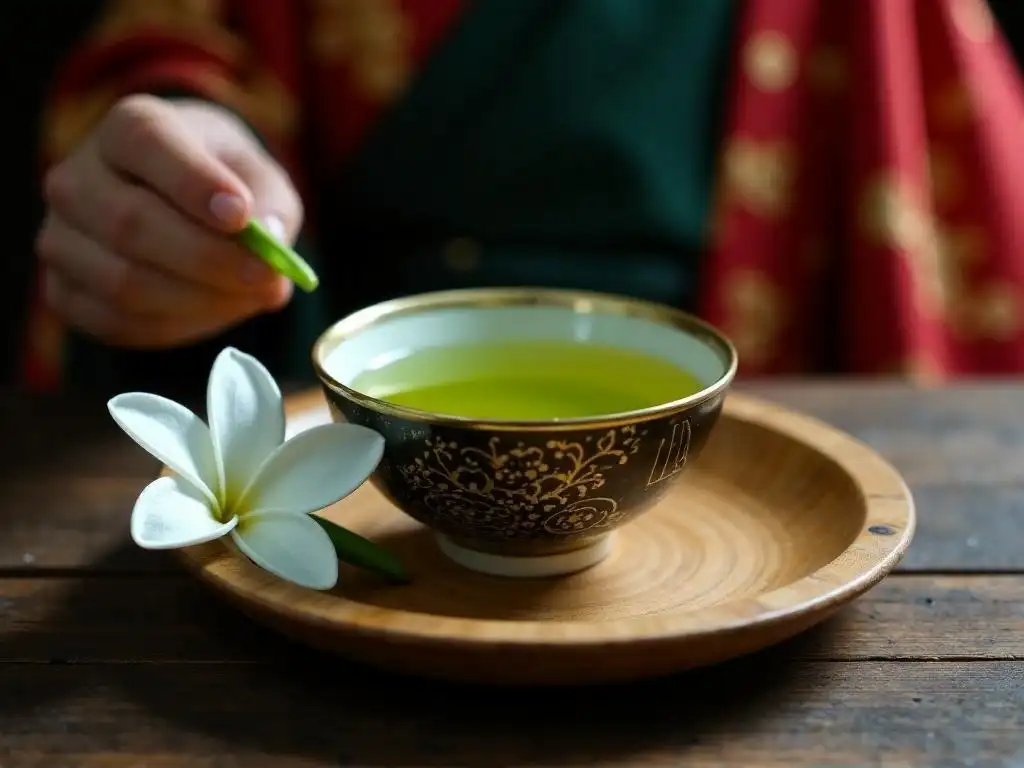
The Japanese tea ceremony, or chanoyu, is a ritualistic practice steeped in centuries of tradition, reflecting not only the aesthetic values of Japanese culture but also its spiritual underpinnings. As society evolves, so too does the practice of the tea ceremony, leading to a fascinating juxtaposition of traditional and modern influences.
How Modern Influences Shape Tea Ceremony Spirituality
Modern influences have substantially transformed the landscape of the Japanese tea ceremony. While the core principles of harmony ( wa), respect ( kei), purity ( sei), and tranquility ( jaku) remain, the way these values are expressed has adapted to contemporary realities.
- Globalization and Cultural Exchange:
- The influx of foreign ideas has permeated Japanese culture, including the tea ceremony. This cultural exchange has led to a more eclectic approach, where non-Japanese participants often bring their own interpretations to the ceremony.
- For instance, some practitioners may incorporate Western elements, such as different types of tea or alternative serving styles, which can dilute or enhance the spiritual aspects depending on the practitioner's intention.
- Digital Age Adaptations:
- The rise of social media and digital platforms has created a community around the tea ceremony, allowing participants to share their experiences and interpretations widely.
- Online workshops and tutorials have made the art of the tea ceremony more accessible, prompting new practitioners to explore its spirituality without adhering strictly to traditional methods.
- Mindfulness and Wellness Movements:
- The modern emphasis on mindfulness and mental well-being has rejuvenated interest in the tea ceremony as a meditative practice.
- Many contemporary practitioners focus on the therapeutic aspects of tea preparation and consumption, emphasizing personal reflection and tranquility, which aligns with the spiritual essence of the ceremony.
The Preservation of Tradition in Contemporary Settings
Despite the influences of modernity, there is a strong movement aimed at preserving the traditional aspects of the Japanese tea ceremony. This preservation is crucial to maintaining the spiritual core of the practice, ensuring that the rich heritage of chanoyu is not lost amidst contemporary adaptations.
- Traditional Schools and Masters:
- Renowned tea masters and schools, such as the Urasenke and Omotesenke, continue to teach the classical forms of tea ceremony. They emphasize the importance of technique, etiquette, and the spiritual philosophy behind each movement.
- These institutions play a pivotal role in cultivating a deep understanding of the ceremony’s spiritual dimensions, ensuring that the original teachings and practices are passed down through generations.
- Cultural Events and Festivals:
- Various cultural events and tea festivals across Japan serve as platforms for showcasing traditional practices. These gatherings often include demonstrations by experienced practitioners, allowing attendees to experience the spiritual ambiance of a traditional tea ceremony.
- Such events foster an appreciation for the ritual's historical significance, reinforcing the connection to Japan’s cultural identity.
- Integration in Education:
- Educational programs in schools and community centers are increasingly incorporating the tea ceremony as part of cultural studies. This approach not only teaches the steps involved but also delves into the spiritual philosophies, encouraging younger generations to appreciate and practice the art authentically.
- By embedding the tea ceremony into educational curricula, there is a concerted effort to ensure that traditional spirituality is maintained even as the practice evolves.
While modern influences have undeniably shaped the Japanese tea ceremony, the ongoing commitment to preserving its traditional aspects ensures that the spiritual essence of this profound ritual remains intact in contemporary settings. The interplay between tradition and modernity creates a dynamic environment where the spirituality inherent in the Japanese tea ceremony can continue to flourish and resonate with both practitioners and audiences alike.
Conclusion: Embracing Spirituality in Everyday Rituals
The Japanese tea ceremony, or Chanoyu, is more than just a ritual of preparing and serving tea; it is a profound expression of spirituality that permeates everyday life. This ceremony embodies the principles of Zen Buddhism, emphasizing simplicity, tranquility, and a deep appreciation for the present moment. By engaging in this ritual, practitioners can cultivate a sense of mindfulness that transcends the act of drinking tea, fostering a deeper connection with themselves, others, and their environment.
The Lasting Impact of Japanese Tea Ceremony on Spiritual Practice
The influence of the Japanese tea ceremony on spiritual practice is significant and multifaceted. Originating in the 15th century, it has evolved to incorporate various elements that reflect Zen principles:
- Simplicity: The aesthetics of the tea ceremony promote an appreciation for the beauty found in simplicity. The careful selection of utensils, the minimalistic setting, and the attention to detail all contribute to a serene environment conducive to meditation and reflection.
- Harmony: The ceremony emphasizes harmony between the host and guests, as well as the connection with nature. The choice of seasonal flowers, the arrangement of the tea room, and the serene garden views all enhance the experience, inviting participants to appreciate the interconnectedness of life.
- Mindfulness: Each step in the tea-making process—from the preparation of the tea to the serving and consumption—requires complete attention. This focus on the present moment is a cornerstone of Zen practice, encouraging participants to let go of distractions and immerse themselves in the experience.
The spiritual impact of the tea ceremony extends beyond the ritual itself. It inspires practitioners to incorporate mindfulness into their daily lives, fostering a greater awareness of their thoughts, feelings, and actions.
Encouraging Mindfulness through the Art of Tea Ceremony
The practice of the Japanese tea ceremony serves as a powerful tool for encouraging mindfulness in various aspects of life:
- Ritualistic Nature: The structured format of the tea ceremony provides a framework for participants to engage in a repeated, predictable activity. This predictability allows the mind to settle, making it easier to focus on the present moment.
- Sensory Engagement: The ceremony engages multiple senses—sight, sound, touch, taste, and smell—drawing attention to the subtleties of each element. For instance, the visual beauty of the tea utensils, the soothing sound of water boiling, and the aroma of matcha all contribute to a holistic experience that promotes mindfulness.
- Community and Connection: The tea ceremony fosters a sense of community, as participants share the experience together. This communal aspect encourages deeper interpersonal connections, enhancing the overall spiritual experience.
- Reflection and Contemplation: Moments of silence during the ceremony provide opportunities for reflection and introspection. Participants are invited to contemplate their thoughts and feelings, leading to a greater understanding of themselves and their place in the world.
In essence, the Japanese tea ceremony encapsulates the principles of Zen Buddhism, offering a pathway to spirituality through everyday rituals. By embracing the art of tea ceremony, individuals can cultivate mindfulness and a profound appreciation for the beauty and simplicity of life, making each moment an opportunity for spiritual growth.
Frequently Asked Questions
What is the significance of the Japanese tea ceremony in Zen Buddhism?
The Japanese tea ceremony embodies Zen principles, emphasizing mindfulness and the beauty of simplicity. It transforms a mundane task into a spiritual practice, fostering a deeper connection to the present moment.
How does the tea ceremony reflect Japanese culture?
The tea ceremony is a profound representation of Japanese culture, showcasing values such as harmony, respect, purity, and tranquility. It serves as a ritual that promotes social bonds and appreciation for nature.
What are the key elements of the tea ceremony?
Key elements include tea preparation, the utensils used, and the decorative setting. Each component is chosen with intention, contributing to the overall spiritual experience of the ritual.
How does one prepare for a tea ceremony?
Preparation involves selecting the appropriate tea utensils, creating a serene environment, and cultivating a mindful attitude. This ensures that both the host and guests can fully engage in the spiritual aspects of the ceremony.
Can anyone participate in a Japanese tea ceremony?
Yes, anyone can participate, but it's important to approach it with respect and openness. Understanding the underlying spirituality and traditions enhances the experience, making it more meaningful for all involved.
Final Reflection: Embracing Spirituality in Everyday Rituals
The Japanese tea ceremony embodies a profound connection between mindfulness and spirituality, reminding us that even the simplest of rituals can hold transformative power. In today's fast-paced world, where distractions abound and moments of stillness are rare, the practice of the tea ceremony offers a sanctuary for reflection and presence. It teaches us that spirituality is not confined to grand gestures but can be found in the delicate act of preparing and sharing tea, inviting us to slow down and appreciate the beauty of the moment.
Cultural practices like the Japanese tea ceremony continue to shape our understanding of spirituality and connection in contemporary society. As we navigate our daily lives, the lessons of mindfulness, respect, and harmony become increasingly relevant. The tea ceremony serves as a reminder that every action, no matter how mundane, can be infused with intention and reverence. The art of tea is not just about the tea itself, but about the spirit in which it is shared.
This sentiment encapsulates the essence of the ceremony, urging us to consider how we engage with the world and those around us.
As you reflect on the insights shared in this article, I invite you to explore how you can incorporate the principles of the Japanese tea ceremony into your own life. Consider the rituals you engage in daily—how can you infuse them with mindfulness and intention? Whether it’s your morning coffee, a shared meal, or a simple moment of pause, let these practices become opportunities for spiritual connection and appreciation. Embrace the beauty of everyday rituals, and allow them to guide you toward a deeper understanding of yourself and your place in the world.
Embrace Tranquility: Transform Your Moments with Tea
Thank you for exploring the spiritual depths of the tea ceremony with us! You've uncovered the beauty of ritual and mindfulness in everyday life. Now, it's time to transform those insights into action and deepen your connection with this enriching practice.
Here are some simple yet impactful steps you can take:
- Create Your Own Tea Ritual: Set aside a few quiet moments each day to brew your favorite tea mindfully. Focus on each step of the process and savor the flavors, bringing your awareness to the present moment.
- Explore the Art of Tea: Visit a local tea shop or attend a tea ceremony to experience the tradition firsthand and learn from experienced practitioners who can share their knowledge.
- Share Your Experience: Invite friends or family to join you in your new ritual. Discuss the significance of mindfulness and observe how it can strengthen your relationships.
How will you incorporate the serenity of tea into your daily life? We would love to hear your thoughts or experiences below!