
The Role of Daimyo in the Development of Japanese Provinces

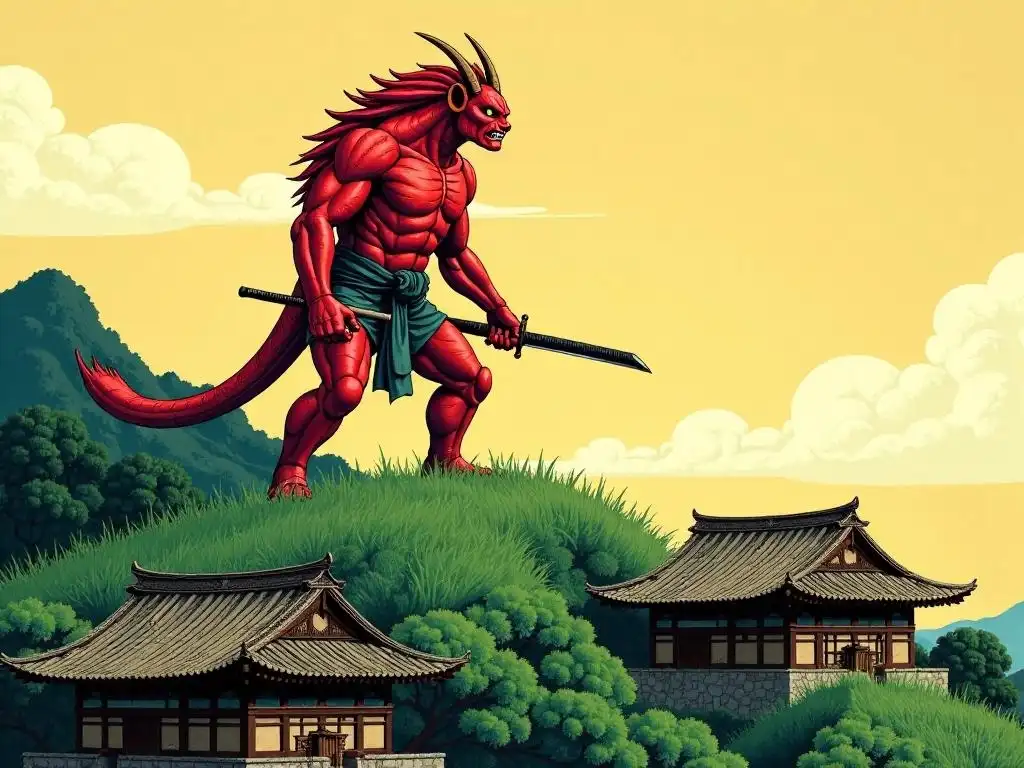
Welcome to Feudal Japan History, where we embark on a fascinating journey through the intricate tapestry of Japan’s feudal era. Here, we delve into the historical, cultural, and societal dimensions that shaped this remarkable period. In our featured article, "The Role of Daimyo in the Development of Japanese Provinces," we uncover the pivotal influence of these powerful feudal lords on the political landscape and local governance.
What drove their ambitions, and how did they shape the very fabric of Japanese society? Prepare to be captivated as you explore the profound impact of the daimyo and discover the rich history that awaits you!
Introduction to the Role of Daimyo in Japan
The Role of Daimyo in Japan is a pivotal aspect of the country's feudal history, shaping the political, social, and economic landscapes of various provinces throughout the centuries. The daimyo were powerful feudal lords who held significant authority over their domains, wielding both military and administrative power during the tumultuous periods of Japan's past.
As influential figures, they played a critical role in the development and governance of their regions, impacting local cultures and economies. This article aims to delve into the multifaceted role of daimyo, exploring their definitions, historical contexts, and the profound significance they held in the progression of Japanese provinces.
Definition of Daimyo in Feudal Japan
In feudal Japan, the term daimyo (大名) refers to the large landholding lords who were vassals to the shogunate. These lords were granted control over vast territories, often called han (藩), which they governed autonomously. With their own armies, the daimyo maintained order and collected taxes, and they were responsible for the welfare of their subjects. The power and influence of a daimyo were often measured by the size of their landholdings and the loyalty of their samurai retainers.
- Key characteristics of daimyo:
- Land Ownership: Daimyo were granted land by the shogun and were responsible for its management.
- Military Command: They maintained their own samurai armies to protect their domains and assert their power.
- Political Authority: They exercised significant political power, often influencing local governance and policy-making.
Historical Context of Daimyo's Power
The emergence of the daimyo can be traced back to the Heian period (794-1185), but their power truly solidified during the Kamakura period (1185-1333) and the subsequent Muromachi period (1336-1573). The weakening of the central imperial authority led to the rise of powerful regional lords who filled the power vacuum. This transformation was further exacerbated by the Onin War (1467-1477), which plunged Japan into a century of civil strife known as the Sengoku period (1467-1603). During this chaotic era, the daimyo not only defended their territories but also expanded their influence through warfare and alliances.
The Historical Significance of Daimyo in Japanese Provinces
The significance of the daimyo in shaping the provinces of Japan cannot be overstated. They were instrumental in establishing local governance structures and were key players in the political arena of their times. Their decisions and actions had far-reaching effects on the societal fabric of Japan.
Emergence of Daimyo During the Feudal Era
As Japan transitioned from the Asuka to the Nara period, the foundation for feudalism began to take shape. The daimyo emerged as local leaders who provided stability and governance amid the political fragmentation. Their rise to power was marked by:
- Military Alliances: Forming strategic alliances through marriage and diplomacy.
- Territorial Expansion: Gaining control over additional lands through conquest or negotiation.
- Cultural Patronage: Supporting the arts, religion, and local industries, which fostered economic growth.
The Political Influence of Daimyo on Local Governance
Daimyo exerted considerable influence over local governance, often acting as the de facto rulers of their provinces. They established systems of administration that facilitated the collection of taxes, maintenance of order, and implementation of justice. Key aspects of their political influence included:
- Legal Authority: The ability to enact laws and resolve disputes within their domains.
- Taxation Systems: Designing and enforcing tax systems that affected local economies.
- Cultural Integration: Promoting local customs and traditions, which helped to unify their provinces under their rule.
The role of daimyo in Japan was integral to the development and governance of the country's provinces, leaving a lasting legacy that continues to resonate in modern Japanese culture and identity.
The Economic Contributions of Daimyo to Japanese Provinces
The daimyo played a crucial role in shaping the economic landscape of Japan during the feudal era. As powerful feudal lords, they controlled vast territories and were responsible for the administration and economic management of their domains. Their contributions to the economic development of Japanese provinces can be categorized into agricultural advancements and strategic trade policies, both of which significantly influenced the prosperity of their regions.
Agricultural Development and Land Management
One of the primary economic responsibilities of the daimyo was the oversight of agricultural production. They implemented various land management practices to optimize crop yields and ensure food security within their provinces. This included:
- Irrigation Systems: Daimyo invested in the construction of irrigation canals, which improved water supply to farmlands, thereby enhancing agricultural productivity.
- Crop Rotation: Many daimyo promoted advanced farming techniques such as crop rotation and the cultivation of diverse crops, which not only enriched the soil but also provided a stable food source and reduced famine risk.
- Land Reclamation: Some daimyo undertook large-scale land reclamation projects, converting marshes and wastelands into arable land, thus expanding agricultural capacity.
Through these efforts, daimyo not only increased the wealth of their provinces but also strengthened their political power by ensuring the loyalty of the peasantry, who relied on the stability and prosperity of the land.
Trade and Economic Policies Implemented by Daimyo
In addition to agricultural management, daimyo played a vital role in establishing and regulating trade within their provinces. They implemented several economic policies aimed at fostering trade and commerce, such as:
- Market Regulation: Daimyo established markets and regulated commerce within their territories, creating a structured environment for trade. They often instituted laws to protect merchants and consumers, thereby boosting economic activity.
- Tax Incentives: By offering tax breaks or incentives to local artisans and merchants, daimyo encouraged the growth of industries, which diversified the local economy beyond agriculture.
- Trade Agreements: Some daimyo formed alliances with neighboring regions, facilitating trade agreements that allowed for the exchange of goods, resources, and cultural practices, further enriching the economic framework of their provinces.
These trade initiatives not only enhanced the economic stability of the provinces but also contributed to the emergence of vibrant urban centers, where commerce and culture could flourish.
Cultural Impact of Daimyo in Provincial Development
Beyond their economic contributions, the daimyo also played a significant role in the cultural development of their provinces. Their patronage and support for local customs, arts, and religious practices were instrumental in shaping the cultural identity of the regions they governed.
Patronage of Arts and Religion by Daimyo
Daimyo often acted as patrons of the arts, supporting various forms of artistic expression, including painting, calligraphy, and theater. This patronage included:
- Sponsorship of Artists: Many daimyo commissioned works from skilled artists, helping to elevate the status of local crafts and promote the unique cultural heritage of their provinces.
- Construction of Temples and Shrines: By funding the construction of significant religious sites, daimyo reinforced the spiritual identity of their regions, fostering community cohesion and cultural pride.
- Festivals and Ceremonies: Daimyo organized and funded local festivals, which not only celebrated regional traditions but also served to strengthen the bonds between the lords and their subjects.
Through these cultural investments, daimyo contributed to a rich tapestry of regional identities that celebrated both local and national heritage.
The Role of Daimyo in Promoting Local Traditions
The daimyo were instrumental in promoting and preserving local traditions, customs, and practices. Their influence can be seen in several key areas:
- Encouragement of Local Crafts: Daimyo often supported artisans and craftsmen, helping to preserve traditional methods of production while also fostering a sense of pride in local craftsmanship.
- Cultural Exchanges: By hosting travelers and scholars from other regions, daimyo facilitated cultural exchanges that enriched their provinces with new ideas, technologies, and artistic influences.
- Documentation and Preservation: Some daimyo commissioned historical texts and records that documented local traditions and significant events, ensuring that these cultural narratives were preserved for future generations.
In essence, the daimyo's role in promoting local traditions was vital to maintaining the cultural heritage of their provinces, fostering a sense of identity and continuity amidst the broader changes occurring in Japan during the feudal era.
Military Role of Daimyo in Shaping Japanese Provinces

The Daimyo played a pivotal role in the military organization and defense of their provinces during Japan's feudal era. As feudal lords, they were responsible for maintaining order, enforcing laws, and ensuring the safety of their territories. This military authority was crucial, especially during the turbulent Sengoku period (1467-1603), where local lords engaged in constant power struggles for dominance.
Daimyo maintained their own armies composed primarily of samurai, who were not only warriors but also served as administrators and local leaders. These samurai were bound by the code of bushido, emphasizing loyalty, honor, and martial skill. The relationship between the daimyo and their samurai was symbiotic; the daimyo provided land and stipends to their warriors, who, in return, pledged loyalty and military service. This military structure enabled the daimyo to collect taxes, manage resources, and exert control over their provinces effectively.
Furthermore, the daimyo's military strategies often included fortification of their castles, which served as administrative centers and defensive strongholds. These castles became symbols of power and authority, influencing the architectural development of Japan during this era. The construction of these fortifications showcased the daimyo's wealth and military might and played a significant role in the local economy as they attracted craftsmen and merchants.
The Samurai Class and Its Connection to Daimyo
The samurai class emerged as a vital component of the feudal system in Japan, serving as the primary military force for the daimyo. This warrior class was characterized by its strict code of conduct, bushido, which emphasized loyalty to one’s lord and valor in battle. The samurai were not merely soldiers; they were also landholders and administrators who played a crucial role in the management of the daimyo's estates.
Daimyo, as feudal lords, relied heavily on the loyalty and skill of their samurai to maintain control over their territories. The relationship was often built on a system of mutual obligation; in exchange for land and protection, samurai pledged their service and loyalty. This connection fostered a strong sense of identity and purpose among the samurai, further embedding them into the social fabric of the provinces they served.
Moreover, the samurai's influence extended beyond the battlefield. They were often involved in local governance, law enforcement, and tax collection, acting as intermediaries between the daimyo and the peasant class. This multifaceted role helped to solidify the daimyo's power while also ensuring the loyalty of the samurai through social and economic ties.
Daimyo and the Defense of Their Territories
The defense of territories was a primary concern for the daimyo, especially in an era marked by conflict and instability. To safeguard their lands, daimyo developed military strategies that included alliances with other daimyo, establishing fortified castles, and maintaining a well-trained samurai army. These strategies were not only crucial for defense but also for asserting dominance over rival factions.
Daimyo often engaged in political marriages and alliances to strengthen their military position and deter potential threats. This approach allowed them to expand their influence while minimizing the risk of conflict. When hostilities did arise, the daimyo would mobilize their samurai to defend their provinces, demonstrating their military might on the battlefield.
Additionally, the daimyo invested in logistics, ensuring that their armies were well-equipped and supplied. The ability to mobilize resources effectively played a critical role in their success. This emphasis on military readiness not only helped protect their domains but also facilitated the growth of their power and influence in the broader landscape of feudal Japan.
The daimyo were integral to the social structure of feudal Japan, serving as the highest authority in their respective provinces. Their position within the hierarchy established a clear division of power and responsibility among the various classes in society. This structure was characterized by a rigid caste system, where the daimyo occupied the top tier, followed by samurai, artisans, farmers, and merchants.
The influence of the daimyo extended beyond mere governance; they were also responsible for maintaining social order and cultural practices. Through patronage, they supported the arts, religion, and education, shaping the cultural identity of their provinces. This cultural influence was significant, as it helped to unify diverse regions under a common framework of values and traditions.
The Relationship Between Daimyo and Peasants
The relationship between daimyo and peasants was complex and multifaceted. Peasants, who formed the backbone of the agrarian economy, were crucial for sustaining the wealth and power of the daimyo. In exchange for protection and land use, peasants were required to pay taxes, often in the form of rice or other agricultural products. This system of taxation created a dependency that bound the peasants to the daimyo, ensuring a steady flow of resources.
However, this relationship was not entirely one-sided. Daimyo were expected to provide security and stability, which could sometimes lead to improved living conditions for the peasantry. In times of peace, some daimyo implemented reforms that benefited the agricultural sector, promoting irrigation projects and agricultural innovation. This not only enhanced productivity but also fostered loyalty among the peasantry.
Nevertheless, the pressures of taxation and the demands of military service could lead to tensions. Peasant uprisings were not uncommon, particularly when the daimyo's demands became excessive or when natural disasters affected harvests. The daimyo's ability to navigate these challenges was crucial in maintaining their authority and ensuring the loyalty of the peasant class.
The Influence of Daimyo on Urban Development
The impact of daimyo on urban development during the feudal era was significant. As centers of power, the domains of the daimyo became hubs of economic and cultural activity. The presence of a daimyo often led to the establishment of towns and cities, as merchants and craftsmen flocked to these regions to seek opportunities.
Daimyo actively promoted urbanization by constructing roads, markets, and infrastructure that facilitated trade and commerce. These developments not only boosted local economies but also transformed social dynamics by creating new classes of merchants and artisans. The growth of these urban centers allowed for greater cultural exchange and innovation, further enriching the provinces.
Additionally, some daimyo encouraged the arts and crafts, leading to a flourishing of local culture. This patronage played a crucial role in the development of distinct regional identities, as local traditions and practices became intertwined with the influence of the daimyo. The legacy of these developments can still be seen in modern Japan, where historical towns and cultural practices continue to thrive.
Case Studies of Notable Daimyo and Their Provinces
Throughout Japan's feudal era, several daimyo played pivotal roles in shaping the political, economic, and cultural landscape of their respective provinces. By examining the actions and policies of notable daimyo, we can gain insight into how they contributed to the development of Japan's regions. Two prominent figures stand out in this context: Toyotomi Hideyoshi and Tokugawa Ieyasu. Their legacies not only influenced their immediate territories but also had lasting effects on the entire nation.
Toyotomi Hideyoshi and Osaka: A Historical Overview
Toyotomi Hideyoshi emerged as one of Japan's most significant daimyo during the late 16th century. After a meteoric rise from humble beginnings, he unified Japan and established his power base in Osaka. Hideyoshi's strategic location in the Kansai region allowed him to control trade routes and facilitate economic growth.
In Osaka, Hideyoshi initiated grand construction projects, including the iconic Osaka Castle, which served both as a military stronghold and a symbol of his authority. He implemented policies that promoted agriculture, resulting in increased productivity and stability within his domain. Additionally, Hideyoshi's emphasis on the arts and culture led to the flourishing of the tea ceremony and Noh theater, establishing Osaka as a cultural hub.
Hideyoshi's legacy is characterized by his efforts to create a centralized state, laying the groundwork for Japan's eventual transition from feudalism to a more unified nation under the Tokugawa shogunate.
The Legacy of Tokugawa Ieyasu in the Development of Edo
Tokugawa Ieyasu, another pivotal figure in Japanese history, is best known for founding the Tokugawa shogunate in 1603. He recognized the strategic importance of Edo (modern-day Tokyo) as a political center, transforming it into a bustling metropolis that would eventually become Japan's capital.
Under Ieyasu's leadership, Edo experienced remarkable urban development. He established a system of roads and communication networks that facilitated trade and movement, solidifying Edo’s status as a major economic hub. The implementation of a rigid class structure and the policy of sankin-kotai (alternate attendance) ensured that daimyo were required to spend time in Edo, fostering loyalty to the shogunate and promoting cultural exchange.
Ieyasu's governance emphasized stability and order, which allowed Edo to thrive economically and culturally. By the time of his death in 1616, he had laid the groundwork for over 250 years of relative peace and stability known as the Edo period, fundamentally shaping Japan's future.
Conclusion: The Lasting Impact of Daimyo on Japan's Provincial Landscape
The role of daimyo in Japan's development cannot be overstated. These regional lords were instrumental in shaping local governance, economics, and culture. Their actions and policies created a patchwork of provinces that functioned semi-autonomously yet contributed to the national identity of Japan.
Summary of the Role of Daimyo in Japan's Development
The daimyo were vital to the socio-political fabric of feudal Japan. They managed resources, maintained order, and fostered economic growth in their provinces, often through innovative agricultural practices and infrastructural improvements. Notable figures like Toyotomi Hideyoshi and Tokugawa Ieyasu exemplify how individual daimyo left lasting legacies that influenced both their immediate territories and the broader trajectory of Japanese history.
Reflection on the Historical Legacy of Daimyo in Modern Japan
Today, the historical legacy of the daimyo can still be felt in modern Japan. Many of the provinces established during the feudal era have retained their cultural identities, and the administrative frameworks set up by these lords laid the foundation for Japan's contemporary governance. Furthermore, the cultural contributions initiated during their reigns continue to resonate in Japanese society, highlighting the profound impact of the daimyo on the evolution of the nation. Understanding this historical context enriches our appreciation of Japan's rich heritage and the complexities of its political landscape.
- Introduction to the Role of Daimyo in Japan
- The Historical Significance of Daimyo in Japanese Provinces
- The Economic Contributions of Daimyo to Japanese Provinces
- Cultural Impact of Daimyo in Provincial Development
- Military Role of Daimyo in Shaping Japanese Provinces
- The Role of Daimyo in Social Structure and Hierarchy
- Case Studies of Notable Daimyo and Their Provinces
- Conclusion: The Lasting Impact of Daimyo on Japan's Provincial Landscape
Frequently Asked Questions
What is a Daimyo in the context of feudal Japan?
A Daimyo was a powerful feudal lord who governed over provinces in Japan, holding significant political and military authority during the feudal era.
How did Daimyo contribute to the development of Japanese provinces?
Daimyo played a crucial role in the economic and cultural development of their provinces by investing in infrastructure, promoting agriculture, and supporting the arts.
What was the relationship between Daimyo and the Shogunate?
The Daimyo were vassals to the Shogunate, pledging loyalty in exchange for land and protection, which created a complex system of feudal loyalty and governance.
How did the Daimyo influence society and culture in Japan?
The Daimyo influenced society and culture by sponsoring the arts, establishing schools, and promoting local customs, which helped shape regional identities.
What led to the decline of the Daimyo's power in Japan?
The decline of the Daimyo's power was primarily due to the Meiji Restoration, which centralized authority and dismantled the feudal system, leading to the modernization of Japan.
Final Reflection: The Enduring Legacy of the Daimyo in Japan's Cultural Tapestry
The role of Daimyo in Japan's historical development is not merely a relic of the past; it resonates profoundly in contemporary society. As we explore the intricate relationships between these feudal lords and the provinces they governed, we uncover a legacy that continues to shape Japan's regional identities and cultural landscapes today. The influence of the Daimyo extends beyond mere governance; it embodies the spirit of local autonomy and the rich tapestry of traditions that define Japan.
Clearly, the impact of the Daimyo is woven into the very fabric of Japanese culture, influencing everything from art and architecture to social structures. The historical significance of these figures is reflected in the way modern Japan embraces regional diversity while fostering a sense of unity. As the renowned historian John W. Hall once stated, The past is never dead. It's not even past.
This sentiment rings true as we recognize that the actions and decisions of the Daimyo continue to echo in the values and practices of contemporary Japanese society.
As we reflect on the role of Daimyo in Japan, let us consider how their legacy can inspire us in our own lives. Take a moment to ponder the importance of local leadership and cultural heritage in your community. How can you contribute to the preservation and celebration of your own local traditions? Embrace the lessons from the past and apply them to foster a deeper connection with your roots, ensuring that the spirit of the Daimyo lives on in the hearts of future generations.
Unveil the Legacy of the Daimyo - Take Action Today!
Thank you for exploring the fascinating world of daimyo and their profound influence on the development of Japanese provinces. Your interest in this critical period of history enhances your understanding of Japan's cultural and political landscape. Now, it’s time to take that knowledge further and connect with others who share this passion!
Here’s how you can actively engage with the rich legacy of the daimyo:
- Explore local history: Visit museums or historical sites that highlight Japanese culture and heritage. Every small step leads to greater awareness.
- Share your thoughts: Discuss the role of daimyo with friends or on social media. Start a conversation and delve deeper into how their influence resonates within modern society.
- Join a community group: Connect with history enthusiasts online or in your local area. Engaging with others can spark new ideas and insights!
What aspect of the daimyo's legacy do you find most intriguing, and how do you think it shapes our understanding of governance today?