
A Collector’s Journey: The Most Memorable Finds in Feudal Japan Figurines

Welcome to Feudal Japan History, where we invite you on a captivating journey through the rich tapestry of Japan’s feudal era. Here, history isn't just an account of the past; it's a vibrant story that unfolds through cultural treasures and societal narratives. In our featured article, “A Collector’s Journey: The Most Memorable Finds in Feudal Japan Figurines,” we dive deep into the fascinating world of Feudal Japan figurine collectibles.
Discover how these exquisite artifacts not only reflect the artistry of their time but also offer insight into the cultural values and traditions of feudal society. Curious about what these collectibles reveal? Join us as we explore the intersection of history and art, and uncover the stories that lie within each figurine.
Collecting figurines from feudal Japan offers enthusiasts a unique window into a rich tapestry of history, culture, and artistry. These collectibles not only represent the intricate craftsmanship of Japanese artisans but also encapsulate the societal values, traditions, and stories that defined an era spanning several centuries.
As the popularity of Feudal Japan figurine collectibles continues to rise, collectors are increasingly drawn to the exquisite details, historical significance, and cultural narratives embodied in each piece. This article embarks on a journey through some of the most memorable finds in this captivating niche, shedding light on the underlying cultural heritage and the stories that resonate within these remarkable artifacts.
Introduction to Feudal Japan Figurine Collectibles
The world of feudal Japan figurine collectibles is as diverse as it is fascinating. Originating from a period marked by samurai culture, the rise of powerful clans, and the flourishing of arts and crafts, these figurines offer a tangible connection to the past. Collectors often seek out pieces that reflect the intricate history of the samurai, the beauty of geisha culture, or the spiritual significance of Shinto and Buddhist practices.
In this section, we will explore:
- Types of Figurines: From samurai warriors to delicate geisha dolls, the range of figurines is vast and varied.
- Materials and Techniques: The craftsmanship involved in creating these collectibles, including the use of materials such as wood, porcelain, and ceramic.
- Historical Context: Understanding the significance of each figurine within the timeline of feudal Japan.
The Cultural Heritage of Feudal Japan Figurines
Feudal Japan, spanning from the 12th to the 19th century, was characterized by a unique interplay of cultural elements that profoundly influenced the creation of figurines. These collectibles not only serve as decorative art but also embody the philosophies, aesthetics, and social hierarchies of their time.
Key aspects of the cultural heritage reflected in feudal Japan figurines include:
- Symbolism: Many figurines are rich in symbolism, representing virtues such as loyalty, honor, and bravery. For instance, samurai figurines often depict the warrior in full armor, signifying strength and valor.
- Artistic Styles: Different regions in Japan developed distinct artistic styles, which are evident in the figurines. The Kinkozan style, known for its detailed and colorful porcelain figures, contrasts sharply with the more understated Satsuma style, which features earthy tones and intricate designs.
- Social Reflection: Figurines also reflect societal roles, showcasing not only the elite classes but also the daily lives of commoners, thus providing insights into the cultural dynamics of the time.
As we delve deeper into the world of feudal Japan figurine collectibles, we will uncover the stories behind specific pieces, explore notable collections, and celebrate the artistry that continues to captivate collectors and historians alike.
Notable Types of Feudal Japan Figurine Collectibles
The world of Feudal Japan figurine collectibles offers a rich tapestry of historical and cultural representation. Collectors often seek out various types of figurines that symbolize the artistic craftsmanship and societal roles of the era. Understanding the different categories can enhance not only the aesthetic appeal of a collection but also its historical significance. Here are some of the most notable types of Feudal Japan figurine collectibles:
Samurai Figurines
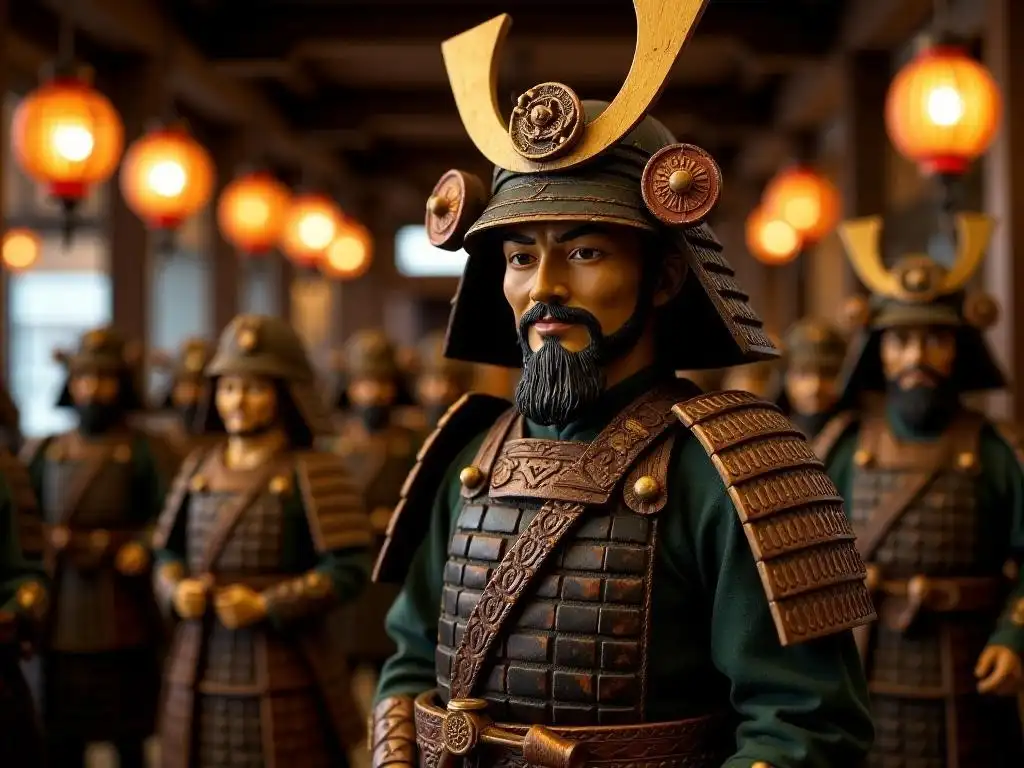
Samurai figurines are among the most sought-after collectibles, representing the warrior class that played a significant role in Feudal Japan. These figurines often depict samurai in traditional armor, complete with swords and other weaponry, showcasing the intricate details of their attire and the martial culture of the time.
Collectible samurai figurines vary in size and material, from small, delicate porcelain pieces to larger, intricately carved wooden representations. Many collectors focus on specific historical figures, such as famous samurai like Miyamoto Musashi or Takeda Shingen, which adds a layer of narrative to the collection. Additionally, some figurines may depict samurai in action poses, reflecting their combat prowess and the honor associated with their class.
Geisha Figurines
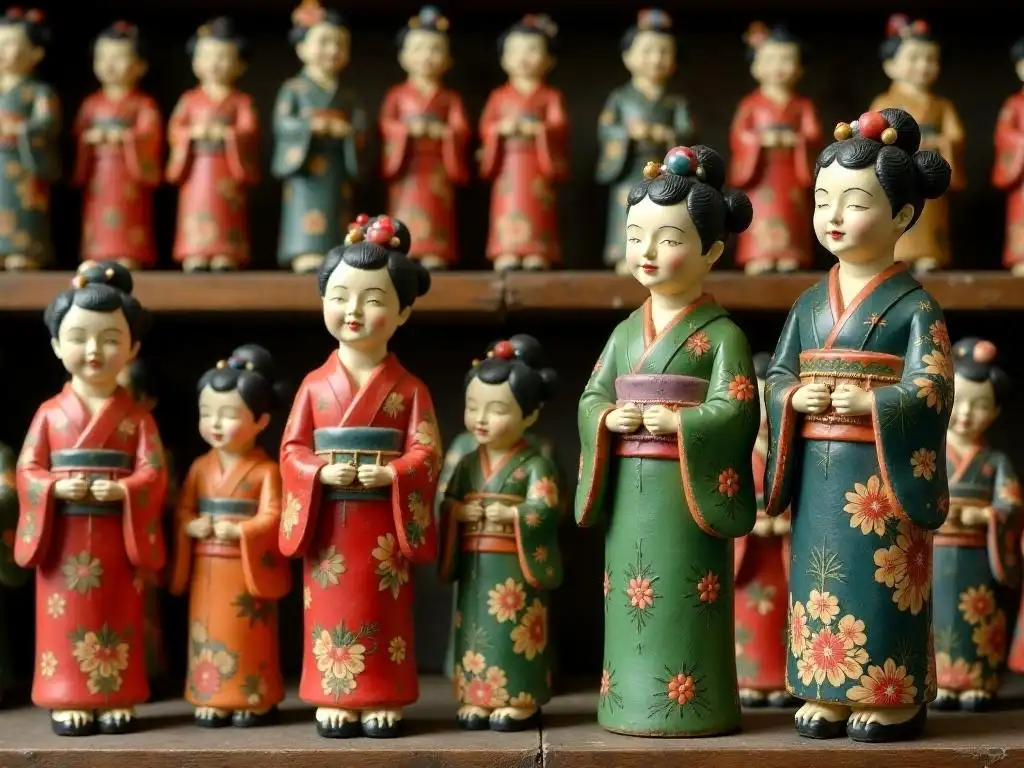
Geisha figurines celebrate the art and culture of female entertainers in Feudal Japan. These figurines often showcase the beauty and elegance of geisha, adorned in colorful kimonos and displaying traditional hairstyles and makeup. Like samurai figurines, geisha collectibles can be found in various materials, including ceramic, wood, and textile.
Collectors often appreciate the craftsmanship involved in these figurines, as they reflect the intricate designs of kimonos and the cultural significance of the geisha as performers and artists. Some geisha figurines may also be paired with accessories such as fans or musical instruments, which further highlight their artistic roles. Collecting geisha figurines allows enthusiasts to delve into the rich cultural heritage of Japan, making them a treasured addition to any collection.
Mythological and Spiritual Figurines
Mythological and spiritual figurines from Feudal Japan include representations of deities, legendary creatures, and figures from folklore. These collectibles often serve to illustrate the religious and spiritual beliefs prevalent during the era, with many figurines depicting Shinto gods, Buddhist figures, and mythical beings like kitsune (fox spirits) and tengu (bird-like humanoids).
The appeal of these figurines lies not only in their artistic representation but also in their cultural significance. Many collectors seek out unique pieces that tell a story or embody specific attributes associated with the figures they represent. For instance, a figurine of the goddess Kannon may symbolize compassion and mercy, while a representation of the dragon may signify strength and wisdom. These collectibles provide a fascinating insight into the mythology and spirituality that shaped the identity of Feudal Japan.
Collecting Feudal Japan Figurines: Tips and Tricks
Collecting Feudal Japan figurines can be a rewarding endeavor, but it also requires knowledge and careful consideration. Here are some essential tips and tricks to help both novice and seasoned collectors navigate their journey.
Identifying Authentic Feudal Japan Figurines
Authenticity is crucial when it comes to collectible figurines. Here are some key points to help identify genuine Feudal Japan figurines:
- Material and Craftsmanship: Authentic figurines are often made from high-quality materials, such as porcelain or lacquered wood. Examine the craftsmanship for intricate details, as mass-produced items may lack this level of artistry.
- Markings and Signatures: Many authentic collectibles feature artist signatures or maker’s marks. Research specific marks associated with reputable manufacturers or artists from the Feudal period to verify authenticity.
- Provenance: Understanding a figurine’s history can enhance its value. Collectors should seek documentation or provenance that traces the item’s origin and previous ownership.
- Condition and Patina: Consider the condition of the figurine. Genuine antiques may exhibit signs of wear that reflect their age, while reproductions often look pristine. A desirable patina can indicate authenticity.
Caring for Your Feudal Japan Figurine Collection
Proper care is essential to maintain the integrity and value of Feudal Japan figurine collectibles. Follow these tips to ensure your collection remains in excellent condition:
- Display Environment: Keep figurines in a controlled environment, avoiding direct sunlight and humidity, which can cause fading or damage. Use display cases to protect them from dust and physical harm.
- Cleaning Techniques: When cleaning figurines, use a soft, dry cloth to remove dust. Avoid harsh chemicals or abrasive materials that can scratch or damage the surface. If necessary, consult a professional conservator for delicate pieces.
- Handling with Care: Always handle figurines with clean hands and handle them by their base whenever possible to minimize the risk of breakage. Consider wearing cotton gloves for particularly valuable or fragile items.
- Regular Inspections: Periodically inspect your collection for any signs of damage or wear. Early detection of issues can help prevent further deterioration and preserve the figurines for years to come.
By following these guidelines, collectors can enjoy their Feudal Japan figurine collections while preserving their historical and cultural significance.
The Journey of a Collector: Stories Behind Memorable Finds
Collecting Feudal Japan figurines is not merely a hobby; it is an adventure filled with stories, history, and a deep connection to the past. Each figurine often carries a tale that reflects its era, the craftsmanship of its maker, and the cultural significance behind it. Collectors frequently share their journeys of discovery, which are as captivating as the artifacts themselves.
From dusty antique shops to bustling flea markets, the thrill of finding a unique piece can be exhilarating. Many collectors report moments of serendipity, where a seemingly ordinary visit to a shop led to the unearthing of a long-lost treasure. These stories highlight the importance of persistence and passion in the search for Feudal Japan figurine collectibles. Collectors often form communities, sharing their finds and knowledge, which creates a rich tapestry of connections and history among enthusiasts.
Case Study: The Discovery of a Rare Samurai Figurine
In 2019, a collector named Hiroshi stumbled upon a rare Samurai figurine at a small estate sale in Kyoto. The figurine, which depicted a warrior from the late Edo period, was covered in dust and partially hidden beneath a pile of old books. After a thorough examination, Hiroshi realized it was not only intricately detailed but also bore the signature of a renowned artisan from the time, making it a significant find.
As Hiroshi delved deeper into the history of the figurine, he discovered that it had once belonged to a local samurai family, passed down through generations. This connection to the samurai heritage added immense value, both financially and sentimentally. The figurine eventually fetched a substantial price at auction, but for Hiroshi, the true treasure was the story and legacy he had uncovered.
Case Study: The Acquisition of a Geisha Figurine from the Edo Period
Another fascinating example comes from collector Emiko, who acquired a stunning Geisha figurine at a local antique fair in Tokyo. The figurine, adorned with traditional clothing and accessories, caught her eye immediately due to its vibrant colors and exquisite craftsmanship. After negotiating with the seller, Emiko learned that the figurine was created during the height of the Edo period, a time known for its flourishing arts and culture.
Upon researching further, Emiko found that the figurine represented a specific style of Geisha known for their distinctive hairstyles and clothing. This realization not only deepened her appreciation for the piece but also inspired her to explore and document the cultural significance of Geisha figures in Japanese history. Emiko's journey emphasized the connection between collectors and the stories that their pieces tell, enriching their understanding of the cultural heritage of Feudal Japan.
The Market for Feudal Japan Figurines Today
The market for Feudal Japan figurines has experienced a resurgence in recent years, driven by a growing interest in Asian antiques and collectibles. As more collectors seek these unique pieces of history, the demand for authentic figurines has increased, leading to a vibrant marketplace filled with opportunities for both seasoned collectors and newcomers.
Trends in Collecting Feudal Japan Figurines
Current trends show a rising fascination with figurines that represent various aspects of Feudal Japan, particularly those that highlight the samurai and Geisha cultures. Collectors are increasingly gravitating towards pieces that tell a story or offer insight into specific historical events or cultural practices.
Additionally, there is a noticeable trend toward sustainable and responsible collecting. Many collectors are now focusing on acquiring items that are ethically sourced and have a documented provenance. This movement not only preserves the integrity of the collectible market but also fosters a greater appreciation for the craftsmanship and history behind each figurine.
Where to Buy Authentic Feudal Japan Figurines
For collectors eager to expand their collections, there are several reputable sources to explore. Antique shops in Japan, particularly in cities like Kyoto and Tokyo, are treasure troves for finding authentic Feudal Japan figurines. These shops often have knowledgeable staff who can provide insights into the history and significance of their offerings.
Online platforms dedicated to antiques and collectibles also present a convenient avenue for purchasing figurines. Websites that specialize in Asian antiques often feature detailed descriptions and provenance information, helping collectors make informed decisions. However, it is crucial to research sellers and ensure they have a solid reputation to avoid counterfeit items.
Lastly, attending antique fairs and auctions can be an exciting way to discover rare pieces and connect with fellow collectors. These events provide opportunities to learn more about the market and engage with experts who can share valuable insights into the world of Feudal Japan figurine collectibles.
Conclusion: The Lasting Legacy of Feudal Japan Figurine Collectibles
The legacy of Feudal Japan figurine collectibles is profound, weaving a rich tapestry of history, culture, and artistry that continues to captivate collectors and enthusiasts alike. These figurines, often crafted with meticulous attention to detail, serve as tangible connections to a bygone era that was marked by distinctive social structures, artistic movements, and cultural practices.
As collectors delve into the world of Feudal Japan figurines, they are not merely acquiring beautiful artifacts; they are preserving stories and traditions that reflect the values and beliefs of a society that spanned centuries. Each piece encapsulates the essence of its time, offering insights into the daily lives, folklore, and spiritual beliefs of the Japanese people during the feudal period. From samurai warriors to geisha, the characters represented in these figurines symbolize the diverse facets of a culture that continues to influence modern Japan.
Moreover, the growing interest in Feudal Japan figurine collectibles has led to a vibrant community of enthusiasts who share knowledge, trade pieces, and appreciate the craftsmanship involved. This community play a crucial role in ensuring that the history and artistry of these collectibles are celebrated and passed down to future generations. In this way, the figurines become not just collectibles but also educational tools that foster a deeper understanding of Japanese heritage.
As we reflect on the lasting legacy of these remarkable collectibles, it is clear that they serve as vital links to the past, enriching our appreciation of art, culture, and history in Feudal Japan.
Call to Action
Are you ready to embark on your own journey into the world of Feudal Japan figurine collectibles? Whether you are a seasoned collector or a curious newcomer, now is the perfect time to explore the vast array of treasures that await you.
- Join Collector Communities: Connect with fellow enthusiasts on social media platforms and forums dedicated to collectible figurines. Share your finds, seek advice, and learn from the collective experience of others.
- Attend Collectible Shows and Exhibitions: Look for local or national events showcasing Feudal Japan collectibles. These gatherings offer a unique opportunity to view rare pieces, meet collectors, and expand your network.
- Research and Educate: Dive deeper into the history and significance of your collectibles. Books, documentaries, and online resources can provide invaluable insights that enhance your appreciation and understanding of each piece.
- Start Your Collection Today: If you haven't already begun collecting, consider starting with a piece that resonates with you. Whether it's a samurai figure or a delicate geisha, each collectible tells a story that is waiting to be discovered.
Embrace the rich cultural heritage of Feudal Japan through its figurine collectibles and contribute to the vibrant legacy that has captivated hearts for centuries! 🌸
- Introduction to Feudal Japan Figurine Collectibles
- The Cultural Heritage of Feudal Japan Figurines
- Notable Types of Feudal Japan Figurine Collectibles
- Collecting Feudal Japan Figurines: Tips and Tricks
- The Journey of a Collector: Stories Behind Memorable Finds
- The Market for Feudal Japan Figurines Today
- Conclusion: The Lasting Legacy of Feudal Japan Figurine Collectibles
- Call to Action
Frequently Asked Questions
What are Feudal Japan figurine collectibles?
Feudal Japan figurine collectibles are miniature representations of characters, warriors, and cultural symbols from Japan's feudal era, often sought after by collectors for their historical significance and artistic craftsmanship.
Why are Feudal Japan figurines considered valuable?
These figurines are considered valuable due to their cultural heritage, limited production, and the intricate details that reflect the artistry of the time, often resulting in high demand among collectors.
How can I determine the authenticity of a figurine?
To determine the authenticity of a figurine, check for provenance, inspect for maker’s marks, and consult with experts or reputable dealers who specialize in Feudal Japan collectibles.
What are some popular themes found in Feudal Japan figurines?
Popular themes include samurai warriors, historical figures, and mythical creatures, each representing different aspects of Japanese culture and history during the feudal period.
Where can I find Feudal Japan figurine collectibles?
You can find Feudal Japan figurine collectibles at specialized antique shops, online auction sites, and collector conventions, where enthusiasts gather to share their passion and trade items.
Final Reflection: The Timeless Allure of Feudal Japan Figurine Collectibles
The journey through the world of Feudal Japan figurine collectibles reveals a profound connection between history and personal passion. As we explore the intricate craftsmanship and rich narratives behind each figurine, we uncover not just artifacts of a bygone era, but also a celebration of cultural heritage that resonates with collectors today. The allure of these collectibles transcends time, reminding us that the stories they tell are as relevant now as they were centuries ago.
The impact of Feudal Japan figurines extends beyond mere aesthetics; they serve as a bridge connecting us to a vibrant past. Each piece encapsulates the artistry and traditions of a culture that continues to inspire modern aesthetics and values. As collectors, we engage in a dialogue with history, preserving these treasures for future generations. Art is the most beautiful of all lies.
This sentiment echoes the essence of collecting, where each figurine is not just an object, but a narrative waiting to be shared and cherished.
As you reflect on your own journey with collectibles, consider how these figurines can inspire a deeper appreciation for history and culture in your life. Embrace the stories behind each piece, and let them guide you in your own quest for meaning and connection. Whether you are a seasoned collector or just beginning to explore this fascinating world, remember that every figurine holds the potential to enrich your understanding of the past and ignite your imagination for the future.
Embark on Your Own Collector's Adventure!
Thank you for diving into the fascinating world of Feudal Japan figurines with us! We hope this article has inspired you to uncover the stories and artistry behind these memorable finds. Now, let’s take that inspiration and turn it into action.
Here are a few steps you can take to deepen your journey into this captivating subject:
- Start your collection by visiting local antique shops or exploring online marketplaces to seek out Feudal Japan figurines that resonate with you.
- Join online forums or communities dedicated to collectors, where you can share your discoveries and learn from the experiences of others.
- Attend local art or history exhibitions to expand your knowledge and connect with fellow enthusiasts who share your passion.
What unique story will your collection tell about Feudal Japan? We encourage you to share your thoughts and discoveries in the comments below!