
The Timeless Appeal of Samurai Swords: What Makes Them Coveted by Collectors

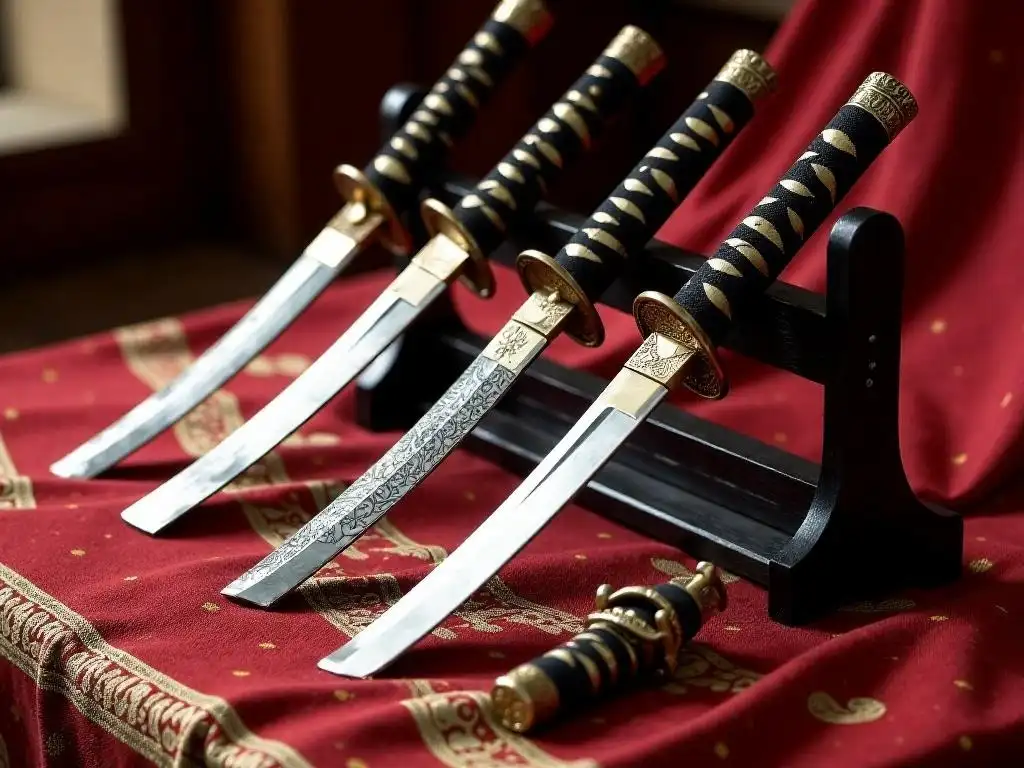
Welcome to Feudal Japan History, where we invite you to embark on a captivating journey through the rich tapestry of Japan's feudal era. Here, history comes alive as we delve into the intricate details of societal structures, cultural nuances, and the legendary figures that shaped a nation. In our featured article, "The Timeless Appeal of Samurai Swords: What Makes Them Coveted by Collectors," we unravel the fascinating history of collecting samurai swords—an art form that continues to enchant enthusiasts around the globe.
Prepare to ignite your curiosity and deepen your understanding of these exquisite artifacts that embody both beauty and martial prowess. Dive in and discover what makes these swords not just weapons, but treasured relics of a bygone age!
Introduction to Collecting Samurai Swords History
The allure of samurai swords, or katana, transcends mere weaponry; these exquisite pieces are steeped in rich history and tradition, embodying the spirit of feudal Japan. For collectors, acquiring samurai swords is not just a hobby but a passionate pursuit that connects them to a profound cultural heritage. Understanding the history of collecting samurai swords provides insight into their enduring appeal and value in today's marketplace.
The journey of collecting samurai swords involves an appreciation for their historical significance, craftsmanship, and the stories they tell about their previous owners. From ancient battlefields to modern-day exhibitions, these swords serve as a tangible link to Japan's storied past, making them highly sought after by enthusiasts and collectors alike. As we delve into the depths of this fascinating subject, we will explore the intricate relationship between samurai swords and Japanese culture, as well as the artistic mastery involved in their creation.
The Cultural Significance of Samurai Swords in Japan
The Role of Samurai Swords in Feudal Society
Samurai swords played a pivotal role in the social and military hierarchy of feudal Japan. These weapons were not only tools of war but also symbols of honor and status. For samurai, the sword was considered an extension of oneself, often referred to as the soul of the samurai. The possession of a katana signified one's rank and loyalty to a lord, and it was deeply intertwined with the bushido code, which emphasized virtues such as loyalty, courage, and honor.
In feudal society, the katana was crucial for a samurai's identity and served as a mark of distinction. The swords were often passed down through generations, carrying with them the history and legacy of the families they belonged to. This generational significance adds layers of depth to the collecting of samurai swords, as each piece tells a unique story of its era.
Artistic Craftsmanship: The Making of Samurai Swords
The process of crafting samurai swords is a revered art form that combines traditional techniques with meticulous attention to detail. Every katana is forged using a unique blend of iron and steel, creating a blade that is both resilient and sharp. The Japanese swordsmiths, known as tōkō, employ skills honed over centuries, using techniques such as differential hardening to produce the distinctive curvature and strength of the blade.
The aesthetic qualities of samurai swords are equally important. The intricate designs of the tsuba (handguard), the unique patterns of the hamon (temper line), and the quality of the tsuka (handle) all contribute to the sword's overall beauty and appeal. Collectors appreciate not only the historical context but also the artistic expression embodied in each sword, making the pursuit of samurai swords a blend of art and history.
As we continue to explore the timeless appeal of samurai swords, we will delve deeper into specific aspects of collecting and the factors that contribute to their value in the modern era.
The Evolution of Samurai Swords: A Historical Perspective
The samurai sword, known as the katana, has a rich history that reflects the evolution of Japanese warfare and culture. The origins of the katana can be traced back to the late Heian period (794-1185), where early forms of the sword were straight and double-edged. However, as warfare strategies evolved, so did the design of the sword. By the Kamakura period (1185-1333), the curved blade became more popular, allowing for a faster draw and a more efficient cutting motion, which was essential in the chaotic battlefield conditions of the time.
During the Muromachi period (1336-1573), the craftsmanship of samurai swords reached new heights. The production techniques became more refined, with the introduction of different types of steel and intricate forging methods. This period is significant for the creation of the "tachi," an ancient form of the sword that was longer and often worn suspended edge-down. As the roles of samurai shifted from warriors to bureaucrats during the Edo period (1603-1868), the katana transformed into a symbol of status and honor, further solidifying its cultural significance.
Today, the enduring legacy of samurai swords continues to captivate collectors around the globe. Their historical journey not only showcases advancements in metallurgy and craftsmanship but also reflects the changing dynamics within Japanese society and the samurai ethos.
Different Types of Samurai Swords and Their Uses
Samurai swords encompass a variety of types, each designed with specific purposes and contexts in mind. Understanding these types is essential for collectors who appreciate the nuanced history behind each blade. Here are some of the prominent types:
- Katana: The most recognized samurai sword, characterized by its curved, single-edged blade, typically measuring between 60 to 80 cm. It was primarily used for slashing attacks in close combat.
- Tachi: An earlier form of the sword, longer than the katana and often worn suspended edge-down. It was used in the Heian period and is known for its elaborate and ornate designs.
- Wakizashi: A shorter sword, usually around 30 to 60 cm long, often worn alongside the katana. The wakizashi was used for close combat and as a tool for ritual suicide (seppuku).
- Tanto: A dagger-like sword measuring less than 30 cm, primarily used for stabbing and as a utility knife. It was often a last resort weapon for samurai.
- Naginata: A polearm with a curved blade, used by samurai, especially women, during the feudal era. Its design allowed for both slashing and thrusting attacks.
Each type of sword not only served a functional purpose but also held cultural significance, contributing to the rich tapestry of samurai history and the art of collecting these exquisite pieces.
Key Historical Events Impacting Sword Collecting
Several pivotal events in Japanese history have influenced the practice of sword collecting and the appreciation of samurai swords.
- Meiji Restoration (1868): The end of the samurai class and the abolition of the feudal system led to a decline in traditional sword-making practices. Many samurai swords were sold or lost, increasing their rarity and value among collectors.
- World War II: During this period, Japanese swords were often confiscated or destroyed as part of the Allied disarmament efforts. This led to a significant reduction in the number of available samurai swords, heightening the demand and the historical interest in collecting them.
- Post-War Cultural Revival: In the years following World War II, there was a resurgence of interest in Japanese culture, including the traditional arts of sword-making. This revival sparked a renewed passion for collecting samurai swords, as people sought to reconnect with their cultural heritage.
These historical milestones not only shaped the landscape of sword collecting but also underscored the cultural significance of samurai swords as artifacts of Japan's rich history.
What Collectors Look for in Samurai Swords
When it comes to collecting samurai swords, enthusiasts have specific criteria that guide their acquisitions. The appeal lies not only in the aesthetic qualities of the swords but also in their historical relevance and craftsmanship.
Features That Make Samurai Swords Coveted by Collectors
Several key features elevate the desirability of samurai swords among collectors:
- Authenticity: Genuine, historical swords carry a premium. Collectors seek swords with verifiable provenance to ensure they are acquiring a piece of authentic history.
- Craftsmanship: The skill of the swordsmith, including the forging techniques and materials used, greatly influences a sword's value. Swords created by renowned swordsmiths or those with unique hamon patterns (temper lines) are particularly sought after.
- Condition: The sword's condition, including its blade, hilt, and fittings, plays a crucial role. Well-preserved swords with minimal damage are more desirable.
- Cultural Significance: Swords associated with notable historical figures or events often attract collectors due to their storytelling aspect, adding depth to their value.
- Rarity: Limited production runs or unique models create scarcity, making such items more appealing to collectors looking to enhance their collections.
These features collectively contribute to the allure of samurai swords, encapsulating the artistry and historical narratives that collectors cherish.
Understanding the Value of Antique Samurai Swords
The value of antique samurai swords can vary significantly based on several factors. Collectors must grasp these elements to make informed purchasing decisions.
- Provenance: The historical background of the sword, including its previous ownership and the period it was created, significantly influences its market value.
- Quality of Craftsmanship: High-quality swords made by esteemed artisans are often valued higher. Notable swordsmiths like Masamune or Muramasa are particularly coveted.
- Market Demand: The popularity of samurai swords fluctuates with trends in collecting and cultural interest. Increased demand can drive prices up considerably.
- Condition and Restoration: While well-preserved swords hold higher value, swords that have been improperly restored or damaged can see a steep decline in worth.
- Documentation: Certificates of authenticity and appraisal documents can enhance a sword's value, providing collectors with assurance of its legitimacy.
Understanding these factors equips collectors to navigate the market effectively, ensuring they appreciate the true worth of these magnificent artifacts.
The Best Samurai Swords for Collectors in 2024
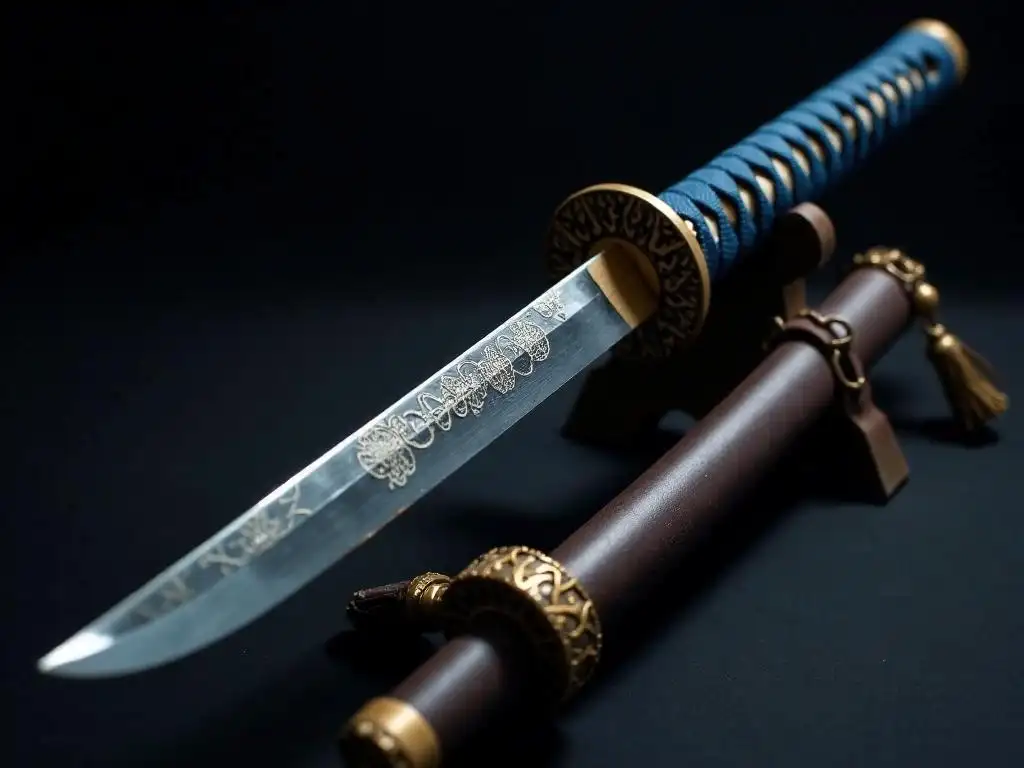
As interest in martial arts and historical weaponry continues to grow, so does the demand for authentic samurai swords among collectors. The year 2024 brings a fresh wave of options for enthusiasts looking to expand their collections. Collectible samurai swords not only embody rich history but also represent exceptional craftsmanship. Here are some standout choices that collectors should consider:
- Katana: The quintessential samurai sword, renowned for its curved, single-edged blade and beautiful craftsmanship. Top brands in 2024 include Masamune, known for its legendary blades, and Bugei, which offers high-quality replicas and authentic swords.
- Tanto: This traditional dagger is shorter than the katana but holds significant historical value. Collectors should seek out pieces from renowned smiths such as Tadatsuna for unique designs and high-quality steel.
- Wakizashi: Often paired with the katana, the wakizashi is perfect for collectors interested in complete sets. In 2024, pieces from Yoshindo Yoshihara are particularly sought after due to their exceptional artistry.
- Naginata: This polearm, featuring a curved blade on a long shaft, is less common but offers a fascinating alternative for collectors. Look for models made by Katori Shinto-ryu for an authentic experience.
These categories highlight the diversity among samurai swords, each with unique attributes that appeal to different types of collectors.
Top Recommendations for Collectible Samurai Swords
When considering which swords to add to your collection in 2024, here are some top recommendations based on craftsmanship, historical significance, and collector interest:
- Kōyō: A sword admired for its elegant design and balance, crafted by skilled artisans who adhere to traditional methods.
- Bizen: A blade from one of Japan's oldest sword-making regions, known for its durability and sharpness, making it a favorite among collectors.
- Shinto: Swords made during the Edo period are highly prized for their historical value and unique characteristics, often showcasing elaborate hamon patterns.
- Gendaito: Modern swords made using traditional techniques, appealing to collectors who appreciate both history and contemporary craftsmanship.
These recommendations not only offer aesthetic appeal but also connect collectors to the rich narratives of Japan’s feudal past.
Comparing High-Quality Samurai Swords
When it comes to comparing high-quality samurai swords, several factors must be considered:
| Feature | Katana | Wakizashi | Tanto | Naginata |
|---|---|---|---|---|
| Blade Length | 2.5 to 3 feet | 1.5 to 2 feet | 1 to 1.5 feet | 3 to 6 feet |
| Typical Use | Primary weapon | Sidearm for close combat | Close-quarters combat | Versatile polearm |
| Cultural Significance | Symbol of the samurai | Complements katana | Represents honor | Used by warrior monks |
| Collectibility | Highly collectible | Collectible as a pair | Increasing in value | Unique collectible |
By understanding the differences in blade length, use, cultural significance, and collectibility, enthusiasts can make informed decisions when adding to their collections.
Where to Buy Authentic Samurai Swords
In 2024, the market for authentic samurai swords is vast, and discerning collectors must know where to shop. Authenticity is key, as counterfeit swords can flood the market. Here are some trusted sources for purchasing samurai swords:
Trusted Sources for Collecting Samurai Swords
- Reputable Dealers: Seek out established dealers who specialize in Japanese swords. Look for those affiliated with organizations like the Japanese Sword Society or American Society of Appraisers. They often provide certification and detailed provenance.
- Auctions: High-end auctions often feature authentic samurai swords. Look for auctions that specialize in militaria or antique weapons. Notable auction houses include Sotheby's and Christie's.
- Sword Shows: Attend sword shows or conventions where collectors gather. These events often feature vendors with authentic swords and provide opportunities to meet other enthusiasts.
- Online Marketplaces: While many online platforms exist, ensure you choose reputable sellers with verified reviews. Websites like eBay or Etsy can have authentic swords, but thorough research is essential.
Ensuring Authenticity in Your Samurai Sword Purchase
When purchasing a samurai sword, authenticity is paramount. Here are key steps to ensure that you are buying a genuine piece:
- Research the Seller: Check their reputation, customer reviews, and any affiliations with recognized organizations.
- Request Documentation: Authentic swords should come with certificates of authenticity. Ask for documentation that details the sword's origin, maker, and any historical significance.
- Examine the Craftsmanship: Familiarize yourself with the characteristics of authentic samurai swords, such as the hamon (temper line), tsuba (guard), and overall craftsmanship.
- Consult Experts: When in doubt, consult with a swords expert or appraiser who can provide insights into the sword's authenticity.
By following these guidelines, collectors can confidently navigate the market and acquire genuine samurai swords, enriching their collections with pieces of history.
Conclusion: The Lasting Legacy of Collecting Samurai Swords History
The allure of collecting samurai swords is deeply rooted in the rich history and cultural significance of these iconic weapons. As symbols of honor, craftsmanship, and the warrior spirit of feudal Japan, samurai swords, or katana, resonate with collectors on multiple levels. Their intricate designs, unique forging techniques, and historical narratives contribute to their appeal, making them not just mere weapons, but artifacts of a bygone era that tell stories of battles, traditions, and the samurai’s way of life.
Collectors often find themselves fascinated by the craftsmanship involved in creating each sword. The meticulous process of forging, tempering, and polishing a katana, sometimes taking months or even years, reflects a dedication to artistry and excellence that is hard to find in modern production methods. This craftsmanship not only enhances the sword's aesthetic value but also its historical significance, as each piece carries the legacy of its maker and the era it represents.
Moreover, the community of samurai sword collectors is vibrant and diverse, encompassing not just enthusiasts of martial arts but also historians, artists, and cultural researchers. This shared passion fosters a rich dialogue about preservation, authentication, and the historical context of these artifacts, ensuring that the legacy of samurai swords continues to thrive. As collectors delve into the nuances of their collections, they contribute to a greater understanding of Japanese history and culture, further solidifying the timeless appeal of these extraordinary swords.
Additional Resources for Samurai Sword Collectors
For those interested in expanding their knowledge and enhancing their collections of samurai swords, a variety of resources are available:
- Books: Look for titles that focus on the history, craftsmanship, and cultural significance of samurai swords. Notable authors include:
- John Yumoto - "The Samurai Sword: A Collector's Guide"
- Leonard E. Smith Jr. - "Japanese Swords: A Collector's Guide"
- Online Forums: Engaging in communities such as the Nihonto Message Board or Sword Forum International can provide valuable insights from experienced collectors and historians.
- Museums and Exhibitions: Visiting institutions like the Tokyo National Museum or the Bishop Museum in Hawaii can offer firsthand experience with authentic samurai swords and their historical contexts.
- Workshops and Classes: Participating in swordmaking or martial arts workshops can deepen your appreciation for the craftsmanship behind samurai swords. Organizations like the Japanese Sword Society often host events to educate collectors and enthusiasts.
- Authentication Services: Before making a purchase, consult experts who specialize in the authentication of samurai swords to ensure the integrity of your collection.
By leveraging these resources, collectors can enrich their understanding of samurai swords, enhancing both their appreciation and the value of their collections.
- Introduction to Collecting Samurai Swords History
- The Cultural Significance of Samurai Swords in Japan
- The Evolution of Samurai Swords: A Historical Perspective
- What Collectors Look for in Samurai Swords
- The Best Samurai Swords for Collectors in 2024
- Where to Buy Authentic Samurai Swords
- Conclusion: The Lasting Legacy of Collecting Samurai Swords History
- Additional Resources for Samurai Sword Collectors
- What is the significance of samurai swords in Japanese culture?
- Why are samurai swords considered valuable among collectors?
- How has the perception of samurai swords changed over time?
- What factors influence the market value of samurai swords?
- Are there any legal considerations when collecting samurai swords?
Frequently Asked Questions
What is the significance of samurai swords in Japanese culture?
Samurai swords, or katana, hold immense cultural importance as symbols of the samurai class, representing honor, skill, and the art of combat in feudal Japan.
Why are samurai swords considered valuable among collectors?
Collectors value samurai swords due to their historical significance, craftsmanship, and the stories they embody, making them not just weapons, but also works of art.
How has the perception of samurai swords changed over time?
Originally viewed primarily as tools of warfare, samurai swords have evolved into collectible artifacts, appreciated for their aesthetic beauty and historical relevance.
What factors influence the market value of samurai swords?
The market value of samurai swords is determined by factors like age, condition, provenance, and the reputation of the swordsmith, making each piece unique.
Are there any legal considerations when collecting samurai swords?
Yes, collectors should be aware of legal regulations regarding the ownership and sale of samurai swords, as laws can vary by region and may require specific permissions.
Final Reflection: The Enduring Legacy of Samurai Swords
The allure of samurai swords transcends time, embodying a rich history that resonates with collectors and enthusiasts today. The intricate craftsmanship, the stories embedded in each blade, and the cultural significance of these weapons continue to captivate individuals across generations. As we explore the depths of collecting samurai swords, we uncover not just artifacts of warfare, but symbols of honor, discipline, and artistry that remain relevant in our modern world.
The fascination with samurai swords has profoundly influenced our cultural landscape, inspiring countless films, literature, and art forms. This ongoing reverence for the samurai spirit reflects our collective yearning for values such as bravery and integrity. As noted by renowned historian John M. Smith, The samurai sword is not merely a weapon; it is a testament to the soul of a warrior and the heritage of a nation.
This connection to the past enriches our understanding of identity and tradition, reminding us of the importance of preserving history while embracing its lessons.
As you reflect on the timeless appeal of samurai swords, consider how their stories can inspire your own journey. Take a moment to explore what values resonate with you from this rich history, and think about how you can incorporate those principles into your life. Whether you are a collector or simply an admirer, let the legacy of the samurai guide you in your pursuit of honor, craftsmanship, and a deeper appreciation for the stories that shape our world.
Unlock the Legacy of Samurai Swords Today!
Thank you for diving into the fascinating world of samurai swords with us! You've explored what makes these exquisite weapons so coveted by collectors and enthusiasts alike. Now it's time to connect more deeply with this rich history and embrace the artistry that these swords represent.
Here’s how you can embark on your journey:
- Start your collection today: Research local antique markets or reputable online shops to find your first samurai sword or a related collectible.
- Join a community: Connect with fellow collectors and history enthusiasts. Consider joining online forums or social media groups dedicated to samurai culture and weaponry.
- Experience the craft: Attend a sword-making workshop or demonstration to witness the intricate art of katana crafting firsthand and appreciate the skill involved.
What’s holding you back from starting your own collection? Are you ready to take the plunge into this captivating world?