
Urban Governance: How Edo Managed Its Massive Population

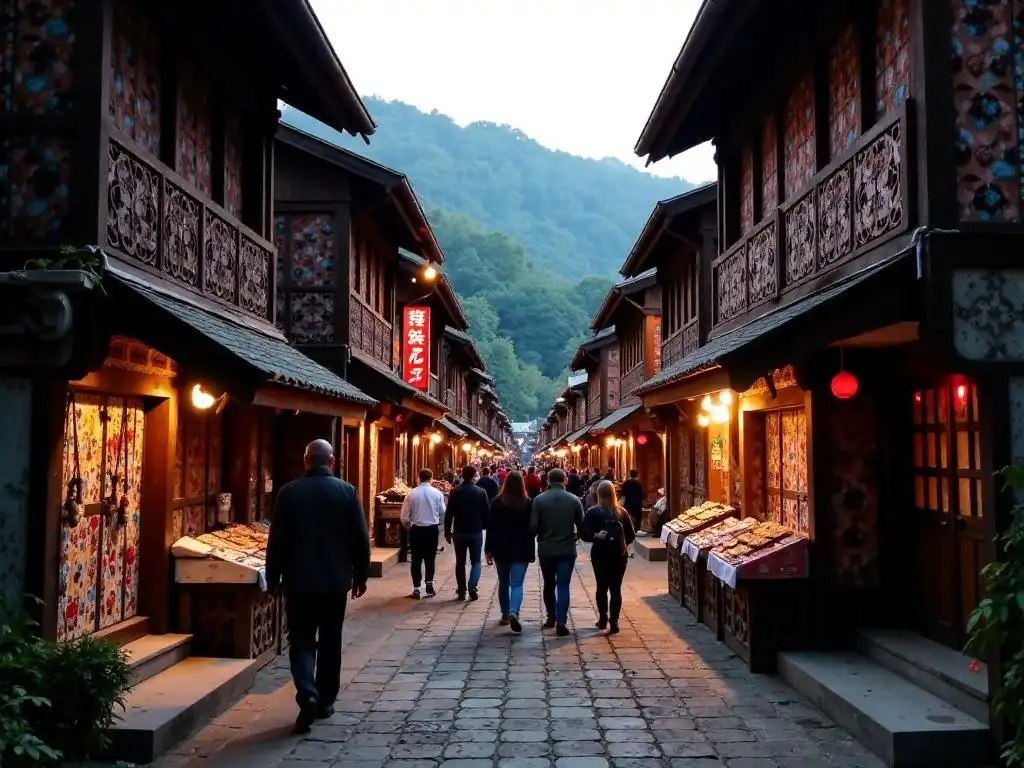
Welcome to Feudal Japan History, where we delve into the intricate tapestry of Japan's feudal era. Here, you’ll embark on a fascinating journey through time, uncovering the nuances of Edo period urban governance. How did this bustling metropolis manage its massive population and maintain order amidst the chaos? Our in-depth exploration reveals the strategies and systems that shaped urban life during one of Japan's most pivotal periods. Prepare to satisfy your curiosity and deepen your understanding of this captivating chapter in history—let's begin!
- Introduction to Edo Period Urban Governance
- The Population Boom in Edo
- Structure of Governance in Edo
- Urban Planning and Infrastructure in Edo
- Social Order and Public Safety in Edo
- Economic Aspects of Edo Period Urban Governance
- Challenges Faced by Edo's Urban Governance
- Innovations in Governance During the Edo Period
- Conclusion: Legacy of Edo Period Urban Governance
- Frequently Asked Questions
- Final Reflection: The Enduring Legacy of Edo Period Urban Governance
- Embrace the Wisdom of Edo: Take Action Today!
Introduction to Edo Period Urban Governance
The Edo period, spanning from 1603 to 1868, marked a transformative era in Japanese history, characterized by a long period of peace and stability under the Tokugawa shogunate. During this time, the population of Edo (modern-day Tokyo) swelled to over one million, making it one of the largest cities in the world.
This rapid urbanization presented significant challenges in governance, necessitating innovative approaches to manage resources, maintain order, and ensure the wellbeing of its citizens. In this article, we will delve into the complexities of Edo period urban governance, exploring how the shogunate navigated the intricate balance between authority and public needs, and the impact of these strategies on the city's development and culture.
Overview of the Edo Period
The Edo period is often regarded as a pivotal point in the evolution of Japan, with profound implications for its social structure, economy, and cultural practices. Originating from the establishment of the Tokugawa shogunate, this era saw the consolidation of power in a feudal system that emphasized hierarchy and strict social order.
Key features of the Edo period include:
- Isolationism: The Sakoku policy restricted foreign influence, fostering a unique cultural identity.
- Economic Growth: Commerce flourished, leading to the rise of a merchant class and urban centers.
- Cultural Flourishing: The era witnessed advancements in arts, literature, and theater, contributing to a rich cultural tapestry.
As the political center, Edo became a hub for commerce and culture, drawing people from various regions and backgrounds, which necessitated organized governance to address the complexities of urban life.
Significance of Urban Governance in Edo
Urban governance during the Edo period was crucial in managing the burgeoning population and the myriad challenges that arose from rapid urbanization. The Tokugawa shogunate implemented a range of strategies that not only focused on maintaining order but also on promoting civic responsibility and community involvement.
Some significant aspects of Edo's urban governance included:
- Public Works: The construction of infrastructure, such as roads, bridges, and waterways, facilitated trade and mobility.
- Fire Prevention: Given the wooden structures prevalent in Edo, fire safety measures were paramount, leading to the development of fire brigades and regulations on building materials.
- Social Control: The shogunate established a system of surveillance and regulation, including neighborhood associations known as "machi," which promoted local governance and community cohesion.
The effectiveness of these strategies not only ensured the growth and stability of Edo but also laid the groundwork for modern urban governance in Japan. Understanding these facets provides insight into how Edo navigated the challenges of its time and the legacy it left on urban development.
The Population Boom in Edo
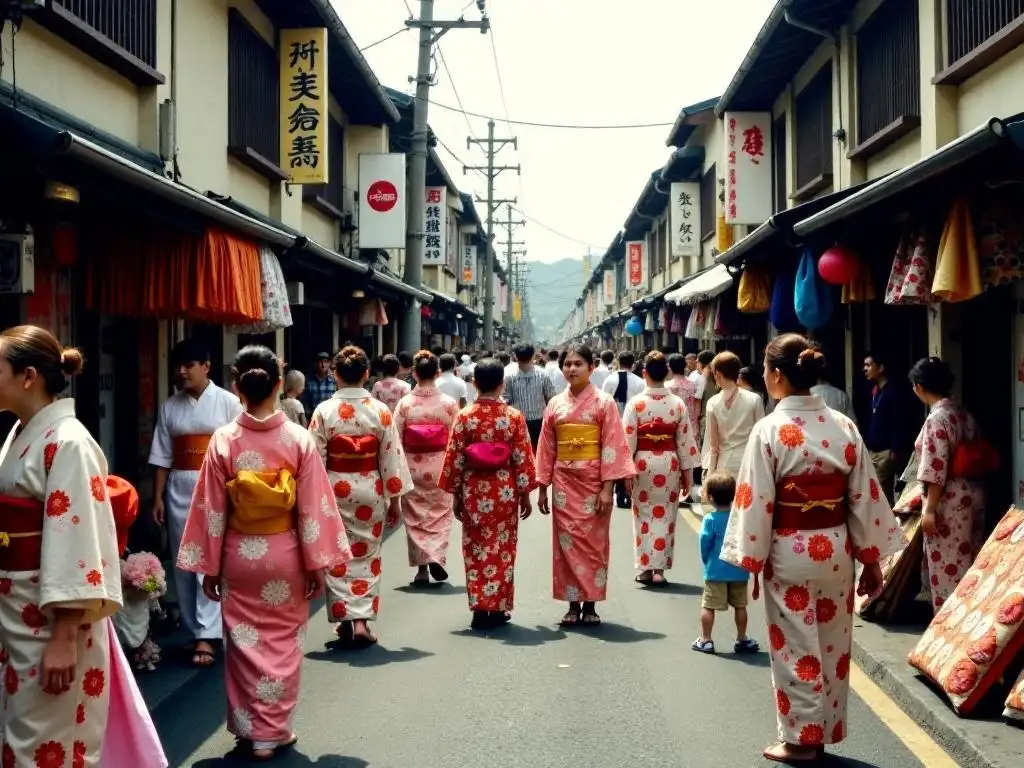
The Edo period, spanning from 1603 to 1868, was marked by significant urban growth, particularly in the city of Edo (modern-day Tokyo). By the mid-19th century, Edo had become one of the largest cities in the world, with a population estimated to be over a million residents. This remarkable urban expansion was driven by a combination of social, economic, and political factors that transformed Edo into a bustling metropolis.
Factors Contributing to Population Growth
Several key factors contributed to the dramatic population increase in Edo during the feudal era:
- Peace and Stability:
- The establishment of the Tokugawa shogunate brought about a prolonged period of peace known as the Pax Tokugawa. This stability encouraged migration from rural areas to the city as people sought better opportunities.
- Economic Opportunities:
- Edo served as a political and economic hub. The shogunate's policies promoted trade and commerce, attracting merchants, artisans, and laborers to the city. The development of a vibrant marketplace allowed for the exchange of goods and services, which further stimulated urban growth.
- Infrastructure Development:
- Significant investments in infrastructure, such as roads and waterways, facilitated easier access to Edo. The construction of the Tokaido road, connecting Edo to Kyoto, was particularly crucial for trade and travel, enhancing the city's connectivity.
- Cultural Attraction:
- Edo became a center of culture and entertainment, with theaters, festivals, and other social activities. This cultural vibrancy drew individuals from various backgrounds, contributing to its population diversity.
- Administrative Policies:
- The Tokugawa shogunate implemented policies that encouraged population growth, such as land reclamation projects and agricultural improvements. These initiatives increased food production, allowing more people to settle in the city.
Demographics of Edo During the Period
The demographic landscape of Edo was diverse and complex, reflecting the myriad of social classes, occupations, and cultural backgrounds present in the city.
- Population Composition:
- Edo's population comprised various social classes, including samurai, merchants, artisans, and laborers. This stratification played a crucial role in shaping the social dynamics of the city.
- Gender Distribution:
- The city's demographic also revealed a notable gender distribution. While men dominated the workforce, women played significant roles in the economy, particularly in the textile and food industries.
- Ethnic Diversity:
- Although predominantly Japanese, the population of Edo included individuals from different regions, including Ainu and foreign traders. This diversity contributed to a rich cultural tapestry within the city.
- Urban Challenges:
- The rapid population growth posed several challenges, including sanitation issues, overcrowding, and resource management. The shogunate had to implement effective urban governance strategies to address these challenges and maintain order in the city.
The population boom in Edo was a multifaceted phenomenon driven by peace, economic opportunities, infrastructure development, cultural attractions, and strategic governance. Understanding these elements provides a deeper insight into how Edo managed its massive population and the implications for urban governance during the period.
Structure of Governance in Edo
The Role of the Tokugawa Shogunate
The Tokugawa Shogunate, which ruled Japan during the Edo period (1603-1868), established a highly centralized system of governance that played a pivotal role in managing the urban landscape of Edo. The Shogunate’s authority was absolute, and it implemented a rigid class structure that defined social hierarchies, influencing urban governance significantly.
- Centralized Power: The Shogunate maintained control over the daimyōs (feudal lords) through a system of alternate attendance (sankin-kōtai), which required them to spend every other year in Edo. This not only kept the daimyōs occupied but also allowed the Shogunate to monitor their activities closely.
- Legal Framework: The Shogunate instituted a comprehensive legal system that regulated urban life, including commerce, public conduct, and civil disputes. This legal structure was essential for maintaining order in a rapidly growing city like Edo, where population density and diversity posed significant challenges.
- Economic Policies: Edo's governance under the Shogunate also involved strict economic oversight. The government controlled trade and commerce, implemented taxation systems, and regulated markets to ensure stability and growth. This oversight contributed to Edo becoming a bustling urban center, housing over a million residents by the mid-19th century.
Administrative Divisions and Their Functions
Edo's urban governance was characterized by a well-defined administrative structure that facilitated the management of its vast population. The city was divided into several districts, each with specific functions and responsibilities.
- Kōban (Police Boxes): These small police stations were strategically placed throughout Edo to maintain law and order. They served as the first line of security, dealing with minor offenses and local disputes. The presence of kōban contributed significantly to the safety and stability of urban life.
- Machiya (Merchant Districts): The merchant districts were vibrant hubs of economic activity. Governed by specific regulations, these areas facilitated trade and commerce. The Shogunate implemented policies to support local merchants, who were crucial for the urban economy.
- Temples and Shrines: Religious institutions played an essential role in governance. Temples and shrines were not only spiritual centers but also served as community gathering places. They were often involved in local governance, providing social services and acting as mediators in disputes.
- Neighborhood Associations (Kumiai): These community groups were responsible for self-governance at the neighborhood level. They managed local affairs, organized community events, and provided support for residents. The kumiai helped foster a sense of community and facilitated cooperation among citizens, which was vital for maintaining order in a densely populated environment.
Edo's urban governance exemplified a complex interplay between centralized authority and local administration, enabling the city to thrive amid the challenges posed by its massive population. By understanding these structures and functions, we can appreciate how the Edo period's governance laid the groundwork for modern urban management in Japan.
Urban Planning and Infrastructure in Edo
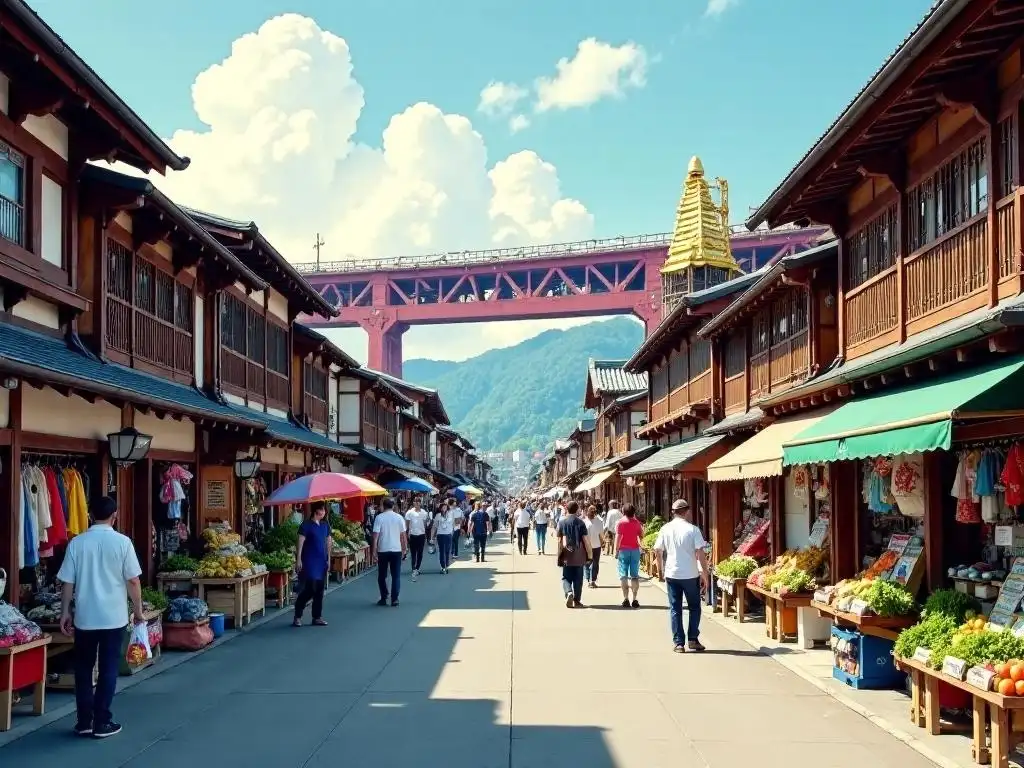
The Edo period, spanning from 1603 to 1868, marked a significant transformation in Japan’s urban landscape. As the capital of the Tokugawa shogunate, Edo (modern-day Tokyo) experienced unparalleled growth, becoming one of the largest cities in the world by the 18th century. This rapid urbanization necessitated innovative approaches to urban governance, particularly in planning and infrastructure development to manage its vast population.
City Layout and Design Principles
Edo's city layout was meticulously planned, reflecting both functional and aesthetic considerations. The design principles centered around a hierarchical structure that emphasized order and accessibility. Key aspects of the city layout included:
- Grid Pattern: Edo adopted a grid-like street pattern, facilitating navigation and commerce. This design minimized congestion and allowed for efficient movement throughout the city.
- District Divisions: The city was divided into distinct districts, each serving specific functions such as residential areas, markets, and entertainment zones. This division helped maintain a sense of community while ensuring that essential services were within reach.
- Natural Features: Edo was strategically designed to incorporate natural features, including rivers and hills, which not only enhanced the city's beauty but also provided natural barriers against fires and floods. For instance, the use of waterways for drainage and transportation was a critical aspect of urban planning.
The governance of Edo also emphasized zoning regulations, which were enforced to maintain the character of different districts. For example, the samurai class resided in designated areas, while merchants and artisans were allocated separate neighborhoods. This separation prevented social unrest and maintained the hierarchical structure of Edo society.
Transportation and Communication Networks
An efficient transportation and communication network was vital to support Edo's burgeoning population and trade activities. The governance strategies employed during the Edo period included:
- Road Systems: The construction of the Five Routes (Gokaido) connected Edo to other major cities, facilitating the movement of people and goods. These roads were well-maintained and marked, allowing for safe and swift travel.
- Waterways: Edo utilized an extensive network of canals and rivers for transportation. Boats became a primary means of moving goods within the city and to surrounding areas. The Sumida River, in particular, was crucial for trade and transport, linking Edo to the broader archipelago.
- Post Stations: Along the main roads, shukuba (post stations) were established to provide rest and supplies for travelers. These stations played a critical role in the communication network, enabling the dissemination of information and goods across the region.
The integration of these transportation systems not only facilitated trade but also allowed for the rapid spread of culture and ideas. The effective governance of Edo ensured that these transportation and communication networks functioned smoothly, contributing to the city’s overall stability and growth.
The urban governance of the Edo period was characterized by a thoughtful approach to city planning and infrastructure development. The careful consideration of design principles and the establishment of efficient transportation networks were essential in managing the massive population of Edo, ultimately contributing to its status as a vibrant hub of culture and commerce during this transformative era in Japanese history.
The Edo period (1603-1868) witnessed significant urban growth, with Edo (modern-day Tokyo) emerging as one of the largest cities in the world at the time. Managing such a massive population required a robust social order and effective public safety mechanisms. The governance structure in Edo was designed to maintain peace and order, which was crucial for the stability of the Tokugawa shogunate.
Law Enforcement and the Role of Samurai
During the Edo period, law enforcement was primarily the responsibility of the samurai class, who were not only warriors but also bureaucrats. The samurai served as both police and judges, embodying the principles of bushido (the way of the warrior) which emphasized loyalty, honor, and discipline. This dual role allowed them to enforce laws and maintain public order effectively.
- Police Duties of Samurai: Samurai patrolled the streets and were responsible for responding to crimes and disturbances. They had the authority to arrest individuals, enforce curfews, and investigate incidents. Their presence in the urban landscape acted as a deterrent against criminal activities.
- Legal Framework: The Tokugawa shogunate established a detailed legal code known as the "Buke Shohatto," which outlined the responsibilities and conduct expected of samurai. This code emphasized the importance of maintaining social order, which was seen as essential for a stable society.
- Judicial Functions: Samurai also served as judges in local disputes, resolving issues ranging from petty theft to land disputes. Their involvement in the judiciary helped ensure that decisions were made swiftly and in accordance with the Edo period's legal principles.
The effective use of samurai in law enforcement helped maintain a relatively low crime rate in Edo, fostering a sense of security among its inhabitants.
Community Involvement in Urban Governance
In addition to the samurai's role in law enforcement, community involvement was a cornerstone of urban governance during the Edo period. Local residents were encouraged to participate in various aspects of governance, fostering a sense of ownership and responsibility for their neighborhoods.
- Neighborhood Associations: Edo’s urban landscape was organized into distinct neighborhoods, each with its own associations. These groups played a vital role in local governance by organizing community events, maintaining public spaces, and addressing local concerns.
- Firefighting and Disaster Management: Given the frequent fires in Edo, neighborhoods established their own firefighting teams, composed of residents. These teams were essential for quick response and coordinated efforts during emergencies, reflecting the community's active participation in maintaining safety.
- Conflict Resolution: Community members often resolved disputes informally before escalating matters to samurai judges. This practice not only helped maintain harmony but also empowered residents to take an active role in governance.
The integration of community involvement into urban governance in Edo created a collaborative environment where residents worked alongside samurai to ensure public order and safety. This partnership was integral to the successful management of the city's massive population, demonstrating a unique model of governance that balanced authority and community responsibility.
The Edo period's urban governance relied heavily on the dual roles of samurai in law enforcement and the active participation of local communities. This collaboration was crucial for maintaining social order and public safety in a rapidly growing urban environment.
Economic Aspects of Edo Period Urban Governance
The Edo period (1603-1868) was a transformative era for Japan, particularly in terms of urban governance, which played a critical role in managing the burgeoning population of Edo (modern-day Tokyo). The effective governance strategies not only maintained order but also fostered economic growth through a well-structured approach to trade, markets, and various economic policies. Understanding these economic aspects reveals how Edo's urban governance facilitated a thriving urban center.
Trade and Markets in Edo
One of the cornerstones of Edo's economic success was its vibrant trade and market system. Edo became the heart of Japan's commerce, with a population exceeding one million by the 18th century, making it one of the largest cities in the world at that time. The governance structure implemented by the Tokugawa shogunate established a series of regulations and practices that encouraged trade while maintaining social order.
Key Features of Edo's Trade System:
- Market Regulation: The shogunate instituted strict regulations to control market activities, ensuring fairness and stability. This included:
- Fixed Market Days: Specific days were designated for markets, preventing chaos and allowing for better organization.
- Price Controls: The government monitored prices on essential goods to prevent inflation and protect consumers.
- Transportation Networks: Edo's governance invested in infrastructure that facilitated trade:
- Roads and Canals: An extensive network of roads and canals connected Edo to other regions, allowing for efficient transport of goods.
- Shipping Routes: Edo's location on Tokyo Bay enabled maritime trade, further enhancing economic activity.
- Specialized Markets: Edo featured various specialized markets, such as:
- Nihonbashi: Known as the commercial hub, this area hosted merchants from all over Japan, trading in goods ranging from silk to rice.
- Kanda: Famous for its bookshops and publishing houses, Kanda became a center for cultural exchange as well.
The Role of Merchants
Merchants played a pivotal role in Edo's economy. The merchant class, known as chōnin, grew in wealth and influence, leading to a shift in social hierarchies. Here are some notable points:
- Economic Power: As trade flourished, chōnin amassed considerable wealth, allowing them to invest in various ventures, including real estate and arts.
- Cultural Contributions: The merchant class also supported cultural activities, such as theater and literature, which thrived in Edo.
Impact of Urban Governance on Economic Growth
The urban governance of Edo had profound implications for economic growth. The Tokugawa shogunate adopted a multifaceted approach that not only ensured stability but also fostered an environment conducive to economic development.
Stability and Security
- Law and Order: The shogunate maintained a well-organized police force, which ensured safety in the city. This stability encouraged merchants and consumers to engage in trade without fear of violence or theft.
- Social Structure: The rigid social hierarchy established by the shogunate, while often criticized, provided a sense of order that facilitated economic activities.
Policies Promoting Economic Expansion
- Taxation and Revenue: The shogunate imposed taxes on land and commerce, which were reinvested into public works, such as roads and bridges, further enhancing trade capabilities.
- Promotion of Agriculture: Edo's governance encouraged agricultural production in surrounding areas, ensuring a steady supply of food to support the growing urban population. This was crucial as urbanization often leads to food scarcity.
Economic Diversification
- Craftsmanship: Edo became known for its artisanal products, including textiles, ceramics, and lacquerware. The urban governance promoted the development of guilds, which organized craftsmen and regulated the quality of goods produced.
- Cultural Economy: The flourishing arts and entertainment sectors, supported by merchant patronage, created economic opportunities not just in trade but also in craftsmanship and performance arts.
The economic aspects of Edo period urban governance were intricately tied to its trade and market systems, which, underpinned by effective governance, led to substantial economic growth. The strategic policies and regulations established by the Tokugawa shogunate ensured that Edo not only managed its large population but also thrived economically, setting a precedent for future urban governance in Japan.
Challenges Faced by Edo's Urban Governance
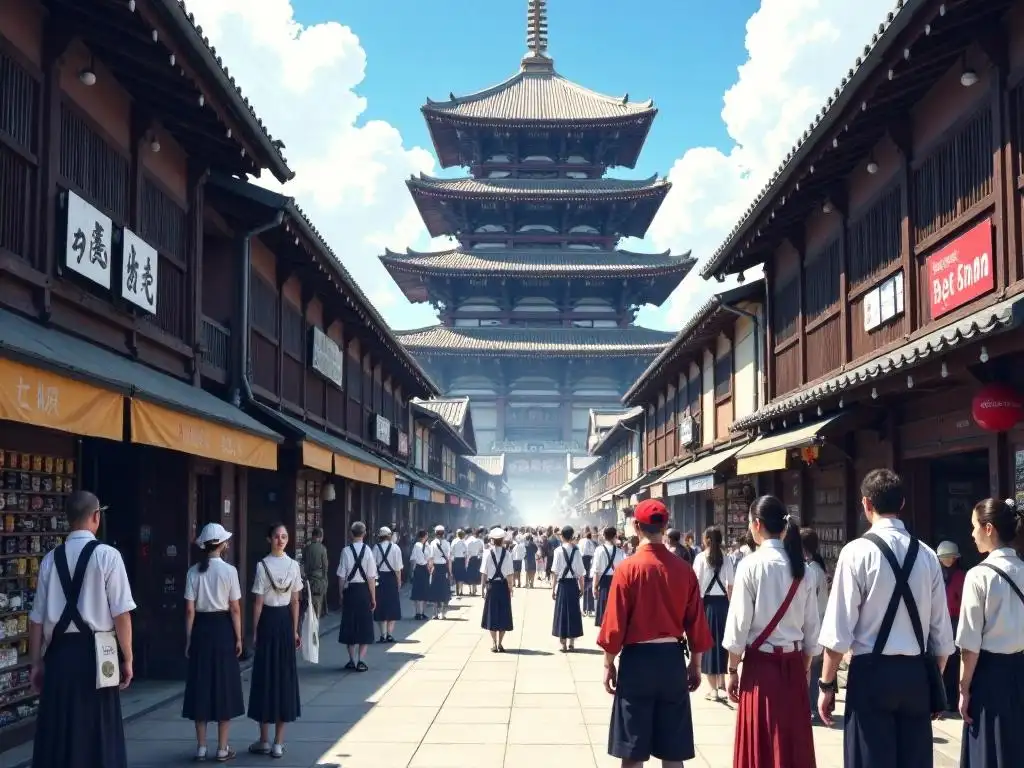
The Edo period (1603–1868) marked a significant transformation in Japan's urban landscape, particularly in the city of Edo (modern-day Tokyo). As the population burgeoned, urban governance encountered numerous challenges that required innovative solutions. This section explores two primary challenges: overpopulation and resource management, as well as the impacts of natural disasters on governance.
Overpopulation and Resource Management
Edo's population swelled dramatically during the Edo period, reaching over one million inhabitants by the mid-18th century. This rapid urbanization posed critical challenges for governance, particularly in resource allocation and management.
Key Issues of Overpopulation:
- Housing Shortages: The influx of people led to overcrowded living conditions. Many residents lived in cramped spaces, which exacerbated health issues and increased the risk of fires.
- Sanitation: The rise in population put immense pressure on sanitation systems. Waste management became a pressing issue, leading to health crises. The city implemented regulations, such as the Shitaya, which aimed to manage waste disposal effectively.
- Food Supply: Edo's reliance on agricultural produce from surrounding regions meant that food supply chains were crucial. The government had to ensure that food was available and affordable, establishing a system of market regulations to control prices and prevent hoarding.
The Edo administration employed several strategies to address these challenges:
- Zoning Laws: To manage overcrowding, Edo officials introduced zoning regulations that designated specific areas for residential, commercial, and agricultural use.
- Infrastructure Development: The construction of roads and bridges facilitated better transportation of goods, reducing the strain on urban resources.
- Community Engagement: Local governance structures encouraged community participation in maintaining order and managing resources. This included neighborhood associations that monitored sanitation and safety.
Natural Disasters and their Impact on Governance
Edo was also susceptible to natural disasters, such as earthquakes, fires, and floods, which posed significant challenges to urban governance.
Types of Natural Disasters:
- Earthquakes: The region experienced several major earthquakes, leading to widespread destruction. The 1855 Ansei Edo earthquake, for example, resulted in thousands of casualties and damaged countless homes.
- Fires: Edo was largely constructed from wood, making it highly vulnerable to devastating fires. The Great Fire of 1657 destroyed a large portion of the city, highlighting the need for fire management strategies.
- Flooding: Heavy rains and typhoons often resulted in flooding, which disrupted everyday life and infrastructure.
In response to these disasters, the Edo government adopted several measures:
- Disaster Preparedness: The administration established protocols for disaster response, including early warning systems and emergency shelters.
- Urban Planning: To mitigate the effects of fires and floods, officials re-evaluated urban planning strategies, integrating firebreaks and creating green spaces to absorb excess rainwater.
- Community Resilience: Local communities were encouraged to develop their own disaster response plans, fostering a culture of resilience and cooperation.
Edo's urban governance during the period was marked by significant challenges due to overpopulation and frequent natural disasters. Through innovative policies and community engagement, the city managed to develop a governance model that effectively navigated these obstacles, setting a precedent for future urban governance in Japan.
Innovations in Governance During the Edo Period

The Edo period, spanning from 1603 to 1868, marked a significant transformation in the governance of urban centers, particularly in Edo (modern-day Tokyo). This era is characterized by the implementation of innovative policies and practices aimed at managing the burgeoning population and ensuring the stability of the city. The unique governance model that emerged during this time laid the foundation for modern urban management in Japan.
Adoption of New Policies and Practices
During the Edo period, the Tokugawa shogunate recognized the need for effective urban governance to manage the diverse and rapidly growing population of Edo, which reached over a million residents by the 18th century. Several key policies were introduced to address the challenges of urban management:
- Land Use Regulation:
- The shogunate established strict regulations on land use to prevent overcrowding and ensure orderliness in the city. This included zoning laws that designated areas for commercial, residential, and agricultural purposes, allowing for organized urban development.
- Fire Prevention Measures:
- Edo was particularly vulnerable to fires due to its wooden structures and close quarters. The government implemented fire prevention policies, including the creation of firebreaks and the establishment of community fire brigades. These initiatives significantly reduced the devastation caused by fires, which were a common threat in urban settings.
- Public Health Initiatives:
- In response to the health risks posed by a dense population, the authorities introduced sanitary measures, such as waste management systems and public baths. These efforts aimed to improve the overall quality of life for Edo's residents and mitigate health crises.
- Transportation Infrastructure:
- The development of transportation networks, including roads and waterways, facilitated trade and movement within the city. The establishment of the "Five Routes" (Gokaido) connected Edo to other regions, enhancing economic activities and ensuring the efficient flow of goods and people.
- Community Engagement:
- The shogunate encouraged local governance through the establishment of neighborhood associations (naka-dori). These associations played a crucial role in community decision-making, resource allocation, and conflict resolution, fostering a sense of responsibility among residents to maintain order and enhance their living environment.
The combination of these policies not only facilitated the management of a large urban population but also contributed to the cultural and economic vibrancy of Edo, making it one of the largest cities in the world at the time.
Influence of Confucian Ideals on Urban Governance
Confucianism, a philosophical system that emphasizes morality, social harmony, and the importance of education, significantly influenced the governance of Edo. The Tokugawa shogunate adopted Confucian principles to legitimize its authority and promote social order, leading to distinct features in urban governance:
- Merit-based Administration:
- Confucian ideals emphasized the importance of scholar-officials. As a result, the shogunate appointed administrators based on their education and moral integrity, creating a meritocratic system that prioritized capable governance.
- Focus on Social Harmony:
- The emphasis on harmony and community welfare led to policies that promoted collaboration among residents. Initiatives aimed at conflict resolution and community-building were integral to governance, ensuring that diverse groups within Edo coexisted peacefully.
- Educational Reforms:
- The Tokugawa government invested in education, establishing schools that promoted Confucian teachings. This focus on education cultivated a literate populace that was politically aware and engaged in civic matters, contributing to a more informed citizenry.
- Moral Governance:
- The governance model during the Edo period was heavily influenced by Confucian morality. Officials were expected to act with integrity and prioritize the welfare of their citizens, fostering trust in governance and reinforcing social bonds among residents.
- Social Stratification:
- The social hierarchy prevalent in Confucian thought was reflected in Edo's urban governance, where distinct roles were assigned to different classes, such as samurai, merchants, and peasants. This stratification, while limiting social mobility, contributed to a sense of order and stability within the urban environment.
The integration of Confucian ideals into Edo's urban governance not only shaped the political landscape but also reinforced communal values, allowing for a cohesive society that thrived amidst challenges. This unique blend of policies and philosophical influences played a pivotal role in managing Edo's massive population and ensuring its status as a flourishing urban center during the feudal era.
Conclusion: Legacy of Edo Period Urban Governance
The Edo period (1603-1868) stands as a significant chapter in Japan's history, particularly in terms of urban governance. The governance strategies employed during this time laid a robust foundation that would influence modern urban management in Japan. Edo, now known as Tokyo, was not merely a political center but a thriving metropolis that witnessed innovative administrative practices aimed at managing its burgeoning population, which peaked at over a million residents.
The legacy of Edo period urban governance is characterized by its emphasis on community involvement, efficient resource management, and a focus on public welfare—principles that continue to resonate in contemporary urban policies. By integrating traditional customs with necessary regulatory measures, the Edo administration created a blueprint for urban management that prioritized both order and the well-being of its citizens.
Lasting Impacts on Modern Urban Governance in Japan
The governance practices of the Edo period have had lasting impacts on Japan's modern urban administration. Here are some key areas in which these influences are evident:
- Decentralization of Power: The Edo period's reliance on local governance through the han (feudal domains) has evolved into Japan’s modern regional governance structures. Local governments today maintain significant autonomy while aligning with national policies, echoing the decentralized nature of Edo's administration.
- Public Health and Safety: Edo's innovative approaches to public sanitation, such as the establishment of the "Mizu Shobai" (water management) systems, laid the groundwork for Japan's contemporary public health policies. The historical focus on cleanliness and safe drinking water remains a priority for urban planners today.
- Cultural Integration: The Edo period celebrated cultural festivals and local traditions, fostering community identity. Modern Japan continues to prioritize cultural heritage in urban planning, ensuring that development respects historical contexts and local culture.
- Transportation and Infrastructure: The extensive road network and transportation systems established during the Edo era, such as the Tōkaidō road, have influenced modern infrastructure planning. Efficient public transportation remains a cornerstone of urban governance in Japan, facilitating economic activity and community connectivity.
| Edo Period Governance Practices | Modern Urban Governance Impacts |
|---|---|
| Decentralization of Power | Regional governance autonomy |
| Public Health Initiatives | Contemporary public health focus |
| Cultural Festivals | Heritage preservation in planning |
| Transportation Infrastructure | Modern public transport systems |
Reflections on Urban Governance Lessons from Edo
The Edo period offers valuable lessons for contemporary urban governance, particularly in the context of balancing growth with sustainability. Key reflections include:
- Community Engagement: Edo's governance was characterized by active citizen participation in local decision-making. This model encourages modern urban planners to foster community involvement, ensuring that developments reflect the needs and aspirations of residents.
- Resource Management: The efficient management of resources, including water and waste, highlights the importance of sustainability in urban governance. Modern cities can learn from Edo's practices to develop more effective waste management and resource conservation strategies.
- Resilience through Adaptability: The ability of Edo’s administration to adapt to changing circumstances, such as population growth and natural disasters, teaches the importance of flexibility in urban governance. Modern urban policies must incorporate adaptable frameworks to respond effectively to unforeseen challenges.
The Edo period's urban governance model provides a rich repository of lessons that continue to shape Japan's approach to urban management. The emphasis on community, sustainability, and adaptability remains essential as cities evolve in response to contemporary challenges. By reflecting on the past, modern urban planners can create more resilient and inclusive cities that honor their historical roots while addressing current needs.
Frequently Asked Questions
What was the Edo period?
The Edo period (1603-1868) was a time of peace, stability, and isolation in Japan, characterized by the rule of the Tokugawa shogunate and significant urban development.
How did Edo manage its massive population?
Edo implemented innovative urban governance strategies, such as zoning, infrastructure development, and public health policies, to accommodate its rapidly growing population.
What were the key features of urban governance in Edo?
Key features included strict regulations on land use, a focus on public safety, and the establishment of a centralized administrative system that managed resources and services.
How did urban governance impact daily life in Edo?
Urban governance in Edo led to a well-organized society, with improved sanitation, transportation, and access to goods, greatly enhancing the quality of life for its residents.
What lessons can modern cities learn from Edo's urban governance?
Modern cities can learn from Edo’s emphasis on community involvement, sustainable practices, and effective management of resources to address the challenges of urbanization today.
Final Reflection: The Enduring Legacy of Edo Period Urban Governance
The lessons of Edo period urban governance resonate profoundly in today's rapidly urbanizing world. As cities around the globe grapple with the challenges of overpopulation, infrastructure strain, and social cohesion, the innovative strategies employed by Edo offer invaluable insights. The remarkable ability of Edo to manage its massive population through meticulous planning and community engagement serves as a powerful reminder of the potential for governance to shape urban life positively.
Edo's approach to urban governance not only transformed its own landscape but also laid the groundwork for contemporary discussions on sustainable city living. The principles of inclusivity, resource management, and cultural preservation that characterized Edo's governance continue to influence modern urban policies and community planning. The city is not a mere collection of buildings; it is a living organism that thrives on the connections between its inhabitants.
This quote encapsulates the essence of Edo's legacy, emphasizing the importance of fostering relationships and community spirit in urban environments.
As we reflect on the rich history of Edo's urban governance, let us consider how we can apply these lessons in our own lives and communities. How can we foster a sense of belonging and responsibility in our urban spaces? I invite you to engage with your community, advocate for sustainable practices, and embrace the idea that effective governance begins with each of us. By doing so, we honor the legacy of Edo and contribute to the creation of vibrant, resilient cities for future generations.
Embrace the Wisdom of Edo: Take Action Today!
Thank you for investing your time in exploring the fascinating dynamics of Edo's urban governance! You’ve delved into how this historical city skillfully managed its vast population, offering invaluable insights into leadership and community management.
Now, it’s your turn to apply these lessons in your own life and community. Here are a few specific actions you can take:
- Reflect on Edo’s strategies and identify one that you can implement in your community projects—whether it’s improving resource management, enhancing public engagement, or developing infrastructure.
- Join or start a local discussion group focused on urban governance to explore modern applications of Edo’s principles.
- Share your insights! Post on social media or write a blog about what you learned from Edo, and inspire others to rethink their approach to community issues.
How can the strategies of Edo inspire your perspective on today's urban challenges?