
The Relationship Between Isolationism and Economic Stratification in Feudal Japan


Welcome to Feudal Japan History, where we invite you to embark on a journey through the captivating and complex tapestry of Japan’s feudal era. Here, we explore the intricate connections between Isolationism and Economic Stratification in Feudal Japan, shedding light on how these forces shaped the society and culture of a bygone era. What drove Japan to embrace isolation, and how did it impact the economy and class structure?
As you delve into our expert-driven articles, prepare to uncover the hidden stories and profound insights that lie at the heart of this remarkable historical period. Join us as we unravel the threads of history and ignite your curiosity about a time that continues to influence Japan today!
- Introduction to Isolationism and Economic Stratification in Feudal Japan
- The Emergence of Isolationist Policies in Japan
- The Impact of Isolationism on Economic Stratification
- Trade and Economic Policies During Isolationism
- Cultural Implications of Isolationism on Economic Stratification
- Case Studies: Examples of Economic Stratification in Feudal Japan
- Conclusion: The Lasting Legacy of Isolationism and Economic Stratification in Japan
-
Frequently Asked Questions
- What was the role of isolationism in Feudal Japan?
- How did economic stratification manifest in Feudal Japan?
- What impact did isolationist policies have on Japan's economy?
- How did the Samurai class influence economic stratification?
- In what ways did cultural aspects of Feudal Japan interact with isolationism and economic stratification?
- Final Reflection: The Enduring Legacy of Isolationism and Economic Stratification in Japan
- Uncover the Hidden Connections of Isolationism and Economic Stratification!
Introduction to Isolationism and Economic Stratification in Feudal Japan
The feudal era of Japan, spanning from the late 12th to the mid-19th century, is a period marked by profound transformations in society, economy, and governance. One of the most significant aspects of this era was the interplay between isolationism and economic stratification, which shaped the country's development and its interactions with the outside world.
As Japan adopted a policy of seclusion, particularly during the Edo period (1603-1868), the nation not only isolated itself from foreign influences but also saw the emergence of distinct social classes that dictated the flow of wealth and resources. This article delves into the nuanced relationship between isolationism and economic stratification in feudal Japan, exploring how these elements influenced each other and contributed to the unique tapestry of Japanese history.
Overview of Feudal Japan's Historical Context
Feudal Japan was characterized by a decentralized political structure, where power resided with local lords or daimyōs, while the emperor held a largely ceremonial role. This era began with the establishment of the Kamakura shogunate in 1185 and continued through various shogunates until the Meiji Restoration in 1868. The feudal system created a hierarchical society, with a rigid class structure that included:
- Emperor: Symbolic figurehead with little political power.
- Shogun: Military ruler wielding actual power.
- Daimyōs: Feudal lords controlling lands and vassals.
- Samurai: Warrior class serving the daimyōs.
- Peasants: Majority class responsible for agricultural production.
- Artisans and Merchants: Lower classes engaged in trade and crafts.
During this time, Japan experienced relative peace and stability, especially under the Tokugawa shogunate, which implemented policies that promoted agricultural production and urban development. However, this stability was accompanied by a strict social hierarchy that defined one’s role in society and limited upward mobility.
Importance of Isolationism in Japanese History
Japan's isolationist policies, particularly the Sakoku (鎖国) system established in the 1630s, were critical in shaping the nation's economic and social landscape. The Sakoku policy restricted foreign trade and prohibited Japanese citizens from traveling abroad, resulting in a largely self-sufficient economy. Key aspects of this isolationism included:
- Limited Trade: Japan engaged in restricted trade primarily with the Dutch and Chinese, ensuring control over foreign influence.
- Cultural Self-Sufficiency: The nation focused on developing its culture, arts, and technological practices without external interference.
- Preservation of Social Order: Isolationism reinforced the existing social structure, as the ruling class maintained control over the population without external challenges.
This period of self-imposed isolation allowed Japan to cultivate a unique cultural identity while also leading to significant economic stratification, as the ruling elite benefited from the lack of competition and the maintenance of traditional practices.
Defining Economic Stratification in Feudal Society
Economic stratification in feudal Japan refers to the pronounced disparities in wealth and status among the different social classes. This stratification was deeply intertwined with the political and cultural dynamics of the time. Key characteristics of economic stratification included:
- Land Ownership: Wealth was primarily derived from land ownership, with daimyōs controlling vast estates and peasants working the land.
- Taxation and Labor: Peasants were heavily taxed, and their labor sustained the economy, while the samurai were often compensated with stipends from their lords.
- Trade and Commerce: Merchants, despite their essential role in the economy, were often regarded as lower class, leading to tensions between the merchant class and the landed gentry.
The rigid class structure and the economic policies of isolationism contributed to a society where mobility was limited, and wealth remained concentrated among the elite. Understanding these dynamics is essential for comprehending the complexities of Japan's feudal era and the lasting impact of its isolationist policies on economic stratification.
The Emergence of Isolationist Policies in Japan
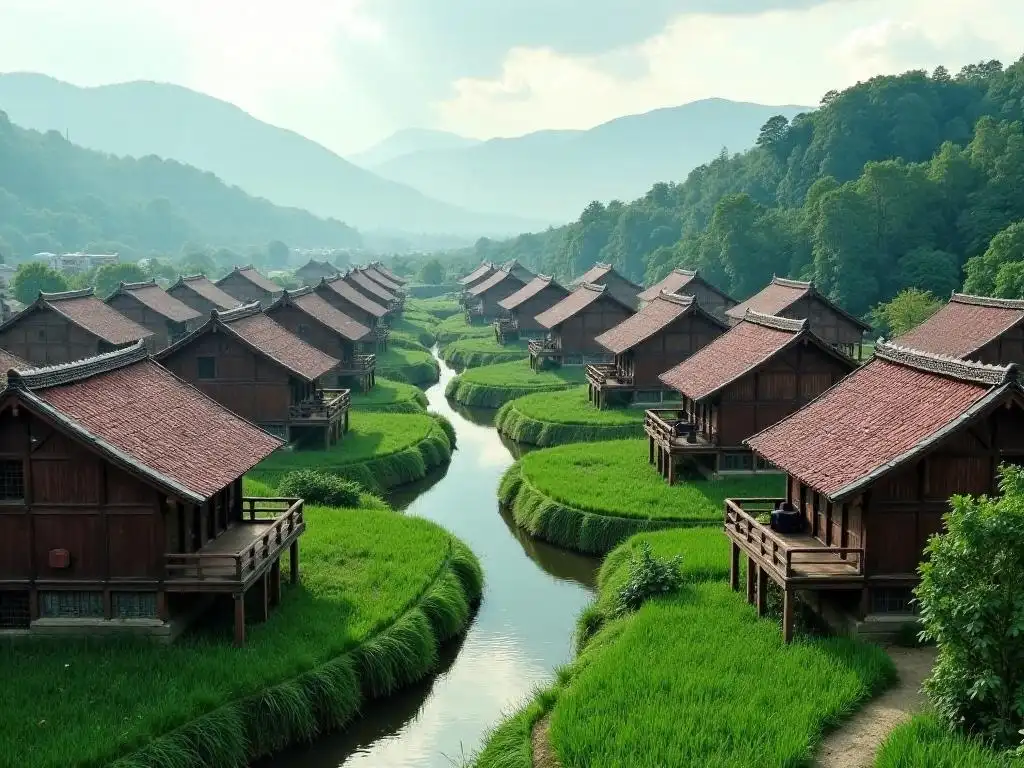
The emergence of isolationist policies in Japan is a pivotal moment in the nation's history, marking a deliberate shift from outward engagement to a period of self-imposed seclusion. This transition played a crucial role in shaping Japan's socio-economic landscape, particularly concerning economic stratification. The decision to isolate Japan had profound implications, not only for international relations but also for domestic economic structures.
Historical Background of Isolationism
Japan's isolationism can be traced back to the late 16th and early 17th centuries, a time characterized by intense internal conflict and external pressures. The arrival of European traders and missionaries, particularly the Portuguese and Spanish, introduced new ideas and goods, leading to a flourishing of trade. However, this also raised concerns among the Japanese elite regarding foreign influence on their culture and governance.
The unification of Japan under the Tokugawa shogunate in 1603 marked a significant turning point. The Tokugawa regime sought to consolidate power by restricting foreign interactions. The ideological underpinnings of this strategy were rooted in Confucian principles, emphasizing social harmony and hierarchy. The belief was that foreign influence could disrupt the existing social order, which was essential for maintaining the stability of the newly unified state.
Key Figures and Events Leading to Isolationism
Several key figures and events played critical roles in the establishment of Japan's isolationist policies.
- Toyotomi Hideyoshi: As a precursor to Tokugawa Ieyasu, Hideyoshi's efforts to unify Japan included attempts to control foreign interactions. His ban on Christianity and expulsion of missionaries laid the groundwork for later isolationist policies.
- Tokugawa Ieyasu: The founder of the Tokugawa shogunate, Ieyasu recognized the potential threat posed by foreign powers, particularly the Spanish and Portuguese. His administration implemented strict regulations on trade and foreign contact to safeguard the regime's authority.
- The Shimabara Rebellion (1637-1638): This significant uprising, fueled by Christian persecution and economic distress, led to a crackdown on foreign influences. The aftermath heightened the Tokugawa shogunate’s resolve to enforce isolationist policies.
The Sakoku Edict: An Overview
The Sakoku Edict, promulgated in 1635, formalized Japan's isolationist stance, effectively closing the country to foreign influences for over two centuries. This edict had profound implications for Japan's economy and societal structure.
- Trade Restrictions: The edict limited international trade to designated ports, primarily Nagasaki, where only the Dutch and Chinese were allowed to conduct business. This restriction created a controlled environment for commerce, leading to significant economic stratification.
- Cultural Impact: The isolationist policies stifled the influx of new ideas and technologies, fostering a unique cultural identity but also hindering technological advancement. The stratification was evident as the samurai class maintained a privileged position, while other classes, including merchants and peasants, experienced varying degrees of economic hardship.
- Regulation of Foreign Relations: The government tightly controlled interactions with foreigners, and Japanese citizens were forbidden from traveling abroad. This served to reinforce the Tokugawa shogunate’s power but also led to a rigid class structure, where social mobility was severely limited.
The emergence of isolationist policies in Japan was a complex interplay of historical events and key figures, culminating in the Sakoku Edict. This isolation not only shaped Japan's international relations but also solidified economic stratification, influencing the country's cultural and societal evolution for generations.
The Impact of Isolationism on Economic Stratification

How Isolationism Created Economic Divisions
Isolationism in feudal Japan, particularly during the Edo period (1603-1868), played a crucial role in shaping the economic landscape of the nation. The Tokugawa shogunate implemented a series of policies that restricted foreign trade, leading to a self-sustained economy primarily focused on domestic production and consumption. This isolationist stance created significant economic divisions among different social classes.
- Limited Trade Opportunities:
- The shogunate's policies restricted international trade to a few select ports, notably Nagasaki. This restriction limited the influx of foreign goods and ideas, which in turn stifled economic growth and innovation.
- With minimal foreign competition, local industries developed in isolation, leading to a disparity in wealth and resources among regions.
- Resource Allocation:
- The centralization of power under the shogunate meant that resources were allocated according to the needs of the ruling class rather than the general population. This created a hierarchical economic structure where the upper classes, particularly the samurai, received priority over commoners.
- The feudal system reinforced economic stratification, as lords (daimyō) controlled land and resources, while peasants were often left with limited means of production.
- Cultural Isolationism and Economic Impact:
- Cultural isolationism, reflected in the prohibition of foreign influences, also contributed to economic stratification. The lack of exposure to global trade practices meant that Japanese merchants operated without the benefits of modern economic strategies, further entrenching their position as lower-status economic players compared to the samurai class.
- This isolation not only preserved traditional societal roles but also solidified the economic hierarchy, with little opportunity for upward mobility.
The Role of the Samurai Class in Economic Stratification
The samurai class held a unique position in the economic stratification of feudal Japan. As the warrior elite, they were not only military leaders but also landholders with significant political power. Their role in the economy was multifaceted and contributed to the overall stratification of society.
- Land Ownership:
- Samurai were granted land by the shogunate, which they governed and from which they extracted taxes from the peasantry. This land ownership allowed them to accumulate wealth and maintain their status.
- The economic power of the samurai was tied to their ability to enforce agricultural production, thereby controlling the primary source of wealth in feudal Japan.
- Bureaucratic Roles:
- Many samurai also served as bureaucrats within the feudal system, managing the affairs of their domains. This dual role allowed them to influence economic policies and maintain their privileged position.
- Their involvement in governance often led to the prioritization of their interests over those of the merchant and peasant classes, further deepening economic divisions.
- Cultural Capital:
- The samurai class also cultivated cultural capital through education and the arts, reinforcing their social status. This emphasis on cultural refinement created a distinct identity that separated them from lower classes, further entrenching economic stratification.
- While the samurai were expected to live by a code of honor (bushidō), many also engaged in trade and commerce, which sometimes blurred the lines of their traditional roles but ultimately reinforced their economic dominance.
Merchant and Peasant Classes: Economic Roles and Limitations
The merchant and peasant classes in feudal Japan occupied the lower tiers of the economic hierarchy, each with distinct roles and limitations that defined their place in society.
- Peasant Class:
- Peasants formed the backbone of the feudal economy, responsible for agricultural production. They worked the land and paid taxes to their samurai lords, which often left them with meager resources for their own sustenance.
- The heavy taxation imposed by the samurai often led to cycles of poverty and limited social mobility. Peasants were generally bound to the land they worked, making it difficult to escape their economic circumstances.
- Merchant Class:
- In contrast to peasants, merchants were involved in trade and commerce, but their status was paradoxically lower due to Confucian ideals that prioritized agrarian society. Merchants were often seen as opportunists who profited from the labor of others.
- Despite their economic contributions, merchants faced restrictions on their activities, including limitations on wealth accumulation and social mobility. Their status was often contingent on the goodwill of the samurai class, which could impose regulations that hindered their operations.
- Economic Interactions:
- The relationship between merchants and peasants was complex; while merchants provided necessary goods and services, their interactions were often exploitative, reinforcing economic divisions. Merchants would often charge high prices for essential goods, while peasants struggled to meet their basic needs.
- Additionally, the isolationist policies of the Tokugawa shogunate meant that merchants had limited access to external markets, constraining their economic potential and relegating them to a subordinate role in the feudal hierarchy.
The interplay between isolationism and economic stratification in feudal Japan created a rigid social structure that favored the samurai class while limiting the opportunities for both merchants and peasants. This economic landscape solidified the divisions that characterized Japanese society during this era, ultimately shaping its historical trajectory.
Trade and Economic Policies During Isolationism
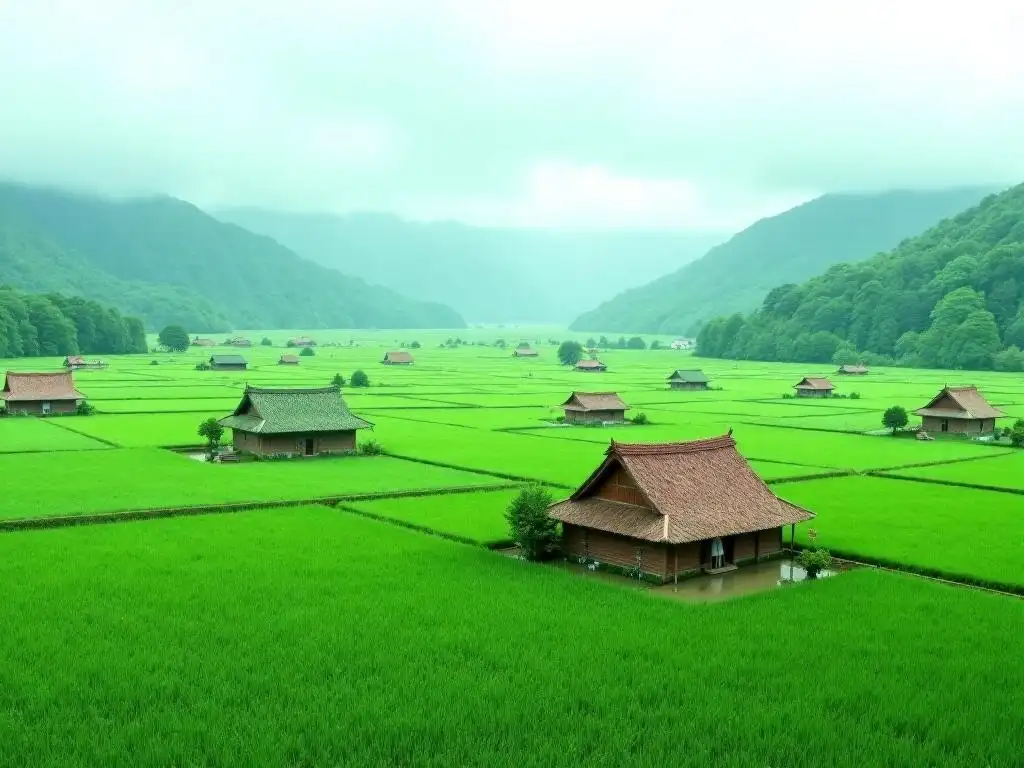
Restrictions on Foreign Trade and Its Economic Consequences
During Japan's feudal era, particularly under the Tokugawa shogunate (1603-1868), the nation implemented strict isolationist policies, known as sakoku, which significantly restricted foreign trade. These policies were enacted to maintain social order and prevent the influence of foreign ideas and religions, particularly Christianity, which was seen as a threat to the established social hierarchy.
The restrictions on foreign trade resulted in several profound economic consequences:
- Limited Access to Resources: Japan's isolationism curtailed the importation of foreign goods, leading to a reliance on domestically produced products. This created a scarcity of certain resources, such as spices and textiles, which could have stimulated economic growth.
- Increased Domestic Production: With foreign goods off-limits, artisans and farmers were compelled to enhance their production capabilities. Over time, this led to improvements in craftsmanship and agricultural techniques, fostering a unique domestic economy.
- Stagnation of Innovation: The lack of foreign interaction inhibited technological advancement. While Japan had a rich tradition of innovation prior to isolationism, the focus shifted inward, resulting in a slower pace of development in comparison to other nations that embraced trade.
The economic landscape during this period was thus characterized by a duality: while isolationism preserved Japan's cultural integrity, it also led to economic stagnation and stratification, as the elite classes continued to prosper while lower classes had limited opportunities for advancement.
Domestic Trade: The Rise of Local Economies
In the absence of international trade, domestic trade flourished, leading to the development of localized economies throughout Japan. The han (domains) became centers of economic activity, each fostering unique industries based on local resources and conditions. This period saw several key developments:
- Market Towns: The growth of market towns was pivotal. These towns became hubs for the exchange of goods, with local merchants facilitating trade among farmers and artisans. The establishment of regular markets encouraged the circulation of currency, gradually moving Japan towards a more monetized economy.
- Specialization of Crafts: Local economies began to specialize in specific crafts and goods. For example, certain regions became renowned for textiles, while others excelled in pottery or metallurgy. This specialization allowed for greater efficiency and quality of production, contributing to the overall economic landscape.
- The Role of the Samurai: While the samurai class primarily focused on military duties, they also played a significant role in local economies as landowners. Many samurai started to engage in agricultural production, thereby blending their warrior status with economic activities, which further integrated the economic structure.
The rise of local economies during this isolationist period not only sustained the population but also fostered a sense of regional identity, which would later influence Japan's transition into a more unified national economy.
Comparison of Economic Opportunities: Samurai vs. Merchants
The economic stratification in feudal Japan was starkly evident when comparing the opportunities available to the samurai class versus those of merchants. This stratification was influenced by both societal norms and the isolationist policies of the time.
- Samurai Class:
- The samurai were afforded a privileged status in society, often receiving stipends from their lords based on the land they controlled. This financial support provided them with stability and a degree of wealth, enabling them to maintain their status and lifestyle.
- However, the samurai's economic activities were largely limited to land ownership and military service. Their social standing often discouraged direct involvement in trade, which was viewed as a lower-class pursuit.
- Merchants:
- In contrast, merchants operated on the fringes of the accepted social hierarchy. Despite their lower status in the rigid class system, they emerged as the de facto economic powerhouses during the isolationist period. Their ability to accumulate wealth through trade led to a rise in the merchant class, challenging the traditional status quo.
- Merchants faced legal restrictions and social stigma, but many found ways to navigate these barriers, building networks and wealth that would eventually lead to greater influence, particularly as Japan began to open up in the late 19th century.
The dichotomy between the samurai and merchants highlighted the complexities of economic stratification during Japan's feudal era. While the samurai maintained political power and social status, the merchants gradually gained economic leverage, setting the stage for a transformative period in Japan’s history.
Cultural Implications of Isolationism on Economic Stratification

Isolationism and the Preservation of Japanese Culture
Isolationism in feudal Japan, particularly during the Edo period (1603-1868), played a significant role in preserving and shaping Japanese culture. The sakoku (鎖国), or "locked country" policy, implemented by the Tokugawa shogunate, severely restricted foreign influence and trade. This policy not only limited interactions with the outside world but also fostered a unique cultural identity that was distinct from that of neighboring countries.
By isolating itself, Japan was able to cultivate its traditional practices, beliefs, and artistic expressions. This cultural preservation had profound implications on economic stratification. As the samurai class, which was at the top of the social hierarchy, became the primary patrons of the arts, a cultural divide emerged between the elite and the common people. The samurai's investment in traditional arts such as tea ceremonies, calligraphy, and Noh theater reinforced their status and wealth while simultaneously creating barriers for lower classes to access these cultural experiences.
Moreover, the isolationist policies led to the development of localized economies that were heavily influenced by regional cultures. Each domain (han) began to foster its own cultural identity, which often dictated the types of goods produced and traded within that area. This resulted in economic stratification where certain regions thrived economically due to their cultural exports, while others remained stagnant.
Confucianism profoundly influenced Japan's social structure during the feudal era, particularly in relation to economic stratification. The teachings of Confucius emphasized hierarchical relationships, duty, and moral governance, which were adopted by the ruling samurai class to legitimize their authority and maintain social order.
In this context, the four-class system — samurai, farmers, artisans, and merchants — emerged as a reflection of Confucian values. Samurai were revered as the ruling class, while farmers were respected for their role in sustaining the economy through agriculture. Artisans and merchants, despite their economic contributions, were often viewed with suspicion and regarded as lower in status. This hierarchy was not merely social but also economic, as it dictated the flow of wealth and resources within society.
As isolationism curtailed foreign trade and the influx of foreign ideas, Confucian ideals solidified the existing class divisions. Wealth accumulation was largely restricted to the samurai and, to a lesser extent, the farmer class, while merchants were often restricted in their economic pursuits. This resulted in a rigid economic stratification that reinforced societal roles and limited social mobility, creating a cycle of economic disparity.
The Role of Art and Literature in Economic Class Structures
Art and literature served as both reflections and reinforcements of economic class structures in feudal Japan. The isolationist policies of the Tokugawa shogunate allowed for the flourishing of traditional arts, such as ukiyo-e (woodblock prints), haiku poetry, and Kabuki theatre, which became markers of cultural prestige and economic power.
The samurai class, having the financial means to support these artistic endeavors, became the primary consumers and patrons of high culture. This investment in the arts not only elevated their social status but also created a marketplace where artists and craftsmen catered to the tastes of the elite. As a result, art and literature became intertwined with economic stratification, as access to cultural capital was largely determined by one's social class.
Conversely, the lower classes often produced their own forms of art and literature, which were accessible and reflective of their experiences. However, these works typically lacked the patronage and recognition afforded to elite art forms. This disparity illustrated how economic stratification influenced not only wealth distribution but also cultural production and appreciation.
The interplay between isolationism and economic stratification in feudal Japan was deeply rooted in cultural implications. Confucianism reinforced social hierarchies, while art and literature reflected and perpetuated these divisions, ultimately shaping the economic landscape of Japan's feudal era.
Case Studies: Examples of Economic Stratification in Feudal Japan

The Economic Status of the Samurai Class
The samurai class in feudal Japan was not only a military elite but also a significant economic force. Their status was deeply intertwined with land ownership and the feudal system, which dictated the socio-economic hierarchy of society. The samurai were often granted land (known as han) by their lords, which provided them with the resources necessary to maintain their lifestyle and fulfill their obligations as warriors.
Land Ownership and Wealth Accumulation
- Land as a Source of Income: The samurai's wealth was largely derived from the agricultural output of the land they controlled. This land was worked by peasants, who paid taxes in rice and other goods. As a result, a samurai's financial stability depended on the productivity of his domain.
- Taxation and Economic Control: Samurai were responsible for collecting taxes from the peasantry, which further solidified their economic position. The tax system not only funded their military campaigns but also allowed them to maintain their status and lifestyle.
Social Mobility and Limitations
While the samurai had opportunities for wealth accumulation, their class was also marked by strict social codes. Mobility within the samurai class was limited, as they were bound by familial lineage and loyalty to their lords. This created a rigid structure where the status and economic position of samurai families could be passed down through generations, reinforcing economic stratification.
Merchant Guilds: Power and Influence
During the feudal era, merchant guilds emerged as powerful entities within Japan's economy, despite the general disdain for commerce among the samurai and ruling class. These guilds played a crucial role in the economic landscape, especially during periods of isolationism when foreign trade was restricted.
Economic Power of Guilds
- Control Over Trade: Merchant guilds had significant control over local and regional trade. They regulated prices, ensured fair trade practices, and provided mutual support among members. This control allowed them to accumulate wealth and gain influence over local economies.
- Investment and Capital: Wealthy merchants began investing in various sectors, including agriculture and infrastructure. By financing land improvements and transportation systems, they contributed to the overall economic development of their regions.
Influence on Society
Merchant guilds were not just economic entities; they also wielded social influence. As they grew in wealth, they began to challenge the traditional status quo established by the samurai. This shift was particularly evident in urban centers, where merchants often became patrons of the arts and culture, fostering a rich cultural environment that contrasted with the austere values of the samurai.
Peasant Life: Struggles and Survival
The peasant class formed the backbone of feudal Japan's economy, yet they faced immense challenges under the weight of economic stratification. Their experiences illustrate the harsh realities of life in a stratified society heavily influenced by isolationist policies.
Economic Burdens
- Heavy Taxation: Peasants were subjected to heavy taxation, paying a significant portion of their harvest to samurai lords. This left them with minimal resources for their own sustenance, leading to cycles of poverty.
- Natural Disasters and Famine: Peasant life was precarious, often disrupted by natural disasters such as floods or droughts. These events could decimate crops, leading to famine and increasing the burden of debt as peasants struggled to meet tax obligations.
Community and Resilience
Despite these challenges, peasant communities developed strong social ties that enabled them to endure. They practiced mutual aid and shared resources during difficult times, fostering a sense of solidarity. Additionally, the agricultural techniques they developed were crucial for improving crop yields, which allowed them to survive in a hostile economic environment.
The economic stratification in feudal Japan was a complex interplay of different social classes, with the samurai, merchant guilds, and peasants each playing distinct roles. The isolationist policies of the era served to reinforce these divisions, shaping the economic landscape of Japan in profound ways.
Conclusion: The Lasting Legacy of Isolationism and Economic Stratification in Japan
The legacy of isolationism and economic stratification in feudal Japan is profound, influencing not just the historical narrative of the era but also shaping modern Japanese society. The Tokugawa shogunate, which ruled from 1603 to 1868, implemented strict isolationist policies that curtailed foreign influence and trade. This approach fostered a unique cultural identity but also created significant economic divides among social classes.
Reflection on the Historical Significance
The historical significance of isolationism in feudal Japan stems from its dual role as both a protective measure and a catalyst for economic stratification. By closing the borders to foreign trade, the shogunate aimed to maintain internal stability and control over the population, particularly in the context of the European colonial expansion. This isolation led to the consolidation of power among the samurai class, who benefited from the centralized governance and the control of resources.
- Social Hierarchy: The rigid class system, which placed samurai at the top, was reinforced by isolationist policies. The economic opportunities available to the lower classes were limited, creating disparities in wealth and social mobility.
- Cultural Development: While isolationism stifled external influences, it allowed for the flourishing of indigenous arts, literature, and philosophies. The Edō period is characterized by advancements in culture, which were largely self-contained and reflective of a society that had turned inward.
The interplay between isolationism and economic stratification thus serves as a crucial lens through which to understand Japan’s development during this period. The decisions made by the Tokugawa shogunate not only shaped the socio-economic landscape of the time but also left a lasting imprint on the national psyche.
Lessons from Feudal Japan's Isolationist Policies
Feudal Japan's isolationist policies offer several lessons applicable to contemporary discussions about economic stratification and national identity.
- Economic Resilience vs. Vulnerability: While isolationism can promote local industries and cultural identity, it can also lead to economic vulnerability. The lack of external trade stunted technological advancements and limited access to diverse resources. This underscores the importance of balancing protectionist policies with the need for economic growth and innovation.
- Class Disparities: The stratification observed in feudal Japan serves as a cautionary tale about the dangers of entrenched social hierarchies. Policies that favor one class over another can lead to social unrest and hinder overall societal progress.
- Cultural Identity: On the flip side, isolation can foster a unique cultural identity that may thrive in the absence of foreign influences. This highlights the potential benefits of preserving cultural heritage, even amidst globalization.
Future Research Directions on Isolationism and Economic Stratification
Future research on isolationism and economic stratification in feudal Japan could explore various dimensions to deepen understanding of this complex relationship:
- Comparative Studies: Investigating other nations that adopted similar isolationist policies during different historical periods could yield insights into the broader implications of such strategies on economic and social structures.
- Impact of Trade on Class Mobility: Further analysis of the specific economic impacts of trade restrictions on different classes could provide a clearer picture of how isolationism directly affected social mobility.
- Cultural Exchange Post-Isolation: Studying the effects of Japan’s eventual opening in the mid-19th century on previously established social and economic structures will help illuminate the long-term consequences of prolonged isolation.
- Modern Implications: Understanding how historical isolationism informs current economic policies and social stratification in Japan can also benefit contemporary discussions on globalization and national identity.
Through these investigations, scholars can contribute to a more nuanced understanding of how isolationism shaped not only the economic landscape of feudal Japan but also its cultural and social fabric. The historical examples from this era remain relevant today, providing valuable lessons as nations grapple with their own identities in an increasingly interconnected world.
Frequently Asked Questions
What was the role of isolationism in Feudal Japan?
Isolationism in Feudal Japan primarily served to limit foreign influence and maintain cultural integrity. This period saw strict regulations on trade and travel, which helped shape the societal structure of the time.
How did economic stratification manifest in Feudal Japan?
Economic stratification in Feudal Japan was characterized by a rigid social hierarchy. The society was divided into classes, with samurai, farmers, artisans, and merchants each playing distinct roles that influenced their wealth and power.
What impact did isolationist policies have on Japan's economy?
The isolationist policies led to a focus on self-sufficiency, encouraging local production. However, it also resulted in limited access to foreign goods and ideas, ultimately affecting economic growth and innovation.
How did the Samurai class influence economic stratification?
The Samurai class held significant power and wealth, often controlling land and resources. Their status reinforced economic stratification, creating a clear division between the elite and the lower classes, such as farmers and merchants.
In what ways did cultural aspects of Feudal Japan interact with isolationism and economic stratification?
Cultural aspects such as art, religion, and philosophy flourished under isolationism, leading to a unique Japanese identity. However, economic stratification limited access to these cultural pursuits for lower classes, reinforcing social divisions.
Final Reflection: The Enduring Legacy of Isolationism and Economic Stratification in Japan
The intricate relationship between isolationism and economic stratification in feudal Japan remains profoundly relevant today. As we navigate a world increasingly defined by globalization and interconnected economies, understanding how historical policies shaped social hierarchies can illuminate contemporary issues of inequality and cultural identity. The lessons from Japan's past remind us that the choices made by nations can have lasting impacts on their social fabric and economic landscape.
The echoes of Japan's isolationist policies continue to resonate in our modern society, influencing not only economic structures but also cultural perceptions and interactions. The stratification that arose during the Edo period serves as a poignant reminder of how isolation can breed disparities, leading to a society where privilege and access are often dictated by birthright rather than merit. History is not a burden on the memory but an illumination of the soul.
This quote encapsulates the importance of reflecting on our past to better understand our present and future.
As we contemplate the implications of isolationism and economic stratification, I invite you to reflect on your own experiences and the systems that shape your reality. Consider how the lessons from feudal Japan can inspire us to advocate for inclusivity and equity in our own communities. Let us strive to create a world where economic opportunities are accessible to all, breaking down the barriers that lead to stratification and fostering a society that values diversity and collaboration.
Thank you for exploring the intricate relationship between isolationism and economic stratification in feudal Japan! By delving into this essential theme, you’ve gained valuable insights into how historical policies shaped societal structures. Now, it's time to take that knowledge further and make an impact!
- Join the conversation: Share your thoughts on the implications of isolationist policies in today’s economy by commenting below or on our social media channels.
- Expand your understanding: Dive deeper into our archives and explore additional articles about economic systems and cultural shifts in feudal Japan.
- Connect with fellow enthusiasts: Participate in our upcoming online seminar where specialists will discuss the effects of isolationism across various eras.
What lessons can modern societies draw from the economic and social structures of feudal Japan?