
The Economic Paradigm of Sakoku: How Isolationism Fostered a Unique Japanese Economy

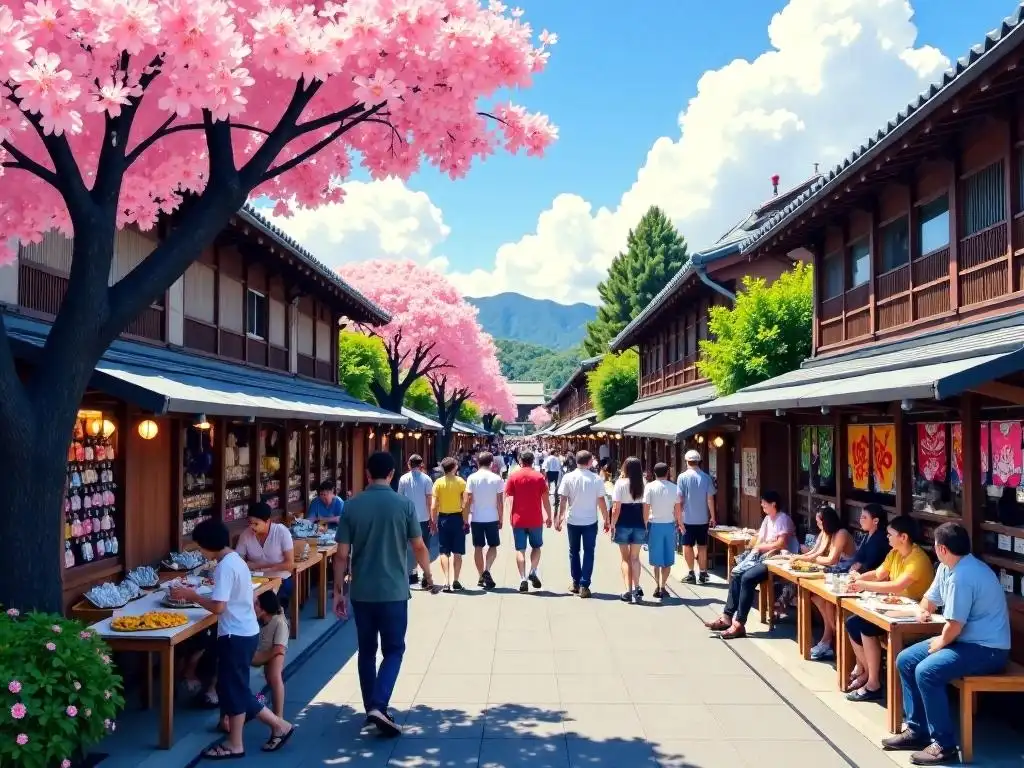
Welcome to Feudal Japan History, where we invite you to embark on a captivating journey through the intricate tapestry of Japan’s feudal era. Here, history whispers tales of isolation and trade, particularly through the lens of Sakoku—the period of self-imposed isolation that shaped Japan's unique economic landscape. In our featured article, “The Economic Paradigm of Sakoku: How Isolationism Fostered a Unique Japanese Economy,” we delve into the profound economic impact of this fascinating era.
Are you ready to uncover how Japan's withdrawal from the world influenced its societal structures and cultural development? Join us as we explore the depths of this intriguing chapter in Japanese history and discover the hidden connections that shaped a nation.
Introduction to Sakoku and Its Economic Context
The period of Sakoku, which translates to "locked country," represents a critical chapter in Japan's history that spans from the early 17th century to the mid-19th century. This era, marked by strict isolationist policies, profoundly influenced Japan's economic landscape, shaping a unique economic paradigm that was largely self-sufficient and distinct from global trends. By examining the Sakoku economic impact on Japan, we can gain insights into how isolationism not only preserved Japanese culture and traditions but also fostered a unique economic structure that thrived in relative seclusion.
During this time, Japan experienced a complex interplay between internal growth and external restrictions, which ultimately led to the development of a unique economic identity. Understanding this era is essential for grasping the broader implications of isolationist policies on Japan's socio-economic fabric.
Definition of Sakoku in Historical Terms
Sakoku was officially instituted in 1635 under the Tokugawa Shogunate, aiming to eliminate foreign influence and promote national unity. Key aspects include:
- Restrictions on foreign trade: Only the Dutch and Chinese were allowed limited trade at designated ports.
- Prohibition of Christianity: Foreign missionaries were expelled, and the practice of Christianity was strictly forbidden.
- Control of information: Foreign literature and ideas were heavily censored, fostering a homogeneous cultural environment.
This period lasted until Commodore Perry's arrival in 1853, marking the end of Japan's self-imposed isolation.
Overview of Japan's Feudal Era and Isolationism
Japan's feudal era, beginning in the late 12th century and peaking during the Tokugawa Shogunate, was characterized by a hierarchical social structure, with the emperor at the top, followed by the shogun, daimyos, samurai, and peasants. The introduction of Sakoku policies coincided with this feudal framework and had significant repercussions on Japan's economy.
Key features of this era include:
- A predominantly agrarian society where rice production served as a cornerstone of the economy.
- The establishment of a merchant class, which, despite its lower social status, began to increase in wealth and influence.
- Development of local markets and trade networks that flourished under the Sakoku restrictions.
This context is essential for understanding how isolation shaped Japan's economic practices and interactions.
Importance of Studying Sakoku's Economic Impact
Analyzing the economic impact of Sakoku offers valuable insights into how isolationism can affect a nation's economy. The restrictions imposed during this period led to:
- Self-sufficiency: Japan developed a robust internal economy, reducing reliance on foreign goods.
- Cultural preservation: The isolation allowed traditional Japanese culture and practices to flourish without external influence.
- Innovation in local industries: New technologies and practices emerged as a response to limited foreign imports.
By studying these impacts, scholars and enthusiasts can better appreciate the complexities of Japan's economic history and the far-reaching implications of isolationist policies.
The Framework of Sakoku Policies
Key Features of Sakoku Policies in Japan
The Sakoku policies were characterized by several defining features that shaped Japan's socio-economic structure:
- Limited Foreign Trade: Trade was restricted to specific ports, primarily Nagasaki, and only with select foreign nations.
- Strict Regulations: The movement of Japanese citizens abroad was heavily restricted, preventing the spread of foreign ideas and influences.
- Controlled Foreign Interaction: Foreigners were only allowed in limited areas and under strict regulations, ensuring that Japanese society remained insulated.
These features collectively contributed to a unique economic model that was distinctively Japanese.
Historical Background Leading to Isolationism
The roots of Sakoku can be traced back to various socio-political factors, including:
- The Rise of Christianity: The influence of European missionaries posed a threat to the established social order and prompted a backlash against foreign influence.
- Political Stability Concerns: The Tokugawa Shogunate sought to consolidate power and maintain peace after a long period of civil strife, leading to isolationist measures.
- Economic Protectionism: The desire to protect local industries from European competition played a significant role in the decision to implement Sakoku.
These historical factors combined to create an environment conducive to isolationism.
The Role of the Tokugawa Shogunate in Implementing Sakoku
The Tokugawa Shogunate was instrumental in establishing and enforcing Sakoku policies. Key actions taken included:
- Legislation: The shogunate enacted laws that restricted foreign trade and travel, reinforcing the isolationist stance.
- Monitoring and Enforcement: A network of officials was established to monitor compliance with Sakoku regulations and prevent unauthorized foreign interactions.
- Cultural Control: The shogunate promoted Confucian values and other traditional Japanese ideologies to strengthen cultural unity and discourage foreign influence.
By understanding the Tokugawa Shogunate's role in implementing these policies, we can better appreciate the complexities of Japan's economic isolation and its lasting effects.
Economic Impacts of Sakoku on Japan
The Sakoku period, lasting from the early 17th century until the mid-19th century, significantly shaped Japan's economic landscape. This isolationist policy, officially enacted under the Tokugawa shogunate, restricted foreign influence and trade while promoting a self-sustaining economy. The ramifications of this isolation were profound, as they not only shaped Japan's economic practices but also influenced its cultural and societal structures.
Overview of Sakoku Economic Impact on Japan
Under Sakoku, Japan experienced a unique economic evolution characterized by limited international trade and a focus on domestic resources. The policy effectively curtailed foreign influence, leading to the development of a distinct economic identity. While trade was restricted primarily to the Dutch and Chinese through the port of Nagasaki, Japan learned to adapt by fostering local industries and enhancing internal trade networks. This period saw the rise of urban centers and an increase in market activities, marking a shift toward a more organized economic structure.
The overall economic impact of Sakoku can be analyzed through various lenses, including the emergence of unique trade practices, shifts in labor systems, and the cultivation of indigenous resources, all of which contributed to Japan’s eventual modernization.
Trade Restrictions and Their Consequences
The Sakoku policy imposed strict regulations on foreign trade, limiting it to a few designated ports and specific foreign traders. This resulted in several notable consequences:
- Limited Foreign Goods: The influx of foreign products was severely restricted, which led to a reduced variety of goods available to the Japanese populace.
- Monopolization of Trade: With trade largely conducted through a few foreign entities, Japan developed a controlled and monopolized trading environment. This fostered a sense of economic security but stifled competition.
- Innovation in Local Industries: The restrictions on foreign imports forced Japanese artisans and manufacturers to innovate and improve local products. This led to advancements in various sectors, including textiles, ceramics, and metalworking.
These trade restrictions ultimately shaped a unique economic framework that prioritized local production and consumption over foreign goods.
Domestic Production and Self-Sufficiency in Isolation
Sakoku's isolationist policies encouraged Japan to cultivate self-sufficiency through robust domestic production. The focus on local resources and industries resulted in several key developments:
- Agricultural Advancements: Farmers implemented techniques such as crop rotation and irrigation improvements, which boosted agricultural yields and supported a growing population.
- Craftsmanship and Artisanal Production: With limited foreign competition, artisans honed their skills, leading to the emergence of high-quality goods that became sought after within Japan.
- Regional Trade Networks: Local markets flourished as communities traded goods and resources, fostering a more interconnected economy within Japan.
This emphasis on self-sufficiency not only bolstered the economy but also instilled a sense of national pride and identity among the Japanese people.
Cultural and Societal Changes Influenced by Sakoku
The socio-economic landscape of Japan during the Sakoku era was profoundly influenced by the isolationist policies. Cultural practices, social hierarchies, and community dynamics evolved in ways that reflected Japan's unique economic context.
The Development of Unique Japanese Industries
As a result of Sakoku, several distinct Japanese industries emerged that showcased the country’s craftsmanship and innovation. Noteworthy developments included:
- Textiles: The production of silk and cotton textiles became a hallmark of the Japanese industry, with regions like Nishijin in Kyoto specializing in high-quality fabrics.
- Ceramics: Japanese pottery, particularly from Arita and Imari, gained recognition for its intricate designs and superior quality, leading to both domestic popularity and limited export.
- Swords and Metalwork: The craftsmanship involved in producing samurai swords (katana) and other metal goods reached new heights, reflecting Japan's cultural values and technological advancements.
These industries not only catered to domestic needs but also reinforced Japan's unique cultural identity during the isolation period.
Changes in Social Structure due to Isolationism
The Sakoku era also brought about significant changes in Japan’s social structure. As the economy became more localized, social dynamics shifted:
- Rise of the Merchant Class: With increased domestic trade, a prosperous merchant class emerged, challenging the traditional hierarchy that prioritized samurai and agricultural producers.
- Urbanization: Cities like Edo (modern Tokyo) grew as commercial hubs, attracting diverse populations and leading to the development of new social classes.
- Cultural Exchange: Although foreign contact was limited, the interactions with Dutch and Chinese traders in Nagasaki facilitated some cultural exchange, impacting arts and sciences.
These social changes laid the groundwork for the eventual modernization and transformation of Japan in the late 19th century.
The Role of Agriculture in Sakoku Economy
Agriculture played a pivotal role in Japan's economy during the Sakoku period. The policies enforced by the Tokugawa shogunate promoted agricultural stability and innovation:
- Rice Cultivation: Rice became the backbone of the Japanese economy, serving as both a staple food and a currency for trade, reflecting its importance in societal wealth.
- Technological Innovations: Farmers adopted new farming techniques and tools, such as the use of the koshihikari rice variety, leading to improved productivity.
- Self-Sustaining Villages: Many rural communities became largely self-sufficient, producing not only food but also goods for local consumption, thereby stabilizing the economy.
Agriculture during the Sakoku era was not merely about sustenance; it was a critical component of Japan’s economic identity and social structure.
Comparative Analysis: Sakoku vs. Other Isolationist Policies
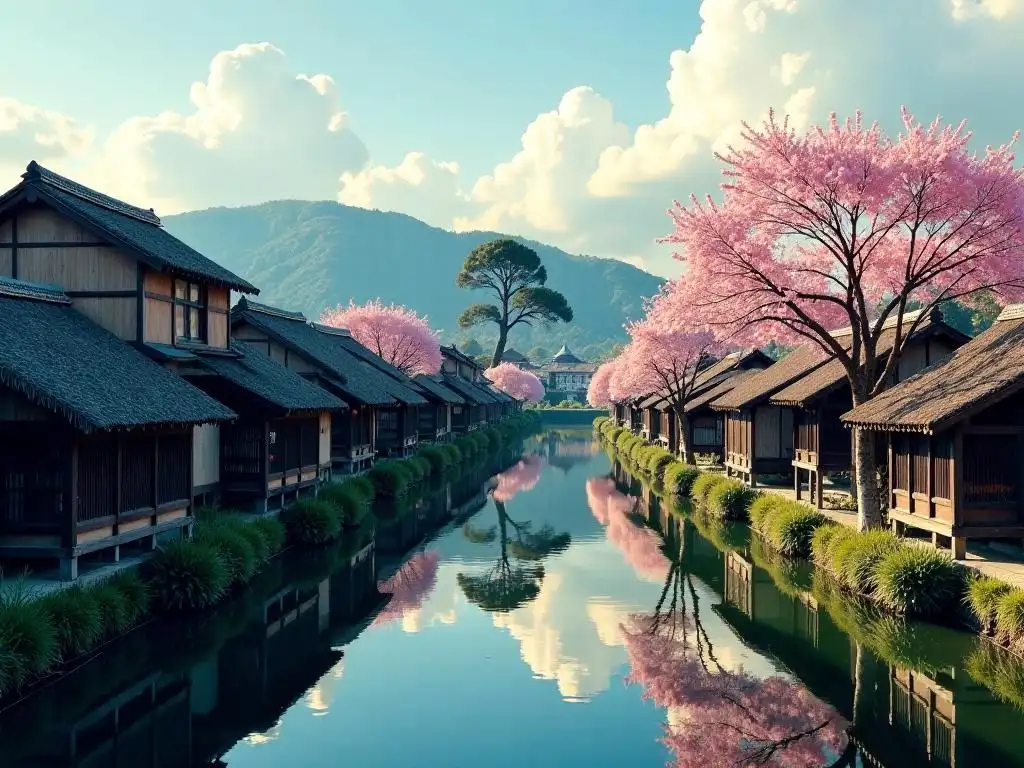
The Sakoku policy of Japan, which spanned from the early 17th century to the mid-19th century, represents one of the most significant examples of isolationism in history. To understand its unique characteristics and outcomes, it is essential to compare it with other isolationist policies around the world. This analysis will focus on the nuances of Japan's Sakoku in relation to European strategies and the broader economic implications that isolationist policies had globally.
Comparison with European Isolationist Strategies
While Japan's Sakoku was marked by strict restrictions on foreign contact, many European nations adopted varying degrees of isolationism at different times, often influenced by political, economic, or social unrest. For instance, Spain during the reign of Philip II implemented policies that limited trade with Protestant nations, reflecting a religiously motivated isolationism. In contrast, Japan's Sakoku was not driven by religious factors but rather by a desire to maintain social order and prevent the influence of Christianity.
Moreover, European isolationist strategies often allowed for certain trade relations, especially with colonies, whereas Japan's Sakoku was far more stringent, permitting only limited contact with the Dutch and Chinese. This resulted in a uniquely insular economy that prioritized self-sufficiency and internal stability, contrasting sharply with the mercantilist approaches of European powers that sought to exploit colonies for economic gain.
Economic Outcomes in Japan vs. Other Nations
The economic outcomes of Sakoku differed significantly from those of other nations that engaged in isolationist policies. In Japan, the restrictions on foreign trade led to the development of a self-sustaining economy characterized by agricultural advancements and artisanal craftsmanship. The limited trade with the Dutch, primarily through the port of Nagasaki, allowed for some influx of foreign ideas and goods, but the overall impact on the economy was a focus on local production and consumption.
Conversely, nations like China during the same period faced economic stagnation due to their isolationist policies, which limited innovation and technological advancement. Japan, through its Sakoku policy, managed to cultivate a unique economic identity that, while isolated, was still able to thrive through internal trade networks and cultural cohesion.
Lessons Learned from Japan's Sakoku Experience
Japan's Sakoku offers several lessons for contemporary economic strategies, particularly regarding the balance between openness and protectionism. One key takeaway is the potential benefits of self-sufficiency in fostering local industries. The Sakoku era saw the rise of Japanese crafts, textiles, and agriculture, which laid the groundwork for a robust economy.
Another lesson is the importance of selective engagement with foreign entities. Japan's limited interaction with the Dutch allowed for controlled exposure to foreign ideas and technology, demonstrating that isolationism does not necessarily equate to total closure but rather can be a strategic choice to maintain cultural integrity while still benefiting from external influences.
Long-Term Economic Effects of Sakoku
The long-term economic effects of the Sakoku policy have shaped Japan's economic landscape well beyond the end of isolationism in 1853. The foundations laid during this period contributed to a distinctive Japanese economy that managed to retain its cultural identity while gradually modernizing.
Transition from Isolationism to Modernization
The transition from Sakoku to modernization was a pivotal moment in Japan's economic history. Following Commodore Perry's arrival in 1853, Japan was forced to open its doors to foreign trade and influence. This transition led to the Meiji Restoration and rapid industrialization, where Japan adopted Western technologies and practices while maintaining core Japanese values.
The economic structures developed during Sakoku provided a unique advantage; Japan had a strong agricultural base and skilled artisans who could adapt to new manufacturing processes. This led to a swift transformation of the economy, allowing Japan to emerge as a formidable industrial power by the early 20th century.
Influence of Sakoku on Japan's Economic Development
Sakoku's influence on Japan's economic development can be seen in various aspects, including the preservation of traditional industries and the promotion of internal trade. The focus on self-sufficiency during the isolationist period fostered a sense of pride in Japanese craftsmanship and agricultural products, which later became key exports in the global market.
Moreover, the cultural and social cohesion established during Sakoku contributed to a workforce that was adaptable and industrious, essential traits as Japan transitioned into a modern economic power. The legacy of Sakoku can also be observed in Japan's approach to globalization, where it leverages its unique cultural identity while engaging with the global economy.
Current Perceptions of Sakoku Economic Impact in Japan
Today, the economic impact of Sakoku is viewed through a multifaceted lens by historians, economists, and the general public. Many perceive it as a double-edged sword: while it allowed Japan to cultivate a strong domestic economy, it also delayed its entry into the global economic arena. This perception is nuanced by the recognition that the skills and industries developed during this period provided a robust foundation for Japan's later economic successes.
In contemporary discussions, Sakoku is often referenced as an example of how isolationism can lead to both positive and negative outcomes. The balance between protecting national interests and engaging with global markets continues to resonate in Japan's current economic policies, reflecting lessons learned from the Sakoku era.
Conclusion: The Legacy of Sakoku on Japan's Economy
The Sakoku period, which lasted from the early 17th century until the mid-19th century, left an indelible mark on Japan's economic landscape. This era of self-imposed isolation not only shaped Japan's internal economic structures but also influenced its interactions with the outside world. By severely restricting foreign trade and promoting domestic industries, Sakoku fostered a unique economic environment characterized by self-sufficiency and local craftsmanship.
The policies enacted during this time laid the groundwork for Japan's economic practices for centuries to come. The legacy of Sakoku can be seen in the strong emphasis on local production and the preservation of traditional crafts, which continue to be celebrated aspects of Japanese culture. Additionally, the limited foreign interaction meant that Japan developed a distinct economic identity, separate from the global trends that were influencing other nations during the same period.
Summary of Key Findings on Sakoku's Economic Impact
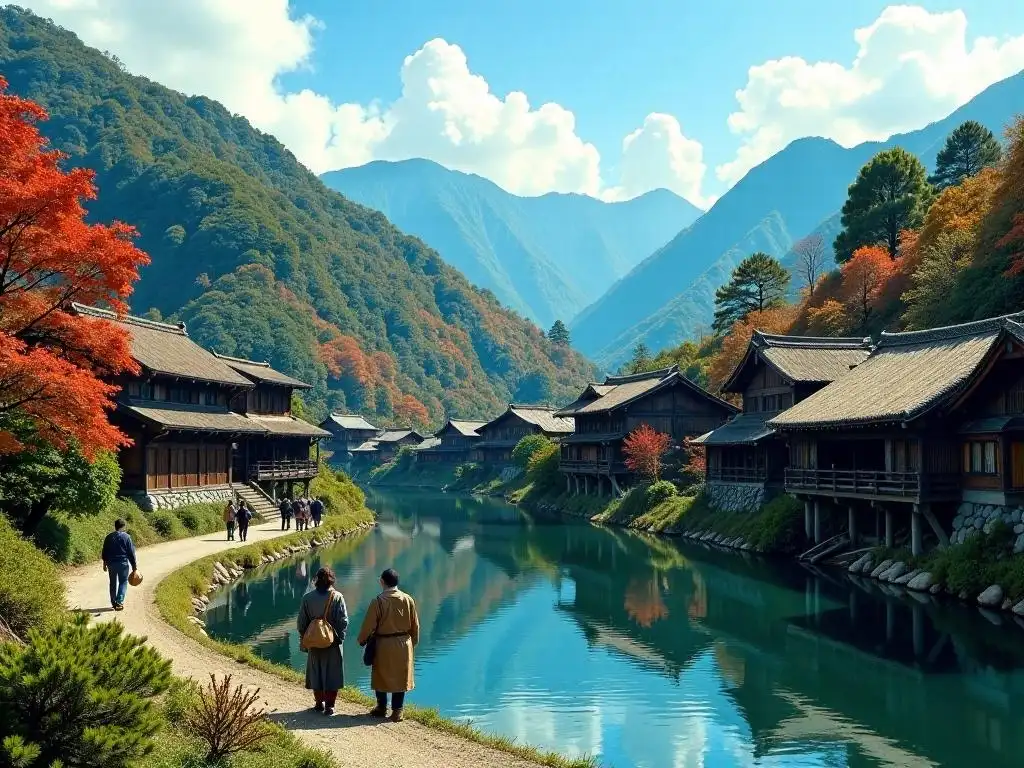
The examination of the Sakoku period reveals several key findings regarding its economic impact on Japan:
- Self-Sufficiency: The isolationist policies led to significant advancements in domestic agriculture and manufacturing. Japan focused on self-reliance, which improved local economies and reduced dependency on foreign goods.
- Trade Limitations: Foreign trade was restricted to specific ports and with certain nations, such as the Dutch and Chinese. This resulted in a controlled economic environment that limited access to foreign markets but also protected domestic businesses from external competition.
- Cultural Preservation: The focus on local industries not only bolstered the economy but also preserved traditional Japanese crafts and techniques. This cultural preservation has had lasting effects on the identity of Japanese society.
- Emergence of a Merchant Class: The Sakoku period saw the rise of a wealthy merchant class, which played a crucial role in the economy despite the restrictions. This class contributed to the development of urban centers and facilitated domestic trade.
Reflection on the Importance of Historical Economic Policies
Understanding the economic policies of the Sakoku era is crucial for grasping the evolution of Japan's economy. Historical policies provide insight into how nations can shape their economic trajectories through deliberate strategies. The isolationist approach of Sakoku illustrates the complexities of balancing protectionism with economic growth.
The implications of these policies extend beyond mere economic statistics; they reflect the values and priorities of a society that sought to maintain control over its cultural and economic identity. By studying such historical economic frameworks, modern policymakers can glean lessons about the potential benefits and drawbacks of similar isolationist or protectionist measures in today's interconnected world.
Future Research Directions on Japan's Economic History under Sakoku
Future research on Japan's economic history during the Sakoku period can take several avenues to deepen the understanding of its impact:
- Comparative Studies: Analyzing the economic outcomes of Sakoku in relation to other nations that adopted similar isolationist policies can provide valuable insights into the effectiveness of such strategies.
- Long-Term Effects: Investigating how the economic structures established during Sakoku influenced Japan's rapid industrialization in the Meiji Restoration can unveil critical transitions in economic thought and practice.
- Cultural Intersections: Exploring the relationship between economic policies and cultural developments during Sakoku can shed light on how economic decisions shaped social norms and artistic expressions.
- Local Economies: Detailed studies of specific regions and their economic adaptations during the Sakoku era could highlight the diversity of experiences and innovations that emerged within Japan's isolated framework.
The Sakoku period serves as a rich field for exploration and understanding of Japan's unique economic history, offering lessons applicable to both historical and contemporary economic policies.
- Introduction to Sakoku and Its Economic Context
- The Framework of Sakoku Policies
- Economic Impacts of Sakoku on Japan
- Cultural and Societal Changes Influenced by Sakoku
- Comparative Analysis: Sakoku vs. Other Isolationist Policies
- Long-Term Economic Effects of Sakoku
- Conclusion: The Legacy of Sakoku on Japan's Economy
- Summary of Key Findings on Sakoku's Economic Impact
- Reflection on the Importance of Historical Economic Policies
- Future Research Directions on Japan's Economic History under Sakoku
Frequently Asked Questions
What was the Sakoku policy?
The Sakoku policy, implemented in the 17th century, was a period of national isolation in Japan that restricted foreign influence and trade, shaping the country's economic landscape.
How did Sakoku affect Japan's economy?
During Sakoku, Japan experienced a unique economic development due to limited foreign trade, promoting domestic industries and creating a self-sufficient economy that thrived on local resources.
What were the main consequences of isolationism in Japan?
The isolationism of Sakoku led to both positive and negative effects, including the protection of traditional culture while also hindering technological advancement and global interaction.
How did trade relations develop during Sakoku?
Even under Sakoku, Japan maintained limited trade with specific countries, such as the Dutch and Chinese, fostering a unique exchange of goods while maintaining overall isolation.
What can we learn from the economic impact of Sakoku today?
The Sakoku era offers insights into how isolationist policies can lead to self-sufficiency and unique economic practices, which can inform contemporary discussions on globalization and national policies.
Final Reflection: The Enduring Legacy of Sakoku's Economic Isolationism
The economic principles established during Japan's Sakoku period continue to resonate in today's globalized world. The unique isolationism that characterized this era not only shaped Japan's internal economy but also laid the groundwork for its eventual emergence as a formidable economic power. The lessons learned from this historical context remind us that sometimes, the most profound growth can arise from periods of seclusion and introspection.
The Sakoku period has left an indelible mark on Japan's cultural and economic landscape, influencing everything from trade practices to societal values. The careful balance of self-sufficiency and selective engagement with the outside world created a distinct economic identity that still informs Japan's approach to globalization today. In times of isolation, we often find the strength to innovate and redefine our paths.
This observation highlights how Japan's historical experience can inspire contemporary societies to reassess their economic strategies in an increasingly interconnected world.
As we reflect on the Sakoku era and its economic impact on Japan, I invite you to consider how isolation can sometimes be a catalyst for growth and innovation in your own life. What lessons can you draw from this period of Japanese history to navigate your personal or professional challenges? Embrace the idea that taking a step back can provide clarity and foster creativity, allowing you to emerge stronger and more focused on your goals. Let the legacy of Sakoku inspire you to find strength in solitude and purpose in your journey.
Unveil the Secrets of Sakoku's Economic Legacy
Thank you for diving into the fascinating world of Japan’s Sakoku period! You've explored how isolationism shaped a unique economic landscape, paving the way for innovation and resilience. Now, it’s time to take that knowledge and put it into action.
Here are some steps you can take to further connect with this remarkable chapter in history:
- Dive Deeper: Explore a variety of books and documentaries on the Sakoku period to enrich your understanding of its broader implications.
- Engage with History: Participate in online forums or social media groups dedicated to feudal Japan to share insights and learn from fellow history enthusiasts.
- Spread the Word: Share this article with friends and family who might find the connections between economics and history as captivating as you do!
What unique lessons do you think modern economies can learn from Japan’s isolationist practices during the Sakoku period?