
The Role of the Samurai in Japan's Isolationist Economy: Guardians of Wealth and Power

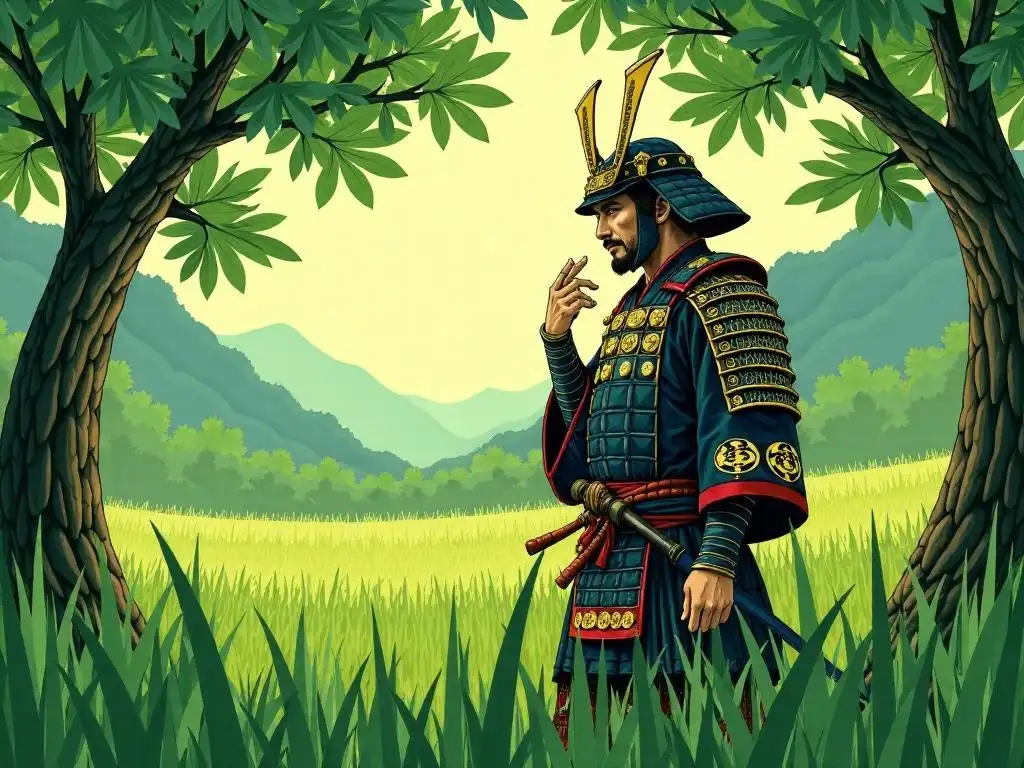
Welcome to Feudal Japan History, where we embark on a captivating journey through the intricate tapestry of Japan’s feudal era. Delve into the fascinating role of the Samurai in Japan's economy, uncovering how these iconic warriors not only safeguarded their clans but also wielded immense influence over wealth and resources. As you explore our expert-driven articles, prepare to challenge your understanding of this pivotal period, where honor and economic power intertwined in extraordinary ways. Join us as we unravel the secrets of the Samurai's impact on Japan’s isolationist economy—your adventure into the past starts here!
Introduction to Samurai and Japan's Isolationist Economy
The samurai were not just warriors in feudal Japan; they were pivotal figures whose influence extended deeply into the economic fabric of the nation, particularly during its isolationist period known as Sakoku. From the 17th to the mid-19th century, Japan adopted a policy of isolation that significantly impacted its economic structure and societal organization.
This era saw the samurai evolve beyond their traditional military roles, becoming instrumental in managing and controlling the wealth of their domains. Understanding the multifaceted role of the samurai during this time provides insights into how these elite warriors contributed to Japan's economy while upholding the principles of loyalty and honor.
Overview of the Samurai Class in Feudal Japan
The samurai class emerged during the late Heian period (794-1185) and became the ruling elite in Japan. Characterized by their strict code of conduct, known as Bushido, samurai were expected to embody virtues such as loyalty, honor, and discipline. Their status was not solely derived from military prowess; they also held significant social and economic power.
- Hierarchy and Structure: The samurai were organized into a well-defined hierarchy, with the daimyōs (feudal lords) at the top, followed by the lower-ranking samurai. This structure allowed for effective governance and resource management.
- Cultural Influence: Besides their military duties, samurai played a crucial role in promoting Japanese culture, arts, and literature, thereby enriching the societal landscape of feudal Japan.
This intricate social standing laid the groundwork for their economic roles during Japan's isolationist policies.
Significance of Japan's Isolationist Policies (Sakoku)
The Sakoku policy, instituted by the Tokugawa shogunate in the early 17th century, effectively closed Japan off from foreign influence for over two centuries. This isolation had profound implications for the economy and the samurai class.
- Economic Autonomy: The isolationist policies fostered a self-sustained economy, compelling local production and trade. The samurai's role became crucial in managing these resources.
- Control Over Trade: While foreign trade was limited, the samurai regulated internal commerce and managed local markets, thus maintaining economic stability within their domains.
As guardians of wealth and power, samurai not only protected the state but also ensured the economic prosperity of their regions.
Purpose of the Article: Exploring the Samurai's Economic Role
This article aims to delve into the diverse economic functions of the samurai during Japan's isolationist era, highlighting their influence on agricultural production, taxation, and military stability. By examining these aspects, we will uncover how the samurai were integral to shaping Japan's economic landscape during a time of significant political and social change.
The Samurai's Economic Functions
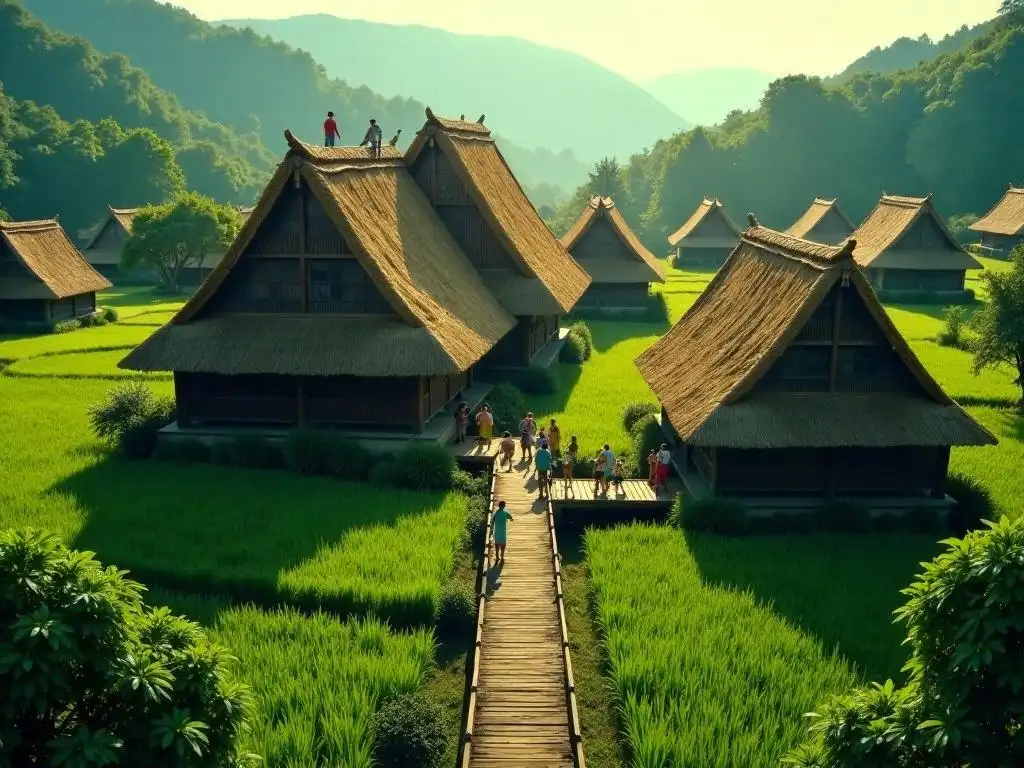
The samurai's role in the economy was multifaceted, encompassing military, agricultural, and fiscal responsibilities that collectively ensured the stability and prosperity of their regions.
Military Role and Its Influence on Economic Stability
The samurai's primary function as warriors directly impacted economic stability. Their military prowess ensured peace within their territories, known as the Pax Tokugawa, which allowed trade and agriculture to flourish.
- Protection of Resources: Samurai maintained order and protected agricultural lands from banditry, ensuring a steady food supply.
- Conflict Resolution: By resolving disputes among peasants and merchants, samurai contributed to a stable economic environment conducive to growth.
Samurai as Landowners: Control Over Agricultural Production
As landowners, samurai held significant sway over agricultural production, which was the backbone of Japan's economy during the isolationist period.
- Land Management: Many samurai were granted lands (known as han) by their daimyōs, allowing them to oversee agricultural activities and ensure productivity.
- Innovations in Agriculture: Samurai often introduced advanced farming techniques, which increased crop yields and bolstered local economies.
Taxation and Revenue Collection: The Samurai's Economic Authority
The samurai's authority extended to taxation, as they were responsible for collecting levies from peasants and managing state revenues.
- Tax System: The samurai enforced a structured tax system that ensured steady income for their daimyōs and the shogunate.
- Economic Disparities: The collection of taxes often led to economic disparities among classes, as the samurai's wealth was directly linked to their control over land and resources.
The samurai were not merely warriors; they were crucial economic players whose roles shaped the prosperity and stability of Japan during its period of isolation. Understanding their contributions provides a deeper insight into the intricate relationship between military power and economic authority in feudal Japan.
The Samurai's Influence on Trade and Commerce
The samurai, traditionally viewed as the military elite of feudal Japan, played a pivotal role in shaping the economic landscape during the country's isolationist period. Their influence extended beyond the battlefield, significantly impacting trade and commerce. As guardians of wealth and power, samurai were entrusted with the regulation and protection of economic activities, ensuring stability and prosperity within their domains.
Regulation of Internal Trade by Samurai Leaders
Samurai leaders, particularly daimyōs (feudal lords), were instrumental in regulating internal trade. They implemented strict policies to control the movement of goods and resources within their territories. This regulation served multiple purposes: it maintained order, prevented the monopolization of resources by rival clans, and ensured that trade benefited the local economy. The samurai often established markets and trade routes, promoting commerce while simultaneously collecting taxes and tributes from merchants.
Moreover, the samurai's involvement in governance allowed them to impose tariffs and regulations that favored their economic interests. This system not only enriched the samurai class but also contributed to the overall economic structure of Japan, creating a system where merchants had to navigate a complex web of samurai-imposed rules to engage in trade.
Samurai Participation in Foreign Trade During Isolation
While Japan was largely isolated from the outside world during the Edo period (1603-1868), the samurai still played a role in limited foreign trade. The Tokugawa shogunate, which ruled during this era, allowed trade with specific countries, notably the Dutch and the Chinese, under strict conditions. Samurai were often appointed as intermediaries or overseers of these trade activities, ensuring that foreign commerce aligned with Japan's isolationist policies.
This limited foreign trade was primarily conducted through the port of Nagasaki, where samurai managed the flow of goods and information. They ensured that foreign merchants adhered to Japanese customs while safeguarding national interests. In this capacity, the samurai helped maintain a balance between isolation and the necessity of foreign goods, which included silk, spices, and other commodities that were not readily available in Japan.
The Role of Samurai in Protecting Economic Interests
The samurai's role as protectors of economic interests cannot be understated. They were responsible for safeguarding the lands and assets of their lords, which included agricultural production, trade routes, and merchant activities. This protective function extended to the enforcement of local laws and the resolution of disputes, which was crucial for maintaining a stable economic environment.
In times of conflict, samurai were tasked with defending their territories from banditry and external threats, ensuring that commerce could continue uninterrupted. Their presence instilled a sense of security that encouraged trade and investment, fostering an environment where economic activities could thrive. As a result, the samurai were not merely warriors; they were essential figures in the economic fabric of feudal Japan.
Cultural Aspects of the Samurai's Economic Influence
The samurai's influence on the economy was deeply intertwined with their cultural values and practices. The ideals of bushido, the way of the warrior, permeated their economic dealings, shaping the ethics of commerce and the patronage of arts and crafts.
The Samurai Code (Bushido) and Its Impact on Economic Ethics
Bushido, the samurai code of conduct, emphasized virtues such as loyalty, honor, and integrity. These principles extended to their economic interactions, fostering a sense of ethical responsibility among samurai. The emphasis on honor meant that samurai were expected to engage in fair trade practices and uphold the dignity of their positions.
This ethical framework influenced the behavior of samurai in their dealings with merchants and craftsmen. It encouraged a sense of social responsibility, where samurai were seen not just as warriors but as custodians of economic morality. This cultural ethos contributed to a more organized and respectful economic environment, paving the way for the development of a merchant class that operated under the scrutiny of samurai oversight.
Patronage of Arts and Crafts: Economic Contributions of Samurai
The samurai also played a significant role in the patronage of arts and crafts, which contributed to the economy in various ways. By sponsoring artisans, craftsmen, and cultural endeavors, they stimulated local economies and cultivated a rich cultural heritage that became synonymous with Japanese identity.
Samurai commissioned elaborate works of art, including textiles, ceramics, and weaponry, which not only served as expressions of status but also drove economic activity in these sectors. This patronage created job opportunities and fostered innovation, as artists and craftsmen sought to meet the high standards set by their samurai patrons. Over time, this interaction between samurai and artisans helped develop a vibrant cultural economy that enriched Japan's feudal society.
The Interplay Between Samurai Culture and Economic Development
The interplay between samurai culture and economic development was complex and multifaceted. As protectors of their domains, samurai ensured the stability necessary for economic growth. Their cultural values influenced not only their own economic practices but also those of the merchant class, contributing to a more structured and ethical market environment.
The samurai’s appreciation for artistry and craftsmanship led to the flourishing of various industries, further embedding economic activities within cultural practices. This symbiotic relationship between culture and economy established a unique framework in which the samurai were not only warriors but also influential figures in Japan's economic evolution during the isolationist era.
The samurai's role in Japan's economy during its isolationist period was marked by their influence on trade and commerce, regulation of economic activities, and cultural patronage. Their contributions were integral to shaping a stable and prosperous economic landscape that allowed feudal Japan to thrive while remaining isolated from much of the world.
Challenges Faced by the Samurai in a Changing Economy
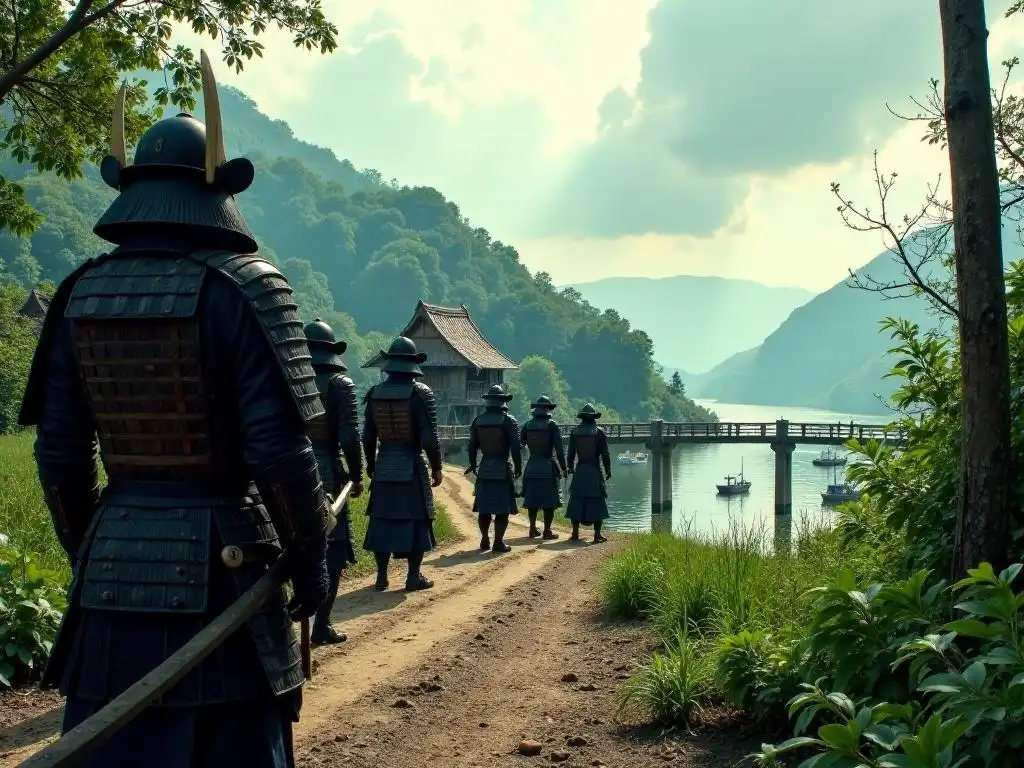
The samurai, once the elite warrior class of feudal Japan, faced numerous challenges as the economy evolved during the Edo period (1603-1868). This era marked a time of relative peace under the Tokugawa shogunate, which shifted the societal structure and economic dynamics. The samurai, traditionally supported by land and military service, found themselves grappling with the implications of a changing economy. Economic stagnation, coupled with the rise of a merchant class, posed significant threats to their status and livelihood.
Economic Decline and the Erosion of Samurai Power
As Japan entered a prolonged period of economic stability, the demand for samurai services dwindled. The once-prominent role of the samurai as military leaders diminished significantly, leading to economic decline. Many samurai relied on stipends from their feudal lords, which became increasingly strained as the economy slowed. The fixed income system failed to keep pace with inflation and rising costs of living, causing financial hardships among samurai households.
Moreover, the lack of military engagement meant that many samurai could not justify their existence in a society that was shifting towards commerce and trade. This erosion of power not only affected individual samurai but also contributed to the overall decline of their class's influence in governance and society. The samurai found themselves in a precarious position, struggling to adapt to an economy that no longer rewarded their traditional roles.
The Impact of Western Influence on Japan's Isolationist Economy
The arrival of Western powers in the mid-19th century drastically altered Japan's isolationist policies and, by extension, the samurai's role in the economy. Commodore Matthew Perry’s expedition in 1853 forced Japan to confront the realities of global trade, leading to the eventual signing of unequal treaties. The influx of foreign goods and ideas challenged the samurai's standing as guardians of wealth, as the economy began to shift towards a more open and competitive market.
The samurai's traditional values clashed with Western notions of commerce, leading to internal conflicts within the class. Many samurai struggled to transition from their roles as warriors to participants in a burgeoning capitalist economy. This cultural clash resulted in a significant reevaluation of the samurai's identity and their place within a rapidly changing society, ultimately leading to a decline in their economic power.
The Transition from Samurai to Merchant Class: Economic Consequences
As the samurai grappled with their diminishing power, many sought alternative means of livelihood, leading to a gradual transition into the merchant class. This shift had profound economic consequences. Some samurai leveraged their education and connections to engage in trade and business, effectively blurring the lines between warrior and merchant. This transition, however, was not universally accepted and often met with resistance from the traditionalist factions within the samurai class.
The rise of the merchant class also altered the economic landscape of Japan. With samurai entering commerce, the dynamics of wealth distribution began to shift, challenging the long-standing social hierarchy. As merchants gained wealth and influence, they began to rival the samurai's traditional status. This economic upheaval contributed to the eventual downfall of the feudal system and set the stage for the Meiji Restoration, where Japan would undergo significant modernization.
Conclusion: The Legacy of the Samurai in Japan's Economic History
Summary of the Samurai's Role in Shaping Japan's Isolationist Economy
The samurai played a crucial role in shaping Japan's isolationist economy, serving as both military protectors and economic stewards during the feudal era. Their influence was rooted in the agrarian economy, where land ownership and military prowess dictated wealth and power. However, as the economy evolved, the samurai faced unprecedented challenges that led to their gradual decline and transformation into a new social class.
Reflection on the Long-Term Impact of Samurai on Japan's Economic Development
The legacy of the samurai extends beyond their immediate economic influence. The transition of samurai into the merchant class laid the foundation for a more dynamic economic system in Japan. Their participation in trade and business contributed to the rise of a capitalist economy, which ultimately played a significant role in Japan's modernization during the late 19th and early 20th centuries. The samurai's legacy can be seen in the cultural values of discipline and loyalty that permeate Japanese business practices today.
Final Thoughts on the Guardianship of Wealth and Power by Samurai
While the samurai once stood as guardians of wealth and power in Japan's feudal society, their inability to adapt to a changing economy led to their decline. The challenges faced by the samurai during Japan's isolationist period highlight the complexities of economic transitions and the necessity of adaptability in the face of change. Their journey from warriors to merchants reflects a significant historical transformation, marking a pivotal point in Japan's economic history that shaped the nation’s future.
References
The study of the samurai's role in Japan's economy during its isolationist period draws from a variety of historical texts, scholarly articles, and expert analyses. These resources provide a comprehensive understanding of how samurai not only influenced military and political landscapes but also played a pivotal role in shaping economic practices and systems. Here, we compile essential references that can enhance your understanding of this complex subject.
Suggested Reading on Samurai and Economic History
-
"Samurai and the Economic History of Japan" by Thomas W. Lentz
This book delves into the intricate relationship between the samurai class and the economic structures of feudal Japan, exploring how their social status influenced trade, agriculture, and taxation.
-
"The Way of the Samurai: Economic Power and Cultural Identity in Feudal Japan" by Hiroshi Nakano
Nakano examines the dual nature of the samurai as both warriors and landowners, highlighting how their economic interests shaped Japan’s isolationist policies.
-
"Warriors of the Rising Sun: The Samurai and their Role in Japan's Economic Development" by Elizabeth Lee
This work discusses the transition of the samurai from a purely military class to one that played a crucial role in economic governance and land management during the Edo period.
-
"Feudal Japan: The Samurai and Their Economic Impact" by Brian H. Henson
Henson's analysis focuses on the samurai's influence on local economies, particularly in terms of agricultural production and resource management.
-
"The Samurai's Contribution to Japanese Economic Isolation" by Masahiro Oda
Oda outlines how the samurai's military obligations and land ownership affected Japan's trade policies and economic isolation during the Tokugawa shogunate.
Historical Texts and Sources on Japan's Isolationist Policies
-
"The Tokugawa Shogunate: A Historical Overview" by John M. Williams
This text provides a detailed account of the Tokugawa shogunate’s policies, including the rationale behind Japan's seclusion and the samurai’s role in enforcing these policies.
-
"Isolation and Change in Tokugawa Japan" by Takashi Yoshida
Yoshida’s work discusses the socio-economic impacts of Japan's isolationist policies, with specific focus on how the samurai navigated these changes and influenced economic practices.
-
"The Closed Country Edict of 1635: Historical Context and Impact"
This primary source document outlines the restrictions placed on foreign interaction and trade, revealing the samurai's role in upholding these edicts.
-
"Economic Policies of the Tokugawa Shogunate: A Study of Feudal Japan" by Yuki Tanaka
Tanaka analyzes the economic strategies employed during the Tokugawa period, highlighting the samurai's influence on agricultural production and local governance.
-
"The Samurai in Japanese Society: Historical Perspectives" by Kazuo Yamamoto
This collection of essays explores various aspects of samurai life, including their economic roles, social status, and contributions to Japan’s isolationist framework.
These references collectively provide a rich tapestry of information that illustrates the complex interactions between samurai, economy, and Japan's isolationist policies, enabling readers to gain a more profound understanding of this critical period in Japanese history.
- Introduction to Samurai and Japan's Isolationist Economy
- Overview of the Samurai Class in Feudal Japan
- Significance of Japan's Isolationist Policies (Sakoku)
- Purpose of the Article: Exploring the Samurai's Economic Role
- The Samurai's Economic Functions
- The Samurai's Influence on Trade and Commerce
- Cultural Aspects of the Samurai's Economic Influence
- Challenges Faced by the Samurai in a Changing Economy
- Conclusion: The Legacy of the Samurai in Japan's Economic History
- References
- What was the primary role of the samurai in Japan's economy during the feudal era?
- How did the isolationist policies of Japan impact the samurai class?
- In what ways did the samurai contribute to the wealth of their regions?
- How did the samurai's role evolve with Japan's shift towards modernization?
- What cultural aspects influenced the economic practices of the samurai?
Frequently Asked Questions
What was the primary role of the samurai in Japan's economy during the feudal era?
The samurai served as military leaders and landowners, managing agricultural production and collecting taxes, which were vital for the economy's stability.
How did the isolationist policies of Japan impact the samurai class?
During the isolationist period, the samurai became increasingly involved in local governance and economic management, ensuring the prosperity of their domains while limiting foreign influence.
In what ways did the samurai contribute to the wealth of their regions?
The samurai facilitated trade, protected agricultural lands, and enforced laws, which collectively helped to increase productivity and generate wealth for their territories.
How did the samurai's role evolve with Japan's shift towards modernization?
As Japan modernized, the samurai transitioned from warriors to bureaucrats, adapting their skills to support a more industrialized and commercial economy.
What cultural aspects influenced the economic practices of the samurai?
The samurai were guided by principles of honor and loyalty, which shaped their approach to land management, trade, and interactions with the peasantry, promoting a sense of stewardship in their economic activities.
Final Reflection: The Enduring Legacy of the Samurai in Japan's Economy
The role of the samurai in Japan's economy is not merely a historical footnote; it is a profound testament to how societal structures can shape wealth and power dynamics. As we navigate the complexities of modern economies, the lessons from the samurai era resonate deeply, reminding us that the guardians of wealth were also the architects of a unique isolationist economy that prioritized stability and control. This historical perspective invites us to reconsider how power and responsibility intertwine in our contemporary world.
Cultural and social landscapes are often shaped by the legacies of those who came before us, and the samurai's influence is no exception. Their commitment to duty and honor not only fortified Japan's economic foundations but also established a framework for governance that echoes in today's societal values. As we reflect on their impact, we are reminded of the words of historian John W. Hall: The samurai were not just warriors; they were the custodians of a way of life that emphasized loyalty, discipline, and the pursuit of excellence.
This enduring ethos continues to inspire modern leaders and citizens alike, as we strive for integrity and purpose in our own endeavors.
As you ponder the intricate relationship between the samurai and Japan's economy, consider how these historical lessons can inform your personal and professional life. Embrace the values of dedication, responsibility, and strategic thinking that the samurai exemplified. In a world that often prioritizes speed and efficiency, let us take a moment to reflect on the importance of building a legacy rooted in honor and stewardship. By doing so, we can contribute to a more balanced and equitable future, echoing the wisdom of those who shaped Japan's past.
Unleash Your Inner Samurai: Embrace the Lessons of Isolation!
Thank you for taking the time to delve into the fascinating role of the samurai in Japan's isolationist economy! Your interest in this rich history not only broadens your perspective but also empowers you to draw connections to modern values of **discipline**, **loyalty**, and **community**. Now, let’s build on that knowledge and take inspired action!
- Explore deeper: Visit our extensive resources on samurai culture by diving into related articles on the economy during feudal Japan.
- Join the conversation: Share your thoughts with others who are interested in this topic by commenting below or discussing it within your social circles.
- Practice discipline: Implement a daily routine of reflection—whether through journaling or meditation—that mirrors the samurai’s commitment to self-mastery.
As you reflect on these actions, consider this: How can the values upheld by the samurai influence your approach to modern challenges? We're eager to hear your insights!