
How Tokugawa Trade Regulations Affected International Relations and Commerce


Welcome to Feudal Japan History, where we embark on a captivating journey through the intricate tapestry of Japan’s feudal era. Prepare to delve deep into the Tokugawa trade regulations impact—a pivotal theme that shaped international relations and commerce during this transformative period. How did these regulations alter the course of economic history? Join us as we unravel the complexities of trade, diplomacy, and culture that defined an era, igniting your curiosity to explore the nuances of a time that still resonates today. Your adventure into the heart of feudal Japan starts here!
- Introduction to Tokugawa Trade Regulations
- Historical Context of Tokugawa Trade Regulations
- Key Tokugawa Trade Regulations
- Tokugawa Trade Regulations Impact on International Relations
- Impact on Domestic Commerce in Japan
- The Long-Term Effects of Tokugawa Trade Regulations
- Conclusion: The Enduring Impact of Tokugawa Trade Regulations
-
Frequently Asked Questions
- What were the Tokugawa trade regulations?
- How did the Tokugawa trade regulations impact international relations?
- What were the economic effects of Tokugawa trade regulations?
- Did the Tokugawa trade regulations affect cultural exchange?
- What were the long-term consequences of the Tokugawa trade regulations?
- Final Reflection: The Enduring Impact of Tokugawa Trade Regulations
- Unveil the Secrets of Tokugawa Trade!
Introduction to Tokugawa Trade Regulations
The Tokugawa Shogunate, which ruled Japan from 1603 to 1868, established a period of relative peace and stability known as the Edo period. During this time, the shogunate implemented a series of trade regulations that significantly shaped Japan's international relations and commerce.
Understanding the Tokugawa trade regulations impact is crucial for grasping the complexities of feudal Japan's economic policies and their long-lasting implications on global interactions. This article delves into the intricate web of regulations that governed trade, the motivations behind these policies, and their effects on domestic and international relations, setting the stage for a comprehensive exploration of Japan's economic history during the Tokugawa era.
Overview of the Tokugawa Shogunate
The Tokugawa Shogunate was established by Tokugawa Ieyasu after his victory at the Battle of Sekigahara in 1600. It marked the beginning of a centralized feudal system in Japan, characterized by a strict hierarchy and a focus on stability. The shogunate maintained control over the daimyō (feudal lords) through a system of alternate attendance, which required them to spend every other year in the capital, Edo (modern-day Tokyo). This system not only curtailed the power of the daimyō but also fostered economic growth and cultural development in the region.
Key features of the Tokugawa Shogunate include:
- Political Stability: The shogunate's policies led to over two centuries of peace, known as the Pax Tokugawa.
- Cultural Flourishing: The Edo period saw the rise of distinctive Japanese arts, literature, and theater, contributing to a rich cultural heritage.
- Economic Regulation: The shogunate implemented strict regulation of commerce and trade, limiting foreign influence and prioritizing domestic interests.
Significance of Trade Regulations in Feudal Japan
The trade regulations instituted by the Tokugawa government profoundly impacted Japan's economy and its relations with other nations. These regulations were rooted in a desire to control foreign influence and maintain social order within Japan. Here are some key aspects of their significance:
- Isolationist Policies: The shogunate promoted a policy of sakoku (closed country), which severely restricted foreign trade and interactions. Only select foreign entities, such as the Dutch and Chinese, were allowed to engage in limited trade, primarily at the port of Nagasaki. This isolation helped preserve Japanese culture and prevent the spread of foreign ideologies, particularly Christianity.
- Regulation of Domestic Economy: The shogunate imposed strict controls on the flow of goods, including rice, textiles, and manufactured products. By regulating prices and trade routes, the government aimed to stabilize the economy and ensure that wealth remained within the country.
- Impact on International Relations: The limited scope of foreign trade led to strained relations with Western powers, particularly as global trade dynamics evolved in the 19th century. The shogunate's reluctance to engage with foreign nations ultimately contributed to the pressures that led to the Meiji Restoration in 1868.
The Tokugawa trade regulations shaped not only Japan's internal economic landscape but also its interactions with the wider world, laying the groundwork for understanding the complexities of feudal Japan's economic history.
Historical Context of Tokugawa Trade Regulations

The Tokugawa shogunate, established in 1603, marked a significant turning point in Japan’s history, particularly in the realm of trade and international relations. This period, lasting until the Meiji Restoration in 1868, was characterized by a rigid social structure, isolationist policies, and a focus on internal stability. Understanding the historical context of the Tokugawa trade regulations requires an exploration of the formation of the Tokugawa shogunate and the economic conditions that preceded its establishment.
The Formation of the Tokugawa Shogunate
The Tokugawa shogunate emerged from the turbulent Sengoku period, a time of civil wars and power struggles among feudal lords (daimyōs). Following the unification of Japan under Tokugawa Ieyasu after the Battle of Sekigahara in 1600, the shogunate sought to consolidate power and maintain peace. The establishment of the shogunate led to the following key developments in trade policy:
- Centralization of Power: The Tokugawa regime implemented strict governance to control both political factions and trade practices. This consolidation allowed for the creation of a controlled economic environment where the shogunate had significant influence over foreign trade.
- Sakoku Policy: One of the most defining aspects of Tokugawa rule was the sakoku (鎖国) policy, which literally translates to “locked country.” This policy, enacted in the 1630s, severely restricted foreign relations and trade, limiting interactions primarily to the Dutch and Chinese, thus isolating Japan from the broader global trade networks.
- Regulation of Domestic Trade: The shogunate also enforced regulations on domestic trade practices, leading to the establishment of a more organized market system that benefited the ruling class while stifling foreign competition.
The formation of the Tokugawa shogunate laid the groundwork for the trade regulations that would significantly impact Japan’s international relations and economic landscape.
Economic Conditions in Japan Prior to Tokugawa Rule
Before the Tokugawa shogunate, Japan's economy was characterized by a fragmented feudal system, where power was decentralized among various daimyōs. Some factors that influenced economic conditions prior to Tokugawa rule include:
- Warring States Period: The Sengoku period was marked by constant warfare, which disrupted trade routes and led to economic instability. The lack of a unified government hindered the development of a cohesive economic policy.
- Emergence of Merchant Class: Despite the chaos, a merchant class began to emerge during this period. Local economies became increasingly interconnected, and trade flourished in certain regions, especially where daimyōs promoted commerce to finance their military campaigns.
- Cultural Exchange: Prior to the Tokugawa era, Japan experienced significant cultural and technological exchanges with foreign traders, particularly the Portuguese and Spanish. This contact introduced new goods, ideas, and technologies, which would later be curtailed under the Tokugawa trade regulations.
- Agricultural Base: The economy was primarily agrarian, with rice serving as both a staple food and a medium of exchange. The lack of diversification in the economy posed challenges for trade when the Tokugawa shogunate sought to limit foreign influence.
The economic conditions prior to the Tokugawa rule, combined with the political upheaval of the Sengoku period, created a backdrop against which the Tokugawa trade regulations would develop. These regulations would not only affect Japan's international relations but also reshape its economic landscape for centuries to come.
Key Tokugawa Trade Regulations
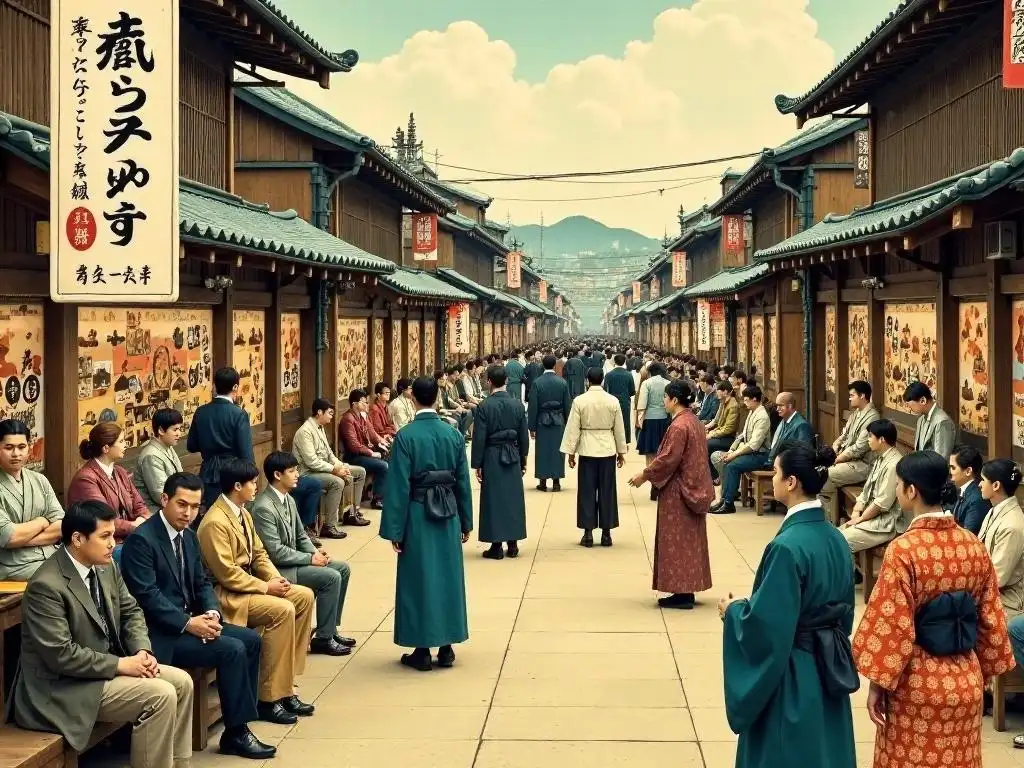
The Tokugawa shogunate, which ruled Japan from 1603 to 1868, implemented a series of trade regulations that profoundly affected the nation's international relations and commerce. These regulations were largely driven by a desire to consolidate power, maintain social order, and protect Japanese culture from foreign influences. Understanding the key Tokugawa trade regulations is crucial to comprehending their impact on Japan's economic landscape and interactions with the outside world.
The Sakoku Policy: Isolation or Protection?
One of the most significant elements of Tokugawa trade regulations was the Sakoku (鎖国) policy, which translates to "locked country." Established in the 1630s, Sakoku effectively closed Japan off from most foreign nations for over two centuries. This policy restricted foreign contact and trade to a select few countries, namely the Netherlands and China, while expelling others, such as the Portuguese and Spanish.
The motivations behind the Sakoku policy were multifaceted:
- Political Control: The Tokugawa shogunate aimed to eliminate the influence of foreign powers, particularly European missionaries and traders, which they viewed as a threat to their authority.
- Cultural Preservation: By limiting exposure to foreign cultures, the shogunate sought to protect the unique identity of Japan and maintain the existing social order.
- Economic Strategy: The shogunate believed that restricting trade would lead to a self-sufficient economy, minimizing the risks associated with foreign dependency.
While some viewed the Sakoku policy as a necessary measure for national safety, critics argue it stunted Japan's technological and cultural development during this period.
Trade Restrictions and Their Justifications
The Tokugawa shogunate introduced several trade restrictions that aimed to control commerce and maintain stability within Japan. These restrictions can be categorized into three primary areas:
- Limitation of Foreign Trade:
- The shogunate allowed only select foreign traders, such as the Dutch and Chinese, to operate in designated ports like Nagasaki.
- All trade was heavily monitored, and foreign merchants were required to follow strict guidelines to prevent the spread of foreign ideologies.
- Regulations on Domestic Commerce:
- Local merchants faced limitations on the types of goods they could trade, with an emphasis on staple items such as rice and textiles.
- The government imposed tariffs and taxes on various goods, creating a controlled economic environment.
- Prohibition of Certain Activities:
- Activities deemed disruptive to social harmony, such as the spread of Christianity, were strictly forbidden.
- The shogunate also banned the export of certain commodities, particularly those that might enhance foreign military capabilities.
These trade restrictions were justified by the Tokugawa leaders as necessary for maintaining order and stability within the country. However, they also had significant consequences for Japan's international relations, limiting engagement with other nations and hindering diplomatic opportunities.
Licensing Systems for Foreign Trade
To manage foreign trade effectively, the Tokugawa shogunate implemented a complex licensing system. This system served various purposes:
- Controlled Commerce: Licenses were required for foreign traders to operate in Japan, ensuring that only approved parties could engage in trade. This control allowed the shogunate to monitor and regulate trade practices closely.
- Economic Oversight: By issuing licenses, the government could track the flow of goods and currency, thus preventing smuggling and black-market activities.
- Regulated Foreign Interactions: Foreign merchants had to adhere to specific guidelines regarding their conduct and the types of goods they could trade, which limited the potential for cultural exchange and influence.
The licensing system reflected the shogunate's desire to create a structured and predictable trading environment while simultaneously protecting Japanese interests. This regulatory framework, however, also contributed to a stagnant economy, as it dampened innovation and competition within the trade sector.
The Tokugawa trade regulations impact was profound and multifaceted. Through policies like Sakoku, trade restrictions, and a licensing system, the shogunate shaped Japan's economic and international landscape, leading to a period of relative isolation that would last until the mid-19th century.
Tokugawa Trade Regulations Impact on International Relations

The Tokugawa shogunate, which ruled Japan from 1603 to 1868, implemented a series of trade regulations that profoundly influenced the nation’s international relations and commerce. These regulations were primarily designed to control foreign interactions, maintain social order, and protect Japan from perceived external threats. The impact of these regulations extended beyond mere economic control; they shaped diplomatic relationships, trade practices, and cultural exchanges during the period.
Effects on Japan's Foreign Relations with European Powers
The Tokugawa trade regulations resulted in a complex relationship between Japan and European powers, particularly during the early years of the shogunate. Initially, the Portuguese and Spanish were prominent players in the East Asian trade, introducing Christianity and foreign goods to Japan. However, as the Tokugawa regime solidified its power, it became increasingly wary of foreign influence, particularly religious and political.
- Isolationist Policies: The shogunate implemented the Sakoku (closed country) policy in the 1630s, which effectively isolated Japan from most of the world. This policy prohibited Japanese citizens from traveling abroad and restricted foreign influence. The only exception was the Dutch, who were allowed to trade at the port of Nagasaki under strict regulations.
- Limited Trade with the Portuguese and Spanish: The Tokugawa government expelled Portuguese traders and banned Christianity, associating it with colonial ambitions. The Spanish were similarly restricted, leading to a significant decline in trade and diplomatic relations with these nations.
- Impact on European Diplomacy: The isolationist stance alienated powerful European nations, which sought to expand their trade networks. The lack of diplomatic engagement meant that Japan missed out on potential alliances and economic opportunities with these nations during a period of global expansion.
The Role of Dutch Trade in Japan
The Dutch East India Company (VOC) became the sole European trader permitted to engage with Japan under the Tokugawa regime. This unique position allowed the Dutch to play a crucial role in Japan's foreign trade and information exchange.
- Economic Influence: The Dutch were instrumental in introducing Western technology, scientific knowledge, and cultural concepts to Japan. Their presence at the Dejima island trading post allowed them to act as intermediaries between Japan and the West, influencing Japanese commerce and thought.
- Cultural Exchange: The Dutch trade brought with it not only goods but also cultural ideas. The term "Rangaku" (Dutch learning) refers to the study of Western science and technology that emerged from this interaction. This exchange ultimately laid the groundwork for Japan's later modernization efforts in the 19th century.
- Regulatory Framework: The Tokugawa shogunate maintained strict control over Dutch trading practices, ensuring that all interactions aligned with Japan’s isolationist policies. This allowed the shogunate to benefit from foreign trade while minimizing external influence.
Interactions with Neighboring Asian Countries
While the Tokugawa trade regulations largely restricted foreign interactions, Japan maintained limited but significant relations with its Asian neighbors, particularly Korea and China.
- Trade with Korea: The Tokugawa period saw the continuation of trade relations with Korea through the Tsushima domain, which acted as a broker. This relationship was characterized by both diplomatic exchanges and commerce, though it was conducted under strict oversight to prevent cultural contamination.
- Engagement with China: Trade with China flourished, particularly through the port of Nagasaki. The Chinese were allowed to trade in silk, porcelain, and other goods, fulfilling Japan’s demand for luxury items. Despite the strict regulations, this interaction was vital for Japan’s economy.
- Cultural Influences: Chinese culture significantly impacted Japanese society during the Tokugawa era, influencing art, philosophy, and governance. The trade routes established under the shogunate facilitated the exchange of not only goods but also cultural practices and ideas.
The Tokugawa trade regulations had a profound impact on Japan’s international relations. While they led to isolation from many European powers, the strategic allowance of Dutch trade and interactions with neighboring Asian countries shaped Japan's economic landscape and cultural development during the feudal era.
Impact on Domestic Commerce in Japan
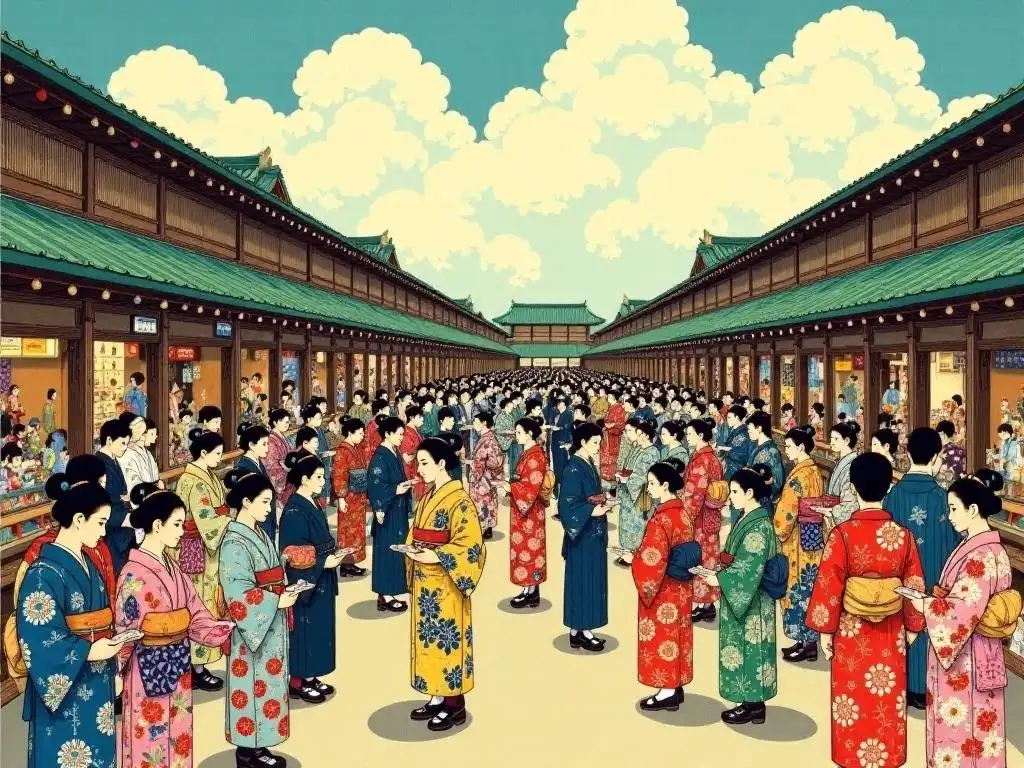
Changes in Internal Trade Dynamics
The Tokugawa shogunate, established in the early 17th century, implemented a series of trade regulations that fundamentally transformed internal commerce in Japan. One of the primary objectives of these regulations was to create a stable and self-sufficient economy, which led to significant changes in trade dynamics across the nation.
-
Standardization of Weights and Measures:
To facilitate smoother transactions, the Tokugawa government standardized weights and measures. This was crucial for ensuring fairness in trade, allowing merchants to engage in commerce with confidence that they were receiving a fair deal.
-
Development of Transport Infrastructure:
The Tokugawa period saw the improvement of roads and waterways, making it easier for goods to move between regions. The creation of the Tokaido Road, for instance, linked the capital Edo (modern-day Tokyo) with Kyoto, enabling a vibrant exchange of goods and culture.
-
Regulation of Goods:
Specific regulations governed the trade of certain commodities, such as rice, which served as both a staple food and a form of currency. The daimyo (feudal lords) were required to maintain granaries, and rice was often used to pay samurai salaries, intertwining the economy with the feudal system.
These changes fostered a more interconnected domestic market, ultimately leading to increased economic activity and greater prosperity for many regions.
Growth of Regional Markets under Tokugawa Regulations
The Tokugawa trade regulations had a profound impact on the growth of regional markets. As internal trade flourished, several key factors contributed to the establishment and expansion of these markets:
-
Local Fairs and Markets:
The Tokugawa shogunate encouraged the establishment of local fairs and markets, which became vital hubs for trade. These gatherings allowed farmers, craftsmen, and merchants to sell their products and services directly to consumers, facilitating local economies.
-
Rise of Han (Domain) Economies:
Each han developed its commercial policies, leading to the emergence of unique regional markets. For example, the Kanto region became known for its rice trade, while Osaka developed into a major financial center, often referred to as the "Kitchen of Japan."
-
Increased Mobility of Merchants:
With improved infrastructure and the rise of merchant guilds, traders could travel more freely across domains. This mobility not only enhanced trade but also promoted cultural exchanges, enriching the local markets with diverse goods and ideas.
The result was a vibrant network of regional markets that contributed to the overall economic stability of Japan during the Tokugawa era.
The Emergence of a Merchant Class
As internal commerce thrived under Tokugawa regulations, a new merchant class began to emerge, significantly influencing Japan's socio-economic landscape. This merchant class, often referred to as chōnin, played a crucial role in the nation's economy, and their rise can be attributed to several key factors:
-
Increased Wealth and Influence:
As trade flourished, successful merchants accumulated wealth, allowing them to gain social status and political influence. Many merchants invested in land and businesses, further solidifying their economic power.
-
Cultural Contributions:
The merchant class not only focused on commerce but also contributed to cultural developments. They became patrons of the arts, supporting kabuki theater, ukiyo-e painting, and literature, which flourished during this period.
-
Emergence of Consumer Culture:
With greater disposable income, the chōnin class spurred a consumer culture characterized by the demand for luxury goods and services. This shift not only changed spending habits but also influenced production techniques, as artisans began to cater to the tastes of affluent merchants.
The Tokugawa trade regulations not only stabilized and regulated commerce but also laid the foundation for the rise of a dynamic merchant class that would shape Japan's economic future. Their influence marked the transition from a feudal economy to one increasingly driven by market principles, setting the stage for Japan's modernization in the subsequent centuries.
The Long-Term Effects of Tokugawa Trade Regulations
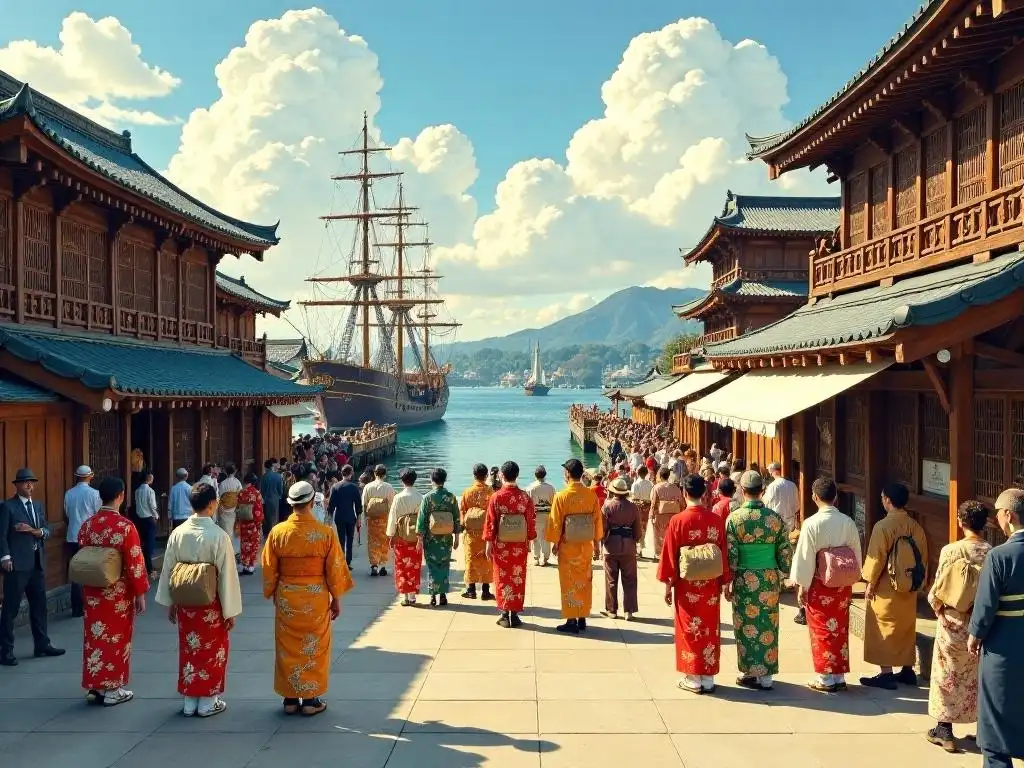
The Tokugawa Shogunate's trade regulations, primarily enacted between the early 17th century and the mid-19th century, had profound and lasting effects on Japan’s international relations and commerce. These regulations, designed to control foreign influence and maintain domestic stability, shaped not only the economic landscape of Japan during the feudal era but also laid the groundwork for future economic policies and international interactions.
Legacy of Trade Policies in Post-Tokugawa Japan
The aftermath of the Tokugawa period saw Japan transitioning from isolationism to a more open engagement with the global economy. The trade policies established during the Tokugawa era created a legacy that influenced Japan's economic activities well into the Meiji Restoration and beyond.
- Protectionist Measures: The Tokugawa Shogunate implemented strict guidelines that regulated foreign trade and limited the number of ports open to international commerce. This protectionism, while aimed at preserving Japanese culture and security, resulted in a significant delay in technological and industrial advancements compared to Western nations.
- Cultural Exchanges: Despite the restrictions, the limited foreign interactions that did occur fostered a unique blend of cultural exchanges. For instance, the Dutch were allowed to trade through Nagasaki, which led to the introduction of Western science and technology, influencing Japanese education and medicine.
- Economic Structures: The trade regulations established a framework that prioritized domestic over foreign markets. This focus on local production and self-sufficiency would later inform Japan’s industrial policies, particularly during the Meiji period when the nation sought to modernize and compete internationally.
Influence on Modern Japanese Economic Policies
The impact of the Tokugawa trade regulations can still be observed in Japan's contemporary economic strategies. The historical context provided by these regulations has shaped modern economic policies in several key ways:
- Trade Agreements: Modern Japan continues to engage in carefully negotiated trade agreements, often reflecting the cautious approach of the Tokugawa era. The emphasis on protecting domestic industries while gradually opening markets is a strategy that echoes Tokugawa principles.
- Cultural Sensitivity in Trade: The historical experiences of isolation and selective engagement have made Japanese policymakers particularly sensitive to cultural considerations in trade. This is evident in Japan's approach to international business, emphasizing respectful partnerships and mutual benefit.
- Technological Development: The Tokugawa period's limited exposure to foreign technologies cultivated a strong domestic innovation culture. Today, Japan’s commitment to research and development can be traced back to a historical need to catch up with Western advancements while fostering indigenous growth.
Lessons from Tokugawa Trade Regulations in Contemporary Context
Examining the Tokugawa trade regulations presents valuable lessons for modern economies navigating the complexities of globalization.
- Balancing Protectionism and Openness: The Tokugawa experience illustrates the importance of finding a balance between protecting local industries and embracing global trade. Current challenges, such as trade wars and economic nationalism, highlight the need for careful policy design that considers both local economic health and international competitiveness.
- Cultural Engagement: The selective nature of Tokugawa trade policies underscores the significance of cultural understanding in international commerce. As businesses today expand globally, fostering cultural sensitivity can enhance cooperation and lead to more productive economic relationships.
- Adaptability to Change: The Tokugawa Shogunate’s eventual shift towards limited foreign engagement serves as a reminder of the necessity for adaptability in economic policies. Nations must be willing to evolve their strategies in response to changing global dynamics, ensuring sustainable growth and development.
The Tokugawa trade regulations profoundly influenced Japan’s economic landscape and international relations, with effects still felt today. By analyzing these historical policies, contemporary policymakers can glean insights that inform their approaches to trade, culture, and economic development.
Conclusion: The Enduring Impact of Tokugawa Trade Regulations
Summary of Key Findings
The Tokugawa shogunate, which ruled Japan from 1603 to 1868, implemented a series of trade regulations that profoundly influenced international relations and commerce. These regulations aimed to stabilize the economy, control foreign influence, and maintain social order. Here are the key findings:
- Isolationist Policies: The shogunate enforced sakoku (closed country) policies, limiting foreign trade primarily to the Dutch and Chinese. This isolationism restricted the flow of foreign ideas and goods, fostering a unique Japanese culture but also hindering technological advancement.
- Regulated Trade: Trade was meticulously regulated through a system of licenses and permits. Only designated ports, such as Nagasaki, were allowed to engage in foreign commerce. This control enabled the Tokugawa government to monitor and manage economic activities effectively.
- Economic Impact: The regulations led to the development of a domestic market and the rise of merchant classes, especially in urban areas. While this bolstered the Japanese economy, it also created disparities that would later contribute to social tensions.
- Cultural Exchange: Despite isolation, limited trade with foreign entities introduced new ideas, technologies, and commodities. This exchange influenced Japanese art, science, and cuisine, albeit in a controlled manner, reflecting the shogunate's cautious approach to foreign influence.
- International Relations: The strict trade regulations shaped Japan's foreign relations, establishing a balance between openness and protectionism. The shogunate's preference for limited interaction with the West delayed Japan's exposure to Western imperialism until the mid-19th century.
Final Thoughts on Tokugawa Trade Regulations Impact
The impact of Tokugawa trade regulations is a testament to the delicate balance between control and openness that characterized Japan's feudal era. While these regulations successfully maintained stability and order within Japan, they also inadvertently positioned the country for significant challenges in the face of increasing global interactions in the late 19th century.
As Japan began to emerge from isolation, the foundational economic structures established during the Tokugawa period played a crucial role in shaping its modernization efforts. The lessons from the Tokugawa trade regulations serve as a reminder of the complexities involved in international relations and commerce, highlighting how policies can have lasting effects on a nation's trajectory.
The Tokugawa trade regulations not only influenced Japan's internal socio-economic landscape but also set the stage for its eventual reintegration into the global economy. Understanding these historical frameworks is essential for comprehending Japan's economic evolution and its current position in international affairs.
Frequently Asked Questions
What were the Tokugawa trade regulations?
The Tokugawa trade regulations were a series of laws implemented during the Edo period (1603-1868) to control foreign trade and limit contact with outside nations, primarily to maintain social order and political stability.
How did the Tokugawa trade regulations impact international relations?
The regulations significantly restricted foreign influence, leading to a period of isolation known as sakoku, where Japan limited interactions primarily to the Dutch and Chinese, which affected diplomatic relations with other countries.
What were the economic effects of Tokugawa trade regulations?
These regulations led to a monopolization of trade by the government, which affected local economies and created a trade imbalance, limiting Japan's access to foreign goods and technologies.
Did the Tokugawa trade regulations affect cultural exchange?
Yes, by limiting foreign interactions, the regulations curtailed cultural exchange, resulting in a unique development of Japanese culture that was insulated from many Western influences until the Meiji Restoration.
What were the long-term consequences of the Tokugawa trade regulations?
The long-term consequences included a period of economic stagnation, the rise of internal commerce, and ultimately, a vulnerability that led to Japan's rapid modernization and opening to the world in the late 19th century.
Final Reflection: The Enduring Impact of Tokugawa Trade Regulations
The legacy of the Tokugawa trade regulations is not merely a historical footnote; it is a powerful reminder of how trade policies can shape international relations and commerce. In today's globalized world, where trade agreements and regulations continue to influence diplomatic ties and economic landscapes, understanding the implications of the Tokugawa era offers invaluable insights. The careful balance of isolation and engagement during this period serves as a striking example of how nations navigate the complexities of commerce and cultural exchange.
The influence of Tokugawa trade regulations resonates deeply within our contemporary cultural and social frameworks. The restrictions and policies enacted during this time not only shaped Japan's interactions with foreign nations but also laid the groundwork for future diplomatic strategies. As we reflect on this historical context, we can appreciate the intricate dance of cooperation and competition that defines our current global economy. Trade is not just about goods; it is about relationships and the power dynamics that underpin them.
This quote encapsulates the essence of how trade regulations can impact not only commerce but the very fabric of international relations.
As we look to the future, I invite you to consider the lessons learned from the Tokugawa trade regulations and their impact on our modern world. How can we apply these insights to foster better international relationships and promote fair trade practices today? Reflect on the importance of balancing national interests with global cooperation, and let this historical perspective inspire you to engage thoughtfully in the ongoing dialogue about trade and diplomacy. Your actions and decisions can contribute to a more interconnected and harmonious world, echoing the lessons of the past as we navigate the complexities of the future.
Unveil the Secrets of Tokugawa Trade!
Thank you for diving into the transformative world of Tokugawa trade regulations! You've gained valuable insights into how these regulations shaped international relations and commerce during a pivotal time in Japanese history. Now, it's time to put this knowledge into action!
Here are a few ways you can further explore and engage with this fascinating topic:
- Dive Deeper: Research the specific trade routes established during the Tokugawa shogunate and discover their impact on global commerce.
- Join the Conversation: Share your thoughts and findings about Tokugawa trade on social media or in forums—your insights could spark interesting discussions!
- Explore Related Topics: Investigate how these trade regulations influenced other countries' approaches to commerce and diplomacy during the same period.
What intriguing connections do you believe exist between Tokugawa trade regulations and modern international trade practices? Let's discuss!