
The Rise and Fall of the Sakoku Policy: Trade Isolation in Feudal Japan

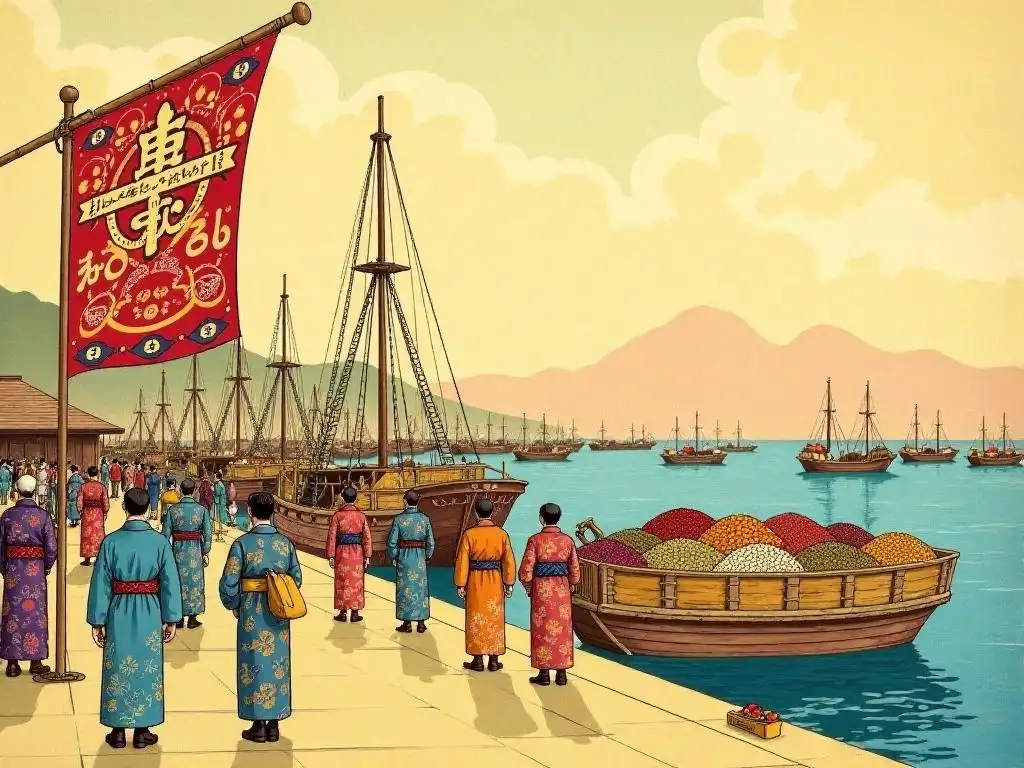
Welcome to Feudal Japan History, where we invite you to embark on a captivating journey through the intricate tapestry of Japan’s feudal era. In our featured article, "The Rise and Fall of the Sakoku Policy: Trade Isolation in Feudal Japan," we delve into the profound effects of the Sakoku policy on Japan, uncovering how this era of trade isolation shaped the nation's economic landscape and cultural identity.
Prepare to be intrigued as we unravel the complexities of a time when the nation turned inward, sparking questions about the balance between tradition and foreign influence. Join us as we explore the depths of this pivotal chapter in history, igniting your curiosity and inspiring a deeper understanding of Japan’s rich heritage.
Introduction to the Sakoku Policy
The Sakoku policy, which translates to "locked country," represents a pivotal chapter in Japan's feudal history. Enforced during the Edo period (1603-1868), this isolationist policy profoundly shaped Japan's economic, cultural, and political landscape. By systematically restricting foreign interactions and trade, the Sakoku policy sought to preserve Japan's sovereignty, maintain social order, and protect its cultural integrity from foreign influences. This article delves into the multifaceted effects of the Sakoku policy on Japan, exploring its historical roots, motivations, and the eventual consequences of this significant era of trade isolation.
Overview of the Sakoku Policy
The Sakoku policy was officially established in 1635 under the Tokugawa shogunate, marking the beginning of a long period of enforced isolation. The policy primarily aimed to:
- Restrict Foreign Trade: Foreign trade was limited to specific ports, notably Nagasaki, where only the Dutch and Chinese were allowed to engage in commerce.
- Limit Foreign Influence: The influx of Christian missionaries and Western ideas was curtailed to prevent the disruption of the Japanese social order.
- Promote National Unity: By isolating Japan from external influences, the policy aimed to strengthen the Tokugawa regime and promote a sense of national identity.
This isolation lasted for over two centuries, during which Japan developed its domestic economy and culture largely free from foreign intervention.
Historical Context of Japan’s Isolationist Era
The roots of the Sakoku policy can be traced back to the tumultuous Sengoku period, a time of civil war and political fragmentation. Following the unification of Japan under Tokugawa Ieyasu, the new shogunate sought to stabilize the country and prevent the chaos of previous decades. Key historical factors contributing to the Sakoku policy include:
- The Rise of Christianity: The arrival of European missionaries and the subsequent conversion of many Japanese to Christianity raised concerns about loyalty and allegiance to the shogunate.
- Increasing Western Influence: European powers were expanding their influence in Asia, prompting Japanese leaders to fear colonization and loss of sovereignty.
- Internal Stability: The Tokugawa shogunate aimed to consolidate power and maintain peace, making isolation a strategic choice to control the populace and prevent rebellion.
The Genesis of the Sakoku Policy
Political Motivations Behind the Sakoku Policy
The political landscape of early 17th century Japan was fraught with instability and the looming threat of foreign intervention. The Tokugawa shogunate enforced the Sakoku policy driven by several political motivations:
- Centralization of Power: By limiting foreign trade and influence, the shogunate could maintain tighter control over Japanese feudal lords (daimyōs) and prevent them from forging alliances with foreign powers.
- Prevention of Civil Unrest: The shogunate feared that foreign ideas and religions could incite rebellion, thus fostering a more homogenous society aligned with Tokugawa values.
- Strengthening National Sovereignty: The isolationist approach was seen as a means to protect Japan from the imperial ambitions of Western nations.
Religious Influences and Foreign Relations
Religion played a significant role in shaping the Sakoku policy, particularly the threat posed by Christianity. The following factors highlight the religious influences that contributed to Japan's isolation:
- Suppression of Christianity: The shogunate viewed Christianity as a destabilizing force that could undermine the traditional social order. The expulsion of missionaries and the persecution of converts were key measures taken to eliminate this threat.
- Limited Diplomatic Engagements: Japan's diplomatic relations were carefully controlled, with only minimal engagement allowed with select countries. This strategy aimed to manage foreign influence and maintain religious and cultural homogeneity.
Through this comprehensive exploration, we can better understand the complex layers of the Sakoku policy and its profound effects on Japan's historical trajectory.
Implementation of the Sakoku Policy
The Sakoku policy, formally enacted in 1635, marked a significant turning point in Japan's history, leading to over two centuries of self-imposed isolation. This policy was primarily driven by the Tokugawa Shogunate, which sought to maintain internal stability and prevent foreign influence, particularly from European powers and Christianity. The implementation of Sakoku involved a series of regulations that restricted foreign engagement, trade, and the movement of Japanese citizens abroad.
To establish a cohesive framework for isolation, the Tokugawa Shogunate closed the borders to most foreign nations while allowing limited trade with specific countries. This policy was deeply rooted in the shogunate's fears of civil unrest and the destabilizing effects of foreign ideologies. Consequently, Japanese nationals were forbidden to leave the country, and those who attempted to return after traveling abroad faced severe penalties, including execution.
Key Regulations and Restrictions
The Sakoku policy was characterized by stringent regulations that dictated how foreign trade was conducted and which foreign entities were permitted access to Japan. The following key regulations illustrate the intensity of these restrictions:
- Limited Trade Partners: The Dutch and Chinese were the only nations allowed to trade with Japan, with the Dutch being confined to a small trading post on the artificial island of Dejima in Nagasaki.
- Prohibition of Christianity: The shogunate banned Christianity and persecuted practitioners, viewing the religion as a potential threat to social order and loyalty to the state.
- Control of Information: The importation of foreign books and ideas was heavily censored to prevent the spread of foreign influence that could challenge the shogunate's authority.
- Restrictions on Travel: Japanese citizens were not permitted to travel abroad, effectively severing ties with foreign cultures and economies.
These regulations were strictly enforced through a network of local officials and samurai, ensuring that Japan remained insulated from external influences.
The Role of the Tokugawa Shogunate in Enforcing Isolation
The Tokugawa Shogunate played a crucial role in the enforcement of the Sakoku policy, utilizing a combination of military power, legal frameworks, and social structures to maintain control over the population. The shogunate's commitment to isolation was evident in its establishment of a centralized bureaucratic system, which enabled efficient monitoring of trade and movement.
- Military Presence: The shogunate stationed samurai and troops in strategic locations to deter potential uprisings and enforce compliance with isolationist policies.
- Legal Enforcement: Severe legal repercussions, including death penalties for violators, were implemented to dissuade citizens from engaging in overseas trade or harboring foreign ideas.
- Surveillance and Informants: The shogunate employed informants to report suspicious activities, ensuring that any attempts to undermine the isolationist policies could be swiftly dealt with.
Through these measures, the Tokugawa Shogunate created a highly controlled environment that prioritized stability and order over foreign engagement.
Economic Impacts of the Sakoku Policy on Japan
The Sakoku policy had profound economic implications for Japan, both positive and negative. While it succeeded in maintaining internal peace and stability for an extended period, it also hindered Japan's economic development and adaptability to global market changes.
Trade Limitations and Their Effects on Domestic Economy
The restrictions on trade significantly hampered Japan's economic growth. With limited access to foreign goods and technologies, Japanese industries struggled to innovate and compete. The following points highlight the economic effects of these trade limitations:
- Stagnation of Technology: Without exposure to foreign technologies and ideas, Japan's technological advancement lagged, particularly in areas such as agriculture and manufacturing.
- Dependence on Domestic Production: As foreign imports dwindled, Japan relied heavily on domestic production, leading to inefficiencies in various sectors.
- Inflation and Economic Disparity: The restricted trade led to inflation in certain goods, as scarcity drove prices up. This economic disparity created tensions between different social classes, particularly between urban merchants and rural farmers.
The overall effect was a largely stagnant economy that struggled to modernize in the face of rapid changes occurring outside its borders.
The Growth of Black Markets and Smuggling
The rigid enforcement of the Sakoku policy gave rise to clandestine operations and black markets as individuals sought to bypass restrictions. This underground economy became a significant aspect of Japan's trade landscape during the isolation period:
- Illegal Trade Routes: Smugglers developed complex networks to transport banned goods, often utilizing remote coastal areas and islands to evade detection.
- Cultural Exchange: Despite official policies, these illicit activities facilitated a limited exchange of ideas and goods, subtly influencing Japanese culture and practices.
- Government Crackdowns: The shogunate frequently responded to these black market activities with crackdowns, leading to a cycle of suppression and resurgence of smuggling operations.
The existence of these black markets illustrated the inherent contradictions of the Sakoku policy, revealing the persistent human desire for connection and trade despite official restrictions.
Cultural Consequences of Trade Isolation
The Sakoku policy, enacted during the Edo period (1603-1868), profoundly influenced Japanese culture due to its stringent trade restrictions and limited foreign interaction. This isolationist approach not only shaped the country's political landscape but also transformed its cultural fabric. With foreign ideas and influences largely cut off, Japan developed a distinctive cultural identity that was both rich and insular.
Changes in Japanese Culture Due to Limited Foreign Interaction
The limited foreign interaction during the Sakoku era meant that Japan cultivated its own traditions, customs, and practices without the external influences that typically shape societies. This resulted in:
- Preservation of Indigenous Practices: Traditional arts such as tea ceremonies, flower arranging (ikebana), and calligraphy flourished, as there was little pressure to adapt to foreign styles.
- Culinary Developments: Japanese cuisine evolved in unique ways, with a focus on local ingredients and techniques. Dishes like sushi and ramen became staples, rooted in regional practices.
- Religion and Spirituality: Shinto and Buddhism remained the dominant religions, with minimal influence from Christianity or other foreign belief systems, allowing for the development of uniquely Japanese spiritual practices.
The isolation fostered a sense of national pride and self-sufficiency, which was reflected in various cultural forms. However, it also led to a certain stagnation, as the absence of new ideas limited intellectual and artistic innovation.
The Impact on Art, Literature, and Philosophy
The arts during the Sakoku period experienced a distinctive evolution characterized by traditional themes and styles. Key impacts included:
- Artistic Expression: The ukiyo-e woodblock printing emerged as a prominent art form, reflecting the beauty of everyday life and landscapes in Japan. Artists like Hokusai and Hiroshige gained fame during this time.
- Literary Works: The isolation led to the development of unique literary genres, such as the haiku, which emphasized brevity and nature. Writers like Matsuo Bashō are celebrated for their contributions to this literary form.
- Philosophical Developments: The decline in foreign philosophical influences allowed for the rise of native thought systems, such as Kokugaku (National Learning), which emphasized the study of Japanese classical literature and culture.
Overall, while the Sakoku policy provided a protective barrier for Japanese culture, it also limited the dynamism typically associated with cross-cultural exchanges. This duality of preservation and stagnation characterizes the era's cultural landscape.
The Decline of the Sakoku Policy
The Sakoku policy began to falter in the mid-19th century due to various external pressures that prompted a reassessment of Japan's isolationist stance. These pressures were multifaceted, involving military, economic, and diplomatic challenges.
External Pressures Leading to Policy Reassessment
Several factors contributed to the growing awareness among Japanese leaders that the Sakoku policy was unsustainable:
- Western Imperialism: The aggressive expansion of Western powers highlighted Japan's vulnerability. Countries like Britain and France were increasingly interested in establishing trade relations, and their military might underscored the consequences of isolation.
- Economic Needs: As Japan’s economy began to modernize, there was a growing need for foreign goods, technology, and markets. The limitations imposed by the Sakoku policy hindered Japan’s economic development.
- Domestic Unrest: Economic hardships and societal changes led to discontent among various classes within Japan. This internal strife created a push for reform and modernization, making the status quo untenable.
These external pressures culminated in a broader discourse within Japan regarding the need to engage with the outside world, ultimately leading to a reevaluation of the national policy.
The Arrival of Commodore Perry and the Opening of Japan
A pivotal moment in the decline of the Sakoku policy occurred with the arrival of Commodore Matthew Perry in 1853. His expedition, which included a show of military force, aimed to establish trade relations between the United States and Japan. Key events included:
- The Treaty of Kanagawa (1854): Following Perry’s visit, Japan signed this treaty, which marked the end of its isolationist policies. It opened two ports to American ships and initiated trade, setting a precedent for other Western nations.
- Impact on Japanese Society: The opening of Japan led to significant changes within society, as exposure to Western ideas, technology, and culture began to permeate Japanese life. This sparked a wave of modernization efforts, including the Meiji Restoration in 1868, which aimed to strengthen and industrialize Japan.
The arrival of Perry and the subsequent treaties marked the end of the Sakoku policy, ushering in a new era of Japanese engagement with the world and dramatically altering the trajectory of its economic and cultural development.
Sakoku Policy Effects on Japan: A Comprehensive Analysis
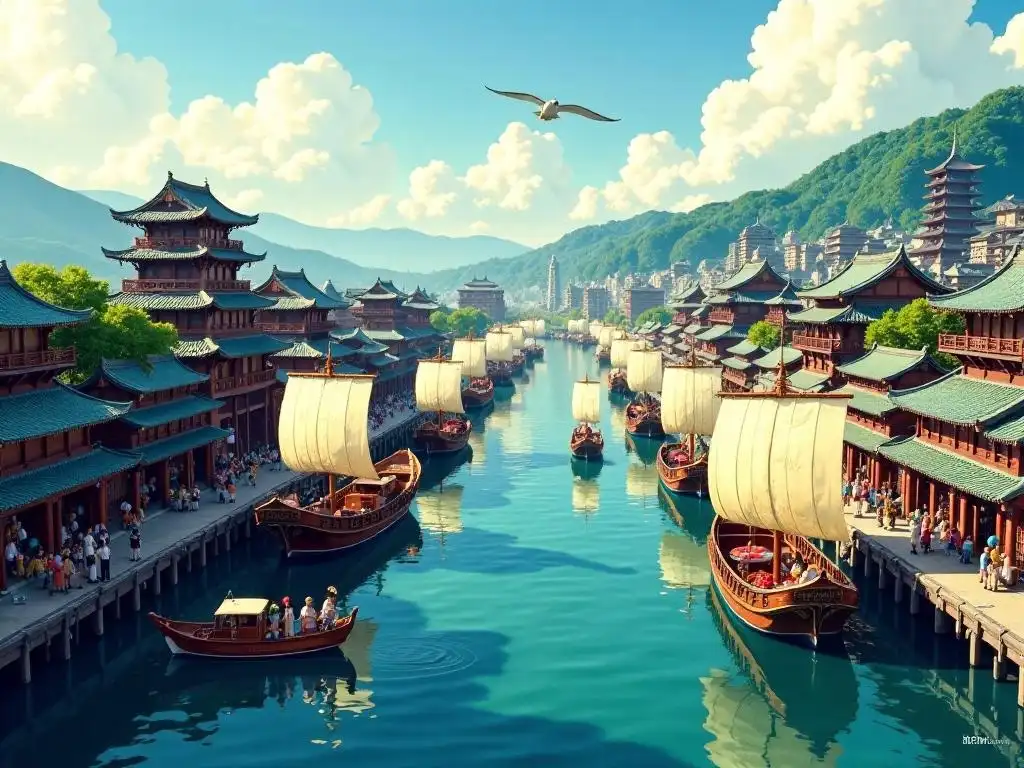
The Sakoku policy, enacted during the Edo period (1603-1868), profoundly influenced Japan's economic, social, and political landscape. Officially, this policy aimed to eliminate foreign influence by restricting trade to a few designated ports and limiting interactions with outsiders. While it succeeded in maintaining a degree of stability and cultural cohesion during its implementation, the long-term effects of this isolationist strategy have sparked extensive debate among historians and economists.
The Sakoku policy’s effects on Japan can be categorized into long-term economic impacts, significant social changes following the policy's end, and the legacy that continues to shape modern Japan. Understanding these dimensions provides insight into how Japan transitioned from a period of isolation to a contemporary global power.
Long-term Economic Effects of Isolationism
The long-term economic effects of the Sakoku policy are both complex and multifaceted. While the policy initially fostered a sense of self-sufficiency, it ultimately stunted Japan's economic development in several key areas:
- Trade Limitations: By restricting trade primarily to the Dutch and the Chinese, Japan missed out on technological advancements and goods from other nations. This limited exposure hindered industrial growth and innovation compared to Western nations during the Industrial Revolution.
- Market Stagnation: The lack of foreign competition led to market stagnation. Japanese artisans and merchants, while skilled, faced few incentives to improve their products or practices, resulting in a less dynamic economy.
- Agricultural Focus: The isolationist policies favored agrarian practices over industrial ones, which created a society heavily reliant on agriculture. This focus limited urbanization and the development of a diverse economy that could adapt to changing conditions.
- Economic Disparities: While some regions prospered due to local trade, others suffered from isolation. The economic divide between urban and rural areas widened, leading to social unrest and dissatisfaction that would later contribute to the Meiji Restoration.
Despite these challenges, the Sakoku policy also allowed Japan to cultivate a unique cultural and economic identity that would later facilitate its transition into a modern state after the end of isolation.
Social Changes Post-Sakoku Era
The social landscape of Japan underwent significant transformations following the dissolution of the Sakoku policy. As Japan opened its borders in the mid-19th century, several social changes emerged:
- Cultural Exchange: The influx of foreign ideas, customs, and technologies led to a cultural renaissance in Japan. This exposure introduced Western education, science, and philosophies that would reshape Japanese society.
- Class Mobility: The rigid class structures of the Edo period began to shift, allowing for greater social mobility. As new industries emerged, individuals from lower classes could rise economically and socially, challenging the traditional samurai and merchant hierarchies.
- National Identity: The end of the Sakoku policy sparked the development of a national identity that focused on modernization and unity. Japan began to see itself as a player on the global stage, leading to increased nationalism.
- Urbanization: With the growth of trade and industry, cities expanded rapidly. Urban centers became melting pots of culture, commerce, and innovation, altering the social fabric of Japan and leading to new lifestyles and social norms.
These social changes laid the groundwork for Japan's rapid modernization during the Meiji Restoration, where the nation sought to catch up with Western powers.
Legacy of the Sakoku Policy in Modern Japan
The legacy of the Sakoku policy is evident in various aspects of contemporary Japanese society. While the policy is often viewed as a period of stagnation, its impact on modern Japan cannot be overlooked.
How Historical Isolation Shapes Contemporary Japan
Japan's historical experience with isolation has shaped its contemporary identity in several ways:
- Cultural Preservation: The Sakoku policy allowed Japan to preserve its unique cultural heritage, including language, arts, and traditions, which continue to thrive today. This cultural richness often draws international interest and tourism.
- Cautious International Relations: Japan’s historical isolation has contributed to a cautious approach in its foreign relations. The nation tends to prioritize stability and harmony, values deeply rooted in its past, while navigating complex global dynamics.
- Economic Resilience: The lessons learned from the isolationist period have fostered a resilient economy that values innovation and adaptability. Japan continues to emphasize self-reliance while engaging in global trade, balancing the need for international collaboration with national interests.
Lessons Learned from the Sakoku Policy
The Sakoku policy offers several valuable lessons that resonate in today’s globalized world:
- Balance of Openness and Protection: The importance of finding a balance between embracing global trade and protecting cultural identity is a crucial takeaway. Countries can learn from Japan’s experience in managing the impacts of globalization while maintaining their unique heritage.
- Adaptation to Change: Japan’s transition from isolation to modernization illustrates the necessity of adaptability in the face of changing global dynamics. Societies must be willing to evolve and innovate to thrive in a competitive world.
- Impact of Isolation: The long-term effects of isolationist policies can be profound, affecting not just the economy but also social structures and cultural identity. Policymakers should consider these ramifications when implementing restrictive trade practices.
The Sakoku policy's effects on Japan are far-reaching, contributing to the nation’s unique identity while also presenting challenges that shaped its path toward modernization. Understanding these dynamics is essential for grasping the complexities of Japan’s historical and contemporary landscape.
Conclusion
The Sakoku policy, implemented during the Edo period, significantly influenced Japan's historical trajectory. This period of enforced isolation not only shaped the nation's internal dynamics but also had profound implications for its international relations and economic development. As we examine the rise and fall of the Sakoku policy, it's essential to recognize its multifaceted effects on Japan's society, culture, and economy.
Summarizing the Sakoku Policy's Rise and Fall
The Sakoku policy was established in the early 17th century under the Tokugawa shogunate, aiming to protect Japan from foreign influences and maintain social order. Initially, it effectively limited foreign trade to specific Dutch and Chinese merchants in designated areas, particularly Nagasaki. This isolationist approach fostered a sense of cultural uniqueness and stability within Japan, allowing the nation to develop its own identity, arts, and philosophy.
However, by the mid-19th century, the policy began to unravel due to several internal and external pressures. The arrival of Commodore Perry in 1853, along with the growing encroachments of Western powers, forced Japan to reconsider its isolationist stance. The subsequent treaties, often termed "unequal," opened Japan to foreign trade and influence, leading to a rapid transformation in its economy and society. The fall of the Sakoku policy marked the end of feudal Japan and the beginning of the Meiji Restoration, which propelled Japan into a new era of modernization and industrialization.
Reflecting on the Impact of Trade Isolation in Japan’s Economic History
The trade isolation imposed by the Sakoku policy had significant long-term effects on Japan's economy. While the policy initially safeguarded Japanese culture and social structures, it also hindered technological advancement and economic diversification. The restrictions led to a reliance on domestic resources, which, while fostering certain industries, limited Japan's engagement with global economic developments.
Moreover, the isolation created a unique environment for domestic trade and commerce to flourish. Local markets thrived, and regional economies developed independently, which later contributed to a more robust economic framework during the Meiji period. However, the abrupt transition from isolation to engagement with the global economy introduced challenges, including the need to rapidly adopt Western technologies and industrial practices.
The Sakoku policy serves as a critical lens through which to understand Japan's economic history. Its rise and fall encapsulate the delicate balance between cultural preservation and economic development, highlighting the complexities inherent in Japan’s journey from a feudal society to a modern state. As we reflect on this period, it becomes clear that the effects of the Sakoku policy continue to resonate in contemporary discussions about Japan's identity and economic strategies.
- Introduction to the Sakoku Policy
- The Genesis of the Sakoku Policy
- Implementation of the Sakoku Policy
- Key Regulations and Restrictions
- The Role of the Tokugawa Shogunate in Enforcing Isolation
- Economic Impacts of the Sakoku Policy on Japan
- Cultural Consequences of Trade Isolation
- The Decline of the Sakoku Policy
- Sakoku Policy Effects on Japan: A Comprehensive Analysis
- Legacy of the Sakoku Policy in Modern Japan
- Conclusion
Frequently Asked Questions
What was the Sakoku policy in Feudal Japan?
The Sakoku policy was an isolationist policy implemented in the 17th century that restricted foreign influence and trade, allowing only limited interactions with select countries.
How did the Sakoku policy impact trade?
The Sakoku policy significantly limited foreign trade, leading to a focus on domestic production, but also stunted technological and cultural exchange with other nations.
What were the cultural effects of the Sakoku policy?
The cultural effects included a preservation of Japanese traditions and customs, as well as the development of unique art forms, while also creating a sense of national identity.
Did the Sakoku policy affect Japan’s economy?
Yes, the Sakoku policy had mixed effects on Japan's economy; while it promoted self-sufficiency, it also hindered access to foreign goods and innovations, impacting overall economic growth.
What eventually led to the end of the Sakoku policy?
The Sakoku policy ended in the mid-19th century due to internal pressures for modernization and external pressures from Western nations seeking trade, notably marked by the arrival of Commodore Perry in 1853.
Final Reflection: Understanding the Sakoku Policy's Lasting Impact on Japan
The Sakoku policy serves as a profound reminder of how isolation can shape a nation's identity and trajectory. In today's interconnected world, the lessons from Japan's trade isolation resonate more than ever, highlighting the delicate balance between embracing global influences and preserving cultural integrity. The rise and fall of the Sakoku policy not only transformed Japan's economy and society during the Edo period but also set the stage for the nation's eventual emergence as a global power.
The effects of the Sakoku policy continue to influence Japan's cultural and social landscape, reminding us of the complexities of national identity in a globalized world. The isolationist stance fostered a unique cultural evolution, allowing Japan to develop distinct traditions and practices that remain influential today. As historian John W. Hall noted, The Sakoku policy was not merely a barrier; it was a crucible that forged a unique Japanese identity.
This observation underscores how the policy's legacy persists, shaping contemporary discussions about cultural preservation and globalization.
As we reflect on the Sakoku policy and its effects on Japan, let us consider our own relationship with isolation and openness. How can we learn from Japan's historical experience to navigate our own cultural landscapes? I invite you to explore the balance between embracing diversity and honoring your roots, recognizing that both can coexist harmoniously. By understanding the past, we can forge a future that respects our heritage while remaining open to the world around us.
Uncover the Legacy: Take Action to Explore Feudal Japan!
Thank you for taking the time to delve into the fascinating journey of Japan's Sakoku policy! You've gained insight into the intricate balance between isolation and trade that shaped a nation. Now, let’s continue to explore the rich history of Feudal Japan together.
Here are some powerful steps you can take right now:
- Dive Deeper: Visit our interactive timeline of Feudal Japan to witness key events surrounding the Sakoku policy and its impact on trade.
- Join the Conversation: Share your thoughts and questions in the comments below—what aspect of Japan’s trade history fascinates you the most?
- Spread the Knowledge: Share this article with a friend who enjoys history and spark a discussion about the effects of isolation on culture!
Which part of Japan’s transformative journey through isolation and trade intrigues you the most, and how do you think it has shaped modern Japanese culture?