
The Significance of Trade Fairs in Fostering Economic Growth

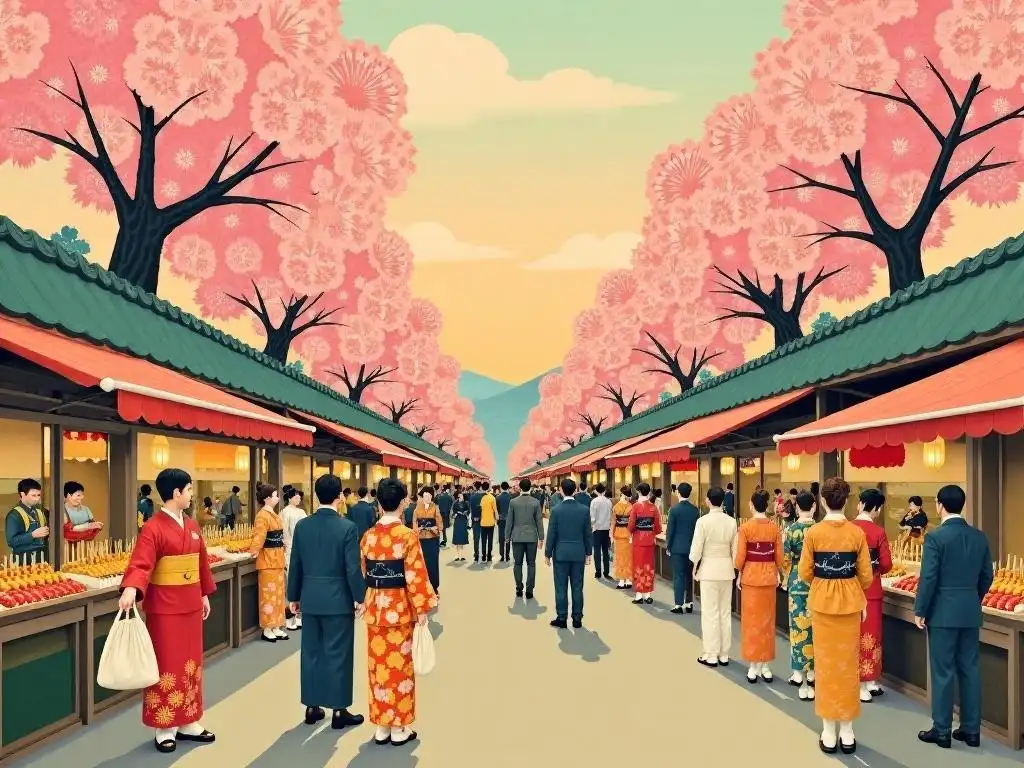
Welcome to Feudal Japan History, where we invite you to embark on a captivating journey through the intricate tapestry of Japan's feudal era. Discover the significance of trade fairs in feudal Japan—a fascinating yet often overlooked aspect that played a crucial role in fostering economic growth during this dynamic period. What were these bustling markets like, and how did they shape the society and culture of the time? Join us as we delve deeper into this intriguing subject, unraveling the threads of history that connect commerce, culture, and community. Your exploration begins now!
-
The Significance of Trade Fairs in Fostering Economic Growth in Feudal Japan
- Introduction to Trade Fairs in Feudal Japan
- The Role of Trade Fairs in Economic Development
- Key Features of Trade Fairs in Feudal Japan
- Types of Goods and Services Offered at Trade Fairs
- Notable Locations for Trade Fairs in Feudal Japan
- Cultural Significance of Trade Fairs Beyond Economics
- The Social and Political Aspects of Trade Fairs
- Challenges Faced by Trade Fairs in Feudal Japan
- Case Studies of Notable Trade Fairs in Feudal Japan
- Conclusion: The Lasting Impact of Trade Fairs on Japan's Economic History
- Frequently Asked Questions
- Final Reflection: The Enduring Legacy of Trade Fairs in Economic Growth
- Unleash Opportunities: Engage with Trade Fairs Today!
The Significance of Trade Fairs in Fostering Economic Growth in Feudal Japan
Introduction to Trade Fairs in Feudal Japan
Trade fairs in feudal Japan played a pivotal role in shaping the economic landscape of the era, serving as vibrant marketplaces that facilitated the exchange of goods, ideas, and cultures. These fairs not only fostered economic growth but also strengthened social ties and regional identities. As Japan transitioned through various periods of its feudal history, trade fairs became essential venues for merchants, craftsmen, and samurai, who sought to engage in commerce and showcase their products. Understanding the significance of these trade fairs allows us to appreciate their multifaceted contributions to the development of feudal Japan's economy and society.
Definition and Overview of Trade Fairs
Trade fairs can be defined as organized events where merchants, vendors, and artisans gather to buy, sell, and exchange goods. In the context of feudal Japan, these fairs were characterized by their seasonal occurrence and were often held at significant market towns or pilgrimage sites. The fairs attracted not only local traders but also visitors from distant provinces, leading to a dynamic exchange of commodities such as rice, textiles, ceramics, and tools.
- Key Features of Trade Fairs:
- Seasonal Timing: Many fairs coincided with agricultural cycles, maximizing participation.
- Diverse Offerings: Goods ranged from everyday necessities to luxury items.
- Cultural Exchange: Fairs facilitated interactions among different cultural groups, enhancing social cohesion.
Historical Context of Trade Fairs in Japan's Feudal Era
The historical backdrop of trade fairs in feudal Japan is marked by the emergence of a merchant class and the development of market towns during the Kamakura (1185-1333) and Muromachi (1336-1573) periods. The rise of a stable political environment under the shogunate allowed for increased trade activities. Notably, the Sengoku period (1467-1603) saw a surge in the number of trade fairs as warlords sought economic stability to fund their military campaigns.
During this time, regional fairs became common, with each region showcasing its unique products. Important trade routes, such as the Tōkaidō, facilitated the movement of goods and people, making these fairs accessible to a broader audience. Additionally, the influence of the Zen Buddhist philosophy promoted commerce as a means of spiritual and economic fulfillment.
The Role of Trade Fairs in Economic Development
Trade fairs were not merely social gatherings; they were instrumental in driving economic growth within local communities and the broader regional economy.
Economic Impact of Trade Fairs on Local Communities
Trade fairs significantly impacted local economies by providing a platform for merchants to sell their goods and for consumers to access a wider variety of products. The influx of visitors to these fairs stimulated demand for local services, such as food, lodging, and transportation, thus benefiting multiple sectors.
- Benefits to Local Economies:
- Increased Revenue: Local artisans and farmers could sell their surplus goods.
- Job Creation: The fairs created temporary employment opportunities in hospitality and services.
- Cultural Exchange: Merchants brought new ideas and products, enriching the local culture.
Trade Fairs as Catalysts for Regional Economic Growth
Beyond local impacts, trade fairs acted as catalysts for regional economic growth by enhancing trade networks and fostering competition among merchants. The fairs encouraged innovation in product offerings and pricing strategies, which ultimately led to improved trade practices.
- Regional Growth Factors:
- Market Expansion: The fairs connected previously isolated markets, expanding the reach of local products.
- Competitive Environment: Merchants were incentivized to improve quality and reduce prices to attract customers.
- Cultural Interactions: Trade fairs promoted the exchange of ideas and cultural practices, which contributed to a more interconnected economy.
Trade fairs in feudal Japan were more than just venues for commerce; they were vital to the economic fabric of society, influencing everything from local economies to regional trade relations. Their legacy continues to inform our understanding of Japan's economic history and the development of its market systems.
Key Features of Trade Fairs in Feudal Japan
Trade fairs in feudal Japan were pivotal in facilitating economic exchange and fostering regional relationships. These events typically took place at designated times and locations, attracting merchants, artisans, and consumers from various domains. A few key features of these fairs included:
- Scheduled Timing: Trade fairs often coincided with local festivals or seasonal harvests, which ensured a larger turnout. This timing not only attracted local farmers but also merchants from distant regions seeking to maximize their trading opportunities.
- Diverse Participation: Participants varied from local artisans selling their handmade goods to merchants from far-off provinces trading in commodities like silk, rice, and pottery. This diverse participation allowed for a rich exchange of goods and ideas.
- Regulated Environment: Many fairs were regulated by local lords or samurai, who ensured that trade practices adhered to established norms. This oversight helped maintain order and fairness, benefitting both buyers and sellers.
Types of Goods and Services Offered at Trade Fairs
Trade fairs in feudal Japan showcased a wide array of goods and services that reflected the region's economic landscape:
- Agricultural Products: Staple items such as rice, barley, and vegetables were commonly traded, often directly from the producers to consumers. Seasonal crops would influence the availability of goods at different times of the year.
- Crafts and Artisanal Goods: Artisans displayed textiles, ceramics, and metalwork, illustrating the local craftsmanship. Notable items included intricately designed kimono fabrics and beautifully crafted pottery.
- Luxury Items: High-value goods such as silk, precious metals, and elaborate lacquerware attracted wealthier clientele. These items often served as status symbols among the elite.
- Services: Beyond goods, services like food stalls, entertainment, and even educational opportunities were offered, creating a vibrant atmosphere that drew not just traders but also families and communities.
Notable Locations for Trade Fairs in Feudal Japan
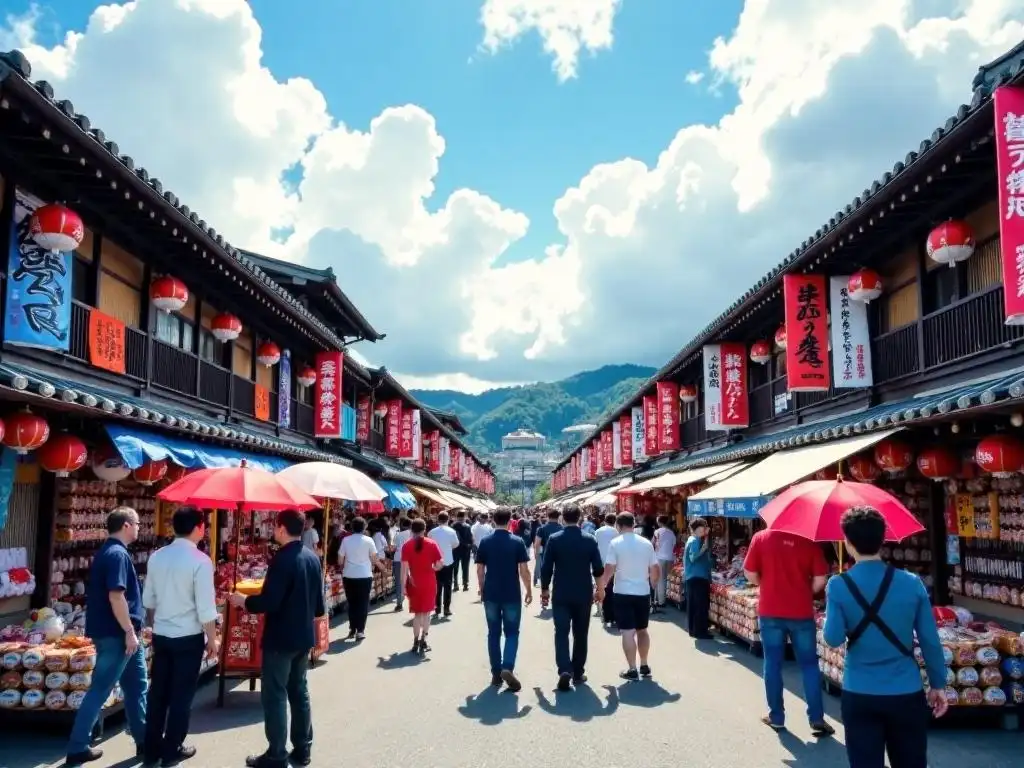
Certain locations became renowned for their trade fairs, often due to their geographical advantages or political significance:
- Echigo Province: Known for its rice production, Echigo hosted significant trade fairs that attracted merchants from various regions, making it a central hub for agricultural trade.
- Kamakura: As a political center during the Kamakura period, trade fairs here were essential for exchanging luxury goods and establishing political alliances through trade.
- Kyoto: The imperial capital was not only a cultural center but also a bustling marketplace, where trade fairs included high-end goods that appealed to the court and aristocracy.
- Osaka: Often referred to as the "Nation's Kitchen," Osaka's trade fairs were critical for food distribution, making it a key player in the economic network of feudal Japan.
Cultural Significance of Trade Fairs Beyond Economics
Trade fairs in feudal Japan transcended mere economic transactions; they were cultural phenomena that fostered social interactions and community bonding.
- Cultural Exchange: The fairs allowed for the exchange of cultural practices, traditions, and crafts among different regions. This interaction enriched local cultures and led to the spread of new ideas, art forms, and technologies.
- Festive Atmosphere: Trade fairs were often accompanied by traditional performances, music, and food stalls, creating a festive environment. Such gatherings strengthened community ties and provided a space for shared experiences.
- Religious Connections: Many fairs were held near temples or shrines, reinforcing spiritual ties. Merchants often made offerings, and religious observances formed a backdrop for the commercial activities, blending commerce with spiritual significance.
Trade fairs were not only economic events but also social and political gatherings that played a crucial role in shaping relationships within feudal society.
Trade Fairs as Social Gatherings
Trade fairs served as essential social gatherings where individuals from varying social classes interacted:
- Networking Opportunities: Merchants and artisans could forge new business relationships, potentially leading to lasting partnerships. This networking was crucial for expanding trade routes and collaborations.
- Community Engagement: These fairs fostered a sense of community, allowing people to reconnect with family and friends from different regions. The social aspect often included entertainment, which further enhanced community bonds.
- Cultural Identity: Fairs highlighted regional identities, as local customs and traditions were prominently showcased. This not only promoted regional pride but also allowed for cultural exchange among diverse groups.
Influence of Trade Fairs on Political Relations and Alliances
The political implications of trade fairs were significant, influencing alliances and power dynamics in feudal Japan:
- Diplomatic Engagements: Trade fairs often served as venues for political leaders to negotiate alliances or resolve disputes. The presence of merchants from various domains provided an opportunity for informal discussions that could lead to formal agreements.
- Power Displays: Local lords used trade fairs as platforms to display their wealth and power, which could attract allegiance from local merchants and the populace. This display of power could also deter rival factions.
- Resource Control: Control over trade fairs often indicated political power, as it allowed feudal lords to regulate commerce and tax the goods traded. This regulation helped consolidate their influence over economic activities within their territories.
Challenges Faced by Trade Fairs in Feudal Japan
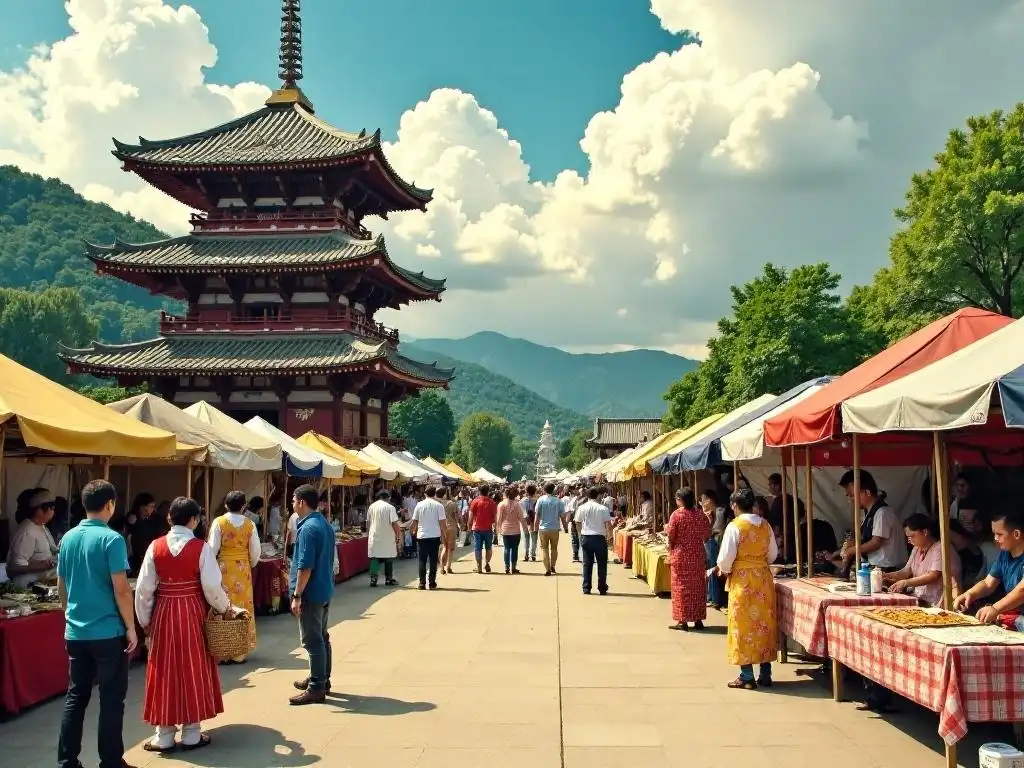
Trade fairs in feudal Japan played a crucial role in fostering economic growth and facilitating the exchange of goods and ideas. However, they were not without their challenges. A myriad of obstacles, both economic and societal, hindered the full potential of these trade events. Understanding these challenges provides insight into the complexities of commerce during this period.
Economic Barriers to Successful Trade Fairs
Economic barriers posed significant challenges to the success of trade fairs in feudal Japan. One of the primary issues was the lack of a unified currency system. Different regions often operated with their own local currencies, making transactions complicated and less efficient. This fragmentation hindered merchants from engaging fully in trade fairs, as they had to navigate various currencies and exchange rates.
Additionally, the feudal system itself contributed to economic disparities. Wealth was concentrated among the samurai class and landowners, leading to a limited consumer base for merchants. Many common people lacked the disposable income to participate in trade fairs, which reduced the overall volume of transactions and the diversity of goods available.
Another economic challenge was the seasonal nature of trade fairs. Many fairs were held at specific times of the year, coinciding with harvest seasons or local festivals. This timing limited the opportunities for merchants to engage in trade, as they were often occupied with agricultural duties. Furthermore, the costs associated with setting up stalls and transporting goods to trade fairs could deter smaller merchants, reinforcing the dominance of wealthier traders.
Societal Challenges and Resistance to Change
The societal context of feudal Japan also presented challenges to the flourishing of trade fairs. Traditional values upheld by the samurai class often prioritized agriculture and military service over commerce, viewing trade as a lesser pursuit. This attitude created a cultural resistance to the expansion of trade fairs, as many samurai looked down upon merchants and their activities. The stigma associated with commerce impeded the growth of trade fairs, making it difficult for merchants to gain the respect and support they needed.
Moreover, the rigid class structure of feudal Japan further complicated interactions at trade fairs. The hierarchical society made it challenging for lower-class merchants to network with samurai or high-ranking officials, limiting their opportunities to expand their businesses. This societal barrier stifled innovation and collaboration, which are essential for the development of vibrant trade environments.
Lastly, political instability during various periods of feudal Japan, including conflicts between rival clans, disrupted trade fairs and created an atmosphere of uncertainty. Merchants were often reluctant to invest in trade fairs during times of unrest, fearing loss of goods and profits. Such instability not only affected individual merchants but also had broader implications for regional economies.
Case Studies of Notable Trade Fairs in Feudal Japan
Despite the challenges faced, certain trade fairs in feudal Japan stood out for their significance and impact on commerce. Analyzing specific case studies reveals how these fairs navigated obstacles and contributed to economic growth.
Case Study 1: The Osaka Merchants' Fair
The Osaka Merchants' Fair, held in the heart of Japan's commercial hub, became a prominent event during the late feudal period. This fair attracted merchants from across the nation, showcasing a wide array of goods, including textiles, ceramics, and spices.
The fair was notable not only for its scale but also for its role in fostering regional trade networks. Merchants used the fair as a platform to establish relationships, negotiate prices, and share information about market trends. The growth of Osaka as a trading center was significantly influenced by the success of this fair, which brought together diverse traders and facilitated the exchange of goods and ideas.
However, the Osaka Merchants' Fair also faced challenges, such as competition from other regional fairs and the economic disparities among participants. Nevertheless, it served as a model for later trade fairs in Japan, demonstrating the potential of organized commerce to drive economic prosperity.
Case Study 2: The Edo Period Annual Market
The Edo Period Annual Market, held in the bustling city of Edo (modern-day Tokyo), exemplified the integration of commerce and culture in feudal Japan. This market attracted not only local merchants but also traders from distant regions, creating a melting pot of goods and cultural exchange.
During this market, a wide variety of goods was available, from agricultural products to luxury items. The market became famous for its vibrant atmosphere, featuring performances, food stalls, and cultural activities. This blend of commerce and entertainment drew large crowds, enhancing the economic impact of the event.
Despite its success, the Edo Period Annual Market encountered challenges, including regulatory restrictions imposed by the shogunate. These regulations aimed to control trade and maintain order, often stifling the free flow of commerce. Nonetheless, the market's ability to adapt and thrive amidst such challenges exemplified the resilience of trade fairs in feudal Japan, solidifying their importance in the economic landscape of the era.
Conclusion: The Lasting Impact of Trade Fairs on Japan's Economic History
Trade fairs in feudal Japan played a pivotal role in shaping the economic landscape of the era. These gatherings not only facilitated the exchange of goods but also fostered relationships among merchants, artisans, and local lords. The importance of trade fairs can be attributed to several factors, including the promotion of regional specialties, the establishment of trade networks, and the cultural exchange that occurred alongside commerce.
As trade fairs flourished, they contributed significantly to the development of a market-based economy. The interactions fostered during these events laid the groundwork for future economic practices, influencing how trade and commerce evolved in Japan. The increased demand for local products and the establishment of trade routes expanded economic activities beyond local communities, ultimately integrating them into larger regional and national markets.
The impact of trade fairs extended beyond mere economic growth; they also played a crucial role in social cohesion and cultural exchange. By drawing individuals from diverse backgrounds together, trade fairs served as melting pots of ideas and innovations, enriching Japan's cultural fabric. This legacy of collaboration and exchange can still be observed in modern Japan, where trade fairs continue to be significant events that promote economic growth and cultural understanding.
Summary of Key Points on Trade Fairs in Feudal Japan
- Economic Catalyst: Trade fairs acted as vital economic catalysts, stimulating local economies by facilitating the exchange of goods and services.
- Regional Specialties: Each trade fair showcased regional products, allowing artisans and farmers to present their unique offerings, which helped establish local brands and specialties.
- Networking Opportunities: These events provided essential networking opportunities for merchants, leading to the formation of alliances and trade agreements that enhanced commerce.
- Cultural Exchange: Trade fairs encouraged cultural exchange among attendees, promoting not only goods but also ideas, techniques, and traditions from different regions.
- Market Development: The events contributed to the development of early market practices, paving the way for a more structured economy in Japan as trade routes expanded.
The Legacy of Trade Fairs in Shaping Modern Economic Practices in Japan
The legacy of trade fairs in feudal Japan extends into contemporary economic practices, underscoring their significance in Japan's historical trajectory. Today, Japan hosts numerous trade fairs and exhibitions that reflect the same principles established in the feudal era. These modern trade fairs continue to be vital for industry networking, showcasing innovations, and facilitating international trade.
Moreover, the emphasis on regional specialties seen in feudal trade fairs is mirrored in modern practices, where local products are celebrated and promoted at various trade events. This focus on regional identity and craftsmanship not only strengthens local economies but also contributes to the national economy by highlighting Japan's diverse cultural heritage.
The collaborative spirit fostered during feudal trade fairs has evolved into a culture of cooperation among businesses today, promoting partnerships that drive innovation and growth. The foundations laid by these historical trade gatherings remain relevant, illustrating the enduring impact of trade fairs on Japan's economic history and its continuous evolution in the global marketplace.
Frequently Asked Questions
What were trade fairs in feudal Japan?
Trade fairs in feudal Japan were large-scale gatherings where merchants and artisans showcased their goods, facilitating commercial exchange and economic growth.
How did trade fairs contribute to the economy of feudal Japan?
These fairs played a crucial role in stimulating trade by connecting diverse regions, encouraging cultural exchange, and enhancing the availability of goods and services.
What types of goods were commonly traded at these fairs?
Merchants traded various items, including silks, pottery, rice, and weapons, reflecting the regional specialties and demands of the time.
How often did trade fairs occur in feudal Japan?
Trade fairs typically occurred seasonally or annually, often coinciding with religious festivals or harvest times, attracting a wide array of participants.
Trade fairs facilitated interactions among different social classes, helping to blur class lines and foster a culture of collaboration and community among merchants, artisans, and samurai.
Final Reflection: The Enduring Legacy of Trade Fairs in Economic Growth
The significance of trade fairs in fostering economic growth is a timeless concept that resonates powerfully today. As we navigate an increasingly interconnected world, the lessons from trade fairs in feudal Japan remind us of the vital role these gatherings play in stimulating commerce, innovation, and cultural exchange. The bustling marketplaces of the past serve as a testament to the idea that collaboration and connection are essential for thriving economies.
Clearly, the influence of trade fairs extends beyond mere transactions; they shape our cultural and social landscapes. In feudal Japan, these events were not just about buying and selling; they were vibrant hubs of interaction that fostered relationships and shared knowledge. As we reflect on this historical context, we can see how trade fairs continue to be a catalyst for economic development and community building in modern society. Trade fairs are the lifeblood of commerce, bridging gaps and creating opportunities for all.
As we look to the future, I invite you to consider how the principles of collaboration and innovation highlighted in this article can be applied in your own life. Reflect on the opportunities around you to engage with others, share ideas, and contribute to your community's economic growth. Whether through attending local trade fairs or initiating conversations that lead to new partnerships, each of us has a role to play in fostering an environment where commerce and creativity can flourish. Embrace the spirit of connection, and let it guide you toward a prosperous future.
Unleash Opportunities: Engage with Trade Fairs Today!
Thank you for exploring the pivotal role of trade fairs in economic growth! You've learned how these events can revitalize industries, foster innovation, and connect businesses. Now, it’s time to take action and become part of this transformative journey!
- Attend a local trade fair: Experience firsthand how businesses showcase their innovations and network with industry leaders.
- Share your insights: Discuss what you've learned here with your friends or colleagues, encouraging them to participate in trade fairs as well!
- Deepen your knowledge: Explore the historical significance of trade routes and their impact on economic development by accessing additional resources on our website.
How will you leverage the potential of trade fairs to enhance your economic connections and inspire growth within your community?