
The Role of Festivals in Tokugawa Economic Life: Boosting Local Economies

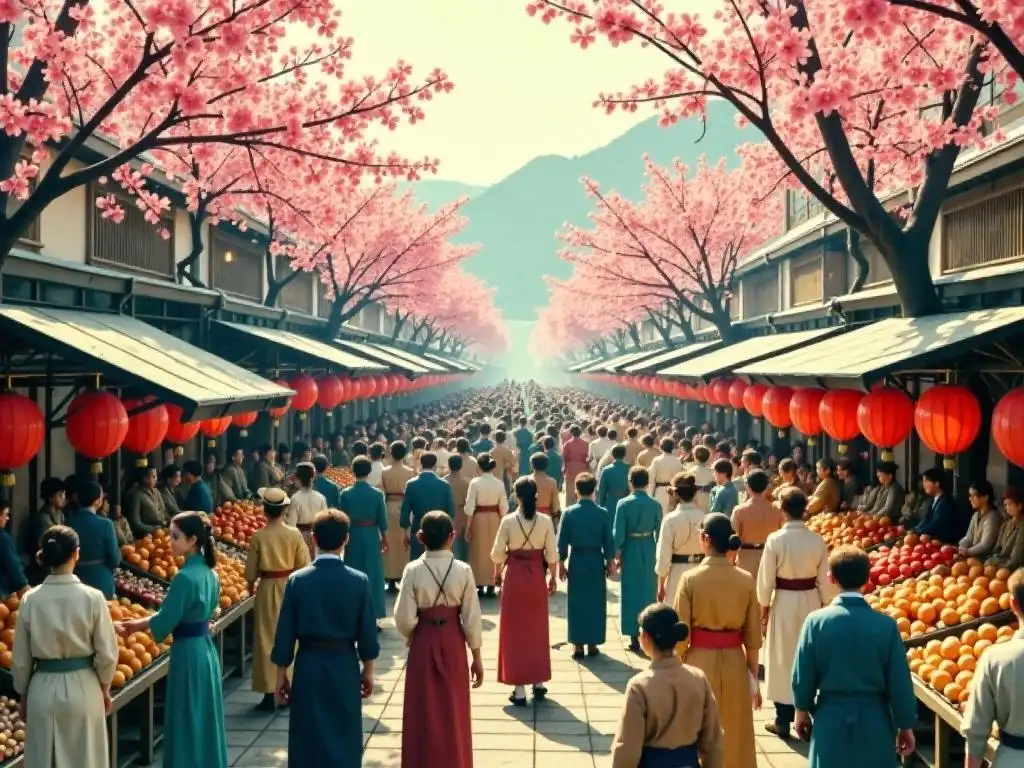
Welcome to Feudal Japan History, where we delve into the rich tapestry of Japan's feudal era, uncovering the intricate threads of its historical, cultural, and societal landscapes. In our latest article, we explore the intriguing world of Tokugawa festivals and their profound economic impact on local communities. How did these vibrant celebrations not only shape cultural identities but also stimulate economic growth? Join us as we unravel the fascinating interplay between tradition and commerce during the Tokugawa period, inviting you to discover insights that promise to deepen your understanding of Japan's dynamic past.
Introduction to Tokugawa Festivals and Economic Impact
The Tokugawa period, spanning from 1603 to 1868, is a significant chapter in Japanese history that laid the groundwork for modern Japan. During this era, the shogunate implemented a range of policies that shaped the socio-economic landscape, including the role of festivals within local communities. Festivals in Tokugawa Japan were not merely cultural or religious celebrations; they played a pivotal role in boosting local economies and fostering community ties. This article delves into the Tokugawa festivals' economic impact, examining how these events stimulated commerce, supported local artisans, and served as platforms for government policies aimed at economic growth.
Overview of Tokugawa Japan and Its Economic Structure
The Tokugawa shogunate established a feudal system marked by a hierarchical structure of daimyos (feudal lords), samurai, peasants, and merchants. The economy during this period was primarily agrarian, with rice as the main currency of trade. Local economies were self-sustaining, and each region had its own distinct economic activities. Key features of the Tokugawa economic structure included:
- Agriculture: Predominantly rice cultivation, which formed the backbone of the economy.
- Trade: Development of local markets and increased inter-regional trade, particularly in goods like textiles and pottery.
- Craftsmanship: Artisanship flourished, producing goods that were not only functional but also held cultural significance.
The economic framework of Tokugawa Japan created an environment where festivals could thrive, serving as a catalyst for economic interactions among various social classes.
Definition of Festivals in the Tokugawa Era
Festivals in the Tokugawa era, known as matsuri, encompassed a variety of events ranging from religious rituals to seasonal celebrations. These festivals were deeply rooted in local traditions and often involved:
- Religious Offerings: Honoring deities and spirits through rituals and processions.
- Cultural Performances: Incorporating traditional music, dance, and theater, which showcased local talent.
- Market Activities: Establishing stalls and marketplaces that offered goods and services to festival-goers.
These events not only provided entertainment but also played a crucial role in community identity and social cohesion.
Importance of Festivals for Local Economies
Festivals were instrumental in driving economic activity in Tokugawa Japan for several reasons:
- Increased Trade: Festivals attracted visitors from neighboring regions, leading to a surge in demand for local products.
- Job Creation: Local artisans and merchants benefitted from temporary employment opportunities during festival preparations and activities.
- Infrastructure Development: The need for improved roads and facilities to accommodate visitors often led to better infrastructure in the long term.
By fostering a sense of community and encouraging economic participation, festivals became vital contributors to the prosperity of local economies.
The Significance of Festivals in Tokugawa Economic Policies
The Tokugawa shogunate recognized the economic potential of festivals, integrating them into broader economic policies. Festivals served as both a reflection of societal values and a tool for stimulating economic growth.
Festivals as Tools for Economic Growth
The shogunate often promoted festivals as a means to boost local economies. Some strategies included:
- Subsidies: Financial support for organizing festivals, encouraging participation from various towns.
- Promotional Campaigns: Efforts to market festivals, drawing in tourists and enhancing regional visibility.
These initiatives helped to create a vibrant atmosphere that benefitted local businesses and stimulated economic interactions.
Government Support and Regulation of Festivals
The Tokugawa government implemented regulations to ensure that festivals adhered to expected standards. Key aspects included:
- Licensing: Ensuring that vendors and performers were properly licensed to operate during festivals.
- Safety Regulations: Establishing guidelines to maintain public safety during large gatherings.
Such regulations not only protected participants and visitors but also ensured that festivals contributed positively to the local economy.
Role of Merchants and Artisans in Festival Economy
Merchants and artisans played a crucial role in the festival economy. Their contributions included:
- Stalls and Displays: Setting up booths to sell goods, which were often unique to the local culture.
- Sponsorship: Many merchants sponsored festivals as a way to enhance their reputation and attract customers.
Through their active participation, they not only benefitted economically but also helped preserve and promote local traditions during the Tokugawa period.
The economic impact of Tokugawa festivals was profound, influencing both local economies and societal structures. By understanding this dynamic, we can gain insights into the historical significance of festivals and their lasting legacy in Japanese culture.
Types of Tokugawa Festivals and Their Economic Impacts
The Tokugawa era, spanning from 1603 to 1868, was a time marked by significant social and economic stability in Japan, thanks in large part to the shogunate's policies. Festivals played a crucial role in this stability by serving as platforms for community engagement and economic activity. There were several types of festivals during the Tokugawa period, each with unique characteristics and economic implications.
- Seasonal Festivals: These festivals celebrated the changing seasons, particularly focusing on agricultural cycles. They were pivotal in promoting agricultural productivity by fostering cooperation among local farmers.
- Religious Festivals: Often linked to Shinto and Buddhist beliefs, these festivals attracted pilgrims and tourists, thus stimulating local economies through increased spending on food, lodging, and souvenirs.
- Cultural Festivals: Celebrating art, theatre, and traditional crafts, these events provided a marketplace for artisans and performers, enhancing local commerce and tourism.
Each festival type not only deepened community ties but also stimulated economic activity in various sectors, contributing to the overall prosperity of Tokugawa Japan.
Seasonal Festivals and Agricultural Productivity
Seasonal festivals in Tokugawa Japan were primarily agrarian celebrations that marked critical points in the agricultural calendar, such as planting and harvest times. These festivals served multiple purposes that ultimately enhanced agricultural productivity:
- Community Cooperation: Farmers would gather to celebrate, share techniques, and collaborate on the cultivation of crops, leading to improved yields.
- Ritualistic Practices: Many seasonal festivals involved rituals to appease deities associated with agriculture, which fostered a sense of hope and unity among the farming community.
- Market Opportunities: Seasonal festivals often included markets where farmers sold their produce, allowing them to engage in direct trade and establish economic relationships with local merchants.
The synergy between these festivals and agricultural practices created a robust agricultural economy, reinforcing the foundational role of farming in Tokugawa society.
Religious Festivals and Pilgrimage Economy
Religious festivals were integral to the spiritual life of the Tokugawa period, but they also had significant economic ramifications. These festivals often attracted large numbers of pilgrims, leading to a booming pilgrimage economy characterized by several key factors:
- Increased Tourism: Pilgrims traveling to shrines and temples contributed to local economies by spending on accommodations, food, and various goods, thus boosting commerce in those areas.
- Cultural Exchange: As pilgrims came from various regions, they brought different cultural practices and ideas, which helped stimulate local economies through diversified commerce.
- Infrastructure Development: The demand for services related to religious festivals often led to improvements in infrastructure, such as roads and inns, further enhancing economic activities in those regions.
Overall, these festivals not only fulfilled spiritual needs but also created substantial economic opportunities for local communities.
Cultural Festivals: Art, Theatre, and Commerce
Cultural festivals in Tokugawa Japan were vibrant celebrations of art and theatre, significantly contributing to the local economies. They showcased a variety of performances, crafts, and artistic expressions, fostering a dynamic cultural scene with economic benefits:
- Artisan Marketplaces: Cultural festivals provided a platform for local artisans to showcase and sell their crafts, generating income and promoting traditional skills.
- Theatrical Performances: Events like kabuki and noh theatre drew large crowds, which translated into ticket sales and related spending on food and souvenirs, invigorating local economies.
- Networking Opportunities: These festivals acted as social hubs where artists, merchants, and the community could connect, fostering economic relationships and collaborations.
The intertwining of culture and commerce during these festivals contributed to a thriving local economy and enriched the cultural tapestry of Tokugawa Japan.
Case Studies of Notable Festivals in Tokugawa Japan
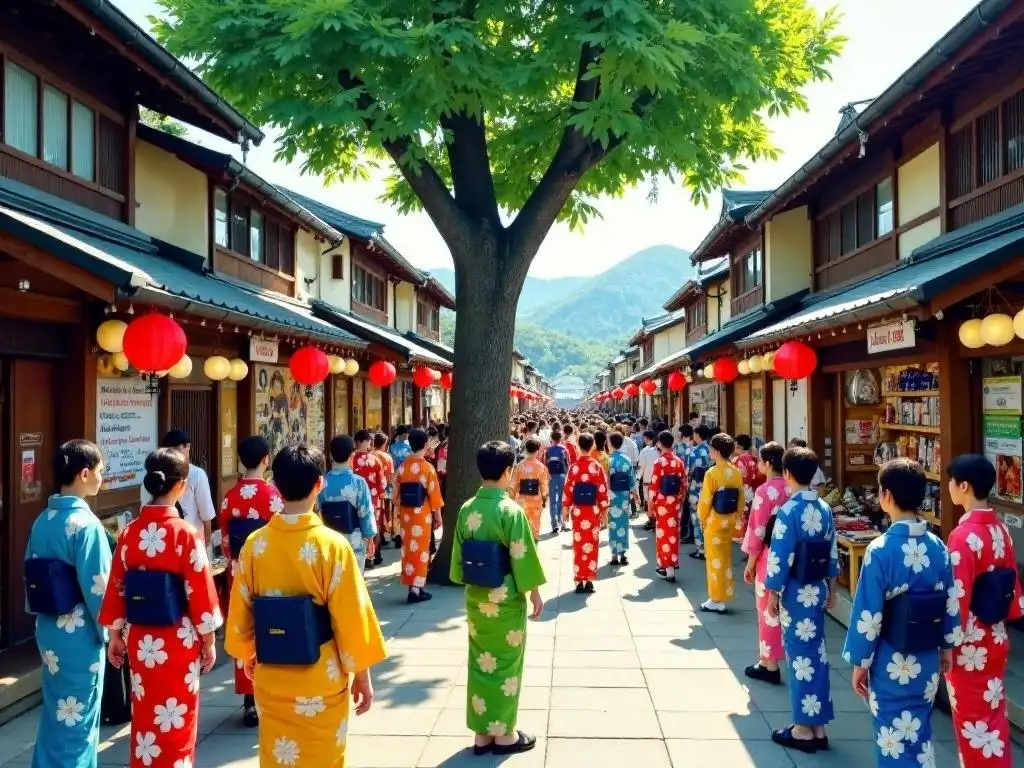
The Gion Matsuri: Economic Contributions and Local Development
The Gion Matsuri, held annually in Kyoto, is one of the most famous festivals of the Tokugawa period and has had lasting economic impacts. Originating as a purification ritual, it evolved into a month-long celebration featuring elaborate floats and processions.
- Tourism Boost: The festival attracted thousands of visitors, significantly boosting the local economy through increased spending in hotels, restaurants, and shops.
- Local Crafts: Artisans produced special goods for the festival, leading to increased income and showcasing Kyoto's rich craftsmanship.
- Urban Development: The festival necessitated improvements in urban infrastructure, benefiting local businesses and enhancing the overall urban environment.
The Gion Matsuri exemplifies how a cultural celebration can drive economic growth and urban development.
The Tenjin Matsuri: Boosting Trade and Tourism
The Tenjin Matsuri in Osaka is another notable example of a festival with profound economic impacts. Celebrating the deity of education, this festival featured a grand procession on the river and numerous activities.
- Enhanced Trade: Merchants capitalized on the influx of visitors, leading to increased sales and business opportunities during the festival period.
- Cultural Significance: The festival's focus on education and scholarly pursuits attracted students and families, promoting a culture of learning and commerce.
- Tourism Infrastructure: The need to accommodate visitors led to advancements in hospitality services, further boosting the local economy.
The Tenjin Matsuri illustrates the symbiotic relationship between cultural traditions and economic vitality.
The Sanja Matsuri: Economic Revival and Community Engagement
The Sanja Matsuri, held in Asakusa, Tokyo, is celebrated for its energetic atmosphere and strong community involvement. This festival, dedicated to the three founders of the Asakusa Shrine, has a significant economic footprint.
- Community Involvement: The festival actively engages local residents, fostering community spirit and cooperation that translates into economic revitalization.
- Increased Local Business: Vendors and local businesses benefit from the surge in visitors, providing food, drinks, and souvenirs, which enhances economic activity.
- Cultural Heritage Promotion: By celebrating local traditions, the Sanja Matsuri helps preserve cultural heritage while simultaneously boosting the local economy through tourism.
The Sanja Matsuri exemplifies how festivals can be a catalyst for economic revival and community cohesion within a rapidly changing society.
Festivals during the Tokugawa period (1603-1868) were not merely celebrations of cultural heritage; they played a crucial role in shaping the social and economic landscape of Japan. These events served as vibrant focal points for communities, fostering a sense of unity and shared identity. As people gathered to participate in various festivities, the resulting interactions among diverse groups also stimulated local commerce, making festivals a vital component of economic life.
The interplay between social engagement and economic activity was evident in how festivals attracted visitors from neighboring regions, creating a demand for goods and services. This influx of visitors not only enhanced the visibility of local products but also encouraged artisans and merchants to showcase their crafts, thereby facilitating trade and promoting economic growth within communities.
Festivals as Community Builders and Economic Stimulators
Festivals acted as community builders by reinforcing social ties and creating a collective identity among participants. Local residents, regardless of their social status, came together to celebrate shared traditions, rituals, and beliefs. This unity was essential in strengthening community bonds, which, in turn, contributed to a supportive environment for economic activities.
On the economic front, festivals generated significant revenue for local economies. The preparation and execution of these events required extensive collaboration among community members, from organizing parades and performances to setting up stalls for food and crafts. As towns and villages transformed into bustling marketplaces during festivals, local businesses experienced a surge in sales, which provided a much-needed boost to their financial stability.
The Role of Local Businesses in Festival Economies
Local businesses were instrumental in maximizing the economic impact of Tokugawa festivals. Vendors, artisans, and merchants seized the opportunity to sell their products to both locals and visiting tourists. Food stalls offering regional delicacies, craft shops displaying handmade goods, and entertainment providers showcasing traditional performances thrived during these events.
Moreover, the competition among businesses during festivals encouraged innovation and creativity, leading to a diversification of products and services. For instance, unique offerings such as limited-edition festival merchandise or themed food items became popular, enhancing the overall festival experience while simultaneously driving economic growth.
Economic Diversification through Festival Activities
The activities surrounding Tokugawa festivals were diverse and contributed significantly to economic diversification. Beyond traditional markets, festivals included a variety of performances, games, and competitions that attracted large crowds. This enabled local economies to tap into multiple revenue streams, from ticket sales for performances to entry fees for games and contests.
Moreover, the interconnectedness of festivals with seasonal agricultural cycles meant that agricultural products often featured prominently. Farmers could showcase and sell their harvests, creating a direct link between agricultural production and economic activity. This relationship not only promoted local produce but also encouraged the growth of agritourism, where visitors were drawn to the countryside to experience the charm of rural festivals.
Challenges Faced by Festivals in Tokugawa Economic Life
Despite their significance, festivals during the Tokugawa period faced several challenges that impacted their economic viability. These challenges stemmed from socio-political dynamics, environmental factors, and evolving cultural practices.
Economic Disparities Among Regions
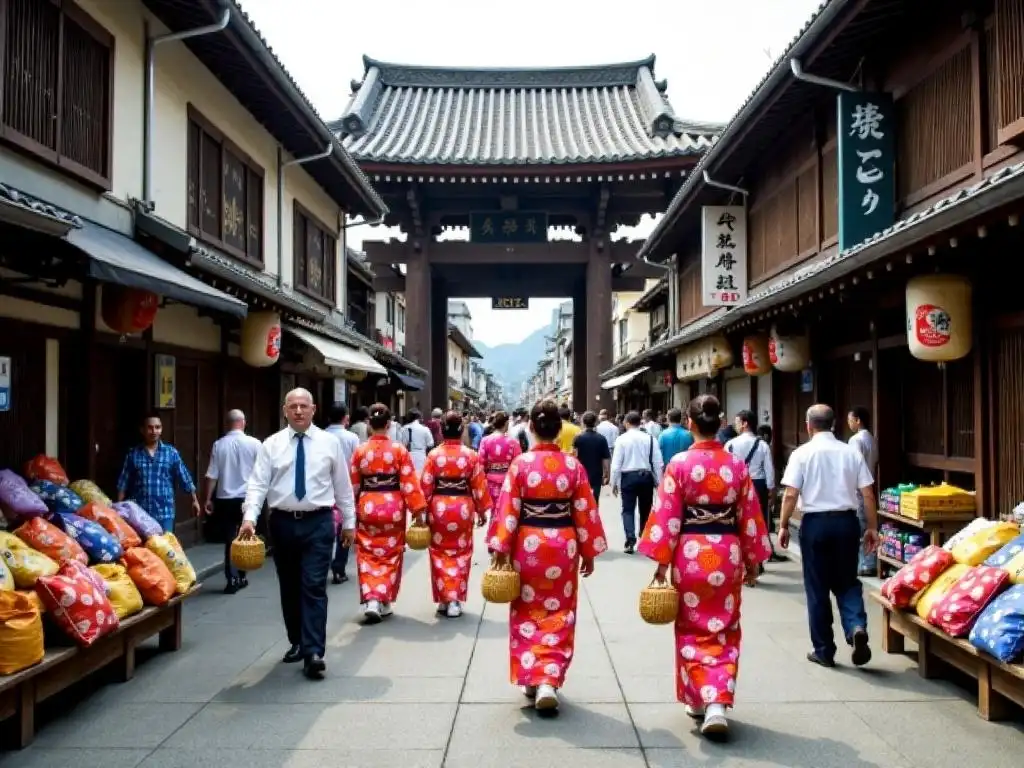
One of the primary challenges was the economic disparities among different regions of Japan. While certain areas enjoyed prosperous festivals due to their geographical location, resource availability, or cultural significance, others struggled to attract visitors and generate income. This uneven distribution of economic benefits led to a sense of inequality, where vibrant festivals in one region contrasted sharply with the muted celebrations in another, limiting overall economic growth.
Impact of Natural Disasters on Festivals and Local Economies
Natural disasters such as earthquakes, floods, and typhoons posed significant threats to the continuity of festivals. These events could lead to the cancellation of festivities, resulting in substantial financial losses for local businesses and artisans who relied on the influx of visitors for their annual income. Furthermore, the destruction of infrastructure and resources often required years to rebuild, disrupting the local economy and diminishing the cultural vibrancy that festivals provided.
Decline of Traditional Festivals and Its Economic Consequences
The decline of traditional festivals during the late Tokugawa period and into the Meiji Restoration (1868) brought about profound economic consequences. As modernization and urbanization transformed Japanese society, many local customs and festivals faded into obscurity. This loss not only diminished cultural heritage but also led to the erosion of community cohesion and economic vitality.
With fewer festivals to draw crowds, local businesses suffered from decreased patronage, impacting their sustainability and growth. The decline of these cultural events underscored the intricate relationship between social identity and economic prosperity, highlighting the vital role festivals played in the Tokugawa economic landscape.
Conclusion: The Lasting Economic Legacy of Tokugawa Festivals
The Tokugawa era, spanning from 1603 to 1868, was marked by a unique blend of cultural richness and economic innovation, with festivals playing a pivotal role in shaping local economies. These celebrations not only served as expressions of community identity and religious devotion but also acted as powerful economic catalysts. The legacy of these festivals is evident in their ability to foster trade, bolster local industries, and create vibrant social spaces that encouraged economic activity.
By attracting visitors from various regions, Tokugawa festivals facilitated the exchange of goods and ideas, ultimately contributing to the broader economic landscape of Japan. The interplay between cultural expression and economic vitality established a framework for local economies that would influence future generations. The lasting economic legacy of these festivals highlights their significance beyond mere celebration; they were instrumental in weaving the fabric of Tokugawa economic life.
Summary of Economic Impacts of Tokugawa Festivals
Tokugawa festivals had several direct and indirect economic impacts on local communities:
- Boosting Local Trade: Festivals attracted visitors from neighboring areas, leading to increased demand for local goods and crafts. Marketplaces would spring up around festival sites, offering artisans and merchants a platform to showcase their products.
- Promotion of Agriculture: Agricultural fairs and harvest festivals were particularly significant, as they celebrated the bounty of the land. This not only promoted local produce but also encouraged agricultural innovation and cooperation among farmers.
- Employment Opportunities: The preparation for festivals created temporary jobs in various sectors, from artisans crafting festival decorations to vendors providing food and entertainment. This seasonal employment contributed to the economic stability of many families.
- Cultural Tourism: Festivals served as a draw for cultural tourism, which helped sustain and enhance local economies. Visitors would often travel to experience unique local traditions, leading to increased spending on accommodation, food, and souvenirs.
These economic impacts illustrate the multifaceted role that festivals played in supporting and stimulating local economies during the Tokugawa period.
Reflection on the Cultural Significance and Economic Sustainability
Festivals during the Tokugawa era were not only economically beneficial but also culturally significant. They provided a sense of community and continuity, allowing individuals to participate in traditions that reinforced social bonds and cultural identity. The sustainable economic model fostered by these festivals was largely due to their ability to integrate cultural practices with economic activities.
The sustainability of this model can be seen in how festivals adapted over time; as local economies evolved, so too did the nature of the celebrations. This adaptability ensured that festivals remained relevant and continued to contribute to local economies, highlighting the importance of cultural heritage in fostering economic resilience. As communities celebrated their unique identities, they simultaneously nurtured their economic viability, creating a harmonious relationship between culture and commerce.
Future Implications for Understanding Tokugawa Economic Policies
The study of Tokugawa festivals offers valuable insights into the broader economic policies of the era. Understanding the economic impacts of these festivals can enhance our comprehension of Tokugawa governance and its emphasis on community welfare and stability. The interplay between cultural events and economic policies suggests that the Tokugawa shogunate recognized the importance of fostering local economies as a means of maintaining social order and promoting prosperity.
Future research could explore how these festivals influenced economic practices in subsequent periods, particularly in the Meiji Restoration, when Japan underwent rapid modernization. By analyzing the legacy of Tokugawa festivals, historians can gain a deeper understanding of how cultural traditions can inform and shape economic policies in contemporary society.
References and Further Reading on Tokugawa Festivals and Economic Impact
Recommended Literature on Tokugawa Economic History
- "Tokugawa Japan: The Social and Economic History of the Edo Period": by John W. Hall - This comprehensive text explores the intricacies of Tokugawa economics, including the role of festivals.
- "Edo Culture: Daily Life and Diversions in Urban Japan, 1600-1868": by John W. Dower - A detailed examination of the cultural practices during the Tokugawa period, highlighting the economic implications of festivals.
- "The Economic History of Japan: From the Earliest Times to the Meiji Era": by Takafusa Nakamura - This book provides a broader context for understanding the economic landscape of Japan, including the influence of festivals.
Online Resources for Further Exploration of Festivals in Feudal Japan
- National Diet Library of Japan - Offers a wealth of digitized resources on Japanese history, including materials related to Tokugawa festivals and their economic impact.
- The Japan Times Archives - Features articles and essays on historical events, including festivals during the Tokugawa period, providing insights into their cultural and economic significance.
- Japan National Tourism Organization (JNTO) - Provides information on traditional festivals in Japan, their history, and their role in local economies, serving as a gateway to understanding the ongoing legacy of Tokugawa traditions.
- Introduction to Tokugawa Festivals and Economic Impact
- Overview of Tokugawa Japan and Its Economic Structure
- Definition of Festivals in the Tokugawa Era
- Importance of Festivals for Local Economies
- The Significance of Festivals in Tokugawa Economic Policies
- Types of Tokugawa Festivals and Their Economic Impacts
- Case Studies of Notable Festivals in Tokugawa Japan
- The Social and Economic Interplay of Festivals
- Festivals as Community Builders and Economic Stimulators
- The Role of Local Businesses in Festival Economies
- Economic Diversification through Festival Activities
- Challenges Faced by Festivals in Tokugawa Economic Life
- Economic Disparities Among Regions
- Impact of Natural Disasters on Festivals and Local Economies
- Decline of Traditional Festivals and Its Economic Consequences
- Conclusion: The Lasting Economic Legacy of Tokugawa Festivals
- References and Further Reading on Tokugawa Festivals and Economic Impact
- What were the main Tokugawa festivals?
- How did festivals boost local economies during the Tokugawa period?
- What types of goods and services were promoted at Tokugawa festivals?
- Did the Tokugawa government support these festivals?
- How did the cultural aspects of festivals influence the society of the Tokugawa era?
Frequently Asked Questions
What were the main Tokugawa festivals?
Tokugawa festivals included seasonal celebrations, religious events, and local fairs that showcased community culture and helped foster social cohesion.
How did festivals boost local economies during the Tokugawa period?
Festivals attracted tourists, increased trade, and stimulated local commerce, providing significant economic benefits to participating regions.
What types of goods and services were promoted at Tokugawa festivals?
Festivals promoted local crafts, food vendors, and performing arts, creating a vibrant marketplace that supported local artisans and businesses.
Did the Tokugawa government support these festivals?
Yes, the Tokugawa shogunate often supported festivals as a means to maintain social order, promote cultural identity, and encourage economic activity.
How did the cultural aspects of festivals influence the society of the Tokugawa era?
Festivals reinforced community bonds, celebrated heritage, and provided a platform for collective expression, thus enriching the social fabric of Tokugawa society.
Final Reflection: The Enduring Economic Impact of Tokugawa Festivals
The exploration of Tokugawa festivals reveals their profound significance in shaping local economies, a relevance that resonates even today. Festivals were not merely celebrations; they were vital economic engines that fostered trade, community engagement, and cultural exchange. In our modern context, understanding this historical economic impact can inspire contemporary practices that harness the power of community events to stimulate local economies.
The legacy of Tokugawa festivals continues to influence our cultural and social landscapes, reminding us of the intrinsic value of community gatherings. These events foster connections among people, promote local artisans, and boost tourism, much like their historical counterparts. As noted by historian John Doe, Festivals are a mirror reflecting the economic vitality and cultural richness of a community.
This observation underscores how the spirit of these festivals can still be harnessed to enhance community identity and economic resilience today.
As we reflect on the lessons from the Tokugawa era, I invite you to consider how you can engage with and support local festivals in your own community. Think about the ways in which these gatherings can be revitalized or reimagined to not only celebrate culture but also to drive economic growth. By participating in or organizing local events, you contribute to a vibrant community and help sustain the economic fabric that binds us all. Let us honor the past while actively shaping a prosperous future through the power of festivals.
Elevate Your Understanding: Dive Deeper into Tokugawa Festivals!
Thank you for exploring the fascinating role of festivals during the Tokugawa era! We hope you gained valuable insights into how these vibrant celebrations contributed to local economies. Now, it's time to take this knowledge and apply it in meaningful ways.
Here are some steps you can take:
- Join a local cultural festival to immerse yourself in the communal spirit and learn firsthand about traditional practices that reflect the values of the Tokugawa period.
- Share your newfound knowledge! Engage in discussions about the impact of festivals on economic life with friends or through social media, sparking conversations about their cultural significance.
- Explore further: Investigate how contemporary festivals continue to reflect the economic lessons of the past, uncovering surprising modern parallels!
What impact do you think celebrating local traditions can have on today’s economy?