
Crafting Success: The Impact of Artisans on the Feudal Economy


Welcome to Feudal Japan History, where we invite you to journey back in time to uncover the intricate tapestry of Japan's feudal era. Dive into our featured article, “Crafting Success: The Impact of Artisans on the Feudal Economy,” and discover how skilled artisans shaped not only their crafts but also the very foundations of Japan's economic landscape.
As you explore the vibrant world of these craftsmen, you'll find that their influence extends far beyond mere trade, weaving a story of innovation and resilience. Prepare to be captivated by the hidden narratives of a society that thrived through creativity and collaboration—your adventure into the past begins now!
- Introduction to Artisans in Japan's Feudal Economy
- The Role of Artisans in Feudal Japan
- Economic Contributions of Artisans
- Artisans and the Samurai Class
- Challenges Faced by Artisans
- Case Studies of Prominent Artisans
- The Legacy of Artisans in Japan's Economic History
- Conclusion: The Lasting Impact of Artisans on Japan's Feudal Economy
-
Frequently Asked Questions
- What role did artisans play in Japan's feudal economy?
- How did social status affect artisans during the feudal era?
- What were the primary crafts practiced by artisans in feudal Japan?
- How did artisans contribute to cultural development in feudal Japan?
- What impact did artisans have on trade in feudal Japan?
- Final Reflection: The Enduring Legacy of Artisans in Japan's Feudal Economy
- Unleash the Power of Artisan Wisdom Today!
Introduction to Artisans in Japan's Feudal Economy
The feudal era of Japan, spanning from the 12th to the 19th centuries, was a period marked by strict social hierarchies, military governance, and a unique economic structure. Central to this intricate system were artisans, whose skills and crafts played a pivotal role in shaping the economy and society of feudal Japan.
This article delves into the contributions of artisans in Japan's feudal economy, exploring their essential roles within the broader context of trade and commerce. By examining the historical, cultural, and societal dimensions of these skilled workers, we aim to illuminate how their craftsmanship not only supported local economies but also facilitated the exchange of goods and ideas across the nation.
Overview of the Feudal System in Japan
The feudal system in Japan was characterized by a hierarchical structure that deeply influenced its economy and social dynamics. At the top of this structure was the emperor, whose role was largely ceremonial, followed by the shogun, the military ruler who wielded actual power. Below the shogun were the daimyo, feudal lords who governed specific territories, and the samurai, who served as their warriors.
This system created a society where land ownership and loyalty were paramount. The majority of the population consisted of peasants, who worked the land and produced agricultural goods. However, artisans occupied a vital niche within this hierarchy:
- Skills and Crafts: Artisans specialized in various trades, including blacksmithing, pottery, textiles, and woodworking. Their expertise was essential for producing both everyday items and luxury goods.
- Economic Roles: Artisans often formed guilds, which allowed them to organize their trades, regulate quality, and control prices. This structure contributed to a more stable economy by ensuring that craftsmen could thrive and innovate.
- Cultural Influence: The work of artisans not only fulfilled economic needs but also reflected the cultural values and aesthetics of the period, influencing art, architecture, and daily life.
Importance of Artisans in Economic Development
The impact of artisans on Japan's feudal economy cannot be overstated. Their contributions were multifaceted and played a significant role in the growth and sustainability of the economic landscape.
- Production of Goods: Artisans produced essential goods that were crucial for daily life, ranging from simple tools to elaborate ceremonial objects. This production supported not only local communities but also facilitated trade between regions.
- Trade Networks: Many artisans were involved in trade, either directly or indirectly. They created products that were highly sought after, leading to the establishment of trade routes and markets where goods could be exchanged. This interaction helped to stimulate economic activity and foster relationships between different regions.
- Cultural Exchange: Through their crafts, artisans contributed to the cultural richness of feudal Japan. Their work often reflected local traditions and innovations, which helped to shape a collective identity and promote cultural exchange across various regions.
- Economic Stability: By providing a steady supply of goods and fostering trade, artisans contributed to the overall stability of the feudal economy. Their ability to adapt to changing demands and innovate within their crafts ensured a resilient economic framework that could withstand various challenges.
The role of artisans in Japan's feudal economy was integral not only to the economic development of the period but also to the cultural fabric of society. Their skills and contributions laid the groundwork for a vibrant trade network and a thriving economy that would influence Japan long after the feudal era had ended.
The Role of Artisans in Feudal Japan
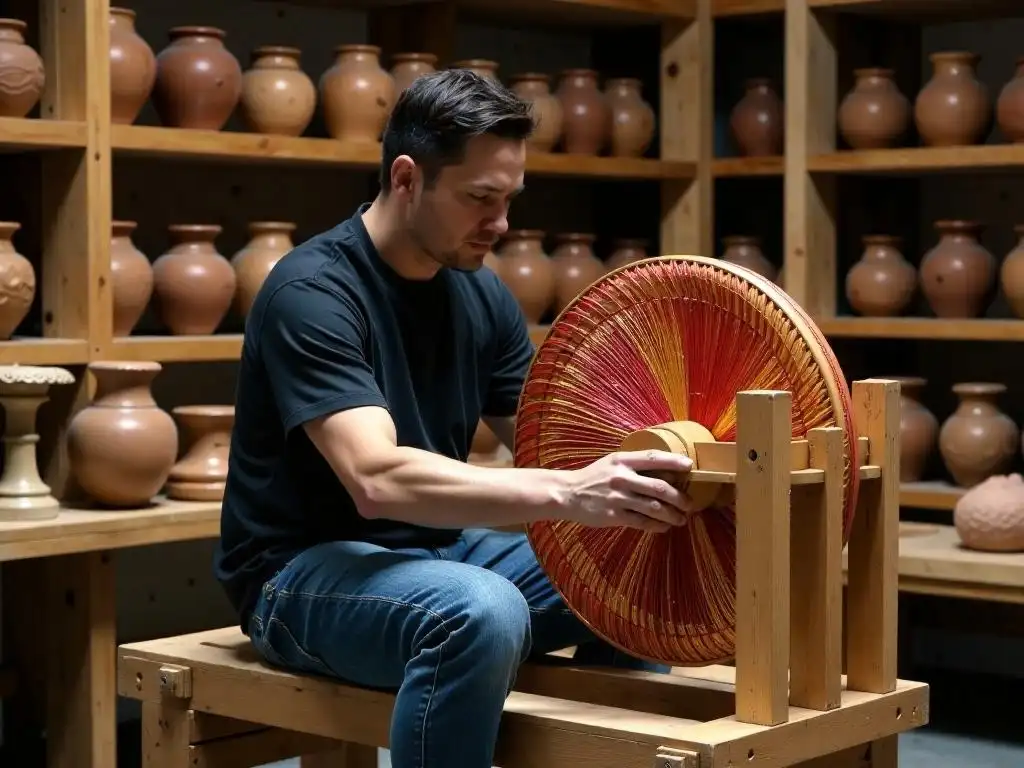
Definition and Types of Artisans in Feudal Society
In feudal Japan, artisans played a crucial role in shaping the economy and culture of the time. These skilled craftsmen were responsible for creating a wide range of goods, from everyday utensils to luxurious items for the elite. The term "artisan" encompasses various skilled workers who specialized in distinct crafts.
Artisans were classified into several categories based on their specific trades:
- Blacksmiths: Renowned for their ability to forge weapons, tools, and agricultural implements. They were essential to samurai culture, producing swords (katana) that were both functional and symbolic.
- Potters: These artisans created ceramics ranging from simple dishes to intricate tea sets used in the traditional tea ceremony. The quality of pottery was highly valued, especially in the context of Zen Buddhism.
- Weavers: Skilled in creating textiles, weavers produced clothing and decorative fabrics. The rise of silk production, particularly in the Kyoto region, was a significant aspect of the feudal economy.
- Carpenters: Essential for construction, carpenters built homes, temples, and castles. Their expertise in woodwork contributed to the architectural advancements of the period.
- Painters and Calligraphers: Artists who enhanced various objects with their skills, often depicting nature, religious themes, and historical events. Their works were not only decorative but also served to convey cultural narratives.
- Saddlers: Craftsmen who made saddles and horse gear, critical for samurai and their steeds. The quality of a saddle could affect a warrior's performance in battle.
The complexity of artisanship in feudal Japan reflects the interconnectedness of art, culture, and economy, with each type of artisan contributing to the fabric of society.
Skills and Crafts: From Pottery to Swordsmithing
The skills possessed by artisans in feudal Japan were highly specialized and often passed down through generations. Mastery of a craft required years of training and was considered a form of artistic expression as much as a means of livelihood.
Pottery
The art of pottery in Japan dates back centuries, with notable styles such as Imari and Mizusaki emerging during the feudal period. Potters utilized local clay and traditional techniques, often firing their creations in wood-fired kilns, which imparted unique textures and colors. The pottery produced was not only practical but also served aesthetic purposes, enhancing the dining experience and ritualistic practices of the time.
Swordsmithing
Perhaps one of the most revered crafts in feudal Japan was swordsmithing. The creation of a katana was a meticulous process that involved several stages:
- Tamahagane: A specialized steel produced from iron sand, considered the best material for sword-making.
- Forging: Swordsmiths would fold and hammer the steel multiple times, removing impurities and enhancing the blade's strength and flexibility.
- Polishing: After forging, the blade underwent a delicate polishing process to create a sharp edge and a mirror-like finish.
The craftsmanship of swordsmiths was so esteemed that particular schools, such as the Bizen and Mino, became legendary, producing swords that were both functional weapons and treasured artworks.
Other Crafts
Artisans in textiles and woodworking also showcased remarkable skills. Weavers employed intricate patterns and techniques, with fabrics often dyed using natural pigments. Carpenters demonstrated exceptional knowledge of joinery, creating structures that were both sturdy and aesthetically pleasing.
The contributions of these artisans significantly impacted Japan's feudal economy, as their goods were essential for trade within the local markets and beyond. By fulfilling the demands of samurai, merchants, and commoners alike, artisans helped to establish a thriving economic environment during this vibrant period of Japanese history.
The diverse skills and crafts of artisans in feudal Japan not only reflect the technical expertise of the time but also the cultural values and societal structures that defined the era. Their legacy continues to influence modern Japanese craftsmanship and art.
Economic Contributions of Artisans
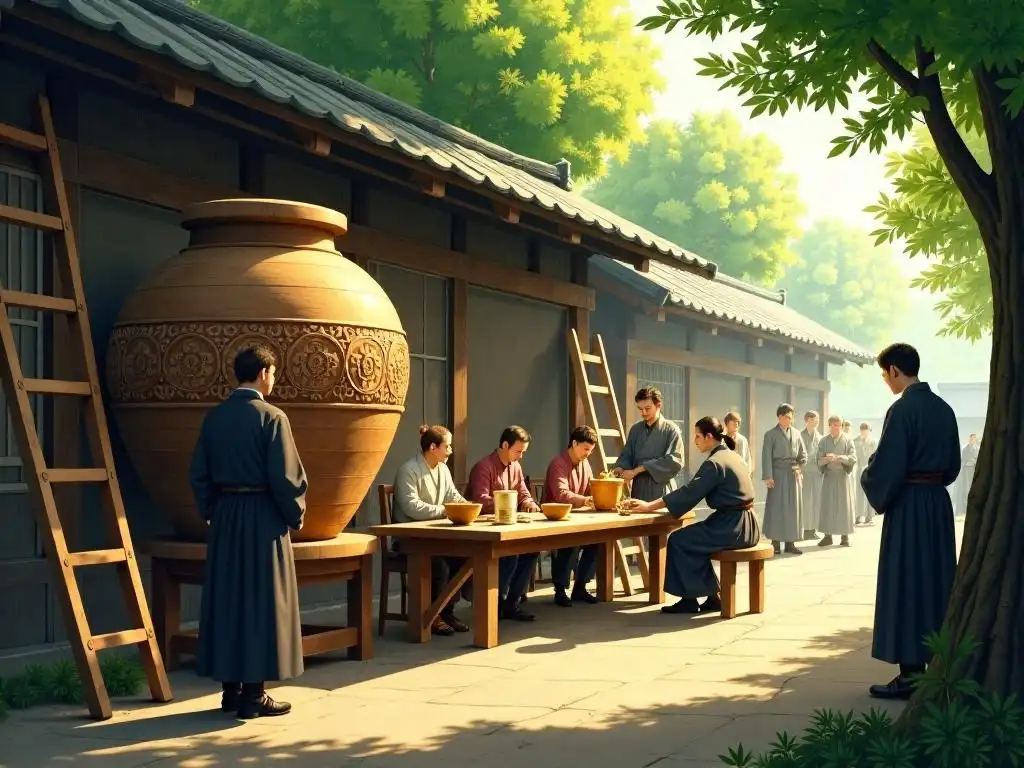
Artisans played a pivotal role in shaping the economic landscape of feudal Japan. Their contributions extended beyond mere craftsmanship; they were integral to the local economies and trade networks that flourished during this era. By specializing in various trades and crafts, artisans not only boosted economic productivity but also enhanced the cultural fabric of society.
Craft Production and Local Economies
Artisans in feudal Japan were known for their specialized skills, which included the production of textiles, pottery, metalwork, and woodworking. Each craft was often tied to specific regions, creating localized economies that thrived on the unique products offered by their artisans. For instance, Kyoto became renowned for its silk textiles, while Seto was famous for its ceramics. This specialization fostered a sense of community and pride among artisans, as they contributed to their local economies in several ways:
- Job Creation: Artisans employed apprentices and workers, creating job opportunities that helped sustain local populations.
- Resource Utilization: They utilized local resources effectively, which not only minimized transportation costs but also ensured that the community benefited from its natural assets.
- Cultural Exchange: The skills and styles of different artisans often blended, leading to innovations in craft production and the birth of new local specialties.
Artisans also participated in local markets, where they sold their goods directly to consumers. This direct trade not only enhanced their income but also provided a platform for consumers to access high-quality, locally produced goods.
Trade Networks Established by Artisans
Artisans were instrumental in establishing extensive trade networks that connected different regions of Japan. These networks facilitated the exchange of goods, ideas, and cultural practices, significantly contributing to the economic interdependence of feudal Japan's regions.
- Regional Trade: Artisans often collaborated with merchants to distribute their products beyond local markets. For instance, textiles produced in the Kanto region would find their way to the courts of Kyoto, allowing artisans to tap into wealthier markets.
- Bartering Systems: Many artisans engaged in bartering, trading their crafts for other essential goods, which helped keep local economies vibrant and interconnected.
- Cultural Exchange: Trade routes established by artisans were crucial for cultural exchange. As artisans traveled to sell their goods, they brought back new techniques, styles, and materials, enriching the local artisan community and enhancing the overall quality of production.
These trade networks not only benefited the artisans themselves but also played a significant role in the broader economic development of feudal Japan, laying the groundwork for future economic structures.
The Influence of Artisans on Agricultural Markets
The influence of artisans extended into the agricultural markets as well. Many artisans relied heavily on agricultural products for their craft, establishing symbiotic relationships with farmers. This interdependency created a dynamic where both parties benefited:
- Innovation in Tools: Artisans developed specialized tools that enhanced agricultural productivity. For example, blacksmiths produced better plows and farming implements, which in turn increased crop yields.
- Market Access for Farmers: By participating in the local markets, artisans provided farmers with direct access to consumers, allowing them to sell their goods without relying solely on middlemen.
- Economic Stability: The success of artisans often led to increased demand for agricultural products, which provided farmers with a more stable income. This mutual reliance fostered a more resilient economic environment.
Artisans significantly impacted Japan's feudal economy through their craft production, the establishment of trade networks, and their influence on agricultural markets. Their roles were foundational in shaping the economic landscape, ensuring that both artisans and farmers could thrive in a complex and interconnected system.
Artisans and the Samurai Class
The relationship between artisans and the samurai class in feudal Japan was intricate and multifaceted. While samurai were primarily known as warriors and landholders, their roles extended into the economic and cultural spheres, directly influencing the artisans' livelihoods and practices. Artisans, who specialized in crafts such as pottery, textiles, metalwork, and woodworking, depended heavily on samurai patronage for their survival and success.
Artisans often worked closely with samurai to create items of both practical and aesthetic value. Items like weapons, armor, ceremonial swords, and luxurious household goods were not only functional but also served as status symbols among the samurai class. This interdependence forged a unique bond where samurai relied on artisans for quality craftsmanship, while artisans sought the protection and financial backing of the samurai.
The social hierarchy placed artisans below the samurai, yet their skills were respected and often revered. The artisans' ability to create exquisite works of art contributed to the cultural richness of the samurai's lifestyle, leading to a complex relationship that was both collaborative and hierarchical.
Patronage: How Samurai Supported Artisans
The patronage system in feudal Japan was essential for sustaining artisan crafts. Samurai often commissioned artisans to produce items that reflected their status and wealth. This patronage manifested in various forms:
- Commissioned Works: Samurai would place specific orders for weapons, armor, and decorative items, providing artisans with a steady income.
- Gifts and Incentives: Samurai sometimes gifted artisans with land, tools, or financial support in exchange for their craftsmanship, ensuring that artisans could continue their trade.
- Cultural Events: Samurai-sponsored festivals and ceremonies created opportunities for artisans to showcase their work, enhancing their reputation and expanding their clientele.
This support was crucial, particularly during times of peace when the demand for military goods decreased. Artisans would pivot to create goods for domestic use, luxury items, or artistic expressions that appealed to the samurai's tastes.
The Impact of Samurai Culture on Artisan Crafts
Samurai culture profoundly influenced the styles, techniques, and materials used by artisans in their crafts. Several aspects illustrate this impact:
- Aesthetic Values: The samurai class valued simplicity, elegance, and functionality in design. This preference shaped the artisans' approach to their work, leading to the development of refined aesthetics in crafts such as pottery and textile production.
- Symbolism and Themes: Artisans often incorporated symbols of loyalty, honor, and nature into their work, reflecting the samurai's bushido code. For instance, motifs of cherry blossoms and cranes were popular, as they symbolized beauty, transience, and honor.
- Innovative Techniques: The demand for high-quality, durable products pushed artisans to refine their techniques and innovate. For example, the production of swords reached unparalleled heights of craftsmanship, with artisans developing unique forging methods to enhance the quality and performance of the blades.
- Cultural Exchange: The samurai's interactions with various social classes and foreign influences during trade missions led to the introduction of new materials and techniques, further enriching artisan crafts. This cultural exchange expanded the artisans' repertoire, allowing them to create unique and varied products.
The relationship between artisans and the samurai class was symbiotic, with each influencing the other's development and success. The artisans not only contributed to the samurai's material culture but also played a vital role in the broader economic landscape of feudal Japan, making their crafts an essential component of the era's legacy.
Challenges Faced by Artisans
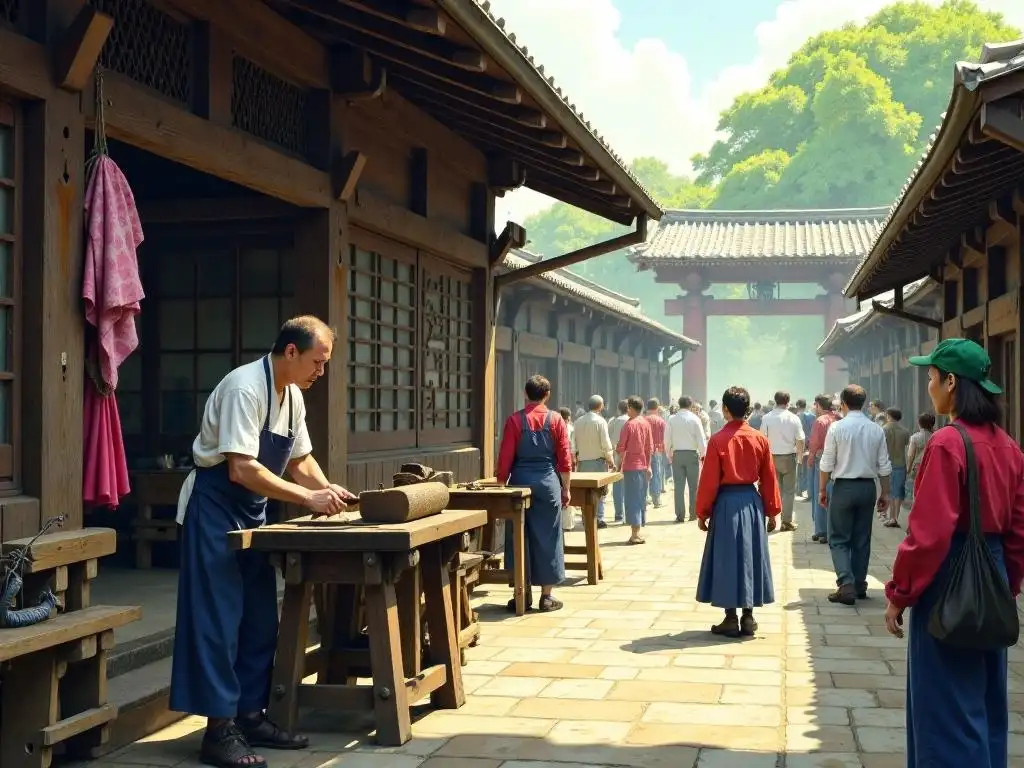
Artisans in Japan's feudal economy played a pivotal role in shaping the cultural and commercial landscape of the era. However, their contributions came with significant challenges that impacted their livelihood and production capabilities. This section delves into the economic constraints, social limitations, and the effects of war and unrest on artisan production during the feudal period.
Economic Constraints in the Feudal System
The feudal system in Japan imposed various economic constraints that directly affected artisans. Primarily, artisans operated within a hierarchy where the ruling samurai class held the majority of power and resources. As a result, artisans were often subjected to:
- Taxation: Artisans were required to pay taxes to their local lords, which could significantly reduce their profits. Taxes were often levied in the form of rice or other goods, making it challenging for artisans to accumulate wealth.
- Restrictions on Trade: The feudal system enforced strict regulations regarding trade. Artisans were often restricted to local markets, which limited their ability to expand their customer base and seek better prices for their goods. This lack of economic mobility stifled innovation and growth among artisan producers.
- Dependence on Samurai Patronage: Many artisans relied on the patronage of samurai for their livelihood. This dependency made them vulnerable to the whims of their patrons, who could dictate prices and terms, often to the detriment of the artisans' economic stability.
The cumulative impact of these economic constraints resulted in a precarious existence for many artisans, limiting their ability to thrive and innovate within their craft.
Artisans occupied a unique yet challenging position within the rigid social hierarchy of feudal Japan. Despite their skills and contributions, they faced several social limitations that hindered their status and opportunities:
- Perception of Class: In the Confucian-inspired social structure of feudal Japan, artisans were often viewed as lower in status compared to samurai and farmers. This perception relegated them to a marginalized position, impacting their social mobility and recognition within society.
- Guild Regulations: Artisans often operated within guilds, which enforced strict regulations and codes of conduct. While guilds provided a sense of community and mutual support, they could also impose limitations on individual creativity and entrepreneurship, as artisans were expected to adhere to traditional methods and practices.
- Lack of Political Power: Artisans had little to no political power to advocate for their rights or interests. This lack of representation meant that their voices were often overshadowed by the demands of the samurai class, further entrenching their subservient status within the feudal economy.
These social limitations created a challenging environment for artisans, constraining their potential for advancement and recognition in both their craft and society.
The Effects of War and Unrest on Artisan Production
The feudal era was marked by periods of significant conflict and unrest, which had profound effects on artisan production:
- Disruption of Trade Routes: Wars and internal conflicts led to the disruption of established trade routes, making it difficult for artisans to procure raw materials necessary for their crafts. This disruption often resulted in shortages that stifled production capabilities.
- Destruction of Infrastructure: Armed conflicts frequently resulted in the destruction of towns and villages, including workshops and marketplaces vital for artisan activity. The loss of infrastructure not only limited artisans' ability to produce goods but also affected their access to customers and markets.
- Shift in Demand: During times of war, the demand for certain goods shifted dramatically. For instance, there was an increased need for weaponry and armor, which could alter the focus of artisans' production. This shift could lead to instability in their traditional crafts, forcing artisans to adapt quickly to the changing economic landscape.
The impact of war and unrest significantly affected the artisans' ability to sustain their livelihoods, making their role in the feudal economy both vital and precarious.
Case Studies of Prominent Artisans

Masamune: Contribution to Japanese Craftsmanship
Masamune, often referred to as one of Japan's greatest swordsmiths, exemplifies the profound impact artisans had on Japan's feudal economy. Active during the Kamakura period (1185-1333), Masamune's craftsmanship set a standard that would influence generations of swordsmiths. His swords, characterized by their exceptional sharpness and unique tempering techniques, were not merely tools of warfare but also works of art.
The significance of Masamune's blades extended beyond their functionality. Given that swords were symbols of status and power among the samurai class, Masamune's creations played a crucial role in the socio-economic structure of feudal Japan. The demand for high-quality swords, particularly among feudal lords and warriors, stimulated local economies. Masamune's reputation attracted patrons who were willing to pay premium prices for his swords, thus supporting a network of suppliers and craftsmen involved in the production and decoration of these weapons.
| Feature | Detail |
|---|---|
| Period | Kamakura (1185-1333) |
| Key Contribution | Mastery in sword-making |
| Economic Impact | Stimulated demand and local economies |
| Cultural Significance | Symbol of status and power |
Masamune's legacy is not only evident in his creations but also in how they influenced the cultural heritage of Japan. His techniques and aesthetic principles have been preserved and revered in traditional craftsmanship, showcasing the enduring role of artisans in shaping both the economy and culture of feudal Japan.
Hon'ami Kōetsu: Innovations in Feudal Trade
Hon'ami Kōetsu, a master artisan active in the early Edo period (1603-1868), revolutionized the practice of trade with his innovative approach to ceramics and calligraphy. His works, which often combined artistic beauty with functionality, exemplified the fusion of art and commerce, allowing for the flourishing of a vibrant artisan market during this era.
Kōetsu's contributions to the Kyo-yaki pottery style were particularly notable. By introducing new glazing techniques and aesthetic principles, he elevated the status of ceramics from mere utilitarian objects to coveted art pieces. This shift not only transformed the pottery market but also enhanced the overall artisan economy by fostering competition and encouraging innovation among craftsmen.
- Key Innovations:
- Development of new glazing techniques
- Integration of calligraphy with pottery
- Promotion of artistic pottery as a luxury commodity
Kōetsu's impact on trade was profound. By positioning his products as luxury items, he expanded the market reach of artisan goods, attracting affluent customers and stimulating demand. His collaboration with other artisans, such as lacquerware craftsmen, further exemplified the interconnectedness of various trades during the feudal era, highlighting the role of artisans in economic collaboration and cultural exchange.
Kōgyō: Influence on Cultural Heritage
Kōgyō, a term that refers to a variety of artisans in feudal Japan, encompasses a broad range of skilled workers, including potters, weavers, and woodworkers. The influence of Kōgyō on cultural heritage is profound, as these artisans played a vital role in creating and preserving traditional Japanese crafts that are celebrated to this day.
One of the notable aspects of Kōgyō is their ability to adapt and innovate within their respective fields. For instance, weavers in the late feudal period began experimenting with new patterns and materials, which not only served aesthetic purposes but also responded to changing consumer preferences in a competitive market.
- Impact Areas:
- Preservation of traditional crafts
- Adaptation to market demands
- Cultural exchange through artisan collaboration
The cultural significance of Kōgyō is evident in the way these artisans contributed to the identity of Japanese craftsmanship. Their works often included symbolic motifs and designs that reflected regional traditions and societal values, embedding cultural narratives into everyday objects. As the feudal economy evolved, the Kōgyō artisans maintained a strong connection to their heritage, ensuring that the craftsmanship of Japan would continue to be appreciated and celebrated for generations.
The influence of artisans in Japan's feudal economy extends far beyond their immediate economic contributions; it profoundly shaped the cultural landscape, leaving a lasting legacy that resonates in contemporary Japanese society.
The Legacy of Artisans in Japan's Economic History
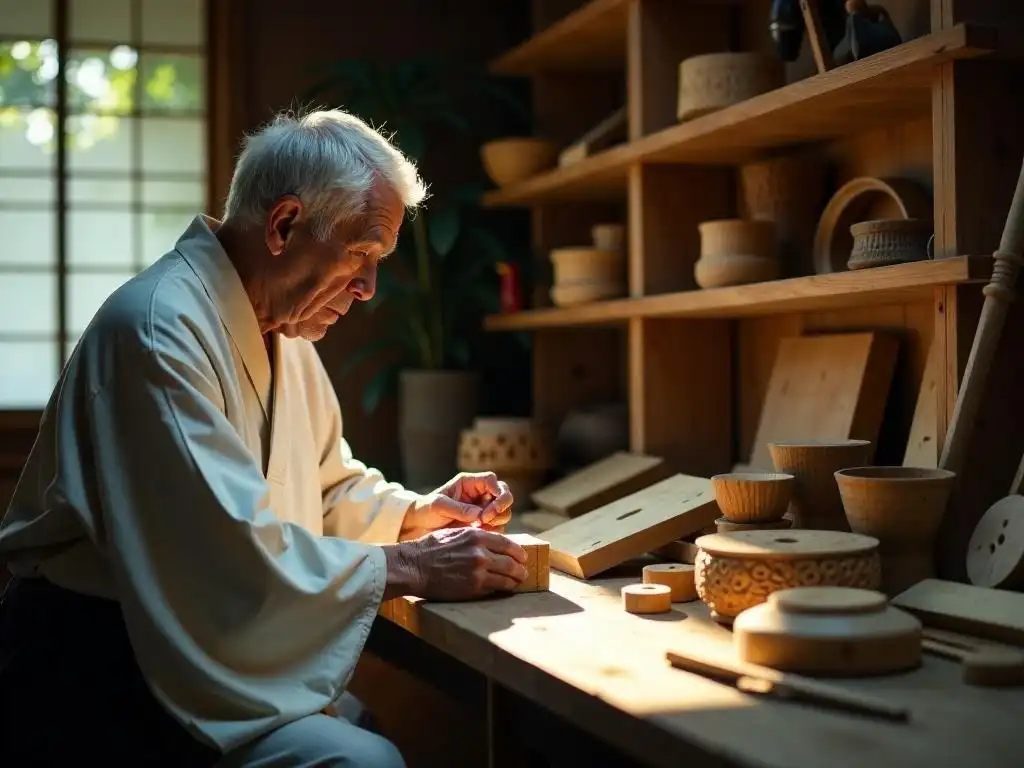
The artisans of feudal Japan were pivotal to the economic framework of their time, crafting goods that not only fulfilled everyday needs but also reflected the intricate cultural and social dynamics of Japanese society. Their contributions extended beyond mere production; they shaped trade networks, influenced craftsmanship standards, and left an indelible mark on Japan's economic history.
Artisans were often organized into guilds, which regulated quality and pricing, ensuring that their products met the expectations of both local and regional markets. This organization fostered a sense of community and mutual support, allowing artisans to thrive in a competitive environment. The specialization of crafts, ranging from textiles to ceramics, resulted in regional distinctions—each area became known for specific products, enhancing trade opportunities and economic interdependence.
The relationship between artisans and the samurai class also played a crucial role. Samurai, as patrons of the arts, commissioned various works, thereby elevating the status of artisans and integrating artistry into the fabric of feudal society. This patronage not only provided artisans with financial stability but also ensured that their craft was recognized and valued within the socio-political hierarchy of the time.
Lasting Impacts on Modern Japanese Craft and Trade
The influence of feudal artisans extends well into contemporary Japan, where their legacy is evident in modern craft practices and trade. Many traditional crafts, such as pottery, textiles, and woodworking, trace their origins back to this period, showcasing techniques that have been preserved and refined over centuries.
Today, modern artisans continue to draw inspiration from their feudal predecessors, emphasizing quality and craftsmanship. The rise of "kawaii" culture has also seen a resurgence in artisanal goods, blending traditional craftsmanship with contemporary aesthetics to cater to modern consumer preferences. This has led to a niche market for handcrafted products, where consumers are increasingly seeking authenticity and uniqueness in their purchases.
Moreover, the appreciation for artisan goods has given rise to local economies centered around craft fairs and artisanal markets. These platforms not only support local artisans but also promote sustainable trade practices, echoing the community-driven nature of feudal artisan guilds.
Preservation of Artisan Skills in Contemporary Japan
Efforts to preserve artisan skills in Japan are multifaceted, focusing on both education and community engagement. Many traditional crafts are taught through formal apprenticeships, where young artisans learn under the guidance of masters. This mentorship system is crucial for passing down intricate techniques and knowledge that could otherwise be lost.
Additionally, organizations and government initiatives work to promote traditional crafts through exhibitions and cultural festivals. These events celebrate the skills of artisans, attracting both locals and tourists, and fostering a renewed interest in Japan's rich craft heritage.
In recent years, the integration of technology has also played a role in preserving artisan skills. Digital platforms allow artisans to showcase their work to a global audience, expanding their market reach and ensuring continued relevance in a rapidly changing economy.
The artisans of feudal Japan laid the groundwork for a rich tapestry of craftsmanship that continues to influence Japan's economic landscape today. Their enduring legacy is sustained through education, community support, and a commitment to quality, ensuring that the essence of their work remains vibrant in contemporary society.
Conclusion: The Lasting Impact of Artisans on Japan's Feudal Economy
Summary of Key Points
The role of artisans in Japan's feudal economy was multifaceted and vital to the overall economic structure of the period. Here are some of the key points that highlight their impact:
- Economic Contributors: Artisans were essential in producing goods that fueled trade, ranging from everyday items to luxury products. Their craftsmanship not only provided for local needs but also contributed to regional and national trade networks.
- Guild Systems: The establishment of guilds enabled artisans to organize themselves, regulate quality, and protect their interests. These guilds played a significant role in setting prices, standards, and training apprentices, ensuring the continuity of skills.
- Cultural Transmission: Artisans were pivotal in preserving and transmitting cultural practices through their craft. Techniques and designs were often passed down through generations, contributing to a rich tapestry of Japanese heritage.
- Economic Mobility: While the feudal system was predominantly hierarchical, artisans had opportunities for upward mobility within their communities. Successful artisans could gain wealth, social standing, and even influence local politics.
- Regional Specialization: Different regions became known for specific crafts, leading to economic specialization. For instance, Kyoto was famous for textiles, while Kanazawa became renowned for metalwork. This specialization contributed to regional identities and economic interdependence.
Reflection on the Importance of Craftsmanship in Historical Context
The significance of craftsmanship during Japan's feudal era cannot be understated. Artisans were not merely laborers producing goods; they were custodians of tradition and innovation. Their skills shaped not only the economy but also the cultural landscape of Japan.
Artisanship represented a blend of utility and artistry, where functional objects were often imbued with aesthetic value. This duality fostered a societal appreciation for quality and beauty, influencing everything from samurai armor to everyday utensils. The intricate designs and meticulous attention to detail in artisan products reflected the values of the society at the time.
Moreover, the artisan's role in the feudal economy underscores a broader understanding of economic systems. Rather than viewing artisans solely as economic participants, they can be seen as integral to the cultural and social fabric of feudal Japan. Their contributions laid the groundwork for modern Japanese craftsmanship and industry, influencing contemporary practices and perceptions of quality in both domestic and international markets.
The legacy of artisans in Japan's feudal economy is profound, illustrating the intricate interplay between economy, culture, and society. Their impact resonates through history, serving as a testament to the importance of craftsmanship in shaping not only an economy but also a national identity.
Frequently Asked Questions
What role did artisans play in Japan's feudal economy?
Artisans were essential to the feudal economy, producing tools, textiles, and art that supported both samurai and peasants. Their craftsmanship enhanced social status and contributed to local trade.
Social status significantly influenced artisans, as they were often placed below samurai but above peasants. This hierarchy dictated their opportunities and the value of their craftsmanship in society.
What were the primary crafts practiced by artisans in feudal Japan?
Artisans specialized in various crafts including pottery, textiles, metalworking, and woodblock printing. These skills not only met local demands but also allowed for the export of goods.
How did artisans contribute to cultural development in feudal Japan?
Through their craftsmanship, artisans played a crucial role in the cultural development of feudal Japan by creating artworks and items that reflected and shaped Japanese identity and aesthetics.
What impact did artisans have on trade in feudal Japan?
Artisans significantly impacted trade by producing goods that were highly sought after in both local and regional markets. Their work fostered economic growth and strengthened trade networks across Japan.
Final Reflection: The Enduring Legacy of Artisans in Japan's Feudal Economy
The intricate relationship between artisans and Japan's feudal economy remains profoundly relevant today, as it highlights the foundational role of skilled craftsmanship in shaping societal structures and economic resilience. In an era where mass production often overshadows individual artistry, understanding the historical significance of artisans can inspire a renewed appreciation for craftsmanship and its impact on community identity and economic stability. The legacy of these skilled workers is not just a relic of the past; it serves as a reminder of the power of creativity and skill in driving societal progress.
Artisans were not merely laborers; they were the backbone of the feudal economy, influencing trade, culture, and social hierarchy. Their contributions fostered a sense of community and identity that resonates even in contemporary society. As we navigate a world increasingly dominated by technology, the lessons from the past remind us of the importance of preserving craftsmanship and supporting local artisans. Art is the most beautiful of all lies.
This sentiment captures the essence of how artisans transform raw materials into expressions of culture and identity, enriching our lives in ways that transcend mere economics.
As we reflect on the lessons from the artisans of Japan's feudal economy, I invite you to consider how you can incorporate the values of craftsmanship and community into your own life. Embrace the artistry around you, support local creators, and recognize the importance of skill and tradition in shaping our world. By doing so, we honor the legacy of artisans and ensure that their influence continues to inspire future generations. Let us commit to fostering a culture that values creativity, craftsmanship, and the stories behind the work, creating a more vibrant and connected community for all.
Unleash the Power of Artisan Wisdom Today!
Thank you for diving into the fascinating world of feudal artisans and their vital role in shaping the economy! Your curiosity has uncovered not only the historical significance but also the valuable lessons we can learn from these skilled creators. Now, let’s take those insights and transform them into meaningful actions!
- Explore your local artisan community: Visit workshops or galleries to experience the craftsmanship firsthand and support talented makers in your area.
- Share your knowledge: Discuss the importance of artisans throughout history with friends or on social media to raise awareness about their influence on local economies.
- Create your own masterpiece: Enroll in a class or try your hand at a craft that inspires you, putting the spirit of craftsmanship into practice!
How will you honor the legacy of artisans in your life today?