
The Rise of Edo: Unraveling the Urban Transformation of Japan's Capital

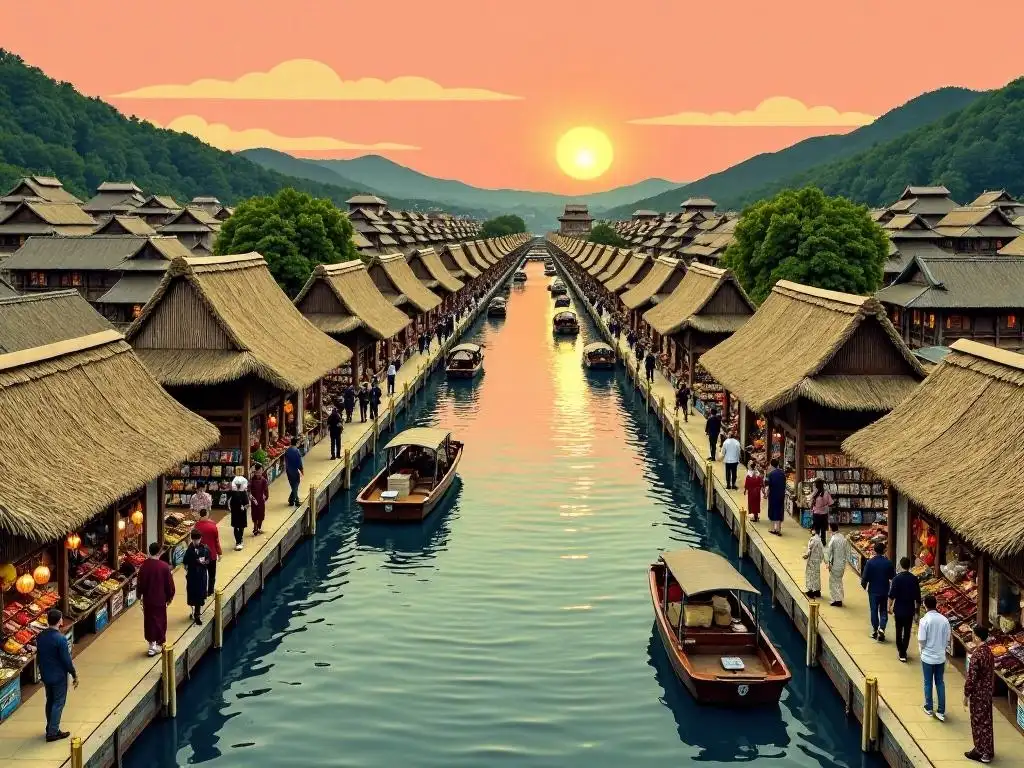
Welcome to Feudal Japan History, where we embark on a captivating journey through the rich tapestry of Japan’s feudal era. In this exploration, we unveil the intricate Edo period urban transformation that not only redefined the nation's capital but also set the stage for a dynamic evolution in culture and society.
As you delve into our featured article, "The Rise of Edo: Unraveling the Urban Transformation of Japan's Capital," prepare to discover how this transformative period shaped the very foundations of modern Japan. Join us as we unlock the secrets of history and invite you to explore the depths of an era that still echoes through time.
Introduction to the Edo Period Urban Transformation
The Edo period, spanning from 1603 to 1868, heralded a significant transformation in Japan's urban landscape, particularly with the rise of Edo (modern-day Tokyo) as the nation's capital. This era was marked by profound changes in societal structure, economic practices, and cultural expressions, all of which collectively contributed to the urbanization of Japan.
As the Tokugawa shogunate established its rule, Edo evolved from a small fishing village into one of the largest cities in the world, fundamentally altering the lives of its inhabitants and setting the stage for Japan's future modernization. This article delves into the intricate dynamics of the Edo period urban transformation, exploring the historical, cultural, and societal factors that paved the way for this remarkable evolution.
Overview of the Edo Period (1603-1868)
The Edo period is characterized by the Tokugawa shogunate's centralized feudal system, which maintained peace and stability known as the "Pax Tokugawa." This stability fostered economic growth and population increase in urban areas, leading to significant changes in city life. Edo, as the political heart of Japan, became a melting pot of diverse cultures, ideas, and commerce. The period witnessed the rise of a vibrant merchant class, a flourishing of arts and culture, and the emergence of a unique urban lifestyle.
Key features of the Edo period include:
- Political Stability: The shogunate's effective governance minimized internal conflict.
- Economic Growth: Agricultural advancements and trade routes expanded commerce.
- Cultural Flourishing: The arts, including kabuki theater and ukiyo-e prints, thrived.
- Population Boom: Edo's population swelled to over a million, making it one of the largest cities globally.
Significance of Urban Transformation in Edo
The urban transformation of Edo was not merely a change in city structure; it was a catalyst for broader societal shifts. This transformation impacted:
- Social Hierarchies: The rise of the merchant class challenged the traditional samurai status, creating a more fluid social structure.
- Cultural Exchanges: As a cultural hub, Edo facilitated the exchange of ideas and artistic expression, influencing the entire nation.
- Infrastructure Development: Innovations in urban planning, including roads, bridges, and public spaces, laid the groundwork for modern urban Japan.
Historical Context of Edo's Urban Development
Understanding the urban transformation of Edo requires a look back at the conditions that preceded it, as well as the circumstances surrounding its establishment as the capital of Japan.
Pre-Edo Urban Conditions in Japan
Before the Edo period, Japan's urban environment was characterized by fragmented political control and a series of feudal domains. Cities like Kyoto and Nara served as cultural centers but lacked the political unification that would come later. The population was primarily rural, with agriculture being the mainstay of the economy. This decentralized structure limited the potential for urban growth and development.
Key aspects of pre-Edo urban conditions included:
- Fragmented Governance: Multiple feudal lords controlled different regions, leading to instability.
- Limited Urbanization: Major cities were few, and rural life dominated.
- Cultural Centers: Despite the lack of unification, cities like Kyoto were rich in cultural heritage.
The Establishment of Edo as a Capital
The establishment of Edo as Japan's capital in 1603 marked a turning point in the nation's history. Tokugawa Ieyasu, the first shogun of the Tokugawa shogunate, recognized Edo's strategic location and potential for growth. As the shogunate centralized power, Edo became the political and administrative center of Japan, drawing samurai, merchants, and artisans to its burgeoning urban landscape.
Key developments during this transition included:
- Strategic Location: Edo's proximity to key waterways facilitated trade and movement.
- Political Decisions: The shogunate's choice to reside in Edo brought resources and attention to the city.
- Rapid Growth: The influx of population and commerce transformed Edo into a vibrant metropolis.
The urban transformation of Edo is a fascinating chapter in Japan's history, reflecting the interplay of political, social, and economic forces that shaped the nation. As we explore the intricate details of this transformation, we will uncover how Edo's rise as a capital not only redefined urban life in Japan but also laid the foundation for the country's future developments.
Key Factors Driving Urban Transformation in Edo
The urban transformation of Edo during the Edo period (1603-1868) can be attributed to several key factors that collectively shaped its development into one of the largest cities in the world at the time. Understanding these factors provides insight into how Edo evolved from a small fishing village into a bustling metropolis.
Political Stability Under the Tokugawa Shogunate
The establishment of the Tokugawa Shogunate marked a significant turning point for Japan's political landscape. With a centralized feudal system, the Tokugawa regime brought about a long period of peace known as the Pax Tokugawa. This stability allowed for the development of trade and commerce, as merchants could operate without the fear of conflict disrupting their businesses. The shogunate's policies promoted a hierarchical structure that encouraged the samurai class to settle in Edo, further boosting its population and economic activities.
Economic Growth and Trade Expansion
Edo's transformation was heavily influenced by economic growth, which stemmed from both domestic and international trade. The shogunate prioritized the development of merchant classes and created a favorable environment for commerce. Key trade routes were established, connecting Edo to various regions, allowing goods such as rice, textiles, and crafts to flow into the city. This trade expansion facilitated the rise of a vibrant urban culture characterized by the emergence of specialized markets and a burgeoning consumer economy.
Population Growth and Migration Patterns
As Edo became an economic hub, it attracted a significant influx of people from rural areas seeking opportunities. The population of Edo swelled from around 200,000 in the early 17th century to over a million by the end of the Edo period. This migration was not just limited to merchants; artisans, laborers, and even samurai moved to the city, leading to a diverse urban demographic. This rapid population growth necessitated the development of housing, public services, and infrastructure to accommodate the needs of the increasing populace.
Architectural and Urban Planning Innovations in Edo
The urban transformation of Edo was not only a result of socio-political and economic factors but also of significant architectural and urban planning innovations. These developments played a crucial role in accommodating the needs of its growing population and in defining the city's character.
Development of Infrastructure: Roads and Transportation
To support its burgeoning population and facilitate commerce, Edo saw significant advancements in infrastructure. The construction of an extensive road system linked the city to other regions, including the famous Tōkaidō road, which connected Edo to Kyoto. The establishment of transportation networks, including waterways, allowed for the efficient movement of goods and people. The development of bridges, ferries, and even the early stages of public transport contributed to the city's accessibility and connectivity.
Urban Design: From Castles to Residential Areas
Edo's urban design underwent a dramatic transformation as it transitioned from a military stronghold to a civilian city. The construction of the Edo Castle, which served as the shogun’s residence, was a focal point around which the city expanded. Surrounding the castle were designated residential areas for different classes, including samurai, merchants, and artisans. The careful planning of these spaces not only reflected social hierarchies but also ensured that each community had access to essential amenities, thereby enhancing the quality of urban life.
Public Spaces: Parks, Temples, and Markets
The creation of public spaces was essential in fostering a sense of community and cultural identity among Edo's inhabitants. Parks, such as Ueno Park, and temples provided green spaces for leisure and reflection amidst the urban bustle. Markets emerged as vibrant centers of commerce and social interaction, where people could gather, trade, and partake in the cultural festivities that characterized Edo life. These public spaces were integral to the urban fabric, allowing residents to connect with one another and participate in the cultural life of the city.
Cultural Impacts of Urban Transformation in Edo
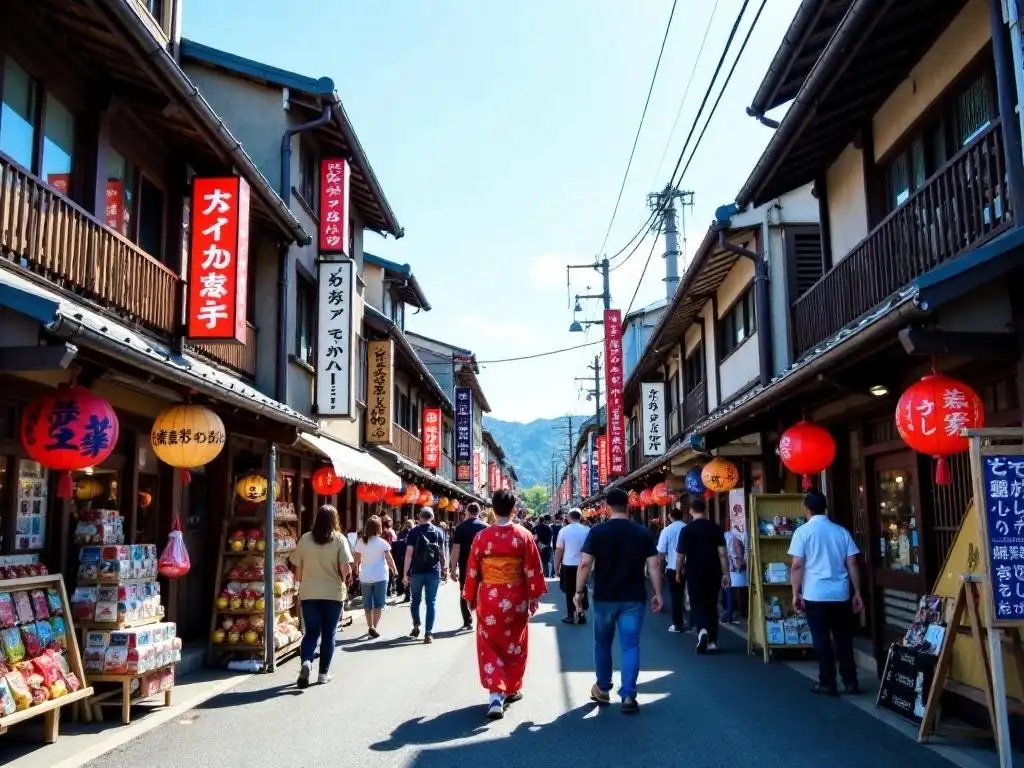
The urban transformation of Edo during the early modern period fundamentally reshaped Japanese culture. As the city expanded rapidly, it became a hub of innovation and creativity, fostering a unique urban culture that distinguished it from rural areas. This transformation was marked by the rise of new social classes, the flourishing of the arts, and significant changes in daily life that collectively redefined the cultural landscape of Japan.
Emergence of the Merchant Class and Urban Culture
The Edo period saw the emergence of a prosperous merchant class, known as the chōnin. As trade flourished, particularly in the bustling markets of Edo, merchants gained wealth and influence, challenging the traditional social hierarchy dominated by the samurai class. This new class not only contributed to the economy but also played a pivotal role in shaping urban culture.
- Civic Engagement: Merchants began to invest in public works and cultural activities, fostering a sense of community and civic pride.
- Cultural Patronage: Many chōnin became patrons of the arts, supporting theater, literature, and crafts, which in turn enriched the cultural fabric of Edo.
- Consumer Culture: The rise of the merchant class led to increased consumerism, as the populace sought out goods and services, resulting in the proliferation of shops, restaurants, and entertainment venues.
This transformation created a vibrant urban culture characterized by a blend of traditional and contemporary influences, setting the stage for a distinct Edo identity.
Influence of Arts and Entertainment in the Urban Landscape
Edo's urban transformation witnessed a renaissance in arts and entertainment, which became vital components of city life. The growth of the merchant class allowed for new forms of artistic expression and leisure activities.
- Theater: Kabuki and bunraku (puppet theater) thrived in Edo, attracting large audiences and becoming integral to urban entertainment. These performances often reflected societal issues and provided commentary on the times, making them both popular and politically significant.
- Literature: The period saw the rise of ukiyo-zōshi (floating world novels) and haiku, which captured the essence of urban life and the fleeting nature of existence, resonating with the experiences of Edo's inhabitants.
- Visual Arts: Woodblock printing (ukiyo-e) flourished, depicting scenes of urban life, landscapes, and beautiful women, thus immortalizing the vibrant culture of Edo.
Together, these artistic developments not only entertained but also shaped the cultural identity of the city and its people.
Changes in Social Structure and Daily Life
The urban transformation of Edo brought significant changes to the social structure and the daily lives of its residents. As the city grew, so did the complexity of its social interactions.
- Social Mobility: The rigid class system began to blur as merchants gained wealth and status. This social mobility allowed for greater interaction between classes, fostering a diverse urban society.
- Lifestyle Changes: Daily life in Edo was marked by increased leisure activities and cultural engagement. Festivals, public events, and a thriving nightlife became common, altering the rhythm of everyday life.
- Urban Infrastructure: The city’s development included improved infrastructure such as roads, bridges, and marketplaces, facilitating trade and mobility. This urban planning enhanced the quality of life and encouraged further population growth.
These changes collectively transformed Edo into a thriving metropolis, characterized by a dynamic and evolving social landscape.
Challenges Faced During Edo's Urbanization
Despite the cultural advancements, Edo's rapid urbanization brought numerous challenges that impacted the quality of life for its inhabitants.
Overpopulation and Housing Issues
As Edo's population soared, reaching over a million by the late 18th century, the city faced significant housing challenges.
- Housing Shortages: The demand for housing outstripped supply, leading to overcrowded living conditions and the proliferation of makeshift homes.
- Tenant System: Many residents lived as tenants in cramped quarters, often at the mercy of landlords. This created social tensions and dissatisfaction among the urban poor.
- Slums: The influx of people from rural areas created slum conditions in certain districts, leading to increased poverty and social issues.
These challenges highlighted the darker side of urbanization, as the city struggled to accommodate its burgeoning population.
Environmental Impact and Sanitation Concerns
The rapid urbanization of Edo also had significant environmental repercussions, particularly concerning sanitation and public health.
- Waste Management: The city lacked efficient waste disposal systems, resulting in unsanitary living conditions. Human waste and refuse often accumulated in streets and waterways.
- Pollution: The growth of industries and the use of wood-burning stoves contributed to air pollution, affecting the health of residents and the environment.
- Public Health Crises: These unsanitary conditions occasionally led to outbreaks of diseases, prompting authorities to address public health concerns, albeit inadequately at times.
The environmental challenges posed significant hurdles to maintaining a healthy urban environment.
Natural Disasters and their Effects on Urban Life
Edo was not only challenged by human-induced issues; it was also susceptible to natural disasters that affected urban life.
- Earthquakes: Japan's seismic activity meant that Edo frequently experienced earthquakes, leading to significant destruction and loss of life. The Great Ansei Earthquake of 1855 caused widespread devastation, prompting discussions on urban resilience.
- Fires: The wooden architecture of Edo made it particularly vulnerable to fires, which could spread rapidly and devastate entire neighborhoods. Firefighting measures, while improving over time, often struggled to keep pace with the dangers.
- Flooding: Heavy rains and poor drainage systems resulted in flooding, impacting daily life and exacerbating existing sanitation issues.
These natural disasters compounded the challenges of urban life, forcing the city to adapt and develop better disaster preparedness strategies over time.
The Legacy of Edo's Urban Transformation
The urban transformation of Edo during the Tokugawa period (1603-1868) left an indelible mark on Japan's historical and cultural landscape. As the seat of the shogunate, Edo evolved from a small fishing village into one of the largest cities in the world, boasting a population of over a million inhabitants by the early 18th century. This remarkable growth was not merely a phenomenon of numbers; it encapsulated significant changes in societal organization, economic activities, and cultural practices.
Edo's urbanization introduced innovative infrastructure, such as an extensive road network, drainage systems, and fire prevention measures. The city was meticulously planned, integrating residential, commercial, and governmental spaces. This organizational model set the stage for future urban planning in Japan and influenced the development of modern cities. Furthermore, the Edo period fostered a unique urban culture characterized by the emergence of merchant classes, the proliferation of arts and entertainment, and a vibrant public life centered around theaters, festivals, and marketplaces.
The legacy of Edo's transformation is not only observable in the physical structures that remain today but also in the social dynamics that shaped Japanese urban life. Concepts of communal living, public health, and governance established during this period resonate in modern urban policies and societal interactions. Thus, the Edo period laid the groundwork for Japan's contemporary urban identity, blending historical traditions with modern innovations.
Long-term Effects on Modern Japanese Cities
The long-term effects of Edo's urban transformation are evident in various aspects of contemporary Japanese cities. One significant impact is the enduring emphasis on community and social cohesion. The communal living arrangements and neighborhood associations that thrived in Edo have evolved but remain a vital part of urban life in cities like Tokyo and Osaka. These networks foster a sense of belonging and mutual support, reflecting the values nurtured during the Edo period.
Moreover, Edo's sophisticated infrastructure has influenced modern urban planning practices. The emphasis on efficient transportation systems, such as railways and subways, can be traced back to the intricate network of roads and canals established in Edo. The city's approach to disaster management, particularly in fire prevention and response, has also shaped contemporary urban safety regulations, ensuring resilience against natural calamities.
Culturally, the arts and entertainment that flourished in Edo continue to inspire modern forms of expression. Traditional crafts, theater, and festivals that originated during this time are celebrated and preserved, contributing to Japan's rich cultural tapestry. The Edo period's influence on modern architecture is also notable, as many contemporary buildings incorporate design elements reminiscent of Edo's aesthetic.
Preservation of Edo Culture in Contemporary Japan
Preserving Edo culture in contemporary Japan is a multifaceted endeavor that encompasses various practices and initiatives. Many historical districts, such as Yanaka in Tokyo and Kanazawa, have maintained their Edo-period architecture, allowing residents and visitors alike to experience the ambiance of the past. Efforts to protect these cultural heritage sites highlight the connection between modern life and historical roots, emphasizing the importance of preserving traditions.
Cultural festivals and events play a crucial role in keeping Edo's spirit alive. Events like the Sanja Matsuri in Asakusa and the Kanda Matsuri celebrate local traditions, drawing on customs that date back to the Edo period. These festivals not only preserve cultural heritage but also foster community engagement and attract tourism, thereby contributing to the local economy.
Additionally, educational programs and initiatives aimed at teaching younger generations about Edo's history and culture are vital for ensuring that these legacies endure. Schools, museums, and cultural centers often collaborate to create engaging learning experiences, emphasizing the relevance of Edo's past in understanding contemporary society.
In the realm of arts, contemporary artists and performers often draw inspiration from Edo aesthetics, integrating traditional themes and techniques into modern works. This fusion of old and new reinforces the idea that Edo's cultural elements remain vibrant and relevant in today's context.
Conclusion: The Edo Period as a Catalyst for Urban Change
The Edo period stands as a critical catalyst for urban change in Japan, reshaping the nation's cities in profound and lasting ways. Through its unique blend of governance, commerce, and culture, Edo set a precedent for urbanization that would influence generations to come. The period's innovations in infrastructure, community organization, and cultural expression laid the groundwork for the modern urban landscape we see in Japan today.
Summary of Key Points on Urban Transformation
The urban transformation of Edo was characterized by:
- Rapid population growth: From a small village to a bustling metropolis with over a million residents.
- Innovative infrastructure: Development of roads, waterways, and fire prevention systems.
- Cultural flourishing: The rise of a merchant class, arts, and public entertainment.
- Social cohesion: Formation of community networks that resonate in modern urban life.
These elements not only transformed Edo but also provided insights and frameworks for modern urban planning and cultural preservation.
Reflection on Edo's Role in Shaping Japan's Urban Future
Reflecting on Edo's role in shaping Japan's urban future, it is clear that the lessons learned during this transformative period continue to inform contemporary practices. The balance between tradition and modernity, as well as the importance of community in urban settings, remains vital in addressing today's urban challenges.
As Japan navigates the complexities of urbanization in the 21st century, the legacy of Edo serves as both a reminder of historical achievements and a source of inspiration for sustainable and resilient urban development. By embracing the essence of Edo's urban transformation, Japan can forge a path that honors its past while innovating for a vibrant future.
- Introduction to the Edo Period Urban Transformation
- Historical Context of Edo's Urban Development
- Key Factors Driving Urban Transformation in Edo
- Architectural and Urban Planning Innovations in Edo
- Cultural Impacts of Urban Transformation in Edo
- Challenges Faced During Edo's Urbanization
- The Legacy of Edo's Urban Transformation
- Conclusion: The Edo Period as a Catalyst for Urban Change
Frequently Asked Questions
What was the Edo period?
The Edo period (1603-1868) was a time of significant urban transformation in Japan, marked by the rise of Edo (now Tokyo) as the political and cultural capital under the Tokugawa shogunate.
How did the urban transformation in Edo impact society?
The urban transformation led to a shift in social structures, with a burgeoning merchant class gaining influence, and changes in cultural practices that reflected the growing urban lifestyle.
What were the main features of Edo's urban development?
Edo's development featured advanced infrastructure, including road networks, canals, and public buildings, which facilitated trade and transportation, contributing to a vibrant urban life.
How did the arts evolve during the Edo period?
This era saw a flourishing of arts and culture, including ukiyo-e (woodblock prints), kabuki theater, and literature, reflecting the urban life and interests of the common people.
What legacy did the Edo period leave on modern Japan?
The Edo period's urban transformation laid the foundation for modern Tokyo, influencing contemporary urban planning, culture, and the social fabric of Japan today.
Final Reflection: Embracing the Legacy of Edo's Urban Transformation
The urban transformation of Edo during the Edo period is not just a historical phenomenon; it is a testament to the resilience and ingenuity of a society that shaped modern Japan. As we navigate the complexities of contemporary urbanization, the lessons learned from Edo's evolution resonate more than ever. The meticulous planning, cultural integration, and innovative infrastructure of Edo serve as a blueprint for cities worldwide striving for sustainable growth and social harmony.
Edo's transformation has left an indelible mark on Japan's cultural and social landscape, influencing everything from architecture to community dynamics. The spirit of Edo continues to inspire urban planners and citizens alike, reminding us of the importance of balancing progress with tradition. The city is not merely a place; it is a living, breathing entity that reflects the values and aspirations of its people.
This quote encapsulates the essence of Edo's legacy, urging us to consider how our urban environments can foster community and cultural identity.
As we reflect on the remarkable journey of Edo, let us take a moment to consider how we can apply its lessons in our own lives and communities. How can we embrace the principles of thoughtful urban design, cultural appreciation, and community engagement in our modern contexts?
I invite you to explore these questions and take action, whether through advocating for sustainable practices, participating in local cultural initiatives, or simply appreciating the rich history that shapes our urban landscapes today. The legacy of Edo is not just a chapter in history; it is a call to create vibrant, inclusive cities for future generations.
Unleash the Spirit of Edo: Take Your Journey Further!
Thank you for diving into this exploration of Edo’s urban transformation! It’s inspiring to see how the capital of Japan evolved and thrived during the feudal era. Now that you’ve uncovered the fascinating growth of this historic city, it’s time to put your newfound knowledge into action!
Here are some engaging steps you can take right now:
- Dive Deeper: Explore the daily life of Edo residents to truly appreciate this vibrant city. Discover how culture, art, and economy flourished in this dynamic environment.
- Join a Community: Connect with fellow history enthusiasts on our forum! Share your insights or ask questions about Japan’s rich history and learn from others' perspectives.
- Explore Virtually: Embark on a virtual tour of historical Edo and immerse yourself in its culture through engaging online resources and documentaries.
What aspect of Edo’s transformation intrigues you the most, and how do you think it influences our understanding of urban history today?