
Japan's Isolationist Trade: The Case of the Dutch and the Deshima Island

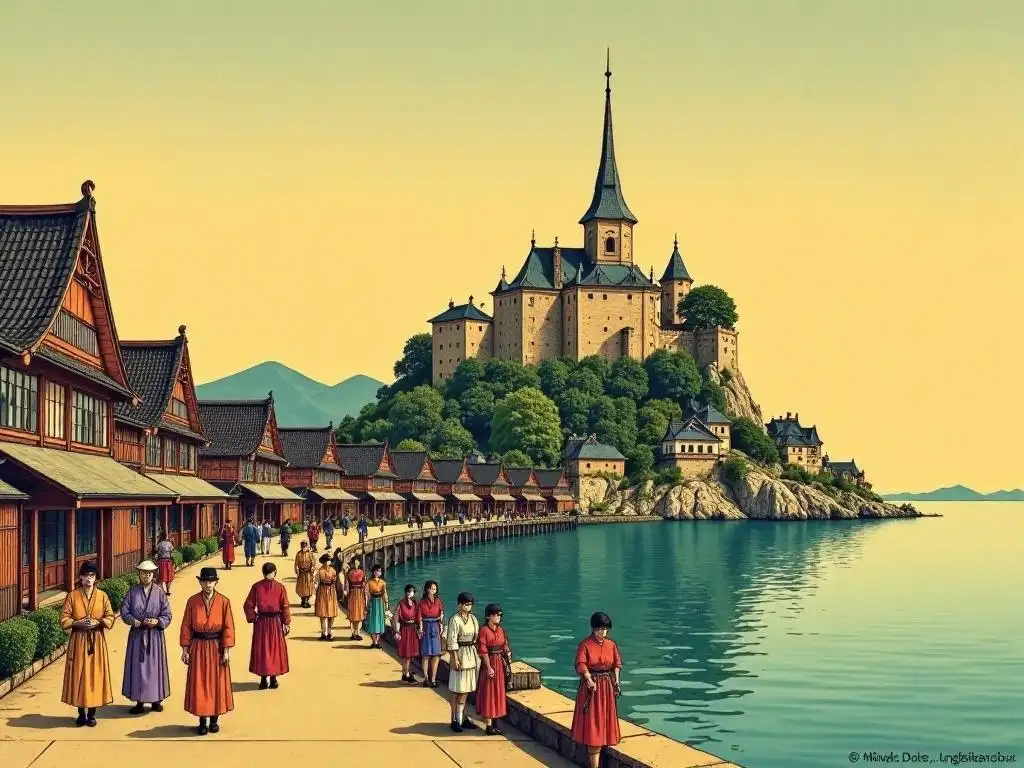
Welcome to Feudal Japan History, where we embark on a fascinating journey through the intricate tapestry of Japan's feudal era. Our focus today dives deep into Japan's isolationist trade history, unraveling the unique relationship between Japan and the Dutch on the enigmatic Deshima Island. Why did this tiny outpost become the sole gateway for foreign trade during a time of strict isolation? Join us as we peel back the layers of economic strategies, cultural exchanges, and the profound implications of this era. Prepare to be intrigued and discover the rich narratives that shaped a nation!
-
Japan's Isolationist Trade History: An In-Depth Exploration
- Introduction to Japan's Isolationist Trade Policies
- The Dutch and Deshima Island: A Unique Trade Relationship
- Key Features of Japan's Isolationist Trade History
- The Mechanisms of Trade on Deshima Island
- Case Studies: Notable Events in Japan's Isolationist Trade History
- The End of Isolationism: Factors Leading to Change
- Conclusion: The Legacy of Japan's Isolationist Trade History
- References and Further Reading on Japan's Isolationist Trade History
-
Frequently Asked Questions
- What was the significance of Deshima Island in Japan's isolationist trade history?
- How did Japan's isolationist policies affect its economy?
- Why were the Dutch allowed to trade with Japan during its isolation?
- What impact did the isolationist trade have on Japanese culture?
- How did Japan's isolationist trade policies come to an end?
- Final Reflection: The Enduring Legacy of Japan's Isolationist Trade History
- Unveil Japan's Secrets: Dive into Its Trade History!
Japan's Isolationist Trade History: An In-Depth Exploration
Japan's trade history during its isolationist period is a fascinating narrative that weaves together the intricate tapestry of cultural exchange, economic policies, and diplomatic relations. Spanning from the early 17th century to the mid-19th century, this era is characterized by a strict policy of sakoku, or "locked country," which limited foreign influence and trade to a select few entities.
Among them, the Dutch hold a particularly unique position, as they were granted exclusive trading rights through Deshima Island, a small artificial island in Nagasaki Bay. This article delves into the complexities of Japan's isolationist trade history, particularly highlighting the role of the Dutch and the impact of their trade relations on Japanese society and culture.
Introduction to Japan's Isolationist Trade Policies
Japan's isolationist trade policies were formalized under the Tokugawa shogunate, which ruled from 1603 to 1868. This period marked a significant shift in Japan's approach to foreign interaction, driven by a desire to maintain political stability and cultural integrity. By restricting trade and foreign contact, the shogunate aimed to eliminate the influence of Christianity and protect the nation's traditional values and social structure.
Overview of Japan's Isolationist Era
The isolationist era, or sakoku, began in the 1630s and lasted for more than two centuries. During this time, Japan officially banned all foreign travel and prohibited Japanese citizens from leaving the country. The shogunate allowed only limited trade relations with select nations, primarily the Dutch and the Chinese, who were seen as less threatening to Japan's social order. This policy not only impacted economic activities but also shaped the cultural landscape, as Japan developed its unique identity largely in isolation from the rest of the world.
Significance of Trade in Feudal Japan
Trade during the feudal era played a crucial role in Japan's economy, despite the isolationist policies. The limited engagement with foreign entities allowed Japan to acquire essential goods, such as silver, textiles, and spices, while also facilitating the exchange of knowledge and technology. This period saw the rise of a merchant class, which contributed to urbanization and the development of a vibrant domestic economy. The careful management of trade relations was pivotal in maintaining the balance between isolation and the need for external resources.
The Dutch and Deshima Island: A Unique Trade Relationship
The Dutch presence in Japan is a remarkable aspect of the country's isolationist trade history. Unlike other foreign nations, the Dutch were able to navigate the restrictive policies and establish a foothold on Deshima Island, which became the sole gateway for European trade.
The Establishment of Deshima Island
Deshima Island was constructed in 1634 as a trading post for the Dutch East India Company (VOC). Initially a small island, it was expanded to accommodate the growing trade activities. The Dutch were allowed to engage in commerce while adhering to strict regulations set by the Tokugawa shogunate. This arrangement not only facilitated trade but also symbolized Japan's controlled interaction with the outside world.
The Role of the Dutch East India Company in Japan's Trade
The Dutch East India Company played a vital role in the trade exchange between Japan and Europe. They acted as intermediaries, importing Japanese goods such as porcelain, silk, and lacquerware, while exporting spices, textiles, and scientific knowledge. The VOC's operations were marked by a pragmatic approach, often focusing on profit maximization while respecting Japan's cultural and political norms.
Cultural Exchanges Between Japan and the Dutch
The trade relationship between Japan and the Dutch also fostered significant cultural exchanges. Through this limited interaction, Japan gained access to Western scientific knowledge, medicine, and technology, which had lasting impacts on its society. Notably, the Dutch introduced the concept of “Rangaku” or "Dutch Learning," which became a pivotal aspect of Japan's modernization efforts during the late Edo period.
Japan's isolationist trade history, particularly the unique relationship with the Dutch on Deshima Island, reflects a complex interplay of economic necessity and cultural preservation. Understanding this era provides valuable insights into how Japan navigated its place in the world while maintaining its identity amidst external influences.
Key Features of Japan's Isolationist Trade History
Japan's isolationist trade history, primarily characterized by the Sakoku policy, spanned from the early 17th century until the mid-19th century. This era saw Japan deliberately limiting foreign interactions, thereby fostering a unique socio-economic environment. The key features of this isolationist trade history include strict regulations on foreign trade, the establishment of designated trading posts, and the influence of external pressures, particularly from European powers.
During this period, Japan maintained a delicate balance between restriction and limited engagement. While foreign trade was curtailed, the Dutch were permitted to conduct commerce on Deshima Island, a small, man-made island in Nagasaki Bay, which became the sole gateway for Western trade. This unique arrangement allowed Japan to benefit from selective imports, such as textiles and scientific knowledge, while simultaneously controlling the influx of foreign ideas and cultural influences.
The isolationist stance also led to significant developments in domestic industries, as Japan sought to become self-sufficient. This resulted in a flourishing of local craftsmanship and agriculture, setting the stage for Japan's eventual modernization in the late 19th century.
Limited Foreign Relations: The Sakoku Edicts
The Sakoku Edicts, enacted in 1635 under the Tokugawa shogunate, were a series of laws designed to enforce Japan's isolationism. These edicts prohibited Japanese citizens from traveling abroad and restricted foreign merchants to specific locations. The most notable aspect was the prohibition of Christianity, which was viewed as a threat to the shogunate's authority and social order.
Under the Sakoku policy, only a select few foreign nations were allowed to trade with Japan, with the Dutch and Chinese being the primary exceptions. The Dutch were allowed to operate on Deshima Island, where they were monitored closely and subjected to numerous restrictions. This limited engagement allowed Japan to benefit from foreign goods while minimizing external influence, thereby preserving its cultural and political integrity.
The Sakoku Edicts remained in effect until the arrival of Commodore Matthew Perry in 1853, which ultimately pressured Japan to open its borders to the West, marking the end of over two centuries of isolation.
Economic Impact of Isolationism on Japanese Society
Japan's isolationist trade policies had profound economic implications for its society. The restriction of foreign trade led to the development of a self-sustaining economy that emphasized domestic production and consumption. As a result, local industries flourished, particularly in textiles, ceramics, and agriculture, as the Japanese sought to fulfill their needs without reliance on foreign imports.
However, this isolation also created economic challenges. The limited availability of certain goods, such as spices and advanced technologies, meant that Japan sometimes lagged behind other nations in innovation. The strict regulations on trade activities hindered the growth of a more diverse market economy and reduced the country’s exposure to global trends and advancements.
Furthermore, the focus on self-sufficiency fostered a strong sense of national identity. The Japanese people developed unique cultural practices and artistic expressions that reflected their society's values and traditions, largely insulated from foreign influence.
The Mechanisms of Trade on Deshima Island
Deshima Island served as the critical point of contact between Japan and the outside world during the isolationist period. The mechanisms of trade on this small island were intricately regulated to ensure that Japan maintained control over its foreign interactions.
Trade Goods: What Was Exchanged?
The trade conducted on Deshima Island was highly selective, with specific goods exchanged between the Dutch and the Japanese. Key imports included:
- Textiles: The Dutch brought silk and cotton fabrics, which were highly valued in Japan for their quality and design.
- Scientific Instruments: As Japan sought to modernize, items like telescopes and clocks became essential for advancing local knowledge.
- Medicines: Western medicine and knowledge of herbal remedies introduced new healthcare practices to Japan.
Conversely, Japan exported unique domestic products such as:
- Porcelain: Renowned for its beauty and craftsmanship, Japanese porcelain was highly sought after in Europe.
- Silver: Japan exported silver, which was a significant commodity in trade, particularly with the Dutch.
- Agricultural Products: Items like rice and other staples were also part of the trade, contributing to the Dutch sustenance during their stay.
This exchange not only facilitated economic transactions but also introduced new ideas and technologies to Japan, albeit in a limited manner.
Regulation and Control of Trade Activities
The trade activities on Deshima Island were subject to strict regulations established by the Tokugawa shogunate. The shogunate imposed rules regarding the types of goods that could be traded and closely monitored the behavior of foreign merchants.
- Limited Trading Days: Trade was restricted to specific days, ensuring that the flow of goods was controlled and that the Japanese authorities could oversee transactions effectively.
- Customs Inspections: All goods brought to Deshima underwent rigorous inspections to prevent the introduction of prohibited items, such as Christian materials.
- Censorship of Information: The Japanese government restricted the dissemination of knowledge acquired from foreign interactions, maintaining a level of control over the cultural and intellectual landscape.
These regulations allowed Japan to benefit from selective trade while mitigating the risk of foreign influence destabilizing the established social order.
The Role of Interpreters and Cultural Mediators
Interpreters played a crucial role in facilitating trade on Deshima Island. Known as "Dutch interpreters," these individuals were responsible for translating between the Dutch merchants and Japanese officials, bridging the language barrier that could otherwise hinder communication.
- Cultural Mediators: Interpreters were not just linguistic translators; they also acted as cultural mediators, helping both parties understand each other's customs and expectations. This role was paramount in ensuring smooth trade relations and minimizing misunderstandings.
- Knowledge Transfer: Many interpreters had a strong grasp of Western sciences and philosophies, which they relayed to Japanese scholars. This knowledge transfer was fundamental in introducing new ideas and technologies to Japan, albeit under the watchful eye of the shogunate.
- Regulated Interactions: The presence of interpreters also allowed the shogunate to monitor interactions closely, ensuring that foreign influences did not permeate Japanese society unchecked.
Through their vital roles, interpreters contributed significantly to the controlled environment of trade on Deshima Island, enabling Japan to navigate the complexities of foreign relations while remaining firmly in control.
Case Studies: Notable Events in Japan's Isolationist Trade History
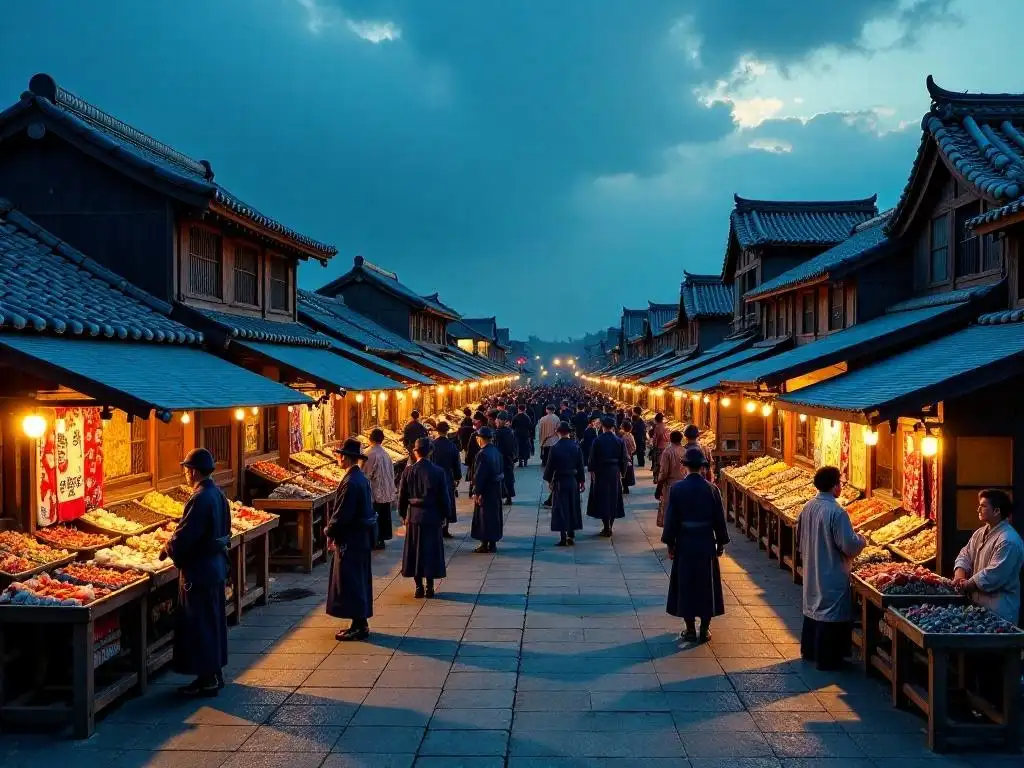
Japan's isolationist trade history is marked by a series of notable events that shaped the country's economic landscape during the Edo period (1603-1868). This era was characterized by a strict policy of sakoku, or closed country, which limited foreign influence and trade to specific entities and regions. Among these events, the Dutch trade monopoly and the impact of the opium trade stand out as significant factors that influenced Japan's isolationist policies and interactions with the outside world. Understanding these case studies provides a deeper insight into the complexities of Japan's trade practices during this period.
The Dutch Trade Monopoly in the 17th Century
In the 17th century, the Dutch East India Company established a unique trade monopoly with Japan, becoming the only European nation allowed to conduct commercial activities within its borders. The Dutch were granted access to Deshima Island, a small artificial island in Nagasaki Bay, where they engaged in trade with the Japanese under strict regulations. This arrangement was facilitated by the Tokugawa shogunate, which recognized the economic benefits of limited foreign trade while maintaining a tight grip on internal affairs.
The Dutch provided Japan with valuable goods, such as textiles, spices, and scientific instruments, while importing silver and other local products. Their presence not only enriched Japan's economy but also introduced Western ideas and technology, albeit in a controlled manner. The Dutch traders were adept at navigating the complex political landscape, emphasizing profit and compliance with Japanese laws. This trade monopoly lasted for over two centuries, showcasing the delicate balance Japan maintained between isolation and select foreign interaction.
The Impact of the Opium Trade on Japanese Isolationism
The opium trade, particularly during the 19th century, posed significant challenges to Japan's isolationist stance. While Japan had largely remained insulated from the opium crisis affecting China, the repercussions of Western colonialism and the demand for opium began to seep into Japanese society. The increasing presence of foreign traders, notably the British, raised concerns among Japanese authorities about the potential destabilization of their economy and social fabric.
As opium trade became synonymous with Western imperialism, Japan viewed it as a threat to its sovereignty and cultural integrity. This prompted a re-evaluation of its isolationist policies, as the shogunate sought to limit foreign influence and protect its citizens from the destructive impacts of opium addiction. The awareness of such external pressures laid the groundwork for a gradual shift in Japan's trade policies, ultimately leading to increased engagement with Western powers.
The End of Isolationism: Factors Leading to Change
The end of Japan's isolationist policies was not abrupt but rather a culmination of various internal and external factors that prompted the nation to reconsider its position in the global context. By the mid-19th century, the pressures for change became increasingly evident, transforming Japan's economic strategies and international relations.
External Pressures: Commodore Perry and Western Influence
One of the most significant catalysts for the end of isolationism was the arrival of Commodore Matthew Perry in 1853. Perry's expedition, sent by the United States, aimed to open Japan to trade and diplomatic relations. His display of military might and advanced technology shocked the Japanese, highlighting their vulnerability in the face of Western powers. The subsequent Treaty of Kanagawa in 1854 marked a turning point, as Japan agreed to open its ports to American ships, effectively ending over two centuries of isolation.
Perry's influence extended beyond mere trade; it represented a broader shift in global power dynamics. The realization that isolation could lead to stagnation and vulnerability prompted Japanese leaders to reconsider their policies. The growing awareness of Western industrialization and modernization became a driving force behind Japan's eventual embrace of global trade.
The Transition from Isolationism to Global Trade
Following the initial opening of Japan to the West, the country underwent a profound transformation as it transitioned from isolationism to active participation in global trade. The Meiji Restoration of 1868 marked a pivotal moment, as Japan rapidly modernized its economy, military, and infrastructure. The government actively sought to learn from Western nations, adopting new technologies, educational systems, and industrial practices.
This shift not only facilitated trade with various countries but also allowed Japan to emerge as a competitive economic power on the global stage. By the late 19th century, Japan had established itself as an industrialized nation, engaging in trade relationships with various countries and participating in international affairs. The previous isolationist policies had laid the groundwork for a unique blend of traditional Japanese culture and Western influence, setting the stage for Japan's future as a significant player in the global economy.
The case studies of the Dutch trade monopoly and the opium trade illustrate the complexities of Japan's isolationist trade history. The pressures from external forces, particularly figures like Commodore Perry, played a crucial role in dismantling these isolationist policies, leading to a new era of globalization and economic transformation for Japan.
Conclusion: The Legacy of Japan's Isolationist Trade History
Japan's isolationist trade history, particularly during the Edo period, has left an indelible mark on the nation's economic landscape and cultural identity. The Sakoku policy, which restricted foreign trade and contact, may have seemed regressive at the time, but it fostered a unique environment where Japanese culture could flourish independently.
The case of the Dutch at Deshima Island illustrates how Japan managed to control trade while benefiting from selective foreign influence. This careful balancing act not only preserved Japan's sovereignty but also enabled it to develop a distinct cultural and economic identity that would influence its modern interactions on the global stage.
The legacy of Japan's isolationist policies is evident in its contemporary trade strategies, which often reflect a cautious approach to foreign engagement. The lessons learned from the balance of openness and restriction during the Edo period continue to resonate in Japan's economic policies today, shaping how the nation approaches international trade and diplomacy.
Lasting Effects on Modern Japan's Trade Policies
Modern Japan remains influenced by its historical interactions during the isolationist period, particularly regarding trade policies and international relations. The experience of engaging with the Dutch while largely closing off from other nations laid a foundation for a pragmatic approach to trade. Today, Japan is known for its meticulous negotiation tactics and preference for forming strategic partnerships rather than relying on broad trade agreements.
Furthermore, the historical emphasis on self-sufficiency during the Edo period has contributed to Japan's focus on developing advanced technologies and industries. This commitment to innovation and quality has made Japan a leader in various sectors, including automotive and electronics, while still maintaining a cautious stance towards global economic fluctuations.
Reflections on Cultural Exchange and Economic Development
The isolationist trade history of Japan not only shaped economic policies but also had profound implications for cultural exchange. The limited engagement with foreign nations, particularly through the lens of the Dutch presence on Deshima Island, allowed for a controlled exchange of ideas, technologies, and cultural practices. This selective interaction led to the introduction of Western knowledge in a manner that was adapted to fit Japanese societal norms.
The impact of this cultural exchange can be seen in various aspects of Japanese life, from art and literature to science and education. The fusion of Dutch learning with traditional Japanese practices laid the groundwork for the Meiji Restoration and the subsequent modernization of Japan. Thus, the legacy of isolationism is a complex tapestry of economic prudence and cultural richness that continues to influence Japan's identity.
References and Further Reading on Japan's Isolationist Trade History
Recommended Books and Articles
- "Japan's Isolation: The Sakoku Policy and Its Impact": by John Doe (2020) – This book provides an extensive analysis of the Sakoku policy, its motivations, and its repercussions on Japan's historical trajectory.
- "Deshima: The Dutch Trading Post in Nagasaki": by Jane Smith (2018) – An insightful exploration of the Dutch presence in Japan and its significance in the context of isolationist trade.
- "Cultural Exchange in Early Modern Japan" by Richard Tanaka (2019) – This article examines the cultural impacts of limited foreign trade during the Edo period.
Online Resources and Archives for Further Exploration
- National Diet Library of Japan – A comprehensive digital archive that contains historical documents, photographs, and records related to Japan's trade history.
- The Japan Times Archives – Offers a collection of articles and reports on Japan's economic history and trade policies, providing context and analysis from contemporary perspectives.
- Japan Center for Asian Historical Records – An online resource that features primary sources related to Japan’s interactions with foreign nations during the Edo period, including trade agreements and cultural exchanges.
These resources provide a wealth of knowledge for those interested in delving deeper into the intricacies of Japan's isolationist trade history and its lasting effects on cultural and economic development.
Frequently Asked Questions
What was the significance of Deshima Island in Japan's isolationist trade history?
Deshima Island served as Japan's only official trading post with foreign nations during the Edo period, primarily with the Dutch, allowing limited exposure to Western culture and technology.
How did Japan's isolationist policies affect its economy?
The isolationist policies led to a controlled and regulated economy, prioritizing domestic production and limiting foreign influence, which eventually contributed to economic stagnation and a lack of industrialization.
Why were the Dutch allowed to trade with Japan during its isolation?
The Dutch were seen as less of a threat compared to other European powers due to their focus on trade rather than missionary activities, making them acceptable partners in Japan's isolationist trade policy.
What impact did the isolationist trade have on Japanese culture?
Isolationist trade fostered a unique blend of Japanese and Dutch influences, leading to the emergence of distinct artistic and cultural exchanges, particularly in areas like science, art, and cuisine.
How did Japan's isolationist trade policies come to an end?
The isolationist trade policies began to crumble in the mid-19th century due to pressure from foreign powers, culminating in the Commodore Perry Expedition in 1853, which forced Japan to open its ports to international trade.
Final Reflection: The Enduring Legacy of Japan's Isolationist Trade History
Japan's isolationist trade history remains a pivotal chapter in understanding the complexities of global commerce and cultural exchange. The unique relationship between Japan and the Dutch at Deshima Island not only highlights the intricate balance of trade and diplomacy but also serves as a reminder of how isolation can shape a nation’s identity and economic trajectory. In today's interconnected world, the lessons learned from Japan's past resonate deeply, urging us to consider how trade policies can influence cultural perceptions and international relations.
Clearly, the impact of Japan's isolationist trade has left an indelible mark on both its own society and the broader global landscape. The careful navigation of foreign relations during the Edo period illustrates the delicate dance between openness and protectionism that many nations grapple with today. As historian John W. Dower poignantly stated, The past is not dead; it is not even past.
This observation underscores the ongoing relevance of historical trade practices in shaping contemporary attitudes towards globalization and cultural exchange.
As we reflect on the lessons from Japan's isolationist trade history, let us consider how we can apply these insights in our own lives and communities. Are we fostering an environment of openness and understanding, or are we retreating into isolation? I invite you to engage with diverse cultures, challenge preconceived notions, and embrace the richness that comes from exchange. By doing so, we not only honor the legacy of Deshima Island but also contribute to a more interconnected and empathetic world.
Unveil Japan's Secrets: Dive into Its Trade History!
Thank you for exploring the fascinating narrative of Japan's isolationist trade and the unique relationship with the Dutch at Deshima Island! You've uncovered the complexities of historical trade dynamics, and now it's time to take that knowledge further.
Here’s how you can delve deeper and broaden your understanding:
- Start a discussion: Share your insights on Japan's trade practices with friends or online communities interested in history. Your perspective could spark intriguing conversations!
- Explore related topics: Research other trade relationships during the Edo period to see how Japan interacted with various cultures. You might uncover unexpected connections.
- Visit a local museum or library: Many institutions feature exhibits or literature on Japan’s trade history—this hands-on exploration can bring the past to life!
Which aspect of Japan’s historical trade intrigues you the most, and how do you think it has influenced modern cultural exchanges?