
The Interplay of Art and Economy in Japan's Isolationist Era

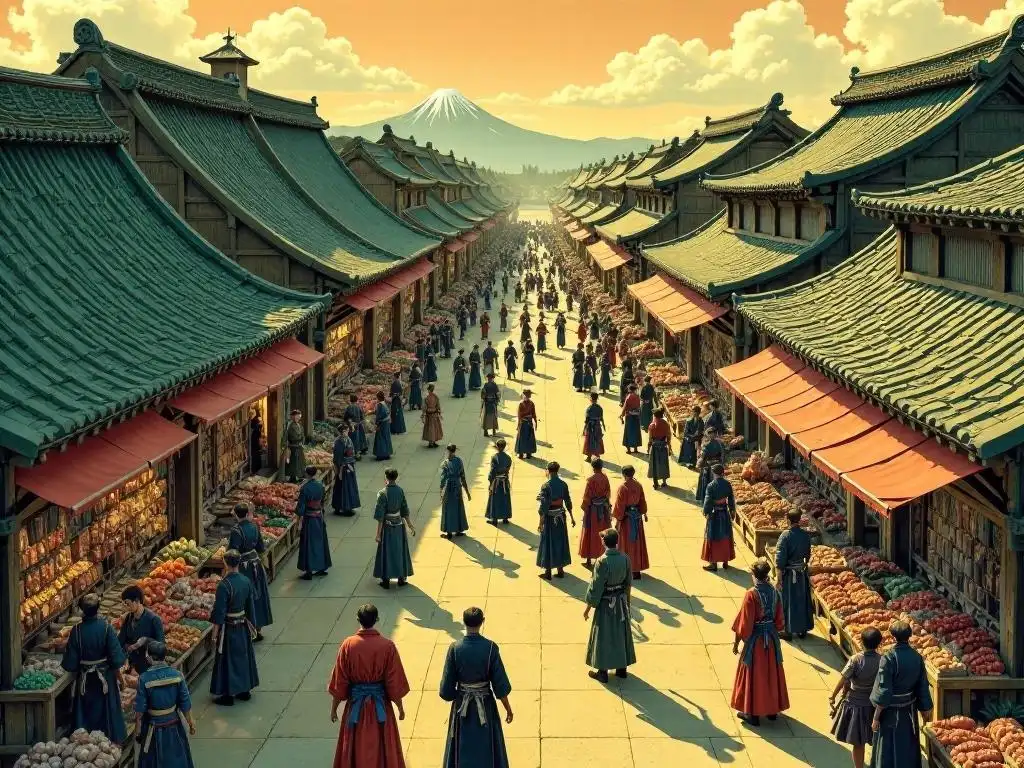
Welcome to Feudal Japan History, where we invite you to embark on a captivating journey through the intricate tapestry of Japan’s feudal era. In our featured article, "The Interplay of Art and Economy in Japan's Isolationist Era," we delve into the fascinating relationship between cultural expression and economic flourishing during this transformative period. Discover how artistic endeavors not only reflected societal values but also influenced the very fabric of Japan’s economy. Prepare to uncover the layers of history that shaped a nation, and let your curiosity guide you as you explore the rich narratives that await!
- Introduction to the Interplay of Art and Economy in Feudal Japan
- The Economic Landscape of Japan During the Isolationist Period
- The Role of Art in Feudal Japan
- The Relationship Between Art and Economy
- Case Studies of Art and Economy in Feudal Japan
- The Legacy of Art and Economy in Japan’s Isolationist Era
- Conclusion: Understanding the Interplay of Art and Economy in Feudal Japan
- Frequently Asked Questions
- Final Reflection: The Enduring Legacy of Art and Economy in Feudal Japan
- Unlock the Secrets of Japan's Artistic Heritage!
Introduction to the Interplay of Art and Economy in Feudal Japan
The era of feudal Japan is a fascinating period marked by the intricate relationship between art and economy, particularly during the country's isolationist policies from the early 17th century to the mid-19th century. This time, known as the Edo period (1603-1868), saw the Tokugawa shogunate enforce strict regulations that limited foreign influence and trade, leading to a unique cultural and economic landscape.
As Japan turned inward, the interplay between art and economy became increasingly pronounced, shaping societal norms, artistic expressions, and economic practices. Through this exploration, we will delve into how the isolationist policies influenced the development of art, the role of the merchant class in fostering creativity, and how economic factors intertwined with artistic endeavors during this pivotal time in Japanese history.
Overview of Japan's Isolationist Era
The isolationist era in Japan, primarily characterized by the Sakoku policy implemented by Tokugawa Ieyasu, had profound implications for the nation’s cultural and economic development. This policy restricted foreign trade and prohibited Japanese citizens from traveling abroad, effectively isolating Japan from the rest of the world for over two centuries. The intent was to maintain political stability and preserve traditional culture, but it also facilitated the growth of a distinct Japanese identity.
During this period, Japan experienced significant internal developments. The economy was largely agrarian, but the rise of the merchant class led to urbanization and the flourishing of cities like Edo (modern-day Tokyo), Osaka, and Kyoto. This urban growth stimulated local economies and created a demand for art and culture, which thrived under the patronage of the wealthy merchant class.
The isolation from foreign influences allowed traditional Japanese art forms, such as ukiyo-e (woodblock prints) and ceramics, to develop uniquely. Artists began to explore themes of daily life, nature, and the ephemeral beauty of existence, which resonated deeply with the societal ethos of the time.
Importance of Art and Economy in Historical Context
Understanding the importance of art and economy during Japan's isolationist era requires examining their interconnectedness. The economic landscape shaped artistic production, while art, in turn, influenced economic trends and practices. For instance, the rise of the merchant class not only provided financial support for artists but also demanded art that reflected their status and aspirations.
- Economic Influence on Art:
- The flourishing commerce in urban centers allowed for the establishment of art schools and the proliferation of artistic styles.
- Economic prosperity enabled the production of luxury items, which were often intricately designed and sought after by the affluent.
- Art as Economic Driver:
- Artisans and artists became integral to the economy, with their works contributing to the cultural capital of cities.
- The popularity of certain art forms often dictated market trends, influencing what materials were used and how art was marketed.
The interplay of art and economy during Japan’s isolationist era not only reflects the historical context of the time but also serves as a reminder of how cultural and economic forces can shape and influence each other in profound ways. The exploration of this relationship provides valuable insights into the broader narrative of Japan’s feudal history, highlighting the resilience and creativity of a society that thrived even in isolation.
The Economic Landscape of Japan During the Isolationist Period
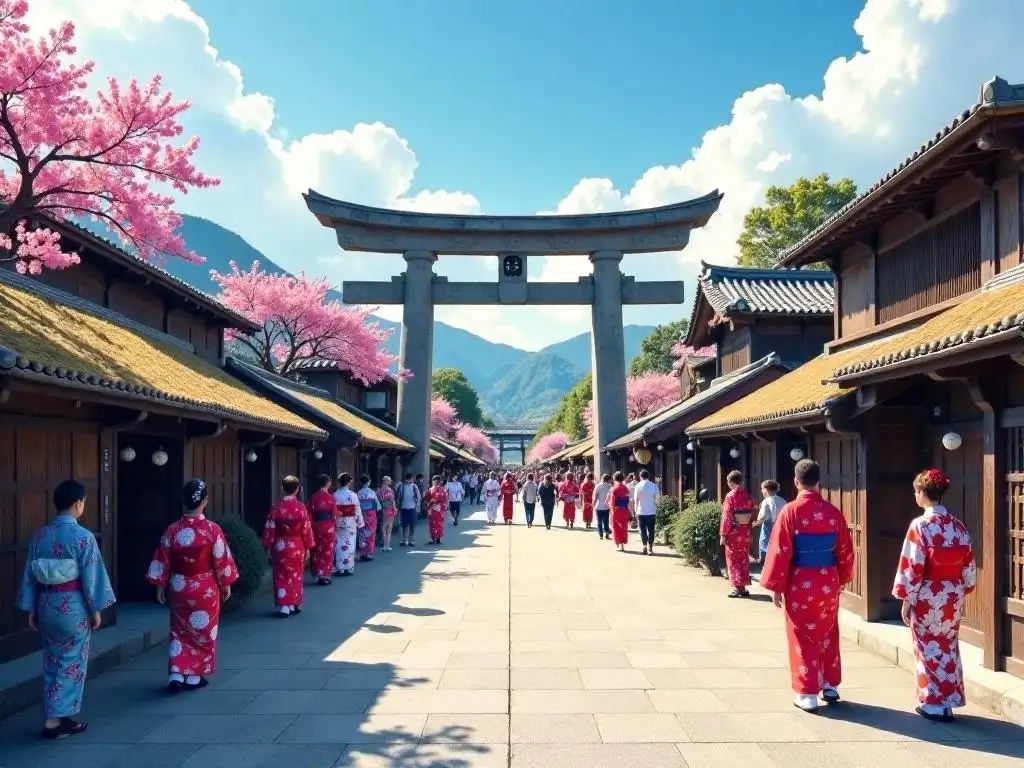
The economic landscape of Japan during the isolationist period, particularly from the early 17th century until the mid-19th century, was shaped by a variety of factors including strict governmental policies, cultural developments, and external influences. This era, characterized by the Tokugawa shogunate's isolationist stance, saw Japan develop a unique economy that balanced self-sufficiency with limited foreign trade.
Key Economic Policies Under Isolationism
The Tokugawa shogunate implemented several key economic policies that defined the isolationist era:
- Sakoku (Closed Country Edict): This policy restricted foreign influence and tightly controlled trade with the outside world. Although Japan remained isolated, it engaged in limited trade with specific nations, such as the Netherlands and China.
- Rural Economic Focus: The shogunate emphasized agricultural production as the backbone of the economy, fostering a largely agrarian society. This led to the implementation of land reforms that aimed to improve agricultural output.
- Merchant Class Emergence: While the samurai class held political power, a prosperous merchant class emerged, primarily in urban centers. This shift was facilitated by policies that gradually allowed merchants to accumulate wealth, thereby influencing economic dynamics.
- Taxation System: The government instituted a system of rice taxation, which created a direct link between agricultural productivity and economic stability. Landlords collected rice as tax, which was also a measure of wealth and power.
These policies created a structured economy that, while isolationist, was not stagnant. Instead, it fostered a complex interplay between various societal classes and economic activities.
Impact of Sakoku (Closed Country Edict) on Trade and Economy
The Sakoku policy profoundly impacted Japan’s trade and economy in several crucial ways:
- Limited Foreign Trade: Under Sakoku, foreign trade was restricted to designated ports, most notably Nagasaki. This limited the variety of goods entering Japan, but also shielded the local economy from external economic shocks.
- Trade with the Dutch: The Dutch were granted specific trading privileges, allowing them to be the sole European presence in Japan. This relationship led to an influx of Western knowledge and technology, albeit within a controlled context. The Dutch were instrumental in introducing Western art and scientific ideas, which had nuanced effects on Japanese culture and economy.
- Economic Self-Sufficiency: The isolationist policies encouraged self-sufficiency, leading to innovations in local industry and craftsmanship. The Japanese developed unique textiles, ceramics, and metalwork that became important trade goods within the country.
- Cultural Exchange: Despite the limited foreign interaction, there was a notable exchange of cultural practices and ideas. Art forms began to reflect a mixture of indigenous and foreign influences, contributing to Japan’s rich cultural tapestry.
The Sakoku policy, while restrictive, created an environment where Japan could cultivate its economic and cultural identity, ultimately leading to a unique blend of traditional practices and external influences.
Role of Agriculture in Economic Stability
Agriculture played a pivotal role in maintaining economic stability throughout the isolationist period:
- Rice as Currency: Rice became the primary currency and measure of wealth in feudal Japan. Agricultural production directly influenced the economy, as landowners and samurai relied on rice yields for taxation and sustenance.
- Land Reforms: The Tokugawa government implemented land reforms aimed at increasing agricultural productivity. These reforms included irrigation projects and the promotion of new farming techniques, which significantly boosted rice output and overall agricultural efficiency.
- Village Systems: The village system promoted a communal approach to farming, where local farmers worked together to manage land and resources. This cooperative model not only stabilized food production but also fostered social cohesion within rural communities.
- Market Development: As agricultural output increased, so did the development of markets in urban areas. Farmers began to sell surplus produce in towns, leading to the emergence of vibrant local economies and contributing to the rise of a merchant class.
Agriculture served as the foundation of Japan's economy during the isolationist era, providing not only sustenance but also a framework for economic interactions among various social classes. The interplay of art and economy in feudal Japan thus reflects a dynamic relationship where agricultural practices influenced both economic stability and cultural expression.
The Role of Art in Feudal Japan
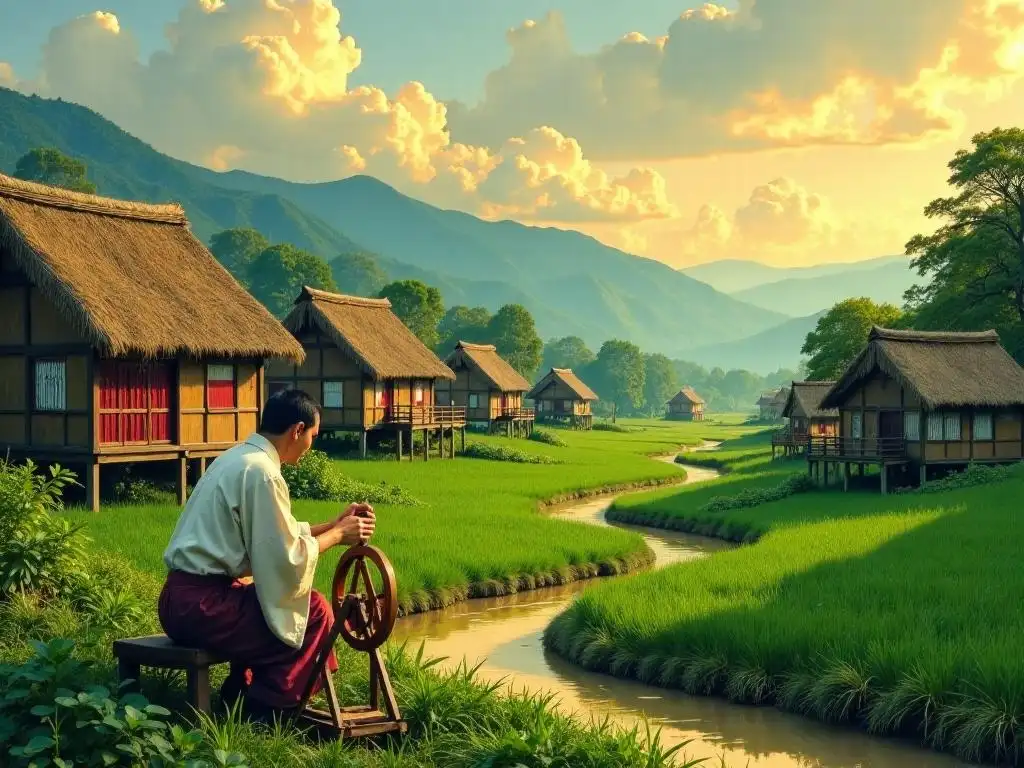
Art played a pivotal role in the cultural and economic landscape of feudal Japan, particularly during the isolationist policies of the Edo period (1603-1868). This era witnessed a flourishing of artistic expression that not only reflected the aesthetic values of the time but also intertwined with the economic structures of society. The relationship between art and economy in feudal Japan is a fascinating study of how cultural pursuits influenced economic practices and vice versa, creating a unique environment where creativity thrived alongside trade and commerce.
Overview of Artistic Movements in Isolationist Japan
During Japan's isolationist era, distinct artistic movements emerged, each characterized by unique styles, techniques, and themes. Some of the most significant movements included:
- Ukiyo-e (Floating World Pictures): This genre of woodblock printing depicted everyday life, landscapes, and kabuki actors, capturing the transient beauty of the world. Ukiyo-e became immensely popular among the merchant class, leading to a vibrant market that stimulated the economy.
- Bunjinga (Literati Painting): Influenced by Chinese aesthetics, this style emphasized individual expression and scholarly pursuits. Artists often came from the samurai or merchant classes, blending their social status with artistic endeavors, which contributed to a burgeoning art market.
- Sumi-e (Ink Wash Painting): This technique relied on the subtle gradation of ink and was often associated with Zen ideals. It allowed artists to express profound philosophical concepts through minimalistic imagery, fostering a culture of introspection and appreciation among the elite.
The economic implications of these movements were profound. As art became a commodity, it supported the livelihoods of artists, craftsmen, and merchants, creating a dynamic interplay between artistic production and economic activity.
Influence of Zen Buddhism on Art and Culture
Zen Buddhism significantly influenced the artistic landscape of feudal Japan, shaping both the themes and techniques used by artists. This philosophical and spiritual movement emphasized simplicity, tranquility, and the beauty of nature, which resonated deeply within the artistic community. Some key aspects of this influence include:
- Aesthetic Principles: Zen's focus on minimalism and asymmetry led to the development of unique artistic styles that celebrated natural imperfections. This approach can be seen in tea ceremony utensils, garden design, and ink painting, highlighting a deep connection between art, nature, and spiritual practice.
- Cultural Practices: The Zen philosophy permeated various cultural practices, such as the tea ceremony (chanoyu), which merged art with ritual, emphasizing mindfulness and appreciation of beauty. This practice became a symbol of sophistication among the samurai and wealthy classes, further intertwining art with social status.
- Economic Impact: The demand for Zen-influenced art and cultural practices created opportunities for artisans and craftsmen. The production of tea utensils, ceramics, and ink paintings not only fulfilled aesthetic desires but also became lucrative markets, reinforcing the economic fabric of feudal Japan.
The interplay of Zen Buddhism with art not only enriched the cultural landscape but also fostered economic growth through the creation and trade of artistic goods.
Patronage of the Arts by Samurai and Wealthy Merchants
The patronage system in feudal Japan was crucial for the flourishing of the arts. Samurai and wealthy merchants played significant roles as patrons, directly influencing artistic production and the economy. Key points in this patronage dynamic include:
- Samurai Sponsorship: The samurai class, often seen as the cultural elite, commissioned works that reflected their values and status. This included paintings, calligraphy, and decorative arts that adorned their homes and castles. Such commissions provided financial support for artists, creating a sustainable environment for artistic expression.
- Merchant Patronage: Wealthy merchants emerged as significant patrons during the Edo period, as commerce thrived under the isolationist policies. They sought to display their wealth and sophistication through art, commissioning elaborate works that showcased their status. This shift in patronage from the samurai to the merchant class marked a significant evolution in the art world, broadening the market and making art more accessible.
- Economic Implications: The patronage of the arts by both samurai and merchants stimulated local economies. Artisans, craftsmen, and suppliers benefited from commissioned works, leading to a network of economic interdependence that supported the artistic community. This patronage system not only elevated the status of art but also reinforced the economic structures of feudal Japan.
The interplay of art and economy in feudal Japan is a testament to how cultural pursuits shaped social and economic landscapes. The dynamic relationships between artistic movements, philosophical influences, and patronage systems contributed to a rich tapestry of creativity that defined the isolationist era. Through art, Japan's feudal society expressed its values, aspirations, and economic realities, leaving a lasting legacy that continues to influence contemporary culture.
The Relationship Between Art and Economy
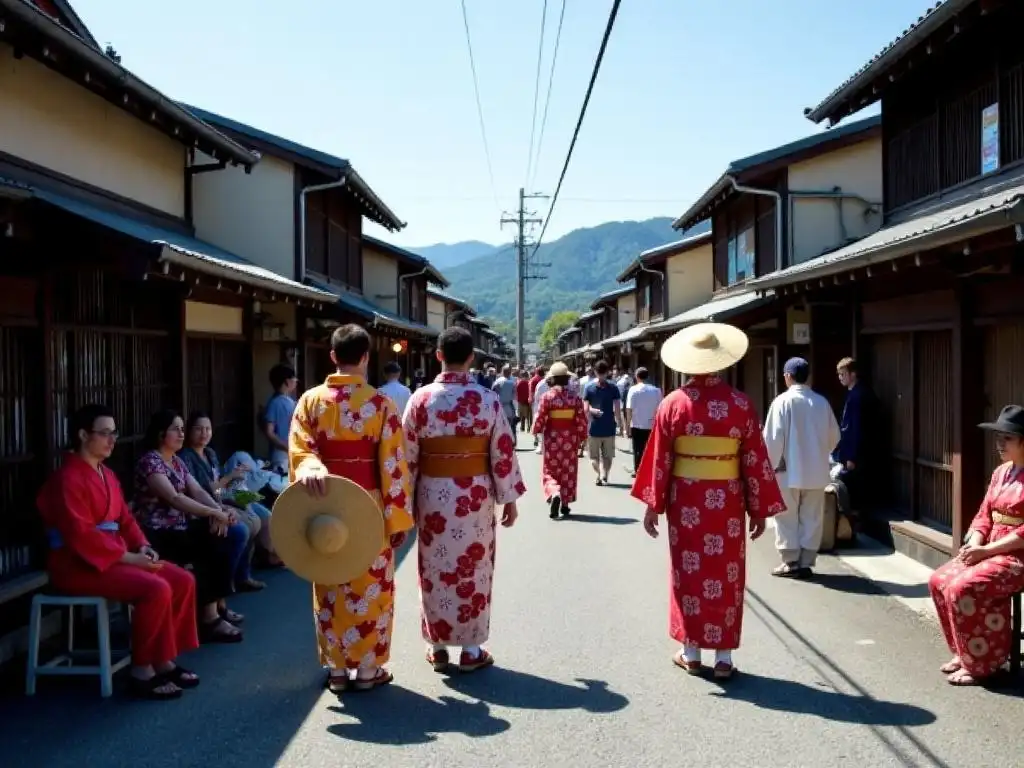
How Economic Factors Influenced Artistic Expression
During Japan's feudal era, particularly within the isolationist policies of the Edo period (1603-1868), economic factors played a significant role in shaping artistic expression. The rigid class structure and the stability provided by the Tokugawa shogunate fostered a unique environment where art could flourish, driven by both patronage and market demands.
- Patronage Systems: The ruling samurai class and wealthy merchants became primary patrons of the arts. This patronage often dictated the themes and styles of artworks produced. For example, the samurai's interest in depicting their status and valor led to the creation of elaborate portraits and battle scenes. The merchants, with their newfound wealth, sought art that reflected their social aspirations and commercial success, resulting in a demand for ukiyo-e prints that celebrated urban life and beauty.
- Economic Prosperity and Accessibility: The Edo period saw significant economic growth, which increased the accessibility of art to a broader audience. This economic expansion allowed for the proliferation of various art forms, including paintings, textiles, and ceramics. Art became not only a luxury for the elite but also an item of trade in local markets, thus influencing the themes and styles that artists pursued.
- Influence of Trade: Although Japan was largely isolated from foreign influences during the Edo period, the limited trade that occurred, particularly through the port of Nagasaki, brought new materials and techniques that influenced local artists. The introduction of Western painting techniques and perspectives began to subtly alter traditional Japanese art forms.
The Role of Art in Trade and Economic Exchange
Art in feudal Japan was not just a means of aesthetic expression; it also played a crucial role in trade and economic exchange. The production and sale of art contributed significantly to local economies and facilitated cultural exchanges.
- Art as Commodity: In the bustling urban centers of Edo (Tokyo), Osaka, and Kyoto, art became a highly sought-after commodity. Ukiyo-e prints, for instance, were mass-produced and sold at affordable prices, making them accessible to a wider audience. This democratization of art stimulated local economies and encouraged a vibrant market culture.
- Cultural Exchange through Trade: Even under isolationist policies, art facilitated limited cultural exchanges. For example, the Dutch traders in Nagasaki introduced European themes and styles, which Japanese artisans began to incorporate into their work. This cross-pollination led to the emergence of unique art forms that reflected both Japanese traditions and foreign influences.
- Artisans and Economic Mobility: The rise of skilled artisans, such as potters, textile makers, and painters, allowed individuals to gain economic mobility through their crafts. Success in art could lead to financial stability, and some artisans became wealthy enough to influence local economies significantly.
Art as a Reflection of Societal Values and Economic Conditions
Art in feudal Japan serves as a mirror reflecting the societal values and economic conditions of its time. The themes, styles, and subjects chosen by artists reveal much about the prevailing attitudes and economic realities of the era.
- Societal Hierarchies: The rigid class structure of feudal Japan is evident in the art produced during this time. Works often glorified the samurai class, showcasing their valor and aesthetic ideals. Conversely, art depicting the lives of commoners, while present, was often less celebrated, highlighting the social stratification of the period.
- Economic Hardships and Resilience: Artistic expression during times of economic hardship also provided insights into the struggles faced by the populace. For instance, during periods of famine, art became a means for people to express their resilience and hope, often depicted through themes of nature and renewal.
- Cultural Identity and National Character: The isolationist policies of the Tokugawa shogunate allowed for the development of a distinct Japanese cultural identity, which was prominently expressed through art. Traditional crafts, such as kimono weaving and pottery, not only showcased artistic innovation but also reinforced a sense of national pride and cultural continuity amidst changing economic landscapes.
The intricate interplay between art and economy in feudal Japan underscores how economic conditions influenced artistic creation and how art, in turn, reflected societal values, contributing to the rich tapestry of Japanese history during the isolationist era.
Case Studies of Art and Economy in Feudal Japan
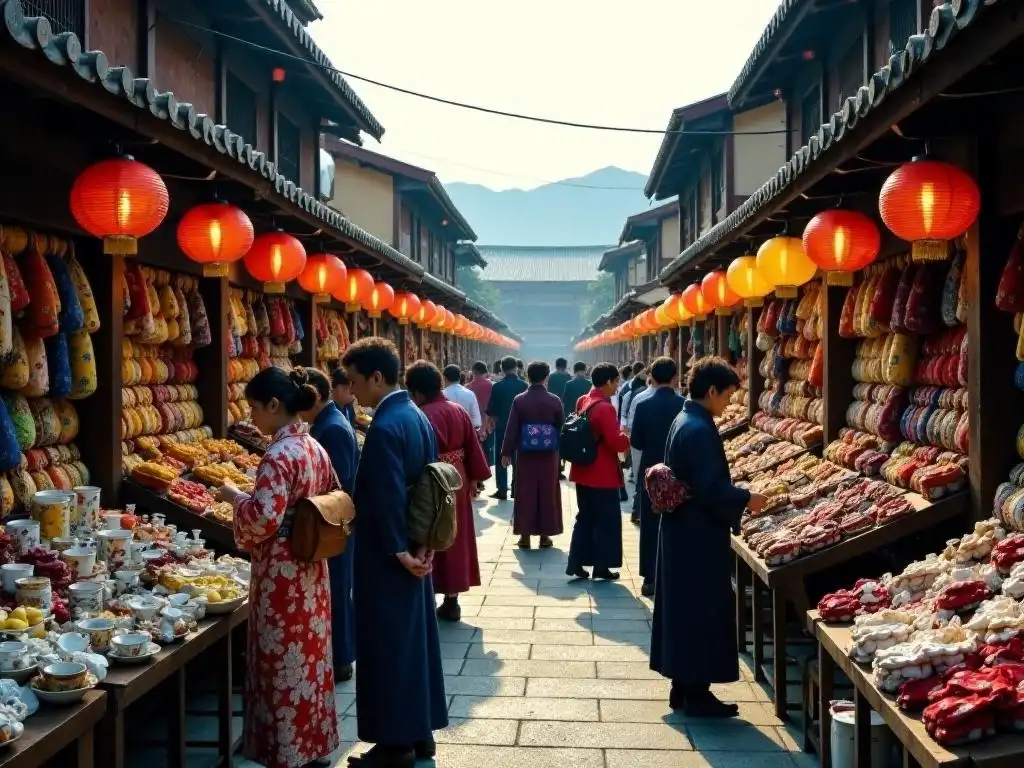
The interplay of art and economy in feudal Japan is intricately woven into the fabric of its historical narrative. Various case studies showcase how artistic movements influenced economic conditions and vice versa, particularly during the Tokugawa shogunate, which was characterized by its isolationist policies. This section delves into notable artists, artistic schools, and the economic implications of art collecting among the elite, offering a comprehensive view of this dynamic relationship.
Examination of Notable Artists and Their Economic Influence
During Japan's feudal era, certain artists emerged as significant cultural figures, often aligning their work with the economic interests of patrons. One such artist was Hokusai, renowned for his woodblock prints and paintings. His works, especially the famous "Thirty-Six Views of Mount Fuji," not only attracted domestic acclaim but also found a market in Europe, thereby enhancing Japan's economic position through art exports.
- Economic Connections: Hokusai's prints appealed to both local and foreign markets, leading to increased demand. This demand encouraged the growth of the ukiyo-e school, which thrived on the commercial sale of prints.
- Patronage Systems: Artists relied heavily on the patronage of wealthy merchants and samurai, creating a symbiotic relationship where the artists produced works that reflected the tastes and aspirations of their patrons.
Another notable figure is Yoshida Hiroshi, who played a pivotal role in the shin hanga movement. His emphasis on landscape and nature resonated with the burgeoning tourism economy of the early 20th century.
“Art is a reflection of society, and in feudal Japan, the artists not only depicted the world around them but also shaped economic trends through their work.” – Cultural Historian
Analysis of Artistic Schools and Their Economic Support
Artistic schools in feudal Japan were not merely centers of creativity but also hubs of economic activity. The Rimpa school, founded by Hon’ami Kōetsu and Ogata Kōrin, is a prime example. This school emphasized luxurious materials and decorative arts, aligning with the tastes of the affluent classes.
- Economic Models:
- Patronage: The Rimpa school flourished due to the support of powerful daimyō (feudal lords) who commissioned large-scale works for their estates. This patronage provided financial security for artists and allowed them to innovate.
- Market Demand: The aesthetic appeal of Rimpa's works led to a market for decorative items, textiles, and ceramics, stimulating local economies.
Similarly, the Kano school played a crucial role in the arts, especially in the production of large-scale murals and screens. Their style was well-received by the samurai class, who used these artworks to display their status and wealth.
The Economic Impact of Art Collecting among the Elite
Art collecting became a significant cultural practice among Japan's elite, particularly during the Edo period. Collectors not only amassed works for personal enjoyment but also as a means to showcase their wealth and sophistication.
- Cultural Capital: The possession of art pieces from renowned artists served as a status symbol among the elite, creating a competitive environment that further fueled the art market.
- Investment and Trade: Collecting art became a form of investment, with certain pieces appreciating in value over time. This led to the establishment of trade networks for art, both domestically and internationally.
| Aspect | Impact |
|---|---|
| Cultural Status | Enhanced social standing among the elite |
| Economic Activity | Stimulated local economies through art transactions |
| Investment Opportunities | Art pieces became valuable assets |
The case studies of art and economy in feudal Japan reveal a complex and multifaceted relationship where art served both as a cultural expression and as a driver of economic activity. The influence of notable artists, the support of artistic schools, and the practices of art collecting among the elite highlight the significant role that art played in shaping the economic landscape of the time.
The Legacy of Art and Economy in Japan’s Isolationist Era
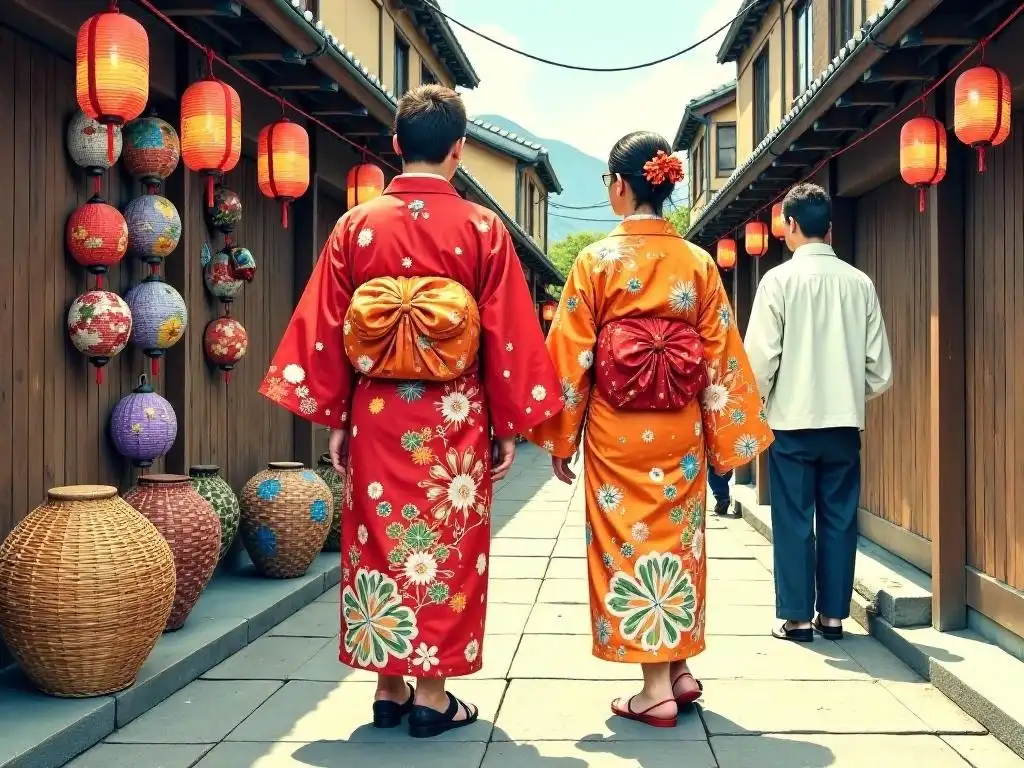
Long-term Effects on Japanese Culture and Economy
The interplay of art and economy during Japan's isolationist era, particularly under the Tokugawa shogunate (1603-1868), had profound long-term effects on both cultural and economic frameworks in Japan. During this period, Japan adopted a policy of sakoku, which limited foreign influence and promoted a unique form of cultural and economic self-sufficiency.
- Cultural Preservation and Development:
- The isolationist policies allowed for the flourishing of indigenous art forms, such as ukiyo-e (woodblock prints) and tea ceremonies, which became integral to Japanese identity.
- Traditional crafts, including pottery and textile production, were refined and passed down through generations, leading to a rich cultural heritage that is still celebrated today.
- Economic Self-Sufficiency:
- The focus on domestic production fostered local economies and reduced dependence on foreign goods. This self-sufficiency laid the groundwork for a robust internal market.
- Urban centers, like Edo (modern-day Tokyo), became vital economic hubs, promoting trade among local artisans and merchants, which ultimately stimulated artistic innovation as craftspeople sought to cater to the tastes of affluent samurai and merchant classes.
- Social Stratification:
- The economic structure of feudal Japan supported a rigid class system where samurai, peasants, and merchants each had distinct roles. This stratification influenced artistic expression, as different classes patronized various art forms, from the lavish displays favored by the samurai to the more utilitarian crafts produced by peasants.
Influence on Modern Japanese Art and Economic Practices
The legacy of art and economy from Japan's isolationist era continues to resonate in contemporary Japanese society, influencing both artistic expressions and economic practices.
- Contemporary Art Movements:
- Modern Japanese artists often draw inspiration from traditional forms established during the isolationist period, merging techniques like ukiyo-e with contemporary styles. This fusion has led to innovative art movements that reflect both historical roots and modern sensibilities.
- Festivals celebrating traditional arts, such as the Kyoto Hanami (flower viewing) and various craft fairs, showcase the enduring popularity of these historical art forms.
- Economic Practices and Globalization:
- The economic models developed during the isolationist period, emphasizing local craftsmanship and quality, are reflected in today's “Made in Japan” ethos, which values high-quality, artisanal products.
- As Japan navigates globalization, the balance between maintaining traditional economic practices and embracing modern economic strategies remains a pivotal theme in both public and private sectors.
- Cultural Tourism:
- The rich artistic heritage stemming from the isolationist era has significantly contributed to cultural tourism in Japan. Visitors are drawn to traditional arts, crafts, and historical sites, providing a substantial boost to the economy.
- Museums and galleries dedicated to preserving and showcasing these art forms not only foster appreciation but also stimulate economic activity through tourism and related industries.
The legacy of art and economy during Japan's isolationist era has left an indelible mark on the cultural landscape and economic practices of modern Japan. By understanding this interplay, we can appreciate how historical policies have shaped contemporary artistic and economic expressions, creating a unique blend of tradition and modernity that defines Japan today.
Conclusion: Understanding the Interplay of Art and Economy in Feudal Japan
Summary of Key Insights
The examination of art and economy in feudal Japan reveals a complex relationship where each element significantly influenced the other. During Japan's isolationist era, particularly in the Edo period (1603-1868), the economy underwent transformative changes that directly impacted artistic expression. Key insights include:
- Economic Stability and Artistic Flourishing: The enforced isolation under the Tokugawa shogunate led to a period of relative peace and stability, allowing for the growth of urban centers. This stability fostered a burgeoning merchant class that supported various art forms, from ukiyo-e to kabuki theater.
- Art as a Reflection of Economic Conditions: Artistic styles and subjects often mirrored the socio-economic realities of the time. For instance, the popularity of ukiyo-e woodblock prints captured the everyday lives of the merchant class, emphasizing leisure, beauty, and the ephemeral nature of life—highlighting the economic aspirations of the period.
- Patronage and Artistic Development: The economic power of the merchant class allowed for increased patronage of artists, leading to a diversification of artistic styles and the emergence of new genres. Artists like Hokusai and Hiroshige thrived under these conditions, producing works that are now celebrated worldwide.
- Cultural Exchange and Economic Impact: Despite its isolationist policies, Japan engaged in limited trade with the Dutch and Chinese, facilitating a flow of artistic ideas and materials. This exchange enriched Japanese art and added layers of complexity to its economic framework.
Final Thoughts on the Cultural Significance of Art and Economy
The interplay of art and economy in feudal Japan is not merely a historical observation but a testament to how cultural expression can thrive under specific economic conditions. The isolationist policies of the Tokugawa shogunate shaped not only the economy but also the cultural landscape of Japan, allowing art to flourish in a unique context.
The significance of this relationship extends beyond the mere production of art; it encompasses the values, aspirations, and identity of a society. The art from this period serves as a lens through which we can understand the economic dynamics and cultural shifts that defined feudal Japan. As such, the legacy of this era continues to influence contemporary Japanese culture and its economy, reminding us of the enduring power of art to reflect and shape societal values.
The exploration of art and economy during Japan's isolationist era reveals a vibrant tapestry of interdependence, underscoring the importance of understanding historical contexts in appreciating artistic achievements. The insights gained from this era continue to resonate today, offering valuable lessons on the synergy between cultural creativity and economic conditions.
Frequently Asked Questions
What was the primary economic system in feudal Japan?
The primary economic system in feudal Japan was based on agriculture, with land ownership concentrated in the hands of feudal lords. This system relied heavily on rice production as a staple of the economy.
How did art influence the economy in feudal Japan?
Art played a crucial role in the economy by promoting craftsmanship and trade. The production of art not only provided goods for local markets but also attracted foreign trade during periods of isolation.
What types of art were prevalent during feudal Japan?
During feudal Japan, various forms of art flourished, including painting, ceramics, and textiles. Each of these art forms was often closely tied to cultural practices and religious beliefs of the time.
How did isolationism affect the artistic landscape in Japan?
Isolationism led to a unique development of Japanese art, as artists focused on traditional themes and techniques without outside influence. This resulted in a rich cultural heritage that emphasized local aesthetics and craftsmanship.
What role did samurai play in the art and economy of feudal Japan?
Samurai were not only warriors but also patrons of the arts, influencing both the artistic development and the economy. Their support helped foster a cultural renaissance, linking artistic expression with political power.
Final Reflection: The Enduring Legacy of Art and Economy in Feudal Japan
The intricate relationship between art and economy during Japan's isolationist era remains profoundly relevant today. As we navigate a world increasingly defined by globalization, the lessons from feudal Japan remind us of the delicate balance between cultural expression and economic stability. The interplay of these two forces not only shaped the identity of a nation but also laid the groundwork for its future, illustrating that art is not merely a reflection of society but a vital component of its economic framework.
The influence of art and economy in feudal Japan continues to resonate in contemporary society, where cultural heritage often intertwines with economic prosperity. From traditional crafts to modern interpretations, the legacy of this era serves as a reminder of the importance of preserving cultural identity in a rapidly changing world. As the renowned Japanese artist Katsushika Hokusai once said, The only thing that can be truly said to be mine is my art.
This sentiment underscores the idea that art is not only a personal expression but also a communal asset that can drive economic growth and social cohesion.
As we reflect on the lessons from Japan's isolationist era, I invite you to consider how the principles of art and economy can be applied in your own life. Think about the ways you can contribute to your community through creative expression, and recognize the value of cultural heritage in fostering economic opportunities. By embracing the interplay of art and economy, we can cultivate a richer, more vibrant society that honors the past while innovating for the future.
Unlock the Secrets of Japan's Artistic Heritage!
Thank you for diving into the fascinating world of Japan's isolationist era! Your commitment to understanding the intricate connections between art and economy is commendable. Now, it’s time to take that knowledge a step further.
Here’s how you can explore this captivating topic even more:
- Dive Deeper: Consider reading a comprehensive book or watching an insightful documentary that delves into the artistic movements during Japan's isolation. You might discover unexpected influences and inspirations!
- Engage with Art: Visit a local gallery or museum that showcases Japanese art. Experience the beauty firsthand and deepen your appreciation for the skills and philosophies that shaped this era.
- Join the Conversation: Share your thoughts or questions about this topic in the comments below or on social media. Connecting with others can greatly enrich your understanding!
What aspect of Japan's artistic evolution during the isolationist era intrigues you the most, and why?