
The Role of Rice in Tokugawa Economic Strategies: More than Just a Staple

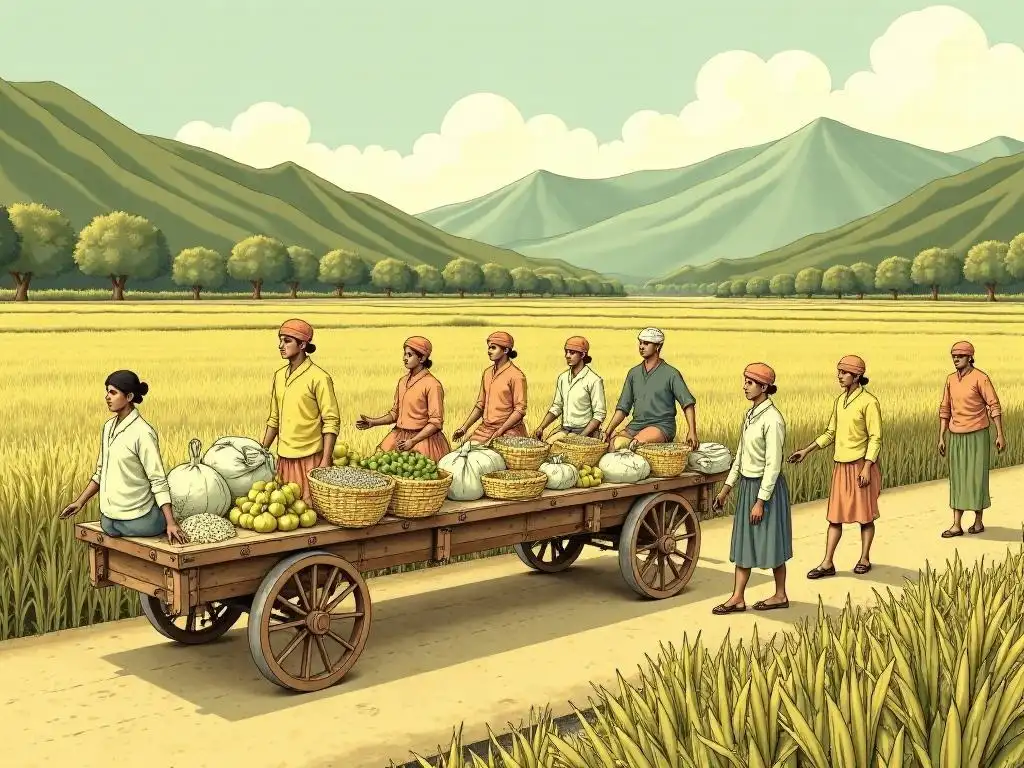
Welcome to Feudal Japan History, where we invite you to embark on an enthralling journey through the intricate tapestry of Japan’s feudal era. Here, you will uncover the profound connections between culture, society, and economics, illuminated by our expert-driven articles. Today, we delve into the fascinating topic of Tokugawa rice economic strategies—a critical yet often overlooked aspect of Japan’s history that reveals how this humble grain shaped the very foundations of the Tokugawa shogunate.
What secrets lie within the rice fields that fueled an empire? Prepare to explore the pivotal role of rice, and discover how it was much more than just a staple food. Continue reading to unlock the mysteries of this essential element of feudal Japan’s economic landscape!
Rice has long been considered more than just a staple food in Japan; it serves as a symbol of wealth, power, and agricultural prowess, especially during the Tokugawa period (1603-1868). Under the Tokugawa shogunate, rice emerged as a pivotal element in the economic framework of feudal Japan.
The economic strategies implemented by the Tokugawa rulers not only revolved around rice production but also integrated it into broader societal and political contexts. This article delves into the multifaceted role of rice within Tokugawa economic strategies, examining how it shaped trade, taxation, and social structures in a time of relative peace and stability.
Historical Context of Rice in Japan
The significance of rice in Japanese culture and economy predates the Tokugawa era, tracing back to ancient agricultural practices. However, it was during the Tokugawa period that rice solidified its status as the cornerstone of economic strategies.
- Agricultural Developments: Innovations in farming techniques, irrigation, and land management significantly boosted rice yields. The shogunate promoted agricultural advancements, leading to increased production.
- Cultural Importance: Rice was not merely a source of sustenance; it was deeply ingrained in Shinto rituals and societal norms, symbolizing life and fertility.
Tokugawa Economic Policies and Rice
The Tokugawa shogunate established a series of economic policies that centered on rice, reflecting its importance in governance and commerce.
- Taxation System: Rice was the primary medium of taxation, with daimyōs (feudal lords) required to pay their taxes in koku (a unit of measurement based on rice). This system created a direct link between rice production and the wealth of the ruling class.
- Rice Markets and Trade: The establishment of rice markets facilitated trade both locally and nationally. Major cities, such as Edo (modern Tokyo), developed as commercial hubs where rice was bought, sold, and stored.
Rice consumption also played a critical role in defining social hierarchies during the Tokugawa period.
- Class Distinctions: The amount and quality of rice consumed reflected one's social status. The samurai class, for instance, had access to superior rice varieties compared to farmers and merchants.
- Cultural Practices: Festivals and ceremonies often centered around rice, reinforcing its role in community bonding and social identity.
Conclusion
In examining the role of rice in Tokugawa economic strategies, it becomes evident that rice was not merely a staple food but a vital component that intertwined with the political, social, and economic fabric of feudal Japan. The strategies surrounding its production and distribution reveal the complexities of Tokugawa governance and its lasting impact on Japanese society. As we explore this topic further, we will uncover the intricate relationships between rice, power, and the dynamics of Tokugawa Japan.
- Historical Context of Rice in Japan
- Tokugawa Economic Policies and Rice
- The Role of Rice in Social Hierarchies
- Conclusion
- What was the significance of rice in Tokugawa Japan's economy?
- How did Tokugawa rice economic strategies influence social structure?
- Were there any specific policies related to rice production during the Tokugawa era?
- How did rice trade affect Japan's relationships with other countries?
- What long-term impacts did Tokugawa rice economic strategies have on Japan?
Introduction to Tokugawa Economic Strategies
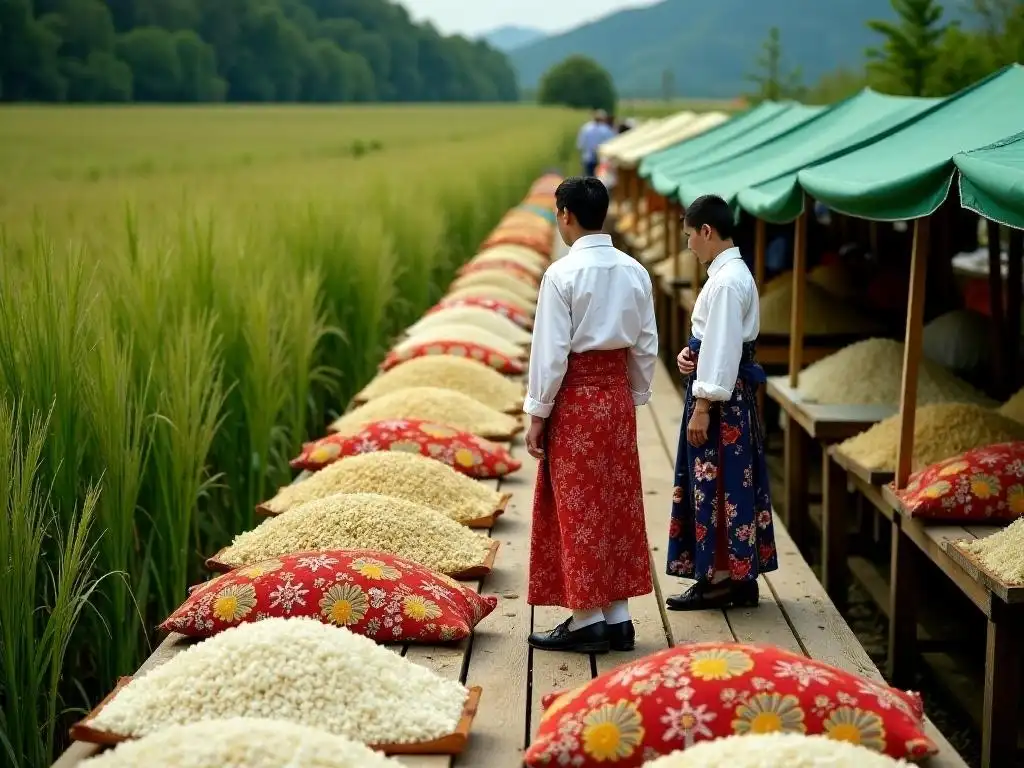
The Tokugawa period, spanning from 1603 to 1868, marked a time of relative peace and stability in Japan, allowing for the development of intricate economic strategies that would shape the country's future. Central to these strategies was rice, which not only served as a fundamental food source but also functioned as a critical economic tool. The Tokugawa shogunate implemented policies that utilized rice as a means of wealth measurement, taxation, and trade, embedding it deeply into the socio-economic fabric of Japan during this era.
Overview of the Tokugawa Era
The Tokugawa shogunate was established by Tokugawa Ieyasu after his victory at the Battle of Sekigahara in 1600. This period, also known as the Edo period, was characterized by the consolidation of power by the shogunate, leading to a hierarchical social structure divided into four main classes: samurai, farmers, artisans, and merchants.
- Political Stability: The shogunate maintained peace through a strict class system and isolationist foreign policies, known as Sakoku, which limited foreign influence and trade.
- Economic Growth: Despite the isolation, the period saw significant economic development, including urbanization and the rise of a merchant class. The population grew steadily, leading to increased demand for agricultural products, particularly rice.
The Tokugawa shogunate's economic strategies were heavily intertwined with agricultural practices, which laid the foundation for Japan's socio-economic landscape.
Importance of Agriculture in Feudal Japan
Agriculture was the backbone of the feudal economy in Japan, providing sustenance and income for the majority of the population. The Tokugawa period placed a significant emphasis on agriculture, particularly rice cultivation, due to several interrelated factors:
- Economic Stability: Rice was not only a staple food but also a form of currency and a measure of wealth. Land productivity directly influenced the wealth of daimyos (feudal lords) and the shogunate.
- Taxation System: The shogunate introduced a tax system based on rice yields, known as the "koku" system. One koku was defined as the amount of rice needed to feed one person for a year (approximately 180 liters), and this measurement was crucial for calculating taxes and assessing land value.
- Social Structure: Farmers, who were primarily responsible for rice production, held a vital role within the Tokugawa economic system. Their labor supported not only their families but also the entire feudal framework, as samurai relied on the agricultural output for their stipends.
Overall, agriculture's importance during the Tokugawa era cannot be overstated, as it influenced social hierarchies, economic policies, and even the political landscape.
Introduction to Rice as a Staple Crop
Rice, cultivated extensively across the archipelago, became synonymous with Japanese culture and economy during the Tokugawa period. Its role extended beyond mere sustenance to embody a complex set of economic and cultural significances:
- Cultural Symbolism: Rice is deeply embedded in Japanese culture, often associated with festivals, rituals, and agricultural practices. It symbolizes life and prosperity.
- Economic Instrument: The Tokugawa shogunate strategically used rice as an economic instrument to maintain stability. Rice was traded domestically and served as a commodity in international trade, particularly with the Dutch and Chinese.
- Development of Infrastructure: To support rice cultivation, the Tokugawa government invested in irrigation systems and improved agricultural techniques, which enhanced productivity and ensured food security.
Rice was not merely a staple crop but a pivotal element of the Tokugawa economic strategies, influencing various aspects of life in feudal Japan. Its multifaceted role underscores the complexity of the Tokugawa shogunate's approach to economic policy, showcasing how rice was integral to maintaining the era's stability and growth.
Historical Context of Rice in Tokugawa Japan
The Agricultural Landscape During the Tokugawa Period
The Tokugawa period (1603-1868), also known as the Edo period, was marked by a stable and largely agrarian society. The agricultural landscape during this time was characterized by a significant reliance on rice farming, which not only served as a staple food source but also played a crucial role in the economic strategies of the Tokugawa shogunate.
- Geographical Factors:
- Japan's varied climate and topography allowed for a diverse range of agricultural practices. The lowland regions, particularly in the Kanto and Kansai areas, were optimal for rice cultivation due to their fertile alluvial soils.
- The introduction of irrigation systems, including canals and levees, enhanced rice production efficiency.
- Land Ownership and Social Structure:
- The land was primarily owned by daimyos (feudal lords) who controlled large estates. Peasants, who made up 80% of the population, worked the fields and paid taxes in rice.
- This system created a social hierarchy where rice became a symbol of wealth and power. The amount of rice a domain could produce directly influenced its economic standing and political power.
Rice Cultivation Techniques and Innovations
Rice cultivation in Tokugawa Japan evolved through various techniques and innovations that significantly increased productivity and ensured a stable food supply.
- Seed Selection and Cultivation Practices:
- Farmers began to prioritize high-yield varieties of rice, which led to improved harvests. The practice of selecting seeds became more systematic, contributing to enhanced crop resilience.
- Techniques such as transplanting seedlings (known as "tane-uchi") were perfected, allowing for more efficient use of land and water resources.
- Irrigation and Fertilization:
- Advanced irrigation techniques were developed, including the use of flooding fields to control pests and diseases. This method not only improved water management but also optimized soil fertility.
- The use of organic fertilizers, such as manure and green manure, became common, enriching the soil and supporting sustainable farming practices.
- Agricultural Societies and Knowledge Sharing:
- The establishment of agricultural societies facilitated knowledge exchange among farmers. Techniques were shared, and innovations were disseminated, leading to widespread improvements in rice farming.
- The Tokugawa shogunate supported agricultural advancements by promoting research and development in agronomy, enhancing overall productivity.
The Role of Sericulture and Other Crops
While rice was the primary crop of the Tokugawa economy, sericulture (silk farming) and the cultivation of other crops also played significant roles in diversifying agricultural output and economic strategies.
- Sericulture as an Economic Driver:
- Sericulture emerged as a vital industry during the Edo period, with silk production becoming a lucrative trade. The cultivation of mulberry trees for silkworms complemented rice farming, providing farmers with alternative income sources.
- This dual-crop strategy allowed for greater economic stability and reduced the risks associated with relying solely on rice.
- Diversifying Crops:
- Farmers began to cultivate a variety of other crops, including barley, millet, and vegetables, which not only supplemented their diets but also served as barter goods.
- The practice of crop rotation and intercropping became common, enriching the soil and enhancing resilience against pests and diseases.
- Impact on Trade and Economy:
- The diversification of agriculture fostered local markets and trade networks, allowing villages to exchange rice and other produce for goods and services. This contributed to the overall economic prosperity of the Tokugawa shogunate.
- The surplus of rice and silk played a crucial role in trade with other regions, further enhancing the economic strategies of the Tokugawa era.
Rice was not merely a staple in Tokugawa Japan; it was the backbone of the economic structure, influencing everything from social hierarchy to trade. The agricultural innovations and diversification strategies employed during this period set the foundation for Japan's economic development in the years that followed.
Tokugawa Rice Economic Strategies

Rice as Currency: The Concept of Koku
In the Tokugawa period (1603-1868), rice was not merely a staple food; it held substantial economic significance as a form of currency. The term koku refers to the amount of rice needed to feed one person for a year, which is approximately 180 liters. This measure became a standard unit in economic transactions, influencing taxation, trade, and the overall economic landscape of feudal Japan.
The Tokugawa shogunate established a system where koku represented wealth and status. For instance, the income of daimyō (feudal lords) was often measured in koku, determining their power and influence. A daimyō's territory, or han, was evaluated based on its rice production capacity, directly linking political authority to agricultural output. This relationship emphasized the importance of rice in asserting power within the Tokugawa hierarchy.
Economic Implications of Koku
- Political Power: The koku system allowed the shogunate to maintain control over the daimyō, as their wealth was directly tied to the agricultural productivity of their domains.
- Trade and Commerce: Rice as currency facilitated trade, enabling merchants to exchange goods and services in a more standardized manner. This created a market where rice could be traded for other commodities, enhancing economic activity.
- Social Structure: The reliance on rice as a measure of wealth reinforced social stratification, as samurai and merchants sought to amass koku to elevate their status within society.
During the Tokugawa period, rice became central to the taxation system. The government implemented a rice tax, where farmers were required to pay a portion of their harvest to the shogunate and local daimyō. This taxation not only funded the government but also helped maintain social order and stability.
Key Taxation Strategies
- Fixed Tax Rates: The shogunate established fixed taxation rates based on the estimated koku production of each domain. This predictability allowed for better planning and resource allocation within the feudal system.
- Land Reforms: The Tokugawa government introduced land reforms aimed at increasing rice production. By redistributing land and improving agricultural techniques, they enhanced the overall output of rice, thereby boosting tax revenues.
- Promotion of Irrigation and Technology: Investment in infrastructure, such as irrigation systems, was crucial. These enhancements not only improved crop yields but also solidified the economic foundation of the Tokugawa era.
Control of Rice Distribution and Pricing Mechanisms
The Tokugawa shogunate exercised significant control over rice distribution and pricing, establishing mechanisms to stabilize the economy and prevent fluctuations in rice prices. This control was vital for maintaining social order, as rice was a critical food source for the population.
Distribution Mechanisms
- Government Warehouses: The shogunate maintained extensive warehouse systems for storing rice. By controlling the supply, they could release or withhold rice as needed to stabilize prices.
- Market Regulation: The government implemented regulations on rice markets, limiting speculation and ensuring fair pricing. This was crucial in preventing famine and social unrest during periods of poor harvests.
Pricing Strategies
- Price Fixing: The Tokugawa government often intervened in rice markets to fix prices, ensuring that rice remained affordable for the general populace. This intervention was a preventive measure against inflation and food shortages.
- Emergency Measures: During famines or natural disasters, the government would distribute rice from its reserves to alleviate suffering and maintain social stability. This proactive approach reinforced the shogunate's role as a protector of its people.
The Tokugawa rice economic strategies were multifaceted, intertwining currency, taxation, and distribution mechanisms to create a stable economic environment that supported the feudal system while also addressing the needs of the population. The emphasis on rice as a central economic pillar not only reflects its agricultural importance but also illustrates the intricate relationship between food production and political power in Tokugawa Japan.
The Societal Impact of Rice Economic Policies
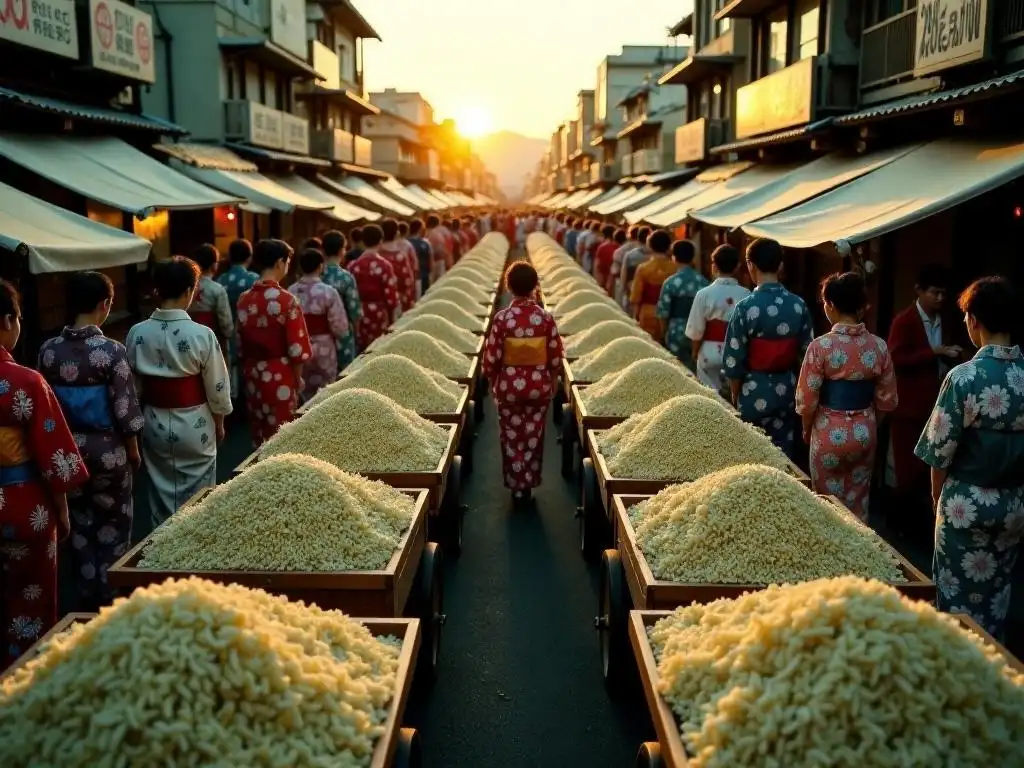
In Tokugawa Japan, rice was not merely a staple food; it served as a fundamental component of the social hierarchy. The entire societal structure was intricately linked to the production, distribution, and consumption of rice. At the top of this hierarchy were the samurai, who were granted stipends in koku (a unit of volume equal to the amount of rice needed to feed one person for a year) as their form of income. This established a direct correlation between wealth and rice, with the wealthier samurai receiving larger stipends.
Key Aspects of Rice and Social Hierarchies:
- Koku System: The allocation of rice in koku determined not only the economic status but also the power dynamics within feudal society.
- Peasant Class: Farmers, who constituted the majority of the population, were responsible for rice production. Their livelihoods were dictated by the size of their land and the yield of their rice crops, creating a distinct social class beneath the samurai.
- Merchants: Although often looked down upon, merchants began to gain wealth through rice trade, challenging traditional hierarchies. As urban centers grew, merchants who engaged in rice trading became crucial to the economy, leading to a gradual shift in societal structures.
The significance of rice in Tokugawa society extended beyond mere sustenance; it was a marker of prestige, power, and economic stability, shaping the interactions and relationships between different social classes.
The Influence of Rice on Urbanization and Trade
The Tokugawa period saw significant urbanization, largely fueled by the rice economy. As agricultural productivity increased due to advancements in farming techniques and the introduction of new strains of rice, cities began to flourish as hubs of trade and commerce. The cities of Edo (modern-day Tokyo), Osaka, and Kyoto became central to the rice trade, facilitating the flow of this vital commodity.
Factors Influencing Urbanization:
- Rice Markets: Urban areas established rice markets where farmers and merchants could trade. The bustling activity in these markets drew people from rural areas, leading to population growth in cities.
- Transportation: The development of transportation networks, such as rivers and roads, allowed for more efficient movement of rice from rural farms to urban centers, enhancing trade opportunities.
- Taxation and Revenue: The Tokugawa shogunate imposed taxes on rice, which became a primary source of revenue for the government. This taxation system incentivized both agricultural production and trade, further stimulating urban growth.
As a result, rice became a catalyst for economic development, leading to a vibrant urban culture that resonated throughout Japanese society during the Tokugawa era.
Cultural Significance of Rice in Tokugawa Japan
Rice held profound cultural significance in Tokugawa Japan, symbolizing not just sustenance but also cultural identity and spiritual beliefs. The reverence for rice was reflected in various aspects of daily life, rituals, and traditions.
Cultural Expressions Involving Rice:
- Shinto Rituals: Rice was integral to Shinto ceremonies, where it was offered to deities as a symbol of purity and gratitude. This practice highlighted the spiritual connection between rice cultivation and the agricultural cycle.
- Festivals: Numerous festivals celebrated the rice harvest, such as the Niiname-sai, which honored the first harvest and involved offerings to the gods. These festivals reinforced community bonds and cultural heritage.
- Art and Literature: Rice has been a recurring theme in Japanese art and literature, symbolizing prosperity and the agrarian lifestyle. Poets and artists often depicted rice fields and harvest scenes, emphasizing the beauty and importance of rice in everyday life.
The deep cultural ties to rice in Tokugawa Japan underscore its role as more than just a food source; it was a vital element of identity, spirituality, and tradition that shaped the lives of the people during this era.
Challenges and Responses in Rice Economic Strategies
The Tokugawa shogunate, which ruled Japan from 1603 to 1868, relied heavily on rice not only as a staple food but also as a pivotal element of its economic strategies. The challenges that arose in rice production during this period significantly influenced the policies and responses of the Tokugawa government. Understanding these challenges and the effective responses they initiated provides insight into how rice shaped the economic landscape of feudal Japan.
Natural Disasters and Their Impact on Rice Production
Natural disasters posed significant challenges to rice production in Tokugawa Japan. The country experienced various calamities, including earthquakes, typhoons, and floods, which often devastated agricultural outputs. For instance:
- Earthquakes: The Ansei earthquake of 1855 severely damaged infrastructure and agricultural land, leading to massive losses in rice yields.
- Typhoons: The frequent typhoons during the summer months would often destroy crops just before harvest, exacerbating food shortages.
- Droughts and Floods: The dual threat of droughts and floods led to erratic production levels. Notably, the famine of 1732 resulted from poor harvests due to unfavorable weather conditions.
The direct impact of these disasters not only affected food supply but also triggered social unrest. The shogunate faced the challenge of maintaining public order while ensuring that the population had enough sustenance. In response to these challenges, the Tokugawa government implemented several measures to stabilize rice production and distribution.
Adaptation Strategies: Technology and Policy Changes
The Tokugawa shogunate adopted various adaptation strategies to mitigate the effects of natural disasters on rice production. These strategies included technological innovations and policy changes aimed at improving agricultural resilience.
- Irrigation Systems: The development of advanced irrigation techniques was crucial for enhancing rice cultivation. For example, the introduction of the Kanto irrigation system allowed for more efficient water management, enabling farmers to maintain crops during drought periods.
- Crop Rotation and Fertilization: Farmers began to adopt crop rotation methods and the use of organic fertilizers, which improved soil fertility and increased rice yields. These practices were promoted through government initiatives and education.
- Disaster Relief Policies: The shogunate established relief policies during times of famine, providing rice from government stores to affected regions. This not only helped stabilize food prices but also reinforced the shogunate's authority and responsibility in providing for its subjects.
- Seed Selection and Breeding: The introduction of hardier rice varieties, which were more resistant to pests and adverse weather, played a vital role in ensuring consistent production levels.
These adaptive strategies underscored the Tokugawa government's commitment to securing rice as the backbone of the economy, even in the face of adversity.
Case Studies of Successful Rice Management
Several instances during the Tokugawa era exemplify successful rice management strategies that mitigated challenges and enhanced economic stability.
- The Hizen Domain: This region became known for its innovative agricultural practices, including the successful implementation of the Hizen rice strain, which produced higher yields and was resilient to flooding. The local daimyō (feudal lord) invested in education for farmers, improving overall productivity and enabling the domain to thrive even during adverse conditions.
- The Mito Domain's Disaster Preparedness: Mito was proactive in disaster preparedness, maintaining granaries stocked with rice to provide for its population during hard times. This strategy not only ensured food security but also fostered local loyalty to the ruling daimyō.
- The Suruga Domain's Irrigation Innovations: Suruga implemented a network of canals and reservoirs that optimized water distribution for rice paddies. By investing in infrastructure, the domain reduced vulnerability to drought and ensured consistent crop yields.
These case studies illustrate how strategic management and innovative practices allowed certain domains to thrive economically, highlighting the critical role of rice in the Tokugawa economic framework. Through resilience and proactive strategies, these regions maintained stability and prosperity, setting examples for others to follow.
Examining the challenges and responses related to rice economic strategies during the Tokugawa era reveals the complexity and significance of rice in Japan's feudal economy. The interplay between natural disasters, adaptation strategies, and successful management practices offers valuable insights into the resilience of agricultural systems in the face of adversity.
Comparative Analysis of Rice and Other Commodities

In the context of the Tokugawa shogunate, a comprehensive understanding of rice's significance requires a comparative analysis with other commodities. This exploration reveals the unique position rice held not just as a food source, but as a critical element in the economic strategies that underpinned the Tokugawa period. By examining how rice compared to other staple crops and economic activities, we can appreciate its multifaceted role in shaping Tokugawa Japan's economy.
Rice vs. Other Staple Crops in Tokugawa Japan
Rice was the cornerstone of Tokugawa Japan's agrarian economy, but it coexisted with several other staple crops, each contributing uniquely to the society's sustenance and economic framework.
Key Differences
- Nutritional Value:
- Rice was the primary source of carbohydrates for the majority of the population, while other staples like barley and millet offered alternative nutrition.
- The Tokugawa government prioritized rice because it not only fed the population but was also easier to store and transport.
- Economic Significance:
- Rice served as a currency of sorts, functioning as a measure of wealth and a tax base. For instance, the koku measurement system quantified rice production, determining the wealth of daimyō (feudal lords) and their domains.
- Other crops like wheat and soybeans were less significant in taxation and trade, thus limiting their economic impact compared to rice.
- Cultural Importance:
- Rice was deeply embedded in Japanese culture, symbolizing prosperity and purity, and played a central role in rituals and festivals.
- While other crops were consumed and valued, they did not carry the same cultural weight, highlighting rice's unique status in Tokugawa society.
The Role of Rice in Trade vs. Other Economic Activities
Rice was not only essential for sustenance but also served as a pivotal element in the trade and commerce of Tokugawa Japan. Its role in economic activities can be analyzed in several ways:
Trade Dynamics
- Bartering and Currency: Rice was often used in trade transactions, functioning as a form of currency within local economies. The practice of bartering rice for goods and services was commonplace, further embedding it into the fabric of everyday commerce.
- Market Regulation: The Tokugawa shogunate implemented regulations to control the rice market, ensuring stable prices and preventing inflation. This was critical in maintaining social order and the loyalty of the samurai class, who were paid in rice.
Comparison with Other Economic Activities
- Manufacturing and Crafts: While rice dominated agricultural activity, other sectors such as textiles, pottery, and metallurgy were also vital. However, these industries relied heavily on rice as a stable economic base to thrive.
- Emergence of Cash Economy: As the Tokugawa period progressed, a burgeoning cash economy began to emerge, yet rice remained central. It transitioned from being solely a staple to being a commodity that could be traded for silver and other goods, underlining its adaptability in the face of economic evolution.
Conclusion
Rice's role in Tokugawa economic strategies was not only as a staple food but also as a pivotal trade commodity that influenced various aspects of society. Its comparison with other crops and economic activities illustrates how rice transcended mere nutritional value to become a cornerstone of Tokugawa Japan's economic structure. Understanding this multifaceted role enriches our appreciation of the Tokugawa rice economic strategies and their lasting impact on Japanese history.
Conclusion: Legacy of Tokugawa Rice Economic Strategies

The Tokugawa period (1603-1868) in Japan was pivotal in shaping not only the socio-political landscape but also the economic framework of the nation. The strategies surrounding rice during this era laid the groundwork for many of the economic principles that would influence Japan well into the modern age. By establishing rice as both a staple food and a fundamental economic unit, the Tokugawa shogunate created a system that facilitated trade, taxation, and social stability.
Rice was not merely a dietary staple; it became a symbol of wealth and power. The shogunate's policies effectively tied land productivity to the status of the samurai class and the peasantry, establishing a hierarchical economic structure that persisted beyond the feudal era. The intricate relationship between rice production and taxation created a sense of accountability and sustainability that would resonate through Japan's economic development.
In evaluating the legacy of Tokugawa rice economic strategies, it's clear that they fostered an environment where agricultural advancements and trade flourished, setting a precedent for later economic reforms in Japan. The emphasis on rice as a currency of sorts enabled a more structured approach to governance and finance, influencing how modern Japan approaches agriculture and resource management.
Long-term Effects on Modern Japanese Economy
The repercussions of the Tokugawa rice economic strategies can be observed in various facets of modern Japan's economy. The foundation laid during the Tokugawa period not only transformed agricultural practices but also established a framework for economic policies that emphasize stability and growth.
- Agricultural Mechanization:
- The agricultural innovations initiated in the Tokugawa era, such as improved irrigation techniques and crop rotation, have evolved into modern agricultural practices. This evolution has led to increased efficiency and productivity in Japan's rice farming today.
- Market Economy and Trade:
- The Tokugawa period's focus on rice as a central commodity fostered a culture of trade that continues to be relevant. Modern Japan's market economy, characterized by its advanced supply chains and export strategies, can trace its roots back to the trading practices established during this era.
- Cultural Significance of Rice:
- Rice remains a vital element of Japanese culture, symbolizing not just sustenance but also prosperity and community. The cultural importance of rice, initiated during the Tokugawa period, continues to influence consumer behavior and culinary practices in contemporary Japan.
- Economic Policies:
- The tax systems developed around rice production during the Tokugawa era inform current agricultural policies. The balance between supporting farmers and ensuring food security reflects the historical context of Japan's rice economy.
Reflection on Rice's Role Beyond a Staple Food
Rice in Tokugawa Japan transcended its role as a mere food source; it became a symbol of economic stability and social order. The strategic implementation of rice in the Tokugawa economic policies illustrates how a single commodity can shape societal structures and influence a nation’s trajectory.
- Social Hierarchy:
- The class system of the Tokugawa period was heavily influenced by rice production. Landowners wielded power through their control of rice resources, which dictated social status and relationships. This dynamic created a society where rice was not only food but a means of asserting dominance and control.
- Cultural Identity:
- Rice cultivation and consumption are intertwined with Japanese identity. Festivals, rituals, and traditions, many of which date back to the Tokugawa era, continue to celebrate rice as a crucial component of Japanese life, further embedding it in the country’s cultural fabric.
- Economic Philosophy:
- The Tokugawa shogunate’s approach to rice as both an economic asset and a communal resource laid the groundwork for Japan’s collective economic philosophies. Today, these ideas manifest in cooperative farming practices and community-supported agriculture, showcasing the enduring legacy of rice.
The Tokugawa rice economic strategies were instrumental in forging a resilient economic framework that resonates in modern Japan. This multifaceted relationship between rice and the economy highlights not only the importance of agricultural practices but also the cultural and social dimensions that rice embodies within Japanese society. As Japan continues to evolve, the lessons learned from the Tokugawa period remain vital in navigating the complexities of contemporary economic challenges.
References and Further Reading
Key Historical Texts on Tokugawa Economic Policies
The Tokugawa shogunate, which ruled Japan from 1603 to 1868, established a unique set of economic policies that greatly influenced the country's agricultural landscape and trade practices. Several historical texts provide critical insights into these strategies, reflecting the complex interplay of governance, economy, and society during this period.
- Nihon Shoki (Chronicles of Japan):
- This ancient text is one of the first to document Japan's history, including the early economic structures. Although it predates the Tokugawa era, its accounts provide a contextual backdrop for understanding the evolution of agricultural policies.
- Shinpen Kōjien (New Edition of the Japanese Dictionary):
- While primarily a dictionary, this work includes explanations and etymologies related to economic terms and concepts that were prevalent during the Tokugawa period, offering a lexicon that can enhance understanding of the era's economic discourse.
- Tokugawa Ieyasu's Edicts:
- The edicts issued by Tokugawa Ieyasu and subsequent shoguns often emphasized agricultural productivity, land management, and taxation. These documents are crucial for understanding the direct economic strategies implemented by the shogunate.
- The "Bunsei" Period Documents:
- This period (1818-1830) saw significant economic developments. Documents from this era reveal shifts in agricultural practices and the importance of rice in economic transactions.
These texts collectively provide a foundational understanding of the Tokugawa economic landscape, emphasizing rice's pivotal role within it.
Recommended Literature on Rice Cultivation in Japan
Rice cultivation in Japan has a rich history, especially during the Tokugawa era, where it was integral not only to sustenance but also to the economy and social structure. Below are some recommended works that delve into the agricultural practices and economic significance of rice in Japan.
- "Rice as Self: Japanese Identities through Time" by Emiko Ohnuki-Tierney:
- This book explores the cultural significance of rice in Japan, discussing how its cultivation has shaped social identities and economic practices from historical to modern times.
- "The Culture of Rice: A Japanese Perspective" by Masahiro Matsumoto:
- Matsumoto offers an in-depth analysis of rice cultivation techniques and their evolution, focusing on how these practices influenced Tokugawa economic strategies.
- "The Economics of Rice: A Study of Japan's Agricultural Sector" by Hiroshi Nakagawa:
- This text provides a comprehensive analysis of the economic factors surrounding rice production, including trade, taxation, and land management policies during the Tokugawa period.
- "The Japanese Rice Economy" by Tetsuro Kato:
- Kato's work focuses on the broader implications of rice as a staple in Japanese society, examining its role in both domestic and international trade within the Tokugawa economic framework.
- "Tokugawa Japan: The Social and Economic History" by John W. Hall:
- Hall's book offers a thorough overview of the Tokugawa era, including critical discussions on agricultural policies, the significance of rice, and the socioeconomic structures that relied on this staple.
These works not only highlight the agricultural practices of the era but also illustrate how rice served as a foundation for the Tokugawa shogunate's economic strategies, shaping the social fabric of Japan.
Frequently Asked Questions
What was the significance of rice in Tokugawa Japan's economy?
Rice was considered the foundation of the economy, serving not only as a staple food but also as a currency for tax and trade.
The Tokugawa shogunate employed rice-based policies that reinforced the class hierarchy, where samurai were often paid in rice, establishing their social status.
Yes, the Tokugawa government implemented land management policies and irrigation techniques to boost rice production, ensuring a stable food supply and economic growth.
How did rice trade affect Japan's relationships with other countries?
The trade of rice enabled Japan to establish economic ties with neighboring countries, influencing both cultural exchange and diplomatic relations during the feudal period.
What long-term impacts did Tokugawa rice economic strategies have on Japan?
The strategies laid the groundwork for Japan's modern economy, highlighting the importance of agriculture and trade, which continued to influence policies even after the Tokugawa era.
Final Reflection: The Enduring Legacy of Tokugawa Rice Economic Strategies
The intricate relationship between rice and the economic strategies of the Tokugawa era remains profoundly relevant today. In a world where food security and agricultural practices are at the forefront of global discussions, understanding how rice served as more than just a staple in Tokugawa Japan illuminates the complexities of economic systems and cultural values. The Tokugawa shogunate's strategic use of rice not only shaped their economy but also laid the groundwork for modern agricultural policies, reminding us that the past continues to influence our present.
Culture and economy are intertwined, and the legacy of Tokugawa rice economic strategies is a testament to this connection. The careful management of rice production and distribution during this period not only sustained the population but also fostered a sense of community and identity among the Japanese people. As we reflect on this historical context, we can appreciate the words of historian Edward Seidensticker: The Japanese have always understood that rice is not merely food; it is a symbol of life itself.
This insight encourages us to recognize the cultural significance of agricultural practices and their lasting impact on society.
As we move forward, let us take a moment to reflect on our own relationship with food and its broader implications. How can we apply the lessons learned from the Tokugawa rice economic strategies to our current agricultural practices and economic policies? I invite you to consider the importance of sustainability, community, and cultural heritage in your own life. By embracing these values, we can contribute to a more resilient and interconnected world, ensuring that the lessons of the past guide us toward a better future.
Unveil the Rich Legacy of Rice in Japan’s Economy!
Thank you for delving into the fascinating world of rice during the Tokugawa era! You’ve uncovered how a simple grain shaped economic strategies and societal advancements. Now, it's time to take your newfound knowledge and turn it into action!
Here are a few ways you can further explore and engage with this captivating topic:
- Dive Deeper: Explore more articles about the economic systems of feudal Japan to understand the broader context and discover hidden connections.
- Share Your Insights: Join our vibrant community by commenting below and sharing your thoughts on how rice influenced various aspects of Tokugawa society.
- Experiment with Tradition: Try preparing a traditional Japanese rice dish to immerse yourself in the culinary history that connects back to this significant era!
As you reflect on these actions, consider this question: How do you think the historical significance of rice in Tokugawa Japan can inform our understanding of food's role in modern economies? Your insights could spark an engaging discussion!