
Understanding the Economic Philosophy Behind Japan's Sakoku Policies

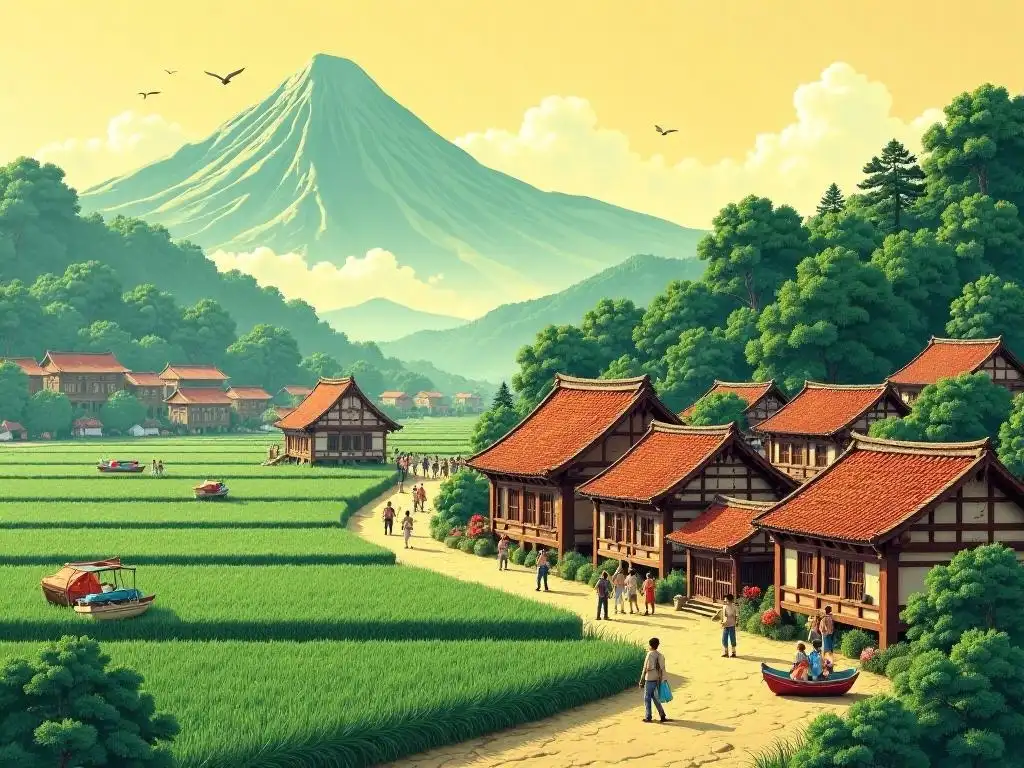
Welcome to Feudal Japan History, where we embark on a captivating journey through the intricate tapestry of Japan’s feudal era. Here, we delve into the profound economic philosophy behind Japan's Sakoku policies, unraveling how isolation shaped not only trade but the very fabric of society during this pivotal time. Prepare to be intrigued as we explore the delicate balance between prosperity and seclusion, and discover the lasting impacts that echo through history. Join us as we uncover the layers of this fascinating topic—your adventure begins now!
Introduction to Sakoku Policies
The Sakoku policies, which translate to "locked country," were a series of regulations implemented during the Edo period in Japan (1603-1868) that fundamentally reshaped the nation’s economic landscape. These policies not only isolated Japan from foreign influences but also established a unique economic philosophy that governed trade, social structure, and governance.
Understanding the economic philosophy behind Japan's Sakoku policies offers a lens through which to view the complexities of Japan’s isolationist stance, revealing how economic considerations were intertwined with cultural and political motivations. This exploration highlights the nuanced relationship between Japan's economic practices and its broader societal values during a pivotal era in its history.
Definition of Sakoku and Its Historical Context
Sakoku was officially enacted by the Tokugawa shogunate in the early 17th century, marking a significant departure from previous periods of active trade and cultural exchange with foreign nations. The policy restricted almost all foreign relations and prohibited Japanese citizens from traveling abroad. The motivations for such isolation were multifaceted, including:
- Political Control: To maintain stability and consolidate power, the shogunate sought to limit the influence of foreign powers, particularly European missionaries and traders.
- Economic Protectionism: By controlling trade, the shogunate aimed to protect local industries and promote self-sufficiency, reducing dependence on foreign goods.
- Cultural Preservation: The isolationist policies were also aimed at preserving Japanese culture and identity, shielding it from potentially disruptive foreign ideologies.
Overview of Japan's Isolationist Era
The isolationist era, spanning over two centuries, fostered a unique economic environment characterized by domestic trade and agriculture. The Tokugawa shogunate implemented policies that encouraged local production and consumption, leading to the development of a more structured economy. Key features of this era included:
- Urbanization: Cities such as Edo (modern-day Tokyo) emerged as economic hubs, facilitating trade among the samurai, merchants, and farmers.
- Rural Economy: Agriculture remained the backbone of the economy, with rice being the primary currency and a vital measure of wealth.
- Merchant Class: While initially marginalized, the merchant class gained prominence, influencing economic practices and contributing to the growth of a market economy.
The Economic Philosophy of Japan's Sakoku
The economic philosophy underpinning Japan's Sakoku policies was deeply rooted in the principles of self-sufficiency, stability, and moral governance. This philosophy not only guided economic transactions but also shaped societal values and norms.
Key Principles of Sakoku Economic Philosophy
- Self-Sufficiency: The Sakoku policies prioritized local production and minimized reliance on foreign goods. This approach aimed to create a stable economy that could thrive independently.
- Controlled Trade: Foreign trade was strictly regulated, with limited interaction primarily through designated ports, such as Nagasaki. This control allowed the shogunate to dictate economic terms and protect local interests.
- Social Hierarchy: The economic structure reflected the rigid social hierarchy of the time, where the samurai class held significant power over the economy, influencing the distribution of resources.
The Role of Confucianism in Economic Thought
Confucianism played a pivotal role in shaping the economic philosophy of Sakoku. Its emphasis on hierarchy, duty, and moral governance influenced not only the political landscape but also economic practices. Key aspects include:
- Moral Economy: The Confucian ideal promoted ethical conduct in business, encouraging merchants to act responsibly and contribute to societal welfare.
- Social Responsibility: Economic activities were viewed through a lens of social responsibility, where the welfare of the community took precedence over individual profit.
Impact of Buddhism on Economic Practices
Buddhism also significantly influenced the economic practices during the Sakoku period. The integration of Buddhist values into economic philosophy fostered a unique perspective on wealth and material possessions:
- Non-Attachment: Buddhist teachings encouraged a sense of non-attachment to material wealth, promoting a balance between spiritual and economic pursuits.
- Support for Charity: Economic practices during this era often included elements of charity and support for the less fortunate, reflecting Buddhist values of compassion and community support.
Through the examination of these philosophical underpinnings, we gain a deeper understanding of how Japan's Sakoku policies were not merely isolationist measures but rather a comprehensive economic framework rooted in cultural and ethical considerations.
Trade Restrictions and Their Economic Implications
The Sakoku period, which lasted from the early 17th century until the mid-19th century, was characterized by strict trade restrictions that significantly influenced Japan's economic landscape. The isolationist policies, primarily enforced by the Tokugawa shogunate, aimed to maintain internal stability and prevent foreign influence, but they also had profound implications on trade dynamics and economic development.
Overview of Trade Limitations During Sakoku
During the Sakoku era, Japan's foreign relations were severely restricted. The shogunate implemented a series of edicts that limited trade to specific ports and strictly regulated the types and quantities of goods exchanged. Only the Dutch, confined to the island of Dejima in Nagasaki, and the Chinese, who were allowed limited access, could engage in trade with Japan. This isolationist approach effectively eliminated the influence of European powers and curtailed interactions with other nations, reinforcing Japan's self-sufficiency.
The trade restrictions were codified in the Sakoku Edicts, which prohibited Japanese citizens from traveling abroad and banned foreign ships from entering Japanese waters without permission. Consequently, the only goods that entered Japan were those deemed acceptable by the shogunate, creating a controlled economic environment that prioritized domestic over foreign interests.
The Effects of Limited Foreign Trade on Japan's Economy
The limitations on foreign trade had mixed effects on Japan's economy. On one hand, the reduced competition fostered the growth of local industries and agriculture, as domestic producers filled the void left by the absence of foreign goods. This period saw a rise in self-sufficiency, with Japan focusing on cultivating its agricultural potential and developing local craftsmanship.
Conversely, the lack of foreign trade also stifled innovation and technological advancement. With minimal external influence, Japan's industrial development lagged compared to other nations that were actively engaging in global trade. The economy became inward-looking, leading to stagnation in certain sectors, as the country missed opportunities for the exchange of ideas and innovations from abroad.
The Role of Dutch and Chinese Trade Under Sakoku Policies
Despite the stringent trade restrictions, the Dutch and Chinese played critical roles in Japan's limited foreign trade during the Sakoku period. The Dutch were particularly unique in their position; they served as Japan's primary gateway to European goods and information. Their trade with Japan was characterized by a focus on specific commodities such as silk, spices, and textiles, facilitating a narrow flow of foreign products into the country while ensuring the shogunate maintained control over the trade process.
Chinese trade, on the other hand, was more diverse. It encompassed a broader range of goods, including porcelain, tea, and paper, which were highly valued in Japanese society. The Chinese merchants were able to establish a robust trade network, particularly through the port of Nagasaki, which became a focal point for commerce during the Sakoku era. This trade helped to introduce certain cultural elements and products that enriched Japanese society, even within the framework of the isolationist policies.
Internal Economic Policies During Sakoku
Alongside the external trade restrictions, Japan's internal economic policies during the Sakoku period were designed to reinforce self-sufficiency and maintain social order. The shogunate implemented measures that structured the economy around agriculture and regulated social classes, which had lasting impacts on Japan's economic landscape.
Agricultural Policies and their Economic Impact
Agriculture was the backbone of Japan's economy during the Sakoku era, and the Tokugawa shogunate implemented various agricultural policies to optimize production. Land was organized into feudal domains, with daimyō (feudal lords) responsible for tax collection and land management. Farmers were required to produce rice, which served as both currency and a measure of wealth, ensuring that agricultural output was maximized.
The shogunate introduced irrigation projects and crop rotation techniques to enhance productivity. These policies resulted in significant agricultural growth, which supported the urbanization of Japan as surplus food enabled population growth in cities. However, this focus on rice cultivation also made the economy vulnerable to natural disasters, as fluctuations in harvests could lead to famine and unrest.
The Role of the Samurai Class in Economic Structure
The samurai class played a dual role in Japan's economic structure during the Sakoku period. As warriors, they were tasked with maintaining order and enforcing the shogunate's policies, but they also held significant economic power. The samurai were granted stipends in the form of rice from the daimyō, which provided them with a steady income.
This economic system created a class of samurai who often found themselves in precarious financial situations, especially as the demand for their martial services diminished. Many samurai turned to alternative means of income, such as engaging in trade or investing in agricultural ventures, which blurred the lines between social classes and contributed to the development of a more complex economic landscape.
Merchant Class Growth and Economic Changes
The Sakoku period saw the emergence of a vibrant merchant class, known as the chōnin. As agriculture thrived, the demand for goods and services in urban centers increased, allowing merchants to accumulate wealth and influence. Despite being considered lower in social status than samurai, the merchant class played a crucial role in Japan's economy, facilitating trade and commerce.
The growth of the merchant class led to the rise of market towns and a burgeoning consumer culture. With increased trade activities, financial innovations such as credit and banking systems began to emerge, contributing to economic complexity. The influence of merchants began to challenge the rigid social hierarchy established by the Tokugawa shogunate, setting the stage for significant economic and social transformations in the years leading to the end of the Sakoku period.
The Influence of Geography on Sakoku Economic Philosophy

Japan's unique geographical position significantly influenced its Sakoku policies, shaping an economic philosophy rooted in isolationism and self-sufficiency. Surrounded by oceans and possessing a rugged terrain, Japan's geography created natural barriers that facilitated its isolation from foreign powers. This geographical insulation allowed for the development of a distinct Japanese identity, free from external cultural and economic influences.
The archipelago's location also played a crucial role in its economic strategies. With limited arable land and a lack of certain natural resources, Japan's geographical constraints necessitated a focus on self-sufficiency. This need led to the prioritization of local production and the cultivation of indigenous resources. The interplay between geography and economy became evident as the Japanese sought to stabilize their society and economy through controlled trade and strict regulations on foreign interactions.
How Japan's Geography Shaped Isolationist Policies
Japan's geography, characterized by mountainous terrain and limited agricultural lands, compelled the nation to adopt isolationist policies. The natural barriers such as mountains and seas not only protected Japan from invasions but also limited the influx of foreign goods and ideas. This geographic seclusion allowed the Tokugawa shogunate to establish a centralized feudal system that controlled trade and maintained socio-political stability.
Moreover, the limited availability of resources and the need for sustainable agriculture led to innovations in farming techniques. The Japanese developed rice cultivation practices that maximized output, ensuring food security despite geographic limitations. This focus on internal agricultural productivity reinforced the Sakoku economic philosophy, which prioritized self-reliance over dependence on foreign trade.
Natural Resources and Economic Self-Sufficiency
The Sakoku policies were deeply intertwined with Japan's natural resources and the pursuit of economic self-sufficiency. Japan's isolationist approach allowed the nation to cultivate its resources effectively while minimizing reliance on imports. The Tokugawa shogunate encouraged local industries, such as textiles and ceramics, to flourish, fostering a robust domestic economy.
Additionally, Japan's rich marine resources, particularly fish, became a cornerstone of its economy. With a coastline rich in fish stocks, the Japanese developed sustainable fishing practices that contributed to food security and economic stability. The emphasis on utilizing natural resources sustainably aligned with the broader Sakoku philosophy, which sought to maintain a balance between economic independence and environmental stewardship.
Comparing Sakoku Economic Philosophy with Other Isolationist Policies
The Sakoku economic philosophy can be examined in the context of other historical isolationist policies around the world. While Japan's approach was unique, it shared certain similarities and differences with isolationist policies in other regions, particularly in Asia and Europe.
Similarities and Differences with China's Isolationist Policies
Japan's Sakoku policies bear resemblance to China's isolationist strategies during the Ming and Qing dynasties. Both nations pursued policies that restricted foreign trade to maintain control over their economies and societies. For instance, during the Ming dynasty, China limited maritime trade and contact with foreign entities, similar to Japan's strict regulations on foreign interactions.
However, key differences emerged in the execution of these policies. While China ultimately opened its doors to foreign influence during the Qing dynasty, Japan maintained a rigid isolation until the mid-19th century. This prolonged isolation allowed Japan to develop a unique cultural and economic identity, contrasting with China's more varied interactions with the outside world.
Lessons from European Isolationism in the Same Era
The isolationist policies employed in Europe during the same era provide valuable insights into Japan's Sakoku economic philosophy. Countries like England and France adopted mercantilist policies to control trade and bolster their economies. However, unlike Japan's exclusive focus on self-sufficiency, European nations often engaged in colonial expansion and sought to exploit resources in distant lands.
The lessons from European isolationism highlight the importance of balancing protectionism with international engagement. Japan's Sakoku era demonstrates how strict isolation can foster internal development, yet it also underscores the risks of becoming too insular. By examining these contrasts, we can better understand the complexities of Japan's economic philosophy during its isolationist period and its implications for future interactions with the global economy.
Critiques and Consequences of Sakoku Economic Philosophy
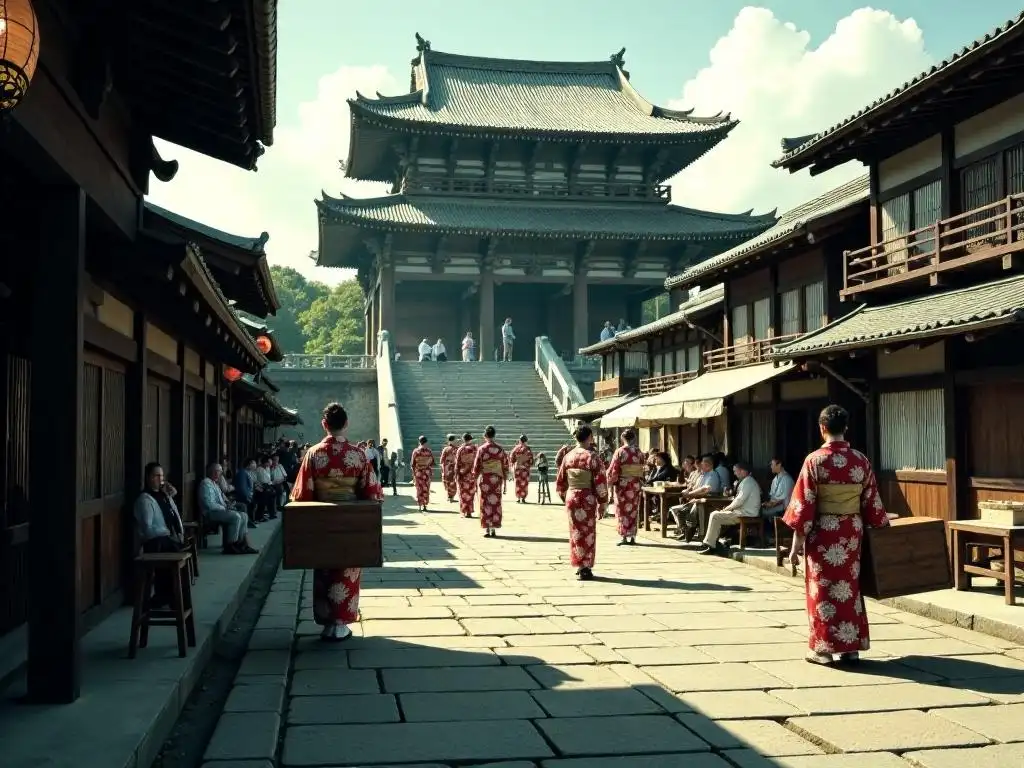
The Sakoku policies, instituted during the Edo period (1603-1868), were designed to limit foreign influence and maintain social order. While these isolationist measures are often credited with creating a stable internal environment, they also faced significant critiques regarding their economic ramifications. Critics argue that the strict limitations on trade and foreign interaction restricted Japan’s economic growth and innovation. By isolating itself from the global community, Japan missed out on advancements in technology, science, and new economic ideas that were rapidly developing in Europe and other parts of Asia during the same period.
Furthermore, the economic philosophy behind Sakoku emphasized self-sufficiency and local production. This approach led to a stagnation in industry and commerce as the economy became increasingly reliant on traditional practices and products. The lack of external competition meant that domestic industries lacked the impetus to innovate or improve efficiency, resulting in a form of economic stagnation that would haunt Japan in the latter half of the 19th century.
Economic Stagnation vs. Economic Stability
While Sakoku policies arguably brought a degree of stability to Japan, they also fostered economic stagnation. The deliberate avoidance of foreign trade meant that Japan’s economy was largely agrarian and self-contained. Agricultural productivity improved due to advancements in farming techniques and crop rotation, but the lack of industrial diversification meant that the economy could not adapt to changing global demands.
This stability came at the cost of economic dynamism. By prioritizing internal peace and cohesion over engagement with the outside world, Japan found itself lagging behind in industrialization compared to Western nations. The absence of foreign competition meant that domestic markets were insulated, leading to complacency among local businesses. Consequently, when the doors to Japan were finally opened during the Meiji Restoration in 1868, the nation struggled to catch up with the rapidly industrializing world.
Long-term Consequences on Japan's Global Trade Position
The long-term consequences of the Sakoku economic philosophy are evident in Japan's initial struggles in global trade post-isolation. The policies effectively severed Japan from the global economic network, which had ramifications that extended well into the modern era. When Japan re-entered the global market in the late 19th century, it faced steep competition from established powers that had continued to evolve and innovate in the interim.
Japan's late entry into international trade meant that it had to adopt foreign technologies and practices quickly, leading to a tumultuous and often painful transition. This period was marked by intense efforts to modernize, which included adopting Western industrial practices and revising trade agreements that had previously placed Japan at a disadvantage. The legacy of Sakoku ultimately shaped Japan's approach to economic policy, instilling a sense of urgency in developing a competitive edge in global markets.
Conclusion: The Legacy of Sakoku Policies on Modern Japan
The legacy of the Sakoku policies is multifaceted, influencing Japan's cultural, social, and economic landscape in profound ways. While the period of isolation helped solidify a unique national identity and cultural heritage, it also left deep-seated challenges that Japan would need to address as it transitioned into the modern era.
Reflection on Economic Philosophy's Relevance Today
In contemporary discussions about economic philosophy, the lessons from Japan's Sakoku period resonate strongly. The balance between isolation and engagement remains a critical consideration for nations navigating globalization. Japan's experience serves as a case study in the potential pitfalls of excessive isolationism, highlighting the importance of fostering innovation and adaptability in an interconnected world. Policymakers today can learn from the historical context of Sakoku, recognizing that while stability is vital, it should not come at the expense of economic dynamism.
Sakoku's Impact on Contemporary Japanese Economic Practices
The influence of Sakoku policies is still felt in various aspects of contemporary Japanese economic practices. The emphasis on self-sufficiency and local production can be traced back to this era, as many Japanese industries maintain a focus on quality and craftsmanship. Moreover, the cautious approach to foreign investments and partnerships reflects a historical wariness that has roots in the isolationist policies of the past.
Japan's modern economic strategies often seek a careful balance between maintaining traditional values and embracing globalization, a nuanced position that stems from the legacies of the Sakoku period. This historical backdrop shapes not only Japan’s economic policies but also its broader cultural and social frameworks, making the exploration of Sakoku’s economic philosophy essential for understanding Japan’s current economic identity.
Further Reading and Resources on Sakoku and Economic Philosophy
To gain a deeper understanding of the economic philosophy that underpinned Japan's Sakoku policies, a variety of books and online resources are available that delve into the historical, cultural, and economic aspects of this isolationist period. Below are some recommended readings and resources that provide valuable insights into the complexities of Japan's Sakoku.
Recommended Books and Articles on Sakoku Economic Philosophy
- "The Economic History of Japan: 1600-1990" by Masahiro Matsumura
- This comprehensive book explores Japan's economic development during the early modern period, including the impact of Sakoku policies on trade and commerce. It is a critical resource for understanding the economic philosophy that influenced Japan's isolationist stance.
- "Japan's Closed World: 1639-1853" by John W. Hall
- Hall provides an in-depth analysis of the Sakoku period, highlighting the economic implications of isolationism. This book is instrumental in understanding how Japan managed its resources and trade practices during over two centuries of seclusion.
- "Sakoku: Japan's National Isolation" by Richard W. van Duyne
- In this article, van Duyne discusses the philosophical and economic motivations behind Japan's Sakoku policies. It offers insights into how these policies shaped Japan's domestic economy and foreign relations.
- "Trade and Diplomacy in Japan: The Sakoku Period" by David E. Tazuma
- This work investigates the intricate relationship between trade practices and diplomatic relations during the Sakoku era, shedding light on how economic philosophy influenced Japan's interactions with foreign powers.
Online Resources for Deeper Insights into Feudal Japan’s Economy
- The National Diet Library of Japan
- This resource provides access to a vast collection of documents, research papers, and historical records related to Japan's economic history, including the Sakoku period. Researchers and enthusiasts can find primary sources that offer firsthand accounts of economic practices during this time.
- The Japan Times Archives
- The Japan Times features articles and analyses on various aspects of Japanese history, including the Sakoku policies. Their archives provide a wealth of information that can enhance understanding of the economic implications of isolationism.
- The Feudal Japan History Online Library
- An extensive digital library dedicated to the study of Feudal Japan, offering articles, essays, and scholarly papers that discuss the economic philosophies of the Sakoku era. This is a valuable resource for students and researchers alike.
- Japan's Economic History Wiki
- This collaborative online platform features entries on various topics related to Japan's economic history, including detailed sections on Sakoku policies. It serves as a useful starting point for anyone looking to explore the economic landscape of feudal Japan.
These resources collectively provide a robust foundation for understanding the intricate economic philosophies that shaped Japan during its Sakoku period, highlighting the balance between isolation and economic strategies that characterized this fascinating era.
- Introduction to Sakoku Policies
- The Economic Philosophy of Japan's Sakoku
- Trade Restrictions and Their Economic Implications
- Internal Economic Policies During Sakoku
- The Influence of Geography on Sakoku Economic Philosophy
- Natural Resources and Economic Self-Sufficiency
- Comparing Sakoku Economic Philosophy with Other Isolationist Policies
- Critiques and Consequences of Sakoku Economic Philosophy
- Conclusion: The Legacy of Sakoku Policies on Modern Japan
- Further Reading and Resources on Sakoku and Economic Philosophy
Frequently Asked Questions
What were the Sakoku policies in Japan?
The Sakoku policies were a series of laws enacted in the 17th century that restricted foreign relations and trade, aiming to maintain national stability and cultural integrity.
How did Sakoku influence Japan's economy?
The Sakoku era established a self-sufficient economy by limiting foreign trade, which encouraged the development of local industries and the promotion of domestic goods.
What was the main economic philosophy behind Sakoku?
The economic philosophy was rooted in protectionism; it sought to minimize foreign influence while maximizing internal growth, ensuring that Japan could thrive independently.
How did the Sakoku policies affect Japanese society?
The policies led to a period of isolation, fostering a unique Japanese culture and promoting the arts and literature, while also limiting cultural exchange with the outside world.
What lessons can modern economies learn from Japan's Sakoku?
Modern economies can learn the importance of balancing trade and cultural exchange, as well as the potential impact of isolationist policies on economic growth and societal development.
Final Reflection: The Enduring Legacy of Japan's Sakoku Economic Philosophy
Understanding the economic philosophy behind Japan's Sakoku policies is crucial in today's globalized world. As we navigate the complexities of international trade and cultural exchange, the lessons learned from Japan's historical isolationism resonate profoundly. The Sakoku period, with its intricate balance of protectionism and selective engagement, offers a compelling framework for analyzing contemporary economic strategies. This historical lens reminds us that the choices nations make regarding openness and isolation can have lasting implications on their development and identity.
Clearly, the Sakoku policies have shaped not only Japan's economic landscape but also its cultural identity. The careful curation of foreign influence during this period fostered a unique blend of tradition and innovation that continues to inspire. As we witness the ongoing globalization of economies, the importance of understanding one's own cultural and economic philosophy becomes paramount. A nation that knows its history is a nation that can shape its future.
This quote encapsulates the essence of how Japan's past informs its present and future, urging us to reflect on our own historical narratives and their impact on our current economic philosophies.
As you contemplate the insights gleaned from Japan's Sakoku economic philosophy, I invite you to reflect on your own relationship with culture and economy. How can the lessons of balance and selective engagement inform your personal or professional choices today? Embrace the opportunity to learn from history, allowing it to guide your actions and decisions in an increasingly interconnected world. By doing so, you can contribute to a future that honors the past while forging new paths of understanding and collaboration.
Unveil the Insights of Japan's Sakoku Era!
Thank you for diving into our exploration of the economic philosophy behind Japan's Sakoku policies. Your interest in this pivotal period enriches our understanding of how isolationism shaped the nation’s unique identity and economy. Now, let’s take action and deepen your engagement with this fascinating history!
- Explore a local library or online database for historical texts on Sakoku to gain broader perspectives.
- Join our community forum to discuss your thoughts on how isolationism still influences Japan today—your insights matter!
- Share this article with friends or on social media to spark a conversation about the past and its impact on modern society.
What aspects of Japan's Sakoku policies resonate most with you in today’s global landscape?