
The Evolution of Trade Goods: From Local Crafts to Global Commodities


Welcome to Feudal Japan History, where we embark on a captivating journey through the intricate tapestry of Japan's feudal era. Dive into our latest exploration, “The Evolution of Trade Goods: From Local Crafts to Global Commodities,” and discover how the exchange of trade goods transformed not just economies, but the very fabric of society. What drove these changes, and how did local artisans shape a burgeoning global market?
Prepare to unravel the mysteries of Japan feudal trade goods evolution and ignite your curiosity as you uncover the profound impact of commerce on Japan's rich history. Explore further and let the past unfold before your eyes!
Introduction to Japan's Feudal Trade Goods Evolution
The evolution of trade goods during Japan's feudal era is a fascinating narrative that intertwines the social, cultural, and economic transformations of the time. From the localized production of crafts to the emergence of commodities that reached far beyond Japan's shores, this period reveals how trade shaped the very fabric of society.
This article delves into the Japan feudal trade goods evolution, exploring the various phases of trade, the significance of these goods, and their impact on Japan's economic history. By examining the intricate web of trade during feudal Japan, we can appreciate how local artisans contributed to a burgeoning economy, ultimately paving the way for a complex network of regional and international commerce.
Overview of Trade in Feudal Japan
Trade in feudal Japan was not merely a means of exchanging goods; it was a vital component that fostered connections between various regions and cultures. The feudal system, characterized by a hierarchy of lords, vassals, and serfs, influenced trade dynamics significantly. Key aspects included:
- Local Markets: Villages and towns often had their own marketplaces where local crafts and agricultural products were traded.
- Regional Trade Routes: As the need for diverse goods grew, so did the development of trade routes connecting different provinces, which facilitated the exchange of commodities such as rice, textiles, and pottery.
- International Trade: By the late feudal period, Japan began establishing trade relations with foreign entities, including the Portuguese and Dutch, introducing new goods and ideas into Japanese markets.
The importance of trade cannot be understated, as it fueled economic growth and cultural exchange, influencing everything from social structures to artistic expressions.
Importance of Trade Goods in Economic History
Trade goods serve as a window into the economic history of feudal Japan, reflecting the evolution of consumer needs and the sophistication of production techniques. The significance of these goods includes:
- Cultural Identity: Crafts such as pottery and textiles not only represented local traditions but also played a role in shaping Japan's cultural identity during the feudal era.
- Economic Development: The flourishing trade of goods contributed to the rise of merchant classes and the gradual shift in economic power from the samurai to the urban populace.
- Global Connections: The introduction of foreign goods, such as tobacco and textiles, highlighted Japan's integration into the global economy, influencing both local tastes and production methods.
The interplay between local crafts and trade goods illustrates a larger narrative of economic evolution, revealing how Japan transitioned from a primarily agrarian society to one engaged in complex trade networks.
Historical Context of Trade Goods in Feudal Japan
Understanding the historical context of trade goods in feudal Japan involves examining the early role of local crafts and the subsequent transition to broader trade networks. This context is essential for grasping the nuances of Japan's economic history.
The Role of Local Crafts in Early Trade
In the early stages of feudal Japan, local crafts were the cornerstone of trade. Artisans produced goods that met the immediate needs of their communities, which included:
- Ceramics: Pottery was not only functional but also artistic, with different regions developing unique styles.
- Textiles: Silk production flourished in certain areas, leading to the creation of exquisite kimonos that became highly sought after.
- Tools and Weapons: Local blacksmiths crafted essential tools for agriculture and warfare, which were traded within and between regions.
These crafts were integral to local economies, establishing a foundation for trade practices that would evolve over time.
Transition from Local to Regional Trade
As Japan's feudal system matured, the transition from local to regional trade became more pronounced. Several factors contributed to this shift:
- Increased Demand: The growth of population and urban centers led to heightened demand for diverse goods, prompting artisans to expand their reach.
- Improved Infrastructure: The development of roads and waterways facilitated the movement of goods across regions, making trade more efficient and profitable.
- Rise of Merchant Classes: As trade expanded, merchants began to play a more prominent role in the economy, challenging the traditional power structures dominated by the samurai.
This transition marked a significant evolution in trade practices, laying the groundwork for the rich tapestry of commerce that would define later periods in Japan's history.
Key Trade Goods in Feudal Japan
The evolution of trade goods in feudal Japan presents a fascinating narrative that reflects the broader economic transformations of the era. Key trade goods included rice, textiles, ceramics, and metals, each playing a pivotal role in both local economies and broader commerce. Rice, the staple crop, was not only a food source but also served as a form of currency, illustrating its significance in trade.
Textiles, especially silk and cotton, were highly prized both domestically and in international markets. Ceramics, particularly from regions like Arita and Seto, gained recognition for their craftsmanship and artistic value. Additionally, metals such as iron and copper were essential in various industries, including weaponry and agricultural tools.
Common Local Crafts and Their Significance
Local crafts in feudal Japan were not merely economic activities; they held cultural and social significance as well. Crafts such as pottery, weaving, and lacquerware were deeply rooted in regional identities, with each area developing its unique styles and techniques. For instance, the production of Nara's akahada pottery involved intricate craftsmanship, symbolizing the region's artistic heritage.
Weaving, particularly in regions like Kagawa, produced distinctive textiles, vital for clothing and trade. These local crafts fostered community ties and provided livelihoods, contributing to the social fabric of feudal Japan. Moreover, crafts often reflected the spiritual and aesthetic values of the time, making them integral to Japan's cultural heritage.
Introduction of Foreign Commodities
The arrival of foreign commodities marked a significant turning point in the evolution of trade goods. During the late feudal period, Japan began to engage more with the outside world, particularly with European and Asian traders. Goods such as spices, precious metals, and firearms were introduced, transforming local markets and consumption patterns.
The Portuguese, for instance, brought firearms that revolutionized warfare in Japan, while the Dutch introduced new textiles and glassware. These commodities not only enriched the variety of goods available but also altered trade dynamics, leading to increased demand for local products in exchange for foreign items. This exchange fostered a more complex economy, paving the way for Japan's eventual modernization.
The Impact of Geography on Trade Goods
Geography played a crucial role in shaping the types of trade goods that emerged in feudal Japan. The country's mountainous terrain and varied climate created distinct regional specialties. Coastal areas, for instance, became centers for fishing and the trade of marine products, while fertile plains were ideal for rice cultivation.
The location of certain regions also facilitated trade with neighboring countries; for example, the proximity of Kyushu to the Asian mainland allowed for the exchange of goods with China and Korea. Additionally, natural resources, such as forests for timber and mountains for minerals, influenced local crafts and industries. Understanding these geographical factors provides insight into the diversity of trade goods and their evolution over time.
Mechanisms of Trade in Feudal Japan
Trade in feudal Japan was characterized by a variety of mechanisms that facilitated the exchange of goods within and beyond its borders. These mechanisms evolved throughout the period, reflecting changes in economic practices and social structures.
Trade Routes and Their Development
The development of trade routes was essential to the evolution of commerce in feudal Japan. Major roads, such as the Tōkaidō and Nakasendō, connected key cities and facilitated the movement of goods and people. These routes enabled merchants to transport rice, textiles, and crafts efficiently, promoting regional trade. Additionally, river networks served as vital conduits for transporting heavier goods, while coastal routes facilitated maritime trade with neighboring countries. Over time, the improvement of infrastructure and increased security along these routes enhanced trade, leading to the emergence of bustling market towns and trade centers.
The Role of Merchants and Artisans
Merchants and artisans played a crucial role in the trade landscape of feudal Japan, serving as the backbone of the economy. Merchants, often organized into guilds, were responsible for the distribution of goods and the establishment of trade networks. They navigated the complexities of local and regional markets, ensuring that products reached consumers effectively.
Artisans, on the other hand, were skilled craftspeople who produced high-quality goods ranging from textiles to ceramics. Their expertise not only contributed to local economies but also elevated Japan's status in international trade. Together, these groups fostered economic growth and cultural exchange, shaping the fabric of feudal society.
Bartering vs. Currency in Trade Transactions
In feudal Japan, trade transactions involved a mix of bartering and currency usage. Bartering was common in local markets, where goods and services were exchanged directly, reflecting a more community-oriented approach to trade. However, as commerce expanded, the need for a standardized medium of exchange became apparent.
The introduction of currency, particularly during the Edo period, marked a significant shift in trade practices. Coins, such as the kan'ei tsūhō, became widely used, facilitating more complex transactions and allowing for greater economic fluidity. This evolution from bartering to currency not only streamlined trade but also laid the groundwork for Japan's future economic development.
Evolution of Trade Goods: A Timeline

The evolution of trade goods in feudal Japan reflects the complex interplay between local craftsmanship and the demand for exotic items from foreign lands. This timeline highlights key periods in Japanese history, illustrating how trade goods transformed from simple local products to sought-after global commodities, shaped by economic shifts, cultural exchanges, and technological advancements.
Early Feudal Period: 12th to 14th Century
During the early feudal period, trade in Japan was primarily localized, with goods produced within village communities. The major trade goods included agricultural products such as rice and silk, along with handcrafted items like pottery and textiles. The rise of regional markets facilitated the exchange of these goods, though trade was limited by geographical barriers and the need for protection against banditry.
Key developments during this period included:
- Agricultural Surplus: The establishment of rice as a staple commodity allowed for the growth of local economies.
- Craft Specialization: Artisans began to specialize in specific crafts, leading to the emergence of unique regional styles.
- Emergence of Trade Routes: With the establishment of the Kamakura shogunate, trade routes began to expand, connecting various provinces and fostering a nascent trade network.
Medieval Period: 15th to 16th Century
The medieval period saw significant changes in Japan's trade landscape, influenced by increased internal stability and the introduction of foreign goods. The rise of the samurai class and the unification efforts under powerful warlords, such as Oda Nobunaga and Toyotomi Hideyoshi, contributed to the expansion of trade.
Notable aspects of this period include:
- Introduction of European Goods: The arrival of Portuguese traders introduced firearms, textiles, and new technologies, altering local craftsmanship.
- Rise of Merchant Classes: A new merchant class emerged, facilitating trade in cities like Sakai and Osaka, which became bustling trade hubs.
- Cultural Exchange: The influx of foreign ideas and goods led to a blending of Japanese and Western cultures, impacting art and cuisine.
Early Modern Period: 17th Century and Beyond
The early modern period, particularly during the Edo period (1603-1868), marked a significant transformation in trade goods. With the establishment of the Tokugawa shogunate, Japan entered a time of isolation (sakoku) but also experienced internal economic growth.
Key developments during this era included:
- Expansion of Domestic Trade: Internal trade flourished with improved infrastructure, including roads and canals, facilitating the movement of goods across the country.
- Growth of Luxury Goods: Products such as lacquerware, ceramics, and textiles became highly sought after, both domestically and in limited international markets.
- Commodification of Crafts: Artisans began to produce goods specifically for trade, leading to the commercialization of traditional crafts and the establishment of guilds.
Cultural Impact of Trade Goods in Feudal Japan
The evolution of trade goods in feudal Japan significantly influenced cultural identity and societal structure. As goods transitioned from local crafts to global commodities, they played a vital role in shaping both artistic expression and social hierarchies.
Influence on Art and Craftsmanship
Trade goods had a profound impact on the artistic landscape of feudal Japan. The introduction of new materials and techniques from foreign traders inspired local artisans to innovate and expand their craftsmanship. For instance:
- Fusion of Styles: The blending of traditional Japanese aesthetics with European influences led to the creation of unique art forms, such as the use of Western oil painting techniques in Japanese landscapes.
- Increased Demand for Quality: As trade expanded, the demand for high-quality goods grew, prompting artisans to refine their skills and produce more intricate works.
- Cultural Symbolism in Art: Many trade goods began to carry cultural significance, often reflected in the art produced during this time, showcasing the values and beliefs of Japanese society.
Trade Goods as Symbols of Status and Wealth
In feudal Japan, trade goods were not merely functional items; they often served as important symbols of status and wealth. The possession of certain goods indicated social standing and cultural sophistication, such as:
- Luxury Items: Imported silks, fine ceramics, and elaborate lacquerware became markers of elite status, often reserved for the samurai and wealthy merchant classes.
- Cultural Signifiers: Specific goods, like tea and sake, held cultural significance, embodying the rituals and traditions of Japanese society.
- Display of Power: Warlords and samurai used trade goods to display their wealth and power, often commissioning luxurious items to assert their status in a competitive social hierarchy.
The Connection Between Trade and Cultural Exchange
The evolution of trade goods in feudal Japan facilitated a rich cultural exchange that shaped the nation’s identity. As goods flowed in and out of Japan, they carried with them ideas, beliefs, and practices from diverse cultures. This cross-cultural exchange fostered:
- Shared Knowledge: The introduction of foreign technologies and practices, such as Western medicine and architecture, influenced Japanese society and innovation.
- Culinary Fusions: Ingredients and cooking techniques introduced through trade transformed Japanese cuisine, leading to the incorporation of new flavors and dishes.
- Cultural Narratives: The stories and histories associated with trade goods enriched Japanese culture, as merchants and craftsmen shared their experiences, fostering a broader understanding of the world beyond Japan's shores.
Globalization of Trade Goods in Feudal Japan
The globalization of trade goods during feudal Japan marked a transformative period that reshaped Japan’s economy, culture, and social structures. As Japan increasingly interacted with the outside world, especially from the 16th century onward, the flow of goods expanded significantly. This globalization was driven by various factors, including technological advancements in navigation, the rise of powerful daimyōs (feudal lords), and the burgeoning interest in Japanese goods among foreign traders.
The introduction of international trading routes facilitated the exchange of not only goods but also ideas and cultural practices. Items like silk, spices, and precious metals flowed into Japan, while Japanese crafts, ceramics, and agricultural products found new markets abroad. This exchange laid the foundation for a more interconnected global economy, significantly influencing local economies and the lifestyles of Japanese people. The impact of globalization can be seen in the adaptation of local crafts to meet foreign demands, leading to innovations and an increase in the quality of trade goods.
The Interaction with European Traders
The interaction with European traders, particularly the Portuguese and Dutch, during the 16th and 17th centuries was pivotal in shaping Japan's trade landscape. European traders brought new commodities and technologies that fascinated the Japanese, while also introducing them to Western ways of commerce. The Portuguese, for instance, introduced firearms, which altered the military dynamics of feudal Japan.
Furthermore, the establishment of trade ports such as Nagasaki allowed for a regulated yet vibrant exchange of goods. The Dutch East India Company played a critical role in this interaction, becoming one of the few European entities allowed to trade with Japan under the Sakoku policy, which restricted foreign influence. This selective engagement led to the introduction of new goods like textiles and processed sugars, which became popular among the Japanese elite.
The Introduction of New Commodities
The introduction of new commodities significantly altered the landscape of trade goods in feudal Japan. Items such as tobacco, which was brought by the Portuguese, became integrated into Japanese culture, leading to the establishment of a new market for these goods. Additionally, the importation of Western-style weapons not only influenced military tactics but also had broader social implications as samurai adopted these new technologies.
The increased availability of European textiles, such as cotton and wool, also transformed fashion among the Japanese elite. Alongside these changes, the introduction of new agricultural products, like sweet potatoes and corn, contributed to shifts in farming practices, which in turn affected trade dynamics. These new commodities not only diversified the market but also created a synergy between local crafts and foreign products, leading to a unique blend of Japanese and foreign influences in trade.
Shifts in Trade Dynamics
Shifts in trade dynamics during feudal Japan were largely influenced by political changes, social upheaval, and external pressures. The rise and fall of various clans and the unification of Japan under the Tokugawa shogunate altered trade routes and market centers. The Tokugawa period saw the establishment of a centralized economic system that regulated trade practices, leading to a more stable yet controlled environment for commerce.
The increasing demand for luxury goods among the samurai and merchant classes fueled internal trade flows, while external pressures from foreign powers began to challenge Japan's isolationist policies. Trade dynamics evolved as various regions specialized in certain crafts and commodities, leading to the development of distinct trade hubs. This specialization not only increased competition but also prompted innovations and improvements in the quality of goods produced.
Challenges and Changes in Trade Goods Evolution
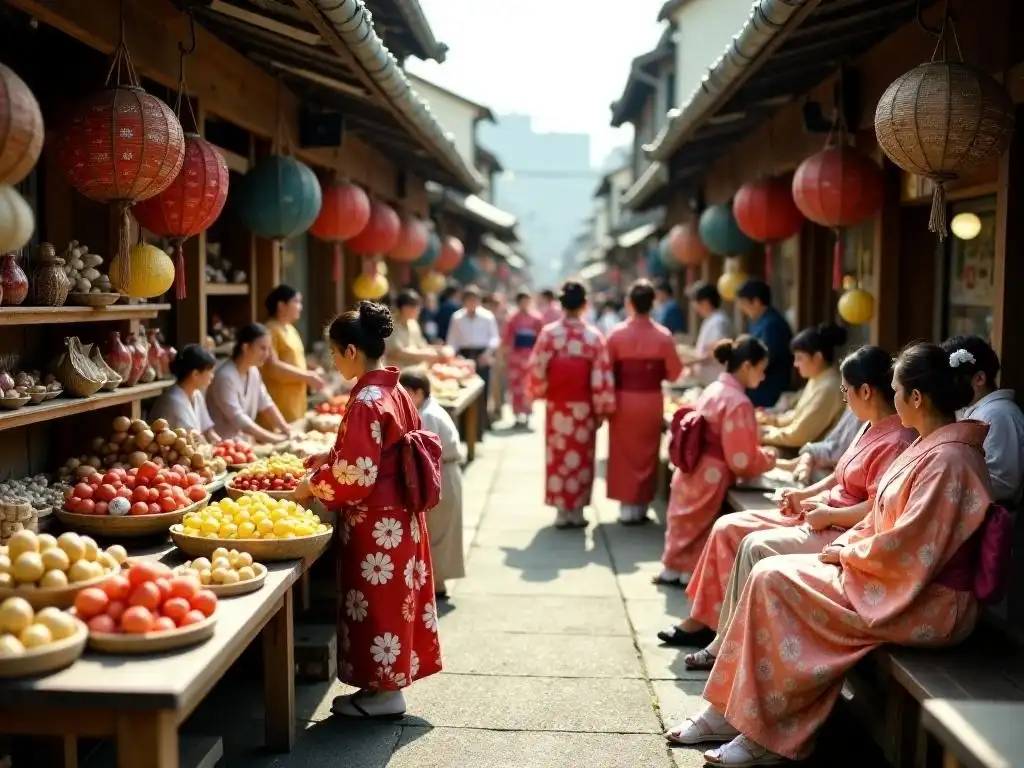
The evolution of trade goods in feudal Japan was not without its challenges. Economic crises, societal changes, and external conflicts frequently disrupted trade and necessitated adaptations in trading practices. As Japan navigated these challenges, the resilience and adaptability of its trade systems became apparent.
Trade Restrictions and Their Effects
Trade restrictions imposed during the Sakoku period (1635-1853) had profound effects on the evolution of trade goods. While these restrictions aimed to minimize foreign influence and maintain social order, they also limited the variety of goods available to the Japanese populace. The government tightly controlled trade routes and the types of goods that could be imported or exported, leading to a reliance on domestic production.
As a result, many local crafts flourished as artisans sought to create high-quality goods that could meet both local needs and limited foreign demands. However, the lack of access to certain foreign commodities stifled innovation in some sectors, creating a paradox where restrictions fostered creativity in local crafts but also hindered broader economic growth.
Response to Economic Crises
Economic crises, such as famines and the fluctuation of rice prices, prompted changes in trade goods and practices. During periods of scarcity, the demand for staple goods increased, leading merchants to adapt their offerings to meet the needs of the populace. This adaptability was crucial for survival, as it allowed traders to pivot and respond to the shifting economic landscape.
Furthermore, economic crises often spurred innovations in trade practices, as merchants sought new ways to sustain their businesses. For example, the introduction of credit systems and new forms of currency emerged as solutions to the challenges posed by fluctuating market conditions. These responses not only helped merchants navigate crises but also laid the groundwork for more sophisticated economic practices that would emerge in later periods.
The Impact of Wars on Trade Goods
Wars significantly impacted trade goods in feudal Japan, creating both disruptions and opportunities for merchants. Conflicts among feudal lords often led to blockades and the destruction of trade routes, which could halt the flow of goods and create shortages. For instance, during the Sengoku period, the constant warfare led to instability that affected trade across regions.
Conversely, wars also created opportunities for certain goods to gain prominence. The demand for weapons and supplies surged during conflicts, pushing artisans to innovate and produce higher-quality military goods. Additionally, the aftermath of conflicts sometimes opened new markets or led to shifts in power that altered trade dynamics, allowing for new trading alliances to form.
The evolution of trade goods in feudal Japan was a complex interplay of globalization, external influences, and internal adaptations. As Japan faced various challenges, it continually reshaped its trade landscape, leading to a rich tapestry of goods that reflected both local traditions and global interactions.
Conclusion: The Legacy of Feudal Trade Goods in Japan
The evolution of trade goods in feudal Japan represents a pivotal chapter in the nation's history, laying the groundwork for its modern economic landscape. The intricate network of trade routes, local craftsmanship, and the introduction of foreign commodities not only enriched the cultural tapestry of Japan but also established vital economic principles that continue to resonate today. The legacy of these trade goods can be seen in various aspects of contemporary Japanese society, from its thriving artisanal sectors to its significant role in global commerce.
The diverse range of goods—such as textiles, ceramics, and agricultural products—demonstrated the unique regional identities and innovations that flourished during the feudal era. This period fostered a spirit of entrepreneurship and adaptation that has persisted, allowing Japan to navigate the complexities of modern globalization while maintaining its cultural heritage. As a result, the trade practices developed during feudal times have profoundly influenced Japan’s position in the global market.
Lasting Impact on Modern Japanese Trade
Modern Japanese trade is deeply rooted in the practices established during the feudal era. The exchange of goods and ideas among different regions cultivated a sense of interdependence that persists in today’s economy. Local crafts, which were once primarily for domestic consumption, have evolved into sought-after international products. For instance, traditional arts like pottery, textiles, and lacquerware are now celebrated worldwide, reflecting the enduring craftsmanship honed during feudal times.
Moreover, the evolution of trade goods has influenced Japan's contemporary economic strategies. The emphasis on quality, innovation, and cultural significance that characterized feudal trade practices has been integrated into modern manufacturing industries. Companies today strive to balance traditional techniques with cutting-edge technologies, ensuring that the essence of Japan’s artisanal heritage remains alive.
The Transition from Feudal to Modern Economic Practices
The transition from a feudal economy to a modern economic system in Japan was gradual and complex. The Meiji Restoration in the late 19th century marked a significant turning point, as Japan began to embrace industrialization and international trade on a larger scale. This shift saw the decline of the feudal trade goods system, replaced by mass production and global supply chains.
However, the principles of trade established during the feudal era—such as regional specialization and the importance of trade networks—continued to shape economic practices. The government promoted industrial policies that echoed the strategies of feudal merchants, fostering a spirit of innovation and competition. This adaptation allowed Japan to emerge as a major economic power in the 20th century, demonstrating the enduring influence of its feudal trade heritage.
References and Further Reading
Suggested Books and Articles on Feudal Japanese Trade
- "The Economic History of Japan: From the Earliest Times to the Present": by Takafusa Nakamura – This comprehensive work explores the economic developments in Japan, including the role of trade goods during the feudal era.
- "Japan's Trade Patterns: From Feudalism to Globalization": by John W. Hall – A critical analysis of how Japan's trade practices evolved from feudal times into the modern age.
- "The Art of Japanese Trade: Historical Perspectives": – This collection of essays examines various aspects of Japanese trade history, with a focus on the feudal period.
Online Resources for Economic History of Japan
- National Museum of Japanese History – Offers extensive resources on Japan's economic history, including articles and digitized archives related to feudal trade.
- Japan Center for Economic Research – Provides research papers and data on Japan’s economic evolution, including trade practices from the feudal era.
- The Japan Times Archives – Features articles and opinion pieces that discuss the historical and contemporary implications of trade goods in Japan’s economy.
- Introduction to Japan's Feudal Trade Goods Evolution
- Historical Context of Trade Goods in Feudal Japan
- Key Trade Goods in Feudal Japan
- Mechanisms of Trade in Feudal Japan
- Evolution of Trade Goods: A Timeline
- Cultural Impact of Trade Goods in Feudal Japan
- Globalization of Trade Goods in Feudal Japan
- Challenges and Changes in Trade Goods Evolution
- Conclusion: The Legacy of Feudal Trade Goods in Japan
- References and Further Reading
Frequently Asked Questions
What were the main trade goods in feudal Japan?
The main trade goods included silk, rice, and pottery, which were essential for both local consumption and international trade.
How did trade goods evolve during the feudal era in Japan?
The evolution of trade goods saw a shift from local crafts to global commodities, influenced by international trade routes and cultural exchanges.
What role did international trade play in feudal Japan?
International trade significantly impacted the economy, allowing for the exchange of goods and fostering cultural interactions with other nations.
How did local crafts influence the trade goods in feudal Japan?
Local crafts contributed to the uniqueness of trade goods, as artisans produced high-quality items that reflected regional styles and traditions.
What factors contributed to the globalization of trade goods in Japan?
Factors included the opening up of trade routes, increased demand for luxury items, and the influence of foreign markets, leading to a more interconnected economy.
Final Reflection: The Journey of Trade Goods and Its Lasting Impact
The evolution of trade goods from local crafts to global commodities underscores the profound interconnectedness of our world today. As we navigate an era defined by globalization, the historical journey of trade goods—especially in the context of Japan's feudal trade—reminds us that our present economic systems are built on centuries of cultural exchange and innovation. The significance of this evolution is not just a relic of the past; it shapes our current interactions and economic landscapes, urging us to appreciate the intricate web of trade that binds us all.
The influence of trade goods extends beyond mere economics; it has woven itself into the very fabric of our cultural identities. From the exquisite craftsmanship of Japanese artisans to the global marketplace's demands, the evolution of these goods reflects our shared history and aspirations. As we witness the ongoing transformation of trade in the digital age, we must remember the words of the renowned economist Adam Smith: The division of labor is limited by the extent of the market.
This highlights how the evolution of trade goods has not only expanded markets but has also enriched our cultural narratives, fostering a deeper understanding of our global community.
As we reflect on the lessons of trade goods evolution, let us embrace the opportunity to engage with the world around us. Consider how your own consumption choices can contribute to a more equitable and sustainable global economy. Whether supporting local artisans or advocating for fair trade practices, every action counts. Together, we can honor the legacy of trade goods by fostering a future that values craftsmanship, cultural exchange, and the interconnectedness of our global society.
Embrace the Journey of Trade: Connect, Create, and Contribute!
Thank you for diving into the fascinating evolution of trade goods! Your interest not only enriches your understanding but also opens up pathways to engage with history in meaningful ways. Now, let’s take that knowledge and turn it into action!
- Here’s how you can contribute to this dialogue on trade and culture:
- Explore local markets in your area! Take a stroll and discover how global influences have shaped your community's craftsmanship.
- Share your insights with friends and family! Start a conversation about the connections between local and global goods and how they intertwine our histories.
- Join online forums or communities where history enthusiasts discuss the impact of trade on various cultures. Learning from diverse perspectives can be truly enlightening!
How do you think the exchange of goods has influenced your own culture or community? We invite you to join the conversation!