
The Legacy of Feudal Class Structures in Modern Japanese Society


Welcome to Feudal Japan History, where we embark on a captivating journey through the intricate tapestry of Japan’s feudal era. Here, we delve deep into the feudal class impact on Japan, unraveling how these historical structures have shaped the very fabric of modern Japanese society. As you explore our expert-driven articles, prepare to uncover the profound legacies of this fascinating period and discover the echoes of feudalism that still resonate today. Curious about how these ancient hierarchies influence contemporary life? Read on to unlock the secrets of history that continue to mold Japan’s cultural identity!
Introduction to Feudal Class Structures in Japan
The feudal era of Japan represents a pivotal moment in the nation's history, shaping not only its political landscape but also its cultural and societal frameworks. The intricate class structures that emerged during this period laid the groundwork for many of the social dynamics observed in contemporary Japan.
Understanding the feudal class impact on Japan requires an in-depth exploration of how these hierarchical systems influenced the distribution of power, resources, and social roles that persist even today. This article will delve into the legacies of these class structures, examining their historical context, key features, and enduring effects on modern Japanese society.
Overview of Feudalism in Japan
Feudalism in Japan, which flourished from the late 12th century until the mid-19th century, was characterized by a decentralized political structure where local lords (daimyos) wielded significant power over their territories. The shogunate, a military government led by a shogun, further cemented this hierarchical system, creating a complex network of allegiances and responsibilities. This period saw the establishment of a clear social stratification that defined the roles and relationships among the various classes, fundamentally influencing Japan’s social fabric.
Key Features of Feudal Class Systems
The feudal class systems in Japan were marked by several key features:
- Hierarchy: A strict social order with the emperor at the top, followed by the shogun, daimyos, samurai, peasants, artisans, and merchants.
- Land Ownership: Land was the primary source of wealth and power, with the samurai class serving as the military protectors of the daimyos' lands.
- Loyalty and Service: Loyalty was paramount in feudal Japan; the samurai adhered to a code of conduct known as bushido, emphasizing honor and loyalty to their lord.
- Economic Roles: Different classes had specific economic roles, with peasants primarily engaged in agriculture, artisans in craftsmanship, and merchants in trade, albeit with lesser status compared to the samurai.
Historical Context of Feudal Class Structures
To fully grasp the legacy of feudal class structures, it is essential to explore the historical context that gave rise to these systems and their subsequent evolution.
The Emergence of Feudalism in Japan
Feudalism in Japan emerged during the Heian period (794-1185), a time characterized by political instability and the decline of central authority. As local clans vied for power, the need for military protection and resource management led to the establishment of feudal relationships. The Genpei War (1180-1185) marked a significant turning point, resulting in the rise of the Minamoto clan and the establishment of the Kamakura shogunate, solidifying the feudal system.
Major Classes in Feudal Japan: Samurai, Peasants, and Merchants
The feudal class structure was predominantly divided into three major classes:
- Samurai: The warrior class, bound by loyalty to their lords and trained in martial arts.
- Peasants: The backbone of the economy, responsible for agricultural production; they occupied the lowest social status despite their crucial role.
- Merchants: Initially viewed with disdain, this class gained prominence over time, especially during the Edo period (1603-1868), as commerce flourished.
The Role of Land and Loyalty in Feudal Society
Land ownership was central to feudal society, with the daimyos granting land to samurai in exchange for military service. This relationship created a network of obligations, where loyalty and land were intertwined. The samurai's adherence to loyalty not only defined their identity but also established a sense of duty that would echo throughout Japanese history. The significance of land as a source of power and social standing continues to resonate in modern Japan, where property ownership still influences social dynamics and economic status.
The Impact of Feudal Class Structures on Modern Japan
The legacy of feudal class structures in Japan continues to resonate profoundly within modern society, influencing various aspects of social organization, cultural practices, and economic relations. The rigid hierarchy established during the feudal era, which categorized individuals into distinct social classes—namely the samurai, farmers, artisans, and merchants—has left an indelible mark on contemporary Japanese identity. This impact manifests in the way societal roles are perceived, the value placed on education and profession, and the lingering respect for authority, which can often be traced back to feudal norms.
The Transition from Feudalism to Modernity
The Meiji Restoration in 1868 marked a significant turning point, transitioning Japan from a feudal society to a modern state. However, this transformation did not erase the existing social hierarchies overnight. The abolition of the caste system and the samurai class was accompanied by the establishment of a new social order, wherein education and meritocracy began to play a more prominent role.
Nevertheless, remnants of feudalism persisted, influencing political structures and societal expectations. The enduring respect for hierarchy and seniority in the workplace can be traced back to these feudal roots, illustrating how historical class systems can subtly shape modern governance and corporate culture.
Lasting Effects of Class Systems on Japanese Culture
Japanese culture remains deeply intertwined with its feudal past, particularly in terms of social etiquette and interpersonal relations. The concepts of wa (harmony) and senpai-kohai (senior-junior relationships) reflect an acknowledgment of social order that originated in feudal times. These cultural norms dictate behavior in both professional and personal contexts, often prioritizing group cohesion over individual expression. Moreover, traditional arts, literature, and festivals often celebrate historical figures and events from the feudal era, reinforcing a collective memory that honors this complex social structure.
The Influence of Feudal Hierarchies on Contemporary Social Norms
The feudal class system has also profoundly influenced contemporary social norms, particularly concerning respect for authority and age. In Japan, the hierarchical nature of society fosters a culture where deference to elders and superiors is customary, echoing the feudal reverence for samurai and lords. This cultural trait is evident in various aspects of life, including language, where honorifics are used to convey respect, and corporate environments, where seniority often dictates decision-making power. Such norms not only reflect historical practices but also shape the dynamics of modern social interactions and organizational structures.
Comparative Analysis of Feudal Class Impact on Japan and Other Societies
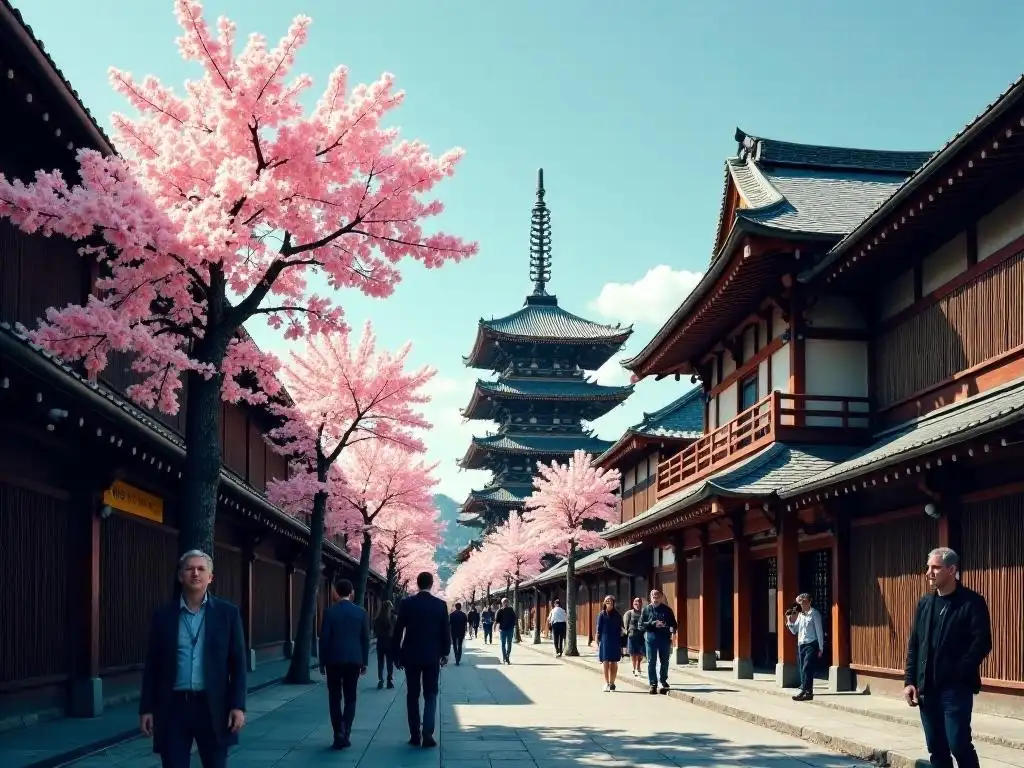
While many societies have experienced similar class structures, the specific characteristics and consequences of feudalism in Japan present unique insights when compared to other cultures.
Feudal Class Structures in Europe vs. Japan
Feudalism in Europe and Japan operated under similar hierarchical principles, with land ownership and military service as central themes. However, the Japanese system was characterized by a more rigid social stratification, with the samurai holding a distinct cultural and military status that was not as pronounced in European feudalism. In Europe, the rise of the bourgeoisie and increased mobility challenged feudal structures more aggressively, leading to a more rapid evolution towards modernity. In contrast, Japan's transition was more gradual, with cultural legacies from the feudal era persisting longer, thereby affecting contemporary social dynamics differently.
The Unique Aspects of Japan’s Feudal Class System
Japan’s feudal class system was unique in several respects, particularly its integration of cultural and military elements. The samurai class, for instance, was not merely a military elite but also a cultured class that embraced arts and philosophy, contributing to a rich cultural heritage. Furthermore, the concept of bushido, or the way of the warrior, infused ethical and moral dimensions into the samurai's role, establishing ideals that still resonate in modern Japanese society. This blend of warrior ethos and cultural sophistication has left a lasting legacy, influencing contemporary values around honor, loyalty, and discipline.
Lessons Learned from Japan's Feudal Experience
Japan's feudal experience offers valuable lessons regarding the persistence of social structures and their impact on modern governance and societal behavior. The transition from a rigid class system to a more fluid society highlights the complexities involved in social change. It draws attention to the importance of education and adaptability in overcoming historical constraints while recognizing that cultural legacies can influence contemporary life in profound ways. Understanding these dynamics is crucial for other societies facing similar transitions, as it emphasizes the need for a nuanced approach to social reform that respects cultural heritage while promoting progressive change.
Societal Reflections of Feudal Legacy in Modern Japan
The feudal era in Japan, which lasted from the 12th to the 19th centuries, established a rigid class structure that has left lasting impressions on contemporary society. The remnants of this hierarchical organization manifest in various aspects of modern life, influencing social interactions, professional relationships, and even the political landscape. The historical divisions between the samurai, farmers, artisans, and merchants have evolved but can still be observed in how social status and class identity are perceived today.
In modern Japan, the concept of “giri” (obligation) and “on” (debt of gratitude) continues to echo the feudal values of loyalty and duty. These principles shape interpersonal relationships and community dynamics, promoting a sense of collective identity rooted in historical class distinctions. Furthermore, the persistence of senpai-kohai (senior-junior) relationships in workplaces and educational institutions reflects the enduring influence of feudal hierarchies, where respect for authority and age remains paramount.
Class Disparities and Economic Inequality Today
The feudal class system has contributed to the class disparities and economic inequalities that are evident in modern Japan. Although the abolition of the feudal system during the Meiji Restoration aimed to promote egalitarianism, significant economic divides still exist. A notable aspect of this inequality is the concentration of wealth among a small elite, which can be traced back to the land ownership patterns established during feudal times.
In contemporary Japan, the top 10% of earners hold a disproportionate share of wealth, leading to a widening gap between the affluent and the working class. This economic disparity is not only a reflection of inherited wealth but also the result of systemic barriers that limit upward mobility for lower socioeconomic groups. The struggles of the “working poor” and the phenomenon of “freeters”—part-time workers who often lack job security—highlight how feudal legacies continue to shape economic conditions in Japan.
The Persistence of Samurai Ideals in Japanese Society
The samurai class, with its stringent codes of honor, loyalty, and discipline, has left an indelible mark on Japanese culture and societal values. Even in modern times, the ideals of bushido—the way of the warrior—resonate within various aspects of life, from corporate ethics to personal conduct. Concepts such as loyalty to one’s employer, dedication to one’s craft, and the pursuit of excellence can be traced back to samurai traditions.
Moreover, the romanticized image of the samurai continues to permeate popular culture, influencing literature, film, and other forms of media. This cultural nostalgia not only preserves the historical legacy of the samurai but also reinforces traditional values that emphasize discipline, respect, and honor, making them relevant in today’s society.
Cultural Retentions: Festivals, Arts, and Traditions
The legacy of feudal Japan is prominently reflected in the country’s rich cultural landscape, which is characterized by a plethora of festivals, arts, and traditions that have roots in the feudal era. Many traditional festivals, or matsuri, celebrate historical events, deities, or seasonal changes, often intertwining community and family values that hark back to feudal practices.
Art forms such as ikebana (flower arranging), tea ceremonies, and calligraphy also draw inspiration from feudal aesthetics, emphasizing harmony, simplicity, and respect for nature. These practices have been preserved and adapted over centuries, showcasing the enduring influence of feudal class structures on cultural expressions. Additionally, traditional performing arts, including Noh and Kabuki, often depict themes from the feudal era, thereby keeping historical narratives alive in contemporary society.
Conclusion: Understanding the Feudal Class Impact on Japan Today
The legacy of feudal class structures in Japan is a complex interplay of historical influences that continue to shape modern society in numerous ways. From the societal reflections of class disparities to the persistent ideals of the samurai, these legacies are woven into the fabric of Japanese life, affecting everything from economic status to cultural practices.
Summary of Key Points
- The feudal class system established a rigid hierarchy that still influences social dynamics in Japan.
- Economic inequalities persist, with wealth concentrated among the elite, echoing feudal land ownership patterns.
- Samurai ideals of loyalty and discipline remain integral to modern Japanese values and workplace culture.
- Cultural practices, festivals, and arts serve as a testament to the enduring legacy of feudal traditions.
Future Perspectives on Feudal Legacies in Japanese Society
As Japan continues to navigate the complexities of globalization and modernization, the impact of its feudal past will likely evolve. Future perspectives may involve a critical reassessment of these legacies, particularly in how they shape social norms and economic policies. Addressing historical inequalities while fostering a more inclusive society may lead to a reimagining of class structures that honors tradition while adapting to contemporary realities. The challenge will be to strike a balance between preserving cultural heritage and embracing progressive change, ensuring that the lessons of the past inform a more equitable future for all Japanese citizens.
- Introduction to Feudal Class Structures in Japan
- Historical Context of Feudal Class Structures
- The Impact of Feudal Class Structures on Modern Japan
- Comparative Analysis of Feudal Class Impact on Japan and Other Societies
- Societal Reflections of Feudal Legacy in Modern Japan
- Conclusion: Understanding the Feudal Class Impact on Japan Today
Frequently Asked Questions
What were the main feudal classes in Japan?
The primary feudal classes included samurai, peasants, artisans, and merchants, each playing crucial roles in the social hierarchy and economy of feudal Japan.
How did feudal class structures influence modern Japanese society?
The legacy of feudal class structures can still be seen in contemporary social dynamics, impacting business practices, cultural norms, and even political affiliations in Japan today.
What role did the samurai play in feudal Japan?
The samurai were the warrior class, responsible for military service and serving the daimyos (feudal lords), which established their prestige and influence in society.
How did peasant life differ from that of the nobility?
Peasants worked the land and were often bound to it, while the nobility, including daimyos and samurai, enjoyed privileges and higher social status, leading to significant class disparities.
Are there any cultural remnants of feudalism in Japan today?
Yes, elements like martial arts, tea ceremonies, and traditional festivals reflect the cultural heritage of feudal Japan, showcasing its impact on modern Japanese identity.
Final Reflection: The Enduring Impact of Feudal Class Structures on Modern Japan
The legacy of feudal class structures continues to shape the social and cultural landscape of modern Japan, revealing how deeply rooted historical hierarchies influence contemporary society. As we navigate the complexities of modern life, it becomes evident that the remnants of feudalism are not merely relics of the past; they are active forces that inform our understanding of class, privilege, and identity in Japan today.
The influence of feudal class systems can be seen in various aspects of Japanese culture, from social interactions to economic opportunities. The stratification established centuries ago still echoes in the way people relate to one another and how societal roles are perceived. History is not just about the past; it is a lens through which we view our present and future.
This observation underscores the importance of recognizing how historical frameworks continue to impact our lives, urging us to critically examine the structures that govern our society.
As we reflect on the lessons drawn from the feudal class impact on Japan, I invite you to consider your own position within the social fabric. How do the legacies of the past inform your understanding of class and privilege today? Embrace the opportunity to engage with these themes, challenge existing norms, and contribute to a more equitable society. The journey of understanding our historical context is not merely academic; it is a call to action for each of us to foster a future that honors the lessons of the past while striving for inclusivity and justice.
Unveil the Insights of Feudal Legacy Today!
Thank you for diving into the fascinating world of feudal Japan and its enduring impact on modern society! You've gained unique perspectives on how ancient class structures continue to shape Japanese culture, values, and relationships. Now, it's time to take the next step in your exploration.
Here’s how you can deepen your understanding and connect with others who share your interest:
- Dive deeper into the research: Explore additional articles on our website to uncover more about the cross-cultural influences of feudalism around the globe.
- Engage with our community: Join our online forums to discuss your thoughts and findings with fellow history enthusiasts. Share your unique insights about the influence of feudal class structures in contemporary Japan!
- Reflect and share: Write a blog or social media post about a specific aspect of feudalism that resonates with you. Your perspective can spark meaningful conversations!
Which aspect of Japan's feudal history do you believe has the most significant impact on today’s society? Let's start the conversation!