
The Cultural Significance of Tattoos in Edo Society

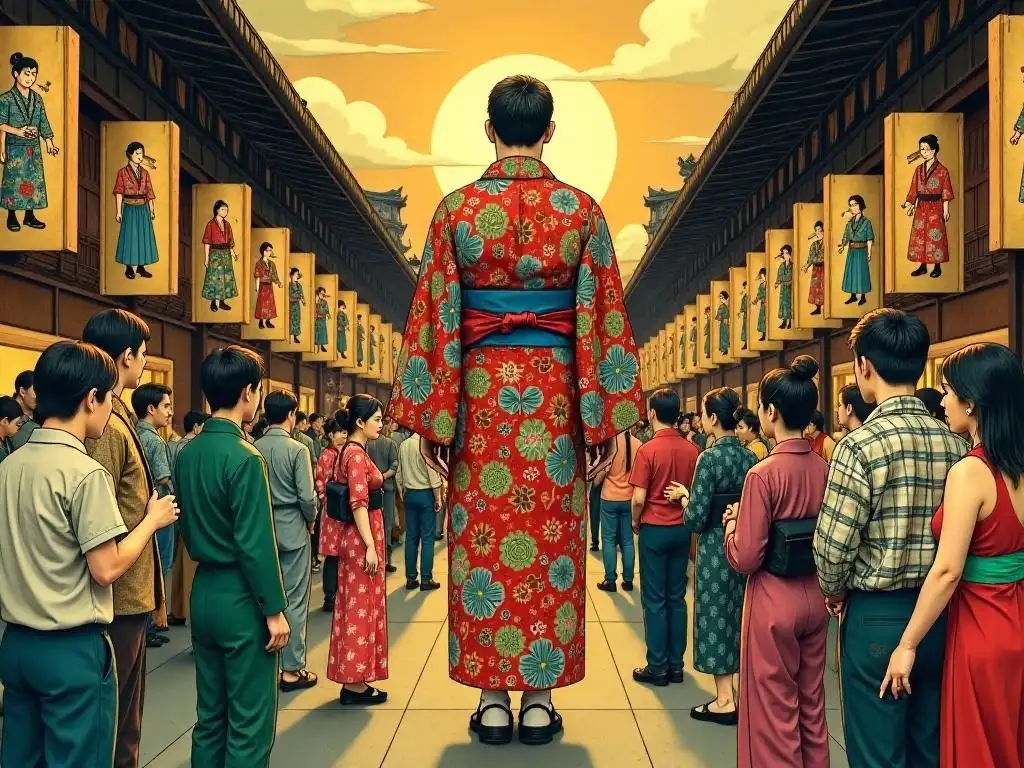
Welcome to Feudal Japan History, where the past comes alive through the lens of Japan’s captivating feudal era. Our journey begins with an exploration of the cultural significance of Edo tattoos, revealing the rich tapestry of meaning woven into each inked design. Discover how these intricate artworks transcended mere decoration, embodying identity, status, and artistry in a society steeped in tradition. Dive deeper with us as we unravel the fascinating stories behind these tattoos, sparking your curiosity to learn more about the cultural history that shaped Edo society.
Introduction to Edo Period Tattoos
The Edo period, spanning from 1603 to 1868, marked a transformative era in Japan's history, characterized by relative peace, economic growth, and a flourishing of cultural practices. One of the most intriguing aspects of Edo culture is the significance of tattoos, which were deeply embedded in societal norms, identity, and artistic expression.
The cultural significance of Edo tattoos not only reflects personal choices but also encompasses broader themes of social class, morality, and regional identity. As we delve into this fascinating topic, we will explore the historical roots, societal meanings, and the evolution of tattoos within the cultural tapestry of Edo society.
Historical Context of Tattoos in Edo Society
Overview of the Edo Period (1603-1868)
The Edo period was established under the Tokugawa shogunate, which implemented strict social hierarchies and isolationist policies. This era saw the emergence of a vibrant urban culture, particularly in cities like Edo (modern-day Tokyo). As commerce flourished, so did various forms of art, including kabuki theater, ukiyo-e (woodblock prints), and, notably, tattooing. Initially associated with the lower classes and criminal elements, tattoos gradually evolved into a symbol of artistic expression and cultural identity.
Importance of Tattoos in Japanese Culture
In Japanese culture, tattoos have held multifaceted meanings. While they were often viewed with suspicion and linked to societal outcasts, such as the yakuza (Japanese organized crime groups), tattoos also represented personal strength, resilience, and beauty. The intricate designs often depicted mythological creatures, historical tales, and natural elements, showcasing the artistry and craftsmanship of tattoo artists. Furthermore, tattoos served practical purposes, including identifying firefighters or members of specific communities, thus playing a vital role in social cohesion.
Historical Context of Tattoos in Edo Society
Origins of Tattoo Practices in Japan
The practice of tattooing in Japan can be traced back to ancient times, with evidence of body adornments found in artifacts from the Jomon period (14,000-300 BCE). However, it was during the Edo period that tattoos gained prominence as an art form. Influenced by both indigenous traditions and external contacts, such as the arrival of Western travelers, tattooing began to flourish. The designs evolved, incorporating elements from various cultural influences while maintaining a distinct Japanese identity.
Evolution of Tattoo Meanings Through the Edo Period
Throughout the Edo period, the meanings associated with tattoos underwent significant transformations. Initially, tattoos were used as punitive marks for criminals, but over time, they began to symbolize bravery and loyalty, particularly among the samurai and the working class. The rise of the ukiyo-e art movement also played a crucial role, as artists like Hokusai and Katsushika Hokusai popularized tattoo designs in their prints, leading to a surge in public interest and acceptance. As tattoos became more common, they transcended their original negative connotations, evolving into a celebrated aspect of Edo culture that continues to influence contemporary Japanese society.
Cultural Significance of Edo Tattoos
Tattoos in Edo society were not merely decorative embellishments; they held profound cultural significance, serving as a medium of expression and identity. During the Edo period (1603-1868), Japan experienced a unique cultural evolution that embraced various art forms, including tattooing. The practice of tattooing became particularly prominent among the working classes, such as firefighters, fishermen, and laborers, who adorned their bodies with intricate designs that conveyed personal stories and cultural narratives. These tattoos were deeply intertwined with the values, beliefs, and aesthetics of the time, reflecting a blend of individuality and communal identity.
Symbolism of Tattoos in Edo Society
In Edo society, tattoos were rich in symbolism, often representing various themes such as bravery, protection, and beauty. Common designs included mythical creatures, natural elements, and traditional patterns, each carrying its own significance. For instance, the dragon symbolized strength and wisdom, while koi fish represented perseverance and transformation. The act of tattooing itself was often seen as a rite of passage, marking significant life events or achievements. This symbolic nature of tattoos fostered a sense of pride among individuals, reinforcing their connection to cultural myths and folklore.
Tattoos as Marks of Identity and Belonging
Tattoos served as important markers of identity and belonging within Edo society. For many individuals, especially those in lower social classes, tattoos provided a means to assert their identity amidst a rigid social hierarchy. They were often used as identifiers within specific communities or occupations, creating a sense of solidarity among members. Additionally, the designs and placements of tattoos could signify one's profession or social affiliations, further enhancing their role as symbols of belonging. In this way, tattoos transcended mere aesthetics, becoming a vital part of the social fabric of Edo society.
Role of Tattoos in the Social Hierarchy
Tattooing in Edo society also played a complex role in the social hierarchy. While it was predominantly associated with the lower classes, tattoos were often viewed with both admiration and disdain by the elite. On one hand, they represented the valor and camaraderie of the working class, particularly among firefighters who bore tattoos as badges of honor. On the other hand, the upper classes tended to associate tattoos with criminality and deviance, leading to a stigmatization of tattooed individuals. This dual perception created a dynamic interplay between admiration and prejudice, highlighting the societal tensions surrounding tattoos in Edo.
Types of Edo Tattoos

The Edo period saw a diverse array of tattoo styles, each with its own distinct characteristics and cultural significance. This rich tapestry of designs reflected the artistic innovations of the time, influenced by various societal factors and regional practices.
Traditional Designs and Motifs
Traditional Edo tattoos were characterized by their elaborate designs, often featuring vibrant colors and intricate details. Common motifs included dragons, tigers, cherry blossoms, and waves, each embedded with specific meanings. For example, the tiger symbolized courage and protection, while cherry blossoms represented the transient nature of life. These designs were not only visually striking but also deeply meaningful, weaving together personal narratives and cultural beliefs. The artistry of these tattoos often drew from ukiyo-e woodblock prints, showcasing the seamless integration of tattoo art into the broader cultural landscape of the Edo period.
Regional Variations in Tattoo Styles
Regional variations played a significant role in the development of tattoo styles during the Edo period. Different areas of Japan had their unique preferences and techniques, influenced by local customs, resources, and artistic traditions. For instance, the tattoos from the coastal regions often featured marine themes, reflecting the livelihoods of fishermen, while those from mountainous areas might incorporate motifs related to nature and wildlife. These regional distinctions contributed to the diversity of Edo tattoos, making each piece a representation of its origins and the cultural context from which it emerged.
Influence of Kabuki Theater on Tattoo Art
The Kabuki theater, a popular form of entertainment during the Edo period, significantly influenced the art of tattooing. The vibrant performances and colorful costumes of Kabuki actors inspired tattoo designs that mirrored the dramatic themes and characters depicted on stage. As a result, many tattoos featured iconic figures and stories from Kabuki plays, allowing individuals to express their admiration for this theatrical art form. This connection between Kabuki and tattoo art not only enriched the visual language of tattoos but also reinforced their status as a cultural phenomenon, bridging the worlds of performance and personal expression in Edo society.
The Perception of Tattoos in Edo Society
In Edo society, tattoos were a complex symbol that encompassed various meanings and perceptions. While often associated with the lower classes and criminal elements, tattoos also held significant cultural value in certain contexts. The duality of their perception reflects the societal norms and values of the time. Tattoos were seen not only as a form of personal expression but also as a means of marking identity and allegiance within specific groups. Many viewed them with a mix of admiration and disdain, leading to a multifaceted understanding of their role in Edo culture.
Tattoos and Criminality: The Yakuza Connection
The connection between tattoos and criminality in Edo Japan is largely attributed to the Yakuza, a group that emerged during this period. Members of this organized crime syndicate often adorned themselves with elaborate tattoos, known as irezumi, which served as both a badge of honor and a means of intimidation. These tattoos frequently depicted mythological creatures, deities, and other symbols that conveyed strength and resilience.
As a result, tattoos became synonymous with criminality, often leading to societal stigmatization for those who bore them. This association also influenced law enforcement practices, where individuals with tattoos were scrutinized more closely, reinforcing the link between tattoos and illicit behavior.
Tattoos as Art: Acceptance Among the Upper Class
Contrasting with their association with crime, tattoos also found acceptance among the upper echelons of Edo society as a form of art. Influential figures, including members of the merchant class, began to appreciate tattoos for their aesthetic value and craftsmanship.
This shift in perception allowed for the emergence of tattoo artists who were celebrated for their skills, and their works were seen as art rather than mere markings on the skin. The intricate designs and vibrant colors used in tattoos began to reflect the cultural sophistication of the time, leading to a broader acceptance of this form of expression among the elite.
The Dichotomy of Views on Tattoos in Edo Culture
The views on tattoos in Edo culture were deeply dichotomous, reflecting the societal tensions of the time. On one hand, tattoos were seen as a form of rebellion and a mark of criminality, associated with the outcasts of society. On the other hand, they were celebrated as an art form that showcased the skill of tattoo artists and the beauty of intricate designs.
This duality created a complex social landscape where individuals were judged based on their tattoos and the contexts in which they were worn. As a result, tattoos became a symbol of both societal exclusion and artistic appreciation, embodying the contradictions inherent in Edo society.
The Craft of Tattooing in Edo Period
The craft of tattooing during the Edo period was not just a means of body art but also a respected profession that required significant skill and artistry. The techniques and tools used by tattoo artists were unique to this era, and the cultural significance of their work extended beyond mere decoration. Tattooing was often seen as a ritualistic practice, with deep connections to spirituality and cultural identity.
Techniques and Tools Used in Edo Tattooing
Tattooing in Edo Japan utilized traditional techniques that have influenced the art form to this day. The tebori method, which involved hand-poking the skin with a set of needles, was commonly employed. This technique allowed for intricate designs and a deep pigmentation that characterized Edo tattoos. The tools used included bamboo sticks, which served as handles for the needles, and a variety of pigments derived from natural sources. The craftsmanship involved in creating tattoos required not only artistic talent but also a deep understanding of skin anatomy and healing processes.
Notable Edo Tattoo Artists and Their Contributions
Several tattoo artists gained prominence during the Edo period, contributing to the evolution of tattoo art. One of the most notable figures was Horiyoshi, whose elaborate designs became synonymous with the beauty of Edo tattoos. His work often featured themes from Japanese folklore and mythology, elevating tattoos to a respected art form. Another significant artist was Katsukawa Shunsho, who combined traditional tattoo motifs with ukiyo-e techniques, further bridging the gap between fine art and tattooing. These artists played a crucial role in shaping the cultural significance of tattoos in Edo society, inspiring future generations of tattooists.
The Role of Tattoo Shops in Edo Society
Tattoo shops in Edo were more than just places to get inked; they served as cultural hubs where art, tradition, and social interaction intersected. These shops often featured a gallery of the artists' works, showcasing the diverse styles and themes available to potential clients. They were frequented by individuals from various social classes, creating a unique environment where tattoos could be appreciated across societal boundaries. Furthermore, tattoo shops became spaces for storytelling, where clients could share the meanings behind their desired designs, reinforcing the cultural significance of tattoos in Edo society.
Modern Legacy of Edo Tattoos

The legacy of Edo tattoos, or irezumi, continues to resonate within contemporary Japanese society and beyond, serving as a bridge between historical practices and modern interpretations of body art. The intricate designs and rich symbolism embedded within Edo tattoos have influenced various facets of culture, from fashion to art, and have sparked discussions about identity, tradition, and aesthetics. Understanding this modern legacy requires an exploration of how these historical tattoos have shaped contemporary practices and cultural perceptions.
Influence on Contemporary Japanese Tattoo Culture
Contemporary Japanese tattoo culture is deeply rooted in the traditions established during the Edo period. Many modern tattoo artists draw inspiration from the vibrant, detailed designs of irezumi, often incorporating elements like koi fish, dragons, and cherry blossoms into their artwork. These motifs not only reflect the aesthetic preferences of the Edo period but also carry profound meanings, such as resilience, strength, and beauty.
Furthermore, the resurgence of interest in traditional tattoos has led to a notable revival in the use of ancient techniques, including hand-poked methods. Modern tattoo studios often celebrate the craftsmanship and artistry that characterized the Edo period, appealing to clients who desire a connection to Japan’s rich cultural heritage. This emphasis on authenticity has fostered a vibrant community of tattoo enthusiasts who appreciate the historical significance behind their designs.
Revival of Traditional Edo Tattoo Practices
In recent years, there has been a conscious effort to revive traditional Edo tattoo practices, as both artists and clients seek to reconnect with the cultural significance of irezumi. Workshops and exhibitions focused on Edo tattoo techniques are becoming more common, showcasing the artistry and history of this ancient form of expression.
Artists who specialize in traditional methods often educate their clients about the meanings associated with various designs, reinforcing the cultural depth of tattoos that may have been overlooked in the past. This revival not only preserves the techniques but also honors the stories and identities woven into each tattoo, ensuring that the cultural significance of Edo tattoos is recognized and celebrated in contemporary society.
Cultural Appreciation vs. Appropriation: A Modern Perspective
As the popularity of Edo tattoos spreads globally, discussions about cultural appreciation versus appropriation have become increasingly relevant. While many individuals appreciate the beauty and history of irezumi, there is a fine line between honoring a tradition and appropriating it without understanding its significance.
Cultural appreciation involves recognizing the historical and cultural context of Edo tattoos, respecting their meanings, and seeking to learn from the culture. Conversely, appropriation often entails adopting elements of a culture without acknowledgment or respect, which can lead to misrepresentation and trivialization.
In the modern context, it is crucial for both artists and clients to engage with the cultural roots of tattoos thoughtfully, ensuring that they approach the art form with the respect it deserves. This awareness fosters a deeper understanding of the cultural significance of Edo tattoos and promotes an environment of mutual respect and appreciation.
Conclusion: The Lasting Impact of Tattoos in Edo Culture
The cultural significance of tattoos in Edo society is profound, reflecting a complex interplay of artistry, identity, and tradition. As we look at the lasting impact of these tattoos, it becomes clear that they are not merely decorative but serve as powerful symbols of cultural heritage and personal expression.
Summary of the Cultural Significance of Edo Tattoos
Edo tattoos encapsulate the essence of a society that valued artistic expression and personal storytelling. They were not only a means of beautification but also a way to convey status, beliefs, and life experiences. The intricate designs and rich narratives associated with irezumi have left an indelible mark on Japanese culture, shaping perceptions of art and identity through the ages.
As contemporary society continues to engage with these historical practices, it is essential to recognize the deep cultural significance behind each tattoo, ensuring that the narratives of the Edo period are not forgotten but celebrated.
Reflections on the Transformation of Tattoo Culture in Japan
The transformation of tattoo culture in Japan since the Edo period reflects broader societal changes, including shifts in perceptions of beauty, individuality, and heritage. Where tattoos were once associated with the underclass and criminality, they have gradually evolved into a respected art form celebrated for its beauty and cultural significance.
Today, the revival of traditional techniques and the appreciation for the artistry of irezumi signify a growing recognition of the importance of cultural heritage. This transformation highlights the resilience of tattoo culture in Japan, demonstrating its ability to adapt while retaining its historical roots. As tattoos continue to evolve, they will undoubtedly remain a vital part of Japan’s cultural tapestry, reminding us of their rich history and ongoing legacy.
References
Academic Sources on Edo Society and Tattoos
-
"Tattooing in Japan: Historical and Cultural Perspectives" by Takashi Yamada
This comprehensive study explores the evolution of tattooing in Japan, particularly during the Edo period. Yamada delves into the social implications and artistic styles associated with tattoos, providing valuable insights into their significance within Edo society.
-
"The Art of Irezumi: Japanese Tattooing and Its Cultural Significance" by Hiroshi Nakagawa
Nakagawa’s work examines the traditional practices of Irezumi, the art of Japanese tattooing. The book highlights the role of tattoos in Edo culture, discussing their status as symbols of identity and resistance, as well as their aesthetic value.
-
"Cultural Identity and the Politics of Tattoo in Edo Japan" by Reiko Tanaka
Tanaka’s research focuses on how tattoos were used to express cultural identity in Edo Japan. The paper discusses the complex relationship between tattoos and social class, as well as their portrayal in literature and artworks of the period.
-
"The Body as Canvas: Tattooing in Edo Period Japan" by Kazuo Shimada
This article reviews the aesthetic and cultural dimensions of tattoos in Edo society. Shimada analyzes various tattoo motifs and their meanings, shedding light on how these body markings reflected social norms and individual beliefs.
Suggested Readings on Japanese Cultural History
-
"Edo Culture: Daily Life and Diversions in Urban Japan, 1600-1868" by Edward Seidensticker
An essential read for understanding the broader cultural landscape of Edo Japan. This book provides a vivid portrayal of daily life during the Edo period, including aspects of entertainment, art, and social structure, which contextualize the role of tattoos.
-
"Japanese Tattoos: History, Culture, Design" by Brian Ashcraft
Ashcraft’s book presents a well-rounded view of the historical and contemporary significance of tattoos in Japan. It covers the Edo period in detail, offering insights into the societal perceptions and artistic expressions associated with tattoos.
-
"The World of the Shining Prince: Court Life in Ancient Japan" by Ivan Morris
Although primarily focused on the Heian period, this book provides a foundation for understanding the evolution of cultural practices in Japan, including body art, which would later influence Edo period customs.
-
"Japanese Culture: The Religious and Philosophical Foundations" by Joseph M. Kitagawa
This text delves into the philosophical underpinnings of Japanese culture, discussing how various belief systems influenced artistic expressions, including tattoos. It provides context for understanding the deeper meanings behind body art in Edo society.
-
"The Tattoo History Source Book" by Steve Gilbert
Offering a broad overview of tattoo history across cultures, this source book includes sections on Japanese tattooing, detailing the significance of tattoos in Edo Japan and their impact on modern practices.
- Introduction to Edo Period Tattoos
- Historical Context of Tattoos in Edo Society
- Historical Context of Tattoos in Edo Society
- Cultural Significance of Edo Tattoos
- Types of Edo Tattoos
- The Perception of Tattoos in Edo Society
- The Craft of Tattooing in Edo Period
- Modern Legacy of Edo Tattoos
- Conclusion: The Lasting Impact of Tattoos in Edo Culture
- References
Frequently Asked Questions
What role did tattoos play in Edo society?
Tattoos in Edo society were deeply intertwined with cultural identity and social status. They often represented personal stories, affiliations, or served as protection against evil spirits.
Were tattoos considered a form of art in Edo Japan?
Yes, tattoos were viewed as a form of artistic expression. They showcased intricate designs and were often crafted by skilled tattoo artists, reflecting both aesthetic values and personal narratives.
In Edo Japan, tattoos could signify social class or criminal status. While some people wore tattoos proudly to display their achievements, others were marked for their transgressions.
Did tattoos have any religious or spiritual significance?
Indeed, tattoos were often believed to provide spiritual protection or to invoke the blessings of deities. They were seen as amulets against misfortune and were tied to Shinto beliefs.
How did the perception of tattoos change over time in Japan?
Over time, the perception of tattoos shifted from being seen as symbolic and cultural to being associated with criminality and outcasts. This change was influenced by government regulations and societal norms during the Meiji Restoration.
Final Reflection: The Enduring Legacy of Edo Tattoos
The cultural significance of Edo tattoos resonates profoundly in today's society, illustrating how body art transcends mere aesthetics to embody identity, history, and resistance. In a world where individual expression is increasingly celebrated, the tattoos of Edo society serve as a powerful reminder of how art can encapsulate the essence of a culture and its people. They are not just ink on skin; they are narratives of heritage, social status, and personal stories that continue to inspire contemporary discussions about identity and belonging.
Edo tattoos have left an indelible mark on the cultural landscape, influencing modern tattoo practices while fostering a deeper appreciation for the stories behind the ink. The intricate designs and meanings attached to these tattoos reflect a rich tapestry of life in Edo society, showcasing resilience and artistry that still captivates people today. As noted by tattoo historian Dr. Yoko Tanaka, Tattoos are a language of their own, speaking volumes about the lives and struggles of those who wear them.
This ongoing influence invites us to explore our own connections to art and identity, encouraging a dialogue about how we express ourselves in a world that often seeks to categorize us.
As we reflect on the cultural significance of Edo tattoos, let us embrace the lessons they impart about individuality and community. I invite you to consider how your own expressions—whether through art, fashion, or other forms—can tell your unique story. In honoring the past, we can shape a future where our identities are celebrated, and our narratives are shared. Take a moment to reflect on what your own "tattoo" might be, and how it contributes to the rich tapestry of our shared human experience.
Unveil Your Story Through Ink: Embrace the Tattoo Culture!
Thank you for immersing yourself in the fascinating world of tattoos in Edo society! We've explored the deep cultural significance these vibrant designs hold and how they tell stories woven throughout history. Now, it's time to take that knowledge and translate it into action that celebrates this artistry.
Here’s how you can further engage with this captivating realm of ink and identity:
- Call a Friend: Share this article with someone who appreciates art and discuss how tattoos reflect culture and personal stories.
- Start Your Own Story: Reflect on the tattoo you would choose to convey your life experiences – consider sketching your own design inspired by traditional motifs!
- Join the Conversation: Connect with our community on social media by sharing your thoughts or experiences related to tattoos. Use the hashtag #TattooTales to engage with like-minded individuals!
What tattoo design would you choose to express your personal narrative, and what story would it tell?