
Historical Significance: Why These Samurai Swords Are Collectors' Favorites

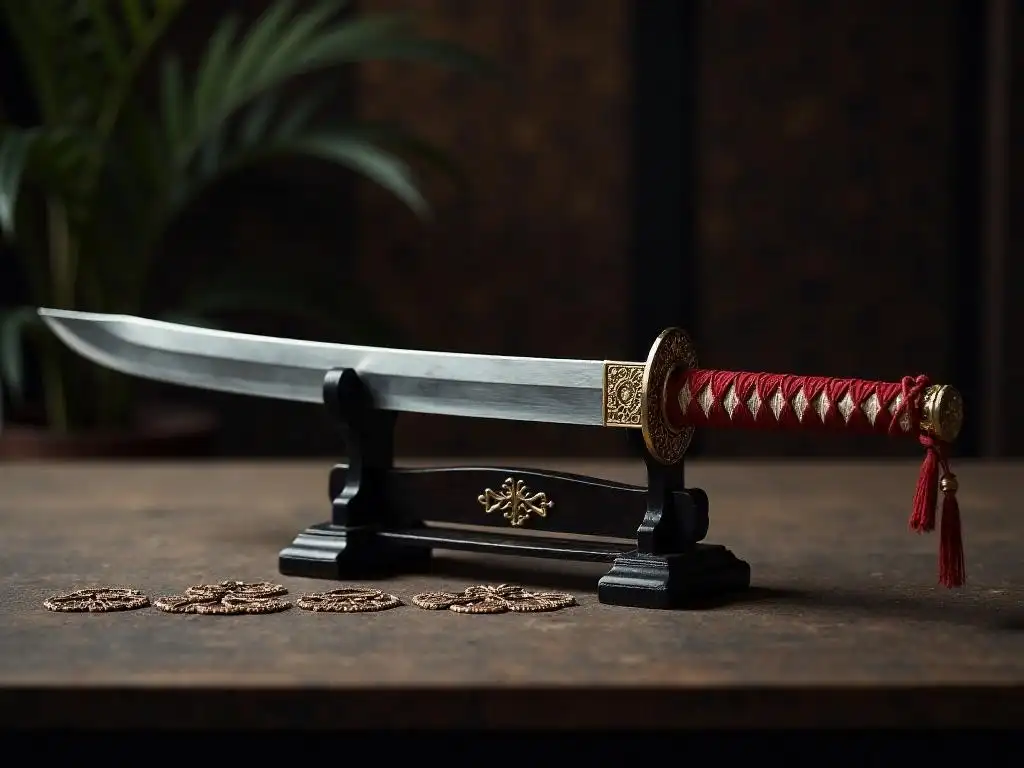
Welcome to Feudal Japan History, where we invite you to dive deep into the captivating world of Japan's feudal era. In our latest exploration, we uncover the historical significance behind the collecting samurai swords, revealing why these iconic weapons have become treasured favorites among collectors. What stories do these blades hold, and how have they shaped not just martial arts, but the very fabric of Japanese culture? Join us as we unravel the intriguing narratives behind these magnificent artifacts, sparking your curiosity to learn more about a time when honor and craftsmanship reigned supreme.
Introduction to Collecting Samurai Swords History
The allure of samurai swords extends far beyond their sharp edges and stunning craftsmanship; they are symbolic artifacts that embody the rich history, culture, and values of feudal Japan. Collecting samurai swords is not merely a hobby; it is a journey through time that connects enthusiasts with the legacies of the samurai class, a warrior elite that played a pivotal role in shaping Japan's social fabric.
The intricate designs, historical significance, and exceptional craftsmanship of these swords make them coveted items for collectors. As we delve into the history of collecting samurai swords, we will explore how these weapons evolved over centuries and why they continue to fascinate both historians and martial arts practitioners alike.
The Evolution of Samurai Swords: A Historical Perspective
The evolution of samurai swords is a narrative that reflects the broader changes in Japanese society, warfare, and artistry. From their earliest forms in the Heian period (794-1185) to the iconic katana of the Edo period (1603-1868), each stage of sword development reveals insights into the life and values of the samurai.
- Heian Period (794-1185): Early swords, known as tachi, were characterized by their longer length and curvature, designed primarily for cavalry combat.
- Kamakura Period (1185-1333): The rise of the samurai class brought about the need for more effective close combat weapons, leading to the development of the katana.
- Edo Period (1603-1868): The katana became the quintessential samurai weapon, symbolizing honor and status. During this time, swordsmithing techniques flourished, resulting in masterpieces that are highly sought after today.
The historical context surrounding these periods provides collectors with a deeper understanding of their swords, enhancing the significance of each piece in their collections.
From Tachi to Katana: Understanding Sword Types
The journey from tachi to katana illustrates the shift in martial strategies and the samurai's evolving role in society.
- Tachi:
- Length: Longer than the katana, typically around 2.5 feet.
- Use: Designed for mounted combat, its curvature allowed for effective slashing during charges.
- Aesthetic: Often ornately decorated, reflecting the status of the owner.
- Katana:
- Length: Generally shorter, around 2 feet, optimized for quick draws and swift strikes.
- Use: Ideal for close combat, its design allows for rapid response in duels.
- Aesthetic: Simplicity combined with elegance, showcasing the swordsmith's craftsmanship.
Understanding these distinctions is crucial for collectors, as it not only enhances the appreciation of individual swords but also informs their historical narratives.
Craftsmanship and Techniques: What Makes Samurai Swords Unique?
The craftsmanship behind samurai swords is a blend of art, tradition, and advanced metallurgical techniques. Each sword is a testament to the skill of the swordsmith, who employs methods passed down through generations. Key elements that contribute to the uniqueness of samurai swords include:
- Tamahagane Steel: The traditional steel used in sword-making, known for its ability to hold a sharp edge while maintaining flexibility.
- Differential Hardening: A technique that creates a hard edge while keeping the spine softer, resulting in a sword that is both sharp and resilient.
- Polishing and Finishing: The final stages involve meticulous polishing that not only sharpens the blade but also enhances its beauty and luster.
The combination of these techniques results in a weapon that is not only functional but also a work of art, making samurai swords highly desirable among collectors and enthusiasts alike. Collecting samurai swords is thus not just about ownership; it's about preserving a profound piece of history.
The Cultural Importance of Samurai Swords
Samurai swords, or katanas, hold a profound cultural significance in Japan, deeply intertwined with the identity of the samurai class. These weapons were not merely tools of war; they represented the samurai's honor, status, and artistry. The craftsmanship behind each sword is a testament to centuries of tradition and skill, reflecting the dedication of artisans known as swordsmiths. As symbols of the samurai's way of life, katanas encapsulate the values of loyalty, bravery, and discipline that defined the warrior code, or bushido.
Moreover, samurai swords transcended their martial purpose, becoming revered objects of art. They were often passed down through generations as family heirlooms, embodying the history and legacy of the samurai who wielded them. This deep-rooted cultural importance makes collecting samurai swords not just a pursuit of ownership but a journey into understanding Japan's feudal past.
Symbolism of Samurai Swords in Feudal Society
In feudal Japan, samurai swords symbolized more than just martial prowess; they were emblems of authority and societal rank. The katana was viewed as the soul of the samurai, and the act of drawing the sword was laden with ritual and respect. The sword's position and care reflected a samurai's honor; it was often worn at the waist, signifying readiness to defend one's lord and uphold justice.
Additionally, swords were connected to Shinto beliefs, as they were believed to possess a spiritual essence. Many samurai believed that their swords could embody their spirit and thus were treated with utmost reverence. The ritual of sword polishing and maintenance was a spiritual practice, reinforcing the bond between the samurai and his weapon. This symbolism permeates the history of Japan, making samurai swords cherished artifacts that encapsulate a rich narrative of tradition and honor.
The Role of Samurai Swords in Japanese Martial Arts
Samurai swords have played a crucial role in the development of Japanese martial arts, particularly in disciplines like kendo and iaido. These arts focus on the techniques of drawing and cutting with the katana, emphasizing precision, discipline, and mental clarity. Practitioners engage in rigorous training, often using practice swords made of wood or alternative materials to hone their skills before wielding a genuine katana.
The techniques developed through these martial arts are steeped in historical context, tracing back to the samurai's combat strategies during feudal conflicts. The philosophy behind these practices highlights the importance of the sword not only as a weapon but as an extension of the warrior's mind and spirit. As such, samurai swords are celebrated in martial arts communities, where they are revered for their historical significance and the mastery they represent.
Key Features That Make Samurai Swords Collectors' Favorites
Collectors are drawn to samurai swords for several compelling reasons, primarily their authenticity, historical value, and exquisite designs. Each sword tells a unique story, reflecting the era in which it was crafted and the personal history of its owners. The combination of artistry, historical significance, and the romance of the samurai era creates a rich tapestry that appeals to enthusiasts and collectors alike.
Authenticity and Historical Value
Authenticity is paramount in the world of samurai sword collecting. Genuine swords, particularly those made by renowned swordsmiths during the feudal era, carry immense historical value. Collectors seek swords that can be traced back to their original creators, often marked with signatures and distinctive features that denote their lineage.
The historical context of a sword—its previous owners, battles fought, and the era it represents—adds to its allure. Collectors appreciate not just the craftsmanship, but the stories behind each sword, making them valuable pieces of cultural heritage. This historical significance, combined with the rarity of authentic samurai swords, creates a vibrant market for collectors who seek to preserve and honor Japan's martial legacy.
Design Elements and Aesthetics
The design of samurai swords is a captivating blend of functionality and artistry, which enhances their appeal to collectors. From the curvature of the blade to the intricate details of the tsuba (handguard), each element of a katana is meticulously crafted. The choice of materials, such as high carbon steel and precious woods, contributes to both the sword's beauty and performance.
Moreover, the aesthetic aspects of samurai swords extend to the saya (scabbard) and the tsuka (handle), often adorned with unique lacquer work and intricate bindings. The overall design is not only visually striking but also functional, ensuring that the sword is balanced and effective in combat. Collectors are drawn to these exquisite design elements, appreciating both the practical and artistic mastery that goes into each piece. The combination of craftsmanship and aesthetic appeal makes samurai swords not just weapons, but extraordinary works of art that enrich any collection.
Top Samurai Swords for Collectors in 2024
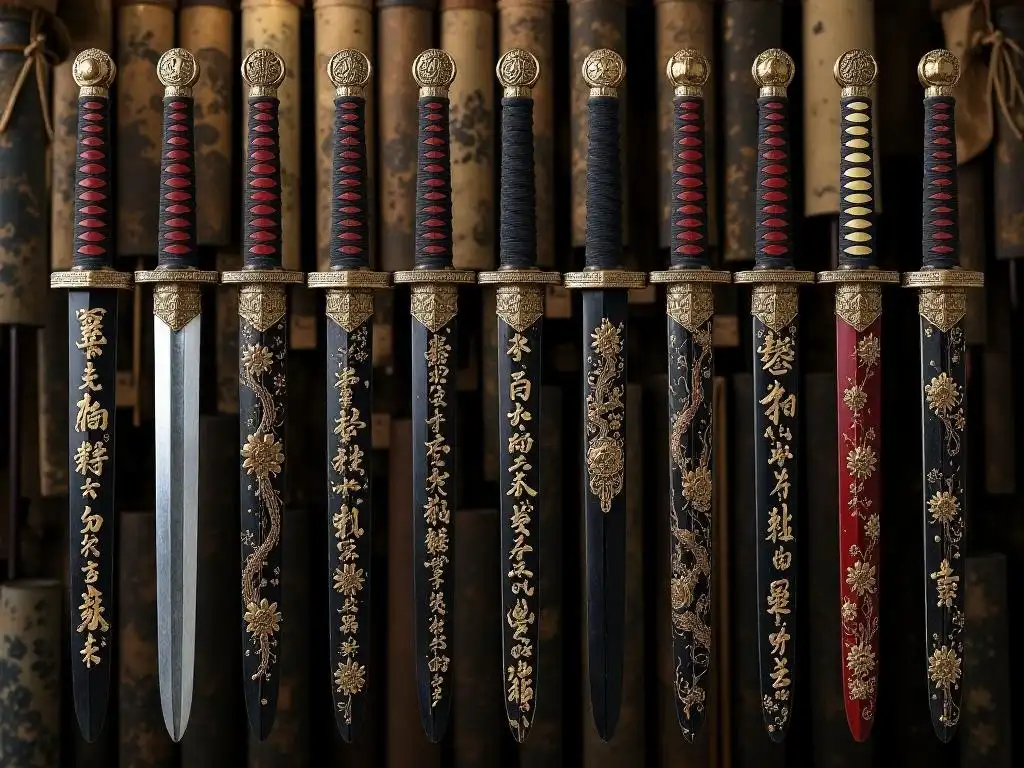
As we step into 2024, the landscape of samurai sword collecting continues to evolve, showcasing unique pieces that capture the essence of Japan's feudal past. Collectors are increasingly drawn to swords that not only exhibit exquisite craftsmanship but also possess significant historical narratives. Here are some of the top samurai swords that are expected to be highly sought after this year:
- Koto Era Katanas: Dating back to the 15th century, these swords are renowned for their distinctive, gracefully curved blades. Their historical value, along with the scarcity of well-preserved examples, makes them a top pick among collectors.
- Shinto Period Swords: Created between the 16th and 19th centuries, these swords often feature intricate designs and superior steel quality. Collectors appreciate the blend of artistry and functionality, making them a desirable addition to any collection.
- Modern Reproductions: As interest in samurai culture grows, high-quality reproductions of famous swords are increasingly popular. These replicas provide enthusiasts with a way to own a piece of history without the prohibitive costs associated with authentic antiques.
- Signature Swords of Famous Smiths: Pieces created by renowned swordsmiths like Masamune and Muramasa always attract collectors. Their signatures (mei) add immense value, linking the sword to its historical context and craftsmanship.
The Best Collectible Katana Models
When it comes to collecting samurai swords, certain katana models have gained a reputation for both their historical significance and aesthetic appeal. Here are some of the best collectible katana models that enthusiasts should consider:
- The Masamune Katana: Arguably the most famous swordsmith in Japanese history, Masamune's katanas are revered for their sharpness and beauty. Each blade carries a legacy that collectors find irresistible.
- The Honjo Masamune: This legendary sword, once owned by the shogunate, is one of the most prized swords in Japan. Its historical significance and the mystery surrounding its current location make it a focal point for collectors.
- The Kōgō: Known for its elegant design and functionality, the Kōgō represents the epitome of samurai craftsmanship. Collectors admire its balance and the unique patterns often found on the blade.
- The Naginata: While technically a polearm, the naginata features a blade akin to that of a katana and is appreciated for its historical context in samurai warfare, making it a unique collectible.
Rare and Antique Samurai Swords
Rare and antique samurai swords hold a special place in the hearts of collectors due to their unique histories and the craftsmanship involved in their creation. These swords often tell stories of battles fought and the warriors who wielded them. Some notable examples include:
- Tachi Swords: Pre-dating the katana, tachi swords were predominantly used by samurai in the Heian period. Their curved shape and longer blade make them a rare find.
- Gunto Swords: Used during World War II, these military swords have become collectible due to their connection to a significant historical event. Some models, particularly those that were custom-made, are highly valued.
- Juyo Bunkazai Swords: These swords are designated as Important Cultural Properties in Japan. Their classification ensures that they are preserved and protected, making them invaluable to collectors.
Tips for Collecting Samurai Swords
Collecting samurai swords can be a rewarding endeavor, but it requires knowledge and careful consideration. Here are some essential tips for aspiring collectors:
- Research Thoroughly: Understanding the history, types, and craftsmanship of samurai swords is crucial. Use books, online resources, and expert consultations to deepen your knowledge.
- Attend Shows and Auctions: Participating in sword shows and auctions provides opportunities to see various swords firsthand and meet fellow collectors who can share insights and experiences.
- Network with Experts: Building relationships with dealers, appraisers, and historians can provide valuable information about authenticity, value, and market trends.
Understanding Market Trends in Collecting Samurai Swords History
To navigate the world of samurai sword collecting successfully, it’s essential to stay informed about market trends. The demand for samurai swords fluctuates based on various factors:
- Cultural Interest: Increased global fascination with Japanese culture can drive up prices and demand for authentic swords, especially those with historical significance.
- Online Sales Platforms: The expansion of online marketplaces has made it easier for collectors to buy and sell swords. However, it has also introduced challenges regarding authenticity and pricing.
- Economic Factors: Like any collectible market, economic conditions can impact the buying power of collectors. During economic downturns, the market may see a decline in sales.
Maintenance and Preservation of Samurai Swords
Proper maintenance and preservation are vital to ensure the longevity and condition of samurai swords. Here are some key practices:
- Regular Cleaning: Use a soft cloth to wipe down the blade after handling to remove fingerprints and moisture. A specialized sword oil can help protect the blade from rust.
- Storage Conditions: Store swords in a dry environment to prevent humidity damage. A display case with UV protection can preserve the sword’s finish and prevent fading.
- Professional Restoration: If a sword shows signs of damage, seek a qualified restorer who specializes in samurai swords. Attempting DIY repair can lead to further damage and decrease the sword’s value.
By following these guidelines, collectors can not only appreciate the beauty and history of samurai swords but also ensure their collections remain in excellent condition for future generations.
Conclusion
The historical significance of samurai swords cannot be overstated. These magnificent weapons are not merely tools of combat; they encapsulate centuries of Japanese culture, artistry, and the warrior ethos that defined feudal Japan. Collecting samurai swords offers enthusiasts a unique opportunity to connect with this rich heritage, as each blade tells a story of craftsmanship, honor, and the tumultuous events that shaped the nation.
From the intricate designs of the tsuba (handguard) to the impeccable balance and sharpness of the blade, these swords are a testament to the skill and dedication of the artisans who forged them. For collectors, understanding this historical context adds immense value and appreciation to their acquisitions, making them not just items of aesthetic beauty but also invaluable pieces of history.
Call to Action
If you're inspired by the rich history and artistry of samurai swords, consider starting or expanding your own collection today! Dive deeper into the world of collecting samurai swords by researching various styles, historical periods, and notable smiths. Attend local exhibitions, join collector groups, or visit reputable dealers who specialize in these exquisite artifacts. Remember, each sword in your collection is a window into Japan's feudal past, so take the time to learn about its significance. Begin your journey into the fascinating world of samurai sword collecting now and become a steward of this exceptional part of history!
References for Further Reading
For those interested in delving deeper into the captivating world of samurai swords and their historical significance, here are some recommended resources:
- Books:
- "The Samurai Sword: A Handbook" by John M. Yumoto – A comprehensive guide on the history and care of samurai swords.
- "Japanese Swords: Their History, Aesthetics, and Craftsmanship" by Kōkan Shimizu – An authoritative text on the art and history of Japanese sword making.
- Websites:
- The Nihon Token Kai – An organization dedicated to the appreciation and study of Japanese swords.
- The Samurai Museum – Offers extensive information on the cultural context of samurai swords and their role in Japanese history.
- Documentaries:
- "The Art of the Samurai Sword" – A documentary that explores the craftsmanship and cultural importance of these legendary weapons.
These resources will enhance your understanding and appreciation of samurai swords, providing valuable insights into their history and significance in both martial arts and Japanese culture.
- Introduction to Collecting Samurai Swords History
- The Evolution of Samurai Swords: A Historical Perspective
- The Cultural Importance of Samurai Swords
- Key Features That Make Samurai Swords Collectors' Favorites
- Top Samurai Swords for Collectors in 2024
- The Best Collectible Katana Models
- Rare and Antique Samurai Swords
- Tips for Collecting Samurai Swords
- Conclusion
- Call to Action
- References for Further Reading
Frequently Asked Questions
What makes samurai swords significant in Japanese history?
Samurai swords, or katana, hold a cultural significance as symbols of the samurai class and their values, such as honor, loyalty, and martial skill, making them revered collectibles.
Why are samurai swords popular among collectors?
Collectors are drawn to samurai swords due to their craftsmanship, historical importance, and the aesthetic beauty of each piece, which often reflects the era and region of its creation.
What factors influence the value of a samurai sword?
The value of a samurai sword can be influenced by factors such as its age, condition, provenance, and the reputation of the smith who forged it, making some pieces extremely sought after.
How can one start collecting samurai swords?
To start collecting, one should research the history and types of swords, attend auctions or shows, and connect with other collectors to gain insights and tips on authenticity and preservation.
Are there legal considerations when collecting samurai swords?
Yes, collectors should be aware of legal regulations regarding ownership and sale of weapons in their region, as well as import/export laws if acquiring swords from overseas.
Final Reflection: The Enduring Legacy of Collecting Samurai Swords
The historical significance of samurai swords transcends mere craftsmanship; it embodies a rich tapestry of culture, honor, and artistry that resonates with collectors today. In an era where the past often feels distant, these swords serve as tangible connections to a time when honor dictated the warrior's path. The allure of collecting samurai swords lies not only in their beauty but also in the stories they tell—stories of valor, tradition, and the relentless pursuit of perfection.
Collecting samurai swords has profoundly influenced our understanding of cultural heritage and the importance of preserving history. As enthusiasts delve into the intricate details of each blade, they engage with a narrative that spans centuries, fostering a deeper appreciation for the craftsmanship and the values of the samurai. A sword is a reflection of its maker's soul,
a sentiment that captures the essence of why these artifacts hold such significance. Each sword is not just a weapon but a testament to the artistry and spirit of its time, reminding us of the importance of honoring our past.
As you reflect on the journey of collecting samurai swords, consider how these historical artifacts can inspire your own life. Embrace the lessons of honor, dedication, and artistry that these swords represent. Whether you are a collector or simply an admirer, let the stories of the samurai guide you in your pursuits, encouraging you to seek beauty and meaning in your own journey. The legacy of these swords is not just in their history; it is in how they inspire us to forge our paths with integrity and passion.
Unveil the Legacy: Start Your Samurai Sword Collection Today!
Thank you for diving into the rich history of samurai swords with us! We hope you uncovered the fascinating reasons these incredible artifacts captivate collectors and enthusiasts alike. Now, it’s time to turn that inspiration into action.
Here’s how you can deepen your engagement with the world of samurai swords:
- Start your own collection: Research and acquire your first authentic samurai sword to join the ranks of passionate collectors.
- Discover local events: Look for sword exhibitions, auctions, or martial arts demonstrations in your area where you can connect with other enthusiasts.
- Share your knowledge: Discuss your experiences and findings with friends or on social media to spark interest in the historical significance of these magnificent pieces.
What unique story do you hope your samurai sword collection will tell? We invite you to share your thoughts in the comments!