
The Transition from Feudalism to Capitalism: Edo's Economic Shift

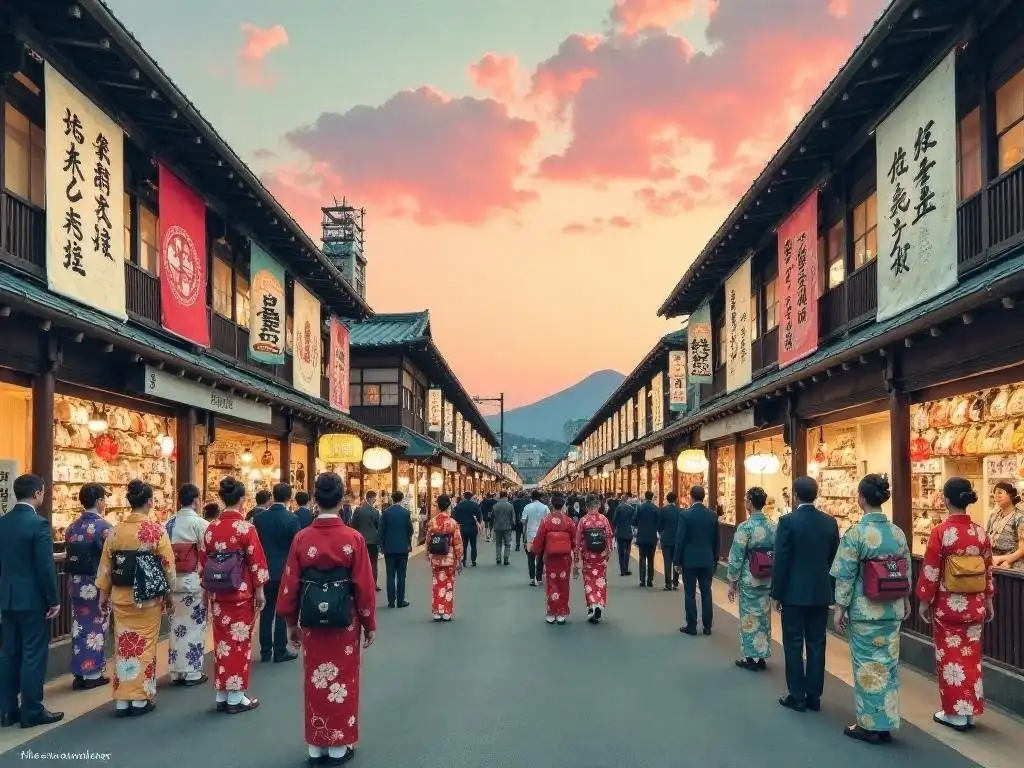
Welcome to Feudal Japan History, where we invite you to embark on a fascinating journey through the intricate tapestry of Japan’s feudal era. In this exploration, we delve deep into the Edo period economic transformation, a pivotal moment that marked the transition from feudalism to capitalism. What drove this remarkable shift, and how did it reshape the very foundations of Japanese society?
Prepare to uncover the layers of historical, cultural, and societal transformation that defined this era. Join us as we unravel the complexities of Edo's economic landscape and discover the forces that propelled it into modernity. Your adventure awaits!
Introduction to the Edo Period Economic Transformation
The transition from feudalism to capitalism during the Edo period (1603-1868) remains one of the most significant transformations in Japan's economic history. This era, characterized by relative peace and stability under the Tokugawa shogunate, witnessed profound changes in social structures, economic practices, and cultural developments.
The Edo period serves as a pivotal point in understanding how Japan evolved from a fragmented feudal society into a more centralized and economically vibrant nation. This article delves into the economic transformation that occurred during this time, examining key features of feudal society, the roles of various social classes, and the gradual shifts that paved the way for modern economic systems in Japan.
Overview of Feudal Japan and Economic Structures
Feudal Japan, prior to the Edo period, was a complex tapestry of regional lords (daimyō) who governed vast territories. The economic structure was largely agrarian, with rice serving as both a staple food and a measure of wealth. Land was the primary source of economic power, and the social hierarchy was rigidly defined—comprising nobility, samurai, peasants, artisans, and merchants.
- Key Economic Features:
- Agricultural Focus: The economy was predominantly agrarian, relying on rice cultivation and other crops.
- Trade Restrictions: The shogunate imposed strict regulations on trade, limiting commerce primarily to domestic markets.
- Barter System: Currency was not widely used, with barter being a common practice among different classes.
Understanding the economic structures of this time is crucial to grasping the changes that unfolded during the Edo period.
Importance of the Edo Period in Japanese History
The Edo period is often regarded as a transformative era in Japanese history. It not only stabilized the nation but also facilitated significant advancements that contributed to the eventual shift towards capitalism. The isolationist policies of the Tokugawa shogunate, known as Sakoku, limited foreign influence but allowed for internal growth.
- Cultural Flourishing: The period saw the rise of the merchant class, leading to cultural advancements in arts, literature, and theater.
- Urbanization: Major cities like Edo (modern Tokyo) became bustling urban centers, supporting a burgeoning population and diverse economic activities.
- Initial Economic Reforms: The groundwork for economic reform was laid, setting the stage for the eventual transition to a capitalist economy.
These factors collectively highlight the Edo period's significance in shaping Japan's historical trajectory.
The Foundations of Feudalism in Japan
Key Features of Feudal Society
Feudal society in Japan was characterized by a strict hierarchy and a system of mutual obligations among different classes. At the top of this hierarchy were the shoguns and daimyō, followed by samurai, who served as warriors and administrators.
- Social Hierarchy:
- Shogun: The military ruler.
- Daimyō: Feudal lords who controlled land and resources.
- Samurai: The warrior class providing military service.
- Peasants: The largest class, responsible for agricultural production.
- Artisans and Merchants: Those who contributed to the economy but were often viewed as lower in status.
This hierarchy dictated the roles and responsibilities of each class, shaping the social fabric of feudal Japan.
Economic Activities Under Feudalism
The economic activities during the feudal era were predominantly agrarian, with peasants working the land under the supervision of the daimyō and samurai. However, various other economic activities also emerged.
- Agricultural Production: The backbone of the economy, focusing primarily on rice.
- Craftsmanship: Artisans produced goods ranging from tools to textiles.
- Trade: Limited trade occurred, primarily within local markets, with merchants gradually gaining prominence.
The interplay of these activities laid the groundwork for economic changes during the Edo period.
The Role of Samurai and Land Ownership
Samurai played a crucial role in the feudal economy, not only as warriors but also as landowners and administrators. Their status was tied to land ownership, which was essential for maintaining power and influence.
- Land Management: Samurai were responsible for overseeing agricultural production and collecting taxes from peasants.
- Economic Contributions: While primarily seen as warriors, samurai engaged in economic activities, including trade and investment in local enterprises.
The dual role of the samurai as both military and economic leaders was instrumental in the functioning of feudal Japan and set the stage for the transformative changes that would follow in the Edo period.
The Beginning of Economic Change in Edo
The Edo period, lasting from 1603 to 1868, marked a significant transition in Japan's economic landscape, moving from a feudal system largely dependent on agriculture to a more diversified economy that laid the groundwork for capitalism. This shift was catalyzed by various factors including political stability, the establishment of a centralized government under the Tokugawa shogunate, and the burgeoning population of urban centers like Edo (modern-day Tokyo).
As Edo became the political center of Japan, it fostered an environment conducive to economic experimentation and growth. The relative peace established by the Tokugawa shogunate, known as the Pax Tokugawa, allowed for increased trade and commerce, as samurai and feudal lords began to seek alternative revenue sources beyond the traditional agricultural income. This marked a significant departure from the previous centuries where local warlords controlled economic resources primarily through land.
Social and Political Factors Influencing Change
Several social and political factors played crucial roles in the economic transformation of Edo. Firstly, the Tokugawa shogunate implemented policies that promoted stability and order, such as the sankin-kotai system, which required feudal lords to spend every other year in Edo. This not only centralized power but also facilitated the movement of goods and people, fostering a burgeoning economy.
Moreover, the stratification of society, where the samurai class began to lose its economic dominance, allowed for new social dynamics. As samurai became bureaucrats and civil servants, many started engaging in trade or investment activities, blurring the lines between warrior and merchant classes. This shift enabled the rise of a more complex economy where commerce and trade were increasingly valued over land ownership.
The Rise of the Merchant Class
The Edo period witnessed the emergence of a powerful merchant class, known as the chōnin, who gained significant influence and wealth. Unlike the samurai, who were bound by a code of honor and often limited in their economic pursuits, merchants were driven by profit and trade. They played a pivotal role in the economic transformation by establishing networks of commerce that spanned across Japan.
These merchants not only traded goods but also facilitated the flow of information and culture, contributing to the rise of urban culture in Edo. As their wealth grew, the merchant class began to challenge the traditional social hierarchies, leading to shifts in power dynamics within the society. Their economic activities led to the development of new financial instruments, such as bills of exchange and credit systems, which further propelled economic growth.
Urbanization and Its Impact on the Economy
Urbanization was a significant factor in the Edo period's economic transformation. The population of Edo grew rapidly, reaching over a million residents by the mid-18th century. This urban growth created a vibrant marketplace where goods could be bought, sold, and traded, fostering a consumer culture that had not existed previously.
The influx of people into cities also stimulated local economies, leading to the establishment of various industries, crafts, and services. Food markets, entertainment districts, and artisan workshops flourished, providing employment opportunities and further enhancing the economic landscape. Urban centers became hubs of innovation and cultural exchange, significantly impacting the overall economic trajectory of the Edo period.
Key Elements of the Edo Period Economic Transformation
The economic transformation during the Edo period can be attributed to several key elements that collectively reshaped Japan’s economic structure. These elements laid the foundation for the eventual transition to a more capitalist economy.
Development of Trade Routes and Commerce
The development of trade routes was a cornerstone of the Edo period's economic transformation. The establishment of the Tōkaidō road, which connected Edo with Kyoto, facilitated the movement of goods and people. Various other routes emerged, enhancing regional trade and allowing for the distribution of agricultural products, textiles, and luxury goods throughout the nation.
This network of trade routes not only strengthened the economy but also encouraged the growth of merchant guilds, which regulated trade practices and protected the interests of merchants. The increased volume of trade led to the rise of urban centers, where goods from different regions could be exchanged, further fueling economic development.
The Emergence of Towns and Cities
As commerce flourished, towns and cities began to emerge as focal points of economic activity. Besides Edo, other cities such as Osaka and Nagoya became significant commercial centers, each specializing in different types of goods, like rice and textiles. This urbanization process created a diverse economic landscape where various sectors thrived, contributing to a more complex economy.
The rise of urban centers also facilitated cultural exchange and innovation. Towns became melting pots of ideas, leading to advancements in various industries and the proliferation of new cultural practices. The emergence of a vibrant urban culture laid the groundwork for modern Japanese society.
Innovations in Agriculture and Production
Agricultural innovations during the Edo period played a crucial role in economic transformation. The introduction of new farming techniques, such as crop rotation and the use of fertilizers, led to increased agricultural productivity. This was essential as a growing urban population required more food than traditional farming methods could provide.
Additionally, the development of irrigation systems and the cultivation of new rice strains resulted in surplus production, which allowed farmers to engage in trade. Increased agricultural output not only supported urban populations but also fueled the merchant economy, as surplus goods became available for trade and commerce.
The Edo period was marked by significant economic changes that laid the groundwork for Japan's transition from feudalism to a more capitalist structure. The interplay of social, political, and economic factors fostered an environment ripe for transformation, ultimately leading to profound shifts that would shape Japan's future.
The Shift from Feudalism to Capitalism

The Edo period, spanning from 1603 to 1868, marked a significant transformation in Japan's economic landscape, transitioning from a feudal system to one increasingly characterized by capitalist principles. This shift was not abrupt but rather a gradual evolution influenced by various factors including urbanization, trade expansion, and the rise of a merchant class. The growing cities, particularly Edo (modern-day Tokyo), became vibrant centers of commerce and culture, reflecting a notable departure from the agrarian-based economy of feudal Japan.
The emergence of a money economy during the Edo period facilitated this transformation. The use of currency became widespread, replacing barter systems and enabling more complex commercial transactions. This economic change was accompanied by an increase in productivity and the diversification of industries, leading to a burgeoning market economy that laid the groundwork for capitalism.
Defining Capitalism in the Context of Edo
In the context of Edo, capitalism can be understood as an economic system characterized by private ownership of property, the creation of goods for profit, and the free market's role in regulating supply and demand. Unlike the rigid hierarchical structure of feudalism, where land and resources were controlled by the samurai class, the Edo period saw the rise of a merchant class that gained wealth and influence through trade and commerce.
The economic practices of this era included the establishment of a monetary system, banking institutions, and the proliferation of markets. Merchants began to play a crucial role in the economy, controlling the distribution of goods and services, which challenged the traditional power dynamics of feudal society. This shift towards capitalism was essential in shaping modern Japan's economic foundations.
Comparison of Feudal and Capitalist Economic Models
The feudal economic model in Japan was primarily agrarian and hierarchical, structured around land ownership and the obligations of different classes. Land was owned by the samurai, who provided protection and governance, while peasants worked the land in exchange for security. This system led to a stagnant economy focused on subsistence rather than growth.
In contrast, the capitalist economic model emerging during the Edo period was dynamic and market-oriented. Key differences include:
- Ownership: In feudalism, land ownership was concentrated among the samurai, while capitalism encouraged private ownership among merchants and entrepreneurs.
- Production: Feudal production was primarily for subsistence, whereas capitalist production was geared toward profit and market demand.
- Trade: The feudal system limited trade to local markets, while the Edo period saw expanded domestic and international trade, facilitated by improved transportation and communication networks.
This comparison highlights the fundamental shift in economic practices and social structure, leading to a more complex and interconnected economy.
Cultural Implications of Economic Transformation
The economic transformation during the Edo period had profound cultural implications that reshaped Japanese society. As the merchant class grew in prominence, new cultural practices and values emerged, reflecting the changing economic landscape.
Changes in Social Structure and Class Dynamics
The rise of the merchant class challenged the established social hierarchy of feudal Japan. While samurai retained their status as the ruling class, merchants began to accumulate wealth and influence. This shift led to a reconfiguration of social dynamics, with merchants gaining respect and recognition that was previously reserved for the samurai.
The dynamic between classes also shifted; merchants sought to elevate their status through cultural patronage, contributing to the arts and education. This new social fluidity allowed for increased interaction among different classes, leading to a more diverse cultural exchange.
The Influence of Culture on Economic Practices
Cultural factors played a significant role in shaping economic practices during the Edo period. The emphasis on aesthetics, craftsmanship, and quality in goods became a hallmark of the growing consumer culture. As urban centers flourished, so did the demand for luxury items, art, and entertainment.
Additionally, traditional practices such as tea ceremonies and festivals became intertwined with commerce, reflecting a blending of cultural and economic interests. This interplay fostered a unique environment where culture was not only a reflection of societal values but also a driver of economic activity.
Art and Literature Reflecting Economic Changes
The economic transformation during the Edo period is vividly captured in the art and literature of the time. Ukiyo-e, or "pictures of the floating world," became a popular art form, illustrating scenes of urban life, commerce, and the pleasures of the city. These artworks provided a visual commentary on the burgeoning merchant culture and the vibrancy of Edo's economy.
Literature from the period, such as the works of Matsuo Bashō and Ihara Saikaku, also reflects economic themes, exploring the lives of merchants and the complexities of wealth and social status. These cultural expressions not only documented the economic realities of the time but also influenced public perception and attitudes toward wealth and commerce.
The Edo period's economic transformation from feudalism to capitalism was a multifaceted process that reshaped Japan's economic, social, and cultural fabric. The interplay of market forces, government policies, and cultural practices created a unique environment that set the stage for Japan's modern economic development.
Case Studies of Economic Transformation in Edo
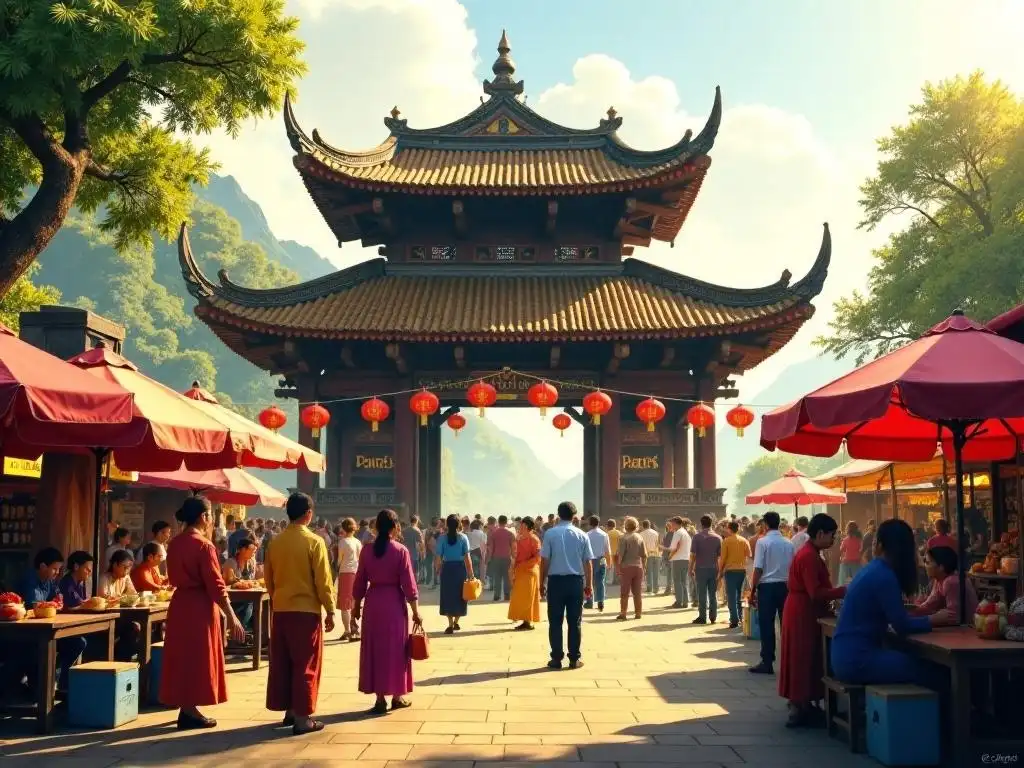
The Edo period, spanning from 1603 to 1868, was marked by significant economic transformation that laid the groundwork for modern Japan. This period saw a shift from a feudal economy, dominated by agrarian practices, to one characterized by commerce, urbanization, and burgeoning market systems. Various towns and cities experienced unique economic growth patterns, influenced by their geographical location, local resources, and social dynamics.
Examination of Specific Towns and Their Economic Growth
Several towns serve as exemplary case studies of economic growth during the Edo period. One prominent example is Edo (modern-day Tokyo), which evolved from a small fishing village to Japan's political and economic hub. The population skyrocketed to over a million by the mid-18th century, fostering a vibrant urban culture driven by commerce and craft production.
Another significant town is Osaka, known as the "Nation's Kitchen." It became a central market for rice, which was the primary currency of the Edo economy. The development of merchant districts in Osaka facilitated trade and the rise of a powerful merchant class that challenged traditional samurai dominance.
In contrast, Kyoto, while historically significant as the imperial capital, saw a different trajectory. Its economy was heavily reliant on traditional crafts and the patronage of the imperial court and nobility. However, it was the cultural capital, which contributed to a growing demand for luxury goods and services, thereby stimulating economic activities.
Analysis of Notable Merchants and Their Contributions
Prominent merchants emerged during the Edo period, playing a crucial role in its economic transformation. Figures such as Mitsui, a family of merchants, exemplified how commerce could rival samurai status. The Mitsui family established a trading company that expanded into banking and retail, significantly influencing Edo's financial landscape.
Another notable merchant was Shōin Yoshida, who not only engaged in trade but also promoted the idea of a national economy. His philosophies inspired many and laid the groundwork for the Meiji Restoration reforms.
The contributions of these merchants were not just limited to economic growth; they also pushed for social changes that diminished the rigid class structures of feudal Japan. Their wealth allowed them to become patrons of culture and education, further propelling the evolution of Japanese society.
The Role of Trade Networks in Economic Expansion
Trade networks were vital to the economic expansion of the Edo period. The Tokaido Road, connecting Edo and Kyoto, became a bustling thoroughfare for goods and people. This road facilitated the movement of agricultural products, textiles, and luxury items, contributing to a vibrant market economy.
Additionally, the rise of regional trade fairs and the establishment of merchant guilds promoted economic collaboration across different areas. These networks fostered interregional commerce, allowing towns to specialize in certain products, such as textiles in Nagoya and pottery in Arita.
Notably, international trade also played a role, albeit limited by the Tokugawa shogunate's isolationist policies. The Dutch, through their trading post in Nagasaki, provided Japan access to European goods and ideas, setting the stage for future economic modernization.
Challenges and Resistance to Economic Change
Despite the evident economic growth during the Edo period, several challenges and resistance movements emerged that reflected the complexities of this transformation. Traditional feudal structures, economic inequalities, and natural disasters all played significant roles in shaping the period's dynamics.
Pushback from Traditional Feudal Structures
The rigid feudal system, with its hierarchical class structures, often resisted the economic changes taking place. Samurai, who had traditionally held power and status, felt threatened by the rising merchant class. Many samurai were economically disenfranchised as their stipends became inadequate in the face of inflation and rising costs of living.
This tension led to social unrest, particularly in the form of peasant uprisings. Discontent grew as farmers faced increased taxes and economic pressures, prompting them to challenge the status quo. The traditional governance systems struggled to reconcile the burgeoning commercial interests with their feudal obligations, leading to friction that persisted throughout the period.
Economic Inequalities and Social Unrest
Economic inequalities became increasingly pronounced during the Edo period. While merchants amassed great wealth, the samurai and peasantry often remained impoverished, resulting in stark class divisions. This disparity fueled resentment and contributed to social unrest.
The "Great Tenmei Famine" of the late 18th century exemplified the consequences of economic inequalities. Poor harvests led to widespread starvation among peasants, prompting riots and protests against local authorities. Such events illuminated the vulnerabilities of an economy that, while expanding, was not benefiting all segments of society.
The Role of Natural Disasters in Economic Trends
Natural disasters also significantly impacted the economic landscape of Edo. The frequent earthquakes, floods, and famines disrupted trade routes, damaged infrastructure, and devastated agricultural production. For instance, the Ansei Earthquake of 1855 caused widespread destruction in Edo and resulted in economic setbacks that challenged the stability of the region.
Furthermore, these disasters often exacerbated existing social tensions. Peasants faced the brunt of the economic fallout, leading to uprisings and demands for reform. The interplay between natural calamities and economic transformation highlighted the fragility of the evolving market systems in Edo, reminding all of the unpredictable nature of life during this tumultuous period.
Conclusion: Legacy of the Edo Period Economic Transformation
The economic transformation during the Edo period (1603-1868) laid the groundwork for modern Japan's economic landscape. As the feudal structure began to dissolve, a series of changes took place that influenced trade, industry, and society as a whole. The adoption of new economic practices, such as increased commercialization and the rise of a merchant class, marked a pivotal shift that would resonate throughout Japanese history. The development of infrastructure, including roads and communication systems, facilitated the movement of goods and ideas, contributing to a more interconnected society.
The legacy of this transformation can be seen in how contemporary Japan has embraced market dynamics while maintaining traditional values. The Edo period's emphasis on urbanization and economic innovation not only fostered a burgeoning middle class but also encouraged a culture of entrepreneurship that persists today. The intricate tapestry of social, economic, and political developments during this era set the stage for Japan's subsequent modernization in the Meiji Restoration and beyond, highlighting the lasting impact of the Edo period economic transformation.
Long-term Effects on Modern Japanese Economy
The long-term effects of the Edo period economic transformation are evident in several aspects of Japan's modern economy. First, the establishment of a robust merchant class during this era provided a foundation for Japan's capitalist economy. The rise of commerce and trade during the Edo period cultivated skills and networks that would benefit later industrialization efforts.
Second, the infrastructure improvements initiated during the Edo period, such as the development of the Tōkaidō road, have had lasting implications. These transportation networks not only facilitated trade but also laid the groundwork for Japan's extensive railway system in the late 19th and early 20th centuries, significantly enhancing connectivity within the nation.
Finally, the cultural shifts that accompanied economic changes during the Edo period fostered a spirit of innovation, which is still a hallmark of the Japanese economy today. The blending of traditional craftsmanship with modern technological advancements is a direct lineage from the economic practices established during Edo, illustrating how historical transformations continue to influence contemporary economic paradigms.
Reflection on the Transition's Significance in World History
The transition from feudalism to capitalism in Japan during the Edo period holds significant implications in the broader context of world history. This period's economic transformation illustrates how localized shifts can resonate globally, particularly in terms of trade. The increased interaction with foreign entities, especially through ports like Nagasaki, positioned Japan as an emerging player in international trade, paving the way for its eventual entry into the global market.
Moreover, the Edo period serves as a case study for understanding the complexities of economic transitions. Japan's unique blend of maintaining cultural identity while embracing modern economic practices offers valuable insights into how societies can navigate the challenges of modernization. This transition also reflects a pivotal moment in global history, where nations grappled with the effects of capitalism and industrialization, shaping their paths in the 19th and 20th centuries.
The Edo period's economic transformation is not merely a chapter in Japan's history; it is a crucial element in understanding the global historical narrative of economic development and cultural exchange.
Suggested Further Reading on Edo's Economic History
Recommended Books and Articles
- "The Making of Modern Japan" by Bruce Cummings - This comprehensive work delves into the historical transformations that shaped modern Japan, including the Edo period's economic developments.
- "Japan's Economic Ascent: International Trade, Growth, and the Role of Government" by Richard Katz: - Katz explores the transition from Edo to modern economic practices and the critical role of government policies.
- "Edo and Paris: Urban Life and the State in Japan and France" by John M. Merriman: - This comparative analysis provides insights into urbanization and economic dynamics in both cities during the respective periods.
- "The Economic History of Japan: 1600-1990" by Masahiro Okuno-Fujiwara: - A detailed examination of Japan's economic development, highlighting the Edo period's significance.
Links to Related Articles on Urbanization and Economic History
- Urban Growth in Edo: A Historical Perspective: - An exploration of how urbanization in Edo shaped its economy and society.
- The Role of Commerce in Edo Period Society - A detailed look at the merchant class and their influence on economic practices.
- Comparative Economic Systems: Feudalism to Capitalism: - An analysis of the transitions within different societies, including Japan's unique trajectory.
- Infrastructure Development in Edo: Impact on Trade and Society: - Insights into how infrastructure advancements during the Edo period facilitated economic growth.
- Introduction to the Edo Period Economic Transformation
- The Foundations of Feudalism in Japan
- The Beginning of Economic Change in Edo
- Key Elements of the Edo Period Economic Transformation
- The Shift from Feudalism to Capitalism
- Defining Capitalism in the Context of Edo
- Comparison of Feudal and Capitalist Economic Models
- Cultural Implications of Economic Transformation
- Case Studies of Economic Transformation in Edo
- Challenges and Resistance to Economic Change
- Conclusion: Legacy of the Edo Period Economic Transformation
- Suggested Further Reading on Edo's Economic History
- What was the Edo period in Japan's history?
- How did the Edo period contribute to economic transformation?
- What were the key factors driving economic change during the Edo period?
- How did urbanization influence society during the Edo period?
- What impacts did the Edo period's economic shift have on modern Japan?
Frequently Asked Questions
What was the Edo period in Japan's history?
The Edo period (1603-1868) marked a time of peace, stability, and economic growth under the Tokugawa shogunate, transitioning Japan from feudalism to a more centralized society.
How did the Edo period contribute to economic transformation?
The Edo period spurred an economic transformation through the development of trade networks, urbanization, and the rise of a merchant class, which shifted the economic focus from land to commerce.
What were the key factors driving economic change during the Edo period?
Key factors included the expansion of agriculture, improvements in infrastructure, and the emergence of a capitalist economy, all of which facilitated increased trade and commerce.
How did urbanization influence society during the Edo period?
Urbanization led to the growth of cities like Edo (Tokyo), fostering a vibrant cultural scene and the rise of new social classes, particularly the merchant class, which played a crucial role in economic development.
What impacts did the Edo period's economic shift have on modern Japan?
The economic shift during the Edo period laid the groundwork for modernization in Japan, influencing its industrialization and integration into the global economy in the late 19th century.
Final Reflection: Embracing Change in Edo's Economic Transformation
The transition from feudalism to capitalism during the Edo period is not just a historical event; it is a powerful reminder of how societies can evolve and adapt in response to changing circumstances. Today, as we navigate our own economic challenges and transformations, the lessons from Edo's economic shift resonate more than ever. The ability to innovate, embrace new ideas, and foster a spirit of entrepreneurship can lead to profound changes that shape the future of our communities and economies.
Edo's economic transformation has left an indelible mark on the cultural and social landscape of Japan, influencing everything from trade practices to social mobility. This period exemplifies how economic systems can empower individuals and communities, creating opportunities for growth and development. As historian William McNeill once said, "> The past is a foreign country; they do things differently there." This highlights the importance of understanding historical contexts to appreciate the complexities of our current economic systems and the potential for future transformations.
As we reflect on the lessons from Edo's economic transformation, I invite you to consider how these insights can be applied to your own life and community. What changes can you embrace in your personal or professional journey? Let the spirit of innovation and adaptability that defined the Edo period inspire you to seek new opportunities, challenge the status quo, and contribute to the ongoing evolution of our economic landscape. Together, we can learn from the past to forge a brighter future.
Embrace the Future: Transform Your Understanding of Economic History!
Thank you for exploring the fascinating transformation of Edo's economy! Your journey through the transition from feudalism to capitalism has equipped you with valuable insights into how historical shifts shape modern practices. Now, it’s time to take what you've learned and put it into action.
Here are a few steps you can take next:
- Explore More: Dive deeper into the nuances of economic transitions by investigating similar transformations in various cultures. Consider reading insightful books or watching documentaries that delve into this theme.
- Share Your Knowledge: Engage with friends or fellow history enthusiasts by discussing your newfound insights. You can spark a conversation on social media or write a blog post to share your thoughts!
- Join the Community: Become part of our vibrant history community by subscribing to our newsletter. Stay updated on the latest articles and discussions surrounding significant historical economic changes.
What aspect of Edo's economic shift do you find most intriguing, and how does it resonate with today's world? We invite you to share your thoughts below!