
Women in the Tokugawa Economy: Roles and Contributions

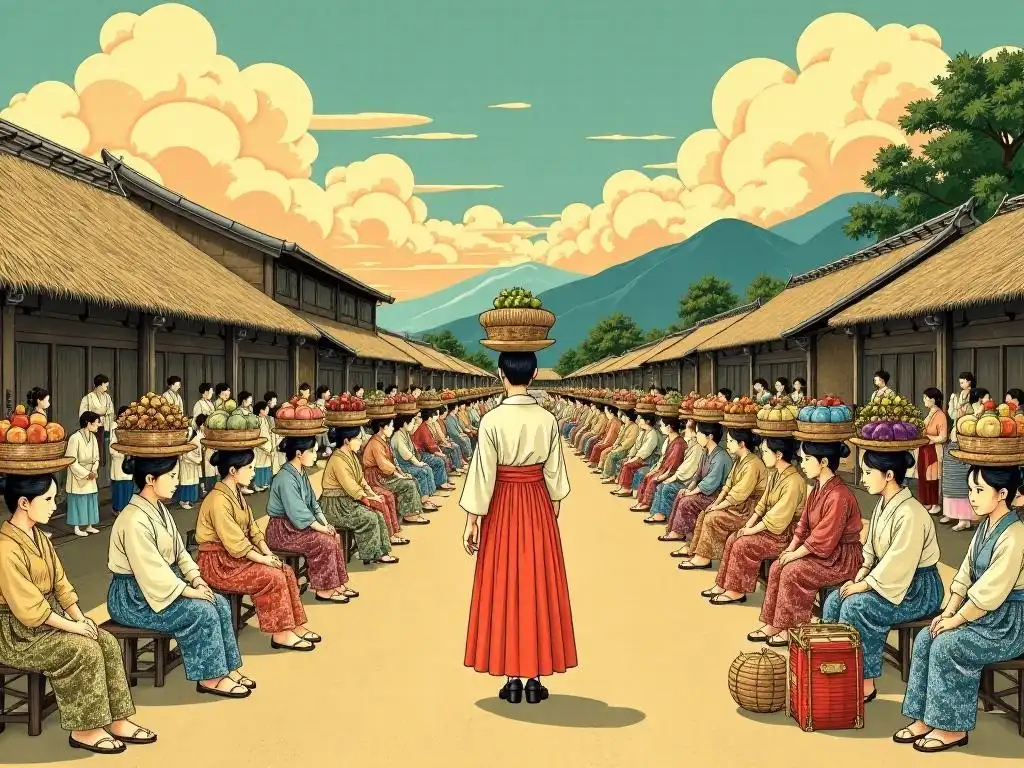
Welcome to Feudal Japan History, where we delve into the intricate tapestry of Japan’s feudal era, illuminating its historical, cultural, and societal facets. In our featured article, "Women in the Tokugawa Economy: Roles and Contributions," we invite you to uncover the often-overlooked narratives of women in Tokugawa Japan—pioneers who significantly shaped the economy and society of their time. What roles did they play in a world dominated by samurai and shogunate? Join us on this enlightening journey, and discover the vital contributions that helped define an era. Your exploration begins now!
-
Women in Tokugawa Japan: Understanding Their Roles and Contributions
- Introduction to Women in Tokugawa Japan
- Women’s Roles in the Tokugawa Economy
- Social Status and Legal Rights of Women in Tokugawa Japan
- Women in Tokugawa Japan: Education and Cultural Influence
- Case Studies: Notable Women in the Tokugawa Economy
- Challenges Faced by Women in the Tokugawa Economy
- Conclusion: The Legacy of Women in Tokugawa Japan
-
Frequently Asked Questions
- What were the roles of women in the Tokugawa economy?
- How did societal norms affect women's contributions during this period?
- Were there any notable women in the Tokugawa economy?
- How did the Tokugawa period influence women's rights in Japan?
- What were the long-term impacts of women's roles in the Tokugawa economy?
- Final Reflection: The Enduring Legacy of Women in Tokugawa Japan
- Unveil the Vital Role of Women in History!
Women in Tokugawa Japan: Understanding Their Roles and Contributions
Introduction to Women in Tokugawa Japan
The Tokugawa period, spanning from 1603 to 1868, marked a pivotal era in Japan's history, characterized by stability, isolation, and the flourishing of culture and economy. While much of the historical narrative tends to focus on samurai and political leaders, the role of women in Tokugawa Japan is an equally essential aspect to consider.
Despite the patriarchal structures that dominated society, women played vital roles in both the household and the economy, contributing significantly to the social fabric and economic development of their communities. This article delves into the multifaceted roles women held in the Tokugawa economy, shedding light on their contributions and the societal norms that shaped their lives.
Overview of Tokugawa Era Economic Structure
The economic landscape of Tokugawa Japan was primarily agrarian, with rice serving as the cornerstone of wealth and social status. The era saw the emergence of a more centralized economy, where local domains (han) operated under the shogunate's authority. This period also witnessed the rise of a merchant class, which flourished due to the growth of urban centers and trade.
Key features of the Tokugawa economy included:
- Agriculture: The backbone of economic activity, with rice cultivation dominating the landscape.
- Trade and Commerce: Development of markets and the merchant class, facilitating local and regional trade.
- Craftsmanship: Artisanship thrived, contributing to both local economies and the growing demand for goods.
Understanding this economic structure is crucial to comprehending the significant roles women played within it, often as invisible yet powerful agents of economic activity.
Importance of Women in Economic Development
Women in Tokugawa Japan were not merely passive participants in the economy; rather, they were instrumental in shaping economic practices and contributing to household wealth. Their involvement ranged from managing household finances to engaging in agricultural production and trade. The economic contributions of women often went unrecognized in historical accounts, yet their influence was profound.
Some key contributions included:
- Household Management: Women were responsible for budgeting, purchasing, and ensuring the family’s financial stability.
- Labor Force Participation: Many women worked alongside men in agriculture and crafts, providing essential labor.
- Market Engagement: Women often acted as intermediaries in local markets, influencing trade dynamics.
Their varied roles were vital for the sustenance of families and the broader economy, highlighting the importance of gender in economic history.
Women’s Roles in the Tokugawa Economy
Household Management and Economic Contributions
In Tokugawa Japan, the household was not just a domestic space but also a vital economic unit. Women were primarily responsible for managing household resources, which included budgeting for daily expenses, procuring food, and overseeing the production of goods. This management was crucial for the family's survival and prosperity.
- Financial Stewardship: Women often maintained detailed accounts of household expenditures and savings.
- Resource Allocation: They decided how to allocate resources, ensuring that needs were met while maximizing savings.
Through these activities, women played a crucial role in ensuring the economic stability of their families, showcasing their importance beyond traditional gender roles.
Participation in Agriculture and Crafts
Women’s contributions to agriculture and crafts were significant, as they often worked alongside men in fields or workshops. Their labor was essential in sustaining the agrarian economy of Tokugawa Japan.
- Agricultural Labor: Women participated in planting, harvesting, and processing rice, which was vital for the economy.
- Craftsmanship: Many women were skilled artisans, producing textiles, pottery, and other goods that were integral to local markets.
This involvement not only supported their families but also contributed to the regional economies, emphasizing the collaborative nature of labor during this period.
Women as Traders and Merchants
Women also engaged in trade, often serving as traders and merchants in local markets. Their roles in commerce were crucial for the exchange of goods and services, and they frequently acted as the primary negotiators for their families.
- Market Participation: Many women operated small businesses or stalls in local markets, selling food, textiles, and handcrafted goods.
- Networking: Women established connections with other merchants, facilitating trade and the flow of goods between communities.
These activities illustrate that women were not just passive bystanders in the Tokugawa economy; they were active participants who adapted to and influenced the economic landscape, demonstrating their resilience and resourcefulness in a male-dominated society.
The Tokugawa period (1603-1868) was characterized by a rigid social hierarchy and a patriarchal society, which significantly influenced the status and rights of women. Women in Tokugawa Japan were primarily viewed through the lens of their familial roles, particularly as wives and mothers. Their societal value was largely tied to their ability to produce heirs and manage household duties.
Family Structure and Gender Roles
In Tokugawa Japan, the family unit was structured around the concept of ie, which emphasized the importance of lineage and inheritance. Women were expected to support their husbands and raise children, ideally male heirs, to continue the family line. This role was reinforced by Confucian ideals that prioritized male authority and female submission. As a result, women's responsibilities were predominantly domestic, including tasks such as cooking, weaving, and managing household finances.
Legal Limitations and Rights of Women
Despite their critical roles within the family, women's legal rights were severely limited. Women were generally not permitted to own property in their own names; instead, property was inherited through male relatives. In cases of divorce, women faced significant disadvantages, often losing custody of children and their rights to family wealth. Additionally, women had limited access to public life and were largely excluded from political participation, reinforcing their subservient status.
Comparison of Social Status Among Different Classes
The status of women varied significantly across different social classes during the Tokugawa period. Women from samurai families enjoyed somewhat more privileges, such as better education and more significant influence in family affairs compared to their peasant counterparts. However, even among the samurai, women were expected to adhere to strict codes of conduct. Conversely, women in the merchant class experienced some economic independence, often managing family businesses, but they still faced societal restrictions. This complex social stratification illustrates that while all women were subject to patriarchal norms, their experiences and roles were not uniform.
Women in Tokugawa Japan: Education and Cultural Influence
Education and cultural influence were crucial aspects of women's lives in Tokugawa Japan. Although opportunities for formal education were limited, women found ways to participate in cultural life, often through informal means.
Education Opportunities for Women
The educational landscape for women in Tokugawa Japan was largely dominated by the han (feudal domains) and local temples. While elite women had access to private tutors and could learn to read and write, most women received little formal education. However, some towns and villages saw the establishment of schools that taught girls basic literacy and traditional arts, such as calligraphy and embroidery. This education, though limited, allowed women to engage with written culture and perform their roles in the household more effectively.
Women’s Contributions to Arts and Literature
Women in Tokugawa Japan made significant contributions to the arts and literature, despite societal constraints. Many women became skilled in traditional crafts such as textile production and pottery, which were integral to the economy. In literature, women authored notable works, often in the form of diaries, poetry, and novels. For instance, the Ise Monogatari, a famous collection of poems, reflects the voices and experiences of women during this era. Such contributions not only enriched Japanese culture but also provided insights into women's perspectives and experiences in a patriarchal society.
The Role of Women in Cultural Preservation
Women played a vital role in preserving and transmitting cultural traditions in Tokugawa Japan. As primary caregivers, mothers were responsible for passing down customs, stories, and moral teachings to their children. This role was essential in maintaining the continuity of cultural practices and values. Additionally, women participated in various festivals and rituals, often as organizers or performers, thereby actively contributing to the cultural fabric of their communities. Their involvement ensured that cultural heritage was not only preserved but also adapted to changing societal norms.
Case Studies: Notable Women in the Tokugawa Economy
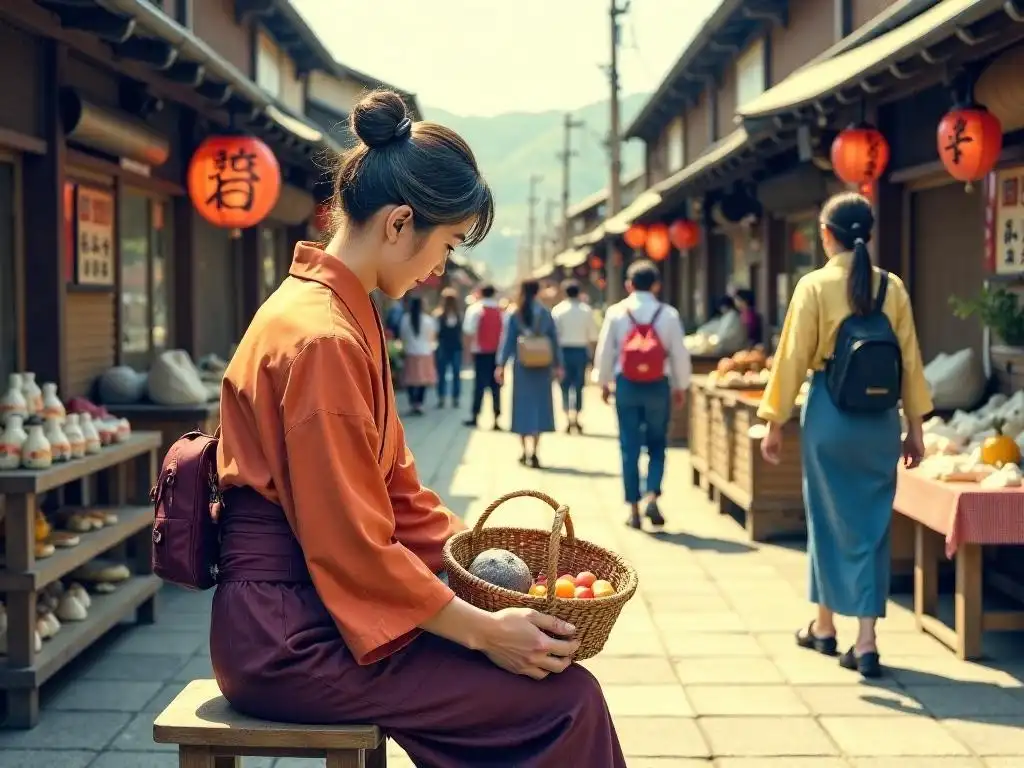
The Tokugawa era, spanning from 1603 to 1868, was marked by significant economic growth and development in Japan. Within this framework, women played essential roles, often overlooked in historical narratives. By examining specific case studies of notable women from this period, we can gain insight into their contributions to the economy and society in Tokugawa Japan.
Example 1: Kiku, a Successful Edo Period Merchant and Her Impact
Kiku was a prominent merchant in Edo (modern-day Tokyo), known for her acumen in trade during the late Tokugawa period. She operated a successful kimono shop that catered to both commoners and the elite, showcasing the textile industry’s thriving nature during this time. Kiku's business savvy allowed her to navigate the competitive marketplace, and her ability to establish connections with suppliers and customers was crucial for her success.
Kiku’s impact extended beyond her immediate business. She was influential in shaping consumer culture in Edo, contributing to the rise of the middle class. Her enterprise not only provided employment opportunities for women but also fostered a sense of independence and agency among them. Kiku exemplifies the potential for women to influence the economy through entrepreneurship, highlighting their vital roles in a male-dominated society.
Example 2: Oharu, a Notable Figure in Trade and Commerce
Oharu, another significant figure from the Tokugawa period, worked in the area of trade and commerce, particularly in the silk industry. Hailing from a merchant family, she inherited her family's business and expanded its reach across regional markets. Oharu’s expertise in silk trading not only boosted her family's wealth but also contributed to the greater economic landscape of Tokugawa Japan.
Her keen understanding of market trends and consumer preferences allowed her to adapt her business strategies effectively. Oharu also participated in local trade fairs, promoting her goods and establishing networks with other merchants. Her story illustrates the critical roles women played in commerce during the Tokugawa period, often as facilitators of economic activity through their familial ties and personal endeavors.
Example 3: Yūzuki, a Cultural Icon in Kabuki Theatre
Yūzuki was a celebrated actress in the Kabuki theatre, which gained immense popularity during the Tokugawa era. Though initially a male-dominated art form, women began to carve out their niche in the theatre, with Yūzuki at the forefront. Her performances captivated audiences and challenged traditional gender roles, as she portrayed strong, complex female characters.
Yūzuki’s involvement in the arts not only contributed to the cultural economy of Tokugawa Japan but also highlighted the intersection of culture and commerce. As a performer, she attracted significant crowds, which in turn boosted the local economy through ticket sales and related commerce. Her legacy underscores the importance of women in the cultural landscape, showcasing how their contributions transcended traditional economic boundaries.
Challenges Faced by Women in the Tokugawa Economy
Despite the critical roles women played in the Tokugawa economy, they faced numerous challenges that limited their opportunities and influence. Understanding these obstacles provides a clearer picture of the societal dynamics of the period.
Economic Restrictions and Societal Expectations
Women in Tokugawa Japan were often subjected to strict societal norms that dictated their roles as wives and mothers. These expectations severely restricted their economic participation. While women could engage in trade and business, they often faced legal and social barriers that made it difficult to operate independently. For instance, women could own property, but their rights were often overshadowed by male relatives, rendering them economically vulnerable.
Social expectations further complicated women’s roles in the economy. The Confucian ideals prevalent during the Tokugawa period emphasized women's domestic responsibilities, which often discouraged them from pursuing business opportunities. Consequently, many women were relegated to low-paid labor or informal work, limiting their economic contributions.
Impact of War and Peace on Women’s Roles
The fluctuating political landscape of Tokugawa Japan had a significant impact on women's roles in the economy. During periods of war, women often took on increased responsibilities in managing family businesses and farms while men were away fighting. This shift allowed some women to gain economic autonomy and demonstrate their capabilities in traditional male roles.
Conversely, during times of peace, the restoration of traditional gender roles often saw women returning to domestic duties. The stability allowed for the growth of commerce and trade, but it also meant that many women’s contributions were minimized or forgotten as male counterparts took the forefront. This cyclical pattern illustrates how women's economic roles were heavily influenced by the broader societal context.
Resistance and Adaptation Strategies
In response to the challenges they faced, many women developed strategies of resistance and adaptation. Some women, like Kiku and Oharu, leveraged their family connections and knowledge of the market to thrive in business despite societal limitations. By forming networks with other women, they shared resources, information, and support, creating informal alliances that bolstered their economic positions.
Additionally, women sought to navigate the constraints imposed on them by adapting their roles within the household. They often engaged in home-based production, contributing to family income while fulfilling domestic expectations. This dual approach allowed many women to maintain a degree of economic agency within the confines of societal norms.
The experiences of women in Tokugawa Japan reflect a complex interplay of opportunities and challenges. Through case studies of notable figures, we recognize their significant contributions to the economy, while also acknowledging the societal barriers they faced. Understanding these dynamics enriches our comprehension of women's roles in this pivotal period of Japanese history.
Conclusion: The Legacy of Women in Tokugawa Japan
The legacy of women in Tokugawa Japan is a multifaceted tapestry that reflects the complexities of their roles within a highly structured society. While the societal norms of the era often relegated women to subordinate positions, their contributions to the economy, family, and culture were profound and far-reaching. Women played essential roles in agriculture, textile production, and the burgeoning commerce of urban centers, thereby shaping the economic landscape of Tokugawa Japan. Their involvement in family businesses and the management of household finances not only sustained their families but also contributed to the broader economy.
Summary of Contributions and Roles
Women in Tokugawa Japan were engaged in a variety of economic activities that were critical to the era's stability and growth. They were integral to:
- Agricultural Production: Women participated actively in farming, providing labor in the fields and managing the household production of food. Their knowledge of crop cultivation and seasonal cycles was essential for sustaining family farms.
- Textile Industry: The silk and cotton industries relied heavily on female labor, with women often spinning, weaving, and dyeing fabrics. This work was not only economically significant but also culturally enriching, as textiles became a central feature of Japanese identity.
- Commerce and Trade: Many women took on roles as merchants and shopkeepers, especially in urban areas. They were involved in selling goods ranging from food to textiles, contributing to the local economy and the development of market networks.
- Household Management: Women managed household finances and made crucial decisions regarding resource allocation. Their skills in budgeting and planning were vital for the economic survival of families, especially in times of scarcity.
Lasting Impact on Modern Japanese Society
The contributions of women during the Tokugawa period have had a lasting impact on modern Japanese society. The economic roles they occupied laid the groundwork for subsequent generations, influencing the perception of women's capabilities in the workforce. Today, women in Japan continue to navigate complex societal expectations, drawing on the resilience and resourcefulness exemplified by their Tokugawa ancestors.
Moreover, the historical recognition of women's roles in the economy has fostered a greater appreciation for gender equality and women's rights in contemporary discussions. The evolving narrative around women's contributions helps to challenge traditional gender roles, promoting a more inclusive view of Japan's economic history. As a result, the legacy of women in Tokugawa Japan is not merely a reflection of the past but a vital part of the ongoing dialogue about gender, economy, and society in Japan today.
Frequently Asked Questions
What were the roles of women in the Tokugawa economy?
Women in Tokugawa Japan played significant roles in both agriculture and commerce, often managing family businesses and contributing to household economies. They were essential in maintaining financial stability and supporting their families.
How did societal norms affect women's contributions during this period?
Societal norms during the Tokugawa era often limited women's roles to the domestic sphere; however, many women found ways to assert their agency by participating in trade and supporting their families economically, despite these restrictions.
Were there any notable women in the Tokugawa economy?
Yes, some women became successful merchants and artisans, breaking through societal constraints. Figures like Katsu Kaishu's mother exemplified the resilience and resourcefulness of women in the Tokugawa economy.
How did the Tokugawa period influence women's rights in Japan?
While the Tokugawa era imposed strict patriarchal norms, it also laid the groundwork for future movements toward women's rights by demonstrating their vital contributions to society and the economy, challenging traditional views over time.
What were the long-term impacts of women's roles in the Tokugawa economy?
The active participation of women in the Tokugawa economy helped shape future economic structures and influenced the perception of women's roles in Japanese society, paving the way for more progressive views in later periods.
Final Reflection: The Enduring Legacy of Women in Tokugawa Japan
The roles and contributions of women in Tokugawa Japan remain profoundly relevant today, as they challenge our understanding of gender dynamics and economic participation. In an era often overshadowed by male-dominated narratives, the active involvement of women in various economic sectors during the Tokugawa period reveals a complex tapestry of resilience and agency. This historical insight not only enriches our comprehension of Japanese history but also serves as a powerful reminder of the often-overlooked contributions of women throughout time.
The impact of women in the Tokugawa economy continues to resonate in contemporary discussions about gender equality and economic empowerment. Their multifaceted roles as producers, traders, and caretakers illustrate the essential contributions women have made to societal development. As we reflect on this legacy, we are reminded of the words of historian Joan Wallach Scott: Gender is a primary way of signifying relations of power.
This acknowledgment of women's influence in shaping economic landscapes invites us to reconsider the narratives we uphold and the voices we amplify in our current society.
As we look to the future, let us take inspiration from the stories of women in Tokugawa Japan and recognize the importance of fostering inclusive environments where all voices are heard. I invite you to reflect on the lessons learned from their experiences and consider how you can contribute to a more equitable world. Whether through advocacy, education, or simply sharing these stories, each of us has the power to honor the past while shaping a brighter future for all.
Unveil the Vital Role of Women in History!
Thank you for diving into the fascinating world of women’s contributions during the Tokugawa period! You've discovered how their roles shaped the economy and influenced society at large. Now, it's time to take that knowledge and put it into action.
- Explore further: Deepen your understanding by reading additional articles on our site that highlight women’s roles across various historical contexts.
- Join the conversation: Share your thoughts and insights on social media—start a discussion and tag us at @FeudalJapanHistory!
- Connect with others: Consider joining a local history group or an online forum to engage with fellow enthusiasts who share your passion for Japanese history.
What aspect of women's contributions to the Tokugawa economy surprised you the most? How do you think we can further honor their legacies in today's society?