
The Role of Food in Japanese Festivals: Culinary Delights You Can't Miss

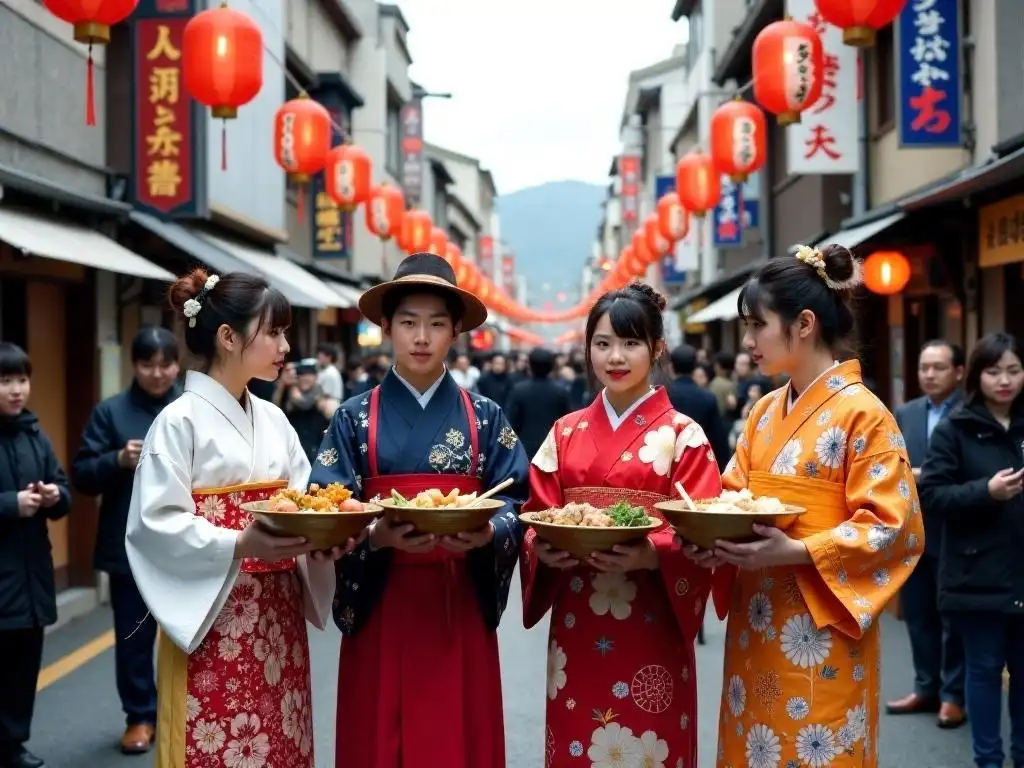
Welcome to Feudal Japan History, where we invite you to embark on an enthralling journey through the captivating world of Japan's feudal era. In our latest article, “The Role of Food in Japanese Festivals: Culinary Delights You Can't Miss,” we delve into the rich tapestry of Japanese festival food traditions—a delicious exploration that unravels the profound connection between culture, celebration, and cuisine.
As you uncover the vibrant flavors and unique dishes that have graced festivals throughout history, prepare to be inspired to taste the past and explore the culinary heritage that awaits. Dive in and let your curiosity lead the way!
Introduction to Japanese Festival Food Traditions
Food holds a significant place in the cultural tapestry of Japan, particularly during festivals that celebrate the rich history, spirituality, and communal ties of the nation. Known as matsuri, these festivals are not only vibrant displays of traditional performances and colorful parades but also showcase a plethora of culinary delights that reflect regional flavors and seasonal ingredients. From savory street snacks to elaborate ceremonial dishes, Japanese festival food traditions are a feast for the senses, providing an opportunity to experience the country’s heritage through its cuisine.
The unique aspect of Japanese festival food lies in its deep-rooted connections to Shinto and Buddhist practices, where offerings to deities are often intertwined with the dishes served during celebrations. These culinary practices have evolved over centuries, influenced by local customs, agricultural cycles, and the evolving palate of the Japanese people. As you delve into the world of Japanese festival food, you will uncover not only the flavors and textures that define these dishes but also the stories and traditions that make them an essential part of the festival experience.
In this article, we will explore the various aspects of Japanese festival food traditions, highlighting the most popular dishes that you simply can't miss. We will also discuss the significance of these foods within the context of cultural festivals and events, revealing how they contribute to the overall festive atmosphere. So, whether you're planning a trip to Japan or simply wish to learn more about its culinary heritage, prepare to embark on a delicious journey through the vibrant world of Japanese festival food! 🍣🎉
Key Japanese Festivals Celebrating Culinary Delights
1. Matsuri: The Heart of Japanese Festivals
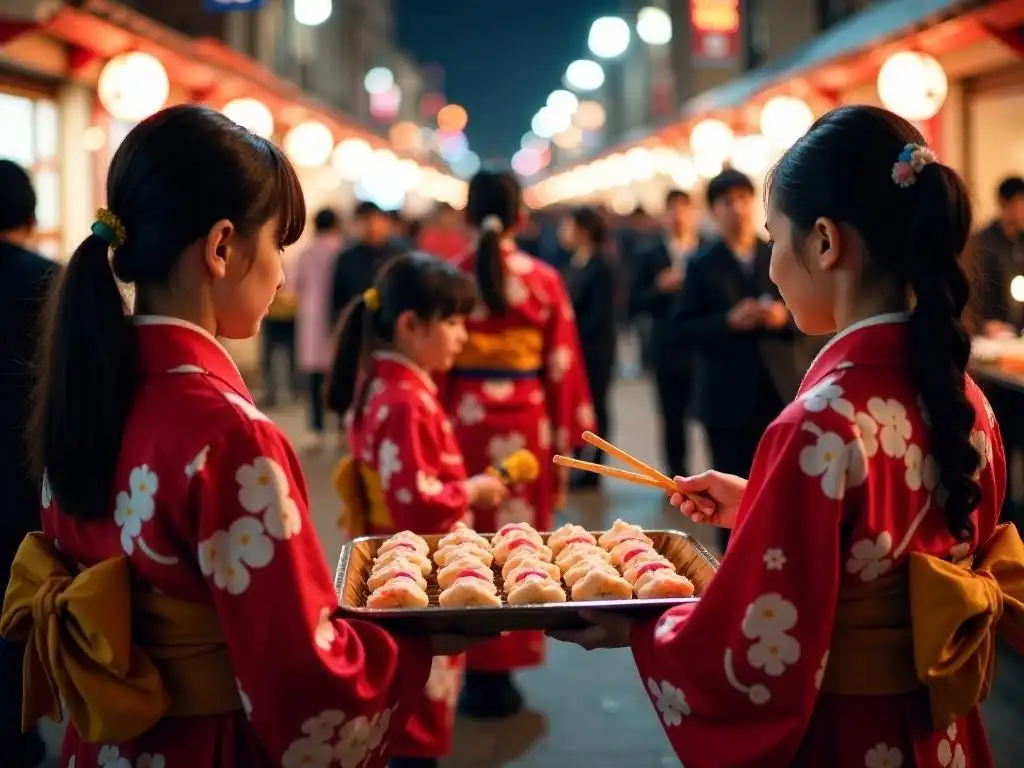
Matsuri, or Japanese festivals, are a vibrant expression of cultural heritage, often featuring elaborate rituals, parades, and music. These events typically celebrate local deities, harvests, and seasonal changes, and they are an integral part of the community's identity. Among the many aspects of Matsuri, food plays a central role, offering a glimpse into regional culinary traditions.
The food stalls, known as yatai, line the streets during these festivals, showcasing a variety of dishes that are both delicious and visually appealing. Some of the most popular Matsuri foods include:
- Takoyaki: A ball-shaped snack made with a batter filled with diced octopus, tempura scraps, and green onions, often garnished with bonito flakes and takoyaki sauce.
- Yakitori: Grilled chicken skewers seasoned with salt or coated in a savory sauce, making it a must-try street food.
- Kakigori: Shaved ice flavored with syrups, fruits, or condensed milk, perfect for cooling down during the summer festivals.
These culinary delights not only provide sustenance but also foster a sense of community as families and friends gather to enjoy the festive atmosphere.
2. Hanami: Cherry Blossom Viewing and Seasonal Delicacies
Hanami, the tradition of cherry blossom viewing, is another significant cultural event in Japan, celebrated primarily in spring when the cherry trees bloom. This event is not just about appreciating the beauty of the blossoms; it also involves indulging in seasonal foods that enhance the experience.
During Hanami, people gather in parks for picnics, bringing along bento boxes filled with:
- Sakura mochi: Rice cakes wrapped in cherry leaves, offering a subtle sweetness and a fragrant aroma.
- Onigiri: Rice balls, often shaped and filled with ingredients like salted salmon or pickled plums, are easy to prepare and carry.
- Seasonal fruits: Strawberries and other spring fruits are commonly enjoyed, celebrating the freshness of the season.
The combination of nature’s beauty and delicious food creates a memorable experience, reinforcing the connection between food, culture, and the changing seasons.
3. Obon: A Festival of Remembrance and Culinary Offerings
Obon is a Buddhist festival dedicated to honoring deceased ancestors, typically observed in mid-August. This event is characterized by various customs, including the preparation of special foods that are offered to the spirits of the departed.
The culinary offerings during Obon are deeply symbolic and often include:
- Soba noodles: Served to symbolize long life and prosperity, these noodles are commonly included in the Obon feast.
- Mizukagami: A sweet rice cake shaped like a mirror, representing the reflection of the deceased's spirit.
- Seasonal vegetables: Such as eggplant and cucumbers, which are often carved into shapes resembling horses and cows, are offered to guide spirits to and from the world of the living.
These food traditions not only pay homage to ancestors but also serve as a reminder of the importance of family and community ties, highlighting the role of food in cultural remembrance.
Through these festivals, the rich tapestry of Japanese festival food traditions comes to life, showcasing the deep-rooted connection between culinary practices and cultural identity.
Exploring Regional Variations in Japanese Festival Food
1. Hokkaido’s Unique Festival Flavors
Hokkaido, Japan's northernmost island, is renowned for its rich natural resources and distinct culinary traditions. The region's harsh winters and lush summers contribute to a unique palette of flavors that are celebrated during various festivals. One of the most iconic events is the Sapporo Snow Festival, held annually in February, where food plays a crucial role alongside the stunning ice sculptures.
Key Dishes:
- Miso Ramen: Often enjoyed at festival stalls, this hearty noodle soup features a rich miso-based broth, making it perfect for the cold weather.
- Grilled Seafood: Hokkaido is famous for its fresh seafood, including ikura (salmon roe) and crab, which are grilled and served on skewers.
- Zangi: Hokkaido's version of fried chicken, often seasoned with local spices, is a festival favorite, offering a crispy and savory taste that attracts many festival-goers.
The combination of local ingredients and traditional cooking methods enhances the festival experience, allowing visitors to savor the unique flavors of Hokkaido.
2. Kansai’s Flavorful Festival Cuisine
Kansai, encompassing cities like Osaka and Kyoto, is often referred to as the culinary heart of Japan. The region's festivals are vibrant celebrations of food and culture, showcasing an array of savory and sweet delicacies that reflect its historical significance.
Notable Festivals:
- Gion Matsuri: This month-long festival in Kyoto features yudofu (boiled tofu) and yakitori (grilled chicken skewers), emphasizing the region’s emphasis on fresh, seasonal ingredients.
- Tenjin Matsuri: In Osaka, this festival highlights takoyaki (octopus balls) and okonomiyaki (savory pancakes), both of which are must-try dishes for visitors.
Signature Ingredients:
- Katsuobushi: Dried, fermented, and smoked skipjack tuna flakes, which are essential for many Kansai dishes, adding depth and umami to festival foods.
- Yuzu: The citrus fruit is frequently used to enhance flavors in both savory and sweet dishes, embodying the zest of Kansai’s culinary culture.
Kansai's festival cuisine is not only about taste but also about the art of presentation, reflecting the region's rich cultural heritage.
3. Kyushu’s Spicy Festival Foods
Kyushu, located at the southern end of Japan, is known for its bold flavors and diverse culinary offerings. The region's festivals often feature spicy dishes that highlight local ingredients and vibrant culinary traditions.
Essential Festival Events:
- Kumamoto Sumo Festival: This event features karashi renkon (lotus root with spicy mustard), a local delicacy that exemplifies Kyushu's love for zest and heat.
- Nagasaki Kunchi: Celebrating the city's unique blend of Japanese and foreign influences, this festival offers dishes such as chanpon (a rich noodle soup) and shippoku ryori (a traditional multi-course meal).
Key Characteristics of Kyushu Cuisine:
- Chili Peppers: Used extensively in various dishes, they add a fiery kick that distinguishes Kyushu's food culture from others.
- Local Brews: Festivals often feature shochu, a distilled spirit that complements the spicy flavors of the region's cuisine.
The bold taste profiles found in Kyushu’s festival foods provide a delightful contrast to the milder flavors of other Japanese regions, making it a unique culinary experience.
Signature Dishes You Can't Miss at Japanese Festivals
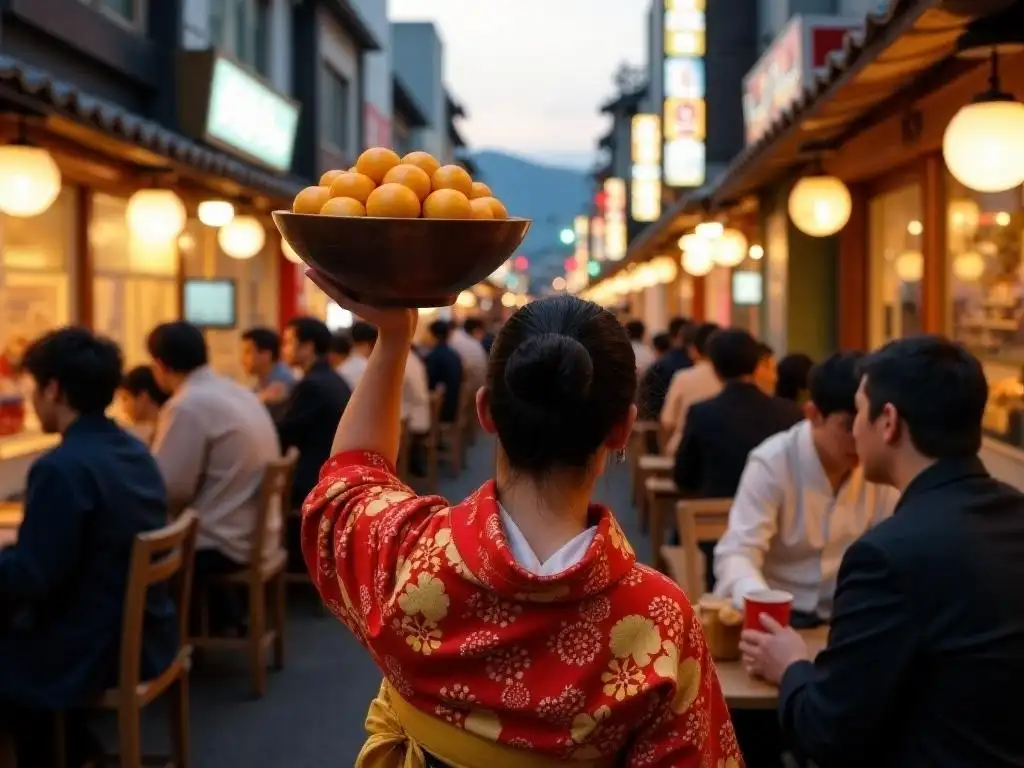
Japanese festival food traditions are a vibrant part of the cultural tapestry woven throughout Japan's many celebrations. Each dish not only tantalizes the taste buds but also embodies the spirit and history of the festival itself. Here are some signature dishes that you absolutely cannot miss when attending a Japanese festival.
1. Yakitori: The Iconic Grilled Chicken Skewers
Yakitori, which translates to "grilled chicken," is a beloved dish found at numerous Japanese festivals. These skewers are typically made from bite-sized pieces of chicken, which can include various parts of the bird such as thighs, breasts, and even offal.
- Cooking Method: Traditionally, yakitori is grilled over charcoal, imparting a smoky flavor that enhances the natural taste of the chicken. Vendors often brush the skewers with a savory tare sauce made from soy sauce, mirin, and sugar, or simply season them with salt.
- Cultural Significance: Yakitori has its roots in Japan's Edo period (1603-1868), where it was popularized as a street food. Today, it remains a staple at festivals, symbolizing the communal atmosphere where people gather to enjoy food and conversation.
- Variations: Some popular variations include:
- Negima: Chicken and green onion skewers.
- Tsukune: Chicken meatballs often served with a dipping sauce.
- Momo: Skewers made from chicken thigh meat.
2. Takoyaki: A Flavorful Street Food Delight
Takoyaki is a spherical snack made from a batter that is filled with diced octopus, tempura scraps, pickled ginger, and green onions. Originating from Osaka, these crispy-on-the-outside and tender-on-the-inside balls have become a festival favorite across Japan.
- Cooking Process: Takoyaki is prepared in a special molded pan, where the batter is poured in, and the fillings are added. Once cooked, they are flipped with a skewer to achieve their iconic round shape.
- Toppings and Serving: Upon being served, takoyaki is usually topped with:
- Takoyaki sauce: A thick, savory sauce similar to Worcestershire sauce.
- Aonori: Dried green seaweed flakes.
- Katsuobushi: Shaved bonito flakes that dance with the heat of the freshly made takoyaki.
- Festival Experience: The sight of vendors skillfully turning takoyaki balls in their pans is a hallmark of festival atmosphere, drawing crowds eager to taste these delicious bites.
3. Dango: Sweet Rice Dumplings for Every Celebration
Dango are chewy rice dumplings made from glutinous rice flour and water, shaped into small balls and often served on a skewer. These delightful treats are traditionally enjoyed during various festivals and seasonal celebrations, making them a significant part of Japanese festival food traditions.
- Types of Dango: There are several varieties, including:
- Hanami Dango: Typically served during cherry blossom viewing (hanami), these come in three colors—pink, white, and green—representing the beauty of spring.
- Goma Dango: Coated with sesame paste, offering a nutty flavor.
- Mitama Dango: Often enjoyed during Obon, a festival honoring ancestors.
- Cultural Importance: Dango is not only a delicious treat but also has deep cultural significance, often associated with various seasonal festivals. Its presence at events symbolizes nourishment and the sharing of joy among people.
- Serving Suggestions: Dango can be enjoyed plain, with sweet soy sauce glaze (kushi dango), or filled with sweet red bean paste for added flavor.
Japanese festival food traditions are a celebration of flavors, textures, and cultural significance. Each of these signature dishes—yakitori, takoyaki, and dango—offers a unique taste of Japan's culinary heritage, making them essential experiences at any festival. Whether you are a local or a traveler, indulging in these delights will surely enhance your understanding and appreciation of Japanese culture.
The Influence of Seasonal Ingredients on Festival Foods
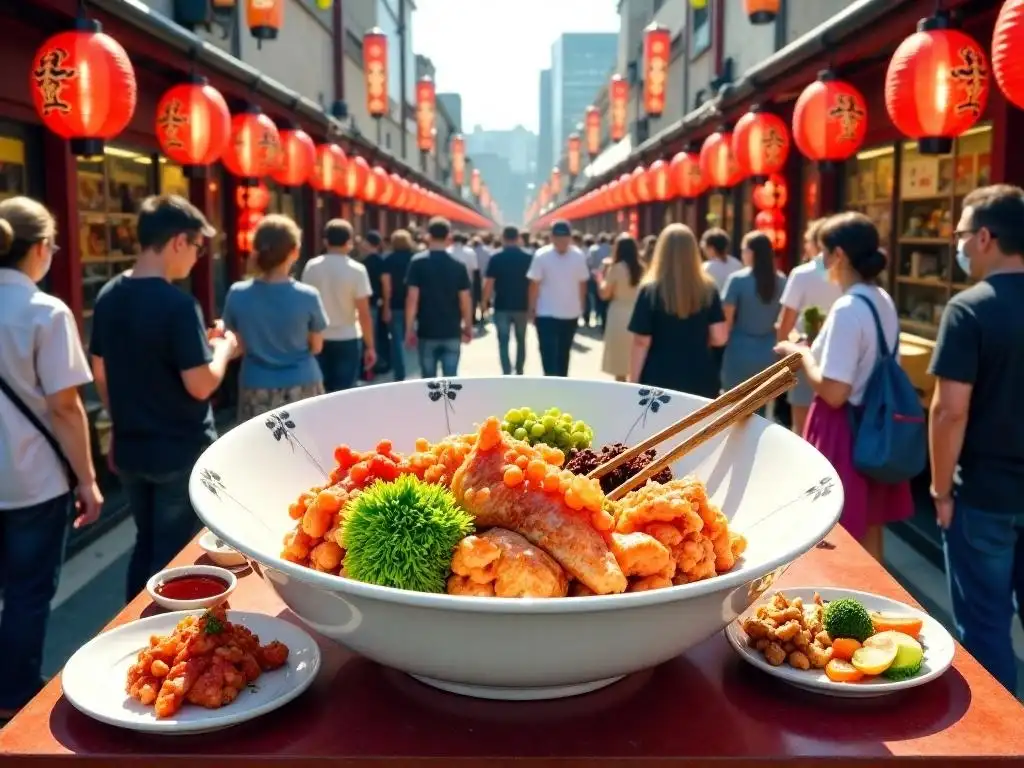
Japanese festival food traditions are deeply intertwined with the changing seasons, reflecting the rich agricultural heritage of Japan. Each season brings a unique array of ingredients that not only enhance the flavors of festival dishes but also symbolize the beauty and bounty of nature. This connection between food and season is celebrated across various festivals, with local customs and practices influencing the culinary offerings.
The use of seasonal ingredients in festival foods illustrates the importance of freshness and locality in Japanese cuisine. Festivals such as Hanami in spring, Tanabata in summer, and Tsukimi in autumn showcase this relationship beautifully. Let's explore how each season contributes to the vibrant tapestry of festival foods.
1. Spring Festivals and Fresh Produce
Spring in Japan heralds a time of renewal and celebration, marked by festivals like Hanami, where people gather to admire cherry blossoms. The culinary highlights of spring festivals prominently feature fresh produce, which is often harvested just in time for these joyous occasions.
- Sakura Mochi: A traditional sweet made of glutinous rice and filled with red bean paste, wrapped in a cherry blossom leaf. This delicacy embodies the spirit of spring and is a must-try during Hanami.
- Shiso Leaves: Often used in salads and as a garnish, these aromatic leaves add a refreshing flavor to various dishes, symbolizing the freshness of the season.
- Spring Vegetables: Seasonal vegetables like asparagus, bamboo shoots (takenoko), and fuki (butterbur) are commonly featured in festival dishes, emphasizing the importance of utilizing fresh, local ingredients.
These fresh ingredients not only enhance the flavors of the dishes but also serve as a reminder of the season's beauty and transience.
2. Summer Festivals and Refreshing Treats
As the heat of summer sets in, Japanese festivals bring forth a variety of refreshing treats designed to cool the body and celebrate the season. Festivals such as Gion Matsuri and Tanabata are famous for their vibrant atmosphere and delectable foods.
- Yaki Tomorokoshi: Grilled corn on the cob, often enjoyed during summer festivals. The sweet, smoky flavor makes it a popular choice among festival-goers.
- Kakigori: A delightful shaved ice dessert topped with flavored syrups, fruits, and condensed milk. This refreshing treat is a staple during hot summer festivals, providing a perfect way to beat the heat.
- Somen Noodles: Thin wheat noodles served cold, often enjoyed with a dipping sauce. Somen is a popular dish during summer festivals, symbolizing a wish for good health.
The emphasis on light and cooling foods during summer festivals not only caters to the warm weather but also reflects Japanese aesthetics, where simplicity and beauty are paramount.
3. Autumn Festivals and Hearty Dishes
Autumn in Japan is a time of harvest, and festivals like Tsukimi (moon viewing) celebrate the abundance of the season. This season’s festival foods are hearty, often incorporating the rich flavors of harvested grains and vegetables.
- Oden: A comforting one-pot dish featuring various ingredients, including radish, tofu, and fish cakes. Oden is particularly popular during autumn festivals, as it warms the body and soul.
- Matsutake Rice: The prized matsutake mushroom is a seasonal delicacy that elevates rice dishes during autumn. Its earthy flavor and aroma make it a sought-after ingredient in festival cooking.
- Sweet Potatoes: Roasted sweet potatoes (yaki imo) are a common snack at autumn festivals, representing the season’s harvest. Their natural sweetness and earthy flavor resonate with the autumn theme.
Autumn festival foods are hearty and filling, reflecting the culmination of the year’s agricultural efforts and the gratitude for the harvest.
The influence of seasonal ingredients on Japanese festival food traditions highlights the importance of nature in culinary practices. By embracing the flavors of each season, festivals not only celebrate cultural heritage but also foster a deeper connection between people and the environment.
4. Winter Festivals and Comfort Foods
Winter in Japan is a time for warmth, both in the atmosphere and in the culinary traditions that accompany various festivals. As the temperature drops, so too does the diversity of seasonal ingredients, which significantly influences the foods served during winter festivals. The delightful combination of rich flavors and hearty dishes not only keeps festival-goers warm but also creates a sense of comfort and community.
One of the most iconic winter festivals is the Sapporo Snow Festival, held in Hokkaido. During this event, visitors can indulge in a variety of local delicacies that highlight seasonal ingredients. Miso ramen, a hearty noodle soup, is particularly popular during the festival, featuring a rich broth made from fermented soybean paste, often accompanied by toppings such as sliced pork, green onions, and corn. This dish exemplifies how winter festivals in Japan embrace comfort foods that are warming and satisfying.
Another significant winter celebration is the Oni Matsuri (Demon Festival) held in various regions, where traditional comfort foods are served to ward off evil spirits. Common dishes during this festival include nabe, a type of hot pot that brings together an assortment of seasonal ingredients such as winter vegetables, tofu, and fish or meat. The communal nature of nabe makes it a perfect dish for gatherings, fostering a sense of togetherness among festival participants.
In addition to savory dishes, sweet treats also play a vital role in winter festivals. One classic dessert is daifuku, a glutinous rice cake filled with sweet red bean paste or other fillings. During the winter months, variations may include yaki daifuku, which are grilled and often served warm, making them a cozy snack for festival-goers.
The use of seasonal ingredients extends to beverages as well. Amazake, a sweet, low-alcohol rice drink, is often enjoyed during winter festivals. Traditionally made from fermented rice, this warming drink is not only delicious but also packed with nutrients, making it a popular choice to combat the chill of winter.
Overall, winter festivals in Japan showcase a rich tapestry of food traditions that highlight seasonal ingredients, offering a delightful culinary experience that enhances the festive atmosphere. As participants gather to enjoy these comforting dishes, they not only celebrate the season but also create lasting memories through the shared joy of food.
Culinary Experiences: Attending Festivals for Authentic Tastes
Experiencing Japanese festivals is not just about enjoying the vibrant atmosphere; it also offers a unique opportunity to indulge in authentic Japanese festival food traditions. From traditional dishes to modern street food, each festival showcases a rich tapestry of flavors that reflect the local culture and history. Here, we delve into the essential aspects of planning your festival trip and how culinary tours can enhance your experience.
1. Planning Your Trip: Top Festivals to Experience
When planning your trip to Japan, it's crucial to consider the timing and location of festivals that highlight culinary delights. Here are some of the top festivals known for their food offerings:
-
Gion Matsuri (Kyoto)
Held throughout July, this iconic festival features a parade of floats and a variety of food stalls. Must-try foods include:
- Yudofu (tofu hot pot)
- Kyo-kaiseki (traditional multi-course meal)
-
Tanabata Matsuri (Sendai)
Celebrated in early August, this festival is famous for its stunning decorations and local specialties such as:
- Soba (buckwheat noodles)
- Sendai Gyutan (grilled beef tongue)
-
Kanto Matsuri (Akita)
Taking place in August, this festival showcases impressive lantern displays alongside delicious offerings like:
- Ikayaki (grilled squid)
- Kiritanpo (grilled rice on a stick)
-
Sapporo Snow Festival
Every February, this festival not only features incredible snow sculptures but also an array of winter foods, such as:
- Ramen (noodle soup)
- Jingisukan (grilled mutton)
Tips for Attending Festivals:
- Timing: Research the festival dates to ensure your visit coincides with the culinary events.
- Local Specialties: Each festival offers unique local dishes; try to sample them for a complete experience.
- Crowds: Festivals can attract large crowds, so plan your visit during off-peak hours if possible.
2. Culinary Tours: Discovering Japanese Food Traditions
Joining a culinary tour during your festival visit can greatly enrich your understanding of Japanese festival food traditions. These tours often provide guided experiences that delve into the cultural significance of the dishes you sample. Here are some benefits and highlights of culinary tours:
- Expert Guidance: Local chefs and food historians lead tours, offering insights into the history and preparation of traditional dishes.
- Hands-On Experience: Many tours include cooking classes where participants can learn to prepare festival foods such as:
- Dango (rice dumplings)
- Taiyaki (fish-shaped cake)
- Behind-the-Scenes Access: Tours often allow participants to visit food markets, local farms, and even behind-the-scenes kitchens of festival stalls, providing a deeper appreciation for the culinary arts.
- Tasting Menus: Some culinary tours feature tasting menus at renowned restaurants or food stalls, allowing you to sample a variety of dishes in one go.
Example Culinary Tour Itineraries:
| Tour Name | Location | Highlights |
|---|---|---|
| Kyoto Food & Culture Tour | Kyoto | Kaiseki dinner, street food tasting |
| Sapporo Winter Delights | Sapporo | Ramen sampling, local markets |
| Sendai Culinary Adventure | Sendai | Gyutan tasting, market visits |
Embarking on a culinary tour during a festival not only satisfies your palate but also creates lasting memories of Japan’s vibrant food culture. By immersing yourself in these experiences, you gain a deeper understanding of the significance of food in Japanese festivals, enhancing your travel experience in ways that go beyond mere sightseeing.
Frequently Asked Questions
What are some traditional Japanese festival foods?
Traditional Japanese festival foods often include yakitori (grilled chicken skewers), takoyaki (octopus balls), and dango (rice dumplings), which are enjoyed during various matsuri (festivals).
How do Japanese food traditions vary by region?
Japanese food traditions can vary significantly by region, reflecting local ingredients and cultural influences. For example, Hokkaido is known for its seafood, while Kyoto is famous for its refined kyo-ryori (Kyoto cuisine).
Why are food and festivals important in Japanese culture?
Food and festivals play a crucial role in Japanese culture as they strengthen community bonds, celebrate seasonal changes, and preserve historical traditions and stories that connect people to their heritage.
What role does presentation play in Japanese festival food?
Presentation is paramount in Japanese festival food, as it reflects the aesthetic principles of beauty and harmony. Dishes are often arranged in visually appealing ways, emphasizing colors, shapes, and textures.
How can someone experience Japanese festival food traditions today?
To experience Japanese festival food traditions, one can attend local matsuri or visit food stalls at festivals throughout Japan, where they can sample a variety of regional specialties and enjoy the festive atmosphere.
Final Reflection: The Enduring Legacy of Japanese Festival Food Traditions
The exploration of Japanese festival food traditions reveals not only the rich culinary heritage of Japan but also its profound cultural significance in today's society. As we navigate a world increasingly influenced by globalization, these food traditions serve as a reminder of the importance of preserving cultural identities. The vibrant flavors and communal experiences associated with festival foods are not just a feast for the palate; they are a celebration of community, history, and shared joy that resonate deeply in our contemporary lives.
The impact of these culinary customs extends far beyond the festival grounds, shaping our social interactions and cultural appreciation. They invite us to gather, share stories, and create memories, reinforcing bonds within families and communities. As we savor the tastes of yakitori, takoyaki, and mochi, we are also partaking in a living history that connects us to generations past. Food is our common ground, a universal experience.
This quote encapsulates the essence of how food transcends boundaries, fostering understanding and appreciation across diverse cultures.
As you reflect on the significance of Japanese festival food traditions, consider how you can incorporate these culinary delights into your own life. Whether through cooking a traditional dish, attending a local festival, or simply sharing a meal with loved ones, let these experiences inspire you to celebrate your own cultural heritage and embrace the richness of others. In doing so, you not only honor the past but also contribute to a future where culinary traditions continue to thrive and unite us all.
Savor the Spirit of Japanese Festivals!
Thank you for diving into the delicious world of Japanese festival cuisine with us! We hope you’ve uncovered the vibrant flavors and rich traditions that make these celebrations truly special. Now, let's turn your newfound knowledge into action and experience the joy of these culinary delights.
- Plan a visit to a local Japanese festival: Check community calendars for upcoming events. This is your chance to enjoy authentic dishes while immersing yourself in the culture!
- Try cooking a festival-inspired dish: Gather ingredients and recreate your favorite festival foods at home. Share your culinary creations on social media and inspire others!
- Join online communities or forums: Connect with fellow food enthusiasts to share recipes, tips, and experiences, enriching your understanding of Japanese culinary traditions.
What festival dish are you most excited to try, and how do you plan to celebrate the flavors of Japanese culture this season?