
Purification Rites in Shinto: The Importance of Cleanliness in Spirituality

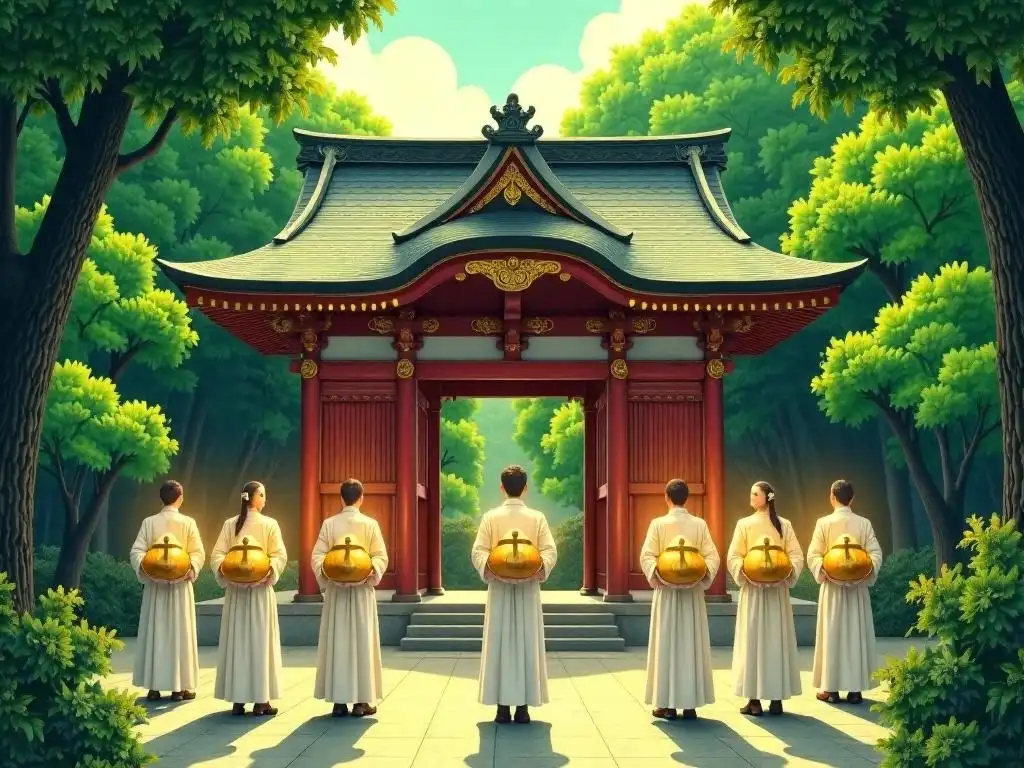
Welcome to Feudal Japan History, your gateway to the rich tapestry of Japan’s feudal era. Here, we delve into the intricate historical, cultural, and societal aspects that shaped this fascinating period. Today, we invite you to explore the profound significance of Shinto purification rituals in our featured article, “Purification Rites in Shinto: The Importance of Cleanliness in Spirituality.” Uncover the deep connections between spirituality and cleanliness that have permeated Japanese traditions for centuries, and discover how these rituals continue to resonate in modern times. Are you ready to embark on this enlightening journey?
Introduction to Shinto Purification Rituals
Shinto, the indigenous spirituality of Japan, is deeply rooted in the belief that purity and cleanliness are essential for maintaining a harmonious relationship with the divine. This article delves into Shinto purification rituals significance and explores how these practices reflect broader cultural values within Japanese society. From the historical origins of purification rites to their current manifestations, this comprehensive exploration aims to illuminate the vital role that cleanliness plays in Shinto spirituality. By understanding these rituals, readers will gain insight into the intricate connections between spiritual beliefs and everyday practices in Japan.
Overview of Shintoism and Its Core Beliefs
Shintoism, which translates to "the way of the gods," emphasizes the importance of kami (spiritual beings or gods) and the natural world. Core beliefs in Shinto include:
- Kami: These are the spirits that inhabit various elements of nature, such as trees, rivers, and mountains.
- Ritual Practices: Rituals are a means to communicate with kami and seek blessings or protection.
- Purity: Cleanliness is seen as a way to honor kami, and thus, purification rituals are fundamental.
Shinto does not have a formalized doctrine or sacred texts like many other religions; instead, it is characterized by a rich tapestry of practices and traditions that have evolved over centuries.
Definition of Purification in Shinto Context
In the Shinto context, purification is known as "harae" (祓い), which translates to the act of cleansing oneself from impurities or sins. This process is crucial before engaging in any religious activities or approaching kami. Purification can take various forms, including:
- Water Purification (Misogi): Ritual washing using natural water sources or specific vessels.
- Salt Purification (Shio): The use of salt to ward off impurities and evil spirits.
- Rice Purification: Offering rice to kami as a symbol of purity and sustenance.
These rituals serve not only as physical cleansing but also as a means of spiritual renewal, allowing individuals to align themselves with the divine.
The Significance of Cleanliness in Shinto Spirituality
Historical Context of Cleanliness in Japanese Culture
Cleanliness has long been a cornerstone of Japanese culture, transcending Shinto practices to influence various aspects of daily life, such as:
- Ceremonial Practices: Traditional tea ceremonies emphasize cleanliness and attention to detail.
- Living Spaces: Homes are often kept immaculate, reflecting the belief that cleanliness invites positive energies and spirits.
Historically, cleanliness was associated with moral character and societal status, making it a vital aspect of Japanese identity. The emphasis on purity can be traced back to ancient times, where rituals involved the cleansing of both body and spirit as a means to ensure prosperity and safety.
Cleanliness as a Spiritual Principle in Shinto
In Shinto, cleanliness is not merely a physical state but a profound spiritual principle. The importance of maintaining purity manifests in various ways:
- Spiritual Readiness: Engaging in purification rites prepares individuals to approach kami with a clear heart and mind.
- Community and Tradition: Cleanliness rituals foster a sense of community, as they are often performed collectively during festivals and ceremonies.
- Symbolism of Nature: The natural world, viewed as inherently pure, plays a significant role in Shinto practices, reinforcing the belief that human beings must strive for harmony with their surroundings.
Through these lenses, the significance of Shinto purification rituals extends beyond mere practices; they represent a holistic approach to spirituality that intertwines the physical and the metaphysical, reflecting the sanctity of cleanliness in every aspect of life.
Types of Shinto Purification Rituals
Shinto purification rituals are fundamental to the practice of this ancient Japanese religion, serving to cleanse the body and spirit from impurities. These rituals not only reflect the importance of cleanliness but also symbolize the connection between the material and spiritual worlds. The two primary types of purification rituals in Shinto are Misogi and Harae, each with its distinct methods and significance.
Misogi: The Water Purification Ceremony
Misogi is a purification ritual that emphasizes the use of water as a means of spiritual cleansing. Traditionally, this ceremony involves immersing oneself in a natural body of water, such as a river or sea, or performing ablutions at a designated purification site. The act of washing away physical impurities is believed to correspond with the removal of spiritual contaminants, allowing individuals to renew their connection with the divine.
The practice of Misogi often includes:
- Preparation: Participants may start by preparing mentally and physically, often through meditation or prayer, to focus on the purification process.
- The Ritual Process: The individual will enter the water, sometimes while reciting prayers or mantras, to enhance the spiritual cleansing experience.
- Post-Purification: After emerging from the water, participants may engage in further rituals, such as offerings to the kami (spirits or deities) or celebrating the renewed state of purity.
Misogi is deeply rooted in Shinto beliefs and often performed before significant events, such as festivals or personal milestones, to ensure that the participants are spiritually prepared.
Harae: The Ritual of Purification
Harae, another essential Shinto purification ritual, is more formalized and often performed by priests or shrine attendants. This ritual aims to purify individuals, objects, or spaces, making them suitable for worship or other sacred activities. Harae is conducted using various mediums, including salt, rice, and sake, which are believed to possess purifying properties.
Key components of Harae include:
- Chanting and Prayers: The ritual typically begins with the priest chanting specific prayers to invoke purification and protection from impurities.
- Use of Ritual Objects: Objects such as a haraegushi (purification wand) made of tree branches or paper are waved over the person or object to transfer purity.
- Offering and Gratitude: After the ritual, offerings are made to the kami as a sign of respect and gratitude, reinforcing the connection between the physical and spiritual realms.
Harae can be performed on various occasions, from personal rites of passage to large community festivals, emphasizing its role in maintaining spiritual harmony within Shinto practice.
The Role of Purification in Daily Life and Festivals
Purification in Shinto extends beyond formal rituals, permeating everyday life and community festivals. The emphasis on cleanliness is not merely a spiritual necessity but also a cultural value that shapes the practices of individuals and communities throughout Japan.
Everyday Practices of Cleanliness in Shinto
In daily life, Shinto practitioners incorporate purification into their routines, reflecting the belief that cleanliness affects both the physical and spiritual well-being. Common practices include:
- Regular Ablutions: Practicing handwashing and rinsing the mouth before entering shrines, known as temizu or chōzu, is a customary way to purify oneself before approaching the kami.
- Household Purification: Many households engage in regular cleaning and decluttering, considering it a form of spiritual maintenance that promotes harmony and positivity in their living space.
- Mindful Living: Shinto philosophy encourages mindfulness in daily actions, with an emphasis on maintaining a pure heart and mind, which is reflected in the way practitioners interact with their environment and each other.
These everyday practices emphasize the importance of maintaining a pure state to foster spiritual growth and harmony within the community.
Seasonal Festivals and Their Purification Rites
Shinto festivals, or matsuri, often include elaborate purification rites that are integral to the celebrations. These rituals serve to cleanse the community and prepare participants for engaging with the kami. Some notable aspects include:
- Purification of Festivals: Prior to major festivals, rituals such as Misogi and Harae are performed to ensure that the event proceeds without spiritual hindrances.
- Community Involvement: Festivals often feature group activities centered around purification, fostering a sense of community and shared spirituality among participants.
- Symbolic Offerings: During festivals, offerings of rice, sake, and other symbolic items are presented to the kami, embodying the community's gratitude and desire for purification.
Through these seasonal celebrations, purification rites reinforce the connection between individuals, their communities, and the divine, highlighting the enduring significance of cleanliness in Shinto spirituality.
Psychological and Spiritual Benefits of Shinto Purification Rituals

Shinto purification rituals, known as harai or misogi, serve a significant role in enhancing both mental clarity and spiritual well-being. These rituals are deeply rooted in the belief that cleanliness and purity are essential for maintaining harmony with the divine. The psychological benefits derived from these practices extend beyond mere physical cleanliness; they foster a profound connection between the individual and the spiritual realm.
Engaging in purification rituals encourages mindfulness and self-reflection, allowing practitioners to release negative emotions and stress. This practice culminates in a heightened sense of awareness, promoting emotional resilience. When individuals participate in misogi, they often experience a sense of renewal, which can lead to improved mental health and overall well-being.
Moreover, these purification rites facilitate a deeper understanding of one’s self and surroundings. As practitioners cleanse themselves, they also symbolically cleanse their thoughts and intentions, paving the way for clarity and focus in their daily lives. This cyclical relationship between purification and mental clarity illustrates the holistic approach of Shinto practices, highlighting how spirituality and psychological health are interwoven.
Mental Clarity and Emotional Well-Being Through Purification
The act of purification in Shinto is not merely a ceremonial practice; it serves as a powerful tool for enhancing mental clarity and emotional stability. Through rituals such as the washing of hands ( temizu) or the immersion in water ( misogi), individuals consciously engage in a process of letting go of impurities that may cloud their judgment or emotions.
Studies have shown that engaging in rituals can reduce anxiety and promote a sense of calm. The repetitive and meditative nature of purification rituals allows practitioners to enter a state of mindfulness, effectively quieting the mind’s chatter. This clarity fosters better decision-making and emotional regulation, essential components of psychological well-being.
Furthermore, the social aspect of these rituals, often performed in community settings, strengthens interpersonal connections and support networks. The shared experience of purification can enhance feelings of belonging and community, contributing to overall emotional resilience.
Connection Between Purification and Spiritual Growth
Purification in Shinto is intricately linked to spiritual growth. By cleansing oneself, practitioners not only prepare themselves to engage with the kami (spirits) but also open themselves to personal transformation. The act of purifying one’s body and mind serves as a metaphorical shedding of old habits, beliefs, and emotional burdens, making space for new insights and spiritual revelations.
Many practitioners report experiencing profound moments of clarity and enlightenment following purification rituals. This transformative process encourages individuals to reflect on their life journey, leading to deeper self-awareness and a stronger connection to their spiritual path. As one becomes more attuned to their spiritual essence, they often find a renewed sense of purpose and direction in life.
Additionally, purification rituals create a sacred space for individuals to confront their inner challenges. This confrontational aspect of purification is essential for spiritual growth, as it requires honesty and vulnerability. Through this process, practitioners can transcend their limitations and cultivate a more profound connection with the divine.
Common Misconceptions About Shinto Purification
Despite the rich significance of purification rituals in Shinto, many misconceptions persist regarding their purpose and nature. Understanding these misconceptions is crucial for appreciating the true essence of harai and misogi.
Myths Surrounding Shinto Purification Practices
One prevalent myth is that Shinto purification rituals are merely superstitious acts or outdated traditions. In reality, these practices are deeply embedded in the cultural and spiritual fabric of Japan, serving as a bridge between the physical and spiritual worlds. They hold profound meaning and are continually adapted to fit contemporary life, reflecting the dynamic nature of Shintoism.
Another common misconception is that purification is solely about physical cleanliness. While the act of cleansing is a critical component, the underlying intention focuses on spiritual renewal and emotional release. Purification rituals are about fostering a harmonious relationship with oneself, others, and the kami, transcending mere hygiene.
Realities of Purification in Modern Shinto
In the modern context, Shinto purification rituals have evolved, yet they remain vital to spiritual practice. Many individuals incorporate these rituals into their daily lives, such as through simple acts of washing hands before meals or participating in seasonal festivals that emphasize purification.
The integration of purification into contemporary practices signifies its enduring relevance. Many practitioners find solace in these rituals amid the stresses of modern life, utilizing them as tools for grounding and reconnecting with their spiritual beliefs.
Furthermore, the emphasis on environmental consciousness in modern Shinto reflects a broader understanding of purification that encompasses not only personal cleanliness but also the health of the world around us. This holistic approach underscores the importance of respecting nature, as purity is seen as essential for both individual well-being and the harmony of the universe.
Through these insights, it becomes clear that Shinto purification rituals are rich in significance and relevance, serving as an essential aspect of spiritual life that transcends myths and misconceptions.
Conclusion: Embracing Cleanliness in Shinto and Daily Life
The significance of cleanliness and purification in Shinto extends far beyond mere physical hygiene; it embodies a profound spiritual philosophy that emphasizes the connection between the material and spiritual worlds. By embracing these purification rites, individuals cultivate a sense of clarity, both mentally and spiritually. This practice fosters a harmonious relationship with the kami (spirits) and enhances one's own spiritual well-being.
The rituals, such as misogi (purification by water) and harae (ritual purification), serve as reminders of the importance of maintaining purity in all aspects of life. Cleanliness thus becomes a holistic approach that intertwines spirituality with daily living, encouraging practitioners to reflect on their actions and intentions.
Reflection on the Importance of Purity in Spirituality
In Shinto, purity is perceived as an essential prerequisite for establishing a connection with the divine. This belief is reflected in various rituals and practices that highlight the necessity of being spiritually and physically clean before engaging with the kami. The act of purification is not solely about removing dirt or impurities; it is also about cleansing the mind and spirit from negative thoughts and influences.
This reflective process allows practitioners to approach their spiritual practices with sincerity and respect. By understanding and embracing the importance of purity, individuals can enhance their spiritual journeys and cultivate a more profound relationship with the sacred.
Encouragement for Exploring Shinto Purification Rituals
For those interested in deepening their understanding of Shinto, exploring purification rituals offers a gateway into the rich tapestry of Shinto practices and beliefs. Engaging with these rites can be a transformative experience, fostering personal growth and spiritual awareness. Whether through participating in local ceremonies or practicing purification techniques at home, individuals can discover the beauty and significance of these rituals. This active exploration not only enriches one's own spiritual practice but also contributes to a broader appreciation of Japan's cultural heritage.
Further Reading on Shinto and Its Practices
To gain a deeper insight into Shinto purification rituals and their significance, a variety of resources are available that cater to both novice learners and seasoned practitioners. Books, articles, and online platforms provide a wealth of information on the history, philosophy, and contemporary practices within Shinto. These resources can help readers understand the broader context of purification rites and their integral role in Shinto spirituality.
Recommended Books and Resources on Shinto Purification Rituals
- "Shinto: The Kami Way": by Sokyo Ono - A comprehensive introduction to Shinto beliefs and practices, including purification rituals.
- "The Essence of Shinto: Japan's Spiritual Heart": by Nobuo Ichikawa - Explores the spiritual significance of Shinto practices, emphasizing purity and cleanliness.
- "Shinto in History: Ways of the Kami": by John Breen and Mark Teeuwen - Provides historical context and analysis of Shinto practices, including purification rites.
- "Purification and Meditation in Shinto" - An online resource that discusses various purification methods and their significance in daily life.
Online Platforms and Communities for Shinto Enthusiasts
- Shinto Online: A community forum where practitioners and enthusiasts can share experiences, ask questions, and learn about Shinto purification rituals.
- Reddit - r/Shinto: A subreddit dedicated to the discussion of Shinto practices, beliefs, and community events.
- Facebook Groups: Various groups exist for Shinto practitioners, offering a space for discussion and sharing resources related to purification rituals and Shinto spirituality.
- YouTube Channels: Channels dedicated to Shinto practices often feature videos on purification rituals, providing a visual and instructional perspective for learners.
By utilizing these resources, readers can embark on their journey through Shinto practices, enhancing their understanding and appreciation of purification rituals and their significance in spiritual life.
- Introduction to Shinto Purification Rituals
- The Significance of Cleanliness in Shinto Spirituality
- Types of Shinto Purification Rituals
- The Role of Purification in Daily Life and Festivals
- Psychological and Spiritual Benefits of Shinto Purification Rituals
- Common Misconceptions About Shinto Purification
- Conclusion: Embracing Cleanliness in Shinto and Daily Life
- Further Reading on Shinto and Its Practices
Frequently Asked Questions
What are Shinto purification rituals?
Shinto purification rituals, known as “misogi” and “harae,” are practices aimed at cleansing individuals of spiritual impurities to foster a direct connection with the divine.
Why are cleanliness and purification significant in Shinto?
Cleanliness is a fundamental aspect of Shinto beliefs, symbolizing purity and respect for the Kami (spirits). The rituals emphasize the importance of maintaining spiritual cleanliness in everyday life.
How do purification rituals impact Japanese culture?
Purification rituals are deeply embedded in Japanese culture, influencing customs, festivals, and daily practices. They serve to instill a sense of order, harmony, and respect for nature.
What are the common methods used in Shinto purification?
Common methods include water purification (misogi), salt offerings, and ritual cleansing with specific prayers. Each method serves to remove impurities and restore spiritual balance.
Can anyone participate in Shinto purification rituals?
Yes, anyone can participate in Shinto purification rituals, regardless of their background. However, understanding the ritual's significance enhances the experience and connection to Shinto beliefs.
Final Reflection: The Enduring Significance of Purification in Shinto
The essence of cleanliness in Shinto purification rituals resonates deeply in today's world, reminding us that purity is not merely a physical state but a spiritual necessity. As we navigate through our daily lives, the chaos and distractions of modernity often cloud our minds and spirits. The practice of purification, as explored in this article, serves as a powerful reminder of the importance of maintaining clarity and intention in our spiritual journeys.
Cleanliness in Shinto is not just about the act of washing away impurities; it is a profound cultural and spiritual practice that shapes the way individuals and communities connect with the divine. The significance of these purification rituals extends beyond their traditional roots, influencing contemporary practices and beliefs.
As we see a resurgence of interest in mindfulness and spiritual well-being, the teachings of Shinto remind us that "purity is the foundation of all spiritual practice." > This quote encapsulates the essence of how these rituals continue to inspire individuals to seek a deeper connection with themselves and the world around them.
As we reflect on the importance of purification in our lives, I invite you to consider how you can incorporate these principles into your daily routine. Take a moment to cleanse not just your surroundings, but also your mind and spirit. Whether through meditation, nature walks, or simple acts of gratitude, embrace the transformative power of cleanliness in your spiritual practice. Let the lessons of Shinto purification rituals guide you toward a more intentional and harmonious existence, fostering a deeper connection with the sacred in every aspect of your life.
Embrace Purity: Transform Your Spiritual Journey Today!
Thank you for exploring the fascinating world of Shinto purification rites with us! We hope you've discovered the profound significance of cleanliness in spirituality and how it intertwines with Japanese culture. Now, it’s time to elevate your newfound knowledge!
Here are a few inspiring actions you can take right away:
- Start your own purification practice: Establish a ritual in your daily life that symbolizes cleanliness, whether it's spending a few moments in meditation, tidying your space, or enjoying a mindful shower.
- Explore local cultural events: Seek out Japanese festivals or events in your area that celebrate Shinto traditions. Engaging with your community can deepen your understanding and appreciation.
- Share your insights: Discuss what you learned today with friends or on social media. Initiate a conversation about the importance of spirituality and cleanliness in your life!
How will you incorporate the principles of purification into your everyday routine? We’d love to hear your thoughts!