
The Legacy of the Daimyo: How Their Domains Shaped Modern Japan

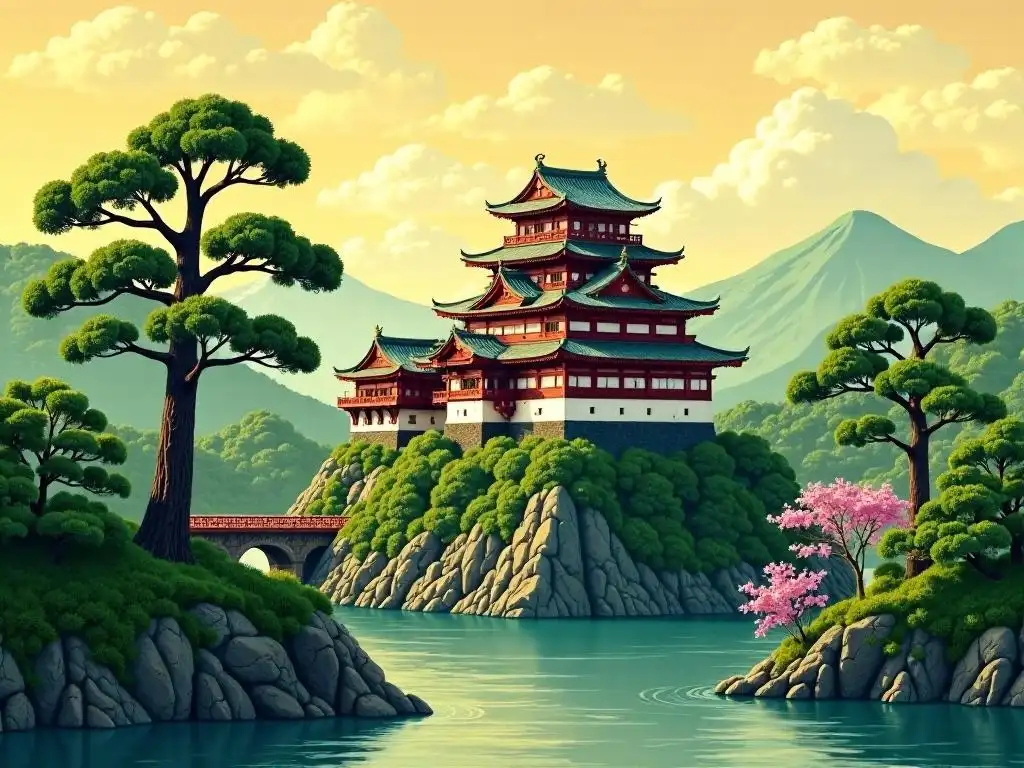
Welcome to Feudal Japan History, where we invite you to embark on an enthralling journey through the intricate tapestry of Japan’s feudal era. Here, we delve deep into the impact of daimyo on Japan, revealing how these powerful feudal lords not only wielded influence over their domains but also laid the foundations for modern Japanese society. What secrets lie within their legacies?
As you explore our expert-driven insights and captivating narratives, prepare to uncover the profound societal and cultural transformations that have shaped the nation we know today. Join us as we unravel the stories behind the daimyo and their enduring mark on history!
Introduction to the Daimyo and Their Impact on Japan
The daimyo, a pivotal figure in Japan's feudal era, played a crucial role in shaping the country’s historical trajectory and cultural landscape. These powerful feudal lords controlled vast domains and wielded significant influence over their territories, governing not only through military might but also through intricate social structures. Understanding the impact of daimyo on Japan allows us to grasp how their legacies, policies, and conflicts contributed to the formation of modern Japanese society. This exploration reveals the complexities of feudal governance and the cultural practices that emerged during this transformative period, ultimately influencing contemporary Japan in profound ways.
Definition of Daimyo in Feudal Japan
In feudal Japan, the term daimyo refers to the powerful feudal lords who held substantial land and authority. Derived from the Japanese words "dai" (great) and "myō" (name), daimyo were often samurai who governed their lands with military and administrative control. They were vassals to the shogun, the supreme military leader, but operated with considerable autonomy in their domains. Each daimyo managed their own retainers and had the power to levy taxes, maintain armies, and enforce laws, which made them key players in the political landscape of Japan.
Overview of the Feudal System in Japan
The feudal system in Japan, which developed around the 12th century, was characterized by a hierarchy of relationships between lords and vassals. At the top was the shogun, followed by the daimyo, who governed various regions known as han. Beneath the daimyo were the samurai, skilled warriors who pledged their loyalty to these lords in exchange for land and protection.
This system functioned on a mutual obligation of loyalty and service, fostering a society deeply entrenched in military culture and social stratification. The intricate power dynamics within this system resulted in both cooperation and conflict among different daimyo, shaping the political landscape of Japan.
Importance of Studying the Impact of Daimyo on Japan
Studying the impact of daimyo on Japan is essential for understanding the evolution of Japanese society and governance. Their influence can be seen in various aspects, including:
- Political Structure: The relationships between daimyo contributed to the development of regional governance and the eventual unification of Japan.
- Cultural Contributions: Daimyo were patrons of the arts, fostering cultural developments such as tea ceremonies, Noh theater, and architecture.
- Economic Development: Through agricultural reforms and trade practices, daimyo enhanced local economies, leading to increased prosperity in their regions.
By examining these facets, we gain insight into how the legacy of the daimyo continues to resonate in Japan today.
Historical Context of the Daimyo
The Emergence of Daimyo During the Kamakura Period
The emergence of daimyo can be traced back to the Kamakura Period (1185-1333), when the Kamakura shogunate established the first military government in Japan. This period saw the rise of local warlords who controlled land and resources, leading to the formation of the first daimyo. As the power of the central government waned, these lords became more autonomous, setting the stage for the feudal system that would dominate Japanese society for centuries.
The Role of Daimyo in the Muromachi Period
During the Muromachi Period (1336-1573), the role of daimyo evolved significantly. This era was marked by increased conflict among various factions, leading to the rise of powerful regional lords who sought to expand their territories. The daimyo not only engaged in warfare but also participated in trade and cultural exchanges, influencing the social fabric of Japan. Their interactions with the emerging merchant class contributed to the growth of urban centers and the development of a more interconnected economy.
Transition to the Edo Period: Consolidation of Power
The transition to the Edo Period (1603-1868) marked a significant consolidation of power among the daimyo. Following the unification of Japan under Tokugawa Ieyasu, the shogunate established a strict hierarchy that regulated the activities of daimyo. While they maintained control over their domains, the Tokugawa shogunate imposed restrictions to prevent rebellion and ensure loyalty. This period solidified the daimyo's influence on Japanese culture and governance, setting the foundation for a peaceful yet structured society that would last for over two centuries.
Political Influence of the Daimyo on Modern Japan
The daimyo, as powerful feudal lords during Japan's medieval era, played a crucial role in shaping the political landscape that would influence modern Japan. Their governance structures, local authority, and military power laid the groundwork for Japan's political evolution. Understanding their political influence helps illuminate the complexities of contemporary Japanese governance and its historical roots.
The Daimyo’s Role in Shaping Local Governance
The daimyo were pivotal in establishing local governance systems that persisted beyond the feudal period. Each daimyo ruled over extensive domains, implementing administrative frameworks that included tax collection, law enforcement, and public works. This localized governance allowed for a degree of autonomy, fostering a sense of regional identity and loyalty among the populace.
The legacy of daimyo governance is visible in Japan's modern prefectural system, where local governors hold significant authority similar to that of the daimyo. Moreover, the decentralized power structure introduced by the daimyo facilitated the development of regional economies, which continue to thrive and adapt in contemporary Japan.
The Impact of Daimyo Alliances on National Politics
Throughout their reign, the daimyo formed strategic alliances and coalitions that significantly influenced national politics. These alliances often determined the balance of power among the feudal lords, especially during tumultuous periods like the Sengoku period. The intricate web of relationships among daimyo could either lead to the consolidation of power or spark conflicts that shaped the course of Japanese history.
The eventual unification of Japan under leaders like Oda Nobunaga and Tokugawa Ieyasu was largely a product of these alliances. The political strategies developed during the feudal era paved the way for modern political practices, including coalition-building and negotiation tactics that remain relevant in contemporary Japanese politics.
Legacy of Daimyo in Japan’s Modern Political Structure
The political legacy of the daimyo is embedded in Japan's modern political structure, particularly through the Meiji Restoration, which sought to consolidate power and modernize the country. The centralization of authority during this period echoed the hierarchical systems established by the daimyo.
Furthermore, the influence of the daimyo's governance style can be observed in Japan's current bureaucracy, which emphasizes both local governance and centralized control. The importance placed on regional representation and local autonomy in modern Japan is a testament to the historical significance of the daimyo's political practices.
Cultural Contributions of the Daimyo
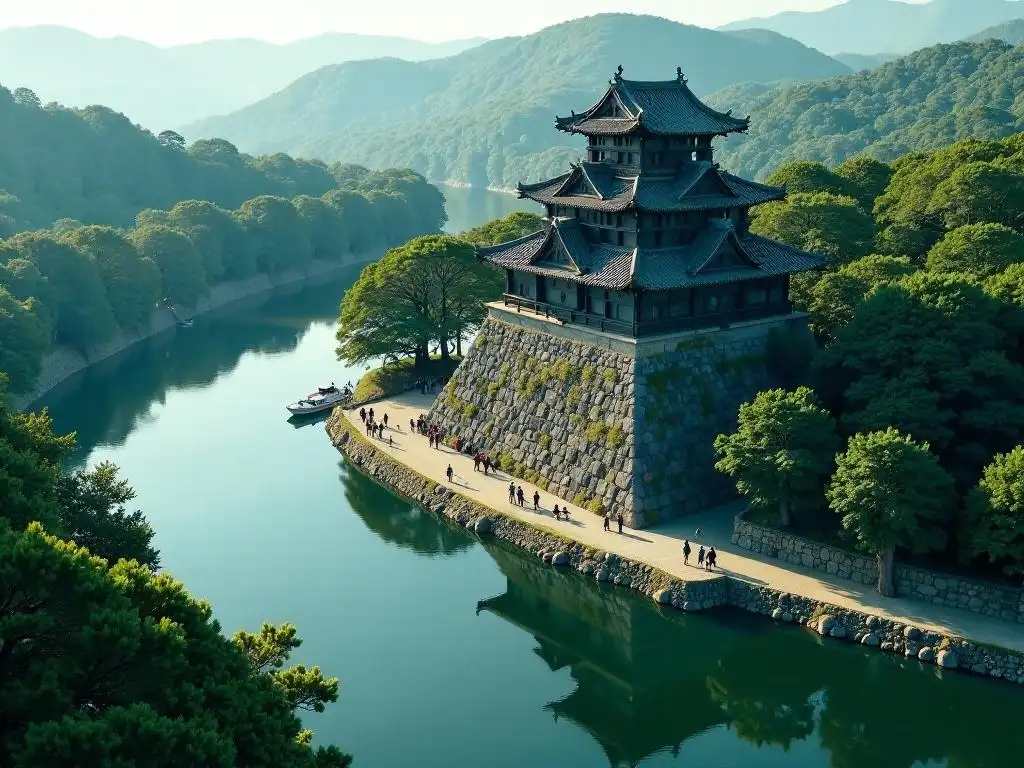
Beyond their political influence, the daimyo made substantial cultural contributions that resonate in modern Japanese society. Their patronage of the arts, literature, and religion has left an indelible mark on Japan's cultural heritage, shaping the nation’s identity.
Patronage of the Arts and Architecture
Daimyo were significant patrons of various art forms, including painting, ceramics, and traditional crafts. Their wealth and influence allowed them to commission works from renowned artists and craftsmen, fostering a rich cultural environment. This patronage led to the development of distinctive regional styles that are still celebrated today.
In architecture, the daimyo constructed impressive castles and temples that showcased their power and artistic sensibilities. These structures not only served as fortifications but also as cultural symbols. Many of these historical sites have been preserved, allowing contemporary visitors to appreciate the artistry and craftsmanship of the feudal era.
Influence on Japanese Literature and Philosophy
The daimyo's contributions to literature and philosophy were profound. They supported scholars and writers, promoting the exchange of ideas and the development of literary forms such as Noh theatre and haiku poetry. This patronage helped cultivate a vibrant intellectual culture during the Edo period.
Moreover, the philosophical schools that emerged during this time, including Confucianism and Zen Buddhism, found favor among the daimyo, influencing their governance and ethical frameworks. The values and philosophies nurtured by the daimyo continue to resonate in modern Japanese society, informing contemporary thought and cultural practices.
The Role of Daimyo in Promoting Religion and Spirituality
The daimyo played a vital role in promoting various religious practices that shaped Japan's spiritual landscape. Many daimyo supported Buddhist temples and Shinto shrines, integrating religious authority into their governance. This symbiotic relationship between religion and politics reinforced the social order and provided moral legitimacy to their rule.
The daimyo's support for religious institutions also facilitated the spread of spiritual practices among the populace, contributing to the cultural fabric of Japan. Today, the religious traditions fostered during the feudal era remain significant, with festivals, rituals, and customs reflecting the historical influence of the daimyo on Japanese spirituality.
Economic Impact of Daimyo Domains
The economic impact of daimyo domains on Japan during the feudal era was profound and multifaceted. As powerful feudal lords, daimyo controlled vast territories and resources, significantly shaping the economic landscape of Japan. Their influence extended beyond mere land ownership; they implemented agricultural, trade, and economic policies that laid the groundwork for modern Japanese economy.
Agricultural Innovations Introduced by the Daimyo
Daimyo were key players in the advancement of agricultural techniques during the feudal period. They were responsible for introducing several innovations that led to increased agricultural productivity.
- Irrigation Systems: Many daimyo invested in sophisticated irrigation systems to improve water management in their territories. This allowed for more efficient rice cultivation, which was the staple crop of Japan.
- Crop Diversification: They encouraged the cultivation of various crops, such as millet and barley, alongside rice. This diversification not only improved food security but also allowed for more sustainable farming practices.
- Soil Fertility: The introduction of new farming techniques and the promotion of composting methods enhanced soil fertility, resulting in higher yields.
These innovations not only boosted the economic output of the daimyo's domains but also contributed to the overall agricultural advancement of Japan, setting the stage for future developments.
Trade Practices Established by Daimyo-Controlled Regions
The daimyo played a significant role in establishing trade practices that would influence Japan's economic framework. Each domain often functioned as a mini-state with its own trade policies and practices.
- Local Markets: Daimyo encouraged the establishment of local markets where peasants could sell their surplus goods. This not only stimulated local economies but also fostered a culture of commerce.
- Inter-Domain Trade: The daimyo facilitated trade between different domains, allowing the exchange of regional specialties. This inter-domain trade helped create a more interconnected economy across Japan.
- Control of Resources: By controlling key resources such as timber, iron, and rice, daimyo could influence trade patterns and prices, creating wealth within their domains.
These trade practices laid the foundation for a more complex economic system, paving the way for the commercial growth that would characterize later periods in Japanese history.
Economic Policies and Their Long-Term Effects on Japan
The economic policies enacted by the daimyo had lasting effects on Japan's socio-economic structure.
- Taxation Systems: Daimyo established taxation systems that collected rice and other goods from peasants. This created a steady revenue stream that allowed for military funding and infrastructure development.
- Infrastructure Development: Many daimyo invested in infrastructure, such as roads and bridges, to facilitate trade and movement within their territories. These developments laid the groundwork for a more cohesive national economy.
- Feudal Debt: The reliance on peasant labor and the imposition of taxes created a cycle of debt among rural communities, leading to social unrest and influencing future socio-economic reforms.
These policies not only impacted the daimyo's immediate territories but also shaped the economic landscape of Japan, influencing modern practices in governance and commerce.
The daimyo significantly influenced the social structure of feudal Japan, establishing a rigid class hierarchy and shaping the societal roles that would persist for generations.
Class Hierarchy and the Role of Samurai
At the top of the social hierarchy were the daimyo themselves, followed by the samurai, who served as their military retainers.
- Samurai Class: The samurai were not only warriors but also administrators and landowners. Their loyalty to the daimyo was paramount, and they were granted land in exchange for military service.
- Bushido Code: The samurai adhered to the Bushido code, which emphasized loyalty, honor, and martial prowess. This code shaped their societal role and created a distinct identity within Japanese culture.
- Social Stratification: Below the samurai were peasants, artisans, and merchants, each with specific roles and duties. This stratification reinforced the power dynamics within feudal society and maintained the status quo.
The influence of the daimyo on the samurai class solidified their position as a pivotal force in both governance and military affairs, impacting Japan's historical trajectory.
Impact on Rural and Urban Communities
The presence and policies of daimyo significantly affected both rural and urban communities across their domains.
- Rural Life: In rural areas, peasants were often bound to the land and subjected to the whims of their daimyo. While some enjoyed relative stability, others faced harsh conditions due to taxation and labor demands.
- Urban Development: Daimyo cities became centers of trade and culture, attracting artisans and merchants. This urbanization led to the development of vibrant cultural hubs that contributed to Japan's rich history.
- Cultural Exchange: The movement of people and goods between rural and urban areas facilitated cultural exchanges, resulting in a blending of traditions and practices that enriched Japanese society.
The impact of the daimyo on these communities fostered a dynamic environment that contributed to the cultural and economic fabric of Japan.
Social Mobility and the Structure of Feudal Society
Social mobility during the feudal era was limited, largely dictated by one's birth and the rigid class system established by the daimyo.
- Limited Opportunities: The vast majority of the population, especially peasants, had little opportunity to rise beyond their social class. The samurai and daimyo held significant power, and their status was typically hereditary.
- Exceptions to the Rule: There were rare instances where individuals could gain status through exceptional service or skill; however, these cases were few and far between.
- Legacy of Feudalism: The structure imposed by the daimyo would have long-lasting implications, influencing social policies and class relations in Japan even beyond the feudal era.
Understanding the social mobility within the context of daimyo rule provides insight into how the legacy of feudalism has shaped contemporary Japanese society.
The Decline of Daimyo Power and Its Implications

The decline of the daimyo power in Japan marked a significant transition in the country's political and social landscape. By the late 19th century, the once formidable feudal lords found their influence waning due to a combination of internal and external pressures. Understanding this decline is crucial for appreciating the transformations that led to the modern state of Japan.
Factors Leading to the Decline of the Daimyo System
Several factors contributed to the erosion of the daimyo's authority. One of the primary reasons was the increasing centralization of power by the Tokugawa shogunate, which sought to consolidate control over the feudal lords. By implementing strict regulations, such as the sankin-kotai system, which required daimyo to spend alternate years in Edo (modern-day Tokyo), the shogunate effectively curtailed their sovereignty and financial resources.
Additionally, the arrival of Western powers in the mid-19th century, particularly after Commodore Perry's expedition in 1853, exposed Japan to new ideas and political systems. This foreign influence encouraged calls for modernization and reform, undermining the traditional feudal structure. Economic shifts, including the rise of a merchant class and changes in trade practices, also diminished the daimyo's economic base, as wealth began to flow away from the agricultural sector dominated by these lords.
The Meiji Restoration and the Abolition of Feudal Domains
The culmination of these factors came with the Meiji Restoration in 1868. This pivotal event dismantled the feudal system entirely, leading to the abolition of the daimyo's domains. The new Meiji government sought to modernize Japan by adopting Western political, military, and industrial practices. The feudal lords were stripped of their titles and lands, which were then nationalized and reorganized into prefectures.
This transition was not without resistance; many daimyo opposed the loss of their power and status. However, the Meiji leaders were determined to unify the nation under a centralized government, leading to significant changes in administrative and social structures. The abolition of the daimyo system established a new framework for governance that prioritized individual citizenship over feudal allegiances.
How the Decline of the Daimyo Shapes Contemporary Japan
The decline of the daimyo has had lasting effects on contemporary Japan. The shift from a feudal society to a centralized state facilitated the development of modern political institutions and the emergence of a national identity. The educational and bureaucratic systems established during the Meiji era laid the groundwork for Japan's rapid modernization and industrialization.
In addition, the cultural legacy of the daimyo continues to influence Japanese society today. The ideals of loyalty, honor, and governance that were prevalent during the feudal era have shaped contemporary values and practices. Furthermore, many local festivals, traditions, and art forms trace their origins back to the domains of the daimyo, preserving aspects of this rich historical tapestry.
Conclusion: The Lasting Legacy of the Daimyo in Shaping Modern Japan
The legacy of the daimyo is deeply intertwined with the formation of modern Japan. While their power has significantly diminished, their impact remains evident in various facets of Japanese life.
Summary of the Impact of Daimyo on Japan
The daimyo played a pivotal role in shaping Japan's political and social fabric during the feudal era. Their governance models, military strategies, and cultural contributions laid the foundation for modern administrative practices. The historical rivalry and alliances among the daimyo also influenced regional identities that persist in contemporary Japan.
Reflection on the Cultural Heritage Left by the Daimyo
The cultural heritage left by the daimyo is rich and multifaceted, encompassing art, architecture, and traditions that continue to thrive today. Castle towns, such as Kanazawa and Himeji, showcase the architectural prowess of the daimyo and serve as reminders of their historical significance. Festivals and rituals originating from the feudal period still attract locals and tourists alike, celebrating Japan’s unique cultural identity.
The Relevance of Daimyo Legacy in Today’s Society
In modern Japan, the legacy of the daimyo is relevant not only as a historical reference but also as a framework for understanding contemporary governance and social structures. The principles of leadership and community responsibility that guided the daimyo resonate in Japan's current societal expectations. As Japan continues to navigate the complexities of globalization, the lessons from the daimyo era offer valuable insights into the importance of maintaining cultural heritage while embracing modernity.
Additional Resources for Further Reading
To gain a more comprehensive understanding of the impact of daimyo on Japan and the intricate dynamics of feudal society, a wide array of resources is available. This section highlights recommended books and online platforms that delve deeper into the historical, cultural, and political aspects of the daimyo and their domains.
Recommended Books on Daimyo and Feudal Japan
-
"The Warlords: Military Commanders in Japan" by Stephen Turnbull
This book provides a detailed examination of the military leaders during Japan's feudal era, including the influential roles played by the daimyo. It explores how their leadership and military strategies shaped the political landscape of Japan.
-
"Daimyo: The Warlords of Feudal Japan" by David A. McMullen
A focused study on the daimyo themselves, this book offers insights into their governance, social responsibilities, and impact on local and national politics. It also explores their cultural patronage and influence on Japanese arts and traditions.
-
"Japan: A Cultural, Social, and Political History" by Paul Varley
This comprehensive guide covers various aspects of Japanese history, including the feudal period and the role of daimyo. Varley provides a well-rounded perspective on how these feudal lords influenced modern Japan's development.
-
"The Making of Modern Japan" by Bruce C. Berndt
This book traces the evolution of Japan from the feudal era to the modern state, examining how the legacy of the daimyo and their domains contributed to the country's transformation. Berndt's analysis ties historical events to contemporary issues in Japan.
-
"Feudal Japan: The Age of the Samurai" by David A. L. Chapman
A visually rich resource, this book narrates the history of feudal Japan, focusing on the samurai and the pivotal role of the daimyo. It includes illustrations and maps that enhance the understanding of the era.
Online Resources for Exploring Japan’s Feudal Era
-
The National Museum of Japanese History
This museum's website features extensive digital archives and articles on the feudal period, highlighting artifacts, historical documents, and exhibitions related to the daimyo and their domains.
-
The Japan Society
The Japan Society offers resources, lectures, and publications dedicated to various aspects of Japanese history. Their online library includes articles and research focused on the political and cultural impact of the daimyo.
-
The Digital Public Library of America (DPLA)
DPLA provides access to a vast collection of digitized historical texts, images, and documents related to feudal Japan. Users can search specifically for materials concerning the daimyo and their influence throughout Japanese history.
-
Japan Times Archives
The Japan Times, a leading English-language newspaper in Japan, has an archive section that includes articles on historical topics, including the legacy of the daimyo. This resource provides contemporary perspectives on the historical significance of these feudal lords.
-
YouTube Channels like 'History Matters' and 'The Great War'
These channels often feature informative videos that discuss various historical topics, including Japan's feudal system and the role of the daimyo. They serve as engaging platforms to visualize and understand complex historical narratives.
Exploring these resources will enhance your understanding of the impact of daimyo on Japan, highlighting their crucial role in shaping Japan's history and cultural legacy.
- Introduction to the Daimyo and Their Impact on Japan
- Historical Context of the Daimyo
- Political Influence of the Daimyo on Modern Japan
- Cultural Contributions of the Daimyo
- Economic Impact of Daimyo Domains
- The Social Structure Influenced by the Daimyo
- The Decline of Daimyo Power and Its Implications
- Conclusion: The Lasting Legacy of the Daimyo in Shaping Modern Japan
- Additional Resources for Further Reading
Frequently Asked Questions
What were the roles of the daimyo in feudal Japan?
The daimyo were powerful feudal lords who governed large territories. They held significant political, military, and economic power, influencing the structure of Japanese society.
How did the daimyo contribute to the cultural development of Japan?
The daimyo were key patrons of art, literature, and architecture during the feudal era. Their support led to the flourishing of Japanese culture, including the tea ceremony and Noh theatre.
In what ways did the daimyo affect the political landscape of Japan?
The daimyo played a crucial role in the power struggles that characterized the feudal period. Their alliances and conflicts shaped Japan’s political boundaries and led to the eventual unification under the Tokugawa shogunate.
What legacy did the daimyo leave on modern Japan?
The impact of daimyo on Japan can still be seen today in various aspects of Japanese governance, social structure, and even regional identities, as their historical domains often align with modern prefectures.
How did the daimyo's power decline over time?
The rise of the shogunate and later centralized government structures diminished the daimyo's influence. The Meiji Restoration further reduced their power, leading to significant political and social reforms in Japan.
Final Reflection: The Enduring Impact of the Daimyo on Modern Japan
The legacy of the daimyo is not merely a chapter in history; it is a foundational element that continues to shape the cultural and social landscape of modern Japan. As we explore the intricate tapestry woven by these feudal lords, we uncover the profound influence they exerted on governance, local identity, and the very essence of Japanese society. Their domains were not just territories; they were incubators of culture, innovation, and resilience that resonate in contemporary Japan.
Clearly, the impact of the daimyo extends far beyond their reigns, influencing everything from regional pride to the structure of modern governance. The values of loyalty, honor, and community that they instilled in their domains continue to permeate Japanese culture today. As noted by historian John W. Hall, “The daimyo were not just rulers; they were the architects of a society that valued both tradition and progress.” This observation underscores the ongoing relevance of their legacy, reminding us that the foundations laid centuries ago still support the edifice of modern Japan.
As we reflect on the lessons from the era of the daimyo, let us consider how their commitment to their people and land can inspire our own actions today. How can we, in our own lives, embody the principles of leadership, responsibility, and community that the daimyo exemplified?
I invite you to take a moment to reflect on your own role within your community, and to think about how you can contribute to a legacy that honors the past while shaping a brighter future. Embrace the spirit of the daimyo, and let it guide you in making a meaningful impact in your own domain.
Unveil the Impact: Shape Your Understanding of Modern Japan!
Thank you for taking the time to explore the legacy of the Daimyo and their profound influence on modern Japan! We hope you found valuable insights into how these feudal lords have sculpted the very fabric of today's society. Now, it's time to take your newfound knowledge to the next level.
Here are some actionable steps to deepen your understanding and connect with the rich history of Japan:
- Dive deeper: Explore additional resources or documentaries on feudal Japan to enhance your understanding of the Daimyo and their cultural legacies.
- Join the conversation: Share your thoughts on social media or in the comments section! What aspect of the Daimyo's legacy fascinates you the most?
- Engage with the community: Consider visiting a local museum or attending cultural events focused on Japanese history to experience the Daimyo's impact firsthand.
What aspects of the Daimyo's legacy do you believe continue to shape Japan's identity today? Let’s discuss!