
Samurai and the Afterlife: Religious Beliefs in Bushido Culture


Welcome to Feudal Japan History, where we invite you on an extraordinary journey through the intricate tapestry of Japan's feudal era. Here, you'll uncover the profound significance of Bushido culture and afterlife beliefs, as we delve into the sacred philosophies that shaped the lives of samurai and their spiritual legacies. What drove these noble warriors to uphold such a strict code of honor?
How did their beliefs about the afterlife influence their actions? Prepare to be captivated as we peel back the layers of history, revealing the rich cultural and societal nuances that defined this remarkable epoch. Join us as we explore the depths of "Samurai and the Afterlife: Religious Beliefs in Bushido Culture"—a narrative that promises to enlighten and inspire your understanding of this fascinating chapter in history.
Introduction to Bushido Culture and Afterlife Beliefs
The Bushido culture—the code of conduct that governed the lives of samurai in feudal Japan—was not only about martial prowess and loyalty but also deeply intertwined with complex religious beliefs concerning the afterlife. Understanding how these beliefs shaped the samurai’s mindset provides critical insight into their actions, motivations, and the ultimate sacrifices they made in the name of honor.
Central to this exploration is the way in which the intertwining of Shintoism and Buddhism informed their spiritual outlook, creating a rich tapestry of belief that guided the samurai both in life and death. This article delves into how these religious frameworks influenced the samurai’s understanding of the afterlife, providing a comprehensive overview of their intricate relationship with Bushido culture and afterlife beliefs.
Understanding the Concept of Bushido
Bushido, often translated as "the way of the warrior," encapsulates a set of ethical principles that governed the behavior and mindset of samurai. Rooted in values such as loyalty, honor, and courage, the code extended beyond mere martial skills to encompass a holistic approach to life.
- Core Principles of Bushido:
- Loyalty: Absolute fidelity to one’s lord.
- Honor: Upholding personal and familial honor.
- Courage: Bravery in the face of adversity.
- Compassion: The importance of benevolence towards others.
This code was not only a guideline for conduct but also a spiritual framework that shaped how samurai viewed their place in the world and their beliefs about what lay beyond. The samurai sought to live a life that would ensure a favorable afterlife, often dictated by the moral decisions made during their earthly existence.
The Role of Religion in Samurai Life
Religion played a pivotal role in the lives of samurai, influencing their actions and decisions significantly. Shintoism, Japan's indigenous spirituality, emphasized the importance of kami (spirits) and ancestral worship, while Buddhism introduced concepts of karma and rebirth.
- Key Religious Influences:
- Shintoism: Focused on rituals and the veneration of kami; it instilled a sense of duty to ancestors.
- Buddhism: Offered teachings on suffering, enlightenment, and the cyclical nature of life and death.
These religious beliefs provided a framework for understanding the afterlife, encouraging samurai to live virtuously to ensure a peaceful transition to the next world.
Overview of Afterlife Beliefs in Feudal Japan
In feudal Japan, the concept of the afterlife was multifaceted, influenced by a blend of Shinto and Buddhist thought. The samurai typically believed in an ancestral spirit world where the souls of the deceased would reside.
- Key Concepts of Afterlife Beliefs:
- Ancestral Spirits: The belief that ancestors watch over their living descendants.
- Rebirth and Karma: Influenced by Buddhist teachings, suggesting that one’s actions in life would determine their fate in the afterlife.
- Hell and Paradise: Different realms of existence depending on one’s moral conduct.
These beliefs shaped the samurai's approach to death, often viewing it as a transition rather than an end, reinforcing their commitment to live honorably.
Historical Context of Samurai and Afterlife Beliefs
To fully grasp the depth of samurai beliefs regarding the afterlife, it is essential to contextualize these beliefs within the historical framework of feudal Japan. This era marked significant interactions between indigenous beliefs and imported philosophies, leading to a unique synthesis that characterized the samurai's worldview.
The Origins of Samurai Beliefs in the Afterlife
The beliefs held by samurai regarding the afterlife can be traced back to early Japanese spiritual practices, which emphasized reverence for ancestors and the natural world. As samurai culture evolved, these beliefs were influenced by various social and political changes, including the introduction of Buddhism in the 6th century.
- Evolution of Beliefs:
- Early reverence for ancestors and nature.
- Adoption of Buddhist concepts in the Heian period.
- Integration of Shinto rituals into samurai funerary practices.
This historical progression illustrates how the samurai's understanding of the afterlife was not static but rather evolved through interactions with various belief systems.
Influence of Shintoism on Samurai Afterlife Concepts
Shintoism significantly influenced samurai beliefs about the afterlife, particularly through its emphasis on kami and ancestor worship. The idea that the dead could become kami after death instilled a sense of continuity, prompting samurai to honor their ancestors through rituals and offerings.
- Shinto Practices:
- Ritual offerings to ancestors.
- Festivals honoring the spirits of the deceased.
- Creation of shrines dedicated to fallen warriors.
These practices reinforced the belief that maintaining a strong connection with the dead would ensure protection and guidance from their spirits.
Buddhist Perspectives on the Afterlife and Their Impact on Bushido
Buddhism brought a new dimension to samurai afterlife beliefs, introducing ideas of karma and the cycle of rebirth. These concepts encouraged samurai to reflect on their actions and the moral implications of their decisions.
- Buddhist Concepts:
- Karma: The belief that actions have consequences affecting future rebirths.
- Nirvana: The ultimate goal of liberation from the cycle of rebirth, influencing samurai to seek a life of virtue.
- Monastic Influence: Some samurai turned to monastic life, further intertwining their martial and spiritual pursuits.
The integration of Buddhist perspectives into Bushido culture provided samurai with a broader understanding of life and death, shaping their conduct on and off the battlefield.
Core Beliefs of Samurai Regarding the Afterlife
The samurai, as elite warriors of feudal Japan, held a complex view of the afterlife that was deeply intertwined with their values and beliefs. Central to these beliefs was the idea of honor—both in life and in death. Samurai were taught that their actions during their lifetime would significantly influence their fate in the afterlife. This belief was not merely philosophical; it was a guiding principle that shaped their conduct on the battlefield and in everyday life.
Many samurai adhered to a form of Shintoism, which emphasized reverence for kami (spirits or gods) and ancestors. This belief system posited that the spirits of the deceased could influence the living, thus creating a strong emphasis on maintaining honor and respect towards those who had passed on. The samurai viewed death not as an end, but as a transition that held significant consequences for their spiritual journey, reinforcing the idea that a virtuous life would lead to a favorable afterlife.
The Concept of Honor and Its Relation to Afterlife
Honor (or "meiyo") was paramount in samurai culture and played a crucial role in shaping their views on the afterlife. The samurai believed that one's honor could affect their spiritual standing after death. They faced societal expectations to live and die with dignity, often choosing honorable death over the disgrace of defeat. This concept was so vital that many samurai would practice seppuku (ritual suicide) to preserve their honor rather than suffer the shame of capture or failure.
In this context, honor was not solely a personal attribute; it was seen as a legacy that influenced one's ancestral lineage. The samurai believed that maintaining honor would ensure their spirit's peaceful rest after death and secure a favorable position for their descendants. Thus, the samurai's actions in life were inextricably linked to their afterlife beliefs, creating a moral code that emphasized integrity, loyalty, and sacrifice.
Rebirth and Karma in Samurai Philosophy
The notion of rebirth and karma was also significant in samurai philosophy, influenced largely by Buddhist teachings. Samurai believed that the actions taken during one’s life would determine the conditions of future existences. This belief fostered a sense of responsibility, urging samurai to act righteously and justly, as their choices would reverberate beyond their current life.
Karma, understood as the cause-and-effect principle, encouraged samurai to cultivate virtues such as bravery, loyalty, and compassion. They believed that good deeds would lead to advantageous rebirths, while bad deeds could result in unfavorable circumstances in future lives. This cyclical view of life and death further reinforced their commitment to uphold the samurai code and live honorably, knowing that their spiritual journey continued beyond the grave.
Spirituality and the Afterlife: The Role of Ancestors
In samurai culture, spirituality was deeply intertwined with ancestor veneration. Samurai believed that their ancestors continued to exist in a spiritual realm and had the power to influence the living. This belief fostered a profound respect for family lineage and the importance of maintaining the honor of one’s ancestors.
Rituals and practices were conducted to honor deceased family members, ensuring their spirits were appeased and recognized. This included offerings, prayers, and festivals that celebrated the lives of ancestors. By honoring their ancestors, samurai sought to secure their favor in the afterlife and maintain a connection with the spiritual realm, reinforcing their belief that the afterlife was not a solitary experience but a communal one that bridged generations.
Bushido Culture and Religious Practices
Bushido, the way of the warrior, encapsulated the ethical framework guiding samurai behavior, and its influence extended into religious practices surrounding death and the afterlife. The samurai's adherence to Bushido created a strong moral compass that dictated their interactions with life, death, and the spiritual world.
Bushido emphasized virtues such as loyalty, honor, and discipline, which were reflected in the samurai's religious beliefs. The pursuit of these virtues was not only a personal journey but also a communal responsibility that impacted their families and society. Thus, Bushido culture harmonized with their religious practices to create a holistic worldview that encompassed both earthly and spiritual realms.
Rituals and Ceremonies Surrounding Death in Samurai Culture
Rituals and ceremonies played a critical role in samurai culture, particularly concerning death and the afterlife. Upon the death of a samurai, elaborate funerary rites were conducted to ensure a smooth transition to the afterlife. These rites often included the preparation of the body, offerings, and prayers to appease the spirit and guide it to its next existence.
One significant practice was the "kotsuage," where family members would collect the bones of the deceased after cremation, signifying the importance of treating the remains with respect. Rituals were also performed to honor the deceased during festivals celebrating the Obon, a time when families welcome back the spirits of their ancestors. Such practices were crucial for maintaining the samurai's legacy and ensuring their honor continued beyond death.
The Impact of Zen Buddhism on Samurai Afterlife Beliefs
Zen Buddhism significantly influenced samurai beliefs regarding the afterlife, offering a unique perspective on mortality. The core tenets of Zen—such as mindfulness, meditation, and the impermanence of life—encouraged samurai to confront death with acceptance rather than fear. This acceptance allowed samurai to approach their end with a sense of peace, often viewing death as a natural part of the cycle of existence.
Zen teachings emphasized the importance of living in the present moment and cultivating a state of mind focused on clarity and tranquility. This philosophy not only shaped their approach to battle but also influenced their understanding of the afterlife, promoting the idea that a calm, undisturbed mind at the time of death would lead to a more favorable rebirth.
The Connection Between the Afterlife and the Samurai Code of Conduct
The samurai code of conduct, or Bushido, was intricately linked to their beliefs about the afterlife. Central to this code was the idea of personal sacrifice for the greater good, which often manifested in their willingness to face death without fear. The connection between the samurai's ethical principles and their afterlife beliefs created a framework where honorable actions during life were seen as vital for securing a positive spiritual outcome.
This relationship fostered a culture of loyalty and duty, not only to their lord but also to their ancestors and the community. Samurai believed that by adhering to the tenets of Bushido, they could ensure that their spirits would find peace and honor in the afterlife, thus solidifying their legacy and the legacy of their family. As such, the samurai's actions in life were meticulously aligned with their aspirations for an honorable afterlife, illustrating the profound interplay between their moral code and spiritual beliefs.
Comparative Analysis of Afterlife Beliefs
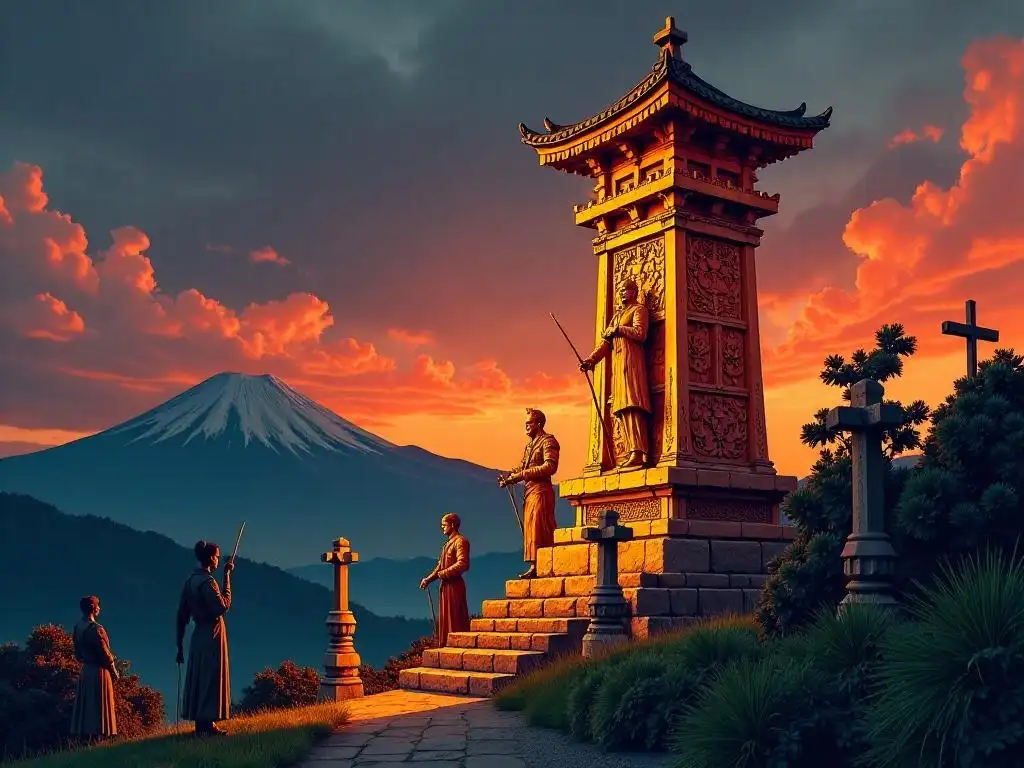
The beliefs surrounding the afterlife in Bushido culture are deeply influenced by a blend of Shinto and Buddhist traditions. This comparative analysis illuminates how these religions shaped the samurai's understanding of death and the afterlife, ultimately influencing their conduct in life and warfare. The integration of these beliefs created a unique perspective that emphasized honor, loyalty, and the spiritual journey after death.
Comparing Shinto and Buddhist Views on the Afterlife
Shinto, the indigenous spirituality of Japan, traditionally views the afterlife as a continuation of life on earth, where the souls of the deceased become kami, or spirits, that watch over their descendants. This belief instills a strong sense of connection between the living and the dead, emphasizing ancestral worship and the importance of maintaining harmony with these spirits.
In contrast, Buddhism, which was introduced to Japan from China and Korea, offers a more complex understanding of the afterlife. It teaches the cycle of birth, death, and rebirth (samsara) and the pursuit of enlightenment (nirvana) to escape this cycle. The samurai, influenced by both religions, often reconciled these beliefs, viewing death as a transition rather than an end. This duality allowed them to engage in battle with a sense of honor while also contemplating their spiritual journey post-mortem.
Contrasting Bushido Afterlife Beliefs with Other Cultures
Bushido's afterlife beliefs stand in contrast to those of many Western cultures, where the focus is often on judgment and eternal life in heaven or damnation in hell. In Bushido culture, while there is a recognition of moral conduct influencing one's afterlife, the emphasis is less on judgment and more on the honor associated with one's actions during life.
Similarly, Indigenous cultures around the world often have their own unique afterlife beliefs, frequently involving a close relationship with nature and the spirits of ancestors. Samurai beliefs, however, are distinct in their emphasis on honor, valor, and the warrior spirit. The samurai's commitment to living a life of integrity and bravery provided them with a framework for understanding death as a natural and noble part of existence, rather than something to be feared.
The Evolution of Afterlife Beliefs in Samurai History
The samurai's afterlife beliefs evolved significantly over the centuries, shaped by historical events, social changes, and the melding of various philosophical ideas. Initially, during the Heian period, samurai were heavily influenced by Shinto practices, which emphasized the importance of lineage and ancestral veneration.
As Buddhism gained prominence during the Kamakura period, the samurai began to adopt Buddhist notions of karma and reincarnation, integrating these principles into their worldview. This evolution reflected the samurai's need for a more comprehensive understanding of life and death, particularly in the face of constant warfare. By the Edo period, these beliefs had further crystallized into a unique Bushido ethos that emphasized not only martial prowess but also spiritual enlightenment, demonstrating a profound respect for the afterlife as an extension of their earthly honor.
Case Studies of Notable Samurai and Their Afterlife Beliefs
Examining the beliefs of individual samurai provides insight into how personal convictions and historical context shaped their understanding of the afterlife. Each case illustrates the diverse ways in which Bushido culture influenced their spiritual and martial lives.
The Afterlife Beliefs of Minamoto no Yoshitsune
Minamoto no Yoshitsune, a legendary samurai of the late Heian period, is often remembered for his tragic life and untimely death. His belief in the afterlife was heavily influenced by both Shinto and Buddhist practices. Yoshitsune sought to uphold his honor even in death, believing that his spirit would continue to fight for justice and protect his clan. After his death, he was revered as a kami in various shrines, reflecting the Shinto ideal of ancestor worship and the elevation of heroic figures into the spiritual realm.
The Spiritual Practices of Miyamoto Musashi
Miyamoto Musashi, famed for his dual-wielding techniques and philosophical writings, had a profound connection to spiritual practices that informed his views on the afterlife. Musashi's approach to life and death was influenced by Zen Buddhism, which emphasized mindfulness and the acceptance of mortality. His writings suggest that he viewed the afterlife as a continuation of one's journey towards enlightenment, advocating for a life lived fully in the present. His belief that one's actions in life directly impact the afterlife reinforced the Bushido tenet of living honorably.
How Afterlife Beliefs Influenced Samurai Decisions in Battle
The concept of honor in Bushido culture had profound implications for how samurai approached warfare and death. Many samurai believed that dying with honor in battle would lead to a favorable afterlife, whether as a respected ancestor or a kami. This belief often drove them to perform courageous acts, even in the face of overwhelming odds, as they sought to achieve a noble death.
Additionally, the fear of disgrace and the desire to protect one's clan influenced strategic decisions in battle. Samurai were known to prefer seppuku, or ritual suicide, over the shame of capture, reflecting their belief that a controlled and honorable death would ensure a favorable afterlife, reinforcing the deep intertwining of Bushido culture and afterlife beliefs.
Conclusion: The Lasting Impact of Bushido Culture on Afterlife Beliefs
The concept of afterlife beliefs within Bushido culture has left a profound imprint on Japanese society, influencing not only the samurai class but also the broader cultural landscape of Japan. This intricate web of religious and philosophical views surrounding death and the afterlife has contributed to the development of various traditions and rituals that continue to resonate today.
The samurai's perspective on honor, loyalty, and the importance of a noble death has shaped how individuals approach life, mortality, and their own spiritual beliefs. As such, Bushido culture serves as a bridge connecting ancient practices with contemporary values, emphasizing the importance of legacy and moral integrity even beyond death.
The Legacy of Samurai Afterlife Beliefs in Modern Japan
In modern Japan, the legacy of samurai afterlife beliefs is evident in various aspects of society, from literature and film to rituals and festivals. Many contemporary narratives draw inspiration from the samurai ethos, portraying characters who embody the virtues of loyalty, courage, and honor, often with an underlying theme of the afterlife.
Moreover, traditional practices such as Obon, a festival honoring the spirits of ancestors, reflect the enduring influence of these beliefs. The samurai's respect for their lineage and the significance placed on ancestral spirits can be seen in how families commemorate their deceased, embodying a sense of continuity and respect for the past.
Key Elements of Modern Legacy:
- Literature and Media: Themes from Bushido are prevalent in popular culture, with books, movies, and anime often showcasing samurai ideals and afterlife reflections.
- Rituals and Festivals: Celebrations like Obon highlight the ongoing veneration of ancestors, emphasizing the connection between life and the afterlife.
- Philosophical Practices: The samurai's approach to life and death inspires modern philosophical discussions about ethics, duty, and the meaning of existence.
Final Thoughts on Bushido Culture and Afterlife Beliefs
Bushido culture's intricate relationship with afterlife beliefs illustrates a unique aspect of Japanese spirituality that transcends time. The samurai's commitment to honor and righteousness not only shaped their own lives but also informed collective societal values. This cultural framework encourages individuals to consider their actions in the context of a larger moral universe, fostering a sense of responsibility toward both the living and the dead.
As we reflect on the teachings and values inherent in Bushido, it becomes clear that the principles guiding samurai warriors continue to influence contemporary Japanese culture. The reverence for the afterlife and the importance of maintaining one's honor resonate deeply, offering a powerful reminder of how past beliefs can shape current identities and practices.
References and Further Reading on Bushido Culture and Afterlife Beliefs
- Books:
- Bushido: The Soul of Japan by Inazo Nitobe
- Hagakure: The Book of the Samurai by Yamamoto Tsunetomo
- Articles:
- "The Influence of Buddhism on Samurai Culture" - Journal of Asian Studies
- "Remnants of Bushido in Modern Japanese Society" - Cultural Anthropology Review
- Web Resources:
- "Understanding the Samurai's Afterlife Beliefs" - Feudal Japan History Archives
- "The Role of Ancestors in Japanese Spirituality" - Japan Society Cultural Insights
These resources provide a comprehensive exploration of the intricate connections between Bushido culture and afterlife beliefs, offering further insights into the enduring legacy of the samurai in modern Japan.
- Introduction to Bushido Culture and Afterlife Beliefs
- Historical Context of Samurai and Afterlife Beliefs
- Core Beliefs of Samurai Regarding the Afterlife
- Bushido Culture and Religious Practices
- Comparative Analysis of Afterlife Beliefs
- Case Studies of Notable Samurai and Their Afterlife Beliefs
- Conclusion: The Lasting Impact of Bushido Culture on Afterlife Beliefs
- References and Further Reading on Bushido Culture and Afterlife Beliefs
Frequently Asked Questions
What is Bushido culture?
Bushido culture refers to the ethical code and way of life followed by the samurai in feudal Japan, emphasizing values such as honor, loyalty, and bravery.
How did samurai beliefs influence their views on the afterlife?
Samurai beliefs were deeply intertwined with Buddhism and Shinto, leading them to view the afterlife as an extension of their earthly existence, where honor and deeds in life directly impacted their fate.
What role did religion play in samurai life?
Religion provided a moral framework for samurai, guiding their actions and decisions. Shinto rituals and Buddhist philosophies influenced their understanding of life, death, and the afterlife.
How did the concept of honor affect samurai actions toward death?
The concept of honor was paramount; samurai often chose seppuku (ritual suicide) over living with shame, believing it ensured a noble afterlife and preserved their family’s honor.
Are there any modern interpretations of Bushido culture and afterlife beliefs?
Yes, modern interpretations often reflect on the philosophical and ethical implications of Bushido, exploring how these ancient beliefs can inform contemporary views on honor, integrity, and mortality.
Final Reflection: The Enduring Legacy of Bushido Culture and Afterlife Beliefs
The exploration of Bushido culture and its intricate beliefs surrounding the afterlife reveals a profound connection between honor, duty, and spirituality that resonates deeply in today's world. As we navigate the complexities of modern life, the principles of Bushido remind us of the importance of integrity and the impact of our actions on the legacy we leave behind. The samurai's commitment to their code serves as a timeless reminder that our beliefs shape not only our lives but also the lives of those who come after us.
The influence of Bushido culture extends far beyond historical narratives; it continues to shape contemporary values and social norms. In a world often marked by chaos and uncertainty, the samurai's dedication to honor and respect provides a framework for personal and communal ethics. As philosopher Daisaku Ikeda once said, The true warrior is one who conquers himself.
This sentiment encapsulates the ongoing relevance of Bushido, urging us to reflect on our own lives and the principles we uphold in our daily interactions.
As you contemplate the teachings of Bushido and its beliefs about the afterlife, I invite you to consider how these lessons can be woven into your own journey. Reflect on the values that guide your actions and the legacy you wish to create. Embrace the spirit of the samurai by living with purpose and integrity, ensuring that your beliefs not only enrich your life but also inspire those around you. In doing so, you honor the timeless wisdom of Bushido and contribute to a more meaningful existence for yourself and future generations.
Embrace the Wisdom of the Samurai and Honor Their Legacy!
Thank you for exploring the profound world of Samurai beliefs and the spirituality woven into Bushido culture. We hope this journey has enriched your understanding of how these ancient warriors viewed life and the afterlife.
Now, let’s take the insights from this article and turn them into action:
- Dive Deeper: Explore specific Samurai practices related to death and the afterlife. You’ll uncover fascinating insights that can transform your perspective on honor and legacy.
- Share the Knowledge: Engage in discussions about your newfound understanding with friends or on social media. Sharing these insights can deepen your appreciation and inspire others to explore these rich traditions.
- Join Our Community: Subscribe to our newsletter for more captivating stories about Feudal Japan. Be part of a growing community passionate about history and culture!
What aspect of Samurai spirituality inspires you the most, and how might it influence your own beliefs or actions today?