
Shinto Amulets and Talismans: Protecting the Faithful


Welcome to Feudal Japan History, where we invite you to embark on a journey through the captivating tapestry of Japan's feudal era. Here, you will uncover the intricate layers of history, culture, and society that shaped a nation. In our featured article, “Shinto Amulets and Talismans: Protecting the Faithful,” we delve into the fascinating world of Shinto amulets for protection—exploring their significance, origins, and the enduring beliefs that continue to resonate today.
Prepare to be intrigued as we unveil the protective charms that have safeguarded the faithful throughout centuries. Keep reading to discover how these sacred objects intertwine with Japan’s rich spiritual landscape!
- Introduction to Shinto Amulets and Talismans
- Understanding Shinto Amulets for Protection
- How Shinto Amulets Work
- Popular Types of Shinto Protective Talismans
- The Cultural Impact of Shinto Amulets
- Personal Stories and Experiences with Shinto Amulets
- Conclusion: The Enduring Legacy of Shinto Amulets for Protection
- Frequently Asked Questions
- Final Reflection: The Enduring Power of Shinto Amulets for Protection
- Embrace the Power of Protection Today!
Introduction to Shinto Amulets and Talismans
Shinto amulets and talismans hold a significant place in the spiritual landscape of Japan, intertwining deeply with the country's rich history and cultural practices. These objects, often referred to as "omamori," are not just decorative items; they embody the hopes and prayers of the faithful, serving as tangible connections to the divine.
In the context of Shinto, Japan's indigenous religion, these amulets are believed to provide protection, blessings, and good fortune to those who carry them. This article delves into the various aspects of Shinto amulets, particularly focusing on their role in offering protection to individuals, families, and communities, revealing how these sacred items reflect the core beliefs and values of Shintoism.
The Importance of Shinto Amulets in Japanese Culture
Shinto amulets are integral to Japanese culture, symbolizing the intersection of faith and daily life. Historically, these amulets have been crafted and blessed by Shinto priests at shrines, representing a physical manifestation of spiritual protection. They come in various forms, often encased in fabric pouches, and are dedicated to specific deities or spirits.
- Cultural Significance:
- Connection to Ancestry: Many Japanese people regard amulets as a way to maintain a connection with their ancestors and heritage.
- Ritual Practices: The act of purchasing or receiving an amulet is often accompanied by rituals and prayers, enhancing its spiritual significance.
- Community Bonds: Sharing amulets among family and friends fosters a sense of community and mutual support.
The vibrant traditions surrounding Shinto amulets reflect broader societal values, emphasizing the importance of protection, luck, and well-being in everyday life.
Overview of Protection in Shinto Beliefs
In Shinto beliefs, the concept of protection goes beyond physical safety; it encompasses spiritual well-being and harmony with the natural world. Amulets designed for protection often serve specific purposes, such as safeguarding against illness, accidents, or misfortune.
- Types of Protective Amulets:
- For Health: Amulets that promote physical health and recovery are commonly sought after by those facing illness.
- For Travel: Travelers often carry protective talismans to ensure safe journeys, reflecting the belief that spiritual guardians watch over them.
- Family Protection: Family-oriented amulets are intended to safeguard loved ones, reinforcing the idea of collective well-being.
The efficacy of Shinto amulets is rooted in the belief that they encapsulate the divine presence, acting as conduits for blessings and protection. By understanding the protective attributes of these amulets, one can appreciate their importance in the daily lives of the faithful, illuminating the intertwining of spirituality and personal safety in Shinto practices.
Understanding Shinto Amulets for Protection
What Are Shinto Amulets?
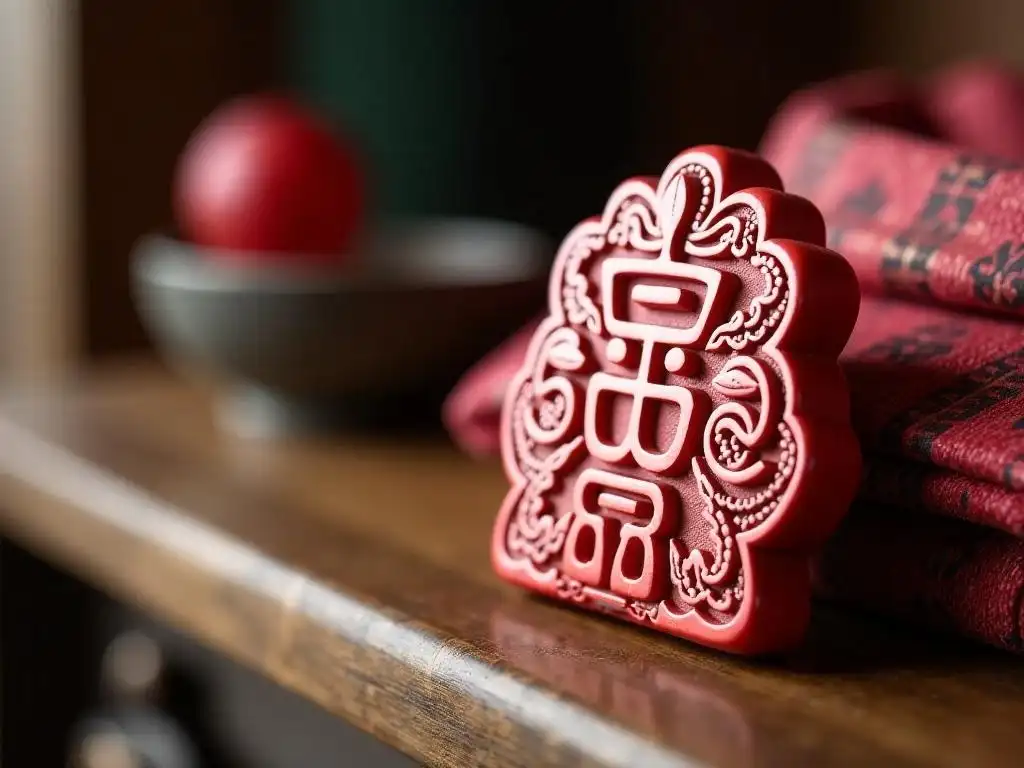
Shinto amulets, known as "omamori" (お守り), are talismans that serve as protective charms in the Shinto religion, a belief system indigenous to Japan. These amulets are typically sold at Shinto shrines and are believed to hold spiritual power that wards off misfortune and brings good fortune to the bearer.
Omamori come in various forms, often enclosed in small, decorative pouches made of fabric, which may be embroidered with symbols or inscriptions representing different divine blessings. The pouch itself is significant, as it is thought to house the spiritual essence of the deity from whom the amulet originates. The contents usually include a written prayer or a piece of wood inscribed with the shrine's name and the deity's name.
The act of carrying an omamori is not merely a ritualistic practice; it embodies a deep-seated belief in the protection and guidance offered by the kami (spirits or gods) revered in Shinto. Individuals often choose specific omamori based on their personal needs or circumstances, such as health, safety, success in studies, or safe travels.
Historical Significance of Protective Talismans in Shinto
The tradition of using protective talismans in Shinto can be traced back to ancient Japan, where animistic beliefs led to the worship of natural elements and ancestors. As these beliefs evolved into the structured religion of Shinto, the creation and use of omamori became more formalized.
Historically, protective talismans were seen as a means to invoke the blessings of the kami, who were believed to possess the power to influence human affairs. During the Heian period (794-1185), the practice of creating and distributing omamori became widespread, as they were associated with the protection of the imperial family and the state.
In addition to their protective qualities, these amulets also symbolize the bond between humans and the divine. They serve as a reminder of the spiritual dimension of life and reinforce the belief that the kami are present and active in the world. This relationship is a cornerstone of Shinto philosophy, emphasizing harmony and respect for nature and the unseen forces that govern existence.
Types of Shinto Amulets for Protection
Shinto amulets for protection come in various types, each tailored to address specific needs or concerns of the faithful. Here are some of the most common types:
- Health Amulets (Kenkō):
- These amulets are designed to ensure good health and recovery from illness. They are often sought after by individuals facing health challenges or those wishing to maintain their well-being.
- Safety Amulets (Anzen):
- Often carried by travelers or those working in hazardous environments, safety amulets are believed to provide protection from accidents and misfortunes.
- Success in Studies Amulets (Gakugyō-jōju):
- Students frequently purchase these amulets during exam season. They are thought to enhance concentration and ensure academic success.
- Family Protection Amulets (Kaji-kōshin):
- These amulets are dedicated to safeguarding families from harm and misfortune, reflecting the importance of familial bonds in Shinto beliefs.
- Love and Relationships Amulets (En-musubi):
- Often sought by those looking for love or wishing to strengthen existing relationships, these amulets are believed to foster positive connections between individuals.
| Type of Amulet | Purpose |
|---|---|
| Health Amulets | Ensure good health and recovery |
| Safety Amulets | Protection from accidents |
| Success in Studies Amulets | Enhance academic performance |
| Family Protection Amulets | Safeguard families from harm |
| Love and Relationships Amulets | Foster positive connections |
Each of these omamori is imbued with specific prayers and intentions, allowing practitioners to navigate life's uncertainties with a sense of security and divine support. The diversity of Shinto amulets for protection reflects the multifaceted nature of human experiences and the spiritual guidance sought within the Shinto tradition.
How Shinto Amulets Work
Shinto amulets, known as "omamori," are integral to the Shinto faith, serving as protective charms that embody spiritual significance. These amulets are typically crafted from cloth and are filled with sacred inscriptions and symbols. The essence of how Shinto amulets work lies in their connection between the physical and spiritual realms, where believers seek to invite divine protection and blessings into their lives.
The effectiveness of omamori is believed to stem from the spiritual power imbued in them through rituals performed by Shinto priests. This power is thought to create a protective barrier against negative influences or disasters, offering comfort and reassurance to the faithful. Each amulet is dedicated to a specific deity or purpose, ranging from health and safety to success in endeavors or protection during travel.
The Spiritual Role of Amulets in Shinto Practices
In Shinto practices, the spiritual role of amulets transcends mere objects of protection. They act as physical manifestations of faith and connection to the divine. Here are some key aspects of their spiritual role:
- Connection to Kami: Omamori symbolize the presence of kami (deities or spirits) and serve as a reminder of their protection. Carrying an amulet is akin to having a guardian spirit by one’s side.
- Personalization of Faith: Many practitioners choose specific amulets that resonate with their personal beliefs or circumstances, allowing for a tailored spiritual experience. This personalization strengthens the bond between the individual and the divine.
- Ritualistic Significance: Amulets are often integrated into various rituals and practices, emphasizing their importance in maintaining spiritual well-being. They can be used during prayers and ceremonies, reinforcing the connection to the kami.
The spiritual significance of Shinto amulets positions them as more than mere talismans; they are vital components of a believer's spiritual journey, offering not only protection but also a sense of belonging within the larger framework of Shinto beliefs.
Beliefs and Rituals Associated with Protection Amulets
The beliefs surrounding Shinto amulets for protection are deeply rooted in Japanese culture and spirituality. These amulets are often associated with various protective attributes and are linked to specific rituals that enhance their efficacy. Here are some common beliefs and rituals:
- Symbolism of Protection: Each type of omamori is imbued with specific symbols representing protection against particular challenges. For instance, a travel amulet may feature symbols of safe journeys, while a health amulet often incorporates motifs of vitality and well-being.
- Ritual Offerings: Before receiving an omamori, practitioners often engage in ritual offerings at Shinto shrines, which may include the presentation of rice, sake, or seasonal fruits. These offerings express gratitude and respect towards the kami, inviting their blessings upon the amulets.
- Annual Renewal: It is customary for believers to return their old omamori to the shrine at the end of the year. This practice signifies a renewal of protection and a chance to release the prior year’s burdens. New amulets are then obtained, symbolizing fresh beginnings and ongoing divine support.
- Ceremonial Blessings: Special ceremonies are often conducted at shrines during significant festivals, where amulets are collectively blessed. These blessings enhance the amulets' protective qualities, reinforcing the communal aspect of faith.
The intertwining of beliefs and rituals surrounding Shinto amulets creates a rich tapestry of spiritual practice, drawing believers closer to the kami while ensuring a continuous flow of protection throughout their lives.
The Process of Blessing Amulets in Shinto Shrines
The process of blessing amulets in Shinto shrines is a deeply spiritual and ceremonial affair, rooted in tradition and reverence. Here are the key steps involved in this sacred process:
- Preparation of Amulets: Priests prepare the omamori by placing sacred prayers and inscriptions within the fabric. This step is critical as it imbues the amulet with spiritual significance.
- Ritual Cleansing: Before the blessing, the amulets undergo a ritual cleansing, often involving water and salt, to purify them and remove any negative influences. This purification is essential to prepare the amulets for the blessing ceremony.
- Invocation of Kami: During the blessing ceremony, Shinto priests invoke the presence of the kami through chants and rituals. This invocation is crucial as it invites divine energy and protection to enter the amulets.
- Offering of Prayers: Priests offer prayers on behalf of all who will receive the amulets, asking for guidance, protection, and blessings. This communal aspect emphasizes the interconnectedness of the Shinto faith.
- Distribution of Blessed Amulets: After the blessing, the amulets are distributed to the faithful. Receiving a blessed omamori carries a profound significance, as it represents the direct connection between the individual and the divine protection bestowed upon them.
The blessing process solidifies the role of Shinto amulets as powerful tools for protection, reinforcing the faith of practitioners and their reliance on the kami for guidance and safety.
Popular Types of Shinto Protective Talismans
The Omamori: A Key Shinto Amulet for Protection
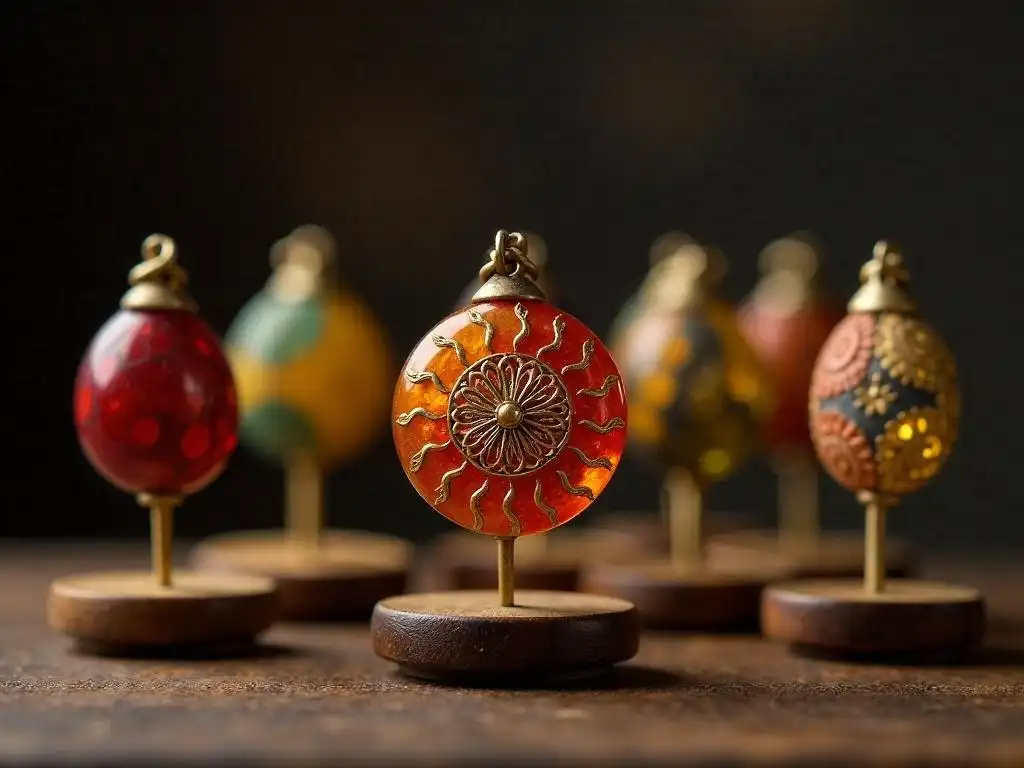
The Omamori is perhaps the most recognized form of Shinto amulets for protection, deeply ingrained in Japanese culture. These small pouches are typically made of silk and contain sacred relics or inscriptions from Shinto shrines. The purpose of an Omamori is to provide spiritual protection and blessings to the bearer, making it a cherished item among practitioners.
- Types of Omamori: Different types of Omamori are available, each designed for specific protective purposes:
- Health: Often found in hospitals or clinics, these Omamori are believed to safeguard the bearer’s health and recover from illness.
- Success in Studies: Students commonly carry this type, believed to enhance learning and examination success.
- Safe Travels: Travelers often purchase these Omamori to ensure safe journeys, whether by car, train, or air.
The act of purchasing an Omamori is considered a ritual in itself, where individuals often pray for guidance and protection at the shrine. Additionally, it is customary to return the Omamori to the shrine after one year to express gratitude and seek a new blessing.
Other Notable Shinto Talismans and Their Meanings
In addition to Omamori, there are several other notable Shinto talismans, each with unique meanings and protective qualities. Here are a few:
- Ofuda: These are talismans made of paper or wood, inscribed with prayers and blessings from Shinto priests. Typically placed in homes or businesses, Ofuda are believed to ward off evil spirits and invite good fortune.
- Inuhariko: These talismans, resembling a dog, are believed to protect children and ensure their safety. Traditionally, they are crafted by parents and gifted to their children, symbolizing love and protection.
- Yorishiro: Often made from natural materials, Yorishiro are objects that attract spirits and deities. They can be stones, trees, or even structures, and are believed to provide sanctuary and protection to those nearby.
- Shinboku: Sacred trees, known as Shinboku, are considered vessels for divine spirits. Rituals performed around these trees are believed to confer protection upon the community and its members.
These talismans reflect the intricate relationship between the Shinto faith and the natural world, emphasizing the belief that spiritual protection is intertwined with the physical environment.
Regional Variations of Shinto Amulets for Protection
Shinto amulets for protection exhibit a rich diversity across different regions of Japan, influenced by local customs and beliefs. Here are some notable regional variations:
- Kanto Region: In this area, Omamori are often more ornate and may include additional decorative elements, such as colored threads or symbols representing specific deities. The Meiji Shrine in Tokyo is known for its unique variations that attract visitors seeking enhanced spiritual protection.
- Kansai Region: The Kansai region boasts a wide range of protective talismans, with a focus on those that promote prosperity and success. The Fushimi Inari Taisha shrine, famous for its thousands of vermillion torii gates, offers specialized Omamori for business success and family wellbeing.
- Hokkaido: In northern Japan, the indigenous Ainu culture influences Shinto practices. Here, protective amulets often incorporate motifs from nature, reflecting the region's deep connection to the environment. Talismans made from local materials, such as animal bones or stones, are believed to provide stronger protection against harsh weather and natural disasters.
- Okinawa: Unique to the Ryukyu Islands, Okinawan Shinto practices include talismans known as Shisa, lion-like creatures that are placed on rooftops and entrances to ward off evil spirits. These talismans are integral to local culture and are often crafted with distinctive artistic styles.
Understanding these regional variations enriches the appreciation of Shinto amulets for protection, showcasing the diverse expressions of faith and cultural identity throughout Japan.
The Cultural Impact of Shinto Amulets
How Shinto Amulets Influence Daily Life in Japan
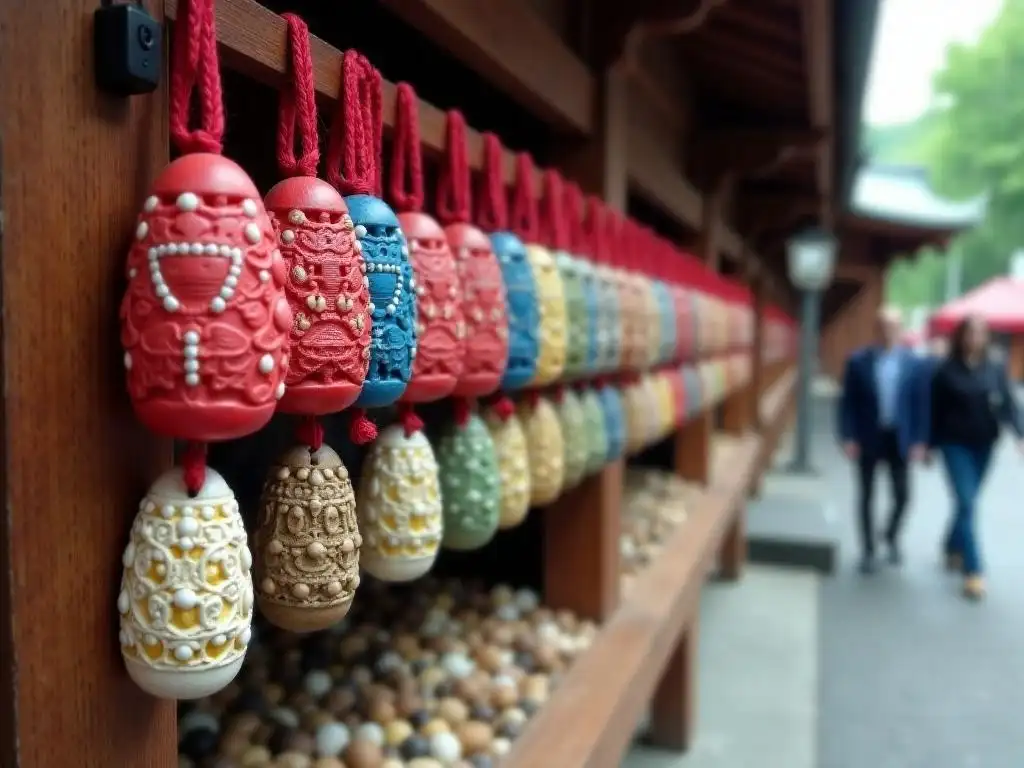
Shinto amulets, or "omamori", play a significant role in the daily lives of many Japanese people, serving as a tangible connection to the divine. These amulets are believed to offer protection and blessings to individuals in various aspects of life, from health and safety to success in endeavors.
- Protection and Safety: Many Japanese people carry omamori in their bags or attach them to their vehicles, believing they provide a safeguard against misfortune. For instance, the "交通安全" (kōtsū anzen) amulet is specifically designed for traffic safety, and it's common for drivers to keep one in their cars for added protection.
- Health and Well-being: Amulets related to health are particularly popular, especially among families with children. The "安産" (anzan) amulet, which is for safe childbirth, is often given to expectant mothers. This reflects the deep-rooted cultural belief that omamori can ward off illness and ensure the well-being of loved ones.
- Academic Success: Students frequently seek out amulets that promote success in exams and studies. The "合格" (gōkaku) amulet is commonly purchased before examinations, symbolizing hope for academic achievement and career advancement.
Shinto Amulets in Modern Japanese Society
In contemporary Japan, the relevance of Shinto amulets continues to thrive, adapting to modern lifestyles while still honoring traditional beliefs.
- Commercialization and Accessibility: The production and sale of omamori have expanded beyond shrines, with many being available at convenience stores and online. This accessibility ensures that even those who may not regularly visit shrines can partake in this aspect of Shinto culture.
- Personalization: Many shrines offer customizable omamori where individuals can request specific blessings tailored to their personal circumstances, enhancing their emotional connection to the amulet.
- Integration with Technology: Some innovative shrines have begun to offer digital amulets, using smartphone applications to provide users with blessings and protection through digital media. This integration of technology signifies the evolving nature of Shinto practices in a modern context.
The Role of Amulets in Japanese Festivals and Rituals
Shinto amulets are not only integral to personal protection but also play a vital role in Japanese festivals and rituals, reinforcing communal bonds and spiritual significance.
- Seasonal Festivals (Matsuri): During festivals, many participants carry omamori to enhance the collective blessings of the event. For example, during the Gion Matsuri in Kyoto, the display and exchange of amulets signify the community's devotion and shared hopes for prosperity and protection against disasters.
- Ritual Offerings: Amulets are often included in ritual offerings at Shinto ceremonies, symbolizing the community's wishes and prayers. This practice underscores the idea that protection is not only for individuals but also for the collective well-being of the community.
- Ceremonial Blessings: Certain rituals, such as Shichi-Go-San, where children aged three, five, and seven are celebrated, often involve the gifting of amulets to ensure health and fortune as they grow. This not only reinforces cultural values but also strengthens family ties and traditions.
Shinto amulets for protection are deeply ingrained in the cultural fabric of Japan, influencing daily life, adapting to modern society, and enriching festivals and rituals with their spiritual significance.
Personal Stories and Experiences with Shinto Amulets

Testimonials from the Faithful: Transformative Experiences
Shinto amulets, known as "omamori," are more than just objects; they embody the deep spiritual connections and beliefs of those who carry them. Many individuals have shared transformative experiences that highlight the protective power of these talismans.
-
A Journey of Healing
One believer, Yuki Tanaka, recounted her journey of healing after a serious illness. Upon visiting a shrine dedicated to a deity of health, she received an omamori. After carrying it with her during her recovery, she felt a profound sense of comfort and protection. Yuki stated, "I believed that the amulet was not just a piece of cloth; it was a reminder that I was not alone in my struggle." This sentiment reflects a common theme among those who find solace in the spiritual significance of Shinto amulets.
-
Protection in Times of Crisis
Another individual, Hiroshi Nakamura, shared his experience during a natural disaster. When a devastating earthquake struck his region, he was at a shrine seeking guidance. He purchased a protective omamori and kept it with him throughout the ordeal. Hiroshi remarked, "I felt invincible, as if the amulet had a shield around me. It was a source of strength when everything around me was falling apart." His story illustrates how Shinto amulets serve as beacons of hope in times of uncertainty.
-
Guidance in Life Changes
Many people, such as Akiko Sato, have also turned to Shinto amulets during significant life transitions. Akiko shared her experience of moving to a new city for work, where she felt overwhelmed. She visited a local shrine and acquired a "shubun omamori," which is believed to bring success and guidance. She said, "Having that amulet in my bag made me feel that I was taking a step forward with divine support." This example showcases the broader role of omamori in providing reassurance during pivotal life moments.
Cultural Anecdotes Surrounding Protective Talismans
The cultural significance of Shinto amulets extends beyond personal stories; they are deeply woven into the fabric of Japanese heritage. These talismans reflect centuries of tradition, belief, and social practices.
-
Historical Origins
The origins of Shinto amulets can be traced back to ancient Japan, where they were used to ward off evil spirits. Initially, these protective objects were crafted from natural materials such as wood, clay, or stone, each imbued with spiritual significance. Over time, the practice evolved, and omamori became standardized, often encased in embroidered bags featuring motifs relevant to the deity they represent.
-
Rituals and Offerings
The process of obtaining an omamori often involves specific rituals. Visitors to shrines typically partake in purification rites, such as washing their hands and mouth, to prepare themselves spiritually. Afterward, they request an amulet, which is blessed by the shrine priest. This ritualistic aspect emphasizes the communal and sacred nature of these talismans, reinforcing their role in Shinto practice.
-
Festivals and Celebrations
Various festivals throughout Japan celebrate the significance of Shinto amulets. During events like the New Year celebrations (Shōgatsu), it is customary for families to visit shrines to obtain new omamori for the year ahead. These festivals not only promote the use of protective talismans but also reinforce community bonds and shared beliefs, making them a vital part of Japanese culture.
Personal experiences and cultural anecdotes surrounding Shinto amulets underscore their importance in the lives of the faithful. These protective talismans serve as powerful symbols of hope, guidance, and communal identity, embodying the enduring spirit of Shinto practices across generations.
Conclusion: The Enduring Legacy of Shinto Amulets for Protection
The significance of Shinto amulets for protection transcends time, offering a profound connection between the past and present. These talismans, known as "omamori," are not merely objects; they embody the spiritual essence of Shinto beliefs and the desire for safety and well-being. The legacy of these protective charms has been preserved through generations, illustrating the enduring nature of Shinto practices within Japanese culture.
Shinto amulets serve various purposes, including safeguarding health, success in endeavors, and protection from misfortune. They are often found in Shinto shrines, where practitioners can choose specific amulets that resonate with their personal needs. For instance, the "Gakugyo-jo" amulet is designed for students seeking academic success, while the "Shobaihan" amulet is favored by businesspersons wishing for prosperity and protection in their ventures.
The Continuous Relevance of Shinto Talismans in Contemporary Japan
In contemporary Japan, the relevance of Shinto amulets for protection remains robust, reflecting a blend of tradition and modernity. Many individuals continue to seek these charms during significant life events such as marriages, childbirth, and even during examinations. The following elements highlight their ongoing significance:
- Cultural Rituals: In modern times, Shinto rituals often incorporate the use of omamori, symbolizing a commitment to preserving cultural heritage while addressing contemporary needs.
- Symbol of Hope: For many, these amulets represent hope and reassurance in an unpredictable world, offering a sense of control over their destinies.
- Social Connection: The act of purchasing and gifting amulets fosters community ties, as individuals often share their spiritual journeys and experiences associated with these protective charms.
The continuous relevance of Shinto amulets is further evidenced by their presence in various aspects of daily life, from personal belongings to ceremonial practices, ensuring that their protective qualities are woven into the fabric of modern Japanese society.
Final Thoughts on Faith and Protection Through Shinto Amulets
The exploration of Shinto amulets for protection reveals a rich tapestry of beliefs that resonate deeply with the Japanese people. These talismans are not merely objects for warding off evil; they represent a profound expression of faith and the pursuit of security in an ever-changing world. The belief that these amulets can influence fate highlights the intrinsic connection between spirituality and daily life in Japan.
Ultimately, Shinto amulets serve as a reminder of the cultural resilience and adaptability of Shinto practices. As society evolves, the rituals and beliefs surrounding these protective charms will continue to adapt, ensuring that the legacy of Shinto amulets for protection remains a vibrant and integral part of Japan's cultural identity. The faith embodied in these talismans transcends generations, providing comfort and protection to the faithful as they navigate the complexities of life.
Frequently Asked Questions
What are Shinto amulets and talismans?
Shinto amulets and talismans are sacred objects used in Shinto practices to provide protection, good fortune, and blessings to individuals. They are often purchased at Shinto shrines and carry various meanings.
How do Shinto amulets provide protection?
Shinto amulets are believed to contain the spiritual essence of a deity, offering protection against misfortune and evil spirits. Many people carry them for personal safety and to ward off negative influences.
Where can I obtain Shinto amulets?
Shinto amulets can be obtained at Shinto shrines throughout Japan. Visitors can choose from a variety of amulets, each designed for different purposes such as health, love, or protection from disasters.
Are there specific types of Shinto amulets for different needs?
Yes, there are various types of Shinto amulets tailored for specific needs, including protection from illness, success in exams, and safe travels. Each amulet has a unique symbolism associated with it.
How should Shinto amulets be treated?
Shinto amulets should be treated with respect and care. It is customary to keep them in a clean place, and they should not be discarded casually. When they are no longer needed, they can be returned to a shrine for proper disposal.
Final Reflection: The Enduring Power of Shinto Amulets for Protection
Shinto amulets and talismans serve as profound symbols of faith and protection, resonating deeply within contemporary society. In a world increasingly marked by uncertainty and chaos, the desire for spiritual security and guidance remains as relevant today as it was centuries ago. The protective nature of these amulets not only reflects the beliefs of the Shinto tradition but also highlights a universal human need for reassurance and safety in our daily lives.
Culturally, Shinto amulets continue to shape our understanding of spirituality and community. They foster a sense of belonging and connection to something greater than ourselves, bridging the gap between the physical and spiritual realms. As we navigate the complexities of modern life, these talismans remind us of our roots and the importance of maintaining our traditions. The amulet is not just a token; it is a manifestation of hope and faith that transcends time.
This ongoing influence encourages us to explore our own beliefs and the ways in which they manifest in our lives.
As you reflect on the significance of Shinto amulets for protection, consider how you can incorporate their lessons into your own journey. Embrace the idea that protection can come in many forms—be it through spiritual practices, community support, or personal rituals. Take a moment to identify what provides you with a sense of security and peace, and let that guide you as you navigate the challenges ahead. In doing so, you not only honor the traditions of the past but also empower yourself to forge a path of resilience and hope for the future.
Embrace the Power of Protection Today!
Thank you for delving into the fascinating world of Shinto amulets and talismans with us! We hope you've uncovered the rich traditions and spiritual significance of these powerful objects. Now, it’s your turn to take action and elevate your spiritual journey!
Here are some steps you can take right now:
- Explore local Shinto shrines and discover the amulets that resonate with you. Take a moment to reflect on what protection means in your life.
- Share your insights with friends or on social media. Inspire others by discussing the meaning behind your favorite talismans!
- Consider creating your own personalized amulet as a creative project. Think about what symbols or materials best represent your journey.
What would you include in your custom talisman to express your unique spiritual protection? Share your thoughts with us in the comments!