
From Calligraphy to Design: Integrating Calligraphic Elements into Digital Art

Welcome to Feudal Japan History, where we embark on a captivating journey through the intricate tapestry of Japan's feudal era. Here, we delve into the rich historical, cultural, and societal dimensions that shaped this fascinating period. In our featured article, "From Calligraphy to Design: Integrating Calligraphic Elements into Digital Art," we invite you to discover how the timeless elegance of Japanese calligraphy is seamlessly woven into the fabric of modern digital artistry. Curious about the connection between these ancient scripts and contemporary design? Join us as we explore this unique intersection and inspire your creative journey!
- Introduction to Japanese Calligraphy in Digital Art
- Understanding Japanese Calligraphy: A Historical Perspective
- Tools and Software for Digital Calligraphy
- Techniques for Integrating Calligraphic Elements in Digital Art
- Examples of Successful Integration of Japanese Calligraphy in Digital Art
- Monetizing Your Skills in Japanese Calligraphy and Digital Art
- Conclusion
-
Frequently Asked Questions
- What is the significance of Japanese calligraphy in digital art?
- How can artists effectively integrate calligraphic elements into their designs?
- What tools are recommended for creating digital calligraphy?
- Are there any specific styles of Japanese calligraphy that are particularly popular in digital art?
- How does Japanese calligraphy influence contemporary design trends?
- Final Reflection: Embracing Tradition in Digital Art
- Unleash Your Creativity: Integrate Calligraphy into Your Digital Art!
Introduction to Japanese Calligraphy in Digital Art
Japanese calligraphy, known as shodō (書道), is a revered art form that embodies centuries of tradition, aesthetics, and philosophy. As we delve into the modern realm of digital art, the integration of Japanese calligraphy offers a unique opportunity to bridge the rich history of this craft with contemporary design practices. This article explores the significance of Japanese calligraphy in digital art, emphasizing its impact on artistic expression and design aesthetics. By understanding how to incorporate calligraphic elements into digital creations, artists and designers alike can elevate their work, creating pieces that resonate with cultural depth and visual appeal.
The Importance of Japanese Calligraphy in Art and Design
Japanese calligraphy is more than just writing; it is a visual language that captures emotion, rhythm, and beauty through the fluidity of brush strokes. Its importance in art and design can be summarized in the following ways:
- Cultural Heritage:
- Japanese calligraphy is steeped in history, reflecting the values and aesthetics of different eras.
- It carries the essence of Japanese culture, making it a powerful tool for conveying messages and emotions.
- Visual Aesthetics:
- The elegance of calligraphic strokes can enhance visual compositions, providing a unique style that distinguishes digital art.
- Calligraphy often employs contrasting elements such as thick and thin lines, which can create dynamic visual interest.
- Emotional Resonance:
- The expressive nature of calligraphy allows artists to convey feelings and narratives, adding depth to their digital creations.
- Each character and stroke has its own meaning, offering layers of interpretation that can engage viewers on a personal level.
By integrating Japanese calligraphy into art and design, creators not only pay homage to this ancient practice but also enrich their own artistic vocabulary.
Overview of Integrating Calligraphic Elements into Digital Creations
Integrating Japanese calligraphy into digital art involves a thoughtful approach that respects the integrity of the original art form while adapting it for modern mediums. Here are some key aspects to consider:
- Digital Tools and Techniques:
- Utilize software such as Adobe Illustrator and Procreate to replicate traditional brush strokes digitally.
- Explore tablet styluses that mimic the feel of brush writing for a more authentic experience.
- Calligraphic Styles:
- Familiarize yourself with various styles of Japanese calligraphy, such as kaisho (block style), gyōsho (semi-cursive), and sōsho (cursive), to choose the appropriate style for your project.
- Each style carries a distinct character and mood, influencing the overall impact of your digital artwork.
- Composition and Layout:
- Consider the placement of calligraphic elements within your digital composition to create balance and harmony.
- Use negative space effectively to allow the calligraphy to breathe and stand out.
- Color and Texture:
- Experiment with color palettes that complement the traditional black ink of calligraphy, adding vibrancy to your design.
- Incorporate textures that evoke the feel of traditional rice paper, enhancing the visual experience.
By embracing these techniques, artists can successfully integrate Japanese calligraphy into their digital creations, resulting in artwork that is not only visually stunning but also rich in cultural significance.
Understanding Japanese Calligraphy: A Historical Perspective
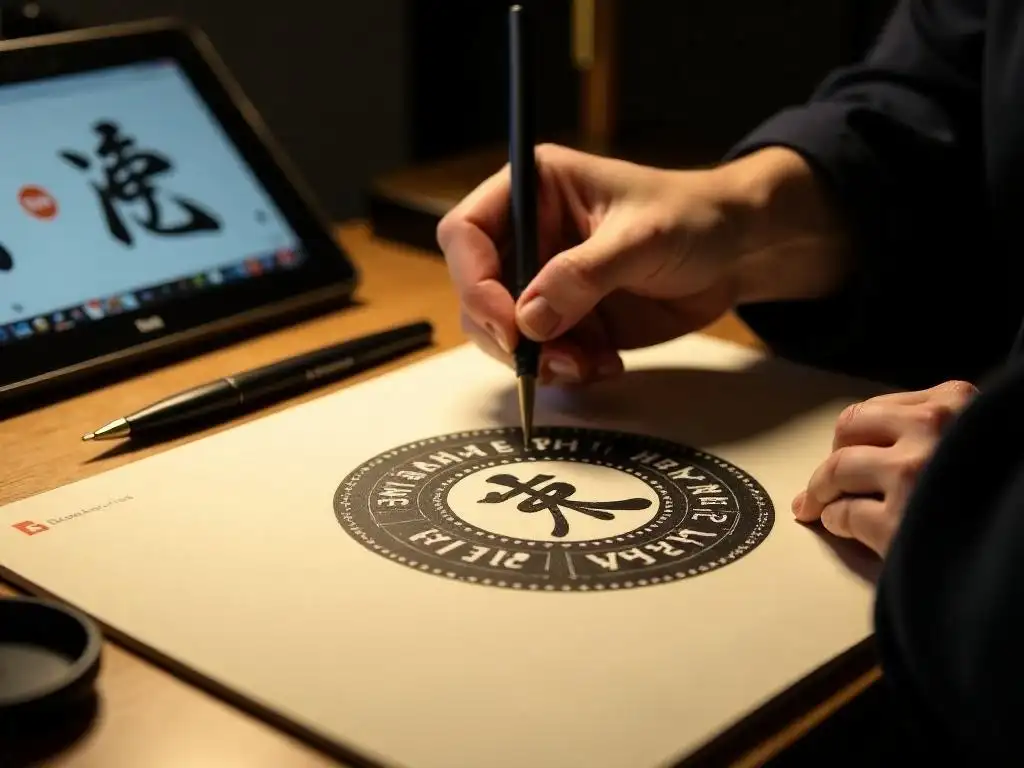
Japanese calligraphy, known as Shodo, is more than just an art form; it is a profound expression of culture, philosophy, and history. The origins of calligraphy in Japan date back to the introduction of Chinese characters, or kanji, during the 5th century. This integration marked the beginning of a unique evolution, where Japanese artists began to interpret and adapt the techniques and styles of Chinese calligraphy to create an indigenous form that resonated with their cultural identity.
The historical perspective of Japanese calligraphy can be divided into several key periods:
- Asuka and Nara Periods (538-794): During this time, the influence of Chinese calligraphy was at its peak. The Japanese adopted Chinese characters for their writing system, and the early calligraphers focused on copying Chinese texts with precision.
- Heian Period (794-1185): The Heian period saw the emergence of native Japanese scripts, particularly hiragana and katakana. Calligraphers began to develop their unique styles, moving away from rigid Chinese forms towards more fluid and artistic expressions. This period also introduced the concept of "sumi-e," or ink wash painting, which influenced calligraphic aesthetics.
- Kamakura and Muromachi Periods (1185-1573): The rise of the samurai class brought about a new appreciation for the art of calligraphy. The Zen Buddhist influence led to the development of more spontaneous and expressive styles, emphasizing the connection between the mind and the brush.
- Edo Period (1603-1868): This era marked a flourishing of calligraphy as a popular art form among the general populace. Calligraphy schools emerged, and many styles developed, including kaisho (block style), gyosho (semi-cursive), and sosho (cursive), each with its unique aesthetic and emotional resonance.
- Modern Era (Meiji Period onwards): With the modernization of Japan, calligraphy began to incorporate Western influences. However, traditional techniques and styles remain vital, with artists continuously exploring the integration of calligraphy into various forms of art, including digital mediums.
The Evolution of Japanese Calligraphy Techniques
The evolution of Japanese calligraphy techniques reflects a blend of historical influences and cultural shifts. Key developments include:
- Brush Techniques: Calligraphers use a variety of brush techniques to achieve different effects. The pressure applied to the brush, the angle of the stroke, and the speed of movement all contribute to the overall aesthetic of the calligraphy. For example, gouache techniques create bold strokes, while feathering techniques provide delicate line work.
- Ink and Paper: The choice of ink (sumi) and paper (washi) plays a crucial role in the final outcome of the calligraphy. Traditional sumi ink is made from soot and animal glue, providing deep, rich tones. Washi, known for its texture and absorbency, allows for a wide range of expressions.
- Philosophical Underpinnings: Each stroke in Shodo is not just a visual element; it embodies a philosophical concept. The practice emphasizes mindfulness and the artist's state of being, creating a meditative experience that is both personal and universal.
Key Styles of Japanese Calligraphy (Shodo) and Their Characteristics
Japanese calligraphy encompasses several distinct styles, each with unique characteristics and cultural significance:
- Kaisho (Block Style):
- Characteristics: This style is characterized by clear, distinct strokes that resemble printed characters. It is often used for formal documents and invitations.
- Use Cases: Ideal for beginners as it emphasizes structure and clarity.
- Gyosho (Semi-Cursive):
- Characteristics: A more fluid and dynamic style than Kaisho, Gyosho allows for a balance between legibility and expression.
- Use Cases: Commonly used in personal correspondence and informal artworks.
- Sosho (Cursive):
- Characteristics: Known for its rapid, flowing strokes, Sosho emphasizes artistic expression over clarity. The characters often appear as a series of connected lines and curves.
- Use Cases: Frequently used in artistic pieces and personal seals, reflecting the calligrapher's personality.
- Reisho (Running Style):
- Characteristics: This style combines elements of both block and cursive styles, allowing for both clarity and artistic flair.
- Use Cases: Often used in formal settings where a balance of tradition and modernity is desired.
- Bunpo (Literary Style):
- Characteristics: A more decorative form that incorporates ornate elements and embellishments, often used in literary works and poetry.
- Use Cases: Ideal for artistic displays and exhibitions, showcasing the beauty of the written word.
Conclusion
Japanese calligraphy is a rich tapestry woven through centuries of history, culture, and artistic expression. Understanding its evolution and the key styles enhances not only appreciation for traditional arts but also informs the integration of Japanese calligraphy in digital art today. As modern artists continue to explore these techniques, the legacy of Shodo lives on, inspiring new generations to embrace and innovate within this timeless art form.
Tools and Software for Digital Calligraphy
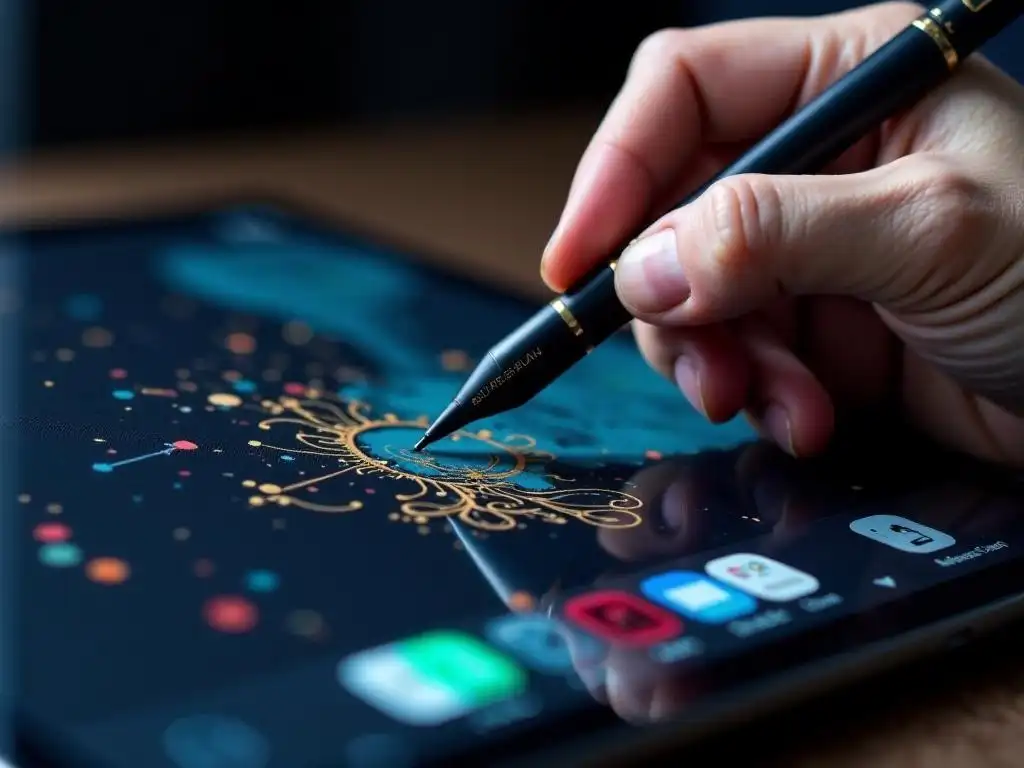
Recommended Software for Creating Japanese Calligraphy in Digital Art
When integrating Japanese calligraphy in digital art, selecting the right software is crucial for achieving authentic results. Here are some highly recommended applications that cater specifically to digital calligraphy:
- Adobe Fresco
- Features: This application offers a variety of brushes, including those that mimic traditional ink brushes. The live brushes feature allows for realistic blending and stroke dynamics.
- Platforms: Available on iOS and Windows devices.
- Procreate
- Features: Known for its user-friendly interface, Procreate offers a vast array of brushes and customizable settings. Artists can create their own brushes that closely resemble traditional calligraphy tools.
- Platforms: Exclusively for iPad.
- Corel Painter
- Features: This software is designed for digital painting and includes extensive brush options that replicate the feel of calligraphy. It supports pressure-sensitive tablets, making it ideal for detailed work.
- Platforms: Available for Windows and macOS.
- Clip Studio Paint
- Features: Offers specialized tools for drawing and painting, including customizable calligraphy brushes. It also supports vector layers, enabling clean and scalable designs.
- Platforms: Windows, macOS, and iOS.
- Affinity Designer
- Features: This vector graphic design software is excellent for creating precise calligraphic designs. It allows for the integration of raster and vector elements seamlessly.
- Platforms: Available for Windows, macOS, and iPad.
Essential Hardware for Digital Calligraphy
To achieve the best results in Japanese calligraphy in digital art, it's essential to pair your software with suitable hardware. Here are key hardware components to consider:
- Graphics Tablet
- Wacom Cintiq: A popular choice among artists, this tablet offers a high-quality display with a responsive stylus, allowing for precise control over brush strokes.
- Huion Kamvas: An affordable alternative with excellent pen pressure sensitivity, making it suitable for beginners and professionals alike.
- Stylus Pen
- Apple Pencil: If you are using an iPad with Procreate, the Apple Pencil provides exceptional pressure sensitivity and tilt functionality, enhancing the calligraphic experience.
- Wacom Pro Pen 2: Compatible with Wacom tablets, this stylus is known for its accuracy and natural feel during use.
- High-Resolution Monitor
- A monitor with at least 1080p resolution is recommended for clear visibility of intricate details in your calligraphy work. Brands like Dell and ASUS offer excellent options for graphic design.
- Computer Specifications
- Ensure your computer has a strong processor (Intel i5 or equivalent), adequate RAM (at least 8GB), and sufficient storage (SSD recommended) to run digital art software smoothly.
By utilizing the right tools and hardware, artists can effectively blend traditional Japanese calligraphy with modern digital techniques, creating stunning works of art that honor this rich cultural heritage.
Techniques for Integrating Calligraphic Elements in Digital Art
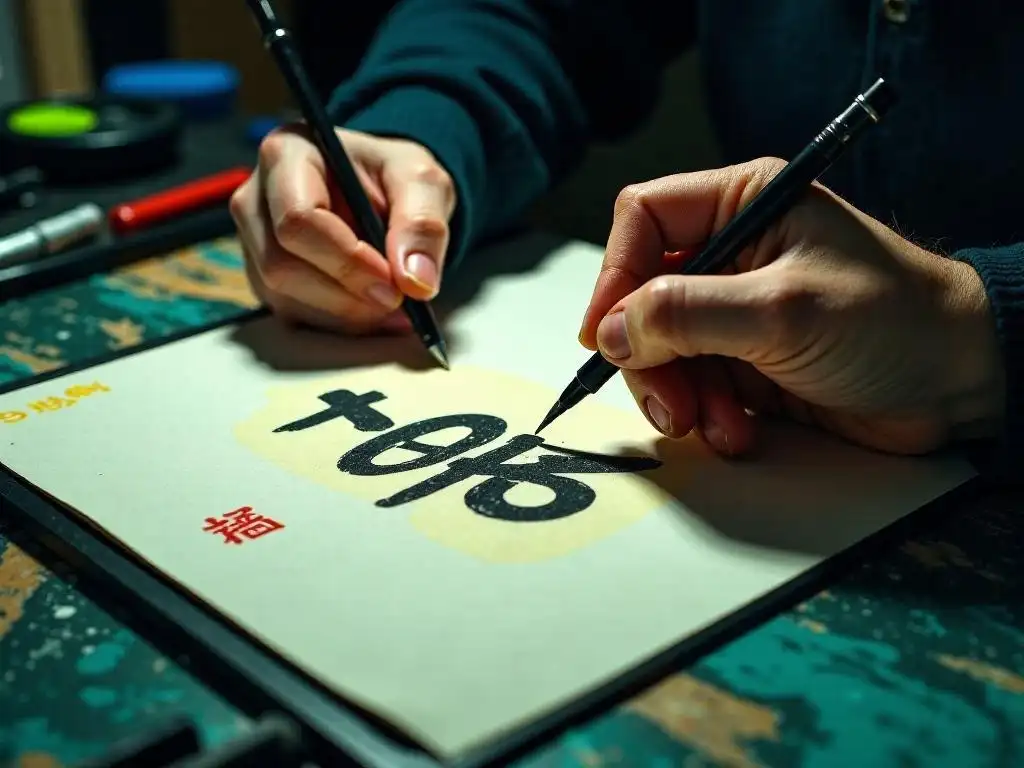
Step-by-Step Guide to Digitizing Traditional Calligraphy
Digitizing traditional Japanese calligraphy involves several steps that ensure the beauty and intricacy of the original work are preserved while adapting it for modern digital platforms. Here’s a comprehensive guide:
- Materials Preparation:
- Use high-quality rice paper and traditional ink (sumi) for optimal results.
- Ensure your workspace is well-lit and free of distractions.
- Calligraphy Creation:
- Practice your strokes on a separate sheet to get comfortable with the flow.
- Create the final piece, focusing on maintaining the rhythm and balance of each character. The use of brush techniques can greatly influence the outcome.
- Scanning the Artwork:
- Use a high-resolution scanner (at least 300 dpi) to capture every detail.
- Save the scanned image in a lossless format, such as TIFF, to retain quality.
- Image Editing:
- Open your scanned image in an editing software like Adobe Photoshop or GIMP.
- Use tools like the Magic Wand or Lasso Tool to isolate the calligraphic elements.
- Adjust brightness and contrast to enhance visibility of the strokes.
- Vectorization:
- For scalability, convert your image to a vector format using software like Adobe Illustrator.
- This will allow the calligraphy to be resized without losing quality.
- Integration into Digital Art:
- Import the vectorized calligraphy into your digital art project.
- Experiment with layering, blending modes, and opacity to seamlessly integrate the calligraphy with other design elements.
- Final Touches:
- Refine edges, adjust colors, and apply any finishing effects to harmonize the calligraphic element with the overall artwork.
By following these steps, artists can effectively digitize traditional calligraphy and incorporate it into digital art, creating unique and visually striking pieces that honor the heritage of Japanese calligraphy.
Enhancing Digital Art with Japanese Calligraphic Styles
Japanese calligraphy (shodō) is not just an art form but a philosophy that embodies grace, beauty, and precision. Integrating its elements into digital art can significantly enhance the visual impact of your work. Here are some strategies to consider:
- Use of Negative Space:
- Japanese calligraphy often employs negative space to create a sense of balance and harmony. Incorporating this concept into digital designs can lead to a more dynamic composition.
- Incorporating Kanji and Kana:
- Utilizing kanji or kana characters not only adds aesthetic value but also cultural significance. Choose words or phrases that resonate with the theme of your artwork.
- Brush Stroke Textures:
- Apply textures that mimic the brush strokes of calligraphy. This can be achieved using custom brushes in digital painting software, adding an organic feel to your artwork.
- Layering Techniques:
- Experiment with layering calligraphic elements over images or patterns. This can create depth and intrigue, drawing viewers' attention to both the calligraphy and the background.
- Color Palette:
- Traditional Japanese calligraphy often uses a monochromatic or limited color palette. Incorporating similar color schemes in your digital art can evoke a sense of authenticity and respect for the original style.
- Cultural Context:
- When integrating calligraphy, consider its cultural context. Understanding the meaning behind the characters can enhance the narrative of your artwork, making it more engaging for the audience.
Integrating Japanese calligraphy in digital art is not merely an aesthetic choice; it is a way to connect with a rich cultural heritage. By applying these techniques, artists can create compelling and meaningful pieces that honor the traditions of Japanese calligraphy while embracing the possibilities of modern digital expression.
Examples of Successful Integration of Japanese Calligraphy in Digital Art
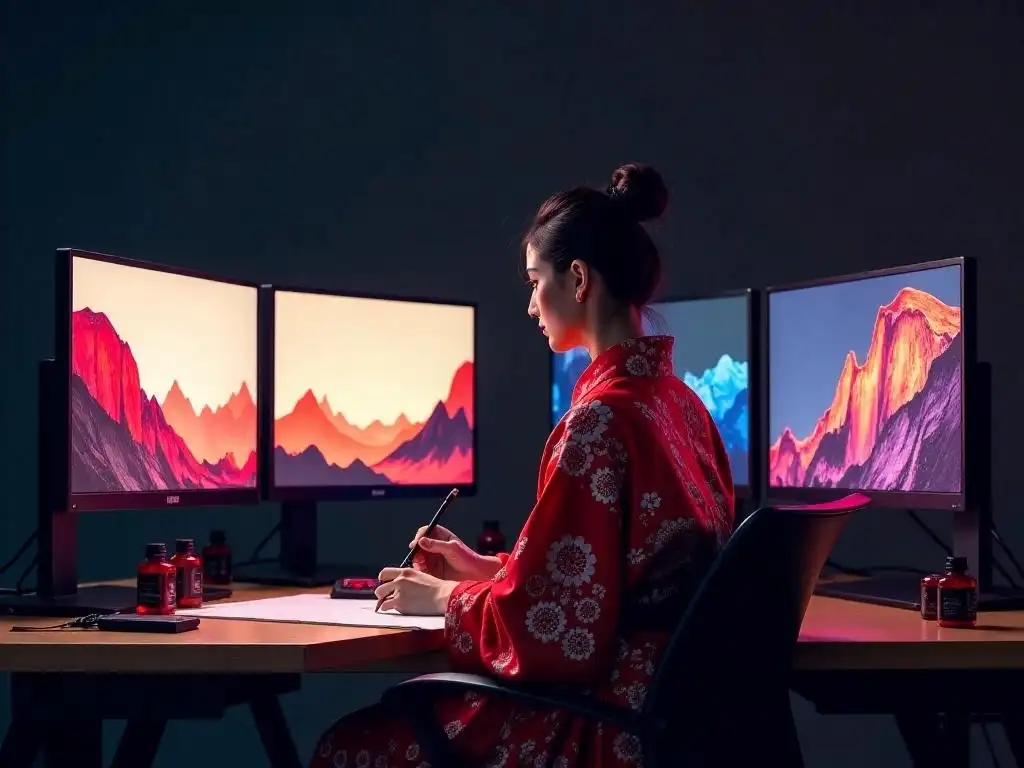
Japanese calligraphy, or shodō, has a rich history that seamlessly blends with modern digital art techniques. Artists today are exploring innovative ways to incorporate traditional calligraphic styles into their digital creations, resulting in captivating works that pay homage to their cultural roots while embracing contemporary aesthetics. Below are some noteworthy examples of successful integration of Japanese calligraphy into digital art.
Case Study: Renowned Artists Who Blend Calligraphy and Digital Design
- Yoshitaka Amano
- Renowned for his work on the Final Fantasy series, Amano skillfully fuses traditional calligraphy with fantastical illustrations. His use of flowing brush strokes and bold characters lends a dynamic quality to his digital paintings, creating a unique visual narrative that captivates audiences.
- Technique: Amano often employs digital brushes that mimic traditional ink to achieve a sense of authenticity.
- Katsuya Terada
- An acclaimed illustrator and manga artist, Terada incorporates shodō into his character designs and concept art. His work often features intricate calligraphic elements that enhance the storytelling aspect of his pieces.
- Technique: Terada uses vector graphics software to create sharp, clean lines while maintaining the organic feel of brush strokes.
- Fumiko Enokido
- Enokido is known for her stunning digital calligraphy that combines traditional techniques with modern design principles. Her works often explore themes of nature and spirituality, utilizing calligraphic forms to evoke emotion and depth.
- Technique: She experiments with layering effects in graphic design software to create a sense of depth and texture in her calligraphic pieces.
- Kouji Kamo
- A contemporary artist who merges Japanese calligraphy with street art, Kamo’s digital works reflect urban culture while honoring traditional aesthetics. His bold use of color and form draws inspiration from both calligraphy and graffiti.
- Technique: Kamo utilizes spray paint effects digitally, allowing him to recreate the spontaneous energy of street art alongside the precision of calligraphy.
Summary of Techniques Used
| Artist | Traditional Technique | Digital Technique | Key Features |
|---|---|---|---|
| Yoshitaka Amano | Brush strokes | Digital brushes | Fantasy elements |
| Katsuya Terada | Calligraphy | Vector graphics | Character design |
| Fumiko Enokido | Shodō | Layering effects | Nature themes |
| Kouji Kamo | Calligraphy & Graffiti | Spray paint effects | Urban culture |
These artists demonstrate that the integration of Japanese calligraphy into digital art can lead to innovative, culturally rich works that resonate with both traditional and modern audiences. By blending techniques from both realms, they not only preserve the essence of shodō but also pave the way for new interpretations and expressions within the digital landscape.
By studying these examples, aspiring digital artists can gain insights into how to effectively incorporate Japanese calligraphy into their own work, enriching their practice while paying tribute to a timeless art form.
Monetizing Your Skills in Japanese Calligraphy and Digital Art

In today’s digital age, the fusion of traditional Japanese calligraphy with modern digital art provides a unique opportunity for artists to monetize their skills. By leveraging various platforms and tools, calligraphers can create income streams that not only celebrate their art form but also reach a broader audience. Here, we explore effective strategies for monetizing your skills in this niche market.
Affiliate Products and Resources for Aspiring Digital Calligraphers
To successfully monetize your skills in Japanese calligraphy and digital art, consider becoming an affiliate for products and resources that resonate with your audience. Here are some categories to explore:
-
Digital Tools and Software
Promote software such as Adobe Illustrator or Procreate, which are popular among digital artists. These tools can enhance the calligraphic process and allow for intricate designs.
-
Calligraphy Supplies
Even in the digital realm, traditional tools can be relevant. Affiliate with companies that sell calligraphy pens, papers, and inks, emphasizing how these can inspire digital recreations.
-
Online Courses and Tutorials
Many platforms offer courses on both Japanese calligraphy and digital art. By becoming an affiliate, you can earn commissions on referrals while providing your audience with valuable learning resources.
-
E-books and Guides
Create or promote e-books that detail techniques for integrating Japanese calligraphy into digital designs. Offering these as part of your affiliate marketing strategy can attract both beginners and seasoned artists.
-
Digital Assets
Sell or promote downloadable resources like calligraphy fonts, brushes for digital drawing software, or templates. These assets can help aspiring artists implement calligraphic elements in their work.
Example Affiliate Product Structure
| Product Type | Example | Commission Rate |
|---|---|---|
| Software | Adobe Illustrator | 15% |
| Calligraphy Supplies | Sumi Ink | 10% |
| Online Courses | Skillshare Calligraphy | 20% |
| E-books | Japanese Calligraphy Guide | 30% |
| Digital Assets | Calligraphy Font Packs | 25% |
By thoughtfully selecting affiliate products that align with your artistic journey, you can create a sustainable income stream while enhancing your audience's experience.
Building a Portfolio and Selling Your Art
Creating a strong portfolio is essential for showcasing your skills in Japanese calligraphy and digital art. A well-structured portfolio not only demonstrates your artistic capabilities but also serves as a marketing tool. Here are key steps to build an effective portfolio:
-
Curate Your Best Work
Select pieces that highlight your proficiency in both traditional and digital calligraphy. Aim for a diverse range of styles and techniques to showcase versatility.
-
Utilize Online Platforms
Consider using platforms like Behance, ArtStation, or your own website to display your portfolio. These platforms provide visibility and can help attract potential buyers.
-
Create a Personal Brand
Develop a unique style or theme that reflects your artistic identity. This will help differentiate you in the market and create a recognizable brand.
-
Engage with Your Audience
Use social media to share your work and connect with fellow artists and potential buyers. Regular updates, behind-the-scenes content, and interactive posts can build a loyal following.
-
Set Up an Online Store
Consider selling your art through an online shop on platforms like Etsy or Shopify. You can offer prints, digital downloads, or even commissioned pieces.
-
Network with Other Artists
Collaborate with other digital artists or calligraphers to reach new audiences. Joint projects or exhibitions can enhance visibility and credibility.
Tips for Selling Your Art
- Quality Over Quantity: Focus on producing high-quality pieces that showcase your skills rather than overwhelming potential buyers with numerous works.
- Pricing Strategy: Research similar works to determine competitive pricing. Consider offering introductory rates or discounts for first-time buyers to encourage sales.
- Customer Feedback: Encourage reviews and testimonials from buyers to build trust and credibility. Positive feedback can significantly influence new customers' purchasing decisions.
By following these strategies, you can successfully monetize your skills in Japanese calligraphy and digital art, creating a fulfilling career that celebrates this beautiful art form.
Conclusion
The Future of Japanese Calligraphy in Digital Art
As we look ahead, the integration of Japanese calligraphy in digital art is poised for exciting developments. The fusion of traditional techniques with modern technology not only preserves the rich heritage of calligraphy but also opens new avenues for creativity and expression. Artists are increasingly leveraging digital tools to recreate the fluidity and grace of brush strokes, enabling them to explore styles that may have been traditionally difficult to replicate.
Emerging technologies such as augmented reality (AR) and virtual reality (VR) are set to enhance the experience of calligraphy further. For instance, artists can create immersive installations that allow viewers to engage with calligraphy in three dimensions. Additionally, the use of artificial intelligence (AI) in design software is starting to assist artists in generating unique calligraphic forms, blending the old and the new in unprecedented ways.
Encouragement to Explore and Create with Calligraphic Elements
The beauty of Japanese calligraphy lies in its adaptability. Artists and designers are encouraged to experiment with integrating calligraphic elements into their digital creations. Here are some ways to get started:
- Digital Brush Tools: Utilize software like Adobe Illustrator or Procreate, which offer a variety of brushes mimicking traditional calligraphy tools.
- Online Tutorials: Engage with online resources and tutorials that focus on the basics of Japanese calligraphy, providing insights into stroke order and style variations.
- Inspiration from Tradition: Study historical works and contemporary calligraphers to gather ideas on how to blend traditional aesthetics with modern design principles.
- Experimentation: Don't hesitate to mix different calligraphic styles or combine calligraphy with other art forms, such as photography or graphic design.
By embracing these techniques and encouraging creativity, artists can contribute to the evolving narrative of Japanese calligraphy in digital art, ensuring that this ancient practice continues to thrive in the modern age. So grab your digital stylus and start exploring the rich world of calligraphy—your canvas is waiting!
Frequently Asked Questions
What is the significance of Japanese calligraphy in digital art?
Japanese calligraphy, or shodo, represents a rich cultural heritage that adds depth and authenticity to digital art, enhancing visual appeal through traditional aesthetics.
How can artists effectively integrate calligraphic elements into their designs?
Artists can incorporate calligraphic elements by scanning traditional calligraphy, using brush tools in software, or creating vector illustrations that embody the fluidity and elegance of calligraphy.
What tools are recommended for creating digital calligraphy?
Popular tools include Adobe Illustrator for vector work, Procreate for freehand drawing, and Photoshop for layering and effects, allowing for a blend of traditional techniques in a digital medium.
Are there any specific styles of Japanese calligraphy that are particularly popular in digital art?
Styles like kaisho (block style) and gyousho (semi-cursive) are favored in digital art for their legibility and artistic flow, making them versatile for various design applications.
How does Japanese calligraphy influence contemporary design trends?
The influence of Japanese calligraphy promotes a fusion of tradition and modernity, inspiring designers to explore cultural narratives while embracing minimalist aesthetics in their work.
Final Reflection: Embracing Tradition in Digital Art
The integration of Japanese calligraphy into digital art is not merely a trend; it is a profound connection between the past and the present. As we navigate a world increasingly dominated by technology, the elegance and depth of traditional calligraphy remind us of the rich cultural heritage that shapes our artistic expressions today. This fusion of old and new not only enriches our visual landscape but also invites us to explore the stories and emotions embedded in each stroke of the brush.
Calligraphy has always been more than just writing; it is an art form that conveys the spirit of the culture from which it originates. The ongoing influence of Japanese calligraphy in digital art serves as a testament to its timelessness and adaptability in contemporary practices. As artist Shohei Otomo once said, Art is a bridge between cultures, and calligraphy is a language that speaks to the soul.
This sentiment resonates deeply as we witness artists blending traditional techniques with modern technology, creating works that honor their roots while pushing the boundaries of creativity.
As you reflect on the themes presented in this article, consider how you can incorporate the beauty of Japanese calligraphy into your own artistic endeavors. Let the elegance of each character inspire you to create pieces that not only showcase your skills but also tell a story that transcends time and culture. Embrace the challenge of merging tradition with innovation, and allow your art to become a dialogue between the past and the future, inviting others to appreciate the richness of this unique artistic heritage.
Unleash Your Creativity: Integrate Calligraphy into Your Digital Art!
Thank you for diving into the fascinating world of calligraphy and its integration into digital design! We hope you feel inspired and equipped with new insights on blending these ancient art forms into your modern creations. Now, it's time to put your newfound knowledge into action!
Here are some steps you can take to elevate your digital art practice:
- Start experimenting by incorporating calligraphic elements into your next design project. Grab your favorite digital tools and let your creativity flow!
- Share your artwork with a community of like-minded creatives. Consider joining online forums or social media groups dedicated to calligraphy and digital art to gather valuable feedback and inspiration.
- Challenge yourself to create a piece that combines historical calligraphic styles from various cultures with contemporary design techniques.
What unique calligraphic elements are you most excited to experiment with in your designs? Share your thoughts in the comments!