
Hidden Treasures: Rare Ebooks on Feudal Japan's LesserKnown Historical Figures

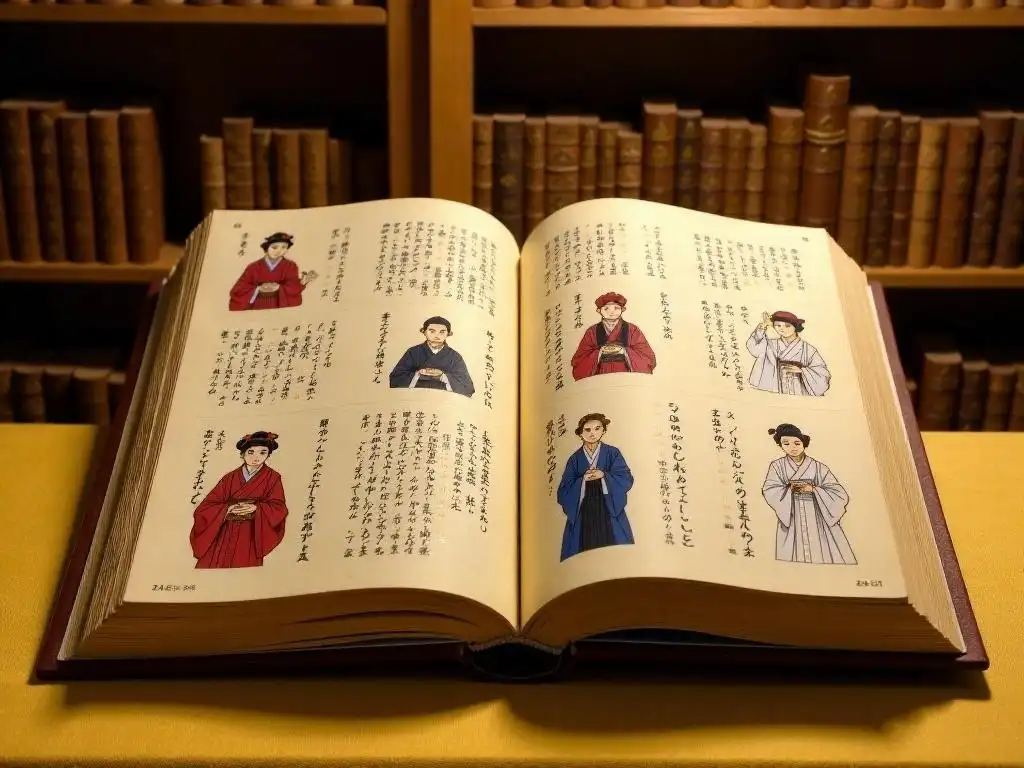
Welcome to Feudal Japan History, where we invite you to embark on a captivating journey through the intricate tapestry of Japan's feudal era. Here, you will uncover the hidden treasures of history, including our latest exploration of rare ebooks that shed light on the lesser-known figures who shaped this fascinating period. What untold stories lie within these digital pages, waiting to enrich your understanding and appreciation of feudal Japan? Dive in and discover a wealth of knowledge that promises to illuminate the shadows of the past!
Introduction to Rare Ebooks in Feudal Japan History
Feudal Japan, a period spanning from the 12th to the 19th centuries, is a rich tapestry of historical events, cultural shifts, and societal transformations. While many may be familiar with iconic figures such as samurais and shoguns, numerous lesser-known historical figures played pivotal roles in shaping Japan's past. This article delves into the world of rare ebooks that illuminate the lives and contributions of these fascinating individuals, providing a unique lens through which to explore Japan's feudal era.
In the digital age, ebooks have emerged as a powerful medium for disseminating knowledge, allowing access to rare and specialized content that might otherwise remain hidden in dusty archives. The keyword "rare ebooks feudal Japan history" encapsulates this exploration of overlooked narratives that enrich our understanding of this complex period. Whether you are a historian, a student, or simply an enthusiast of Japanese culture, these ebooks offer invaluable insights into the lives of figures who have been overshadowed by more prominent historical narratives.
In this article, we will uncover some of the most intriguing ebooks that highlight these hidden treasures, focusing on their historical significance and the impact they had on society during the feudal era. Join us as we embark on a journey through the pages of history, revealing the stories that shaped feudal Japan beyond the well-trodden paths of mainstream accounts. 📚✨
- What are the key themes explored in the article about feudal Japan's historical figures?
- Where can I find rare ebooks related to feudal Japan's history?
- Why is it important to learn about lesser-known historical figures in feudal Japan?
- How do rare ebooks enhance the study of feudal Japan?
- What can readers expect to gain from the article on feudal Japan history?
Understanding Feudal Japan: Key Historical Context

The feudal era of Japan, lasting from the late 12th century to the mid-19th century, was marked by a complex social hierarchy and a unique political system that shaped the nation’s history. During this period, power was concentrated in the hands of the samurai class and feudal lords known as daimyo, while the emperor's role became more ceremonial. This structure was characterized by a system of land ownership and loyalty, wherein vassals would serve their lords in exchange for protection and land.
Feudal Japan is often divided into several key periods, including the Kamakura, Muromachi, and Edo periods, each contributing to the rich tapestry of Japanese culture and society. This era witnessed the development of distinct art forms, philosophies, and social customs that still resonate in contemporary Japan. Understanding this context is crucial for delving into the lesser-known figures who played pivotal roles in shaping Japan’s history during the feudal age.
The Feudal Era: A Brief Overview
The feudal era in Japan began with the Kamakura period (1185-1333), initiated by the rise of the samurai class following the Genpei War. The establishment of the Kamakura shogunate marked a shift from imperial to military rule, leading to increased instability but also the cultivation of a warrior culture that celebrated honor, loyalty, and martial prowess.
Key Features of the Feudal System
- Shogunate Rule: The shogun was the de facto ruler, overseeing military affairs, while the emperor remained a symbolic figure.
- Daimyo and Samurai: The daimyo were powerful lords controlling large estates, with samurai serving as their loyal warriors.
- Peasant Class: The majority of the population were farmers who worked the land and provided sustenance for the ruling classes.
This period not only saw the consolidation of power among the samurai but also the emergence of various cultural and artistic movements, such as Zen Buddhism and Noh theater.
Lesser-Known Historical Figures of Feudal Japan
While figures like Oda Nobunaga and Tokugawa Ieyasu dominate the historical narrative, numerous lesser-known individuals also significantly impacted Japan's feudal history. These figures often represent the diversity of experiences and contributions that shaped the nation.
1. Ashikaga Takauji (1305-1358)
Ashikaga Takauji was a pivotal figure who founded the Ashikaga shogunate after leading a rebellion against the Kamakura regime. His leadership style emphasized flexibility and adaptability, allowing him to navigate the complex political landscape of his time.
- Impact: Takauji’s reign established the Muromachi period, which was marked by cultural flourishing and the rise of the arts, including the development of the tea ceremony.
2. Miyamoto Musashi (1584-1645)
Miyamoto Musashi was not only a renowned swordsman but also a philosopher and strategist. His life story is one of relentless pursuit of perfection in martial arts, culminating in his famous book, The Book of Five Rings, which outlines his philosophy on combat and strategy.
- Legacy: Musashi’s approach to swordsmanship and life philosophy continues to influence martial artists and strategists today.
3. Tomoe Gozen (c. 1157-1247)
Tomoe Gozen is one of the few female warriors recognized in Japanese history, noted for her exceptional skill in battle during the Genpei War. Often depicted in literature and folklore, her story reflects the rare but significant presence of women in the samurai class.
- Cultural Representation: Tomoe’s legacy has been romanticized in various forms of art and literature, highlighting the capabilities of women in a predominantly male-dominated society.
Exploring these lesser-known figures through rare ebooks on feudal Japan history can provide deeper insights into the complexities and nuances of this era, revealing the diverse contributions that have shaped Japanese culture and society. By uncovering these hidden treasures, readers can enrich their understanding of the historical context and the social dynamics of feudal Japan.
The Rise of Rare Ebooks in Historical Research

The advent of digital technology has significantly transformed the landscape of historical research, particularly in niche areas such as feudal Japan. Rare ebooks have emerged as invaluable resources, enabling scholars, historians, and enthusiasts to access unique content that may not be readily available in traditional print formats. This shift towards digital has democratized the study of history, making it easier for individuals to explore lesser-known figures and events that shaped Japan's feudal era.
The Importance of Ebooks for History Enthusiasts
Ebooks offer several advantages for those passionate about feudal Japan's history:
- Accessibility: Rare ebooks can be accessed from virtually anywhere, allowing readers to engage with historical texts without the constraints of geographic location. Libraries and archives that house physical books may be limited by their collection sizes or loan policies.
- Preservation of Knowledge: Digital formats ensure that fragile texts are preserved in a way that protects them from physical deterioration. Many rare texts from the feudal period are at risk of being lost; ebooks can help safeguard this knowledge for future generations.
- Searchability: Unlike traditional books, ebooks often come with searchable features, enabling users to locate specific terms or topics quickly. This is particularly beneficial for researchers who need to sift through vast amounts of information efficiently.
- Integration of Multimedia: Many ebooks incorporate multimedia elements such as images, maps, and interactive timelines, which can enhance comprehension and engagement. This is especially useful in understanding the complex cultural and societal contexts of feudal Japan.
- Cost-Effectiveness: Often, rare ebooks are more affordable than their physical counterparts. This affordability opens the door for more individuals to dive into specialized topics without breaking the bank.
The digital transformation of historical research through rare ebooks has enabled a broader audience to explore the rich tapestry of feudal Japan. As the availability of these resources continues to grow, so too does the opportunity for deeper understanding and appreciation of this fascinating period.
Key Platforms for Finding Rare Ebooks on Feudal Japan
Several platforms cater specifically to those seeking rare ebooks on feudal Japan history. Here’s a breakdown of some of the most prominent sources:
- Google Books
- Extensive digital library with many public domain texts.
- Users can preview and sometimes download full texts of rare historical books.
- Project Gutenberg
- A volunteer-driven project that offers over 60,000 free ebooks, including classics related to feudal Japan.
- Ideal for researchers looking for primary sources that are no longer under copyright.
- Internet Archive
- A vast digital library that preserves millions of free books, movies, software, and websites.
- Contains rare historical texts and offers an option to borrow ebooks for a limited time.
- JSTOR
- A digital library for academic journals, books, and primary sources.
- While primarily subscription-based, many institutions provide access to JSTOR, allowing users to find scholarly articles and rare ebooks on feudal Japan.
- Academia.edu
- A platform for academics to share research papers, which often includes rare ebooks and unpublished works.
- Users can follow researchers in the field to stay updated on their latest publications.
- eBay and Other Online Marketplaces
- Although not exclusively for ebooks, collectors can find rare printed materials and digital versions of books that may not be available elsewhere.
- Look for reputable sellers to ensure authenticity.
By leveraging these platforms, history enthusiasts can effectively navigate the treasure trove of rare ebooks on feudal Japan, enriching their understanding of this pivotal era.
Featured Rare Ebooks on Feudal Japan's Historical Figures

The allure of Feudal Japan lies not only in its famous samurai and shoguns but also in the lesser-known figures who played pivotal roles in shaping the era. This section highlights some rare ebooks that delve into the lives and contributions of these historical characters, providing unique insights into their impact on Japanese society and culture during the feudal period.
In-Depth Reviews of Selected Rare Ebooks
- "The Hidden Samurai: Lives of Lesser-Known Warriors"
- Overview: This ebook uncovers the stories of samurai who did not achieve the fame of their contemporaries. Through meticulous research and engaging storytelling, it paints a vivid picture of their challenges and triumphs.
- Key Features:
- Detailed biographies of 10 lesser-known samurai.
- Illustrations and maps depicting their battles and territories.
- A glossary of samurai terms for enhanced understanding.
- "Women of the Shogunate: Unveiling the Silent Voices"
- Overview: This rare ebook focuses on the influential women of the feudal era, from noblewomen to peasant leaders, highlighting their roles in a male-dominated society.
- Key Features:
- Analytical essays on the political and social influence of women.
- Personal narratives and letters that provide a first-hand perspective.
- Discussion of their contributions to literature and culture.
- "The Merchants of Edo: Economic Architects of Feudal Japan"
- Overview: This ebook explores the often-overlooked merchant class during the Edo period, showcasing their power and influence in shaping Japan's economy.
- Key Features:
- Case studies of prominent merchant families.
- Economic data and trends that illustrate their impact.
- Insights into trade practices and cultural exchanges.
- "The Rise and Fall of the Ashikaga Shogunate"
- Overview: This in-depth analysis of the Ashikaga Shogunate provides a detailed account of its leaders, policies, and the socio-political climate of the time.
- Key Features:
- Chronological timeline of significant events.
- Annotated bibliography for further reading.
- Maps illustrating territorial changes.
How to Choose the Right Rare Ebook
Selecting the right rare ebook on Feudal Japan's historical figures requires thoughtful consideration. Here are some tips to guide your choice:
- Identify Your Interests: Determine whether you are more intrigued by military history, cultural insights, or socio-economic aspects. This focus will help narrow down your options.
- Check Author Credentials: Look for ebooks written by historians or experts in Japanese history. Their expertise can provide a more authentic and informative experience.
- Read Reviews: Seek out reviews or ratings from other readers. This feedback can offer valuable insights into the ebook's quality and relevance.
- Preview Samples: If possible, preview a sample of the ebook. This can help you assess the writing style and depth of content.
Factors to Consider When Selecting Historical Ebooks
When diving into the world of rare ebooks on Feudal Japan history, consider the following factors:
- Content Depth: Assess whether the ebook covers the topic comprehensively or if it offers a narrower focus. A well-rounded ebook should provide context and connections to broader historical themes.
- Visual Aids: Ebooks that include illustrations, photographs, or maps can significantly enhance the reading experience and aid comprehension.
- Language and Accessibility: Ensure that the language used in the ebook is accessible and engaging. Avoid overly academic jargon unless you are comfortable with it.
- Price and Availability: Compare prices among different platforms offering the ebook. Some rare ebooks may only be available through specific retailers or libraries, so consider your options.
By taking these factors into account, you can make an informed decision that enriches your understanding of Feudal Japan's lesser-known historical figures through the lens of rare ebooks.
Maximizing Your Knowledge with Rare Ebooks

In the digital age, the availability of rare ebooks on feudal Japan has transformed how we engage with historical content. These ebooks not only provide access to lesser-known figures from this rich era but also dive into the complexities of their lives, contributions, and the sociopolitical contexts in which they operated. By leveraging these unique resources, enthusiasts and scholars alike can deepen their understanding of feudal Japan's intricate tapestry.
How Rare Ebooks Enhance Your Understanding of Feudal Japan
Rare ebooks serve as invaluable tools for those looking to expand their knowledge of feudal Japan, presenting a plethora of benefits:
- Access to Uncommon Knowledge: Many historical figures and events from feudal Japan remain obscure. Rare ebooks illuminate these subjects, offering insights that are often overlooked in traditional history books. For instance, works that focus on figures like Taira no Kiyomori or Minamoto no Yoritomo provide perspectives that highlight their roles beyond mere military exploits.
- Diverse Perspectives: Ebooks often include works by various authors, including historians, novelists, and cultural commentators. This diversity allows readers to engage with the material from multiple angles, enriching their comprehension of societal norms, cultural practices, and the political landscape of the time.
- Convenient Accessibility: With the rise of digital publishing, readers can access rare ebooks from anywhere in the world. This convenience means that even the most remote libraries or collections can be explored, providing a broader scope for research and enjoyment.
- Preservation of Knowledge: Many rare texts may be out of print or confined to local archives. Ebooks help preserve this knowledge for future generations, ensuring that important narratives from feudal Japan continue to be shared and studied.
- Interactive Features: Many modern ebooks come equipped with interactive features such as hyperlinks, annotations, and multimedia content, allowing for a more engaging and immersive reading experience. This interactivity can help clarify complex topics or introduce readers to additional resources for further investigation.
Recommended Reading Lists for Enthusiasts
To assist you in navigating the vast landscape of rare ebooks related to feudal Japan, here are some curated reading lists tailored for different levels of interest and expertise:
For Beginners
- The Life of the Samurai: An introduction to the samurai class and their role in Japanese society.
- Feudal Japan: A Short History: A concise overview of the feudal period, perfect for those new to the subject.
For Intermediate Readers
- Hidden Figures of Feudal Japan: Profiles of lesser-known warriors, poets, and political figures who shaped Japan’s history.
- Cultural Practices in the Edo Period: An exploration of daily life, arts, and traditions during a pivotal time in feudal Japan.
For Advanced Scholars
- Political Intrigue in Heian Japan: A deep dive into the court politics and power struggles of the Heian period.
- Buddhism and the Samurai: An analytical text that examines the relationship between the samurai class and Buddhist philosophies.
By utilizing these rare ebooks, readers can uncover the hidden treasures of feudal Japan's history, enriching their knowledge and appreciation for a time that continues to captivate and inspire. Whether you are a casual reader or a dedicated scholar, these resources are essential for anyone looking to delve deeper into the complexities of Japan’s feudal era.
Conclusion: The Value of Discovering Rare Ebooks in Feudal Japan's History
Exploring rare ebooks on feudal Japan's lesser-known historical figures opens a portal to unique insights and narratives that are often overlooked in mainstream historical accounts. These digital treasures allow researchers, enthusiasts, and casual readers alike to delve into the complexities of the era from perspectives that challenge conventional wisdom.
Accessing these rare ebooks can significantly enhance understanding of the intricate social hierarchies, cultural nuances, and political dynamics that defined feudal Japan. With many of these works being digitized and made accessible online, readers can now engage with materials that were previously confined to specialized libraries or private collections.
The availability of these ebooks not only preserves the knowledge of lesser-known figures but also stimulates interest in the broader historical context. As more texts become digitized, the potential for interdisciplinary studies increases, allowing for enriching connections between literature, art, and history.
Final Thoughts on the Impact of Rare Ebooks
The impact of rare ebooks on the study of feudal Japan is profound. They serve as invaluable resources for:
- Academic Research: Scholars can uncover detailed accounts and analyses that contribute to their understanding of specific topics, enhancing their work with unique primary sources.
- Cultural Appreciation: Readers gain a deeper appreciation for the diverse tapestry of feudal Japan's culture, including its art, philosophy, and societal structures.
- Historical Preservation: Digital formats ensure that fragile texts are preserved for future generations, safeguarding the knowledge contained within them.
The exploration of rare ebooks related to feudal Japan history not only enriches our understanding of specific historical figures but also fosters a greater appreciation for the era as a whole. Engaging with these texts can ignite curiosity and inspire further exploration into the rich and multifaceted history of feudal Japan.
Frequently Asked Questions
What are the key themes explored in the article about feudal Japan's historical figures?
The article delves into historical, cultural, and societal aspects of feudal Japan, emphasizing lesser-known figures who played significant roles in shaping the era.
The article provides insights into various sources for rare ebooks, focusing on hidden treasures that offer in-depth knowledge about feudal Japan's lesser-known historical figures.
Why is it important to learn about lesser-known historical figures in feudal Japan?
Understanding these figures enriches our perspective on Japanese history and highlights diverse contributions that may have been overlooked in mainstream narratives.
How do rare ebooks enhance the study of feudal Japan?
Rare ebooks offer expert-driven content and unique insights that are often not available in standard histories, making them invaluable for anyone interested in in-depth exploration.
What can readers expect to gain from the article on feudal Japan history?
Readers can expect a comprehensive exploration that not only covers the historical context but also brings to light hidden gems in the study of feudal Japan's lesser-known figures.
The exploration of rare ebooks on feudal Japan's lesser-known historical figures is not just an academic pursuit; it is a vital journey into understanding the rich tapestry of our past. In today's fast-paced digital world, where information is often superficial and fleeting, delving into these rare resources allows us to connect with the intricate narratives that shaped a culture. By uncovering these hidden treasures, we gain insights that challenge our perceptions and deepen our appreciation for history.
Cultural narratives are often dominated by prominent figures, leaving countless stories untold and voices unheard. The rare ebooks we explore serve as a bridge to these overlooked histories, enriching our understanding of feudal Japan's societal complexities. As historian John W. Hall once said, History is not just about the great events; it is also about the lives of ordinary people.
This perspective emphasizes the importance of recognizing the contributions of lesser-known figures who played pivotal roles in shaping their communities and, ultimately, the course of history itself.
As you reflect on the insights gained from this article, I invite you to take action by seeking out these rare ebooks and engaging with the stories they tell. Consider how the lessons from feudal Japan's past can resonate in your own life and community today. By embracing the richness of history, we not only honor those who came before us but also empower ourselves to create a more informed and compassionate future. Let us continue to unearth these hidden treasures and share their significance with others, ensuring that no story remains untold.
Unearth Your Next Literary Adventure!
Thank you for delving into the captivating world of feudal Japan’s lesser-known historical figures with us! We hope you’ve uncovered some hidden gems that inspire your journey through this rich history. Now, it’s time to take action and dive deeper into this fascinating subject matter.
Here’s how you can continue your exploration:
- Explore our curated collection of rare ebooks on feudal Japan, and unlock stories of remarkable yet overlooked figures. Start your reading journey today!
- Share your newfound knowledge! Mention your favorite hidden figure from feudal Japan to your friends or write a blog post to engage others.
- Join our community dedicated to the history of feudal Japan. Connect with fellow enthusiasts, partake in discussions, and expand your horizons!
As you reflect on these fascinating stories, we invite you to consider: Who is the historical figure you wish more people knew about, and why? Share your thoughts in the comments below!