
Reinterpreting History: The Daimyo in Modern Japanese Literature

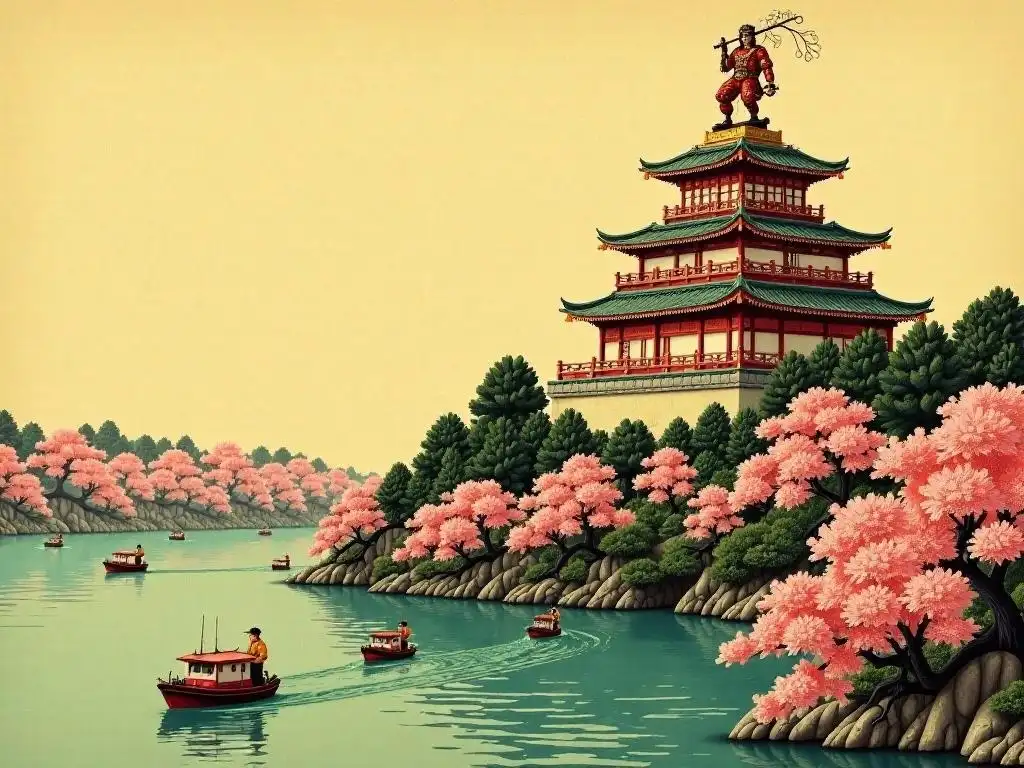
Welcome to Feudal Japan History, your gateway to the fascinating world of Japan’s feudal era! Here, we delve deep into the intricacies of a time marked by power, culture, and societal evolution. In our featured article, “Reinterpreting History: The Daimyo in Modern Japanese Literature,” we invite you to discover how the influential figures of the daimyo continue to shape narratives in contemporary literature.
What stories lie beneath the surface of their legacy? Join us as we unravel these connections and explore the enduring impact of feudal Japan on today's literary landscape. Dive in and let your curiosity guide you through this rich historical tapestry!
The daimyo, the powerful feudal lords of Japan, played a pivotal role in shaping the country's political landscape and social structure during the feudal era. Their influence extended far beyond mere governance; they were also key figures in the cultural and artistic developments that characterized Japan's historical narrative. As we delve into the realm of modern Japanese literature, it becomes evident that the legacy of the daimyo continues to resonate.
Authors draw upon the rich tapestry of their stories, imbuing contemporary narratives with themes, characters, and conflicts rooted in the past. This article aims to explore the significance of the daimyo in Japanese history and how their enduring legacy is represented in modern literature.
Introduction to the Daimyo in Japanese History
The daimyo were feudal lords who governed vast domains in Japan from the 12th to the 19th centuries. They were typically powerful samurai who controlled large territories, maintained their own armies, and engaged in complex political maneuvers to expand their influence. Understanding the daimyo's role is crucial to comprehending the intricate history of feudal Japan, as they were not only rulers but also patrons of culture and the arts.
Historical Significance of Daimyo in Feudal Japan
The historical significance of the daimyo cannot be overstated. They were instrumental in the following ways:
- Political Authority: Daimyo held substantial power within their domains, often rivaling the authority of the central government. Their loyalty to the shogunate varied, leading to periods of conflict and cooperation.
- Military Leadership: As samurai leaders, daimyo commanded armies and were central to Japan’s military conflicts, including the Sengoku period, a time marked by intense warfare and territorial disputes.
- Cultural Patrons: Many daimyo were patrons of the arts, supporting the development of literature, tea ceremonies, and Noh theater. This cultural patronage played a crucial role in the enrichment of Japanese heritage.
The Role of Daimyo in Society and Politics
The social and political roles of the daimyo were multifaceted:
- Land Management: Daimyo managed agricultural production and taxation within their domains, which was vital for sustaining their power and wealth.
- Social Hierarchy: They upheld the rigid class structure of feudal Japan, with samurai serving as their vassals, farmers working the land, and merchants often marginalized.
- Diplomatic Relations: Daimyo engaged in diplomacy with other domains and foreign powers, exemplifying the complexities of feudal alliances and rivalries.
The Influence of the Daimyo on Modern Japanese Literature
The influence of the daimyo extends into the realm of modern literature, where their historical narratives are reinterpreted and reimagined.
How Historical Figures Inspire Contemporary Authors
Contemporary authors often draw inspiration from the lives of historical daimyo, exploring their complexities and moral dilemmas. Notable examples include:
- Character Development: Characters based on daimyo in modern literature are frequently depicted with multifaceted personalities, reflecting the nuances of leadership, ambition, and ethical conflict.
- Thematic Exploration: Themes such as loyalty, betrayal, and the burdens of power are prevalent, allowing readers to connect with both historical and fictional representations of these figures.
The Legacy of Daimyo in Literary Themes
The legacy of the daimyo is evident in various literary themes that permeate modern narratives:
- Honor and Duty: The samurai code of honor continues to influence character motivations and conflicts in literature, echoing the values held by the daimyo.
- Cultural Revival: Modern authors often seek to revive and reinterpret the cultural practices and philosophies of the daimyo, enriching contemporary Japanese literature with historical depth.
Through these explorations, the daimyo remain a vital part of Japan's cultural consciousness, their stories woven into the fabric of modern literature, ensuring that the echoes of their past continue to resonate in the present.
Key Literary Works Featuring Daimyo
The portrayal of daimyo in modern Japanese literature offers a rich tapestry of historical context, cultural significance, and character exploration. Notable literary works have emerged that reflect the complexities and nuances of these feudal lords, shaping the narrative landscape of Japan's literary heritage. Here are a few key texts that prominently feature daimyo and delve into their representation in various ways.
"Musashi" by Eiji Yoshikawa: An Analysis of Daimyo Representation
Eiji Yoshikawa's "Musashi" is a historical novel that chronicles the life of the legendary swordsman Miyamoto Musashi during the early Edo period. The narrative intricately weaves the lives of various daimyo, providing insights into their power struggles and the socio-political landscape of feudal Japan. Yoshikawa presents daimyo not merely as aristocrats but as pivotal figures whose decisions and conflicts shape the course of history.
The author portrays the daimyo as embodiments of honor and ambition, often caught in the intricate web of loyalty and betrayal that defined the era. Through characters like the ambitious daimyo Matsudaira, readers witness the impact of personal ambition on broader political dynamics. Yoshikawa's nuanced portrayal highlights the internal and external conflicts faced by these feudal lords, reflecting the complex moral dilemmas of leadership and governance.
"Cloud of Sparrows" by Takashi Matsuoka: Exploring the Cultural Context
In "Cloud of Sparrows," Takashi Matsuoka explores the collision of cultures during the late Edo period, particularly through the lens of the daimyos' interactions with Western influences. The novel is set against the backdrop of Japan's opening to the West, showcasing how daimyo navigate this transformative period.
Matsuoka’s representation of daimyo is deeply intertwined with themes of tradition versus change. The protagonist, a daimyo named Lord Kiyomori, grapples with the pressures of modernization while attempting to uphold the values of his heritage. The author skillfully illustrates the cultural and political tensions that arise as daimyo confront foreign ideologies and technologies, creating a rich narrative that reflects the historical context of Japan's transition into modernity.
"The Samurai's Garden" by Gail Tsukiyama: The Daimyo's Impact on Character Development
Gail Tsukiyama's "The Samurai's Garden" offers a poignant exploration of the effects of war on personal identities, with the daimyo's influence subtly woven into the narrative. Set during the Second Sino-Japanese War, the story revolves around a young Chinese man seeking refuge in a Japanese coastal village, where he encounters a samurai whose past is linked to the local daimyo.
Through the character of the samurai, Tsukiyama reflects on the legacy of the daimyo and their values of honor and duty. The daimyo's historical significance shapes the samurai's identity, illustrating how the weight of the past informs personal choices and relationships. This novel emphasizes the enduring impact of feudal legacies on modern lives, revealing how the ideals of the daimyo continue to resonate in contemporary narratives.
The depiction of daimyo in modern literature often embodies broader themes and motifs that resonate with the complexities of power, honor, and conflict. These literary explorations provide profound insights into the enduring legacy of the daimyo within the cultural psyche of Japan.
Power Dynamics: The Daimyo's Authority in Fiction
Power dynamics are a central theme when exploring the role of daimyo in modern literature. These feudal lords are often depicted as figures of authority whose decisions significantly impact their domains and the lives of their subjects. The tension between the daimyo's power and the loyalty of their samurai frequently surfaces, highlighting the intricate balance of control and allegiance.
In various narratives, the authority of the daimyo is portrayed as both a source of strength and vulnerability. Characters grapple with the burdens of leadership, where the exercise of power can lead to both glory and downfall. This duality invites readers to reflect on the complexities of governance and the moral implications of authority.
Honor and Duty: The Daimyo’s Code in Modern Narratives
Honor and duty, integral components of the samurai code (Bushido), are often central to the portrayal of daimyo in modern literature. These themes resonate deeply within the narratives, as characters navigate their responsibilities to uphold their family's honor and protect their domains.
Daimyo are frequently depicted as custodians of these values, embodying the ideals of loyalty, sacrifice, and moral integrity. The struggle to maintain honor in the face of personal ambitions or external pressures becomes a recurring motif, illustrating the timeless relevance of these principles in shaping character motivations and conflicts.
Conflict and Resolution: The Daimyo in Struggle
Conflict is a dominant theme in stories featuring daimyo, encapsulating the political intrigues, battles, and personal struggles that define their existence. Modern literature often portrays the daimyo as central figures in conflicts—be it against rival clans, foreign invaders, or internal dissent.
The resolution of these conflicts, whether through diplomacy, warfare, or personal transformation, reflects the broader themes of change and adaptation. Characters often emerge from these struggles with newfound perspectives, underscoring the complexities of human experience within the historical context of feudal Japan. This exploration of conflict and resolution not only enriches character development but also invites readers to contemplate the enduring legacy of the daimyo's struggles in shaping modern Japanese identity.
Comparison of Traditional and Modern Representations of Daimyo

The portrayal of daimyo in Japanese literature has undergone significant transformations from traditional historical texts to contemporary narratives. These shifts not only reflect changes in societal values and identity but also highlight a re-evaluation of the feudal system and its figures. While traditional representations often emphasize the valor and nobility of daimyo, modern interpretations frequently explore their complexities, moral ambiguities, and the socio-political context of their actions.
Traditional Portrayals of Daimyo in Historical Texts
In historical texts, daimyo are often depicted as heroic figures, embodying qualities such as honor, loyalty, and strength. These portrayals are typical of samurai culture, which venerated the warrior class and their leaders. Classical literature, such as the Chronicles of the Samurai and various kabuki plays, romanticizes the lives of daimyo, focusing on their military prowess and contributions to the unification of Japan during the Sengoku period.
The daimyo's role as a feudal lord is often framed within the context of loyalty to the shogunate, illustrating the hierarchical nature of Japanese society. Notable examples include the Tale of the Heike, which glorifies the exploits of samurai and their lords, highlighting ideals of bravery and sacrifice. The narrative often reinforces the concept of bushido, the way of the warrior, and presents daimyo as embodiments of these values.
Modern Interpretations: Shifts in Perspective and Narrative Style
Contemporary literature has shifted towards a more nuanced portrayal of daimyo, reflecting modern sensibilities and a critical examination of historical narratives. Authors such as Haruki Murakami and Yukio Mishima delve into the psychological complexities of these figures, exploring themes of power, ambition, and the moral dilemmas faced by daimyo.
Modern interpretations often challenge the glorified images of the past, portraying daimyo as flawed leaders navigating the turbulent political landscape of feudal Japan. This shift is evident in works like The Tale of Genji reimagined through a modern lens, where the daimyo's decisions are scrutinized within the framework of personal and societal consequences. The narrative style has also evolved, incorporating elements of magical realism and psychological exploration, which contrasts sharply with the straightforward storytelling of historical texts.
The Societal Reflections of Daimyo in Contemporary Japanese Literature
Contemporary literature not only reflects the historical significance of daimyo but also serves as a medium for examining Japanese identity and societal values. The representations of daimyo in modern works indicate broader cultural reflections and critiques of Japan's feudal past, providing insights into how these figures are perceived today.
The Daimyo's Influence on Japanese Identity
The daimyo's legacy continues to shape Japanese identity, as they are often associated with the ideals of leadership, governance, and cultural heritage. In modern literature, authors examine how these historical figures contribute to contemporary notions of what it means to be Japanese, intertwining themes of nationalism and cultural pride with the complexities of the feudal system.
This exploration is particularly relevant in post-war literature, where writers grapple with Japan's rapid modernization and the resultant identity crises. The daimyo's portrayal can serve as a metaphor for the struggle between tradition and progress, illustrating how historical figures influence modern societal values and national identity.
How Literature Reflects Changes in Perception of Feudalism
The portrayal of daimyo in modern literature also reflects changing perceptions of feudalism and its implications for contemporary society. As Japan has moved away from its feudal roots, literature serves as a means to interrogate the remnants of this system within modern culture.
Authors often juxtapose the rigid hierarchies of feudal Japan with contemporary democratic values, questioning the morality of feudal loyalty and the implications of power dynamics. This critical lens fosters a deeper understanding of the historical context of daimyo and encourages readers to reflect on the relevance of these themes in today's world. The dialogues in modern narratives facilitate discussions about authority, responsibility, and the legacies of power that resonate with contemporary audiences.
Conclusion: The Enduring Legacy of Daimyo in Literature
The legacy of the daimyo continues to resonate in modern Japanese literature, serving as a potent symbol of authority, cultural heritage, and the complex dynamics of power. These feudal lords, who once ruled vast territories and commanded loyalty from samurai, are often portrayed as multifaceted characters, embodying both the virtues and vices of leadership. Their representation in contemporary narratives not only provides insight into Japan’s rich historical tapestry but also prompts readers to reflect on the moral dilemmas and societal structures that persist today.
As authors draw inspiration from the daimyo, they reinterpret historical events and characters in ways that make them relevant to modern audiences. This connection to the past allows for a deeper understanding of Japan's cultural identity and the evolution of its societal values. Whether depicted as tyrannical rulers or wise leaders, the daimyo serve as a lens through which we can explore themes of loyalty, betrayal, honor, and the consequences of power. The portrayal of these figures in literature thus plays a crucial role in keeping history alive and engaging with the ongoing discourse around leadership and governance.
The Importance of Understanding Daimyo in Modern Context
Understanding the role of the daimyo in modern literature is vital for several reasons. Firstly, it fosters a greater appreciation for Japan's historical context, illustrating how the feudal system shaped not only the political landscape but also social norms and cultural practices. By examining how authors depict daimyo, readers can gain insights into the values and ideologies that underpin these narratives, as well as how they reflect contemporary issues such as power dynamics, social hierarchies, and individual agency.
Moreover, the daimyo's portrayal in literature serves as a bridge between past and present, allowing for critical examination of Japan's identity and the ongoing relevance of its feudal history. This understanding can lead to a more nuanced perspective on modern Japanese society, encouraging readers to reflect on how historical legacies inform current attitudes and behaviors. The exploration of these themes in literature also invites discussions about the moral complexities of leadership and the lessons that can be gleaned from the past.
Future Directions for Literature Inspired by Feudal History
As we look to the future, the exploration of daimyo and their domains in literature holds significant potential for innovation and reinterpretation. Authors may continue to experiment with various genres—such as historical fiction, fantasy, and even speculative fiction—to breathe new life into the stories of these feudal lords. By blending traditional narratives with contemporary themes, writers can create rich, engaging tales that captivate modern audiences while remaining rooted in historical authenticity.
Additionally, the increasing interest in global perspectives on historical narratives offers opportunities for cross-cultural dialogues. Writers can draw parallels between the daimyo and similar figures in other cultures, enriching the discourse surrounding leadership and governance across different societies. This cross-pollination of ideas can lead to fresh interpretations that resonate with a diverse readership.
Furthermore, as new research emerges and historical scholarship continues to evolve, contemporary authors will have access to a wealth of information that can inform their portrayals of the daimyo. This ongoing academic inquiry can inspire more nuanced characterizations and complex narratives that challenge traditional perceptions of these figures. Ultimately, the future of literature inspired by feudal history promises to be dynamic and thought-provoking, ensuring that the legacy of the daimyo remains relevant in the ever-evolving landscape of Japanese literature.
- Introduction to the Daimyo in Japanese History
- The Influence of the Daimyo on Modern Japanese Literature
- Key Literary Works Featuring Daimyo
- Themes and Motifs Related to Daimyo in Modern Literature
- Comparison of Traditional and Modern Representations of Daimyo
- The Societal Reflections of Daimyo in Contemporary Japanese Literature
- Conclusion: The Enduring Legacy of Daimyo in Literature
- What is the significance of the Daimyo in modern Japanese literature?
- How have modern authors reinterpreted the Daimyo?
- What role do Daimyo play in understanding Japan's feudal era?
- Can you name some prominent works that feature Daimyo?
- How does the depiction of Daimyo in literature reflect modern Japanese values?
Frequently Asked Questions
What is the significance of the Daimyo in modern Japanese literature?
The Daimyo represent powerful feudal lords from Japan's history, often depicted as complex characters reflecting cultural values and social hierarchies in contemporary narratives.
Modern authors often portray Daimyo in a variety of roles, emphasizing themes of loyalty, betrayal, and identity, which resonate with today's societal issues and historical contexts.
What role do Daimyo play in understanding Japan's feudal era?
The Daimyo are crucial for understanding Japan's feudal structure, as they were key figures in the political and military landscape, influencing both culture and society.
Can you name some prominent works that feature Daimyo?
Notable works include novels like “The Tale of the Heike” and “Musashi,” which intricately weave the lives and struggles of Daimyo into their narratives, providing insight into their societal roles.
How does the depiction of Daimyo in literature reflect modern Japanese values?
The depiction often mirrors contemporary values such as honor, family loyalty, and social responsibility, showcasing how historical figures like the Daimyo continue to influence modern Japanese identity.
Final Reflection: The Enduring Legacy of the Daimyo in Modern Japanese Literature
The exploration of the Daimyo in modern Japanese literature reveals a profound connection between historical figures and contemporary narratives. As we navigate through a world increasingly influenced by globalization and cultural exchange, the stories of the Daimyo remind us of the importance of understanding our past. These characters, once powerful feudal lords, now serve as vessels for exploring themes of power, identity, and resilience in a rapidly changing society. Their reinterpretation in literature today not only preserves their legacy but also invites us to reflect on our own cultural narratives and the complexities of history.
The impact of the Daimyo on the cultural landscape of Japan is undeniable, as their stories continue to resonate with readers and writers alike. The intricate portrayal of these figures in modern literature not only honors their historical significance but also challenges us to rethink our perceptions of authority and honor. As noted by literary scholar Haruki Murakami, In every story, there lies a reflection of our own struggles and triumphs.
This sentiment underscores the relevance of the Daimyo's narratives, as they serve as mirrors to our own societal challenges and aspirations, fostering a deeper understanding of both the past and present.
As we conclude this exploration, I invite you to reflect on how the lessons from the Daimyo's stories can be applied to your own life. Consider the values of leadership, loyalty, and the pursuit of honor that these figures embody. How can you reinterpret your own history and experiences to shape a more meaningful narrative for yourself? Embrace the opportunity to learn from the past, and let the tales of the Daimyo inspire you to forge your own path in a world that is constantly evolving.
Unveil the Legacy: Take Action on Your Understanding of the Daimyo!
Thank you for diving into the rich tapestry of modern Japanese literature and its portrayal of the daimyo. Your curiosity opens the door to a deeper understanding of how history shapes contemporary narratives. Now, let's transform this knowledge into action!
- Read a contemporary Japanese novel that explores themes related to the daimyo to see the historical context come to life.
- Join a discussion group or online community focused on Japanese literature to share insights and engage with fellow enthusiasts.
- Explore and share your thoughts on a blog or social media about how the representation of daimyo reflects contemporary societal values.
What aspects of the daimyo's legacy resonate most with you in modern literature? We would love to hear your thoughts!