
Mastering Kanji: StepbyStep Tutorials for Stunning Calligraphy

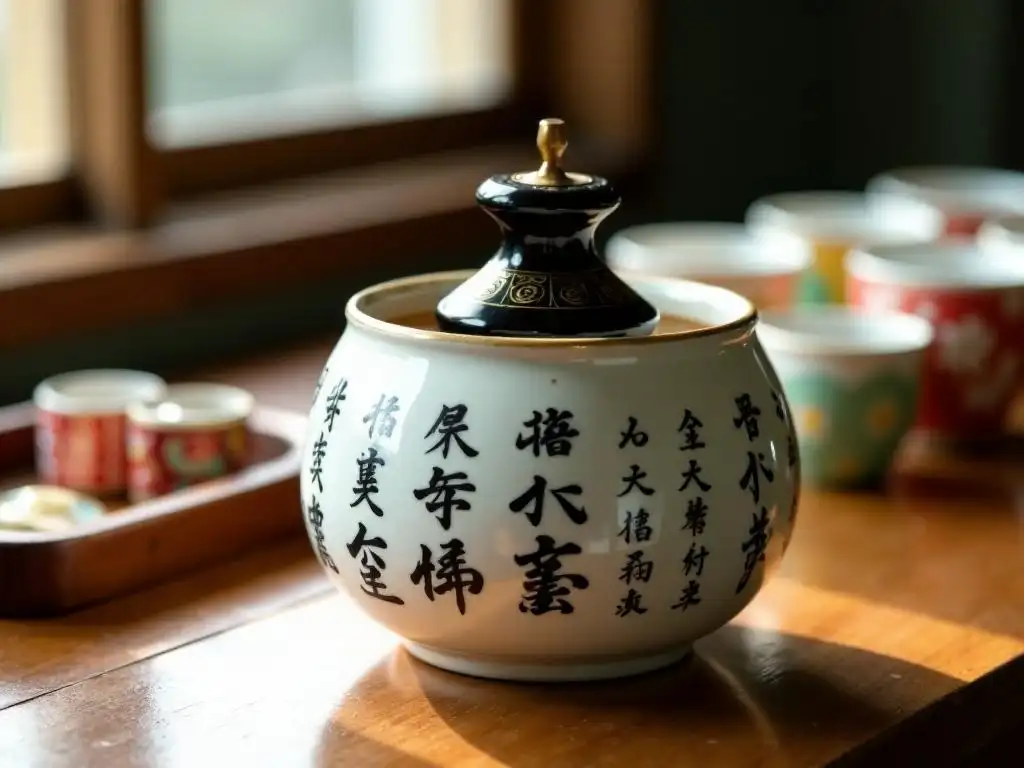
Welcome to Feudal Japan History, where we invite you to embark on a captivating journey through the rich tapestry of Japan's feudal era. Here, the ancient art of Kanji calligraphy awaits you with its intricate strokes and profound meanings. In our featured article, "Mastering Kanji: Step-by-Step Tutorials for Stunning Calligraphy," you’ll uncover the secrets of this beautiful craft, designed specifically for beginners eager to delve into the world of Japanese script.
Get ready to ignite your creativity and deepen your understanding of a culture that shaped the very essence of Japan. Curious to learn more? Let’s dive into the art of Kanji together!
The art of Kanji calligraphy is a captivating journey into the heart of Japanese culture, intertwining history, aesthetics, and personal expression. This article serves as a comprehensive guide for beginners eager to master the intricate strokes and elegant forms of Kanji characters.
As we delve into the rich traditions of Japanese calligraphy, you'll discover not only the techniques involved but also the profound significance of this art form, particularly during Japan's feudal era. Whether you're looking to enhance your artistic skills or deepen your appreciation for Japanese heritage, our step-by-step tutorials will equip you with the knowledge and inspiration to create stunning calligraphic works.
Introduction to Kanji Calligraphy
Kanji, the logographic characters borrowed from Chinese, forms an essential part of the Japanese writing system. Each character embodies a unique meaning and aesthetic, making Kanji calligraphy a powerful means of communication and artistic expression. In this section, we will explore the fundamental aspects of Kanji and its place in Japanese culture, setting the stage for your calligraphy journey.
Understanding Kanji in Japanese Culture
Kanji characters are more than just symbols; they are a bridge to understanding Japanese culture and history. Originating from China, these characters were integrated into Japan's writing system around the 5th century AD. Each Kanji character carries its own story and context, often reflecting philosophical concepts, natural elements, or historical events.
- Cultural Significance: Kanji embodies the values and traditions of Japanese society, influencing art, literature, and daily communication.
- Philosophical Depth: Many characters are steeped in meaning, representing ideas such as harmony, nature, or perseverance.
- Aesthetic Appeal: The beauty of Kanji lies in its structure and form, with each stroke contributing to the overall elegance of the character.
Importance of Calligraphy in Feudal Japan
During the feudal era, calligraphy was not only an esteemed art form but also a vital component of education and culture. Samurai, scholars, and monks alike practiced calligraphy, viewing it as a reflection of one's character and discipline.
- Cultural Prestige: Calligraphy was considered a high art, often associated with nobility and refinement.
- Spiritual Connection: For many, the act of writing Kanji was a meditative practice, promoting mindfulness and focus.
- Documentation and Preservation: Calligraphy played a crucial role in recording history, literature, and philosophical texts, ensuring knowledge was passed down through generations.
Getting Started with Kanji Calligraphy
As you embark on your journey to mastering Kanji calligraphy, it's essential to have the right tools and techniques. This section will guide you through the basics, ensuring you have everything you need to create beautiful calligraphic works.
What You Need: Essential Tools for Beginners
To start your Kanji calligraphy practice, you'll require a few essential tools that will help you achieve the desired precision and elegance. Here’s a list of the fundamental materials:
- Brushes: A variety of brushes, including soft, medium, and hard, will allow for different stroke styles.
- Ink: Traditional sumi ink is preferred for its rich color and smooth application.
- Paper: Rice paper or calligraphy paper provides the perfect texture for ink absorption.
- Ink Stone: Used to grind ink sticks for a fresh, smooth consistency.
- Practice Sheets: Pre-printed grids can help beginners learn stroke order and spacing.
Basic Techniques in Kanji Calligraphy
Mastering Kanji calligraphy involves understanding the fundamental techniques that define the art form. Here are some key techniques to practice:
- Stroke Order: Learning the correct order of strokes is crucial for creating well-formed characters.
- Pressure Control: Varying the pressure applied to the brush can create different effects, from bold lines to delicate strokes.
- Posture and Grip: Holding the brush correctly and maintaining a comfortable posture is essential for fluid movement.
- Repetition: Consistent practice is key to mastering each character, allowing you to develop your unique style.
With these foundational concepts in mind, you are ready to delve deeper into the world of Kanji calligraphy and create stunning works that reflect both your skill and the rich cultural heritage of Japan.
Step-by-Step Kanji Calligraphy Tutorials
Kanji calligraphy is an art form that combines the beauty of Japanese characters with the skillful technique of brush writing. This section will guide you through a series of tutorials designed to help beginners master the fundamentals of Kanji calligraphy, starting from basic characters and progressing to more advanced forms. Whether you are looking to create stunning pieces of art or simply want to enhance your writing skills, these tutorials will provide you with the knowledge and techniques needed to excel.
Tutorial 1: Writing Basic Kanji Characters
In this tutorial, we will focus on writing some of the most fundamental Kanji characters. These basic characters are essential for beginners and serve as the building blocks for more complex writing.
- Choose Your Materials: You'll need a brush (fude), ink (sumi), and rice paper (washi). Make sure your workspace is clean and well-lit.
- Understanding the Characters: Start with simple characters such as:
- 日 (hi): meaning "sun" or "day"
- 月 (tsuki): meaning "moon" or "month"
- 山 (yama): meaning "mountain"
- 川 (kawa): meaning "river"
- Stroke Order: Each Kanji character has a specific stroke order that must be followed for proper form. For example:
- 日 (hi): Start with a horizontal stroke, followed by a vertical stroke and a horizontal stroke at the bottom.
- Practice: Use a practice sheet that showcases the characters in various stages of completion. Repeat each character several times, focusing on maintaining consistent size and proportion.
- Review: After practicing, compare your characters against the ideal forms. Look for areas of improvement, such as balance and spacing.
Tutorial 2: Advanced Kanji Characters for Beginners
Once you are comfortable with basic Kanji characters, it's time to delve into more intricate symbols that convey deeper meanings and enhance your calligraphy skills.
- Selecting Intermediate Characters: Choose characters that are slightly more complex, such as:
- 愛 (ai): meaning "love"
- 夢 (yume): meaning "dream"
- 幸 (sachi): meaning "happiness"
- 友 (tomo): meaning "friend"
- Analyzing the Structure: Break down each character into its component parts (radicals). Understanding how the radicals work together will help in mastering the character as a whole.
- Focus on Flow: Advanced characters often require more fluidity in strokes. Practice connecting strokes smoothly to maintain rhythm.
- Incorporate Style: Once you have the basic forms down, experiment with different calligraphy styles (e.g., Kaisho, Gyosho, Sosho) to develop your unique artistic expression.
- Final Touches: Use a seal (hanko) to stamp your finished work for authenticity and to add a personal touch.
Tips for Perfecting Your Kanji Calligraphy

To truly master Kanji calligraphy, it's essential to implement certain strategies that enhance your writing and artistic expression. Here are some valuable tips to keep in mind while you practice.
Common Mistakes to Avoid in Kanji Writing
- Ignoring Stroke Order: Failing to follow the correct stroke order can lead to poorly shaped characters and a lack of fluidity. Always practice the prescribed order to develop muscle memory.
- Inconsistent Pressure: Applying uneven pressure while writing can result in varying line thickness. Aim to maintain consistent pressure for a harmonious appearance.
- Neglecting Proportions: Ensure that each component of the Kanji character is proportionate. Overly large or small parts can disrupt the overall balance.
- Rushing the Process: Calligraphy is an art that requires patience. Rushing through practice can lead to sloppy work. Take your time to focus on each stroke.
- Not Practicing Regularly: Like any skill, regular practice is essential for improvement. Set aside specific times each week dedicated to Kanji calligraphy.
Best Practices for Stroke Order and Flow
- Learn the Basics: Familiarize yourself with the general rules of stroke order, such as starting from top to bottom and left to right.
- Use Guides: Explore resources like practice sheets or digital applications that highlight stroke order for various Kanji characters.
- Visualize the Flow: Before writing, visualize how each stroke connects to the next. This mental rehearsal will help in achieving a smoother flow.
- Warm-Up Exercises: Start each practice session with warm-up strokes to loosen your hand and get into the rhythm of writing.
- Feedback and Reflection: Regularly seek feedback on your work from fellow practitioners or online communities. Reflect on your progress and set new goals for improvement.
By following these tutorials and tips, you'll be well on your way to mastering Kanji calligraphy, creating beautiful pieces that reflect your dedication and skill. Happy writing!
Enhancing Your Skills: Resources and Tools
To master Kanji calligraphy, incorporating the right resources and tools is essential. These resources not only provide guidance but also inspire creativity. Below, we explore a variety of recommended books, online courses, and essential tools that can elevate your calligraphy skills.
Recommended Books for Kanji Calligraphy Mastery
Books are invaluable for learning the intricacies of Kanji calligraphy. Here are some highly recommended titles that can serve as your guides:
- "Japanese Calligraphy: A Complete Guide to Mastering the Art" by Jonathan Chaves
- This comprehensive guide covers techniques, styles, and history, making it perfect for both beginners and advanced practitioners.
- "The Art of Japanese Calligraphy" by Shohaku Kawai
- This book not only provides step-by-step instructions but also delves into the philosophy behind calligraphy, enriching the learning experience.
- "Kanji in Context" by Nishiguchi Ryo
- While primarily a language-learning resource, this book includes sections on Kanji writing, helping you understand the characters while practicing your calligraphy.
- "Calligraphy: A Complete Guide" by Margaret Shepherd
- Although it covers various styles, it includes specific sections on Japanese calligraphy that can be beneficial for Kanji learners.
These books are excellent starting points, offering a solid foundation in techniques and artistic expression.
Online Courses and Tutorials for Advanced Techniques
In addition to books, online courses can provide structured learning experiences that allow for flexibility. Here are some platforms and courses that specialize in Kanji calligraphy:
- Skillshare
- Offers several courses focusing on Japanese calligraphy, from beginner to advanced levels. These courses often include video tutorials, project assignments, and feedback from instructors.
- Udemy
- Features a wide range of Kanji calligraphy courses that cover various styles and techniques. Look for courses that include practical exercises and downloadable resources.
- YouTube Channels
- Channels like "Learn Japanese with JapanesePod101" and "Japanese Calligraphy" provide free tutorials and demonstrations that can be incredibly useful for visual learners.
- Local Art Schools
- Many art schools offer workshops or online classes specifically focused on Japanese calligraphy. Check for local offerings that may provide hands-on experience with expert instructors.
These resources will help you build upon your foundational skills and explore more advanced techniques in Kanji calligraphy.
Showcasing Your Kanji Calligraphy
Once you've honed your skills, showcasing your work is a rewarding way to share your passion for Kanji calligraphy. Here are some creative ideas on how to display your artwork.
How to Create Stunning Calligraphy Art Pieces
Creating stunning calligraphy art pieces involves more than just writing Kanji characters. Here are some steps to elevate your creations:
- Select Quality Materials
- Use high-quality rice paper and brushes. The texture of the paper and the type of brush can significantly affect the outcome of your calligraphy.
- Choose Meaningful Characters
- Select Kanji characters that resonate with you. Whether it's a meaningful word or a quote, this personal connection will enhance your motivation and creativity.
- Experiment with Layouts
- Play with different layouts. Consider vertical vs. horizontal arrangements, or even circular patterns. This experimentation can lead to unique presentations.
- Incorporate Color and Design
- While traditional calligraphy often uses black ink, adding color or decorative elements can make your artwork stand out. Consider using colored inks or adding backgrounds.
- Frame Your Work
- A beautiful frame can enhance the presentation of your calligraphy art. Choose a frame that complements the style of your work and adds to the overall aesthetic.
- Share Online
- Create an Instagram or Pinterest account dedicated to your calligraphy. This not only showcases your work but also connects you with a community of fellow calligraphy enthusiasts.
By following these steps, you can create stunning pieces that not only reflect your skill but also your personal artistic vision.
Conclusion: The Art of Kanji Calligraphy
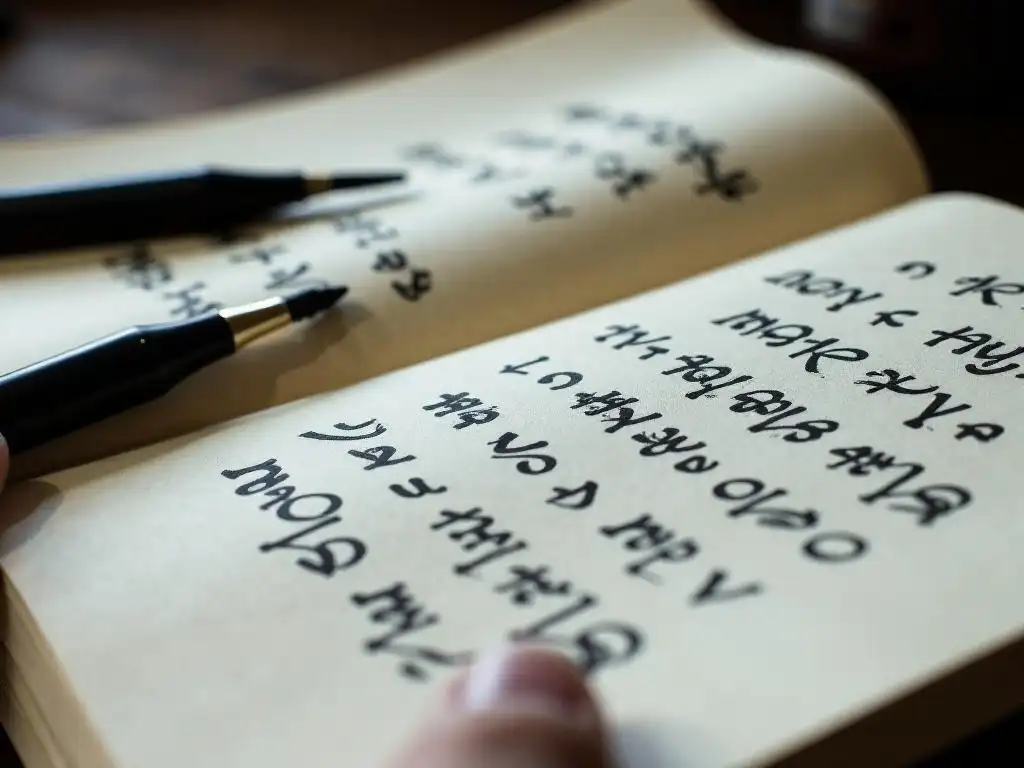
Kanji calligraphy is more than just a visual representation of characters; it is a profound art form that embodies the spirit and culture of Japan. As you delve into the intricate strokes and balanced forms of each kanji, you not only learn how to write but also gain insight into the historical and cultural significance behind these symbols. The elegance of kanji calligraphy lies in its ability to convey emotion and meaning through the flow of ink on paper. By mastering this art, you connect with centuries of tradition and the creativity of those who came before you.
The Journey of Learning Kanji Calligraphy
Embarking on the journey to master kanji calligraphy is both exciting and rewarding. It requires patience, dedication, and a willingness to embrace the learning process. Each kanji character consists of a combination of strokes that must be executed with precision. Beginners will start with basic characters, gradually progressing to more complex forms as their skills develop.
Throughout this journey, it’s essential to practice consistently. Regular practice not only helps in mastering the strokes but also in cultivating a deeper appreciation for the art. As you continue to learn, you’ll discover various styles of calligraphy, from the fluid movements of Shodo (the way of writing) to the more structured forms found in traditional texts.
Incorporating various tools, such as brushes, ink, and paper, will further enhance your experience. Each tool contributes to the unique texture and aesthetic of your work, allowing you to express your personality through your calligraphy.
Encouragement to Practice and Explore Further
As you advance in your kanji calligraphy skills, remember that every stroke is a step toward mastery. Don't be discouraged by initial challenges; instead, view them as opportunities for growth. Keep a journal of your progress, noting your achievements and areas for improvement. This practice will not only track your development but also serve as a source of motivation.
Engaging with other calligraphy enthusiasts can greatly enhance your learning experience. Share your work, seek feedback, and learn from others' techniques. Explore online forums, workshops, and local classes that focus on kanji calligraphy. The more you immerse yourself in the community, the richer your understanding and appreciation of this art form will become.
Call to Action
Unlock your potential in the world of kanji calligraphy! Whether you're a complete beginner or looking to refine your skills, our comprehensive tutorials are designed to guide you every step of the way. Dive deeper into the nuances of kanji, discover new techniques, and express your creativity through this beautiful art form.
Join Our Community of Kanji Calligraphy Enthusiasts
Become a part of our vibrant community of kanji calligraphy lovers! Share your progress, get tips from fellow artists, and participate in challenges that will inspire you to push your boundaries. By joining us, you’ll have access to a wealth of resources, including tutorials, live demonstrations, and feedback from experienced calligraphers. Together, let’s celebrate the art of kanji calligraphy and inspire each other to reach new heights in our artistic journeys!
Additional Resources
To further enhance your understanding of Kanji and master the art of calligraphy, a variety of resources are available. These resources not only provide tutorials and techniques but also immerse you in the rich history and cultural significance of Kanji. Below, you'll find valuable links to related articles as well as recommended products that can aid in your journey.
Links to Related Articles on Japanese Calligraphy and Culture
-
Understanding Kanji Characters
This article delves into the origins of Kanji, exploring its evolution from ancient Chinese characters and its role in Japanese writing.
-
The History of Japanese Calligraphy
An in-depth look at the development of calligraphy throughout Japan’s history, this article highlights key figures and styles that have shaped the art form.
-
Brush Techniques for Beginners
Learn the essential brush techniques crucial for mastering Kanji calligraphy. This guide walks you through the basic strokes and grip needed to get started.
-
Cultural Significance of Kanji in Modern Japan
Explore how Kanji influences contemporary culture, from art to advertising, and understand its relevance in today's society.
-
Tips for Maintaining a Calligraphy Practice
This article offers practical advice on how to sustain your calligraphy practice, including developing a routine, setting goals, and finding inspiration.
Recommended Products for Continued Learning and Practice
To complement your Kanji calligraphy tutorials, consider investing in the following products that can enhance your learning experience:
| Product Name | Description | Price Range |
|---|---|---|
| Calligraphy Brush Set | A comprehensive set of brushes designed for Kanji writing, suitable for all levels. | $20 - $50 |
| Japanese Calligraphy Workbook | A workbook filled with exercises to practice Kanji strokes and characters. | $15 - $30 |
| Ink and Paper Set | High-quality rice paper and traditional ink for practicing calligraphy techniques. | $10 - $25 |
| Online Calligraphy Course | An interactive course that provides video tutorials and feedback from experienced calligraphers. | $50 - $100 |
| Kanji Reference Book | A detailed guide featuring common Kanji characters, their meanings, and usage examples. | $15 - $40 |
By utilizing these resources, you can deepen your knowledge and refine your skills in Kanji calligraphy, effectively progressing from a beginner to a more proficient artist. Happy practicing!
- Introduction to Kanji Calligraphy
- Getting Started with Kanji Calligraphy
- Step-by-Step Kanji Calligraphy Tutorials
- Tips for Perfecting Your Kanji Calligraphy
- Enhancing Your Skills: Resources and Tools
- Showcasing Your Kanji Calligraphy
- Conclusion: The Art of Kanji Calligraphy
- Call to Action
- Additional Resources
Frequently Asked Questions
What is Kanji calligraphy?
Kanji calligraphy is the art of writing Japanese characters in an aesthetically pleasing way, often emphasizing fluid strokes and balance.
How can beginners start learning Kanji calligraphy?
Beginners can start with a Kanji calligraphy tutorial that focuses on basic strokes and character formations. Practice is essential for mastering the art.
What materials are needed for Kanji calligraphy?
To begin, you will need calligraphy brushes, ink, rice paper, and a calligraphy guide to help with stroke order and technique.
Are there any online resources for Kanji calligraphy tutorials?
Yes, there are numerous online tutorials and videos available that provide step-by-step guidance for beginners in Kanji calligraphy.
How long does it take to master Kanji calligraphy?
The time it takes to master Kanji calligraphy varies by individual, but consistent practice and dedication can lead to noticeable improvement within a few months.
Final Reflection: Embracing the Art of Kanji Calligraphy
Mastering Kanji calligraphy is not just about learning characters; it is a profound journey into the heart of Japanese culture and artistry. As we navigate through the intricacies of each stroke and the philosophy behind every character, we uncover a timeless practice that resonates deeply in today's fast-paced world. The art of Kanji calligraphy serves as a reminder of the beauty in patience and precision, urging us to slow down and appreciate the craftsmanship involved in each piece.
Can we truly grasp the essence of a culture without immersing ourselves in its artistic expressions? The influence of Kanji calligraphy extends beyond mere aesthetics; it shapes our understanding of language, history, and identity. As we engage with this art form, we connect with a rich heritage that has endured through centuries. Art is the most beautiful of all lies.
This quote encapsulates the transformative power of art, inviting us to explore the layers of meaning and emotion that Kanji calligraphy evokes in our lives.
As you embark on your own journey to master Kanji calligraphy, I encourage you to reflect on the lessons it imparts. Consider how the discipline of practicing each stroke can translate into other areas of your life, fostering patience, focus, and creativity. Let this art form inspire you to cultivate a deeper appreciation for the beauty around you and to express your own unique voice through the strokes of your brush. Embrace the challenge, and allow the elegance of Kanji calligraphy to enrich your personal and artistic journey.
Unleash Your Inner Artist: Master Kanji Calligraphy Today!
Thank you for joining us on this journey through the intricate world of Kanji calligraphy! We hope you’ve gained valuable insights into this beautiful art form, and now it's time to put your learning into action.
Here’s how you can take the first steps towards becoming a master of Kanji:
- Start practicing with a daily calligraphy exercise: Dedicate just 15 minutes each day to focus on a single Kanji character. You'll be amazed at how quickly your skills improve!
- Join a local or online Kanji community: Connect with fellow calligraphy enthusiasts to share tips, techniques, and inspiration. Collaborating with others can ignite your creativity!
- Showcase your work: Once you feel confident, don’t hesitate to share your art on social media or within your community. Inspiring others with your journey can create a ripple effect of motivation!
Which Kanji character are you excited to try first, and what draws you to it? We would love to hear your thoughts!