
The Future of Tea Ceremonies: Preserving Tradition in a Modern World

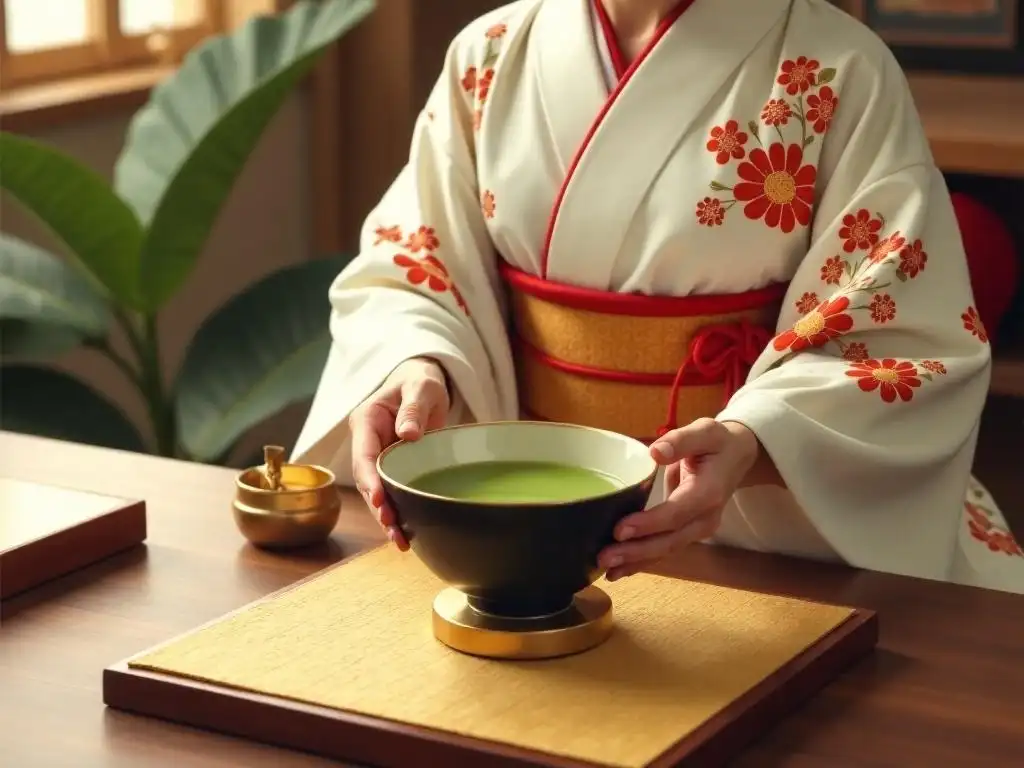
Welcome to Feudal Japan History, where we embark on a fascinating journey through the intricate tapestry of Japan’s feudal era. Here, we delve deep into the cultural history that shaped a nation, exploring the rich traditions that continue to resonate today. In our featured article, "The Future of Tea Ceremonies: Preserving Tradition in a Modern World," we invite you to uncover the timeless beauty of Japanese tea ceremony traditions and discover how these age-old practices are being reimagined in contemporary society.
Prepare to ignite your curiosity and immerse yourself in a world where history and culture intertwine seamlessly. Your exploration begins now!
Introduction to Japanese Tea Ceremony Traditions
The Japanese tea ceremony, known as chanoyu, embodies a profound cultural heritage that transcends mere beverage preparation. This intricate ritual, steeped in history and symbolism, serves as a window into the values, aesthetics, and philosophies of Japanese society. In a rapidly modernizing world, the preservation of these tea ceremony traditions has become essential, prompting a dialogue about how this cherished practice can adapt while maintaining its core principles. As we delve into the nuances of Japanese tea ceremonies, we will explore their historical significance, cultural impact, and the evolving practices that continue to shape this time-honored tradition.
Overview of Japanese Tea Ceremony
At its essence, the Japanese tea ceremony is not merely about drinking tea; it is a spiritual and artistic experience that emphasizes harmony, respect, purity, and tranquility. Each element—from the selection of tea utensils to the meticulous preparation of matcha—plays a crucial role in creating an atmosphere of mindfulness. Traditional tea ceremonies can vary in style, but they are typically characterized by a humble setting and a focus on the beauty of simplicity. Participants are invited to engage in a moment of quiet reflection, fostering connections not just with each other but with the world around them.
Historical Significance of Tea Ceremonies in Japan
The roots of the Japanese tea ceremony trace back to the 9th century, evolving significantly over the centuries. Initially influenced by Buddhist practices, tea was brought to Japan from China and swiftly became associated with Zen Buddhism. The first recorded tea ceremony is attributed to the 15th century, where it began to develop into a formalized practice under the guidance of the tea master Sen no Rikyū. His philosophy of wabi-sabi—finding beauty in imperfection—profoundly shaped the aesthetics and principles of the ceremony, intertwining it with Japan's cultural identity.
Cultural Impact of Tea Ceremonies on Japanese Society
Tea ceremonies have played a pivotal role in shaping social dynamics within Japan. They serve as a medium for cultivating relationships, whether in a personal, familial, or business context. Traditionally, these ceremonies provided a formalized setting for diplomacy and negotiation, where the act of sharing tea signified trust and mutual respect. Additionally, the tea ceremony has influenced various art forms, such as poetry, calligraphy, and flower arranging, further embedding itself in the cultural fabric of Japan.
The Evolution of Japanese Tea Ceremony Traditions
Historical Changes in Tea Ceremony Practices
As Japan entered periods of significant change, the tea ceremony evolved. The Edo period saw the rise of chanoyu as a popular cultural practice among the samurai and merchant classes, leading to the establishment of various schools of tea. These schools introduced distinct styles and philosophies, resulting in a rich diversity of practices across the country. The post-war era brought about even more transformation, as Japan began to modernize and Western influences permeated traditional practices.
Influences of Modernization on Traditional Ceremonies
In today's fast-paced society, the Japanese tea ceremony faces challenges due to modernization and shifting social norms. While some practitioners strive to keep the traditional practices intact, others have adapted the ceremonies to fit contemporary lifestyles, incorporating elements such as casual settings and thematic variations. This evolution raises questions about the authenticity of the experience and how to balance tradition with modernity.
Comparison of Traditional vs. Contemporary Tea Ceremonies
The contrast between traditional and contemporary tea ceremonies highlights the tension between preserving heritage and embracing change. Traditional ceremonies typically adhere to strict protocols, focusing on the aesthetic and spiritual aspects. In contrast, contemporary ceremonies may prioritize accessibility and creativity, allowing for a more relaxed atmosphere. This flexibility can attract new participants, ensuring the survival of tea ceremony traditions while fostering a greater appreciation for their historical roots.
By examining these various facets of Japanese tea ceremony traditions, we can better understand the delicate balance between preservation and evolution, ultimately contributing to the rich tapestry of Japan's cultural heritage.
Challenges Facing Japanese Tea Ceremony Traditions Today
The Japanese tea ceremony, or chanoyu, is a ritualistic practice that embodies the essence of Japanese culture. However, in today’s fast-paced world, several challenges threaten its survival and relevance. The decline in participation, the impact of globalization, and the struggle to maintain authenticity are critical issues that need to be addressed to ensure these traditions continue to thrive.
Decline of Participation in Traditional Tea Ceremonies
One of the most significant challenges facing Japanese tea ceremony traditions is the noticeable decline in participation. Young people, in particular, are increasingly drawn to modern lifestyles that prioritize convenience and speed over traditional practices. This shift is partly due to:
- Changing Social Dynamics: As societal structures evolve, fewer people have the time to engage in the lengthy and meticulous rituals associated with tea ceremonies.
- Urbanization: With more individuals moving to urban areas, there is a disconnection from rural customs and practices, including those surrounding tea.
- Cultural Shifts: The younger generation may not see the value in the tea ceremony, perceiving it as outdated or irrelevant to their daily lives.
These factors contribute to a diminishing pool of practitioners, resulting in fewer opportunities for the transmission of knowledge and skills associated with the tea ceremony.
Impact of Globalization on Japanese Tea Culture
Globalization has created a complex landscape for Japanese tea culture. While it has opened up avenues for the spread of Japanese tea worldwide, it has also led to:
- Commercialization: Many tea ceremonies are now adapted for tourists, emphasizing entertainment over authenticity. This shift can dilute the cultural significance and depth of the practice.
- Cultural Appropriation: As elements of the tea ceremony are adopted by non-Japanese cultures, there is a risk of losing the original context and meaning behind the rituals.
- Competition with International Teas: The global market has introduced various tea traditions that compete for attention and consumption, potentially overshadowing the unique aspects of Japanese tea ceremonies.
Balancing the appreciation of Japanese tea globally while preserving its core values is a significant challenge.
Preservation of Authenticity in a Modern Context
Maintaining the authenticity of Japanese tea ceremonies in a modern context presents its own set of hurdles. Key concerns include:
- Adapting Traditions: As the world changes, there is pressure to adapt tea ceremonies to make them more accessible, which can lead to a dilution of traditional practices.
- Authentic Training: The decline in skilled practitioners makes it difficult to ensure that new generations receive authentic training in the art of tea. This can result in a loss of the subtleties and nuances that define the practice.
- Cultural Misinterpretation: As the tea ceremony becomes more popular outside of Japan, there is a risk that its significance and rituals may be misunderstood or misrepresented.
Finding a balance between innovation and adherence to tradition is essential for preserving the integrity of these ceremonies.
Innovative Approaches to Preserving Tea Ceremony Traditions
In response to the challenges, innovative approaches are being explored to ensure the preservation of Japanese tea ceremony traditions. These initiatives aim to engage both young people and global audiences, fostering appreciation for the rich cultural heritage of Japan.
Integration of Technology in Tea Ceremonies
Embracing technology can play a pivotal role in revitalizing interest in tea ceremonies. Possible strategies include:
- Virtual Workshops: Online classes and tutorials can introduce a wider audience to the basics of the tea ceremony, making it more accessible to those unable to attend in-person sessions.
- Social Media: Platforms like Instagram and TikTok can help showcase the beauty and intricacies of tea ceremonies, drawing in younger audiences and encouraging participation.
- Augmented Reality (AR): Using AR applications to simulate tea ceremonies can enhance the educational experience, allowing users to explore the history and techniques behind the rituals in an interactive manner.
These technological integrations can increase visibility and engagement while respecting the traditional essence of the practice.
Educational Initiatives for Promoting Tea Ceremony Culture
Education is crucial for sustaining interest in the tea ceremony. Various initiatives can promote its culture:
- School Programs: Incorporating tea ceremony lessons in school curricula can instill appreciation for this cultural practice from a young age.
- Workshops and Events: Community organizations can host workshops where participants can learn about tea history, preparation methods, and the significance of the ceremony.
- Collaborations with Cultural Institutions: Partnerships with museums and cultural centers can provide platforms for exhibitions and demonstrations that highlight the importance of tea ceremonies.
Such educational efforts can foster a deeper understanding and respect for Japanese tea traditions.
Role of Community Engagement in Revival Efforts
Community involvement is vital for the revival of Japanese tea ceremony traditions. Strategies include:
- Local Tea Clubs: Establishing local tea clubs can create a supportive environment where enthusiasts can practice and share knowledge about tea ceremonies.
- Cultural Festivals: Hosting festivals that celebrate Japanese culture can include tea ceremony demonstrations, inviting both locals and tourists to experience the tradition firsthand.
- Intergenerational Programs: Encouraging older generations to teach younger individuals can help pass down techniques and stories, reinforcing the cultural significance of the tea ceremony.
By fostering community engagement, traditional tea ceremonies can be revitalized and preserved for future generations.
The Importance of Cultural Preservation in Modern Society
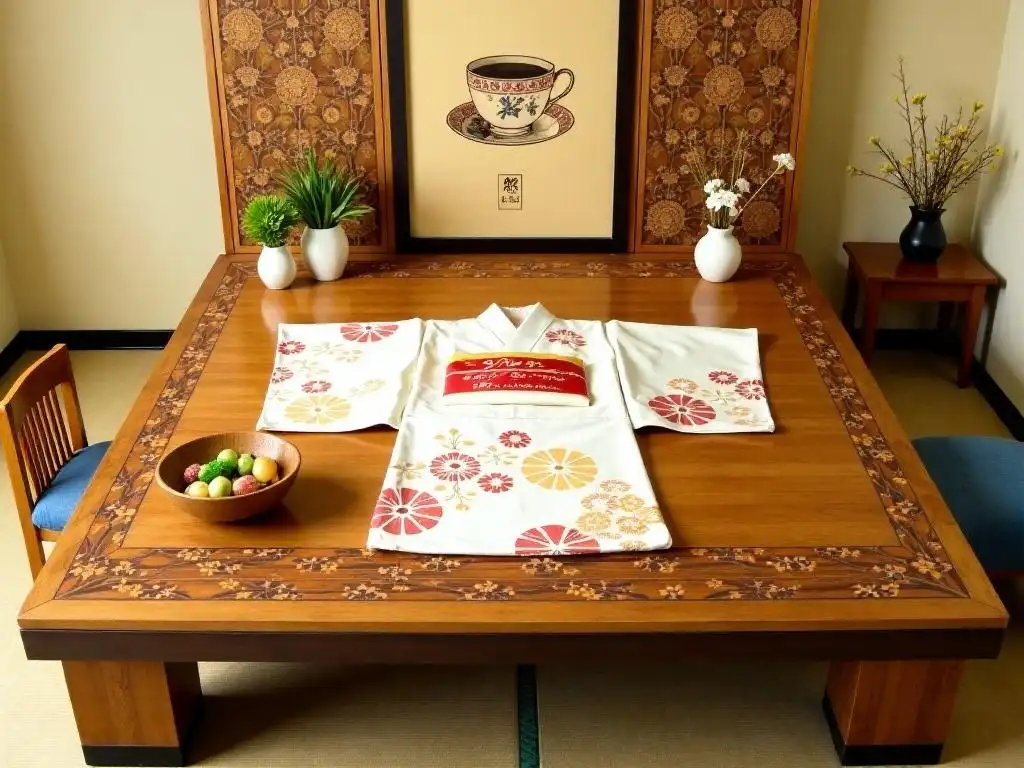
Cultural preservation serves as a vital mechanism for maintaining the identity and heritage of societies in an increasingly globalized world. For Japan, a country rich in history and tradition, the preservation of cultural practices such as the Japanese tea ceremony is imperative not only for historical continuity but also for fostering a sense of belonging among its people. This alignment with cultural roots can help communities navigate modern challenges while staying connected to their unique identities.
Moreover, cultural preservation contributes to the promotion of diversity and understanding among peoples. Engaging with traditional practices like the Japanese tea ceremony fosters appreciation for different ways of life, encouraging dialogue and cooperation in an interconnected global community. By prioritizing cultural preservation, societies can create a balanced approach to modernization that respects traditional values and practices while embracing innovation.
Benefits of Maintaining Japanese Tea Ceremony Traditions
Maintaining Japanese tea ceremony traditions offers a plethora of benefits that extend beyond mere historical interest. Firstly, these ceremonies encourage mindfulness and presence, teaching practitioners to appreciate the moment and the subtleties of their surroundings. This focus on mindfulness can be particularly beneficial in today's fast-paced world, where distractions abound.
Additionally, the tea ceremony promotes social cohesion and community engagement. Participants are invited to share in the ritual, fostering connections and building relationships that might otherwise be overlooked in modern society. This sense of community can be essential for mental well-being, creating bonds that support individuals during challenging times.
From an educational perspective, the tea ceremony serves as a living history lesson, imparting values such as respect, harmony, and simplicity. By engaging in these traditions, younger generations can develop a deeper understanding of their cultural heritage, ensuring that these values are not lost to time.
Connection Between Tradition and Identity
The connection between tradition and identity is profound, particularly in a culture as rich as Japan's. Japanese tea ceremony traditions are not just rituals; they are embodiments of centuries-old values and philosophies that shape the Japanese identity. These practices reflect the harmonious relationship between nature and humanity, emphasizing beauty in simplicity and the importance of ritual in daily life.
For many practitioners, participating in tea ceremonies can evoke feelings of pride and belonging, reinforcing their cultural identity amidst globalization. As individuals engage with these traditions, they become part of a lineage that transcends time, linking them to their ancestors and the broader historical narrative of Japan. This continuity helps to cultivate a sense of self that is rooted in cultural heritage, allowing individuals to navigate the modern world with a strong sense of identity.
Case Studies of Successful Preservation Efforts
Several successful case studies illustrate the effective preservation of Japanese tea ceremony traditions in the modern era. One notable example is the Urasenke school, which has adapted its teachings to reach a global audience. By offering workshops and online courses, Urasenke has successfully engaged international enthusiasts, allowing them to experience and appreciate the intricacies of the tea ceremony.
Another example is the establishment of community tea houses across Japan, where local practitioners host tea ceremonies for visitors. These venues not only serve as platforms for showcasing the beauty of tea culture but also foster community involvement and cultural exchange. Such initiatives highlight the importance of accessibility in preserving traditions, ensuring that they remain relevant and appreciated by future generations.
Future Directions for Japanese Tea Ceremony Traditions
As we look to the future, the evolution of Japanese tea ceremony traditions will be influenced by emerging trends and societal changes. The integration of technology, for instance, presents both challenges and opportunities for these time-honored practices. With the rise of virtual experiences, tea ceremonies can reach a wider audience than ever before, allowing individuals from different corners of the globe to engage with this cultural art form.
Emerging Trends in Tea Ceremony Practices
Emerging trends in tea ceremony practices reflect a growing interest in sustainability and wellness. Many practitioners are now focusing on organic tea cultivation and environmentally friendly practices, aligning the tea ceremony with contemporary values. This shift not only preserves the traditions but also ensures that they resonate with a modern audience that prioritizes ecological responsibility.
Furthermore, there is an increasing incorporation of personal expression within tea ceremonies. While traditional rituals remain at the core, practitioners are experimenting with unique interpretations, blending modern aesthetics with classical elements. This dynamic adaptation keeps the tradition alive, inviting a new generation to explore its beauty while allowing for individual creativity.
Predictions for the Role of Tea Ceremonies in Future Japanese Culture
Looking ahead, tea ceremonies are likely to continue evolving as a reflection of Japanese culture's adaptability. As Japan faces various societal challenges, such as urbanization and changing demographics, tea ceremonies may serve as a counterbalance, offering moments of tranquility and connection in an increasingly hectic world.
Furthermore, the rise of wellness culture may position tea ceremonies as a vital practice for mental and emotional health. With their emphasis on mindfulness and presence, these ceremonies could become integral to contemporary self-care routines, appealing to those seeking respite from modern life's demands.
Opportunities for Global Influence and Cultural Exchange
The future of Japanese tea ceremony traditions also holds significant opportunities for global influence and cultural exchange. As the world becomes more interconnected, there is a growing interest in authentic cultural experiences. Japanese tea ceremonies, with their rich history and profound philosophies, can serve as a bridge between cultures, fostering mutual respect and understanding.
Collaborative initiatives, such as international tea festivals and cultural workshops, can further promote these traditions on a global scale. By sharing the essence of Japanese tea ceremonies with diverse audiences, practitioners can cultivate appreciation for Japanese culture while simultaneously enriching their own understanding through cross-cultural dialogue. This exchange not only preserves the traditions but also ensures their vitality in a rapidly changing world.
Conclusion: Balancing Tradition and Modernity in Tea Ceremonies
The future of Japanese tea ceremony traditions hinges on finding a delicate balance between preserving age-old practices and adapting to contemporary lifestyles. As society evolves, so too must the ways in which these cherished customs are expressed. This balance is not merely a compromise but a necessary evolution that allows the essence of the tea ceremony to remain relevant and meaningful in today’s fast-paced world.
Incorporating modern elements, such as technology and contemporary aesthetics, can attract younger generations to the art of tea. By using social media platforms to showcase ceremonies, share educational content, and connect with a global audience, practitioners can breathe new life into these traditions. Moreover, reimagining the ceremonial space to include minimalist designs or even pop-up tea events can make the experience more accessible to those unfamiliar with the ritual's intricacies.
As we look to the future, the preservation of Japanese tea ceremony traditions will also require an emphasis on education. Teaching the philosophy behind the ceremony, including mindfulness and respect for nature, can foster a deeper appreciation among participants, ensuring that the traditions are not lost but rather transformed into a living practice that embraces change while honoring the past.
Final Thoughts on the Future of Japanese Tea Ceremony Traditions
The ongoing journey of Japanese tea ceremony traditions reflects a broader narrative of cultural resilience and adaptability. As the world becomes increasingly interconnected, the tea ceremony offers a unique lens through which to explore themes of harmony, respect, and beauty. By embracing change while safeguarding essential values, practitioners can cultivate a rich and diverse tea culture that resonates with both traditionalists and modern enthusiasts.
It is crucial for the custodians of this art to continue innovating while remaining grounded in the core philosophies that define the tea ceremony. This dual approach will not only preserve these traditions but also invite new influences, enriching the experience for future generations. Whether through workshops, community events, or digital storytelling, the future of the Japanese tea ceremony is poised to flourish as long as it remains adaptable and inclusive.
Call to Action for Readers to Engage with Tea Culture
We invite all readers to immerse themselves in the world of Japanese tea ceremony traditions. Here are some ways you can engage with this beautiful practice:
- Attend a Tea Ceremony Workshop: Seek out local or online workshops that teach the fundamental principles and techniques of the tea ceremony. Experience firsthand the mindfulness and artistry involved in the ritual.
- Explore Tea Culture Publications: Read books and articles that delve into the history, philosophy, and aesthetics of the tea ceremony. This will deepen your understanding and appreciation of this cultural practice.
- Participate in Community Events: Join local cultural festivals or tea events that celebrate Japanese traditions. Such gatherings often provide opportunities to experience the ceremony in a communal setting.
- Share Your Experience: If you have attended a tea ceremony or have insights into the practice, share your experiences on social media or in community forums. This helps to foster a dialogue about the significance of the tea ceremony in modern life.
By engaging with tea culture, you not only honor the legacy of Japanese traditions but also contribute to their evolution, ensuring that they remain vibrant and relevant in the contemporary world. 🍵
- Introduction to Japanese Tea Ceremony Traditions
- The Evolution of Japanese Tea Ceremony Traditions
- Challenges Facing Japanese Tea Ceremony Traditions Today
- Innovative Approaches to Preserving Tea Ceremony Traditions
- The Importance of Cultural Preservation in Modern Society
- Future Directions for Japanese Tea Ceremony Traditions
- Conclusion: Balancing Tradition and Modernity in Tea Ceremonies
Frequently Asked Questions
What are the Japanese tea ceremony traditions?
The Japanese tea ceremony traditions, known as Chanoyu, emphasize harmony, respect, purity, and tranquility. This ritual involves the meticulous preparation and serving of matcha tea and is deeply rooted in Japanese culture.
How have modern influences affected the tea ceremony?
Modern influences have introduced innovative practices and variations to the traditional tea ceremony, making it more accessible while striving to maintain its cultural significance. Some ceremonies now incorporate contemporary aesthetics and themes.
Why is the tea ceremony considered an art form?
The tea ceremony is regarded as an art form because it harmonizes the elements of aesthetics, craftsmanship, and spirituality. Each movement, utensil, and ingredient is chosen with care, reflecting the beauty of simplicity and mindfulness.
What efforts are being made to preserve tea ceremony traditions?
Efforts to preserve tea ceremony traditions include educational programs, workshops, and cultural festivals. These initiatives aim to engage younger generations and foster appreciation for this rich aspect of Japanese heritage.
Can the tea ceremony be adapted for modern lifestyles?
Yes, the tea ceremony can be adapted for modern lifestyles by simplifying its rituals and focusing on the essence of the experience. This allows individuals to enjoy the calm and reflective nature of the ceremony in their busy lives.
Final Reflection: Embracing Tradition in a Modern World
The preservation of Japanese tea ceremony traditions is not just a nod to the past; it is a vital connection to our cultural identity in an increasingly fast-paced world. In a time where convenience often overshadows ritual, the significance of these ceremonies serves as a reminder of the beauty found in mindfulness and intentionality. The tea ceremony embodies a unique blend of art, philosophy, and community, making it more relevant now than ever as we seek solace in our daily lives.
The influence of Japanese tea ceremony traditions extends far beyond the act of brewing and serving tea; it shapes our understanding of hospitality, respect, and the appreciation of nature. As we navigate the complexities of modern life, these traditions offer a refuge, inviting us to slow down and engage with our surroundings. Tea is the magic elixir that awakens the senses and nourishes the soul.
This sentiment encapsulates the essence of the tea ceremony, reminding us of the profound impact that these rituals can have on our well-being and interpersonal connections.
As we look to the future, I invite you to reflect on how you can incorporate the principles of the Japanese tea ceremony into your own life. Consider the moments of stillness you can create amidst the chaos, the connections you can foster through shared experiences, and the beauty you can find in simplicity. Let us honor these traditions not only as relics of history but as living practices that enrich our lives and communities today. Embrace the art of tea, and in doing so, cultivate a deeper appreciation for the world around you.
Embrace the Art of Tea: Transform Tradition into Experience
Thank you for diving into the rich world of tea ceremonies with us! Your interest in this beautiful tradition shows a commitment to preserving culture and mindfulness in our modern lives. Now, let’s take your appreciation a step further and make it a part of your everyday experience.
Here are some simple yet transformative actions you can take:
- Host Your Own Tea Ceremony: Invite friends or family to explore this enriching tradition in your home, blending modern touches with classical elements.
- Share Your Experience: Capture and share your tea ceremony journey through social media or blogs, inspiring others to discover this cultural gem.
- Join a Local Tea Community: Connect with a group focused on tea appreciation to deepen your understanding and meet others who share your passion.
As you embark on this journey, consider this: How will incorporating the essence of tea ceremonies into your life enhance your connection to tradition and community?