
The Evolution of Samurai Armor Replicas: From Historic to Modern Designs

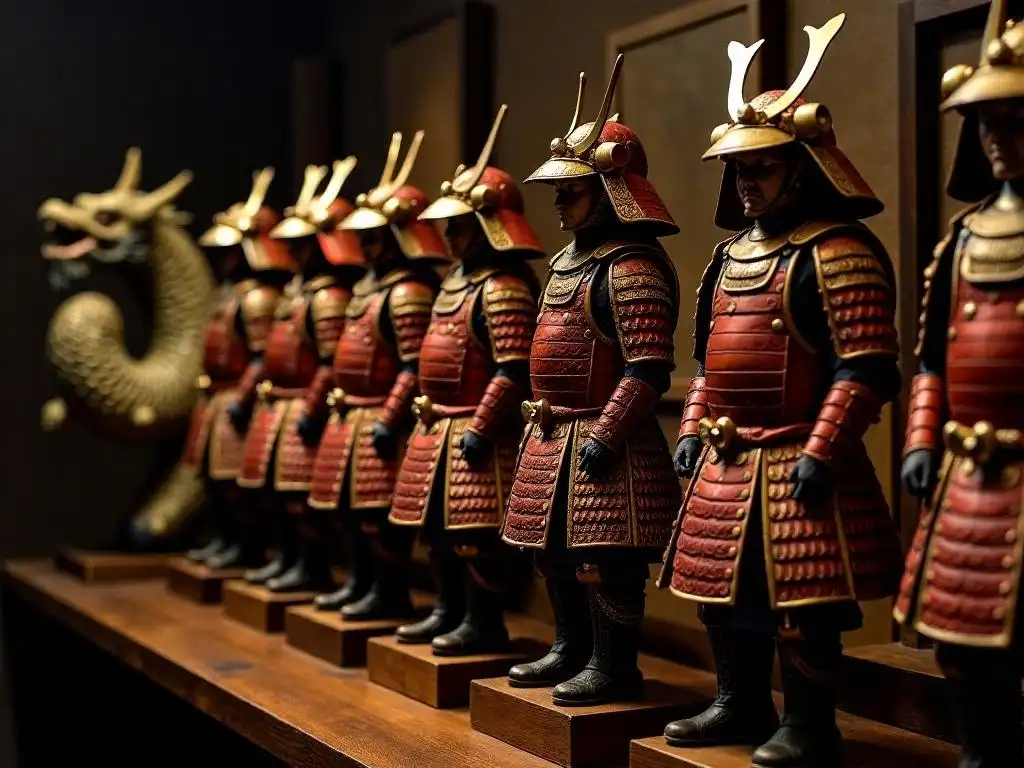
Welcome to Feudal Japan History, where we embark on a captivating journey through the rich tapestry of Japan's feudal era. Delve into the fascinating history of samurai armor replicas, a topic that not only showcases the artistry and craftsmanship of the past but also reveals how these iconic symbols of honor and valor have evolved over time. What inspired the transition from historic designs to modern interpretations? Join us as we unravel the intricate stories behind these remarkable cultural products, and discover how they continue to inspire and resonate in today's world. Your exploration begins here!
Introduction to Samurai Armor Replica History
The history of samurai armor replicas is a fascinating intersection of tradition, craftsmanship, and cultural appreciation. As we delve into the evolution of these replicas, we uncover not only the meticulous artistry involved in their creation but also the profound significance they hold within Japanese culture.
From their origins in the turbulent feudal era of Japan to their modern-day interpretations, samurai armor replicas serve as a tangible link to the past, allowing enthusiasts and collectors alike to celebrate the rich heritage of the samurai. This article will explore the intricate history of samurai armor, highlighting its evolution from authentic battle gear to contemporary crafted replicas that adorn homes and museums around the world.
The Historical Development of Samurai Armor
The story of samurai armor is a testament to the ingenuity and adaptability of Japanese artisans throughout history. As warfare and societal structures evolved, so too did the designs and materials used in armor production. Understanding this historical development is crucial to appreciating the craftsmanship and cultural significance of modern samurai armor replicas.
Origins of Samurai Armor in Feudal Japan
The origins of samurai armor can be traced back to the late 12th century during the Kamakura period, a time when the samurai class began to rise in power. Initially, armor was made from simple materials such as leather and iron, designed primarily for functionality in battle. Over time, as the samurai became more influential, armor evolved into a representation of status and artistry. Key features of early samurai armor included:
- Lamellar Construction: Armor was constructed using small plates (kozane) laced together, providing flexibility and protection.
- Distinctive Helmets: Kabuto helmets were adorned with crests and designs, often reflecting the wearer's clan or personal identity.
- Variety of Designs: Different regions in Japan developed unique styles of armor, influenced by local resources and combat strategies.
Key Features of Traditional Samurai Armor
Traditional samurai armor is distinguished by its intricate craftsmanship and functional design, reflecting the samurai's dual role as both warrior and aristocrat. Some key features include:
- Materials: Armor was typically made from iron, leather, and silk, often incorporating elements of nature such as lacquer to provide durability and aesthetics.
- Layering Techniques: Multiple layers of material were used not only for protection but also to enhance mobility on the battlefield.
- Symbolic Elements: Armor often featured decorative elements that conveyed the samurai’s heritage, beliefs, and achievements, such as family crests and motifs representing valor.
The evolution of samurai armor replicas draws heavily from these traditional designs, with modern artisans striving to honor the historical significance while accommodating contemporary tastes. In the following sections, we will explore how these replicas have transformed over time, bridging the gap between historical accuracy and modern artistic expression.
The Rise of Samurai Armor Replicas
The fascination with samurai culture has led to a significant interest in samurai armor replicas, especially in recent decades. As Japan's feudal era captures the imagination of people around the world, collectors, historians, and enthusiasts have sought to replicate these intricate designs. The rise of samurai armor replicas can be attributed to a variety of factors, including globalization, increased interest in Japanese culture, and advancements in manufacturing techniques. This surge in popularity has transformed the way these artifacts are perceived, shifting them from mere historical artifacts to coveted collectibles that embody the spirit of the samurai.
The Birth of Samurai Armor Replicas in the 20th Century
The early 20th century marked a pivotal moment for samurai armor replicas. As Japan began to modernize, traditional craftsmanship faced challenges due to industrialization. However, this period also saw a resurgence of interest in Japan's historical heritage. The creation of replicas became a means of preserving and celebrating samurai culture. Artisans began producing armor that closely resembled historical designs, using materials that were both authentic and accessible. The first samurai armor replicas were often crafted for display purposes, serving as educational tools for museums and collectors.
This trend gained momentum after World War II, as Japan reopened its doors to the world. The post-war era brought about a newfound appreciation for Japanese traditions, leading to a booming market for samurai merchandise. Replicas of armor, weapons, and other samurai-related items became symbols of national pride and cultural identity. The craftsmanship involved in creating these replicas was recognized as an art form, leading to collaborations between traditional artisans and modern designers.
Evolution of Design: From Traditional to Modern Replicas
The design of samurai armor replicas has undergone significant changes over the decades. Initially, replicas aimed to be as historically accurate as possible, reflecting the intricate craftsmanship of the original pieces. Artisans focused on using traditional materials such as iron, leather, and silk, maintaining the authentic aesthetics of the samurai era.
As time progressed, modern influences began to shape the designs of samurai armor replicas. Contemporary replicas often incorporate lightweight materials, such as plastics and composites, making them more accessible for display and use in events like cosplay. This evolution reflects a blend of tradition and innovation, allowing enthusiasts to enjoy the beauty of samurai armor without the weight and bulk of historical pieces.
Moreover, modern replicas often feature customizable options, catering to individual preferences and allowing for personalization. This shift towards customization has made samurai armor replicas not only an expression of historical appreciation but also a canvas for personal artistic expression.
Analyzing the Modern Samurai Armor Replica Market
The modern samurai armor replica market has expanded considerably, reflecting both the enduring fascination with samurai culture and the increasing accessibility of replica products. This market is characterized by a wide range of offerings, from high-end artisan-crafted pieces to mass-produced replicas available in various price ranges.
Factors influencing this market include the growing popularity of Japanese culture globally, the rise of online shopping, and increased participation in events such as anime conventions and historical reenactments. The demand for samurai armor replicas is not limited to collectors; it has also attracted cosplayers, decorators, and tourists seeking unique souvenirs that embody the essence of feudal Japan.
Current Trends in Samurai Armor Replicas
Several trends have emerged within the samurai armor replica market in recent years. One notable trend is the rise of eco-friendly practices among manufacturers. Many artisans are increasingly sourcing sustainable materials and adopting environmentally friendly production methods, appealing to a more conscious consumer base.
Another trend is the integration of technology in creating replicas. Some manufacturers are utilizing 3D printing techniques to produce detailed components, allowing for greater precision and complexity in designs. This technological advancement not only streamlines the production process but also opens up new possibilities for customization and intricate detailing.
Additionally, the incorporation of modern aesthetics into traditional designs is becoming more common. Many contemporary replicas blend samurai armor styles with modern fashion trends, resulting in unique wearable art pieces that cater to younger generations.
High-Quality vs. Low-Quality Replicas
In the diverse market for samurai armor replicas, quality varies significantly. High-quality replicas are typically handcrafted by skilled artisans using traditional techniques and materials. These pieces often feature intricate detailing, historical accuracy, and durability, making them suitable for collectors and serious enthusiasts.
Conversely, low-quality replicas are often mass-produced and may lack attention to detail. While they can be visually appealing, these replicas might not withstand the test of time and may not accurately represent the historical pieces they emulate.
When purchasing samurai armor replicas, it is essential for buyers to consider their purpose. Collectors and those seeking authentic representation should prioritize high-quality replicas, while casual fans or those looking for decorative pieces may find lower-quality options sufficient. Understanding the differences between these categories helps enthusiasts make informed choices that align with their interests and values in samurai culture.
The Cultural Impact of Samurai Armor Replicas Today
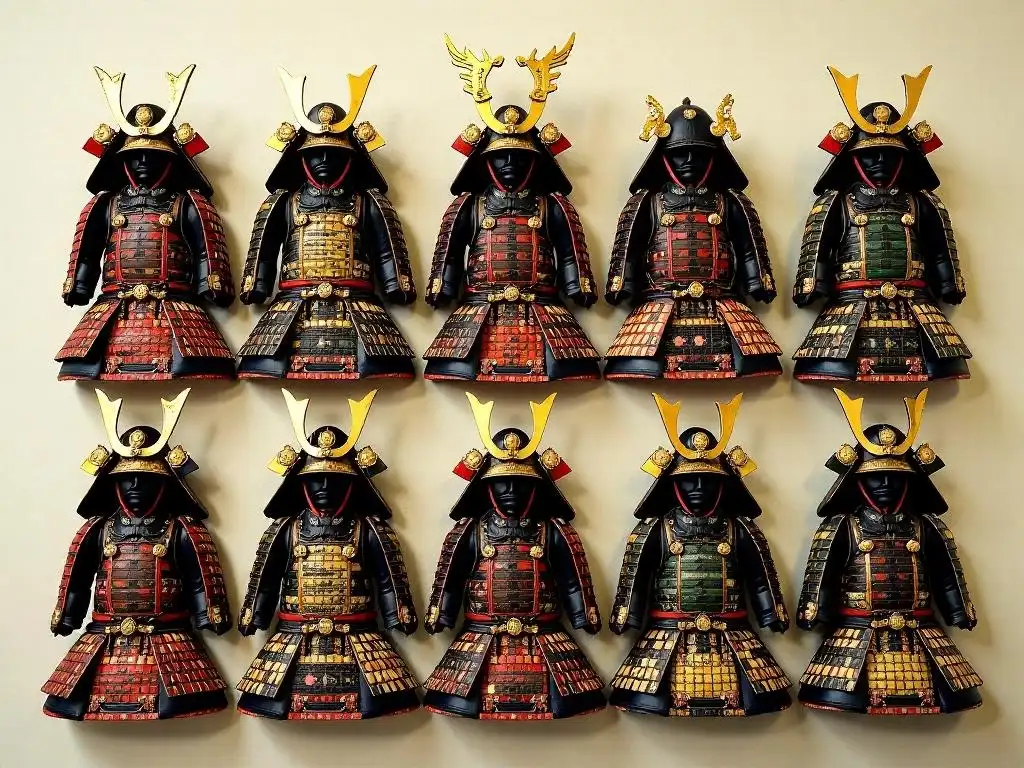
Samurai armor replicas serve as a vital link to Japan's rich feudal history, embodying the artistry and craftsmanship that characterized the original armors. Today, these replicas are not just collectibles; they have transformed into cultural artifacts that influence how people perceive and understand samurai culture. In modern society, these items have become popular in various contexts, including home decor, educational tools, and even as elements in film and theater productions.
The cultural impact of these replicas extends beyond Japanese borders, sparking interest in samurai history globally. They are often featured in exhibitions, museums, and cultural festivals, allowing audiences to engage with Japan’s past in interactive ways. Through these replicas, individuals can appreciate the intricate designs that reflect the social status, clan allegiance, and battle readiness of the samurai warrior class.
These armor replicas also play a significant role in fostering a sense of identity and pride among Japanese people, reinstating the samurai’s values of honor, discipline, and loyalty. Furthermore, they have become symbols of Japanese craftsmanship, showcasing the skills of artisans dedicated to preserving traditional techniques in a rapidly modernizing world.
How Replicas Influence Modern Understanding of Samurai Culture
The evolution of samurai armor replicas has led to a shift in how modern audiences understand samurai culture. By studying these replicas, enthusiasts and scholars alike gain insights into the historical context, materials, and artistic styles that defined the samurai era. Replicas allow for a tangible connection to the past, enabling individuals to visualize and appreciate the complexities of the samurai's role in Japanese society.
Additionally, these replicas often include accompanying educational materials that detail the history of the armor, the significance of its design elements, and the social hierarchy of the samurai. This context enhances the viewer's knowledge and appreciation, transforming a mere decorative item into a storytelling medium that conveys lessons about bravery, strategy, and cultural heritage.
Moreover, the popularity of samurai armor replicas has prompted a resurgence of interest in martial arts and traditional Japanese practices. As people engage with these replicas, they are often inspired to explore the historical practices of bushido, the samurai code of conduct, further enriching their understanding of Japanese culture.
Buying Guide for Samurai Armor Replicas
Purchasing a samurai armor replica can be an exciting endeavor, but it requires careful consideration to ensure that you select a piece that meets your expectations in terms of authenticity, craftsmanship, and aesthetic appeal. Here are some key factors to consider when embarking on this journey.
Factors to Consider When Choosing a Samurai Armor Replica
- Authenticity: Look for replicas that accurately reflect historical designs. Research different styles of armor from various periods to find a replica that resonates with your interests.
- Craftsmanship: Assess the quality of materials used in the replica. High-quality replicas are often made from metal, wood, and leather, while lower-quality options may use synthetic materials that lack the durability and aesthetic appeal of authentic designs.
- Size and Fit: Ensure that the replica is the appropriate size for display purposes. Some replicas may be designed for wearing, while others are strictly for display. Consider where you intend to showcase the armor.
- Price: Samurai armor replicas vary widely in price, influenced by factors such as authenticity, materials, and craftsmanship. Set a budget that reflects the value you place on the piece.
- Purpose: Determine whether you are purchasing the armor for display, as a collectible, or for educational purposes. This will guide your selection in terms of design and features.
Best Samurai Armor Replicas for Display
When selecting the best samurai armor replicas for display, several prominent options have distinguished themselves within the market. Here are a few recommendations that combine quality, authenticity, and aesthetic appeal:
| Model | Description | Material | Price Range |
|---|---|---|---|
| Kitsune Armor Replica | Inspired by the legendary fox spirit, known for its intricate detailing. | Metal & Leather | $500 - $800 |
| Yoroidoshi Armor Replica | A traditional design used by the samurai during the Edo period, featuring a classic look. | Wood & Fabric | $400 - $700 |
| O-Yoroi Full-Set Replica | A striking full armor set that represents the pinnacle of samurai craftsmanship. | Metal & Leather | $1200 - $2000 |
| Kusazuri Armor Replica | Characterized by its layered skirt design, offering a distinctive silhouette. | Metal & Fabric | $600 - $1000 |
| Tachi Koshirae Replica | A beautifully crafted display piece that showcases a traditional sword mount. | Wood & Metal | $300 - $500 |
Choosing the right samurai armor replica is not just about aesthetics; it’s about finding a piece that resonates with you personally and connects you to the profound legacy of feudal Japan.
Conclusion: The Future of Samurai Armor Replicas
The journey of samurai armor replicas has traversed centuries, evolving from meticulously crafted pieces that honor the rich history of the samurai to modern interpretations that appeal to a diverse audience. As technology advances, the production of these replicas has become more sophisticated, with the introduction of modern materials and manufacturing techniques. Today, enthusiasts can find a wide range of replicas, from historically accurate reproductions to artistic interpretations that blend tradition with contemporary aesthetics.
Looking ahead, the future of samurai armor replicas seems promising. With a growing interest in Japanese culture worldwide, collectors and artists are likely to continue creating and acquiring these replicas. Furthermore, the rise of digital technologies, such as 3D printing, may revolutionize the way armor is designed and produced, allowing for even more detailed and customized pieces. As more people seek to connect with the samurai legacy, the demand for high-quality replicas will likely lead to increased innovation and craftsmanship in the field.
Additional Resources
For those interested in delving deeper into the world of samurai armor replicas and their historical significance, numerous resources are available. Here are some recommended materials to further explore this captivating subject:
- Books:
- The Samurai: A Military History by Stephen Turnbull – This book provides a comprehensive overview of the samurai's military role and the evolution of their armor.
- Samurai Armor: A Collection of Historical Reproductions by various authors – A detailed examination of different armor styles through photographs and expert commentary.
- Documentaries:
- The Way of the Samurai – This documentary explores the life and culture of samurai, including insights into their armor and warfare strategies.
- Samurai: Behind the Armor – A deep dive into the craftsmanship and technological advancements of samurai armor.
- Websites and Online Forums:
- The Samurai Archives – A treasure trove of information about samurai history, including discussions on armor and replicas.
- Armor Forum – An online community where enthusiasts share their collections, insights, and experiences related to samurai armor.
Further Reading on Samurai Culture and History
To gain a broader understanding of the samurai's impact on Japanese culture and history, consider exploring the following topics:
- The Role of Samurai in Feudal Japan: A detailed look into the social structure and the importance of samurai within the feudal system.
- Traditional Japanese Warfare: An exploration of the strategies, battles, and armaments used by samurai during various historical periods.
- Cultural Significance of Samurai in Modern Japan: An analysis of how the samurai ethos continues to influence contemporary Japanese society, including arts, literature, and pop culture.
By engaging with these resources, readers can enrich their appreciation for the intricate history of samurai armor replicas and the enduring legacy of the samurai spirit.
- Introduction to Samurai Armor Replica History
- The Historical Development of Samurai Armor
- The Rise of Samurai Armor Replicas
- Analyzing the Modern Samurai Armor Replica Market
- The Cultural Impact of Samurai Armor Replicas Today
- Buying Guide for Samurai Armor Replicas
- Conclusion: The Future of Samurai Armor Replicas
- Additional Resources
- What is the significance of samurai armor replicas in Japanese culture?
- How has the design of samurai armor evolved over time?
- What materials were traditionally used to create samurai armor?
- How can one differentiate between authentic samurai armor and replicas?
- Where can enthusiasts find high-quality samurai armor replicas?
Frequently Asked Questions
What is the significance of samurai armor replicas in Japanese culture?
Samurai armor replicas serve as a cultural symbol, representing the martial prowess and historical legacy of the samurai class in Japan.
How has the design of samurai armor evolved over time?
The design of samurai armor has evolved significantly, influenced by historical warfare, technological advancements, and aesthetic preferences, leading to modern interpretations in replicas.
What materials were traditionally used to create samurai armor?
Traditional samurai armor was primarily made from iron, leather, and silk, providing both protection and flexibility for the warriors during battle.
How can one differentiate between authentic samurai armor and replicas?
Authentic samurai armor often features historical craftsmanship and materials, while replicas may use modern materials and techniques, prioritizing aesthetics over historical accuracy.
Where can enthusiasts find high-quality samurai armor replicas?
Enthusiasts can find high-quality samurai armor replicas at specialized martial arts stores, online marketplaces, and dedicated historical reenactment suppliers, ensuring authenticity and craftsmanship.
Final Reflection: The Timeless Legacy of Samurai Armor Replicas
The evolution of samurai armor replicas is not just a testament to craftsmanship but also a reflection of our enduring fascination with history and culture. Today, as we navigate an increasingly digital world, the allure of tangible artifacts like samurai armor serves as a bridge connecting us to our past. The intricate designs and rich stories behind these replicas remind us of the values of honor, discipline, and artistry that the samurai embodied.
Culturally, samurai armor replicas have transcended their original purpose, influencing modern fashion, art, and even film. The resurgence of interest in these artifacts highlights a collective yearning to connect with historical narratives that shape our identities. As we don these replicas or display them in our homes, we are not merely appreciating their aesthetic; we are participating in a dialogue with history. History is not a burden on the memory but an illumination of the soul.
This quote encapsulates how the legacy of samurai armor continues to inspire and inform contemporary culture, urging us to reflect on our own values and aspirations.
As you contemplate the significance of samurai armor replicas in your life, I invite you to consider how history informs your own identity and choices. Let the stories of the samurai inspire you to honor your own journey, embracing the lessons of resilience and artistry that transcend time. Whether through collecting, studying, or simply appreciating these remarkable pieces, you have the opportunity to connect with a legacy that is as relevant today as it was centuries ago.
Unveil the Armor of Legacy and Innovation!
Thank you for diving into the fascinating world of samurai armor replicas with us! You’ve uncovered the rich history and artistry that transforms ancient designs into modern marvels. Now, let’s take that knowledge and bring the spirit of the samurai to life!
Here’s how you can continue your journey:
- Explore the world of samurai culture: Visit local exhibitions or museums showcasing Japanese armor and artifacts to deepen your appreciation for this art form.
- Get involved in reenactment groups: Join a community that celebrates feudal Japanese history by participating in events, workshops, or online forums.
- Share your insights: Post your thoughts about your favorite armor designs on social media or comment below to inspire others who are passionate about samurai history.
Which piece of samurai armor do you believe best represents the blend of tradition and modern creativity? We would love to hear your thoughts!