
Women in Feudal Japan: Navigating Class Boundaries and Social Expectations

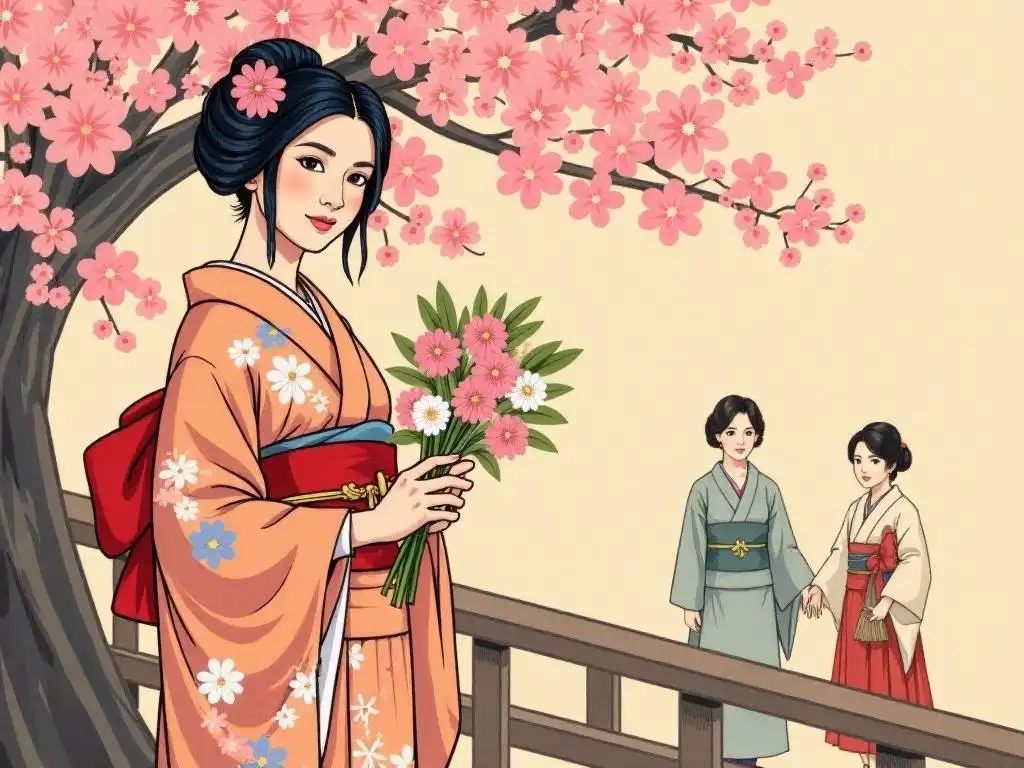
Welcome to Feudal Japan History, where we invite you to embark on a fascinating journey through the intricate tapestry of Japan's feudal era. In our featured article, "Women in Feudal Japan: Navigating Class Boundaries and Social Expectations," we delve into the lives of women who played pivotal roles in shaping society, often against the backdrop of rigid class structures and societal norms. What challenges did they face, and how did they navigate their worlds?
Join us as we uncover the untold stories and explore the dynamic interplay of gender and class in this captivating period of history. Your adventure into the depths of social history begins now!
- Introduction to Women in Feudal Japan Society
- The Role of Women in Feudal Japan Society
- Class Boundaries and Social Expectations for Women
- Navigating Class Boundaries: Strategies and Agency
- Cultural Representations of Women in Feudal Japan
- Conclusion: The Legacy of Women in Feudal Japan Society
- References and Suggested Readings on Women in Feudal Japan Society
- Frequently Asked Questions
- Final Reflection: Empowering Voices of Women in Feudal Japan Society
- Embrace the Legacy: Take Action Today!
Introduction to Women in Feudal Japan Society
The role of women in Feudal Japan is a multifaceted topic that intertwines with the broader narratives of class, culture, and societal expectations during this fascinating era. As Japan transitioned from the Heian period (794-1185) into the Kamakura (1185-1333) and Muromachi (1336-1573) periods, the lives of women were intricately shaped by the feudal class system, which dictated not only social hierarchies but also individual identities and roles within the household and society at large.
Understanding women in Feudal Japan society provides valuable insight into their contributions, challenges, and the evolving perceptions of gender within a rigidly stratified social structure. This exploration will delve into the nuanced experiences of women across various classes, revealing how they navigated the complex web of expectations imposed upon them while also influencing cultural and social dynamics in significant ways.
Feudal Japan was characterized by a hierarchical social structure that significantly influenced every aspect of life, including gender roles. At the top of this hierarchy were the daimyōs, powerful feudal lords who commanded loyalty from the samurai warriors beneath them. Below the samurai were the peasants, followed by the artisans and merchants. This stratification created a rigid framework wherein individuals were often confined to roles dictated by their class, impacting the opportunities available to them, including women.
- Class Hierarchy:
- Daimyōs: Landed aristocracy with substantial political power.
- Samurai: Warriors who served the daimyōs, following a strict code of conduct (Bushidō).
- Peasants: Farmers who cultivated the land, forming the backbone of the economy.
- Artisans: Craftsmen who produced goods, often for local markets.
- Merchants: Traders who dealt in commerce, frequently viewed with suspicion by the samurai class.
Women’s roles within these classes varied significantly. For instance, while samurai women were expected to uphold family honor and could be involved in managing household affairs, peasant women often worked alongside men in the fields, maintaining a more balanced economic partnership.
Importance of Understanding Women’s Roles
Exploring the roles of women in Feudal Japan is crucial for several reasons. Firstly, it challenges the often simplistic narratives that portray women solely as passive figures within a patriarchal society. Instead, historical evidence illustrates that women actively participated in various facets of life, from managing estates to engaging in textile production, which was essential for both domestic use and trade.
Moreover, understanding these roles sheds light on the cultural expectations and social dynamics that defined women’s lives. For instance, the concept of "Onna daigaku" (The Great Learning for Women) emerged in the late Edo period, emphasizing the importance of education for women, albeit within the confines of their expected roles as wives and mothers. This highlights a paradox where education was both a tool for empowerment and a means to reinforce traditional values.
In sum, a comprehensive examination of women in Feudal Japan society reveals their resilience and adaptability within a complex social framework, enriching our understanding of Japan's historical and cultural landscape. By recognizing their contributions and challenges, we gain a deeper appreciation for the intricacies of gender dynamics in a time often viewed through a narrow lens.
The Role of Women in Feudal Japan Society

Women's Status Across Different Classes
In feudal Japan, women's status varied significantly depending on their social class. The rigid class structure of the time dictated not only their roles but also their rights and freedoms.
- Nobility: Women from the samurai class, often referred to as bushi, had a unique position in society. They were expected to uphold family honor and engage in the education of their children, particularly in martial arts and the arts. While they had limited political power, noblewomen sometimes exercised influence through their familial connections and marriages. Notable figures, such as Tomoe Gozen, a female warrior, exemplified the capacity for women of this class to engage in combat and leadership.
- Peasantry: In contrast, peasant women played a crucial role in agricultural production. They were responsible for labor-intensive tasks such as planting, harvesting, and managing livestock. Their contributions were vital to the household economy, yet they often faced harsher living conditions and fewer rights. Despite this, peasant women could sometimes inherit land, allowing them a degree of autonomy that was uncommon in higher classes.
- Artisans and Merchants: Women in these classes experienced a blend of responsibilities. They contributed to family businesses and were involved in craft production. Some even achieved a degree of economic independence by running shops or engaging in trade. This economic participation highlighted the adaptability of women in various social contexts while still adhering to the overarching societal expectations.
The Influence of Marriage and Family Ties
Marriage in feudal Japan was often arranged, serving as a strategic alliance between families rather than a union based on romantic love. This practice significantly influenced women's roles within society.
- Marriage as a Social Contract: Women were frequently seen as pawns in the larger game of political affiliations. A woman's marriage could enhance her family's status, forge alliances, or secure land and resources. The concept of muko-iri, where a groom moved into his bride's family home, was a common practice, unusual by Western standards, and further emphasized the importance of family ties over individual desires.
- Obligation to Produce Heirs: The primary expectation of married women was to bear children, particularly male heirs. This pressure often dictated their status within the family. Women who failed to produce sons could face social stigma, while those who succeeded were elevated in esteem. The cultural emphasis on lineage meant that women's identities were often intrinsically linked to their roles as mothers.
- Post-Marriage Transitions: Upon marriage, women typically transitioned into their husbands' households, which could drastically alter their social standing and responsibilities. While some women managed to maintain connections with their natal families, the expectation was to prioritize their husband's family above all else. This shift in allegiance often left women vulnerable, dependent on the goodwill of their husbands and in-laws.
Domestic Responsibilities and Household Management
In feudal Japan, women were primarily responsible for managing the household, a role that encompassed a wide range of tasks and obligations.
- Economic Management: Women were the backbone of household economics. They managed budgets, purchased supplies, and ensured that the household ran smoothly. This included overseeing agricultural production in peasant families or managing finances in merchant households, showcasing their significant role in sustaining family livelihoods.
- Education and Upbringing: Women were also crucial in the education of children. In samurai households, mothers taught their children the values of loyalty, honor, and the arts. This educational role was vital for maintaining the cultural legacy and ensuring the continuation of family traditions.
- Craft and Industry: In addition to household management, many women engaged in crafts and industries, such as weaving and dyeing fabrics. This not only contributed to the family's income but also positioned women as skilled artisans within their communities. Their contributions were often undervalued, yet they played a fundamental role in the economy of feudal Japan.
The status and roles of women in feudal Japan were multifaceted, shaped by social class, marriage, and domestic responsibilities. Despite restrictive societal norms, women navigated their circumstances, contributing significantly to their households and society at large.

The societal framework of feudal Japan was characterized by a rigid class structure that dictated the roles and expectations of women across different social strata. Understanding how these boundaries shaped the lives of women provides insight into their influence and agency within their respective classes. Women in feudal Japan society navigated a complex landscape of expectations, often defined by their class, which in turn influenced their roles in family, politics, and culture.
The Upper Class: Noble Women and Their Influence
The lives of noble women in feudal Japan were marked by significant responsibilities and expectations, often intertwined with the political machinations of their families.
Political Roles and Marriages for Alliance
Noble women were not merely passive figures; they played critical roles in political alliances through strategic marriages. These unions were arranged to strengthen ties between powerful clans, ensuring stability and influence. For example, the marriages of the daughters of prominent samurai families to powerful lords were essential for consolidating power and securing loyalty.
- Influence on Politics: Noble women often acted as advisors and mediators in political matters, leveraging their positions to influence decisions that affected their clans.
- Historic Figures: Women such as Hojo Masako, the wife of Minamoto no Yoritomo, wielded considerable power and were pivotal in the governance of the Kamakura shogunate. Her political acumen and involvement in state affairs illustrate the critical roles noble women could assume.
Education and Cultural Contributions
Education for noble women was often tailored to enhance their roles within the household and society. They were typically instructed in literature, arts, and etiquette, which prepared them for their responsibilities as mothers and wives of influential men.
- Literary Contributions: Noble women contributed significantly to Japanese literature. The "Tale of Genji," written by Murasaki Shikibu, is a seminal work that reflects the complexities of court life and the experiences of women during that era.
- Cultural Patronage: Many noble women acted as patrons of the arts, supporting the development of Noh theater, poetry, and other cultural practices that defined the Heian and Kamakura periods.
The Middle Class: Merchant and Artisan Women
Women from the middle class, particularly those in merchant and artisan families, experienced a different set of challenges and opportunities compared to their noble counterparts.
Economic Contributions and Social Mobility
Merchant and artisan women played vital roles in their families' businesses, contributing to the economic stability of their households.
- Workforce Participation: Many women engaged in various trades, from textile production to running small shops. Their labor was essential in sustaining family enterprises, often allowing for limited social mobility.
- Emerging Opportunities: The rise of commerce during the Edo period (1603-1868) created new avenues for women to engage in economic activities. Some even became successful business owners, establishing their reputations in the marketplace.
Challenges Faced in a Patriarchal Society
Despite their contributions, middle-class women faced significant challenges within the patriarchal structure of feudal Japan.
- Limited Rights: Women were largely dependent on their fathers or husbands, with limited legal rights. Property ownership was often restricted, and women's roles were primarily defined by their relationships to men.
- Social Expectations: Women were expected to adhere to strict societal norms, including prioritizing family duties over personal aspirations. This cultural expectation often hindered their ability to pursue education or engage in public life.
The experiences of women in feudal Japan society were profoundly shaped by their class affiliations. While noble women navigated political landscapes and cultural contributions, middle-class women faced economic challenges and social restrictions. Understanding these dynamics provides a clearer picture of the complexities and nuances of women's roles during this pivotal era in Japanese history.
The Lower Class: Peasant Women in Feudal Japan
Peasant women in feudal Japan played a crucial role in the agrarian economy, contributing significantly to the sustenance of their families and local communities. As the backbone of rural life, these women were primarily involved in agricultural work, often alongside their husbands and children. Their status was closely linked to the land they farmed and the societal expectations surrounding their roles. Despite their hard work, peasant women faced numerous challenges, including economic hardships, limited social mobility, and strict adherence to traditional gender roles.
The societal perception of peasant women was often shaped by their labor and the economic conditions of the time. While they were respected for their contributions to the household and agricultural production, their lower social standing meant they had limited rights and opportunities compared to women from higher classes. Life for peasant women was characterized by resilience and adaptability, as they navigated the challenges of their socio-economic environment.
Daily Life and Labor in Agriculture
The daily life of peasant women revolved around the demands of agriculture and household management. From dawn to dusk, they engaged in a variety of tasks, including planting, weeding, and harvesting crops such as rice, barley, and millet. These labor-intensive activities required not only physical strength but also knowledge of agricultural practices that had been passed down through generations.
In addition to farming, peasant women were responsible for domestic duties, which included cooking, cleaning, and caring for children. They often worked in tandem with their families, cultivating a strong sense of community and cooperation. Despite the heavy workload, these women found ways to support one another and share resources, fostering resilience among their peers.
The tools and techniques used by peasant women were simple yet effective. They utilized hand-held implements such as sickles and hoes, and their agricultural knowledge was deeply intertwined with traditional practices and seasonal cycles. The success of their labor was vital not only for their families’ survival but also for maintaining the food supply of their villages.
Impact of Economic Hardship on Women
Economic hardship in feudal Japan had a profound impact on peasant women, often exacerbating their already challenging circumstances. Factors such as poor harvests, rising taxes, and social unrest directly affected their ability to provide for their families. During times of famine or economic downturn, women faced increased pressure to supplement the household income, which sometimes meant taking on additional work or engaging in trade.
The strain of economic hardship often led to a decline in health and well-being for peasant women. Malnutrition and exhaustion became common as they struggled to balance the demands of labor with the needs of their families. Moreover, the social expectations placed upon them did not diminish in times of crisis; instead, they were expected to uphold their roles as caregivers and providers despite the challenges they faced.
Additionally, economic pressures could lead to changes in family dynamics. In some cases, women had to take on more responsibilities, while men sought work elsewhere or engaged in conflicts that pulled them away from the home. This shift sometimes resulted in a greater burden on women, reinforcing their central role in the family unit but also highlighting the inequalities present in feudal society.
Peasant women in feudal Japan navigated a landscape marked by class boundaries and social expectations, where their labor and resilience were essential to survival. Despite facing economic hardships, they remained integral to the fabric of rural life, embodying the strength and adaptability that characterized women in feudal Japan society.
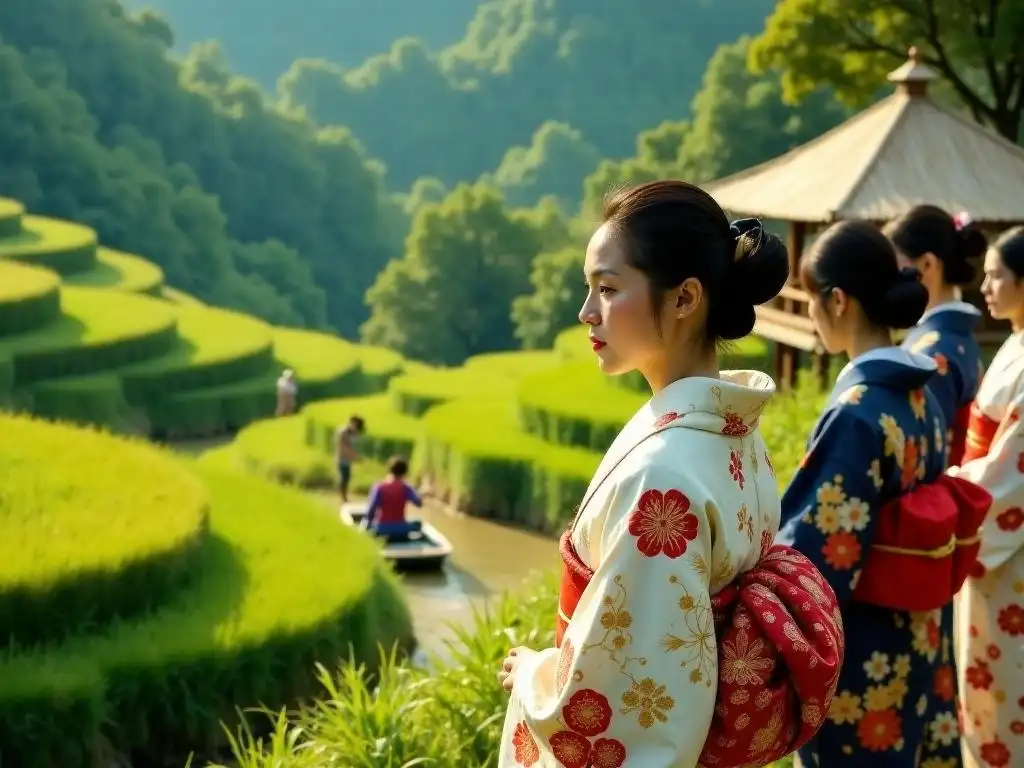
Women in Feudal Japan occupied a complex position within the rigid class hierarchy, shaped by societal expectations and cultural norms. Their experiences varied significantly based on their social class, with noblewomen and peasant women navigating distinct challenges and opportunities. Despite the constraints imposed by a patriarchal society, women employed various strategies to assert their agency and maneuver through the boundaries of their class.
Feudal Japan's class structure dictated specific roles for women, often confining them to domestic spaces. However, women found ways to influence their surroundings. Noblewomen, for instance, were often educated and played vital roles in managing family affairs and estates. They participated in political negotiations, especially when their husbands were away, and some even wielded considerable power in the court.
Peasant women, though primarily engaged in agricultural labor, also exhibited resourcefulness. They participated in community activities, such as festivals and religious ceremonies, which allowed them to forge strong social ties and share knowledge. This community involvement often provided a platform for voicing grievances and negotiating their roles within the family and society.
Key Strategies Employed by Women:
- Education and Literacy: Many noblewomen were literate and adept in arts such as poetry and calligraphy, enabling them to communicate and express their thoughts effectively.
- Networking: Building alliances with other women and families through marriage and kinship helped them gain social capital.
- Economic Independence: Some women managed family businesses or agricultural production, allowing them to contribute financially and gain a degree of autonomy.
Resistance and Rebellion Against Traditional Roles
While many women conformed to societal expectations, others resisted and challenged the limitations placed upon them. Acts of rebellion ranged from subtle defiance to outright rebellion against the norms of feudal society.
For instance, the practice of ikigai, where women sought purpose beyond domestic confines, became a form of resistance. Women involved in religious practices or artistic endeavors created spaces where they could explore their identities outside traditional roles. Some even took on male roles in certain religious sects, challenging gender norms and asserting their presence in public life.
Examples of Resistance:
- Religious Leadership: Some women became priestesses or leaders in religious communities, which allowed them to gain influence and authority.
- Literary Contributions: Women like Murasaki Shikibu, author of "The Tale of Genji," used literature to assert their voice and provide commentary on societal issues.
- Participation in Conflicts: There are accounts of women who took up arms during civil disputes, defying the expectations of passivity and submission.
Throughout Feudal Japan, several women emerged as notable figures who defied societal constraints and made significant contributions to their communities or the broader historical narrative.
- Tomoe Gozen: A legendary warrior from the late 12th century, Tomoe is celebrated for her martial prowess and leadership in battle, breaking the mold of women's roles in warfare.
- Hojo Masako: As the wife of the first shogun of the Kamakura period, Masako wielded substantial political influence, acting as a regent and shaping policies during her husband's reign.
- Lady Sarashina: An early 11th-century writer who chronicled her life experiences, providing insights into women's roles in society, love, and spirituality.
These women not only navigated the class boundaries of their time but also left lasting legacies that continue to inspire discussions about gender roles and societal expectations in Japan.
Women in Feudal Japan society exhibited resilience and creativity in navigating the class boundaries and social expectations placed upon them. Through education, community involvement, and acts of resistance, they carved out spaces for themselves, contributing to their families and society in meaningful ways.
Cultural Representations of Women in Feudal Japan
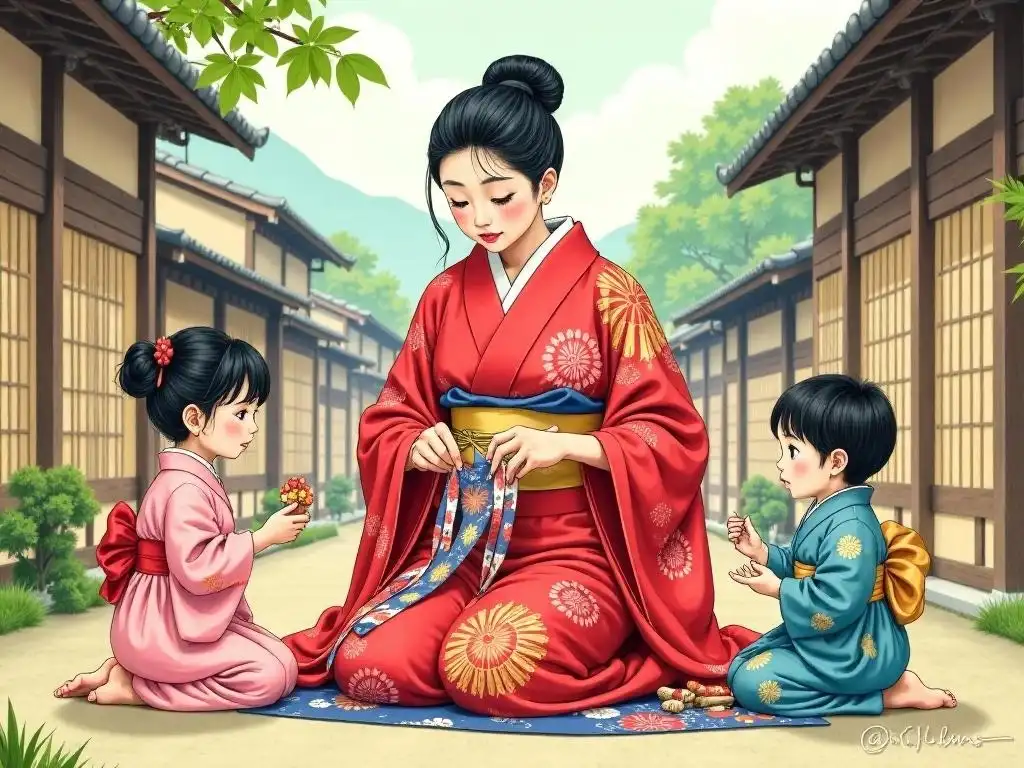
Literature and Art: Portrayals of Women
The portrayal of women in the literature and art of feudal Japan provides significant insights into their roles and status within society. Literary works from this period often depicted women through various lenses, reflecting societal norms, expectations, and ideals.
Key Literary Works:
- The Tale of Genji (Genji Monogatari) - Written in the early 11th century by Murasaki Shikibu, this classic piece is often regarded as the world’s first novel. It intricately explores the lives and emotions of noble women, emphasizing their inner thoughts, desires, and the complexities of love.
- The Pillow Book (Makura no Soshi) - Authored by Sei Shonagon around the same time, this work offers a unique perspective on court life, showcasing the wit and intellect of women. Shonagon's observations reveal their cultural significance and social interactions within the Heian court.
Artistic Representations:
Japanese woodblock prints (ukiyo-e) from the Edo period further illustrate the societal view of women. Artists like Kitagawa Utamaro and Katsushika Hokusai captured the beauty and grace of women, often idealizing their roles as geishas or courtesans.
Themes in Art and Literature:
- Beauty and Elegance: Women were often depicted as symbols of beauty and grace, reflecting societal ideals.
- Tragic Figures: Many stories portrayed women as victims of fate, highlighting their struggles within a patriarchal society.
- Intellectual and Emotional Depth: Works like The Tale of Genji emphasized the complexity of women's emotions, showcasing their intelligence and individuality.
This cultural representation not only provides a glimpse into the lives of women but also reflects the broader societal values of feudal Japan.
The Influence of Religion and Spirituality on Gender Roles
Religion and spirituality played a crucial role in shaping the gender roles and societal expectations for women in feudal Japan. The intertwining of Shinto beliefs, Buddhism, and Confucian ideals contributed to the complex layers of female identity during this era.
Shinto and the Divine Feminine:
Shinto, Japan’s indigenous religion, features a pantheon of deities, including female figures such as Amaterasu, the sun goddess. This reverence for the divine feminine illustrated the potential for women to hold significant spiritual power, challenging some traditional gender norms.
Buddhism's Dual Influence:
Buddhism, which gained prominence in Japan during the Heian period, presented a dual narrative regarding women:
- Spiritual Equality: Buddhist teachings emphasized the equal potential for enlightenment among all individuals, including women.
- Obstacles to Enlightenment: Conversely, some texts portrayed women as impediments to spiritual progress, often linking female nature with desires and worldly attachments.
Confucianism's Patriarchal Framework:
With the introduction of Confucianism, gender roles became more rigid. This philosophy emphasized hierarchical structures and the importance of male authority, relegating women to subordinate roles within both family and society. The "Three Obediences" doctrine dictated that a woman must obey her father, husband, and son, reinforcing the societal expectation of female subservience.
Impact on Daily Life:
The religious and spiritual narratives influenced women’s daily lives by:
- Shaping Family Roles: Women were often responsible for household management and child-rearing, reflective of Confucian ideals.
- Religious Participation: Women's involvement in religious practices varied, with some gaining influence as priestesses or temple caretakers, while others remained confined to domestic spheres.
The interplay between religion and gender roles in feudal Japan created a complex landscape for women, balancing between spiritual reverence and societal constraints. This dynamic highlights the multifaceted nature of women's identities in feudal Japanese society.
Conclusion: The Legacy of Women in Feudal Japan Society
The legacy of women in feudal Japan society is multifaceted and deeply intertwined with the historical, cultural, and social fabrics of the time. While women's roles were often confined within the boundaries of domesticity, their influence permeated various aspects of feudal life, particularly in the realms of family, agriculture, and even politics. The complexities of these roles are essential for understanding the broader context of Japanese society during this era.
Women were not merely passive figures; they were active agents in the maintenance and organization of their households. Their responsibilities extended beyond traditional roles, encompassing economic activities such as managing finances, participating in agriculture, and handling trade. This active participation laid the groundwork for women's contributions to the economy and society in later periods.
Lasting Impact on Modern Japanese Society
The historical roles of women in feudal Japan have left a lasting impact on modern Japanese society. Contemporary Japanese women often grapple with the remnants of these past societal expectations, which continue to shape gender roles and class structures today.
- Cultural Transmission: The values and skills passed down from feudal times—such as resilience, resourcefulness, and the importance of family—remain integral to Japanese culture. Women today often find themselves balancing traditional expectations with contemporary aspirations, navigating the complexities of modern life while honoring their heritage.
- Evolving Gender Roles: The evolution of women's roles in Japan reflects a shift in societal attitudes. The struggles faced by women in feudal Japan for agency and respect have paved the way for ongoing movements advocating for gender equality. Today, women are increasingly participating in the workforce, leadership roles, and public life, challenging the traditional confines of their predecessors.
- Social Norms and Expectations: The historical context of women's roles influences current social norms. Gender expectations in Japan still exhibit traces of feudal ideologies, affecting everything from workplace dynamics to family structures. The fight for equality continues as women challenge these norms, striving for a society that recognizes their contributions beyond the domestic sphere.
Reflection on Gender Roles and Class Structures
The intersection of gender roles and class structures in feudal Japan provides a rich area for reflection. Women's status and experiences varied significantly depending on their social class, shaping their opportunities and responsibilities.
- Noble Women: Women from the samurai class often wielded significant influence within their families and communities. They were educated and could manage estates, engage in political discussions, and even participate in cultural patronage. Their roles often extended into the political sphere, especially during times of conflict when they took on responsibilities in the absence of their husbands.
- Peasant Women: In contrast, peasant women faced harsher realities, working alongside their husbands in the fields and often bearing the brunt of agricultural labor. Despite this, their contributions were vital to the sustenance of their families and communities. They developed skills in textile production and handicrafts, which were crucial for both economic survival and cultural expression.
- Buddhist Influence: The Buddhist teachings that permeated society also influenced gender roles, providing women with spaces for spiritual engagement and community support. Temples often served as centers for women's education and empowerment, fostering a sense of solidarity and shared purpose among women of various classes.
The complexities of women’s experiences in feudal Japan society reveal the nuances of their roles and the significant barriers they faced. Understanding this legacy allows us to appreciate the evolution of gender dynamics in Japan and the ongoing discussions surrounding women's rights and societal roles today.
References and Suggested Readings on Women in Feudal Japan Society
Academic Sources and Historical Texts
When exploring the intricate role of women in Feudal Japan society, a variety of academic sources and historical texts provide invaluable insights. These works span scholarly articles, books, and primary historical documents that contextualize women's experiences within the broader framework of feudal social structures.
- "Women and the History of the Japanese Family" by Hitomi Tonomura
- This comprehensive text examines the role of women in Japanese families throughout history, with a focus on the feudal period. Tonomura's analysis reveals how familial structures influenced women's status and responsibilities.
- "The Confessions of Lady Nijo"
- A primary source document, this memoir from a 13th-century court lady provides first-hand insights into the life and status of women in the imperial court. Lady Nijo's narrative is crucial for understanding women's experiences in high society.
- "Japanese Women: New Perspectives on the Past, Present, and Future" edited by Gail Lee Bernstein
- This collection of essays delves into various aspects of women's lives across different historical periods, including the feudal era. It discusses the evolving roles and societal expectations placed on women.
- "Gender and Power in the Japanese Visual Field" by Joshua S. Mostow
- This work explores the representation of women in Japanese art and literature during the feudal period, offering a unique perspective on gender dynamics.
- "The Tale of Genji" by Murasaki Shikibu
- Often considered the world's first novel, this classic text provides insight into the roles and societal expectations of women in the Heian period, which preceded the feudal era. Its themes resonate throughout later historical contexts.
Recommended Literature for Further Exploration
To deepen the understanding of women's roles and societal expectations in Feudal Japan, the following recommended literature offers diverse perspectives and analyses:
- "Women in Japan: A History from Ancient Times to the Present" by J. Charles Schencking
- This book provides a comprehensive overview of women's history in Japan, including the feudal period, highlighting how historical events shaped women's social roles.
- "The Women of the Samurai" by Stephen Turnbull
- Turnbull's work focuses on the lives of samurai women, detailing their unique positions within the warrior class and the expectations placed upon them.
- "Making a Place for Women: The Women's Movement in Japan" by K. K. Nakano
- This book examines the historical context of women's movements in Japan, including how feudal traditions influenced modern gender roles.
- "The Role of Women in the History of Japan" by Janet M. McLellan
- McLellan's research focuses on the historical contributions of women in Japan, providing context for their roles in various societal structures, including the feudal system.
- "Women and Society in Medieval Japan" by Ann H. A. Yoshida
- This scholarly work analyzes the societal frameworks that defined women's lives in medieval Japan, emphasizing class distinctions and cultural expectations.
These selected readings serve as a robust foundation for understanding the multifaceted roles of women in Feudal Japan society, illuminating how class boundaries and social expectations shaped their experiences and contributions.
Frequently Asked Questions
What roles did women play in feudal Japan society?
Women in feudal Japan had varied roles, often depending on their social class. They could be involved in family management, agriculture, or even hold positions of power, especially in noble families.
How did class boundaries affect women in feudal Japan?
Class boundaries significantly influenced women's lives; those from noble families often had more opportunities and privileges, while peasant women faced harsher realities and limited rights.
Were women in feudal Japan able to own property?
Yes, women in feudal Japan could own and manage property, particularly in upper classes. However, the rights to inherit or control property were often dictated by patriarchal norms.
What were the societal expectations for women in feudal Japan?
Women were expected to adhere to strict social norms, focusing on family duties and obedience. Their main roles included being wives, mothers, and caretakers, with limited public influence.
Did women have any political influence in feudal Japan?
While political influence was limited, some women from aristocratic backgrounds could wield power through marriage alliances or as regents, especially in times of crisis when male heirs were absent.
Final Reflection: Empowering Voices of Women in Feudal Japan Society
The exploration of Women in Feudal Japan Society reveals a complex tapestry of resilience and adaptability that remains profoundly relevant today. As we navigate our contemporary world, the historical struggles and triumphs of women in feudal Japan remind us that societal expectations can be both a barrier and a catalyst for change. The stories of these women challenge us to recognize the strength found in navigating rigid class boundaries and inspire us to question the limitations imposed by our own cultures.
The influence of women in feudal Japan continues to resonate within our cultural and social landscapes. Their ability to assert agency within a patriarchal framework serves as a powerful reminder of the ongoing fight for gender equality. As we reflect on their lives, we see echoes of their struggles in modern movements advocating for women's rights across the globe. Women are the real architects of society.
This quote encapsulates the enduring legacy of women who, despite their societal constraints, shaped their communities and paved the way for future generations.
As we conclude this exploration, I invite you to reflect on the lessons learned from the lives of women in feudal Japan. Consider how their experiences can inspire you to challenge societal norms and advocate for equity in your own life. Let their stories of courage and resilience motivate you to become an agent of change in your community, fostering a world where every voice is heard and valued. Together, we can honor their legacy by continuing the journey toward a more inclusive and equitable society.
Embrace the Legacy: Take Action Today!
Thank you for diving into the intricate world of women in feudal Japan! Your exploration of their complex roles offers essential insights into societal dynamics and the resilience of women throughout history. Now, it's time to take that knowledge and turn it into meaningful action.
Here’s how you can continue your journey:
- Join our community: Connect with fellow history enthusiasts by signing up for our newsletter to receive updates and exclusive content on women's history and more!
- Explore further: Visit our website to delve into related articles. Consider researching how the lessons from this historical period resonate in today's society.
- Share the knowledge: Discuss what you've learned with friends or on social media. Your voice can inspire others to appreciate the rich history of women in feudal Japan!
What aspect of women's lives in feudal Japan resonates with you the most, and how can it inspire change in contemporary society?