
The Role of Ritual in Noh Theater: A Connection to the Divine

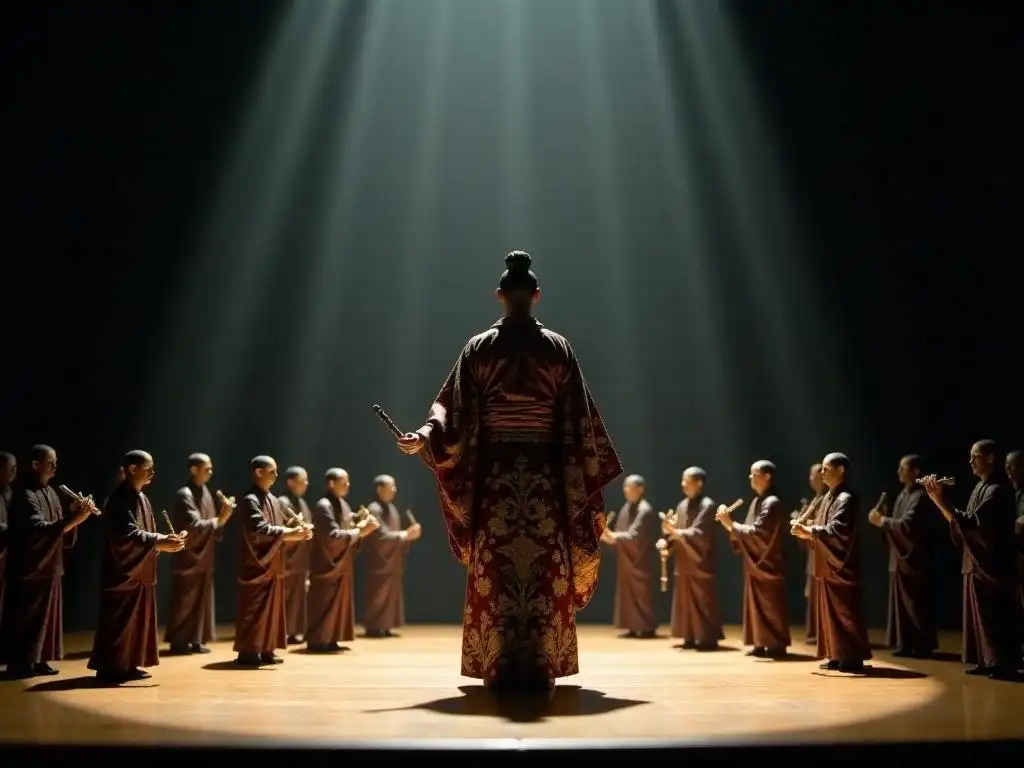
Welcome to Feudal Japan History, where we embark on a fascinating journey through the intricate tapestry of Japan’s feudal era. Here, you’ll uncover the rich historical, cultural, and societal layers that define this remarkable period. In our featured article, “The Role of Ritual in Noh Theater: A Connection to the Divine,” we delve into the profound significance of Noh theater rituals, exploring how they serve as a bridge between the earthly realm and the divine.
Prepare to be captivated as we unravel the mysteries behind this ancient art form and its enduring impact on Japanese culture. Join us as we explore the rituals that shaped a nation!
Introduction to Noh Theater
Noh theater, a quintessential form of traditional Japanese performance art, is not merely a theatrical experience; it embodies a profound connection to the spiritual and cultural fabric of Japan's history. Originating during the 14th century, Noh is characterized by its minimalist staging, poetic language, and the intricate use of masks, which serve to convey deep emotional and spiritual narratives.
At the heart of Noh lies the concept of ritual, which serves as a bridge between the earthly and the divine, allowing performers and audiences alike to engage in a sacred dialogue that transcends time and space. This article delves into the Noh theater ritual significance, exploring its historical context, cultural importance, and the spiritual dimensions that define this unique art form.
Overview of Noh Theater
Noh theater is a complex synthesis of music, dance, and drama, often revolving around themes of love, loss, and the supernatural. The performances are typically held on a specially constructed stage, featuring a unique architectural design that enhances the ethereal quality of the plays.
- Key Characteristics of Noh Theater:
- Masks: Essential for portraying character emotions and social status.
- Costumes: Elaborate garments that reflect the character's role and time period.
- Music: Utilizes traditional instruments like the flute and drums to create an atmospheric soundscape.
- Movement: Highly stylized, with slow and deliberate motions that convey deep meaning.
Noh is recognized not only for its artistic merit but also for its role in preserving historical narratives and cultural values across generations.
Historical Context of Noh Theater in Feudal Japan
The origins of Noh can be traced back to the 14th century, during the Muromachi period, when it evolved from earlier forms of performance art, such as Sarugaku. It was during this time that Noh gained prominence among the samurai class, becoming a favored form of entertainment that reflected their values and beliefs.
- Key Historical Developments:
- Ashikaga Shogunate: Provided patronage that facilitated the growth of Noh.
- Kan'ami and Zeami: Two pivotal figures in Noh's development, who articulated its theories and aesthetics.
- Cultural Integration: Noh absorbed influences from various religious and philosophical traditions, including Buddhism and Shintoism.
The historical significance of Noh theater is intertwined with the political and social dynamics of feudal Japan, highlighting its role in shaping national identity and cultural continuity.
Importance of Ritual in Japanese Culture
Rituals in Japan serve as a means of connecting individuals to their heritage, the environment, and the divine. They permeate various aspects of life, from daily practices to grand ceremonies, reinforcing community bonds and cultural identity.
- Rituals in Daily Life:
- Tea Ceremony: A meditative ritual that emphasizes harmony and respect.
- Festivals: Community celebrations that honor deities and seasonal changes.
In the context of Noh theater, rituals are not merely decorative; they are integral to the performance, enhancing the audience's spiritual experience and fostering a sense of shared cultural identity.
Understanding Noh Theater Ritual Significance
Definition of Ritual in Noh Theater
In Noh theater, rituals are formalized actions imbued with meaning and significance. They serve various purposes, including:
- Connecting with the Divine: Rituals facilitate communication with spiritual beings and ancestors.
- Preserving Tradition: They embody the cultural heritage and artistic practices passed down through generations.
- Creating Atmosphere: Ritualistic elements enhance the emotional depth and resonance of the performance.
Through these dimensions, rituals in Noh theater elevate the performances beyond mere entertainment to a sacred expression of cultural and spiritual values.
The Spiritual Dimensions of Noh Rituals
Noh rituals are characterized by their deep spiritual significance, often invoking the presence of deities and spirits. Performers engage in specific ceremonial practices to ensure that the energy of the performance connects with the divine.
- Spiritual Practices Include:
- Purification Rites: Before performances, actors may undergo rituals to cleanse themselves spiritually.
- Offering Performances: Certain plays are performed as offerings to deities, seeking blessings and favor.
These practices illustrate how Noh theater serves as a medium for spiritual exploration and expression, allowing both performers and audiences to engage in a transcendent experience.
Connection Between Noh Rituals and Shinto Beliefs
Shinto, the indigenous spirituality of Japan, plays a significant role in shaping the rituals of Noh theater. The interplay between Noh and Shinto beliefs highlights how performance art can serve as a vessel for spiritual and cultural expression.
- Key Connections:
- Kami Worship: Noh rituals often reflect the reverence for kami (spirits or deities) central to Shinto.
- Nature and Seasons: Many Noh plays celebrate the natural world, acknowledging the cyclical rhythms of life that resonate with Shinto beliefs.
Through these connections, Noh theater not only preserves the cultural heritage of Japan but also reinforces the spiritual values inherent in Shinto, making it a vital part of Japan's cultural history.
Key Elements of Ritual in Noh Theater
Noh theater, one of Japan's oldest performing arts, is steeped in ritual significance that transcends mere entertainment. The rituals embedded in Noh serve as a bridge between the earthly realm and the divine, allowing performers and audiences alike to engage in a spiritual experience. Key elements of this ritualistic framework include music, movement, costumes, and the overall structure of the performance. Each component is meticulously crafted to convey deep symbolic meanings, fostering a connection not only among the participants but also with the ancestral spirits and deities invoked during the performance.
The integration of ritual in Noh is evident in its stylized movements and prescribed forms, which echo the traditions of Shinto and Buddhist practices. Every gesture, every note played, and every chant uttered is imbued with a sense of purpose, directing the audience’s focus toward the spiritual themes being explored. This deep-seated ritualism is not merely an aesthetic choice; it is fundamental to the identity and essence of Noh theater.
The Role of Music and Chanting in Noh Rituals
Music and chanting play a pivotal role in Noh theater rituals, serving as the backbone of the performance. The use of traditional instruments, such as the flute (nōkan) and drums (ko-tsuzumi and o-tsuzumi), creates an ethereal soundscape that enhances the spiritual atmosphere. These musical elements are not just for auditory pleasure; they are integral to the ritualistic experience, guiding the performers and influencing the audience's emotional responses.
Chanting, particularly the use of utai (the vocal art of Noh), is performed in a highly stylized manner that conveys both narrative and spiritual resonance. The chanting often reflects the inner thoughts of characters, enabling a deeper connection to the divine themes explored in the play. This sacred vocalization aligns with the concept of kami (deities) in Shintoism, where sound is believed to transcend the material world, facilitating communication with the spiritual realm.
Costumes and Masks: Symbolism and Ritual Significance
Costumes and masks are vital to the ritualistic nature of Noh theater, each piece meticulously designed to embody specific characters and their spiritual significance. The intricate costumes, often adorned with symbolic imagery, not only serve to represent the character's social status but also convey profound allegorical meanings. For instance, the use of color and fabric choice can denote a character's emotions or their connection to the divine.
Masks, or omote, are perhaps the most iconic aspect of Noh. Crafted with precision, these masks allow actors to portray a range of emotions and characters, from the serene and divine to the sorrowful and ghostly. The act of donning a mask is a ritual in itself, as it symbolizes the transformation of the actor into the character, establishing a direct link to the spiritual world. This transformation is crucial in Noh, as it reinforces the belief that the performer channels the essence of the character, enabling a profound interaction with the audience.
Movement and Gesture: The Language of Noh Rituals
In Noh theater, movement and gesture are not merely a means of storytelling but serve as an intricate language of ritual. Every action is deliberate and steeped in meaning, reflecting the nuances of human emotions and spiritual experiences. The slow, measured movements of the actors are designed to evoke a sense of tranquility and contemplation, encouraging the audience to engage in reflection.
The use of specific gestures, known as kata, is essential in conveying the spiritual messages inherent in the performance. These gestures often draw from traditional Japanese martial arts and religious practices, emphasizing the connection between the physical and metaphysical realms. Through this language of movement, Noh theater becomes a form of ritualistic expression, inviting the audience to witness and participate in a shared spiritual journey.
Rituals as a Means of Connection to the Divine
Rituals in Noh theater serve as a powerful conduit for connecting with the divine, allowing performers and audiences to engage in a shared spiritual experience. This connection is facilitated through various elements of the performance, including music, movement, and symbolism, all of which are designed to elevate the consciousness of participants.
The ritualistic aspects of Noh not only reflect Japan's rich cultural heritage but also align with Shinto beliefs, where nature and deities are interwoven into everyday life. This interplay between the spiritual and the earthly enhances the significance of Noh as a medium for exploring existential themes and the human condition.
Noh Theater as a Medium for Spiritual Expression
Noh theater transcends mere performance art; it serves as a profound medium for spiritual expression. Each play often revolves around themes of suffering, redemption, and the search for enlightenment, allowing both performers and audiences to grapple with existential questions. The ritualistic elements embedded in the performances facilitate a shared emotional experience, inviting viewers to reflect on their own lives and spiritual beliefs.
The portrayal of supernatural beings, such as ghosts and deities, further enriches this spiritual dialogue. These characters often symbolize unresolved issues or the lingering presence of the past, urging audiences to confront their own connections to history, memory, and the divine. Through this exploration, Noh theater becomes a sacred space where the temporal and eternal intersect.
The Role of Performers as Mediators Between Worlds
In Noh theater, performers act as mediators between the human and divine realms, facilitating a dialogue that bridges the gap between the two. By embodying characters that represent various facets of existence—such as deities, spirits, and mortals—actors channel the energies of these entities, inviting the audience to witness a sacred interaction.
This mediating role is steeped in ritual significance, as performers undergo a transformation during the performance, allowing them to transcend their earthly identities. This process is not only a display of artistry but also a spiritual undertaking, reinforcing the belief that the performers are conduits for divine messages and experiences.
Audience Participation and Its Ritualistic Aspects
Audience participation in Noh theater is an essential component of its ritualistic framework. While Noh is often perceived as a passive viewing experience, the audience plays a crucial role in the performance's spiritual significance. The act of witnessing a Noh play is itself a ritual, as spectators are invited to engage with the performance on a personal level.
The audience's reactions—be it through silence, focused attention, or subtle movements—contribute to the overall energy of the performance. This interaction creates a communal atmosphere, where both performers and spectators partake in a shared spiritual journey. The ritualistic nature of this participation underscores the collective experience of seeking understanding and connection to the divine through the art of Noh theater.
Case Studies of Notable Noh Productions
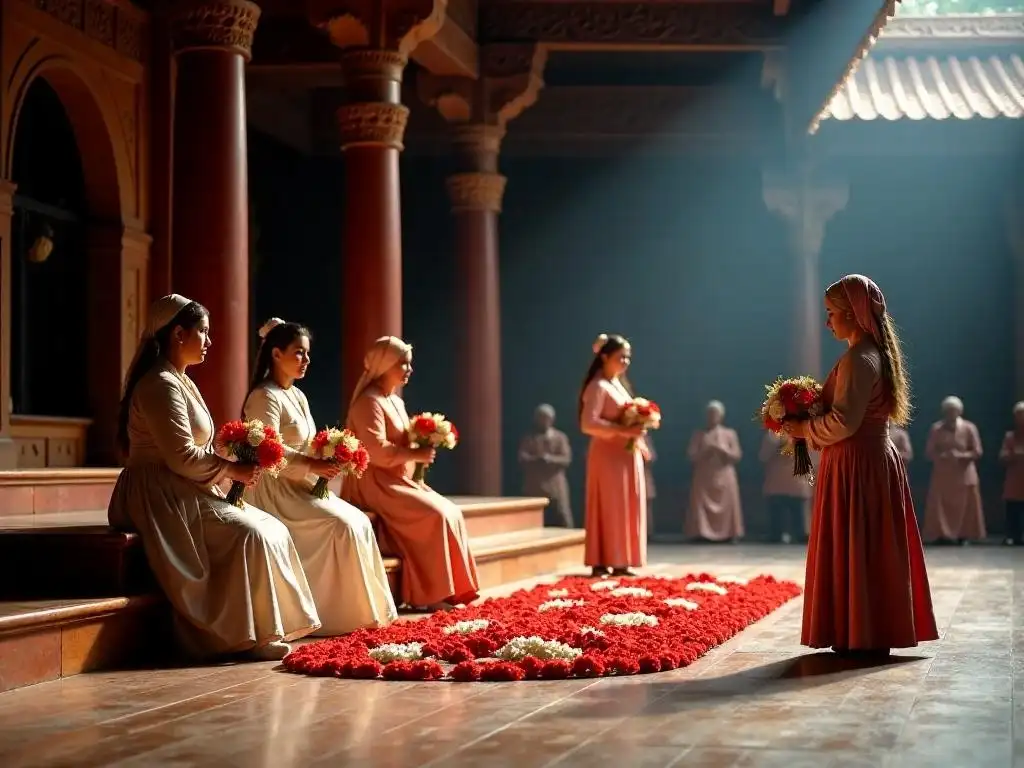
Noh theater, with its intricate rituals and profound symbolic meanings, has produced several notable plays that exemplify the significance of ritual within its performances. Each of these productions showcases the depth of connection to the divine, reflecting both traditional themes and the spiritual essence that defines Noh. By examining specific plays like "Aoinoue," "Kagamijishi," and "Tōru," we can gain insights into how ritual elements enhance the audience's experience and reinforce the spiritual dimensions of the art form.
Analysis of "Aoinoue" and Its Ritual Elements
"Aoinoue," one of the quintessential works of Noh, presents a rich tapestry of ritualistic elements that underscore its themes of love, loss, and the supernatural. The narrative revolves around a woman mourning her lost love, and throughout the performance, various rituals are employed to evoke the presence of spirits.
Key ritual elements include:
- Purification Rituals: Before the performance, actors often undergo purification rites, symbolizing the cleansing of the mind and spirit, allowing them to connect with the divine.
- Use of Sacred Objects: Props like the shide (a zigzag-shaped paper stream) are used to represent spiritual barriers and invite the presence of deities or spirits.
- Chanting and Incantations: The chorus engages in rhythmic chanting that invokes a sense of spiritual connection, enhancing the emotional gravity of the performance.
These rituals not only deepen the narrative but also create a transcendent atmosphere that facilitates the audience's engagement with the themes of love and spirituality.
Examination of "Kagamijishi" and Its Connection to the Divine
"Kagamijishi," often translated as "The Lion Dance," is another remarkable Noh play that highlights the ritual significance through its portrayal of divine beings and the spiritual journey of the characters. This production is particularly notable for its elaborate choreography, which symbolizes the connection between the earthly realm and the divine.
The following elements are crucial in understanding the ritual aspects of "Kagamijishi":
- Dance as Worship: The dance movements are not merely aesthetic; they serve as a form of worship, expressing reverence to the divine and the natural world.
- Symbolic Costumes: The costumes worn by the actors are infused with spiritual significance, often adorned with motifs that represent protection and blessings from deities.
- Interaction with the Audience: The performance often includes moments where the actors engage directly with the audience, breaking the fourth wall to invite them into the spiritual experience, making them participants in the ritual.
Through these elements, "Kagamijishi" emphasizes the interconnectedness of human emotions, nature, and the divine, showcasing how ritual acts as a bridge between these realms.
The Impact of Ritual on Audience Experience in "Tōru"
The play "Tōru," known for its profound narrative and emotional depth, exemplifies how ritual enhances the overall audience experience. This production is characterized by its exploration of themes related to memory, longing, and the ephemeral nature of existence.
Ritual plays a pivotal role in shaping the audience's engagement in "Tōru" through:
- Atmospheric Setting: The careful staging and lighting, reminiscent of traditional shrines, create a sacred space that invites introspection and spiritual reflection among audience members.
- Emotional Resonance: Ritualistic chanting and instrumental music enhance the emotional weight of the performance, allowing the audience to connect with the characters' experiences on a deeper level.
- Cyclical Structure: The performance often follows a cyclical structure, mirroring the cycles of life and death, which resonates with the audience's understanding of existence and the divine.
By weaving ritual into its fabric, "Tōru" transforms the audience's experience from mere observation to a shared spiritual journey, making them integral to the narrative's emotional landscape.
The Evolution of Ritual in Contemporary Noh Theater
As Noh theater continues to evolve, the role of ritual has adapted to reflect contemporary sensibilities while still honoring its traditional roots. Understanding this evolution is essential for appreciating how Noh maintains its relevance in modern society.
Modern Interpretations of Noh Rituals
Contemporary productions of Noh have seen a shift in how rituals are interpreted and presented. Modern directors and actors often explore new themes and narratives while still incorporating traditional ritual elements. This approach allows for:
- Innovation in Performance: Integrating multimedia elements or contemporary themes while retaining core rituals can attract newer audiences and keep the art form dynamic.
- Cross-Disciplinary Collaborations: Collaborations with other art forms, such as dance or visual arts, can reinterpret rituals to convey modern messages while preserving their essence.
- Audience Engagement: Modern productions may seek to involve the audience in rituals, breaking down barriers and fostering a communal experience that reflects contemporary societal values.
These modern interpretations provide a fresh lens through which to view Noh rituals, ensuring their continued significance in a rapidly changing world.
The Preservation of Traditional Rituals in Contemporary Performances
Despite the evolution of Noh theater, there remains a strong commitment to preserving traditional rituals. This preservation is crucial for maintaining the integrity and authenticity of the art form. Key aspects include:
- Training and Education: Institutions dedicated to Noh education ensure that traditional rituals are taught and practiced, passing down knowledge to new generations of performers.
- Authenticity in Production: Many contemporary Noh productions strive to maintain traditional staging, costumes, and rituals, offering audiences a genuine experience of the art form's roots.
- Cultural Festivals: Events dedicated to Noh theater often feature performances that highlight traditional rituals, reinforcing their importance within the cultural heritage of Japan.
By valuing and preserving these rituals, contemporary Noh theater honors its historical roots while navigating the complexities of modernity.
Challenges Facing Ritual Practices in Modern Noh Theater
While the preservation and evolution of Noh rituals offer many opportunities, they also present challenges. These challenges include:
- Audience Expectations: Modern audiences may have different expectations regarding theatrical experiences, which can sometimes clash with the traditional nature of Noh rituals.
- Cultural Relevance: As societal values change, some traditional rituals may appear outdated or disconnected from contemporary issues, necessitating a thoughtful approach to their integration in performances.
- Resource Limitations: Maintaining traditional practices requires resources, including skilled performers and financial support, which can be increasingly difficult to secure in a modern context.
Addressing these challenges requires a delicate balance between innovation and tradition, ensuring that Noh theater remains a vibrant and relevant expression of Japan's cultural identity.
Conclusion: The Enduring Significance of Noh Theater Rituals
Noh theater, with its intricate blend of performance art and ritual, serves as a profound conduit for spiritual expression and cultural heritage in Japan. The rituals embedded within Noh performances are not merely ornamental; they are fundamental to the art form's ability to connect the mundane with the divine. Through a carefully structured framework of movement, music, and narrative, Noh theater elevates the audience's experience, inviting them into a realm where the presence of gods, ancestral spirits, and human emotions intertwine.
The significance of ritual in Noh can be encapsulated in its ability to transcend time and space. By engaging in these rituals, performers and audiences alike participate in a shared cultural memory that honors both historical traditions and spiritual beliefs. This connection fosters a deeper understanding of life's complexities and the human condition, reinforcing the idea that ritual serves as a bridge between the material world and a higher spiritual plane.
Summary of Ritual’s Role in Noh Theater
The role of ritual in Noh theater is multifaceted, encompassing several key elements:
- Spiritual Connection: Rituals in Noh are designed to invoke and appease deities and spirits, creating a sacred atmosphere that enhances the performance's emotional depth.
- Cultural Transmission: Through ritualistic practices, Noh preserves and conveys cultural narratives and historical events, ensuring their continuity across generations.
- Performance Structure: The rituals provide a framework for the performance, dictating specific movements, music, and choreography that must be adhered to, thereby maintaining the integrity of the art form.
- Audience Engagement: Rituals engage the audience, drawing them into a collective experience that blurs the lines between observer and participant, highlighting the communal aspect of worship and performance.
These elements illustrate how rituals are not merely background activities but are central to the identity and longevity of Noh theater.
Future Perspectives on Noh Theater and Ritual Significance
As society evolves, the significance of Noh theater rituals may be challenged but also revitalized. Contemporary audiences, often unfamiliar with traditional practices, present both a challenge and an opportunity for Noh practitioners. Future perspectives may include:
- Modern Adaptations: There is potential for integrating modern themes and narratives into Noh while preserving its ritualistic core. This could attract younger audiences who resonate with contemporary issues.
- Educational Initiatives: Increasing awareness and education about the historical and cultural importance of Noh rituals can enhance appreciation among diverse audiences, fostering a deeper connection to Japan's artistic heritage.
- Global Collaboration: As Noh gains international recognition, cross-cultural collaborations could emerge, offering new interpretations of Noh rituals while respecting their traditional roots. This could lead to innovative performances that appeal to a global audience.
The future of Noh theater rituals lies in their ability to adapt while remaining true to their essence, ensuring the art form's relevance in an ever-changing world.
Final Thoughts on the Connection Between Noh Rituals and Divine Presence
The connection between Noh theater rituals and the divine presence is a testament to the art form's spiritual depth. Each ritual acts as a channel through which the sacred enters the performance, transforming it into a transcendent experience. This divine connection serves not only to enrich the narrative but also to remind audiences of their own spiritual journeys and the universal quest for meaning.
The ritual significance of Noh theater extends beyond the stage; it permeates the cultural fabric of Japan, reinforcing the belief that art and spirituality are intricately linked. As we continue to explore and understand Noh theater, it becomes evident that its rituals offer profound insights into the human experience, bridging the gap between the eternal and the ephemeral. By honoring these rituals, we not only preserve a vital aspect of cultural history but also reaffirm our shared humanity in the face of life's complexities.
- Introduction to Noh Theater
- Understanding Noh Theater Ritual Significance
- Key Elements of Ritual in Noh Theater
- Rituals as a Means of Connection to the Divine
- Case Studies of Notable Noh Productions
- The Evolution of Ritual in Contemporary Noh Theater
- Conclusion: The Enduring Significance of Noh Theater Rituals
Frequently Asked Questions
What is the significance of ritual in Noh theater?
Ritual in Noh theater serves as a bridge between the human and divine, allowing performers to convey spiritual themes and emotions that resonate with audiences.
How does Noh theater reflect Japan's feudal era?
Noh theater embodies the cultural values and aesthetic principles of Japan's feudal era, showcasing themes of honor, loyalty, and the supernatural that were prevalent during this time.
What are the main elements of Noh theater rituals?
Key elements of Noh theater rituals include the use of costumes, mask work, and music, all of which are meticulously designed to create a sacred atmosphere and enhance the spiritual experience for viewers.
How has Noh theater evolved over time?
While Noh theater has retained its core ritual significance, it has also adapted to modern audiences, incorporating new interpretations while maintaining its traditional roots and cultural heritage.
Why is Noh theater considered a spiritual experience?
Noh theater is deemed a spiritual experience due to its emphasis on ritual and symbolism, which invites audiences to reflect on existential themes and connect with the divine during performances.
Final Reflection: The Sacred Significance of Noh Theater Rituals
The exploration of Noh theater rituals reveals their profound connection to the divine, emphasizing that these practices are not merely performances but sacred expressions of spirituality. In today's fast-paced world, where the essence of culture often gets overshadowed by modern distractions, the ritual significance of Noh theater serves as a reminder of the deep-rooted traditions that connect us to our ancestors and the spiritual realm. The intricate choreography and symbolic gestures in Noh are not just art forms; they are vessels carrying the weight of history and belief, urging us to pause and reflect on our own spiritual journeys.
Culturally, Noh theater continues to influence contemporary art forms and spiritual practices, reminding us of the importance of ritual in fostering community and connection. The rituals embedded in Noh are a testament to the enduring human quest for meaning and transcendence. As the playwright Zeami Motokiyo once said, The essence of Noh is to express the inexpressible.
This encapsulates the ongoing influence of Noh theater, as it invites us to explore the depths of our own experiences and the shared human condition through the lens of ritual and performance.
As we conclude this exploration of Noh theater's ritual significance, I invite you to reflect on the rituals in your own life. Consider how these practices connect you to your community, your heritage, and the divine. Whether through art, tradition, or personal spirituality, let us embrace the power of ritual to enrich our lives and foster a deeper understanding of ourselves and the world around us. In doing so, we honor the legacy of Noh theater and its timeless message of connection and transcendence.
Unveil the Divine Power of Ritual in Your Life!
Thank you for taking the time to explore the intricate world of Noh theater and the sacred role of ritual within it. You've uncovered how these ancient practices create a profound connection to the divine, not just on stage but in our daily lives as well. Now it’s time to harness that knowledge!
Here’s how you can incorporate the essence of ritual into your own journey:
- Embrace a Daily Ritual: Start each day with a mindful practice that resonates with you—whether it’s meditation, journaling, or simply taking a moment for reflection. Feel the connection grow!
- Explore Noh Performances: Attend a local Noh theater performance or watch one online. Observe the rituals and consider how they can inspire your personal practices.
- Share Your Thoughts: Engage with friends or join a community group to discuss the themes of ritual in culture and spirituality. You might even initiate a discussion on social media!
How can you integrate the traditions of Noh and its rituals into your daily life to foster a deeper spiritual connection?