
The Aftermath of Festivals: How Feudal Celebrations Impacted Japanese Society

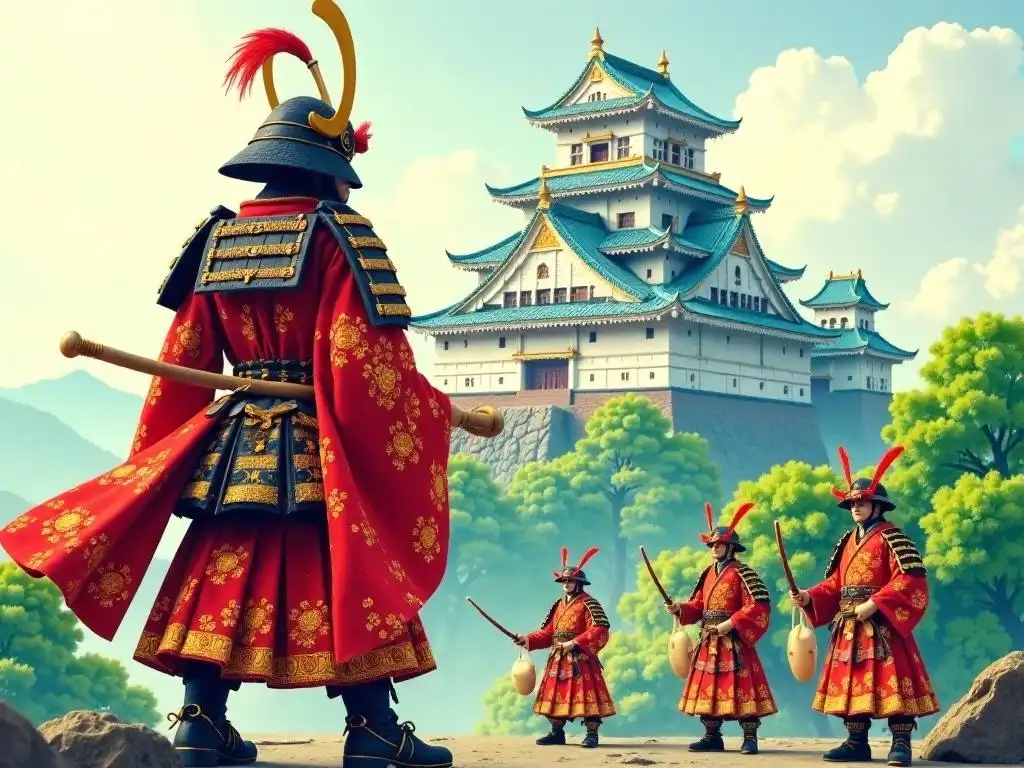
Welcome to Feudal Japan History, where we invite you to embark on a captivating journey through the rich tapestry of Japan’s feudal era. Here, you’ll uncover the profound significance of feudal celebrations in Japan, exploring how these vibrant festivities shaped societal norms and cultural practices.
As you delve into our feature article, "The Aftermath of Festivals: How Feudal Celebrations Impacted Japanese Society," prepare to be intrigued by the intricate connections between celebration and community in a time long past. Join us as we unravel the layers of history that continue to influence Japan today—your adventure into the heart of feudal culture begins now!
The feudal era of Japan, spanning from the late 12th century to the early 19th century, was characterized by a unique blend of military governance, social hierarchy, and cultural richness. Amidst the power struggles and shifting alliances, festivals emerged as significant cultural expressions that reflected the values, beliefs, and social dynamics of the time.
These feudal celebrations in Japan were not merely occasions for merriment; they played a critical role in shaping societal norms, strengthening communal bonds, and influencing the economy. This article delves into the aftermath of these festivals, examining their impact on Japanese society, both during the feudal period and in the broader context of cultural evolution.
Historical Context of Feudal Celebrations
Understanding the significance of feudal celebrations necessitates an exploration of the historical backdrop against which they occurred. During the feudal era, Japan was marked by the dominance of the samurai class and the establishment of a rigid social hierarchy. The festivals, often sponsored by the ruling class, served multiple purposes:
- Political Display: Festivals were opportunities for the ruling elite to showcase their power and benevolence. Events such as the Gion Matsuri in Kyoto were not only religious observances but also demonstrations of political authority.
- Cultural Preservation: Many celebrations were rooted in ancient traditions, helping to preserve cultural practices that might otherwise have been lost amidst political turmoil.
- Community Cohesion: Festivals fostered a sense of community, bringing together people from various social strata to partake in shared experiences.
This intricate interplay of politics, culture, and community during feudal celebrations laid the groundwork for their lasting impact on Japanese society.
Economic Impact of Feudal Celebrations
Feudal celebrations also had significant economic implications for local communities. They stimulated local economies through various channels:
- Market Opportunities: Festivals often included markets where local artisans and merchants could sell their goods. This influx of commerce was vital for many towns and villages.
- Agricultural Cycles: Many celebrations were timed to coincide with harvests, reinforcing the agrarian roots of Japanese society and ensuring that agricultural productivity was honored and celebrated.
- Tourism: Major festivals attracted visitors from distant regions, promoting a form of tourism that enhanced cultural exchange and economic growth.
The economic repercussions of these celebrations contributed to the sustainability of local economies and reinforced the social fabric of feudal Japan.
Societal Changes Post-Festival
The aftermath of festivals in feudal Japan often brought about notable societal changes:
- Reinforcement of Social Norms: Festivals acted as a platform for the reinforcement of societal roles, particularly the duties and expectations of the samurai and peasant classes. These roles were often dramatized in performances, further embedding them within the societal consciousness.
- Cultural Exchange: Participation in festivals facilitated cultural exchange among different regions, leading to a blending of practices and the evolution of new traditions.
- Religious Influence: The aftermath of such celebrations often included a renewed focus on religious practices, as communities sought blessings for future prosperity and peace.
These transformations reveal the multi-dimensional impact of feudal celebrations on the ever-evolving landscape of Japanese society.
Conclusion
The aftermath of feudal celebrations in Japan was profound, influencing various aspects of life from economic growth to cultural cohesion. By understanding the significance of these festivals, we gain invaluable insights into the complexities of Japanese society during the feudal era, highlighting their enduring legacy in contemporary cultural practices.
- Historical Context of Feudal Celebrations
- Economic Impact of Feudal Celebrations
- Societal Changes Post-Festival
- Conclusion
- What were feudal celebrations in Japan?
- How did feudal celebrations influence Japanese society?
- What types of activities were involved in feudal festivals?
- Were there any significant festivals that emerged during this era?
- How did the impact of feudal celebrations extend beyond the festivals themselves?
Introduction to Feudal Celebrations in Japan
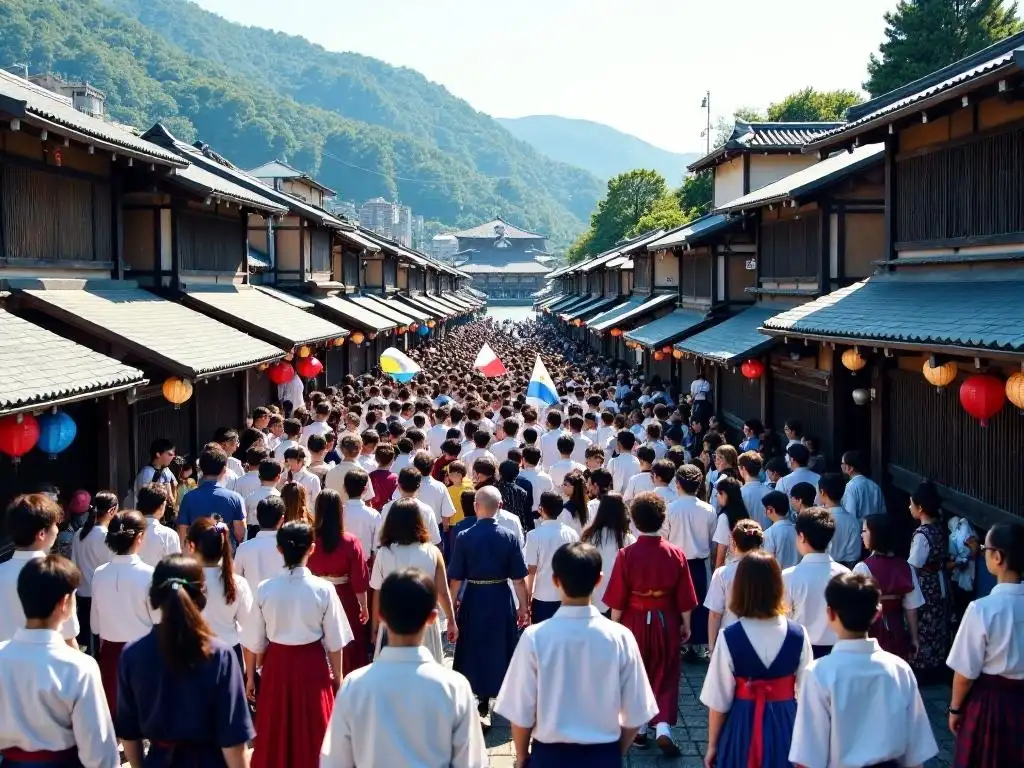
Feudal celebrations in Japan represent a significant facet of the cultural tapestry woven throughout the nation's history. These festivities were not just mere occasions for merriment; they were deeply intertwined with the socio-political fabric and spiritual beliefs of the time. Understanding these celebrations offers a glimpse into the values, hierarchies, and community dynamics that characterized feudal Japan. This section will explore the broader context of feudal celebrations, their cultural significance, and their lasting impact on Japanese society.
Overview of Feudal Japan and Its Cultural Context
Feudal Japan, spanning from the late 12th century to the mid-19th century, was marked by a hierarchical structure dominated by the samurai class. The shogunate system established a military government where power was concentrated in the hands of a few, leading to a society that valued loyalty, honor, and tradition. Festivals during this era were often organized around agricultural cycles, religious observances, and samurai traditions, reflecting the agrarian lifestyle of the majority and the spiritual beliefs that guided daily life.
- Key Elements of Feudal Japan:
- Social Hierarchy: Society was divided into distinct classes, including the emperor, shogun, daimyo, samurai, peasants, artisans, and merchants.
- Religious Influence: Shinto and Buddhism played pivotal roles in shaping cultural practices, influencing the themes and rituals observed during festivals.
- Agricultural Roots: Many celebrations revolved around harvests, seasonal changes, and agricultural rites, emphasizing the connection between nature and sustenance.
The cultural context of feudal Japan was thus a blend of spirituality, social structure, and seasonal rhythms, which collectively defined the character of feudal celebrations.
Significance of Festivals in Japanese Society
Festivals in feudal Japan served multiple purposes, each contributing to the social, cultural, and religious landscape of the time. Understanding their significance can reveal how these celebrations influenced community cohesion and individual identity.
- Community Bonding:
- Festivals acted as a mechanism for strengthening community ties. They provided opportunities for locals to gather, share in rituals, and partake in collective joy, aiding in the reinforcement of social bonds.
- The communal aspect of these celebrations often included shared meals, dances, and games, fostering a sense of unity among participants.
- Cultural Preservation:
- Through the enactment of traditional rituals and performances, feudal celebrations played a critical role in preserving cultural heritage. Folklore, music, and dance were passed down through generations, ensuring the survival of local customs and stories.
- Many festivals featured processions and theatrical performances that depicted historical events or local legends, thus educating younger generations about their cultural roots.
- Religious and Spiritual Significance:
- Festivals were often tied to agricultural cycles and religious observances, serving as offerings to deities for a bountiful harvest or protection. This spiritual component reinforced the belief in the divine’s influence over daily life.
- Shrines and temples became focal points during these celebrations, where rituals and prayers were conducted to seek blessings for the community.
- Economic Impact:
- Feudal celebrations also had economic implications, as they attracted visitors and traders, stimulating local economies. Markets often sprung up during festivals, providing opportunities for artisans and merchants to sell their goods.
- The influx of people during these events contributed to the exchange of ideas and cultural practices, further enriching the societal fabric.
Feudal celebrations in Japan were far more than mere entertainment; they were pivotal in shaping the values and social structures of the era. Their influence extended beyond the immediate festivities, leaving a lasting legacy that continues to resonate in contemporary Japanese culture today.
Historical Background of Feudal Celebrations
Roots of Festivals in Japanese History
The origins of feudal celebrations in Japan can be traced back to ancient agricultural rituals and Shinto practices, which sought to honor deities and ensure a bountiful harvest. These early festivals were deeply intertwined with the agrarian lifestyle of early Japanese society, characterized by a connection to nature and the seasons. As the Japanese archipelago is rich in natural beauty, the changing seasons played a significant role in shaping these celebrations.
- Agricultural Festivals: Many of the earliest festivals, known as matsuri, were held to celebrate the rice harvest. These events often included rituals to appease the gods of rice, such as Inari, and involved offerings of rice and sake. The significance of rice in Japanese culture cannot be overstated, making these festivals central to the community's wellbeing.
- Buddhist Influences: With the introduction of Buddhism in the 6th century, new forms of celebration emerged. Festivals such as Obon, which honors deceased ancestors, incorporated Buddhist traditions into the existing cultural framework. This blending of beliefs enriched the tapestry of feudal celebrations, allowing for a diverse range of practices across different regions.
The evolution of feudal celebrations reflects broader societal changes, as various clans and samurai families began to establish their own unique festivals, often as a means to assert their power and influence. Over time, these celebrations became essential for fostering community bonds and reinforcing social hierarchies within feudal Japan.
Key Feudal Periods and Their Celebratory Practices
Throughout the feudal era in Japan, which spanned from the 12th to the 19th century, several key periods were marked by distinct celebratory practices that mirrored the sociopolitical landscape of the time.
- Kamakura Period (1185-1333):
- During this period, the establishment of the Kamakura shogunate brought about greater organization of festivals. The Kamakura Matsuri involved processions and rituals to honor the samurai class and their role in society.
- Example: The Hama Matsuri was celebrated with boat races on rivers, symbolizing the connection between the samurai and their maritime prowess.
- Muromachi Period (1336-1573):
- The Muromachi period saw the rise of the Ashikaga shogunate, which patronized various arts, leading to the development of more elaborate festivals.
- Example: The Gion Matsuri in Kyoto, initially a purification ritual, evolved into a grand spectacle featuring floats, music, and dance, reflecting the growing influence of urban culture.
- Edo Period (1603-1868):
- The Edo period was characterized by peace and stability under the Tokugawa shogunate, resulting in a flourishing of cultural festivals. These celebrations often highlighted local traditions and crafts.
- Example: The Sanja Matsuri in Asakusa celebrated the deities of the Asakusa Shrine, featuring lively parades, traditional dances, and community participation that strengthened local ties.
| Period | Key Celebrations | Notable Features |
|---|---|---|
| Kamakura | Kamakura Matsuri | Samurai processions, boat races |
| Muromachi | Gion Matsuri | Elaborate floats, urban cultural influence |
| Edo | Sanja Matsuri | Community involvement, traditional dances and parades |
The impact of these feudal celebrations on Japanese society was profound, as they not only provided an outlet for communal expression but also reinforced social structures and cultural continuity. Through these festivals, the values and traditions of feudal Japan were passed down through generations, shaping the identity of the nation.
Types of Feudal Celebrations in Japan
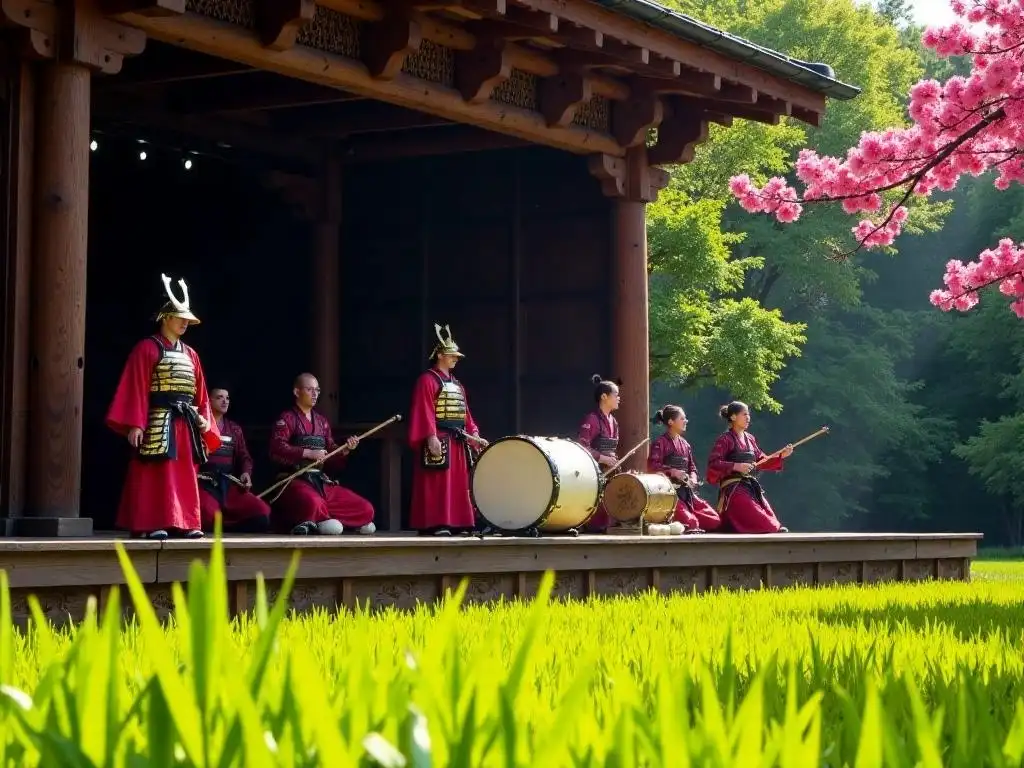
Religious Festivals and Their Importance
Religious festivals in feudal Japan played a pivotal role in shaping the cultural landscape of the era. These celebrations were deeply rooted in Shinto and Buddhist traditions, reflecting the spiritual beliefs of the time. Festivals such as Aoi Matsuri, celebrated in Kyoto, and Gion Matsuri, which takes place in July, exemplified the intertwining of religion and community.
Key Characteristics of Religious Festivals:
- Rituals and Offerings: Participants would engage in various rituals, including offerings to deities, purification ceremonies, and processions. These actions were believed to ensure prosperity and protection for the community.
- Community Involvement: Religious festivals served as a gathering point for communities, fostering social ties and collaboration among villagers and samurai alike. They were occasions for people to come together, reinforcing social bonds.
- Cultural Preservation: These festivals were instrumental in preserving cultural heritage, with traditional music, dance, and art forms being passed down through generations. They kept historical narratives alive, allowing the society to connect with its past.
Seasonal Celebrations: Agricultural Festivals
Agricultural festivals were essential in the feudal period, as they celebrated the harvest and the changing seasons. The rhythms of nature dictated the agricultural calendar, and festivals such as Niiname-sai, a rice harvest festival, underscored the importance of rice as a staple food and cultural symbol in Japan.
Importance of Agricultural Festivals:
- Gratitude and Rituals: These festivals expressed gratitude to the deities for bountiful harvests. Rituals included the offering of the first rice to the gods, which was believed to bring blessings upon the community.
- Community Mobilization: Seasonal festivals encouraged community participation in farming activities, creating a sense of unity and shared purpose. Villagers would gather to prepare for the festivals, strengthening communal ties.
- Cultural Significance: Agricultural festivals were rich in symbolic meaning, often involving traditional dances and songs that celebrated the land and its bounty. This fostered a profound respect for nature and its cycles, which was integral to the feudal mindset.
Samurai and Warrior Celebrations: A Unique Perspective
The samurai class, as the ruling elite during the feudal era, had their own unique celebrations that differed significantly from those of the common populace. These gatherings often emphasized honor, valor, and martial prowess, reflecting the samurai's code of conduct.
Distinct Features of Samurai Celebrations:
- Martial Arts and Competitions: Celebrations often included demonstrations of martial arts, archery contests, and displays of weaponry. These events were not just entertainment; they served as a means to showcase skills and reinforce the samurai's status.
- Ceremonial Rituals: Samurai celebrations incorporated formal rituals, such as tea ceremonies and poetry recitals, emphasizing the aesthetic and spiritual dimensions of samurai culture. These practices were deeply ingrained in their identity.
- Social Hierarchy: The structure of samurai celebrations often reinforced social hierarchies, with higher-ranking samurai receiving greater honors and privileges. This dynamic was crucial in maintaining the feudal order and the relationships between various classes.
The diverse types of feudal celebrations in Japan—ranging from religious and agricultural to those unique to the samurai—illustrate the intricate tapestry of social, cultural, and spiritual life during this historical period. Each celebration contributed to the fabric of society, influencing communal identity and continuity across generations.
Strengthening Community Bonds Through Festivals
Feudal celebrations in Japan played a crucial role in fostering community bonds among the various social classes and regions. These events, often tied to agricultural cycles or religious observances, served not only as a means of entertainment but also as a vital tool for reinforcing social cohesion.
During these festivals, communities would come together to celebrate shared traditions, engage in communal activities, and showcase local crafts and foods. For instance, the Gion Matsuri, celebrated in Kyoto, involved elaborate floats and parades that required extensive collaboration among local families and guilds. This cooperation fostered a sense of unity and belonging, as individuals worked side by side, contributing their unique skills to the festivities.
Furthermore, these gatherings provided an opportunity for the different classes to interact, albeit within the constraints of the existing social hierarchy. While the samurai class often held a dominant position, commoners could express their artistic talents and cultural heritage during the festivals, creating a dynamic interplay between the classes.
The structure of feudal celebrations in Japan vividly illustrated the existing social hierarchies. Festivals were often organized around the patronage of local lords or temples, with the elite dictating the scale and nature of the events. For example, during the Tenjin Matsuri in Osaka, the lavish displays and ceremonies were largely funded and orchestrated by the local nobility, ensuring that their status and wealth were prominently showcased.
In this context, the participation of samurai and nobility at these festivals was not merely for enjoyment; it was a demonstration of their power and influence. They would often occupy the most prominent positions during parades and rituals, reinforcing their superior status within the community. In contrast, commoners played a supportive role, often providing entertainment through traditional performances, such as Noh or Kabuki, which highlighted their skills while simultaneously reflecting their subordinate position.
Moreover, the themes of many festivals often mirrored the values and ideologies of the ruling class, subtly reinforcing societal norms. Celebrations that honored the gods or deities favored by the samurai class, for instance, would be emphasized, while local traditions might be overshadowed, illustrating how feudal celebrations were entwined with the broader socio-political landscape.
The Role of Festivals in Cultural Transmission
Feudal celebrations were instrumental in the transmission of cultural practices and values across generations. These events acted as living history lessons, where customs, stories, and art forms were shared and preserved. The rituals performed during festivals often incorporated historical narratives and folklore, making them vital for cultural education.
For example, the Obon Festival, which honors the spirits of ancestors, is a rich tapestry of dance, music, and storytelling. Through the Bon Odori dances and the telling of ghost stories, younger generations learned about their heritage, traditions, and the importance of familial respect. This oral tradition was crucial in ensuring that cultural values were maintained, especially in an era where written records were scarce.
Additionally, festivals served as platforms for showcasing artistic expressions, such as Ikebana (flower arranging) and Origami, which were often tied to specific celebrations. The exchange of ideas and techniques among artisans during these events facilitated cultural diffusion, helping to shape the rich tapestry of Japanese arts and crafts.
Overall, feudal celebrations were not merely festive occasions; they were pivotal in reinforcing community ties, reflecting social structures, and transmitting cultural heritage, leaving a lasting impact on Japanese society.
Economic Aspects of Feudal Celebrations
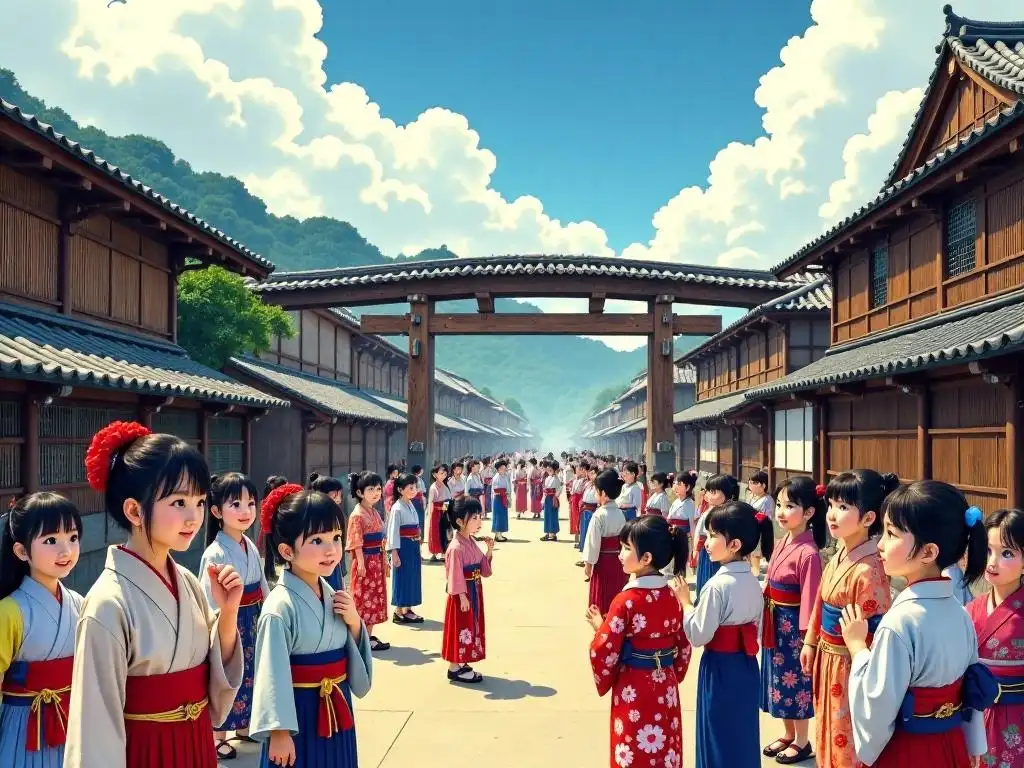
Festivals as Catalysts for Local Economies
Feudal celebrations in Japan served not only as cultural and spiritual gatherings but also as significant drivers of local economies. These festivals attracted large crowds from surrounding areas, creating a bustling atmosphere that fostered economic activity. The influx of visitors provided opportunities for local artisans, merchants, and farmers to sell their goods, leading to a temporary yet substantial boost in revenue.
- Marketplaces and Vendors: During major festivals, temporary marketplaces would spring up, allowing vendors to showcase traditional crafts, foods, and beverages. This was particularly evident during events such as the Gion Matsuri in Kyoto, where stalls filled the streets with everything from textiles to street food.
- Artisan Participation: Local artisans often prepared special items specifically for festivals, enhancing their craft's visibility and demand. For example, the creation of ornamental decorations for shrines and homes during festivals not only reflected local artistry but also stimulated sales in the community.
- Agricultural Sales: Many festivals coincided with harvest seasons, which allowed farmers to sell their fresh produce directly to consumers. This not only helped farmers earn income but also reinforced the connection between agriculture and cultural celebrations.
Trade and Commerce During Feudal Celebrations
The intertwining of feudal celebrations with trade and commerce highlights the multifaceted role these events played in Japanese society. Festivals were not just local happenings; they often had regional implications that influenced broader economic dynamics.
- Regional Trade Networks: Festivals facilitated the movement of goods across regions. For instance, during the Sanja Matsuri in Tokyo, traders from different parts of the country would converge, creating a melting pot of commerce that allowed for the exchange of regional specialties. This helped to establish and strengthen trade routes that persisted beyond the festival itself.
- Cultural Exchange Through Commerce: As merchants traveled to festivals, they brought with them not only goods but also cultural practices and ideas, enriching local traditions. The convergence of various regional products often led to unique local adaptations, as seen in the incorporation of different culinary styles at food stalls during these celebrations.
- Economic Impact on Feudal Lords: Feudal lords recognized the economic potential of festivals and often sponsored them. By investing in these events, they could enhance their status while simultaneously boosting local economies. This sponsorship included funding for the festival's infrastructure, such as roads and public spaces, which further facilitated trade and commerce during these gatherings.
Feudal celebrations in Japan acted as powerful economic catalysts, fostering trade, supporting local artisans, and enhancing regional networks. The legacy of these festivals continues to be felt today, as they remind us of the integral connection between culture and commerce in shaping society.
Political Implications of Feudal Celebrations
Festivals and Power Dynamics in Feudal Japan
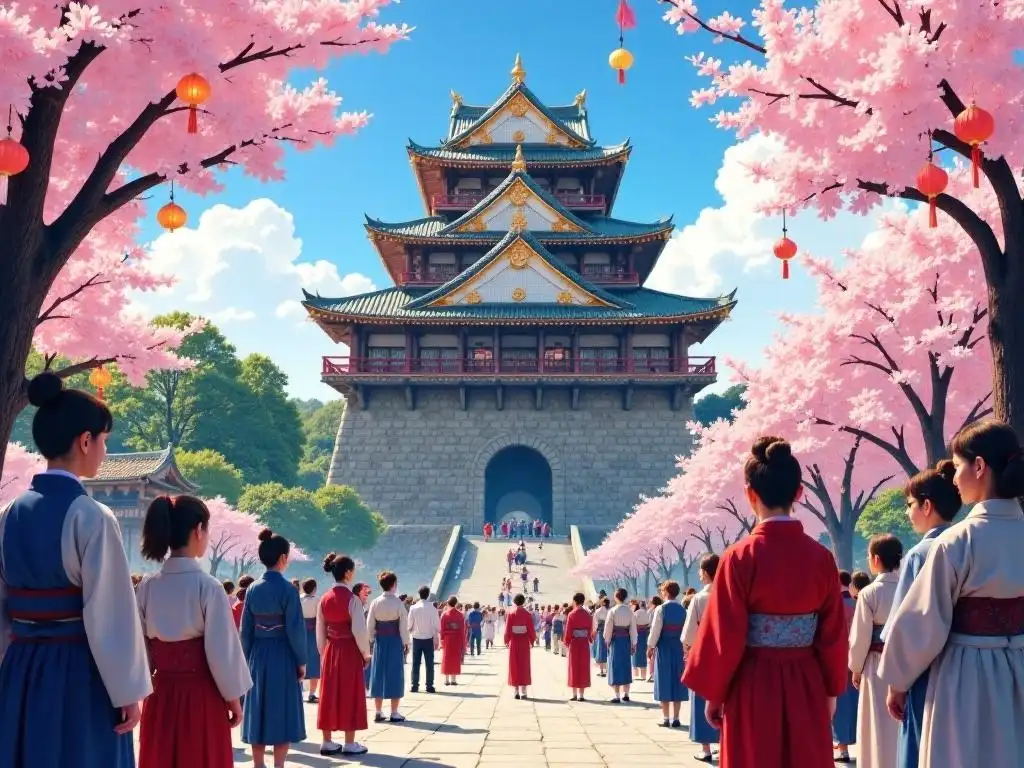
Feudal celebrations in Japan were not merely festive occasions; they were deeply intertwined with the power dynamics of the era. Festivals often served as platforms for the ruling class to assert their authority and reinforce their social hierarchy. The significance of these celebrations extended beyond mere entertainment, encapsulating the political landscape of feudal society.
Role of Festivals in Social Stratification
Festivals highlighted the existing social stratification in feudal Japan. The participation and roles assigned during these events were indicative of one's social status. Nobles and samurai enjoyed prominent positions, often leading processions and performing rituals that symbolized their power. In contrast, commoners were relegated to supporting roles—an arrangement that reinforced the class divide.
- Noble Participation: Nobles showcased their wealth through elaborate displays, including grand floats and intricate costumes, which served to enhance their prestige.
- Commoner Involvement: Festivals allowed commoners to express their cultural identity, albeit within the confines of their societal roles, thus reinforcing their loyalty to the ruling class.
Celebrations as Tools for Political Propaganda
Feudal celebrations in Japan also functioned as instruments of political propaganda. Rulers and local lords would orchestrate these events to project strength, unity, and divine favor, thereby solidifying their legitimacy.
Manipulation of Cultural Narratives
Festivals often incorporated cultural narratives that glorified the ruling class. By aligning themselves with Shinto deities or historical figures, leaders could enhance their status and justify their rule. For example:
- Divine Right: Celebrations centered around deities emphasized the belief that rulers were chosen by the gods, fostering a sense of divine legitimacy.
- Historical Commemorations: Festivals commemorating significant historical events were used to evoke national pride and loyalty to the ruling regime.
Social Control Through Celebration
Moreover, these celebrations provided a means of social control. By bringing communities together in a festive atmosphere, rulers could distract the populace from grievances and dissent. The communal nature of festivals fostered a sense of belonging, which was crucial in maintaining order within feudal society.
- Unity Through Festivity: By promoting participation across social classes, rulers could create a façade of harmony, obscuring underlying tensions.
- Rituals of Compliance: The rituals and performances during festivals often included oaths of loyalty or expressions of fealty, reinforcing the social contract between rulers and their subjects.
The political implications of feudal celebrations in Japan were profound. These events acted as a reflection of the existing power dynamics, served as tools for political propaganda, and facilitated social control, thereby playing a crucial role in shaping the societal landscape of feudal Japan.
The Transformation of Feudal Celebrations Over Time
Feudal celebrations in Japan underwent significant transformations throughout the various periods of the feudal era, influenced by social, political, and cultural changes. These celebrations were not merely festive occasions; they played a crucial role in reinforcing the social hierarchy and community bonds. Over time, festivals evolved from religious and agricultural observances to more organized and state-sanctioned events, reflecting the shifting dynamics of Japanese society.
Changes in Celebratory Practices During the Edo Period
The Edo period (1603-1868) marked a distinctive era in the evolution of feudal celebrations in Japan. Under the Tokugawa shogunate, a prolonged period of peace and stability allowed for the flourishing of cultural activities, including festivals. Many local celebrations became more elaborate, as they were often sponsored by the ruling samurai class or local merchants seeking to showcase their wealth and influence.
- Increased Commercialization:
- Festivals began to attract merchants and artisans who set up stalls, selling food, crafts, and other goods. This commercialization transformed festive occasions into vibrant marketplaces.
- The introduction of hanami (flower viewing) festivals became particularly popular, where people gathered to appreciate the beauty of cherry blossoms while enjoying food and drinks.
- Standardization of Festivals:
- The Edo period saw the establishment of official festivals that were recognized and sanctioned by the government. These festivals often included specific rituals, parades, and theatrical performances.
- Cities such as Edo (modern-day Tokyo) became known for their grand celebrations, including the famous Sanja Matsuri and Kanda Matsuri, which drew large crowds and showcased the power of the samurai class.
- Cultural Integration:
- The blending of Shinto, Buddhist, and folk traditions during this period led to diverse and rich celebratory practices. For instance, the Obon festival, originally a Buddhist observance honoring ancestors, was embraced widely across different regions, incorporating local customs and rituals.
The Influence of Western Culture on Japanese Festivals
The Meiji Restoration in 1868 marked a pivotal moment for Japan, ushering in a new era of modernization and the integration of Western cultural elements. This transition profoundly impacted feudal celebrations, leading to both adaptations and the emergence of new festivals.
- Western Festivals and Celebrations:
- As Japan opened up to Western influences, new celebrations, such as Christmas and New Year’s celebrations, were introduced. These festivals were often adapted to fit traditional Japanese customs, resulting in unique hybrid celebrations.
- The celebration of Shichi-Go-San, a festival for children aged three, five, and seven, saw the incorporation of Western clothing styles, reflecting the broader cultural exchange.
- Modernization of Traditional Festivals:
- Traditional festivals were restructured to align with modern values and societal norms. For instance, the Tanabata festival, which celebrates the meeting of two stars, became more accessible and inclusive, allowing for broader participation beyond the feudal elites.
- The introduction of Western-style parades and fireworks displays added new dimensions to traditional celebrations, making them more appealing to the masses.
- Preservation and Revival:
- In response to industrialization and urbanization, there was a cultural movement to preserve traditional festivals. Communities began to revive and celebrate local customs, ensuring that the essence of feudal celebrations remained alive amidst modernization.
- The Kagura dance, once reserved for the nobility, saw a resurgence in local festivals, emphasizing the importance of cultural heritage.
The transformation of feudal celebrations in Japan reflects a rich tapestry of historical influences, from the local customs of the Edo period to the integration of Western culture during the Meiji era. These celebrations not only provided a sense of community and identity but also mirrored the broader societal changes in Japan throughout its feudal history.
Conclusion: The Lasting Legacy of Feudal Celebrations in Japan
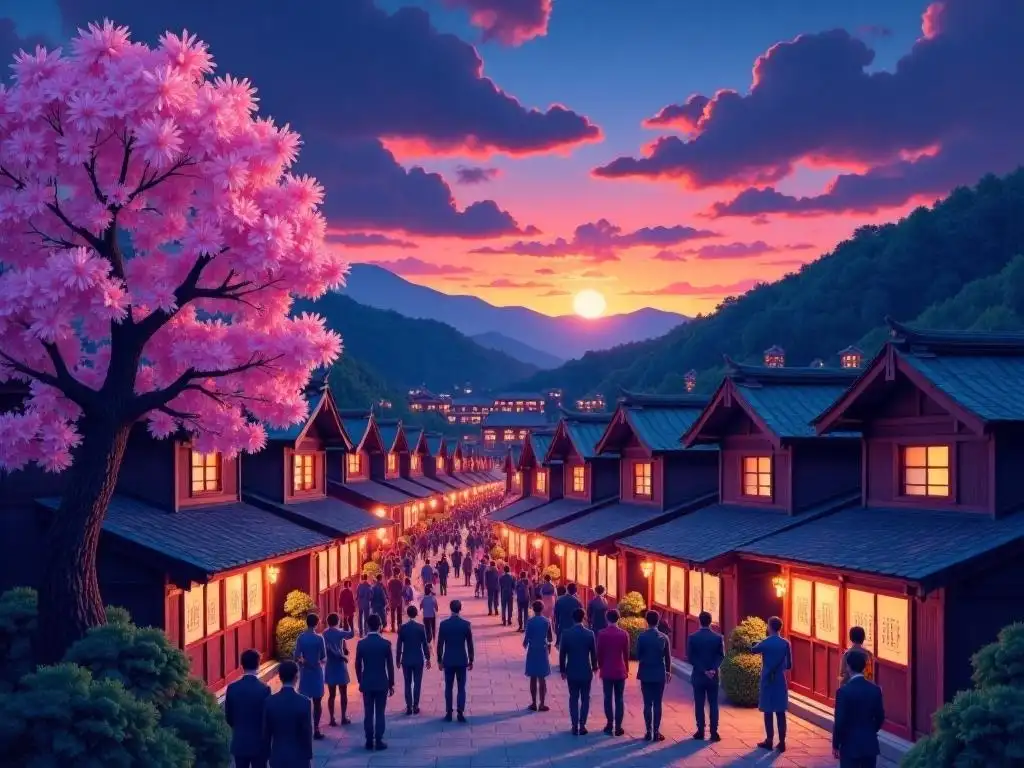
The feudal celebrations in Japan have left an indelible mark on the cultural fabric of the nation, shaping not only the historical narrative but also the contemporary societal values that endure today. These events were more than mere festivities; they were a confluence of social, political, and spiritual dimensions that reflected the complexities of feudal life. As we reflect on the aftermath of these celebrations, it becomes evident that their influence extends far beyond the temporal bounds of the feudal era.
Reflections on the Cultural Heritage of Feudal Festivals
The legacy of feudal festivals is deeply embedded in the cultural heritage of Japan. These celebrations served various purposes: they were times for communal bonding, expressions of gratitude to deities, and moments to reinforce social hierarchies. For instance, the Gion Matsuri in Kyoto, which dates back to the 9th century, not only showcases elaborate floats and processions but also embodies the historical struggles against natural disasters and the community’s resilience.
The practices associated with these festivals often involved intricate rituals, dances, and performances that have been passed down through generations. Traditional crafts, such as the making of festival floats and masks, still thrive today, illustrating the profound connection between past and present. In many regions, festivals also foster a sense of identity and pride, allowing communities to celebrate their unique histories and traditions.
- Cultural Significance:
- Reinforcement of community ties
- Preservation of art forms and traditional crafts
- Reflection of regional identities
Furthermore, feudal celebrations often included elements of Shinto and Buddhist practices, emphasizing the spiritual connections that individuals felt toward nature and their ancestors. The ritualistic aspects of these festivals have influenced Japanese arts, literature, and theater, leaving a rich tapestry that continues to inspire contemporary creatives.
The Relevance of Feudal Celebrations in Modern Japan
In modern Japan, the relevance of feudal celebrations persists, albeit in transformed forms. Many traditional festivals, originally rooted in feudal culture, are celebrated with a blend of historical reverence and contemporary flair. Events like Tanabata or Setsubun showcase how ancient practices have evolved while maintaining core elements that resonate with the public's sense of tradition.
- Modern Adaptations:
- Integration of contemporary art and technology
- Increased tourism and cultural exchange
- Preservation efforts by local governments and communities
Moreover, the revival of interest in feudal celebrations among younger generations has sparked a movement towards cultural preservation. Many towns host annual festivals that not only attract visitors but also engage locals in activities that celebrate their heritage. This engagement fosters a deeper understanding of Japan's history and promotes a sense of continuity that bridges the past and the present.
The role of feudal celebrations in today's society is also evident in their contribution to social cohesion. As communities come together to participate in these events, they reinforce collective identities and shared values, which are crucial in a rapidly modernizing world. These festivals encourage collaboration, respect, and a spirit of unity, echoing the communal values once emphasized during the feudal era.
The aftermath of feudal celebrations in Japan reveals a rich legacy that continues to shape cultural identity and societal values. The enduring relevance of these festivals not only honors the past but also enriches the present, ensuring that the spirit of feudal Japan remains alive in the hearts of its people.
Further Reading and Resources on Feudal Celebrations in Japan
Recommended Books and Articles
To gain a deeper understanding of feudal celebrations in Japan and their societal implications, several key texts and articles provide valuable insights. Here are some recommended readings:
-
"The World of the Shining Prince: Court Life in Ancient Japan" by Ivan Morris
This book delves into the cultural and social settings of Japan's Heian period, exploring the rituals and festivities that laid the groundwork for later feudal celebrations.
-
"Japanese Festivals: A Cultural Encyclopedia" by Tetsuo Nishiyama
This comprehensive resource outlines various festivals across Japan, including those from the feudal era, detailing their origins, significance, and evolution over time.
-
"The Samurai: A Military History" by Jonathan Lopez-Vera
While primarily a military history, this text provides context on how samurai culture influenced public celebrations and festivities during the feudal period.
-
"Japan’s Festivals: The Spirit of the People" by Robert A. McCarthy
This book offers a detailed examination of traditional Japanese festivals, emphasizing their roles in community building and social cohesion during the feudal era.
-
Articles in the Journal of Asian Studies
Various peer-reviewed articles focus on the intersection of festivals and social structures in feudal Japan, providing contemporary analyses of historical celebrations.
Documentaries and Online Resources for Deeper Understanding
For those who prefer visual and interactive learning, several documentaries and online resources explore feudal celebrations in Japan. Here are some notable mentions:
-
"Japan: A Story of Love and Hate" (BBC Documentary)
This documentary series features segments on traditional Japanese culture, including feudal celebrations and their lasting impact on modern Japanese society.
-
"The Last Samurai" (Film)
While a dramatized portrayal, this film touches on the cultural dynamics of the samurai during the feudal period, including celebrations and rituals that reflect their values.
-
Online Courses on Japanese Culture
Platforms like Coursera and edX offer courses focused on Japanese history and culture, including modules dedicated to festivals and their significance in feudal society.
-
National Geographic's Japan Page
This resource provides articles, videos, and photo essays related to Japanese culture, including coverage of traditional festivals and their historical context.
-
YouTube Channels
Channels such as "Abroad in Japan" and "Only in Japan" often feature episodes that delve into local festivals, their origins, and how they relate to the feudal past.
Utilizing these resources will enhance your understanding of feudal celebrations in Japan and their profound impact on Japanese society throughout history.
Frequently Asked Questions
What were feudal celebrations in Japan?
Feudal celebrations in Japan were ceremonial events held during the feudal era, often marking harvests, religious festivals, or significant historical anniversaries.
How did feudal celebrations influence Japanese society?
These celebrations played a crucial role in shaping social norms and community bonds, providing opportunities for social cohesion among different classes and reinforcing cultural identity.
What types of activities were involved in feudal festivals?
Feudal festivals included various activities such as traditional dances, music performances, processions, and rituals, which were meant to honor deities and celebrate the community's agricultural successes.
Were there any significant festivals that emerged during this era?
Yes, many notable festivals such as Gion Matsuri and Kanda Matsuri originated during the feudal period, each with its own unique cultural significance and traditions that continue to be celebrated today.
How did the impact of feudal celebrations extend beyond the festivals themselves?
The impact of feudal celebrations extended to aspects like economic activity, as festivals often stimulated trade and commerce, and also influenced the development of artistic expressions in Japan, including craftsmanship and theater.
Final Reflection: The Enduring Legacy of Feudal Celebrations in Japan
The exploration of feudal celebrations in Japan reveals a profound connection between historical traditions and contemporary society. These celebrations were not merely events of merriment; they were intricate tapestries woven into the fabric of social hierarchy and cultural identity. Today, as we navigate a rapidly changing world, understanding the significance of these festivals allows us to appreciate the roots of our communal experiences and the values they instill in us. The echoes of these celebrations can still be felt, reminding us that our past continues to shape our present.
Cultural celebrations, such as those rooted in Japan's feudal era, have an undeniable influence on our social landscape. They foster a sense of belonging and continuity, bridging generations and reminding us of our shared heritage. As we witness the resurgence of traditional festivals in modern Japan, it becomes clear that these events serve as vital connections to our history. Tradition is not the worship of ashes, but the preservation of fire.
This quote encapsulates the essence of how feudal celebrations have ignited a passion for cultural preservation, encouraging us to honor our past while embracing the future.
As we reflect on the lessons of feudal celebrations, let us invite ourselves to engage with our own cultural practices and traditions. Consider how you can contribute to the preservation and evolution of your community's celebrations. Whether through participation, education, or simply sharing stories, each of us holds the power to keep the spirit of these traditions alive. In doing so, we not only honor our heritage but also enrich the tapestry of our society, ensuring that the legacy of our past continues to inspire future generations.
Unveil the Legacy of Feudal Festivals in Japan!
Thank you for diving into the fascinating world of feudal celebrations and their profound impact on Japanese society! Understanding these historical events not only enriches our appreciation for cultural heritage but also inspires us to engage with history in meaningful ways. Now, it's time to take action!
- Dive Deeper: Explore more about specific feudal festivals and their unique customs by visiting our dedicated sections on regional celebrations.
- Share Your Insights: Join our community forum and discuss your thoughts on how these festivals have shaped modern Japanese culture. Connect with others who share your passion!
- Create Your Own Festival: Challenge yourself to celebrate a contemporary event using traditions inspired by feudal Japan. Document your experience and share it with us!
What aspect of feudal festivals resonates with you the most, and how do you believe they influence today’s cultural celebrations?