
The Spiritual Journey of the Kanda Matsuri: A Celebration of Faith

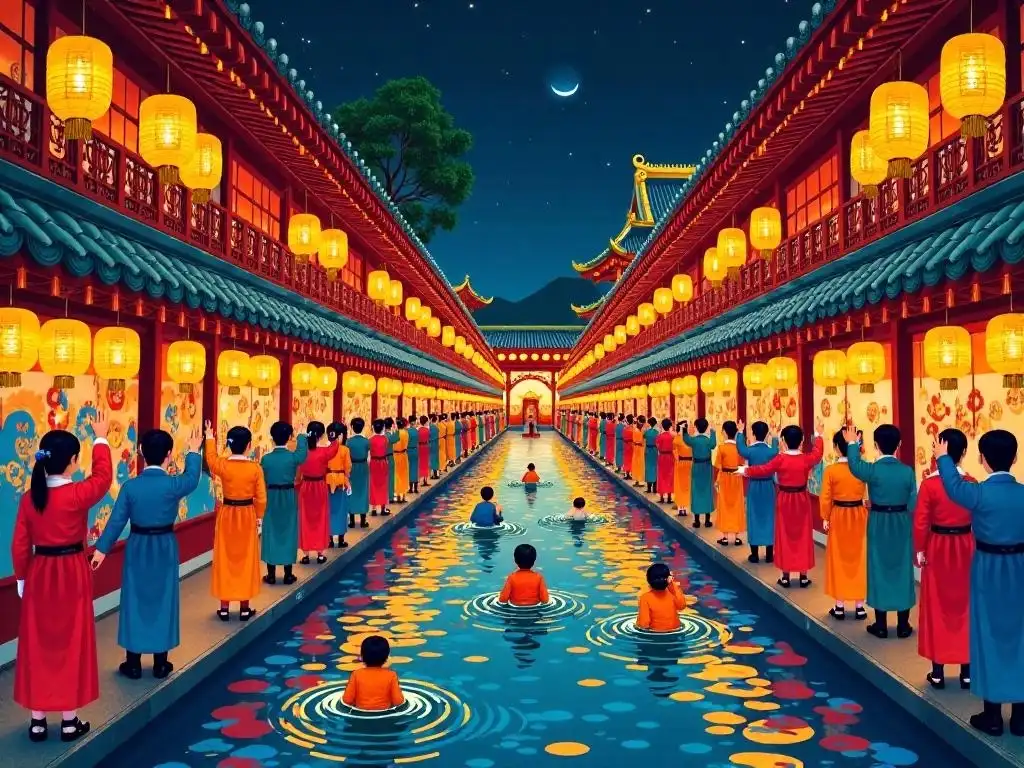
Welcome to Feudal Japan History, where we invite you to embark on a captivating journey through the rich tapestry of Japan’s feudal era. Here, you’ll uncover the profound significance of the Kanda Matsuri festival, a celebration that intertwines the threads of faith, culture, and community in a vibrant display of devotion. As you delve into our expert-driven articles, prepare to explore the intricacies of this remarkable festival and discover how it reflects the deeper spiritual connections that shaped Japan's history. Your adventure starts now—let the exploration begin!
The Kanda Matsuri is one of Japan's most celebrated festivals, deeply embedded in the country's rich tapestry of cultural and spiritual heritage. This vibrant event, held in the heart of Tokyo, is a remarkable blend of history, faith, and community spirit, showcasing Japan's enduring traditions. The festival, which takes place in odd-numbered years, draws thousands of participants and spectators, all eager to witness and partake in its unique rituals and celebrations.
Understanding the Kanda Matsuri festival significance not only highlights its importance to the local community but also reflects the broader cultural values of feudal Japan. This article will delve into the origins, historical context, and cultural relevance of the Kanda Matsuri, providing an insightful journey into one of Japan's most cherished spiritual celebrations.
Introduction to Kanda Matsuri Festival Significance
The Kanda Matsuri is not merely a festive occasion; it represents a profound connection between the people, their faith, and their history. Originating from the Kanda Myojin Shrine, this festival honors the deities believed to protect the city and its inhabitants. The festival's significance extends beyond its religious roots, as it embodies the spirit of resilience and unity among the community. Participants don traditional attire, carry ornate mikoshi (portable shrines), and engage in various rituals that have been passed down through generations, making the Kanda Matsuri a living testament to Japan's cultural legacy.
Historical Background of the Kanda Matsuri
The Kanda Matsuri dates back to the early 17th century, specifically 1600, when it was first established to celebrate a victory in battle and to pray for the prosperity of the Edo period. Over the years, it has evolved into a grand event, featuring parades, music, and performances that reflect the artistic traditions of the time.
The festival's historical significance is rooted in its ability to unify the people during times of uncertainty, providing a sense of hope and continuity. Notably, the Kanda Matsuri has survived various challenges, including natural disasters and wars, symbolizing the enduring spirit of the Japanese people.
Cultural Significance of the Kanda Matsuri Festival
The cultural significance of the Kanda Matsuri extends beyond its religious connotations. It serves as a vital social event that fosters community bonds and encourages participation across all age groups. The festival features a blend of traditional and contemporary elements, showcasing local artisans, food vendors, and performers. This dynamic interaction of culture not only enriches the local economy but also preserves and promotes traditional Japanese arts. The Kanda Matsuri is a vibrant celebration of life, faith, and community, embodying the essence of what it means to be part of the rich cultural heritage of Japan.
Through this exploration, we will uncover the layers of meaning and significance behind the Kanda Matsuri, illustrating its role as a cornerstone of Japanese cultural identity and spiritual life.
The Spiritual Journey of Participants in Kanda Matsuri
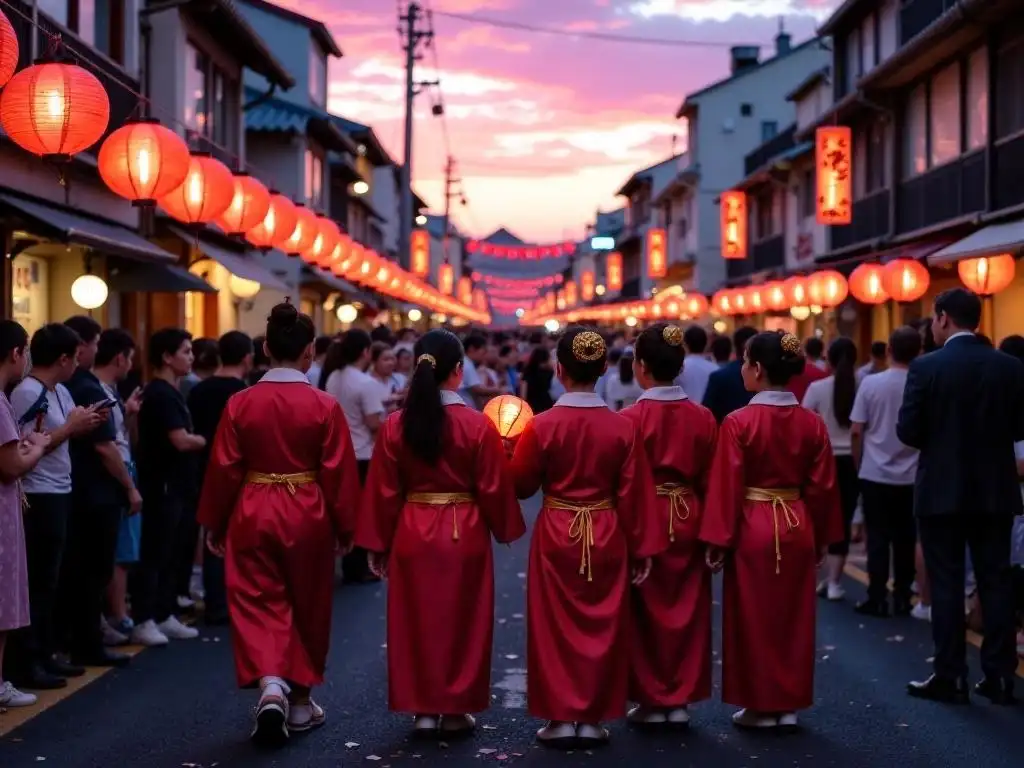
The Kanda Matsuri is not merely a festival; it embodies a profound spiritual journey for its participants. Traditionally held in May during odd-numbered years, this festival is rooted in the Shinto beliefs that highlight the connection between the physical and spiritual worlds. Participants, often clad in traditional attire, engage in a series of rituals that symbolize purification, gratitude, and the honoring of the deity Kanda Myojin.
The spiritual significance of the Kanda Matsuri is reflected in the processions that feature elaborately decorated mikoshi (portable shrines). These mikoshi are believed to house the spirits of the deities, and carrying them through the streets serves as an act of devotion and communal unity. Each participant's journey is marked by a deep sense of responsibility and reverence, as they contribute to the continuity of their cultural heritage while fostering a collective identity among attendees.
Moreover, the festival includes various rites and ceremonies that invoke blessings for the community, agriculture, and commerce. These rituals often involve offerings of sake, rice, and seasonal fruits, which symbolize abundance and gratitude. The combination of physical exertion in the procession and the spiritual focus of the rituals creates a transformative experience, allowing participants to connect with their history and beliefs on a deeper level.
Key Events and Activities during Kanda Matsuri
The Kanda Matsuri is replete with a variety of events and activities that engage both participants and spectators. Key highlights include:
- Parade of Mikoshi: The central event of the Kanda Matsuri features a grand procession where several mikoshi are carried through the streets of central Tokyo. Each neighborhood has its own mikoshi, representing a different aspect of the local community, adding a layer of competition and camaraderie among the participants.
- Sacred Rituals: Prior to the procession, Shinto priests perform rituals at Kanda Myojin Shrine to purify the mikoshi and invoke blessings. This sacred element sets the tone for the festivities and underscores the festival’s spiritual significance.
- Traditional Performances: Cultural displays such as taiko drumming, traditional dances, and theatrical performances enrich the atmosphere. These performances not only entertain but also convey historical narratives and cultural values, connecting the festival to Japan's rich artistic heritage.
- Food and Market Stalls: The festival is also a gastronomic delight, featuring stalls offering local delicacies such as yakitori, taiyaki, and various sweets. This culinary aspect enhances the community experience, allowing visitors to savor the flavors of Japanese culture.
- Evening Festivities: As night falls, the festival transforms with lanterns illuminating the streets, creating a festive ambiance. Evening events often include fireworks and communal gatherings, further solidifying the festival's role in bringing people together.
How to Experience the Kanda Matsuri: Travel Tips
Experiencing the Kanda Matsuri can be an unforgettable addition to any travel itinerary in Japan. Here are some essential travel tips to enhance your visit:
- Plan Ahead: The Kanda Matsuri occurs every two years, so check the festival dates in advance. Arriving early in the day is advisable to secure good viewing spots along the parade route.
- Dress Appropriately: While traditional attire is not required, wearing comfortable clothing and shoes is recommended, as you will likely be walking and standing for extended periods. Consider bringing a light jacket, as evenings can get cool.
- Learn Basic Japanese Phrases: Understanding a few key phrases in Japanese can enrich your experience and help you connect with locals. Simple greetings and expressions of gratitude can go a long way.
- Explore Nearby Attractions: Take advantage of your visit by exploring the Kanda area. Notable sites include the Kanda Myojin Shrine, famous for its beautiful architecture and serene atmosphere, as well as nearby electronics shops and eateries.
- Respect Local Customs: Observing the traditions and rituals with respect is crucial. Maintain a respectful demeanor during ceremonies, and always ask before taking photographs of participants or sacred sites.
By following these tips, visitors can fully immerse themselves in the vibrant atmosphere and spiritual essence of the Kanda Matsuri, making for a truly enriching cultural experience.
The Impact of Kanda Matsuri on Local Communities
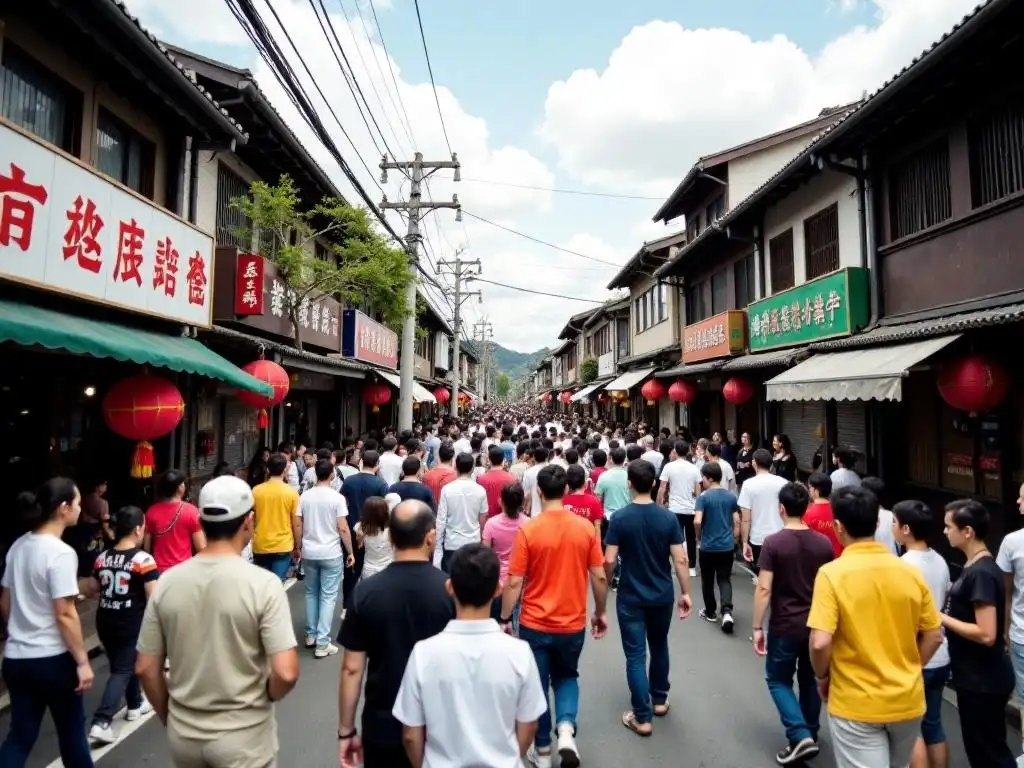
The Kanda Matsuri is not just a festival; it serves as a vital thread woven into the fabric of local communities in Tokyo. Each time the festival is held, it brings together residents, businesses, and local organizations, fostering a sense of unity and community pride. The event attracts thousands of visitors, thus providing a significant boost to the local economy. This influx of tourists leads to increased patronage of local shops, restaurants, and hotels, creating a ripple effect that benefits various sectors.
Moreover, the Kanda Matsuri offers an opportunity for cultural exchange. Residents and visitors alike participate in traditional practices, such as the carrying of the mikoshi (portable shrines), which deepens understanding and appreciation of Japan's rich cultural heritage. This communal participation helps to strengthen the bonds among local residents, as they work together to prepare for the festivities, from rehearsing traditional music and dance to organizing logistics.
The festival also plays an educational role. Schools and community centers often host workshops and events leading up to the Kanda Matsuri, encouraging the younger generation to engage with their cultural roots. These initiatives ensure that the traditions and stories associated with the festival are passed down, preserving them for future generations.
Conclusion: Embracing the Kanda Matsuri Festival Significance
The Kanda Matsuri stands as a testament to the enduring spirit of faith and community in Japan. Its significance transcends mere celebration; it embodies the cultural, historical, and spiritual essence of the region. By embracing the Kanda Matsuri, participants not only celebrate their past but also reinforce their present community ties and collective identity.
As a vital event in the spiritual landscape of Tokyo, the Kanda Matsuri fosters an environment of devotion and gratitude. The rituals performed during the festival, coupled with the communal gatherings, serve to strengthen the bonds among the people, making it a profound experience for both locals and visitors. The festival inspires a sense of belonging and continuity, reminding everyone of the importance of faith in everyday life.
Ultimately, the Kanda Matsuri festival significance extends beyond its immediate festivities. It serves as a reminder of the power of tradition and community in shaping the cultural identity of Japan. By participating in this festival, individuals connect with a lineage of spiritual practices that have enriched the lives of countless generations.
For those interested in delving deeper into the Kanda Matsuri and its cultural context, the following resources provide valuable insights:
- Books and Articles:
- "Festivals of Japan: A Cultural Exploration" – A comprehensive look at various Japanese festivals, including the Kanda Matsuri.
- "The Spiritual Traditions of Japan" – This book explores the intertwined nature of spirituality and community celebrations in Japan.
- Documentaries:
- "Kanda Matsuri: A Journey Through Faith" – A visual exploration of the festival, highlighting its historical significance and community impact.
- Online Resources:
- Local government websites often feature sections dedicated to cultural events, including detailed descriptions of the Kanda Matsuri.
- Japan National Tourism Organization (JNTO) provides guides and articles about local festivals, including practical travel information related to the Kanda Matsuri.
These resources are excellent starting points for anyone looking to expand their understanding of the Kanda Matsuri festival significance and its role in Japanese culture.
- Introduction to Kanda Matsuri Festival Significance
- Historical Background of the Kanda Matsuri
- Cultural Significance of the Kanda Matsuri Festival
- The Spiritual Journey of Participants in Kanda Matsuri
- Key Events and Activities during Kanda Matsuri
- How to Experience the Kanda Matsuri: Travel Tips
- The Impact of Kanda Matsuri on Local Communities
- Conclusion: Embracing the Kanda Matsuri Festival Significance
- Related Resources and Further Reading
Frequently Asked Questions
What is the Kanda Matsuri festival?
The Kanda Matsuri is a traditional Japanese festival held in Tokyo, celebrated every two years. It honors the Kanda Myojin Shrine and showcases a rich blend of cultural heritage and spiritual significance.
Why is the Kanda Matsuri significant?
The festival holds great significance as it symbolizes the protection of the community and the celebration of prosperity. It reflects the deep spiritual beliefs of the people and their connection to the deities they worship.
How is the Kanda Matsuri celebrated?
Celebrations include processions featuring ornate floats and traditional performances, as well as rituals at the shrine. Participants dress in traditional attire, showcasing the cultural richness of Japan's feudal past.
What are the historical roots of the Kanda Matsuri?
Originally celebrated in the early Edo period, the Kanda Matsuri was established to pray for peace and safety in the region. Its history is intertwined with the development of Tokyo and the shrine's role in the community.
How does the Kanda Matsuri reflect feudal Japan's culture?
The festival embodies many aspects of feudal Japan's society, including spiritual beliefs, community involvement, and the importance of rituals. It serves as a living reminder of the cultural traditions that have shaped modern Japan.
Final Reflection: Embracing the Significance of the Kanda Matsuri Festival
The Kanda Matsuri festival serves as a profound reminder of the enduring connection between faith and community. In a world where rapid modernization often overshadows traditional practices, the Kanda Matsuri stands as a vibrant testament to the resilience of cultural heritage. This festival not only celebrates the spiritual journey of its participants but also reinforces the importance of collective belief in shaping our identities and communities. The significance of the Kanda Matsuri festival transcends mere celebration; it invites us to reflect on our own spiritual paths and the values we uphold in our lives.
Culturally, the Kanda Matsuri has woven itself into the fabric of society, influencing everything from local customs to global perceptions of Japanese spirituality. The festival’s rituals and communal gatherings foster a sense of belonging and shared purpose among participants and spectators alike. As we witness the colorful processions and heartfelt prayers, we are reminded of the words of philosopher Joseph Campbell: > “The privilege of a lifetime is being who you are.” This celebration encourages us to embrace our identities and recognize the spiritual journeys that shape us, fostering a deeper appreciation for the diverse tapestry of human experience.
As we conclude our exploration of the Kanda Matsuri festival's significance, I invite you to reflect on your own spiritual journey and the traditions that resonate with you. Consider how you can incorporate the values of community, faith, and celebration into your daily life.
Whether through participating in local festivals, engaging in spiritual practices, or simply connecting with others who share your beliefs, let the lessons of the Kanda Matsuri inspire you to cultivate a deeper sense of purpose and connection in your own life. The journey of faith is not just a personal endeavor; it is a shared experience that enriches us all.
Embrace the Spirit of Kanda Matsuri Today!
Thank you for taking the time to delve into the profound significance of the Kanda Matsuri! We hope you've uncovered the rich tapestry of faith and tradition woven into this extraordinary festival. Now, it's time to take what you've learned and make it part of your own journey.
Here are a few ways you can connect with the spirit of Kanda Matsuri:
- Participate in a local festival: Seek out cultural events in your area that celebrate historical traditions. Immerse yourself in the joy and community spirit just like those who partake in Kanda Matsuri!
- Share your knowledge: Spread the word by sharing this article with friends or on social media. Encourage conversations about the significance of cultural festivals and their role in fostering connections within communities.
- Reflect on your own journey: Take a moment to write down what tradition means to you. Consider hosting a gathering where you explore themes of faith and community with others.
What does tradition mean to you, and how do you envision celebrating it in your life? We invite you to share your thoughts with us in the comments!