
Economic Policies and Social Hierarchy in Tokugawa Japan: A Complex Relationship

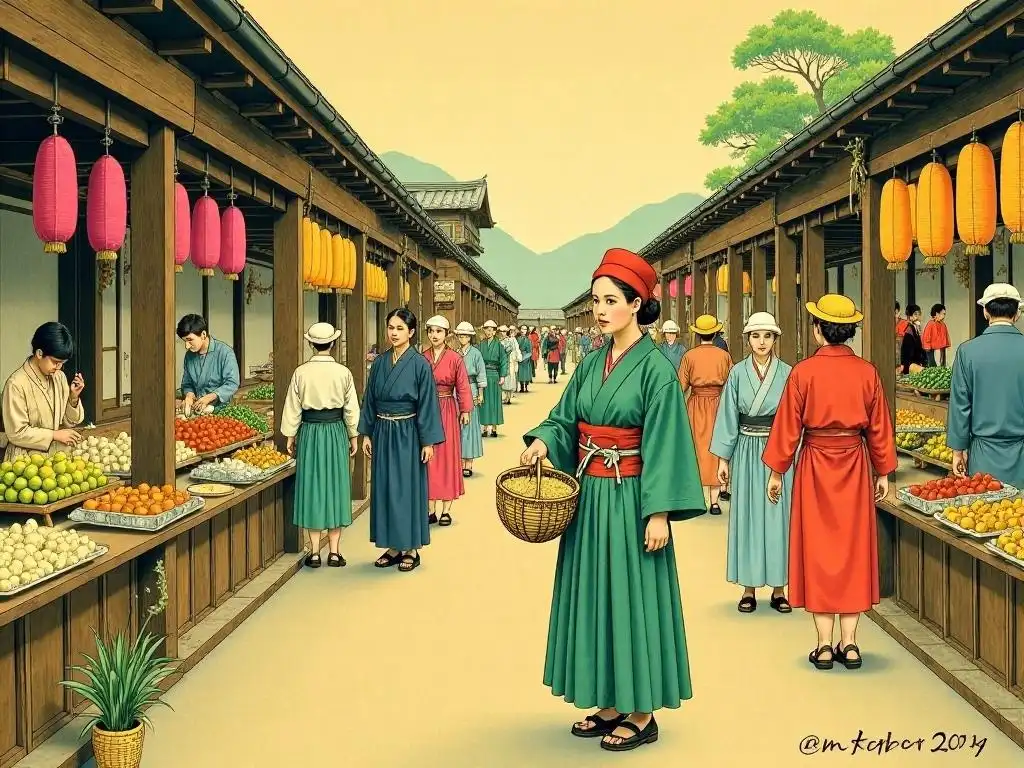
Welcome to Feudal Japan History, where we invite you to embark on a captivating journey through the intricate tapestry of Japan’s feudal era. In our featured article, “Economic Policies and Social Hierarchy in Tokugawa Japan: A Complex Relationship,” we unravel the fascinating interplay between Tokugawa Japan's economic policies and the societal structures that defined this remarkable period. Prepare to delve deep into a world where economics shaped culture and hierarchy, igniting curiosity and revealing hidden connections. Join us as we explore the nuances of an era that continues to influence Japan today—your adventure into history begins here!
- Introduction to Tokugawa Japan Economic Policies
- The Framework of Tokugawa Economic Policies
- Social Hierarchy in Tokugawa Japan
- The Interplay Between Economic Policies and Social Hierarchy
- The Role of Feudal Lords in Shaping Economic Policies
- Economic Policies and Social Unrest
- Conclusion: The Legacy of Tokugawa Economic Policies on Social Structure
-
Frequently Asked Questions
- What were the main economic policies in Tokugawa Japan?
- How did Tokugawa Japan's economic policies affect the social hierarchy?
- What role did trade play in Tokugawa Japan's economy?
- How did the Tokugawa shogunate control agricultural production?
- What impact did the economic policies have on the common people?
- Final Reflection: The Enduring Legacy of Tokugawa Japan's Economic Policies
- Unveil the Layers of Tokugawa Japan's Legacy!
Introduction to Tokugawa Japan Economic Policies
The Tokugawa period, spanning from 1603 to 1868, marks a significant chapter in Japan's history, characterized by a unique socio-political structure and economic development. Under the rule of the Tokugawa shogunate, Japan experienced a prolonged era of peace and stability known as the Edo period. This era not only fostered cultural advancements but also laid the groundwork for a complex economic framework that would influence Japanese society for generations.
Understanding the economic policies implemented during this time is crucial for grasping the intricate relationship between governance, social hierarchy, and economic activity in feudal Japan. This exploration delves into the multifaceted nature of Tokugawa Japan's economic policies, examining how these strategies affected both the ruling class and the common people.
Overview of Tokugawa Japan's Historical Context
The Tokugawa shogunate emerged after a tumultuous period of civil wars and political strife, known as the Sengoku period, which left Japan fragmented and unstable. The unification of Japan under Tokugawa Ieyasu established a centralized feudal system, where power was concentrated in the hands of the shogunate, while the daimyo (feudal lords) governed their respective domains.
Key features of this historical context include:
- Centralized Authority: The Tokugawa shogunate implemented strict social and political hierarchies that maintained order and stability.
- Isolationist Policies: The period was marked by Sakoku (national isolation), which limited foreign influence and controlled trade, allowing the shogunate to maintain economic independence.
- Cultural Flourishing: Despite its isolation, Japan saw a vibrant cultural scene, with developments in arts, literature, and philosophy, all of which were influenced by the economic conditions of the time.
This historical backdrop is essential for understanding the economic policies that were put in place, as they were deeply intertwined with the political and social fabric of Tokugawa Japan.
Importance of Economic Policies in Feudal Japan
Economic policies during the Tokugawa period were not just about managing resources; they played a pivotal role in shaping the societal structure and daily lives of the Japanese people. The shogunate's approach to economic management can be categorized into several critical aspects:
- Agricultural Policies: Agriculture was the backbone of the Tokugawa economy. The shogunate promoted agricultural productivity through land reforms and the introduction of new farming techniques, which led to increased food production and population growth.
- Trade Regulation: The shogunate regulated trade both domestically and internationally, fostering a merchant class that became increasingly influential, despite being socially subordinate to the samurai class.
- Taxation System: The economic policies included a complex system of taxation that affected both farmers and merchants, ensuring the shogunate's revenue while maintaining social order.
- Social Mobility: While the class system was rigid, economic opportunities existed that allowed certain merchants to ascend the social ladder, challenging the traditional hierarchy.
These policies not only facilitated economic stability but also contributed to the unique social dynamics of Tokugawa Japan, highlighting the intricate relationship between economic strategies and societal structure during this pivotal era.
The Framework of Tokugawa Economic Policies

The Tokugawa shogunate, which ruled Japan from 1603 to 1868, established a complex framework of economic policies that shaped the nation's development during the feudal era. These policies were primarily designed to maintain social order, control the economy, and enhance the power of the shogunate. The economic system was characterized by a blend of agrarian self-sufficiency and regulated trade, reflecting the shogunate's emphasis on stability over expansion.
The Tokugawa economic policies can be understood through several key features:
- Centralized Control: The shogunate exercised extensive control over the economy, regulating trade routes, taxation, and agricultural production. This centralization aimed to prevent the rise of powerful daimyos (feudal lords) who could challenge the shogunate's authority.
- Social Hierarchy: The rigid social structure of Tokugawa Japan, divided into classes such as samurai, farmers, artisans, and merchants, directly influenced economic policies. Each class had distinct roles and responsibilities, with the samurai at the top, followed by farmers, who were considered the backbone of the economy.
- Market Regulation: The Tokugawa government implemented strict regulations on markets, including price controls and restrictions on the movement of goods. This was intended to stabilize the economy and prevent inflation, ensuring that essential goods remained accessible to the populace.
- Agricultural Focus: Agriculture was the foundation of the Tokugawa economy, with policies aimed at increasing productivity and ensuring food security. The focus on rice cultivation underscored its importance as a staple food and a form of currency.
- Emergence of a Merchant Class: While merchants were at the bottom of the social hierarchy, their economic influence grew during the Tokugawa period. The shogunate's policies inadvertently facilitated the rise of a wealthy merchant class, which played a crucial role in urbanization and the development of commerce.
Key Features of Tokugawa Japan Economic Policies
The economic policies of Tokugawa Japan can be summarized through several key features that defined the era's economic landscape:
- Agricultural Policy: The shogunate prioritized agricultural production, implementing the "Kokudaka" system, which quantified land productivity based on rice yield. This system not only determined taxation but also influenced social status.
- Taxation and Revenue: Taxes were primarily levied on rice, constituting a significant portion of the shogunate's revenue. The "shiki" tax system assessed land based on its productivity, ensuring a steady flow of income to the central government.
- Monetary Control: The Tokugawa shogunate established a monetary system characterized by various coins, creating a unified currency that facilitated trade and commerce. The introduction of paper money in the late period further enhanced economic transactions.
- Regulatory Framework: The government enforced regulations on trade practices, including restrictions on the movement of goods between regions. This aimed to control supply and demand, preventing market fluctuations and ensuring stability.
- Isolationist Policy: The Sakoku (closed country) policy limited foreign trade, allowing only select Dutch and Chinese merchants to engage in commerce. This isolationist stance aimed to maintain cultural integrity while fostering domestic economic growth.
- Urban Growth: The era saw the rise of castle towns (jokamachi) and merchant cities (chukagai), which became economic hubs. The development of infrastructure, such as roads and waterways, facilitated trade and communication between regions.
The Role of Agriculture in Tokugawa Economy
Agriculture served as the backbone of the Tokugawa economy, influencing not only economic policies but also social structures. The following aspects highlight agriculture's pivotal role:
- Rice as Currency: Rice was not only a staple food but also a primary form of currency. The Kokudaka system tied land productivity to rice output, making it the measure of wealth and tax obligation.
- Productivity Improvements: Agricultural innovations, such as crop rotation and new farming techniques, were encouraged to increase yields. The introduction of new rice varieties played a significant role in boosting productivity.
- Local Self-Sufficiency: The Tokugawa shogunate aimed for self-sufficiency in food production, reducing reliance on external sources. Local communities were encouraged to produce enough food to sustain their populations.
- Social Stability: A stable agricultural base contributed to social stability. With sufficient food supply, the risk of famine and unrest diminished, allowing the shogunate to maintain control over the population.
- Land Ownership: Land ownership was a critical aspect of the feudal hierarchy, with daimyos controlling vast estates worked by peasant farmers. This relationship underscored the interconnectedness of agriculture and social status.
Trade and Commerce under Tokugawa Rule
The Tokugawa period witnessed significant developments in trade and commerce, albeit within a regulated framework. Key elements include:
- Internal Trade Networks: A sophisticated network of roads and rivers facilitated internal trade. The Tokaido road, connecting Edo (modern Tokyo) to Kyoto, became a vital artery for commerce, enabling the movement of goods and people.
- Merchant Class Emergence: While merchants were viewed with disdain socially, they accumulated considerable wealth and power. Their role in the economy expanded as they facilitated trade, banking, and finance, leading to the rise of merchant guilds.
- Urbanization: The growth of cities like Edo, Osaka, and Kyoto transformed the economic landscape. These urban centers became hubs of commerce, with bustling markets and a vibrant culture that fostered economic activities.
- Foreign Trade Restrictions: The shogunate's isolationist policies limited foreign trade, allowing only designated ports for international commerce. Despite this, trade with the Dutch at Nagasaki thrived, introducing foreign goods while maintaining control over cultural influences.
- Impact of Commerce on Society: The flourishing trade and commerce contributed to the emergence of a consumer culture. The availability of various goods, from textiles to ceramics, reflected a shift in societal values and lifestyles during the Tokugawa period.
Through these policies, the Tokugawa shogunate established a unique economic landscape that laid the groundwork for Japan's modernization in the late 19th century. The interplay between agriculture, trade, and regulatory frameworks created a dynamic yet controlled economy, ultimately shaping the social fabric of feudal Japan.
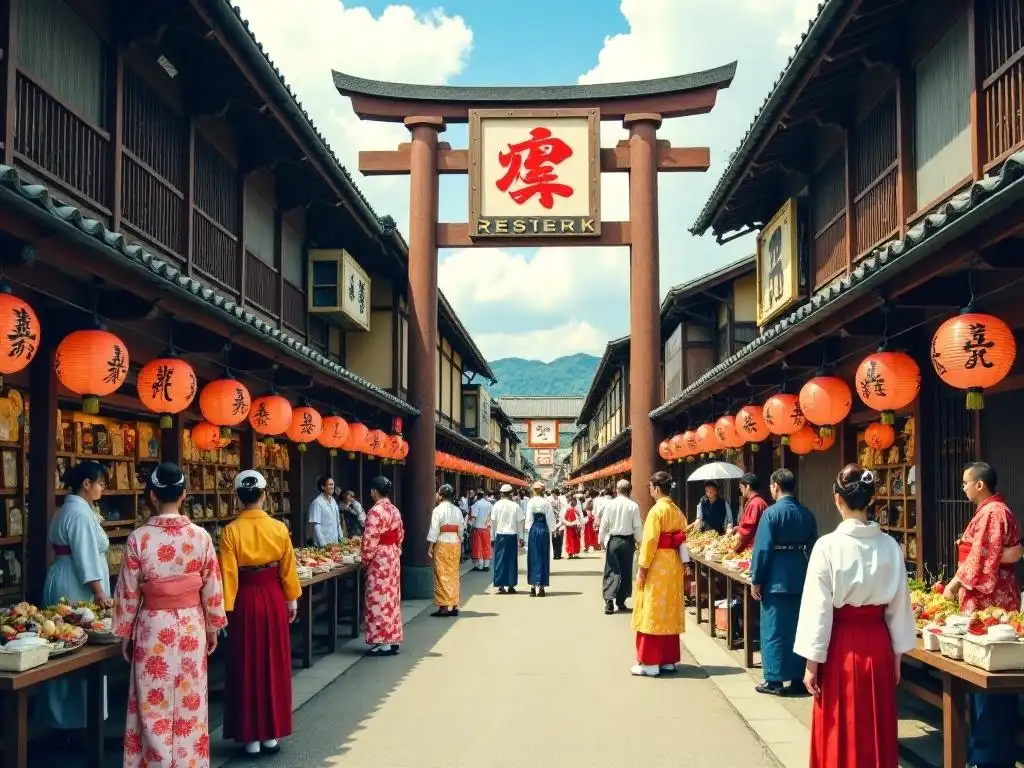
The social structure of Tokugawa Japan was rigidly defined, consisting of four main classes: the samurai, farmers, artisans, and merchants. This hierarchical arrangement was influenced by Confucian ideals, which emphasized a moral order based on social roles.
- Samurai: At the top of the hierarchy, samurai were the ruling class, serving as warriors and administrators. They were granted stipends based on the productivity of the lands they governed, which often led to economic privileges and political power.
- Farmers: Below the samurai were the farmers, who were considered vital to the economy as they produced the rice that served as currency. Despite being the backbone of society, they faced heavy taxation, which limited their economic mobility.
- Artisans: Artisans occupied the middle tier, skilled in various crafts such as textiles, pottery, and metalwork. While they contributed significantly to local economies, their status was often determined by the demand for their crafts.
- Merchants: At the bottom of the hierarchy were merchants. Although they could accumulate wealth, they were often looked down upon due to their perceived lack of contribution to society. Their economic activities were heavily regulated by the Tokugawa shogunate to ensure stability and control.
The Tokugawa shogunate implemented a range of economic policies that significantly influenced social stratification. One of the hallmark policies was the "Eda" system, which categorized land and determined tax obligations. This had direct implications for social mobility:
- Fixed Land Taxation: Taxation was based on land productivity, with samurai receiving stipends tied to the land they controlled. This created a stable income for the samurai class, reinforcing their dominant status.
- Regulation of Commerce: The shogunate maintained strict controls over trade and commerce, limiting the economic power of merchants. Policies such as price controls and market regulations ensured that merchants did not gain excessive wealth, preserving the existing social order.
- Rice as Currency: The Tokugawa period saw the use of rice as a primary currency, which further entrenched the farmers' role in society. While they were essential for production, the economic policies often left them in a cycle of debt due to high taxes and fluctuating market prices.
These policies not only solidified the existing social classes but also created a sense of stability, albeit at the cost of restricting social mobility.
The Samurai Class and Economic Privileges
The samurai class enjoyed numerous economic privileges that were enshrined in the legal and social frameworks of Tokugawa Japan. Their elevated status was reflected in various aspects:
- Stipends and Land Ownership: Samurai received stipends from their daimyō (feudal lords), which were often tied to specific landholdings. This direct link between land and income reinforced their economic power within society.
- Exemptions from Taxation: Samurai were largely exempt from the heavy taxes that burdened farmers, allowing them to maintain a higher standard of living. This exemption was a crucial factor that kept the samurai class affluent and influential.
- Access to Resources: The samurai had preferential access to various resources, including weapons and land. This access not only maintained their status as warriors but also allowed them to engage in profitable ventures that were prohibited for lower classes.
- Cultural Patronage: Many samurai engaged in the patronage of arts and culture, further enhancing their societal position. This cultural investment served to legitimize their status and create a distinct identity that was both revered and respected.
The economic policies of Tokugawa Japan were intricately linked to the social hierarchy, with the samurai class benefiting the most from these structures. The resulting stratification had profound implications for Tokugawa society, shaping its economic landscape for generations.

The Tokugawa shogunate, which ruled Japan from 1603 to 1868, implemented a series of economic policies that were intricately linked to the existing social hierarchy. The structure of Tokugawa society was rigidly stratified, with the emperor at the top, followed by the shogun, daimyō (feudal lords), samurai, farmers, artisans, and merchants. This hierarchy profoundly influenced economic policies, shaping not just who benefited from the economy but also how resources were allocated and utilized throughout the realm.
The Tokugawa economic policies, primarily aimed at maintaining stability and control, served to reinforce existing social classes. For instance, the shogunate imposed strict regulations on commerce and trade, which favored the samurai and daimyō while restricting the power and influence of the merchant class. Policies such as the "Shinokosho" system, which categorized people into four main classes (samurai, farmers, artisans, and merchants), highlighted the notion that each class had its designated role in society and economy.
The Tokugawa economic policies directly reinforced social hierarchy through a combination of taxation, land management, and trade restrictions. The shogunate established policies that ensured the samurai received stipends based on the agricultural output of their respective domains. This system not only maintained the samurai's status but also created a dependency on the agricultural economy, which was predominantly managed by the peasant class.
- Tax Policies: The samurai were often exempt from certain taxes, which created a financial burden on farmers who were required to pay a significant portion of their harvest to the daimyō. This led to a cycle of poverty among peasants, as they struggled to meet their tax obligations while maintaining subsistence farming.
- Land Management: The Tokugawa shogunate implemented land surveys to assess productivity and imposed quotas on agricultural output. This control allowed the shogunate to ensure that land remained in the hands of the daimyō and samurai, effectively limiting the mobility of peasant farmers and reinforcing their lower social status.
- Trade Restrictions: The shogunate also restricted trade to specific classes, allowing merchants to operate but keeping them under strict regulations. While this facilitated the growth of a merchant class, it prevented them from gaining too much power or wealth, which could threaten the existing hierarchy.
Case Studies of Economic Disparities in Tokugawa Japan
Several case studies illustrate the economic disparities that arose from the Tokugawa economic policies. One notable example is the Kanto region, where the wealth generated from rice production contributed to significant disparities within and among the classes. The daimyō of this region often enjoyed lucrative returns, while the farmers worked tirelessly under oppressive tax structures.
- The Ikko-Ikki Movement: This was a peasant uprising that occurred in response to heavy taxation and the oppressive nature of the daimyō. The movement highlighted the class tensions and economic disparities that existed in Tokugawa Japan, as impoverished farmers sought to challenge their economic oppression.
- Regional Variations: Economic conditions varied significantly across different domains. For instance, the Owari domain prospered through silk production, while the Mikawa domain struggled due to poor agricultural yields. Such disparities not only affected local economies but also reinforced the notion of hierarchy, as wealthier domains could exert more influence over political matters.
The Impact of Economic Policies on Peasant Life and Mobility
The economic policies of the Tokugawa shogunate had a profound impact on the life and mobility of the peasantry. The rigid structure of land ownership and the burden of taxation left many peasants trapped in a cycle of debt and poverty.
- Debt Peonage: Many farmers resorted to borrowing money from local merchants or moneylenders to meet their tax obligations. This often led to debt peonage, where farmers were forced to work off their debts, further entrenching them in poverty and limiting their social mobility.
- Restricted Mobility: The enforcement of the "Mibunsei" system, which categorized individuals by their class, restricted the movement of peasants. They required permission to travel from their villages, which stifled opportunities for work or trade outside their designated areas.
- Agricultural Innovations and Resistance: Despite the oppressive policies, some peasants sought to improve their conditions through agricultural innovations. However, such advancements were often met with resistance from the samurai and daimyō, who feared losing their control over the economic structure.
The economic policies during Tokugawa Japan were not merely economic strategies; they were instruments that reinforced the existing social hierarchy. The interplay between these policies and social classes created a complex relationship that defined the era, influencing the lives of not only the samurai and daimyō but also the farmers and merchants who navigated this intricate social landscape.
The Role of Feudal Lords in Shaping Economic Policies

During the Tokugawa period (1603-1868), the daimyos played a pivotal role in shaping the economic landscape of Japan. These feudal lords were not only military leaders but also significant economic figures responsible for the administration of their domains. Each daimyo governed a specific territory, known as a han, and had the autonomy to implement economic policies that directly impacted their subjects.
The economic authority of the daimyos stemmed from several key factors:
- Land Ownership: The daimyos controlled vast tracts of land, which were the primary source of agricultural production. They established agricultural policies that dictated crop cultivation, irrigation methods, and labor management.
- Taxation: Each domain had its own taxation system, often based on rice production. The daimyos set tax rates that could vary significantly from one han to another, reflecting local economic conditions and the prosperity of their domains.
- Trade Regulations: The daimyos also regulated trade within their territories. They could impose tariffs on goods, control trade routes, and dictate market practices. This control allowed them to foster local industries or protect them from external competition.
The relationship between the daimyos and their subjects was complex. While the daimyos needed the support of their peasantry for economic stability, they also had to balance their interests with the central government's regulations. This dynamic often led to tension, as daimyos sought to maximize their revenues while maintaining social order.
The taxation systems in Tokugawa Japan were intricately tied to the social hierarchy and had profound implications for society. The fundamental structure of these systems can be summarized into several key elements:
- Rice as Currency: Rice was the primary form of tax payment, serving as both a staple food and a medium of exchange. The yield of rice fields determined the wealth of a domain and, consequently, the power of the daimyo. A typical taxation rate could range from 40% to 60% of the rice harvest, placing a substantial burden on farmers.
- Social Stratification: The taxation system reinforced the rigid social hierarchy of Tokugawa Japan. The samurai class, while often financially supported by their daimyo, received stipends based on land revenue rather than direct agricultural production. In contrast, the peasantry bore the brunt of taxation, which cultivated resentment and unrest.
- Tax Incentives and Agricultural Policies: In response to poor harvests or economic downturns, some daimyos implemented tax incentives to encourage agricultural production. This included reducing tax rates temporarily or providing support for irrigation projects. These measures aimed to stabilize their domains economically and maintain social order.
- Urban-Rural Divide: Taxation policies also contributed to the urban-rural divide in Tokugawa Japan. As cities like Edo (modern-day Tokyo) grew, the demand for agricultural products increased. This led to a focus on agricultural production in rural areas, while urban centers became hubs of commerce and trade, further emphasizing the disparities in wealth and opportunity.
The Tokugawa Japan economic policies were deeply intertwined with the roles of the daimyos and the complex taxation systems they established. These policies not only influenced the economic stability of their domains but also shaped the societal structure of feudal Japan, with lasting effects that can still be felt in contemporary Japanese society.
The Tokugawa shogunate (1603-1868) implemented a series of economic policies that aimed to stabilize and control the economy of Japan. However, despite these efforts, social unrest emerged as a significant issue during this era. Various factors contributed to this unrest, deeply intertwined with the economic policies enforced by the Tokugawa regime.
Factors Leading to Economic Discontent in Tokugawa Japan
Several key factors contributed to economic discontent among the populace during the Tokugawa period:
- Taxation and Burden on the Peasantry:
- The Tokugawa government levied heavy taxes on agricultural production, which placed a significant burden on the peasantry. The daimyo, or feudal lords, collected a portion of this tax, leading to increased pressure on farmers who struggled to meet these demands.
- Many peasants faced the dilemma of paying taxes or risking famine due to the high cost of maintaining their livelihoods. This situation often resulted in discontent and resentment towards the ruling class.
- Inflation and Economic Stagnation:
- Despite initial economic growth, the latter part of the Tokugawa period witnessed inflation and stagnation caused by a growing disparity between the urban merchant class and rural peasants. The influx of silver from trade led to fluctuations in currency value, further exacerbating economic instability.
- Merchants accumulated wealth and power, while the samurai class, reliant on fixed incomes, suffered from inflation. This created a sense of inequity that fueled social unrest.
- Natural Disasters and Crop Failures:
- Frequent natural disasters, such as earthquakes, floods, and droughts, led to crop failures and food shortages. The government’s inability to effectively respond to these crises heightened public dissatisfaction.
- The great famine of 1833-1837, known as the Tenpō famine, is a notable example that devastated many regions, leading to increased mortality rates and social unrest as desperate peasants sought to survive.
- Rigid Social Structure:
- The Tokugawa era was characterized by a rigid social hierarchy, which limited social mobility. The class divisions between the samurai, peasants, artisans, and merchants created resentment, particularly among those who felt trapped by their status.
- As economic disparities grew, the inability of lower classes to improve their social standing added to the frustration that would eventually manifest in uprisings.
The economic discontent during the Tokugawa period did not go unnoticed, leading to a series of rebellions and social movements:
- Peasant Uprisings:
- Numerous peasant uprisings emerged in response to oppressive taxation and the increasing burden of feudal obligations. Notable examples include the Jōkyō Rebellion (1686) and the Tenpō Rebellion (1837), where peasants organized against their daimyo and local officials.
- These uprisings often resulted in violent confrontations, with peasants demanding more equitable treatment and relief from burdensome taxes.
- The Role of the Merchant Class:
- As the merchant class grew in wealth and influence, they began to advocate for reforms, leading to movements that challenged the established social order. The Mitsui family, for instance, became prominent in pushing for economic changes that would benefit merchants and the urban population.
- This desire for reform reflected a broader push against the rigid social hierarchy and economic policies that favored the samurai class.
- Cultural and Intellectual Movements:
- Intellectual movements during the late Tokugawa period, such as Kokugaku, promoted a return to traditional Japanese values and criticized the existing social and economic structures. Thinkers like Motoori Norinaga highlighted the need for a more equitable society.
- These ideas inspired many individuals to question the Tokugawa regime and seek social reforms, leading to a climate ripe for revolutionary change.
- The Impact of Foreign Influence:
- The arrival of Commodore Perry in 1853 and the subsequent opening of Japan to foreign trade introduced new ideas and economic models. This shift created further discontent among those who felt left behind by modernization and the influx of foreign influence.
- As Japan began to modernize, the stark contrast between traditional Tokugawa policies and emerging capitalist ideals intensified calls for reform, setting the stage for the Meiji Restoration.
The economic policies of Tokugawa Japan, while initially aimed at stabilizing the economy, ultimately contributed to significant social unrest. The interplay of taxation, inflation, natural disasters, and a rigid social structure led to widespread discontent, manifesting in various forms of rebellion and social movements. These factors not only highlighted the complexities of Tokugawa Japan's economic policies but also laid the groundwork for transformative changes in post-feudal Japan.
The Tokugawa shogunate, which lasted from 1603 to 1868, implemented a series of economic policies that fundamentally shaped the social structure of Japan. These policies aimed to stabilize the country after a long period of civil war and to promote agricultural productivity, trade, and urban growth. The legacy of these policies can still be observed in modern Japanese society, influencing not only economic practices but also social norms and hierarchies.
The establishment of a stable agrarian economy under the Tokugawa regime allowed for the emergence of a merchant class, which played a crucial role in shaping the socio-economic landscape. While the samurai class held the political and military power, the wealth generated by merchants began to shift social dynamics. This period saw the rise of a new social layer that, despite its lack of political power, acquired significant economic influence. The structure established during this era laid the groundwork for Japan's rapid modernization in the late 19th century, as these merchants became instrumental in the country's industrial revolution.
Lasting Effects on Modern Japanese Society
The economic policies of Tokugawa Japan fostered a unique relationship between the various social classes that continues to resonate in contemporary Japan. The rigid class structure, particularly the division between samurai, peasants, artisans, and merchants, has evolved, yet remnants of this hierarchy persist in modern societal interactions.
- Cultural Influences:
- The merchant class's rise led to the flourishing of culture and arts, including kabuki theater and ukiyo-e woodblock prints. These cultural legacies still influence Japanese aesthetics today.
- The emphasis on education during the Tokugawa era laid the foundation for Japan's modern education system, highlighting the importance of literacy and knowledge across all classes.
- Economic Structure:
- The agrarian focus of Tokugawa economic policies continues to influence Japan's agricultural practices, with a strong emphasis on quality and sustainability.
- The capitalist tendencies that emerged from the merchant class during this period foreshadowed Japan's post-war economic boom, establishing a complex relationship between tradition and modern economic practices.
- Social Dynamics:
- The historical stigma surrounding the merchant class has evolved, with modern Japan seeing entrepreneurs as vital contributors to national growth.
- However, the hierarchy of respect associated with the samurai class still plays a role in social interactions and business etiquette.
The relationship between Tokugawa Japan's economic policies and its social hierarchy is intricate and multifaceted. The shogunate's efforts to create a controlled economy led to unintended social mobility, challenging the traditional feudal order. This complexity can be summarized as follows:
- Economic Control vs. Social Mobility:
- While the Tokugawa regime sought to control the economy through policies such as the "sakoku" (closed country) edicts and strict regulations on trade, the resulting economic growth inadvertently empowered the merchant class. This created a tension between the shogunate's goals of stability and the emerging social dynamics.
- The Role of Trade:
- The shogunate's policies facilitated internal trade and the growth of urban centers. As cities like Edo (modern Tokyo) flourished, they became melting pots of culture and commerce, further complicating the rigid social hierarchy that had previously defined rural society.
- Cultural Exchange and Adaptation:
- The policies allowed for a degree of cultural exchange that blended traditional Japanese values with new ideas, ultimately shaping a unique Japanese identity. The arts, literature, and philosophy that thrived during this time reflect a society in transition, grappling with its feudal roots while simultaneously embracing new economic realities.
The Tokugawa Japan economic policies were instrumental not only in shaping the economic landscape of the era but also in redefining social structures that had lasting effects on Japanese society. The complexities arising from these policies underscore the dynamic interplay between economic governance and social evolution, creating a historical narrative that continues to influence contemporary Japan.
Frequently Asked Questions
What were the main economic policies in Tokugawa Japan?
The economic policies in Tokugawa Japan focused on agricultural production, trade regulation, and a centralized economy. These policies aimed to stabilize society and ensure the shogunate's control over resources.
The economic policies reinforced the social hierarchy by maintaining the dominance of the samurai class while supporting the peasantry and urban merchants. This created a structured society where wealth and power were closely linked.
What role did trade play in Tokugawa Japan's economy?
Trade was crucial in Tokugawa Japan, as it facilitated the flow of goods and wealth between urban centers and rural areas. Policies favored domestic trade while limiting foreign influence, thus bolstering the local economy.
How did the Tokugawa shogunate control agricultural production?
The Tokugawa shogunate implemented strict regulations on land use and crop production, promoting sustainable practices. This allowed them to secure tax revenues from the peasantry, which was vital for their economic stability.
What impact did the economic policies have on the common people?
The economic policies often placed a heavy burden on the common people, particularly farmers, through high taxes and strict regulations. However, they also provided some stability and opportunities for social mobility through commerce and trade.
Final Reflection: The Enduring Legacy of Tokugawa Japan's Economic Policies
The intricate relationship between economic policies and social hierarchy in Tokugawa Japan remains profoundly relevant today. As we navigate our own complex socio-economic landscapes, understanding how historical frameworks shaped societal structures can illuminate our current challenges. The lessons from Tokugawa Japan remind us that economic decisions are not merely fiscal; they are deeply intertwined with social dynamics and power relations, shaping the lives of individuals and communities.
The impact of Tokugawa Japan's economic policies continues to resonate in contemporary discussions about class and economic mobility. The rigid social stratification established during this period has left an indelible mark on Japan's cultural psyche, influencing modern perceptions of wealth and status. As historian John W. Hall aptly noted, The past is not dead; it is not even past.
This sentiment underscores the importance of examining how historical economic frameworks inform our current societal structures and the ongoing dialogue about equity and opportunity.
As we reflect on the complexities of Tokugawa Japan's economic policies, I invite you to consider how these historical insights can inform your own understanding of economic and social issues today. What lessons can we draw from the past to address the inequalities we face in our own societies? By engaging with these themes, we can foster a deeper awareness of our interconnectedness and advocate for policies that promote equity and justice, ensuring that history serves as a guide rather than a blueprint for the future.
Unveil the Layers of Tokugawa Japan's Legacy!
Thank you for delving into the intricate relationship between economic policies and social hierarchy in Tokugawa Japan. Your interest in this fascinating topic not only enriches your understanding of history but also illuminates the complexities of societal structures across time. Now, it’s time to take that knowledge further!
Here are some actionable steps you can take right now:
- Dive deeper: Explore specific economic policies from various historical periods to understand their impact and draw comparisons. Reflect on how these lessons might apply to current societal issues.
- Engage with the community: Share your insights on how Tokugawa's social structure influences your view of modern social hierarchies. We invite you to join our forum and participate in enriching discussions!
- Explore resources: Discover our curated selection of books and documentaries that provide a broader perspective on Feudal Japan, enhancing your overall understanding of the era.
What insights or parallels can you draw from Tokugawa Japan's society to today's world? Let’s start a conversation!