
The Samurai Code: Loyalty and Honor in the Service of the Daimyo

Welcome to Feudal Japan History, where we embark on a captivating journey through the intricate tapestry of Japan’s feudal era. Here, we delve deep into the rich historical, cultural, and societal layers that defined a time of honor and loyalty. In our featured article, “The Samurai Code: Loyalty and Honor in the Service of the Daimyo,” we unravel the profound principles that governed the lives of samurai and their unwavering commitment to their lords.
Are you ready to discover the secrets behind the legendary samurai’s loyalty and the honor code that shaped their legacy? Dive in and explore the fascinating world of feudal Japan!
- Introduction to the Samurai Code: Loyalty and Honor in Feudal Japan
- Historical Context of the Samurai Code
- Core Principles of the Samurai Code
- The Relationship Between Samurai and Daimyo
- Impact of Samurai Loyalty and Honor on Society
- Challenges to the Samurai Code
- Conclusion: The Enduring Legacy of Samurai Loyalty and Honor
- References for Further Reading on Samurai Loyalty and Honor Code
- Frequently Asked Questions
- Final Reflection: The Enduring Legacy of Samurai Loyalty and Honor
- Embrace the Spirit of the Samurai: Take Action Today!
Introduction to the Samurai Code: Loyalty and Honor in Feudal Japan
The feudal era of Japan, spanning from the late 12th century to the mid-19th century, was a time marked by a complex hierarchy of power, social structure, and cultural values. At the heart of this system were the samurai, a warrior class whose lives were governed by a strict set of ethical principles known as the Bushido or "Way of the Warrior." Central to this code were the ideals of loyalty and honor, particularly in their service to the Daimyo—the feudal lords who wielded significant power over their domains.
This article delves into the intricacies of the samurai code, examining how these values shaped the identity of the samurai and influenced the broader socio-political landscape of feudal Japan. By understanding the samurai loyalty and honor code, we can gain deeper insights into the motivations and behaviors that defined this iconic warrior class and their enduring legacy.
Definition of Samurai Loyalty and Honor Code
The samurai loyalty and honor code, often encapsulated within the principles of Bushido, focuses on unwavering allegiance to one's lord and the maintenance of personal integrity. Loyalty, or “chuugi,” is seen as the embodiment of a samurai's duty to their Daimyo, often placing their lord's interests above their own. This loyalty was not merely a matter of obligation; it was a deeply ingrained belief that dictated a samurai’s actions, leading them to engage in acts of service, protection, and, if necessary, self-sacrifice.
Honor, termed “meiyo,” was equally significant, representing a samurai's reputation and standing within society. Maintaining honor required adherence to the ethical standards of the code, which emphasized bravery, honesty, and the avoidance of shameful behavior. The samurai believed that a loss of honor could have dire consequences, not only for themselves but also for their families and the Daimyo they served. Thus, the samurai loyalty and honor code was a complex interplay of personal ethics and social expectations, defining the very essence of what it meant to be a samurai in feudal Japan.
Importance of Loyalty and Honor in Samurai Culture
The concepts of loyalty and honor were not just ideals; they were the bedrock of samurai culture and identity. They fostered a sense of unity and purpose, enabling samurai to operate cohesively within the feudal system. This unwavering loyalty to the Daimyo ensured that the samurai acted as a reliable military force, crucial for maintaining order and security within their domains.
Moreover, the importance of these values extended beyond the battlefield. In times of peace, samurai were expected to serve as administrators, diplomats, and community leaders, roles that demanded integrity and a commitment to the greater good. Their adherence to the loyalty and honor code cultivated a sense of respect among the common people, who often looked to the samurai as paragons of virtue and strength.
The ramifications of loyalty and honor were also evident in the samurai's approach to conflict and personal relationships. The honor of a samurai could only be upheld through valor in battle and fidelity to their lord, often culminating in the practice of seppuku (ritual suicide) as a means of preserving honor in the face of disgrace. This deep-seated commitment to their code forged a legacy that continues to influence Japanese culture and societal values today, illustrating the profound and lasting impact of the samurai loyalty and honor code on the annals of history.
Historical Context of the Samurai Code

The Samurai Code, often referred to as Bushido, is a reflection of the complex social and political structures that defined feudal Japan. This code, which emphasizes loyalty, honor, and discipline, emerged as the samurai class rose to prominence during the Heian period (794-1185) and solidified its influence throughout the Kamakura (1185-1333) and Muromachi (1336-1573) periods. Understanding the historical context of the Samurai Code is crucial to grasping its significance in the lives of samurai warriors and their relationships with the daimyo (feudal lords).
The Rise of the Samurai Class in Feudal Japan
The emergence of the samurai as a distinct class can be traced back to the late Heian period when land ownership and military service became intertwined. As the imperial court became more centralized, regional landowners, or daimyo, required military support to protect their estates and enforce their authority. This led to the development of a warrior class that would become known as the samurai.
- Land and Loyalty: The samurai served the daimyo in exchange for land and stipends, creating a bond of loyalty that was foundational to the samurai identity. This relationship was not merely transactional; it was steeped in a sense of honor that dictated a samurai's behavior.
- Cultural Influences: The samurai were influenced by various philosophical and religious traditions, including Zen Buddhism and Confucianism, which emphasized virtues such as self-discipline, ethical conduct, and loyalty. These influences played a significant role in shaping the Samurai Code.
- Military Conflicts: The rise of the samurai was further accelerated by the need for military prowess during periods of conflict, notably the Genpei War (1180-1185), which culminated in the establishment of the Kamakura shogunate. This period solidified the samurai's role as elite warriors and enforcers of the daimyo's will.
Role of the Daimyo in Shaping Samurai Loyalty
The daimyo played a pivotal role in defining the structure of loyalty and honor within the samurai class. As powerful feudal lords, their actions and expectations significantly influenced the Samurai Code.
- Feudal Obligations: The hierarchical structure of feudal Japan necessitated a strict code of loyalty. Samurai pledged their allegiance to their daimyo, often viewing this loyalty as a matter of life and death. Betrayal was seen not only as a personal failing but also as a threat to the social order.
- Demonstrations of Loyalty: Acts of loyalty were often publicly displayed, reinforcing the bond between the samurai and the daimyo. Rituals, such as seppuku (ritual suicide), were performed to maintain honor in the face of disgrace, reflecting the extreme measures samurai would undertake to uphold their loyalty.
- Daimyo's Responsibilities: In return for their loyalty, daimyo were expected to provide protection and rewards. This mutual obligation was integral to maintaining the loyalty of their samurai, as a daimyo's failure to protect or reward his warriors could lead to discontent and rebellion.
Evolution of the Samurai Code Throughout Different Periods
The Samurai Code did not remain static; it evolved over the centuries, influenced by changing political landscapes, social structures, and cultural shifts.
- Kamakura Period: During this era, the Samurai Code began to crystallize into what we now recognize as Bushido. The emphasis was on martial prowess, loyalty, and honor, reflecting the tumultuous nature of the times.
- Muromachi Period: As peace settled in the later Muromachi period, the Samurai Code incorporated more cultural elements, such as art and poetry, emphasizing the importance of a well-rounded warrior. The concept of honor became more nuanced, embracing not only martial skill but also personal integrity and ethical behavior.
- Edo Period: With the establishment of the Tokugawa shogunate (1603-1868), Japan experienced a long period of relative peace. The Samurai Code evolved further to emphasize governance, education, and bureaucratic duties, leading to the samurai's transformation from warriors to administrators. The ideals of loyalty and honor remained, but their expressions changed to fit the new societal context.
The historical context of the Samurai Code reveals a complex interplay between the samurai and their daimyo, rooted in loyalty and honor. The evolution of this code reflects the shifting dynamics of power, culture, and society throughout Japan's feudal era.
Core Principles of the Samurai Code
The Samurai Code, known as Bushido, is the ethical framework that guided the lives of samurai warriors during Japan's feudal era. This code emphasized virtues such as loyalty, honor, bravery, and self-discipline, which were paramount in the service of their lords, the daimyo. Understanding these core principles provides insight into the societal structure of feudal Japan and the behaviors expected of samurai within that hierarchy.
Bushido: The Way of the Warrior
Bushido, translating to "the way of the warrior," is the foundational philosophy of the samurai. It is characterized by several key tenets:
- Loyalty (Chūgi): Loyalty to one's lord is perhaps the most significant element of Bushido. Samurai were expected to serve their daimyo with unwavering fidelity, often placing their lord's interests above their own lives.
- Courage (Yū): Courage was not only in battle but also in upholding one's principles and facing adversity without fear.
- Integrity (Sei): Samurai were expected to act with integrity, maintaining honesty and uprightness in all dealings, both in war and in peace.
- Respect (Rei): Respect for others, especially for one's superiors and peers, was crucial in maintaining harmony and order within the samurai class.
Bushido was more than a set of rules; it was a way of life that integrated moral conduct into the daily routines of samurai. It shaped their interactions with others and defined their roles within the feudal system, creating a culture rooted in respect and honor.
The Significance of Loyalty to the Daimyo
Loyalty to the daimyo was central to the samurai's existence and identity. This loyalty was expressed through various actions and beliefs:
- Service in War: Samurai were expected to defend their daimyo's territory and interests, often at great personal risk. This service was seen as a duty, and failure to protect one’s lord could result in disgrace or even death.
- Seppuku: In cases where a samurai could not fulfill their obligations, the act of seppuku (ritual suicide) was a method to restore honor. This extreme measure underscored the depth of their loyalty and the seriousness of failing to serve their daimyo adequately.
- Social Hierarchy: The samurai's loyalty was not only personal but also reinforced the social order of feudal Japan. The relationship between the samurai and their daimyo created a bond that supported the political structure, ensuring that loyalty was reciprocated through protection, land, and status.
- Cultural Narratives: Stories and legends from this era often celebrated acts of loyalty, reinforcing the importance of this virtue in the samurai's life. These narratives served to inspire future generations, embedding the concept of loyalty deeply into Japanese culture.
The Role of Honor in Samurai Life
Honor was an integral component of samurai identity, influencing their behavior and societal standing:
- Public Perception: A samurai's honor was closely tied to their reputation within society. Maintaining a good name was essential not only for personal pride but also for the honor of their family and clan.
- Conflict Resolution: Disputes among samurai were often settled through duels or challenges, which served to uphold honor rather than resorting to dishonorable means. These encounters were guided by rules that respected the principles of Bushido.
- Education and Training: Honor was instilled from a young age through rigorous training and education, which emphasized moral philosophy alongside martial skills. This dual focus prepared samurai to act honorably in all aspects of life.
- Legacy: The legacy of a samurai was often judged by their adherence to the principles of honor. The stories of renowned samurai who exemplified honor became part of Japan's cultural heritage, influencing the societal values even long after the feudal system declined.
The samurai code of loyalty and honor was not merely a guideline for conduct but the very essence of what it meant to be a samurai in feudal Japan. The principles of Bushido shaped their lives, dictated their actions, and ultimately left a lasting impact on Japanese culture and history.
The Relationship Between Samurai and Daimyo
The relationship between samurai and daimyo is a cornerstone of Japan's feudal structure, marked by a complex web of loyalty, honor, and mutual obligation. At the heart of this relationship was the samurai's unwavering commitment to their daimyo, who were powerful feudal lords controlling vast territories. This bond was not merely transactional; it was deeply rooted in the ethical framework of the samurai code, known as Bushido.
Bushido emphasized loyalty and honor as fundamental principles, shaping the samurai's role not only as warriors but also as stewards of their daimyo's interests. The samurai were bound to defend their daimyo's lands and uphold their reputation, often at the cost of their lives. In return, daimyo were expected to provide protection, land, and sustenance to their samurai, fostering a sense of duty and allegiance that transcended mere economic exchange.
This relationship was further complicated by the socio-political landscape of feudal Japan, where shifting allegiances and territorial disputes were common. A samurai's loyalty to their daimyo was tested in times of conflict, where the choices made could lead to honor or disgrace. The intricate balance of power, respect, and obligation between samurai and daimyo defined not only their individual lives but also the broader dynamics of feudal society.
Loyalty as a Pillar of Samurai-Daimyo Relations
Loyalty was the bedrock of the samurai-daimyo relationship, forming the basis for a bond that was both personal and political. Samurai loyalty was not just a virtue; it was a duty enshrined in the codes of conduct that governed their actions. The samurai were expected to demonstrate unwavering loyalty to their daimyo, regardless of the circumstances. This loyalty was often expressed through acts of bravery, dedication to service, and a willingness to sacrifice oneself for the daimyo's cause.
The concept of loyalty was multifaceted, encompassing various aspects:
- Feudal Loyalty: A samurai's primary allegiance was to their daimyo, who provided land and status. Breaking this bond could result in severe repercussions, including loss of honor and status.
- Personal Loyalty: Many samurai formed personal bonds with their daimyo, leading to loyalty that extended beyond mere obligation. This often manifested in deep friendships and mutual respect.
- Cultural Loyalty: Loyalty was deeply ingrained in the samurai's identity, reinforced through cultural practices, literature, and historical narratives that celebrated the virtues of loyalty and honor.
One of the most poignant examples of loyalty can be seen in the story of the 47 Ronin, a group of samurai who avenged their daimyo's death, exemplifying the lengths to which samurai would go to uphold their loyalty, even when it meant becoming outcasts.
How Honor Influenced Samurai Service to the Daimyo
Honor played a pivotal role in shaping the samurai's service to their daimyo. The samurai were expected to act with integrity, respect, and dignity, adhering to the principles of Bushido. The pursuit of honor was not just a personal goal; it was a reflection of the daimyo's standing and reputation. When a samurai acted honorably, it reinforced the status and power of their daimyo, creating a direct link between the two.
Several key aspects illustrate how honor influenced the samurai's service:
- Reputation: The honor of a samurai was closely tied to the reputation of their daimyo. A dishonorable act could tarnish both their names and lead to disgrace for the entire clan.
- Rituals and Ceremonies: Samurai often participated in rituals that reinforced their commitment to honor and loyalty. These included tea ceremonies, formal oaths of loyalty, and public displays of allegiance.
- Seppuku: In cases of dishonor or failure, samurai had the option to perform seppuku (ritual suicide) as a means to restore their honor. This extreme act underscored the gravity of honor in their lives and the lengths to which they would go to uphold it.
The intertwining of honor and loyalty created a powerful motivation for samurai to serve their daimyo faithfully, ensuring that both parties benefited from this vital relationship.
Case Studies of Notable Samurai and Their Daimyo
To further illuminate the samurai loyalty and honor code, we can explore several notable case studies that exemplify the intricate dynamics between samurai and their daimyo.
- Minamoto no Yoshitsune and Yoritomo:
- Yoshitsune, a legendary warrior, served his elder brother, Yoritomo, the first shogun of Japan. Their relationship was marked by deep loyalty but ended tragically when Yoritomo turned against Yoshitsune out of fear of his growing popularity and power. This betrayal highlights the complexities of loyalty when personal ambition and political power clash.
- Takeda Shingen and His Samurai:
- Takeda Shingen was known for his exemplary leadership and the loyalty of his samurai, particularly the famed general, Kenshin Uesugi. Their rivalry was steeped in mutual respect, and both demonstrated a profound commitment to their respective causes. The honor they exhibited in battle became legendary, influencing samurai conduct for generations.
- Uesugi Kenshin and the Battle of Kawanakajima:
- This confrontation between Uesugi Kenshin and Takeda Shingen showcased the intense loyalty their samurai had towards their leaders. The battles were not merely military confrontations but also tests of honor, strategy, and the samurai code. The fierce loyalty displayed by both sides reflected the deep-seated values of honor and duty that defined their service.
These case studies illustrate the profound impact of loyalty and honor on the samurai-daimyo dynamic, showcasing how these principles shaped individual destinies and the broader fabric of feudal Japan. Through these narratives, we can see how the samurai loyalty and honor code was not only a personal ethic but also a vital component of the feudal political landscape.
Impact of Samurai Loyalty and Honor on Society
Influence on the Political Structure in Feudal Japan
The samurai loyalty and honor code, known as bushido, played a pivotal role in shaping the political landscape of feudal Japan. This code emphasized virtues such as loyalty, honor, courage, and self-discipline, which were essential for maintaining the social order within the samurai class and their relationship with daimyo (feudal lords). The unwavering loyalty of samurai to their daimyo not only solidified the power of these feudal lords but also created a complex network of allegiance that influenced the governance of entire regions.
- Allegiance and Vassalage: Samurai were often bound by a system of feudal loyalty, where their service to a daimyo was reciprocated with land, stipends, and social status. This bond of loyalty was reinforced through ceremonies and oaths, ensuring that samurai prioritized their lord's interests above their own. The loyalty of samurai thus acted as a stabilizing force in the political structure, as it discouraged rebellion and fostered a sense of duty.
- Conflict and Warfare: The loyalty demonstrated by samurai often culminated in military service during conflicts between rival daimyo. This led to a highly stratified society where the outcomes of battles could shift territorial control and alter power dynamics. Samurai fought not just for personal gain, but for the honor of their lord, further entrenching loyalty as a critical component of political allegiance.
- Feudal Alliances and Diplomacy: The samurai code also influenced diplomatic relations between daimyo. Alliances were often forged based on shared values of honor and loyalty, leading to peace treaties or military coalitions that shaped the region's political landscape. The samurai's commitment to these alliances was seen as a reflection of their honor, thus affecting negotiations and power shifts throughout feudal Japan.
Cultural Reflections of Samurai Honor in Art and Literature
The principles of the samurai loyalty and honor code have been immortalized in various forms of art and literature throughout Japanese history. This cultural reflection has not only preserved the ideals of bushido but also served to inspire future generations.
- Literature: Works such as The Tale of the Heike and The Book of Five Rings illustrate the values of loyalty and honor inherent in the samurai code. These texts explore themes of sacrifice and the moral dilemmas faced by samurai, reinforcing the importance of loyalty to one's lord and the consequences of dishonor. The narratives often celebrate heroic deeds and tragic fates, highlighting the intense emotional and ethical struggles of samurai.
- Visual Arts: Samurai ideals are also depicted in traditional Japanese paintings, woodblock prints, and sculptures. Artists often portrayed samurai in moments of valor or contemplation, emphasizing their honorable nature. For instance, the famous ukiyo-e prints often depict scenes of samurai engaged in battle or practicing martial arts, capturing their dedication to the code of honor.
- Performing Arts: The samurai code has influenced various performing arts, including Noh and Kabuki theatre, where stories of loyalty, betrayal, and honor are central themes. These performances not only entertain but also educate audiences about the values upheld by samurai and the societal expectations surrounding them.
The Legacy of Samurai Loyalty in Modern Japan
The legacy of samurai loyalty and honor continues to resonate in modern Japanese society. While the samurai class was officially abolished in the late 19th century, the values associated with bushido remain embedded in various aspects of contemporary culture.
- Corporate Culture: The principles of loyalty and dedication are evident in Japan's corporate environment, where employees often display a strong commitment to their company and colleagues. This reflects a collective sense of duty reminiscent of the samurai's loyalty to their daimyo, fostering a work culture that prioritizes group harmony and responsibility.
- Martial Arts and Spiritual Practices: Traditional martial arts, such as Kendo and Aikido, continue to emphasize the samurai code of honor and discipline. Practitioners often engage in training that not only focuses on physical skill but also on developing a strong moral character, echoing the samurai's commitment to personal integrity and honor.
- Cultural Festivals and Remembrance: Modern Japan celebrates its samurai heritage through festivals, reenactments, and historical commemorations. Events that honor the legacy of samurai often emphasize the ideals of loyalty and honor, serving as a reminder of their enduring significance in shaping Japanese identity.
The samurai loyalty and honor code has left an indelible mark on Japanese society, influencing its political structure, cultural expressions, and the values upheld by its people today. The reverberations of this code continue to shape contemporary Japan, illustrating the lasting impact of the samurai ethos on the nation’s collective consciousness.
Challenges to the Samurai Code
The Samurai code, known as Bushido, emphasized loyalty and honor in the service of the daimyo. However, this code faced numerous challenges throughout Japan's feudal era, particularly during times of conflict, social change, and shifting power dynamics. Understanding these challenges is crucial to grasp the complexities of samurai loyalty and honor.
Conflicts Between Loyalty and Personal Honor
The inherent tension between loyalty to a daimyo and the pursuit of personal honor was a significant challenge for samurai. Loyalty was paramount; however, circumstances arose where loyalty could conflict with a samurai's personal values or sense of justice.
- Dilemmas of Betrayal: Samurai were often caught in situations where they had to choose between their loyalty to a daimyo and their moral compass. For instance, if a daimyo ordered an unjust action, a samurai might feel compelled to refuse, risking dishonor for disobedience while also facing potential repercussions from their lord.
- Famous Cases: Historical cases, such as the 47 Ronin, illustrate these conflicts vividly. The ronin were samurai who avenged their master’s death, illustrating their deep commitment to loyalty, yet they faced the consequences of their actions, which led to their own deaths. This story has become a symbol of the ideal of loyalty over personal safety, yet it also raises questions about the price of such loyalty.
These conflicts highlight the complexities of adhering to a code that demanded unwavering loyalty while simultaneously allowing for personal values and honor.
The Impact of War on Samurai Loyalty
The nature of warfare during Japan's feudal period significantly influenced samurai loyalty and honor. As the political landscape shifted, so too did the meaning and implications of loyalty.
- Changing Allegiances: Frequent conflicts and the rise and fall of various daimyo prompted samurai to shift allegiances, often blurring the lines of loyalty. For example, during the Sengoku period, many samurai switched sides for personal gain or survival, undermining traditional notions of loyalty.
- War as a Testing Ground: Armed conflicts often served as a crucible for loyalty, where samurai were tested not just in battle but also in their commitment to their lords. The brutal realities of war forced samurai to confront their loyalty in life-or-death situations, leading to a reevaluation of their values and duties.
- Consequences of Disloyalty: The repercussions of disloyalty during wartime could be severe, often resulting in loss of status, land, and life. This atmosphere of fear reinforced the importance of outward loyalty, even when personal convictions may have suggested otherwise.
The impact of war on samurai loyalty illustrates how external pressures could warp the very ideals that the samurai strived to uphold.
As Japan transitioned from a feudal society towards modernization, the samurai code faced profound challenges from changing social dynamics. The Meiji Restoration marked a pivotal point in this transformation.
- The End of Feudalism: The abolition of the feudal system diminished the power and importance of the samurai class. With the removal of the daimyos' authority, many samurai found themselves without a clear purpose or a lord to serve, leading to a decline in adherence to the Bushido code.
- Modernization and New Ideals: The introduction of Western ideals and the modernization of Japan shifted societal values. The samurai's role was increasingly seen as outdated, with new social classes emerging that valued different principles, such as meritocracy and industrial progress.
- Cultural Legacy: Despite the decline of the samurai code, its legacy persisted through literature, art, and modern interpretations of honor and loyalty. The romanticization of the samurai ethos in contemporary culture reflects an enduring fascination with these ideals, even as their practical application waned.
The challenges to the samurai code of loyalty and honor arose from internal conflicts, the ravages of war, and the sweeping changes of modernization, ultimately leading to a transformation in the samurai's role within Japanese society.
Conclusion: The Enduring Legacy of Samurai Loyalty and Honor
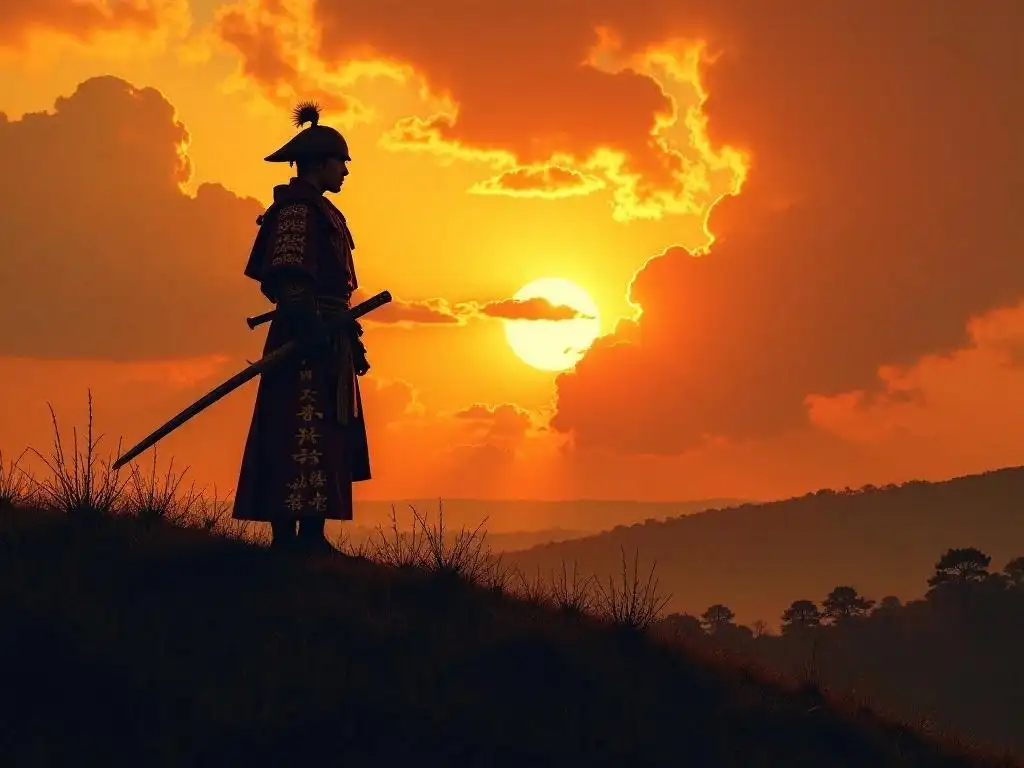
The legacy of the samurai code, particularly the principles of loyalty and honor, continues to resonate deeply in contemporary society. Rooted in the feudal era of Japan, these values shaped not only the behavior of samurai warriors but also the sociopolitical landscape of their time. As we reflect on the samurai code today, we see its influence in various domains, including ethics, leadership, and personal conduct.
The samurai's unwavering dedication to their daimyo (feudal lord) exemplified a strong sense of duty and loyalty, often at the cost of their own lives. This fierce commitment fostered a culture of honor and respect, establishing a framework that emphasized personal integrity and social responsibility. The ideals encapsulated in the samurai code, known as Bushido, have transcended their historical context, becoming a symbol of moral fortitude and ethical behavior that is celebrated in modern Japan and beyond.
Reflection on the Samurai Code in Contemporary Society
In contemporary society, the principles of samurai loyalty and honor manifest in various ways. Organizations and leaders often draw inspiration from the samurai ethos to cultivate a culture of commitment and integrity among their members. This is particularly evident in corporate environments, where loyalty to the organization and its mission is often emphasized as a core value.
- Corporate Loyalty: Many successful companies encourage a sense of loyalty among employees, paralleling the samurai's dedication to their daimyo. This loyalty can lead to increased productivity and a stronger organizational culture.
- Personal Conduct: Individuals today reflect samurai values through acts of honor in their everyday lives, whether in personal relationships or community engagement. Upholding promises and maintaining integrity are seen as reflections of one's character.
Moreover, the samurai code has also inspired various forms of art, literature, and media, reinforcing its relevance. Films, books, and anime frequently depict samurai values, emphasizing themes of honor, sacrifice, and loyalty, thus keeping the spirit of Bushido alive and relevant.
The Relevance of Loyalty and Honor in Modern Leadership
The principles of loyalty and honor, foundational to the samurai code, provide valuable lessons for modern leadership. In an era where trust and transparency are paramount, leaders who embody these values inspire loyalty among their followers, fostering a positive and productive environment.
- Trust and Integrity: Just as samurai were expected to uphold their honor, contemporary leaders are called to demonstrate integrity in their decision-making processes. Trust is built when leaders act consistently with their values and commitments, promoting a culture of accountability.
- Empowerment and Responsibility: Leaders who practice loyalty to their teams empower their members, encouraging them to take responsibility for their roles. This empowerment is essential for fostering innovation and collaboration, similar to how samurai worked in concert with their daimyo to achieve common goals.
- Long-Term Vision: The samurai's dedication to their lord can be likened to a leader's commitment to a vision. Modern leaders who prioritize long-term goals and values over short-term gains often cultivate stronger, more cohesive teams.
The samurai code of loyalty and honor serves as a guiding beacon for both personal and professional realms in contemporary society. By embracing these enduring values, individuals and leaders can navigate the complexities of modern life with a sense of purpose and ethical clarity, ensuring that the spirit of the samurai remains a vital part of our collective heritage.
References for Further Reading on Samurai Loyalty and Honor Code
Recommended Books and Articles
-
"Hagakure: The Book of the Samurai" by Yamamoto Tsunetomo
This classic text offers profound insights into the samurai's philosophy and lifestyle, emphasizing the principles of loyalty and honor that governed their actions. It serves as an essential resource for understanding the ethical framework that defined the samurai code.
-
"Bushido: The Soul of Japan" by Inazo Nitobe
Nitobe's seminal work explores the concept of Bushido, the way of the warrior, which encapsulates the ideals of loyalty, honor, and duty. This book provides a comprehensive look at how these values influenced Japanese society and culture.
-
"Samurai: The World of the Warrior" by Stephen Turnbull
This illustrated book offers a vivid portrayal of the samurai's life, highlighting their commitment to their daimyo through various historical accounts and illustrations. It is a valuable resource for both academic study and general interest.
-
"Warriors of Japan as Portrayed in the War Tales" by Thomas D. Conlan
This work examines the narratives of samurai warriors as presented in historical texts, revealing the intricate relationship between loyalty to one's daimyo and personal honor. Conlan's analysis provides a deeper understanding of the social dynamics of feudal Japan.
Online Resources and Documentaries
-
The Samurai Museum
An excellent online resource that provides articles, videos, and images related to the samurai and their code. The museum's website offers detailed explanations of samurai culture, including loyalty and honor.
-
Documentary: "The Last Samurai"
While a dramatization, this film provides a glimpse into the samurai code and the conflicts that arose during Japan's transition into modernization. It highlights themes of loyalty and honor in the context of changing societal norms.
-
Online Lecture Series: "Bushido: The Warrior Code"
Available on platforms like YouTube, these lectures by historians delve into the samurai code, its historical context, and its implications for modern Japanese culture. They serve as a great supplement to traditional readings.
-
"The Samurai: A History" - PBS Documentary
This documentary covers the rise and fall of the samurai class, examining their values and the intricate loyalty they held towards their daimyo. The program offers a captivating blend of historical reenactments and expert commentary.
By exploring these resources, readers can gain a more nuanced understanding of samurai loyalty and honor code, its historical significance, and its lasting impact on Japanese culture and society.
Frequently Asked Questions
What is the Samurai Code?
The Samurai Code, also known as Bushido, is a set of ethical principles guiding samurai behavior, emphasizing loyalty, honor, and self-discipline in their service to the Daimyo.
How did loyalty play a role in samurai culture?
Loyalty was paramount in samurai culture, where samurai were expected to serve their Daimyo faithfully, often prioritizing their lord's interests above personal desires, leading to a strong sense of duty.
What are the key components of the honor code of the samurai?
The samurai's honor code includes principles such as courage, integrity, compassion, and respect, which guided their actions and decisions in both battle and daily life.
How did the samurai loyalty and honor code influence Japanese society?
The samurai loyalty and honor code shaped social structures and relationships, fostering a sense of responsibility and commitment that extended beyond samurai ranks to influence the broader societal norms.
What legacy has the samurai code left on modern Japan?
The samurai code continues to influence Japanese culture today, evident in modern values of respect, discipline, and commitment, as well as in various aspects of popular culture, including literature and film.
Final Reflection: The Enduring Legacy of Samurai Loyalty and Honor
The principles of loyalty and honor that defined the samurai code resonate profoundly in today's world, reminding us that integrity and commitment are timeless virtues. In a society increasingly challenged by ethical dilemmas and shifting allegiances, the samurai's unwavering dedication to their daimyo serves as a powerful reminder of the strength found in loyalty and the importance of upholding one's principles, even in the face of adversity.
The samurai code has not only shaped Japan's historical narrative but continues to influence contemporary culture and social dynamics across the globe. The ideals of loyalty and honor inspire individuals to forge deeper connections and foster a sense of responsibility toward their communities. As the philosopher Yamamoto Tsunetomo once said, The way of the samurai is found in death.
This profound statement encapsulates the essence of living with purpose and the willingness to sacrifice for one's beliefs, a notion that remains relevant as we navigate our own paths in life.
As you reflect on the lessons of the samurai code, consider how you can embody these values in your daily interactions and commitments. Embrace the spirit of loyalty and honor in your relationships, whether personal or professional, and strive to uphold your principles with courage and conviction. In doing so, you contribute to a legacy that transcends time, fostering a world where integrity and honor are celebrated and upheld.
Embrace the Spirit of the Samurai: Take Action Today!
Thank you for diving into the rich world of samurai ethics! By exploring the concepts of loyalty and honor within the service of the daimyo, you’ve uncovered pivotal values that shaped Feudal Japan. Now, it’s time to apply these insights to your life and take meaningful steps forward.
- Reflect on your commitments: Take a moment to identify ways in which you can demonstrate greater loyalty and honor in your relationships, whether personal or professional.
- Share your newfound knowledge: Engage in discussions about the samurai code with friends or family to inspire them to explore these values. Consider hosting a gathering to delve into the fascinating history of the samurai.
- Join our community: Connect with fellow history enthusiasts by subscribing to our newsletter or participating in our online forum, where you can continue sharing and learning about the enduring legacy of samurai culture.
How can you embody the samurai virtues of loyalty and honor in your everyday life? We invite you to share your thoughts with us below!