
The Downfall of the Tokugawa Economic System: Causes and Consequences

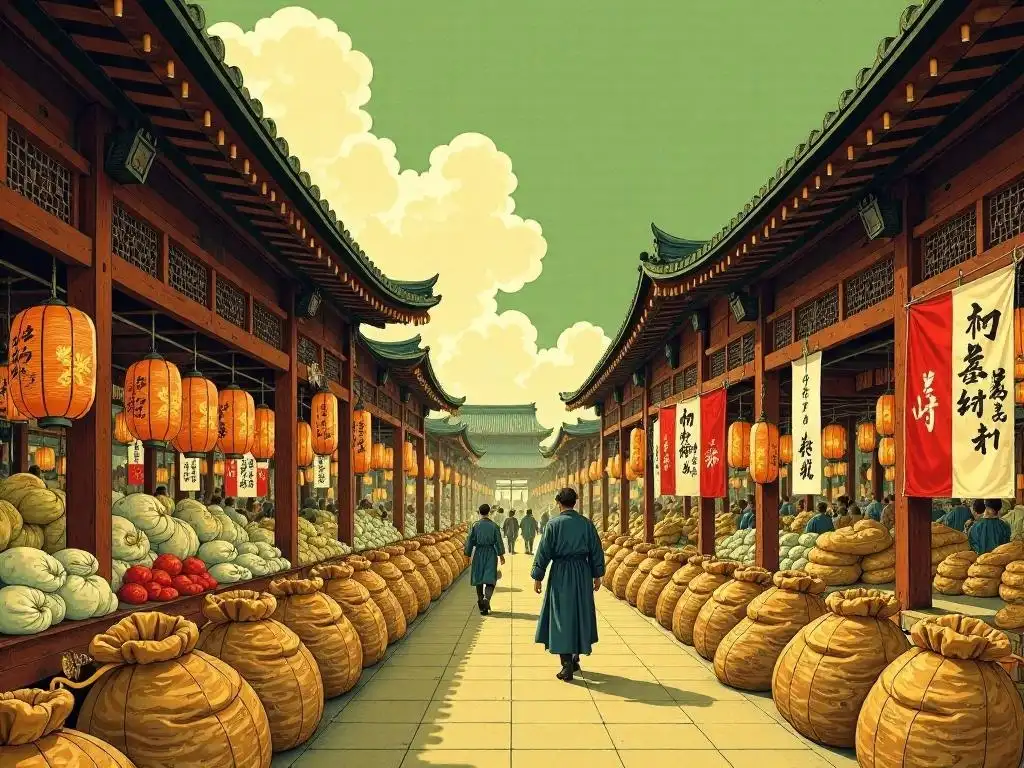
Welcome to Feudal Japan History, where we invite you to embark on a fascinating journey through the intricate tapestry of Japan's feudal era. Dive deep into the compelling narrative surrounding the Tokugawa economic system decline, a pivotal moment that reshaped the nation's landscape. What led to the unraveling of this once-stable economic framework? Discover the intricate causes and far-reaching consequences that illustrate the profound shifts in society and culture during this transformative period. Join us as we unravel the threads of history and uncover the secrets that defined an era.
- Introduction to the Tokugawa Economic System Decline
- Causes of the Tokugawa Economic System Decline
- Consequences of the Tokugawa Economic System Decline
- Comparative Analysis: Tokugawa Economic Policies vs. Meiji Restoration Policies
- Historical Significance of the Tokugawa Economic System Decline
- Long-term Effects on Japanese Society and Economy
- Lessons Learned from the Tokugawa Economic Experience
- Conclusion
-
Frequently Asked Questions
- What were the main causes of the Tokugawa economic system decline?
- How did foreign trade impact the Tokugawa economy?
- What were the consequences of the economic decline during the Tokugawa period?
- How did social unrest influence the downfall of the Tokugawa economic system?
- What role did political changes play in the decline of the Tokugawa economic system?
- Final Reflection: Understanding the Decline of the Tokugawa Economic System
- Unveil the Lessons of the Past: Take Action Now!
Introduction to the Tokugawa Economic System Decline
The Tokugawa shogunate, which ruled Japan from 1603 to 1868, was a period marked by relative peace and stability, but also by significant economic developments and challenges. The decline of the Tokugawa economic system is a complex phenomenon that resulted from a combination of internal and external factors. Understanding this decline is crucial for comprehending the broader transformations that led to the end of feudal Japan and the rise of modernization.
In this article, we will explore the intricate web of economic policies during the Tokugawa era, the societal impacts of these policies, and the eventual causes and consequences of the economic system's decline. By delving into these aspects, we aim to provide a comprehensive overview of how the Tokugawa economic system influenced Japan's historical trajectory and set the stage for the Meiji Restoration.
Overview of the Tokugawa Period in Japan
The Tokugawa period, also known as the Edo period, is characterized by the establishment of a centralized feudal system under the Tokugawa clan. This era saw the implementation of strict social hierarchies, with samurai at the top, followed by farmers, artisans, and merchants. The shogunate maintained order through a series of policies that regulated commerce, land use, and taxation.
Key features of the Tokugawa period include:
- Political Stability: The Tokugawa shogunate effectively ended the centuries of civil war, bringing about peace that allowed for economic growth.
- Cultural Flourishing: The era witnessed significant advancements in arts, literature, and philosophy, shaping a rich cultural landscape.
- Economic Growth: Agricultural productivity increased, and a merchant class emerged, leading to urbanization and the rise of cities such as Edo (modern-day Tokyo).
Despite these advancements, the economic system faced significant challenges, which eventually contributed to its decline.
Importance of Economic Policies during the Tokugawa Era
Economic policies during the Tokugawa era were pivotal in shaping Japan's social and economic structures. The shogunate enacted various measures to control trade and maintain a stable economy. Some of the most notable policies included:
- Sankin-kōtai (Alternate Attendance): This policy required daimyo (feudal lords) to spend every other year in Edo, which stimulated the economy through travel and the maintenance of large households.
- Regulation of Commerce: The Tokugawa shogunate imposed strict regulations on trade, controlling prices and limiting foreign influence, especially from European powers.
- Rice as Currency: The economy was heavily dependent on rice, which served not only as a staple food but also as a form of currency, affecting wealth distribution and trade dynamics.
While these policies initially supported economic stability, they also created systemic issues that would later contribute to the decline of the Tokugawa economic system. Understanding these policies is essential to grasp the complexities behind the economic challenges faced by Japan in the 19th century.
Causes of the Tokugawa Economic System Decline

Internal Factors Contributing to Economic Downfall
Rigid Social Structure and Class Restrictions
The Tokugawa shogunate established a highly hierarchical social structure, where four main classes—samurai, farmers, artisans, and merchants—were rigidly defined. This stratification limited social mobility and economic flexibility. The samurai class, despite lacking substantial income, maintained their status through stipends and privileges, which hindered the entrepreneurial spirit among merchants. Consequently, the economic potential of the lower classes remained untapped, leading to inefficiencies and stagnation in economic growth.
The restrictions placed on merchants, who were often viewed with disdain by the samurai, prevented them from accumulating wealth that could have been reinvested in the economy. As a result, the economic engine of the Tokugawa era was stifled, contributing significantly to the system's decline.
Agricultural Stagnation and Crop Failures
Agriculture formed the backbone of the Tokugawa economy, but over time, it became increasingly stagnant. Several factors contributed to this stagnation, including:
- Limited Technological Advancement: The shogunate's focus on maintaining order and stability discouraged technological innovations in farming practices.
- Natural Disasters: Frequent crop failures due to natural disasters, such as floods and droughts, severely impacted agricultural output.
This stagnation led to food shortages and increased prices, causing discontent among the peasantry. As farmers struggled to meet their obligations, many fell into debt, further exacerbating the economic crisis.
Rising Debt and Financial Mismanagement
The Tokugawa government faced significant financial difficulties as it attempted to maintain its power and stability. The shogunate often resorted to borrowing from wealthy merchants and local lords, leading to a cycle of rising debt. This financial mismanagement culminated in:
- Increased Tax Burden: The government imposed higher taxes to cover its debts, placing additional strain on the peasantry and leading to widespread unrest.
- Inefficient Collection Methods: Corruption and inefficiency in tax collection further drained resources, weakening the economic structure.
The culmination of these financial issues eroded the trust between the shogunate and the populace, contributing to the overall decline of the Tokugawa economic system.
External Factors Influencing the Decline
Impact of Foreign Trade and Western Influence
The Tokugawa shogunate adopted a policy of sakoku, or national isolation, limiting foreign trade and interaction. However, as Western powers expanded their influence in Asia, the economic landscape began to shift dramatically. The influx of foreign goods and ideas threatened traditional Japanese industries and practices. This exposure created a rift between the isolated economy and the rapidly modernizing global market.
As foreign products became more desirable, many Japanese citizens began to advocate for the end of isolationist policies. This growing discontent further destabilized the Tokugawa economic system, as it struggled to compete with foreign innovations and trade practices.
The Role of the Black Ships and Commodore Perry
In 1853, Commodore Matthew Perry's arrival with his "black ships" marked a turning point in Japan's history. His demand to open Japan to American trade exposed the vulnerabilities of the Tokugawa economic system. The subsequent Treaty of Kanagawa in 1854 forced Japan to open its ports, leading to an influx of foreign influence that disrupted traditional economic practices.
The inability of the Tokugawa shogunate to effectively respond to this external pressure highlighted its weaknesses and contributed to the loss of legitimacy in the eyes of the populace. The resulting economic turmoil further accelerated the decline of the Tokugawa economic system.
Economic Pressures from Neighboring Countries
As the Tokugawa period progressed, neighboring countries, particularly China and Korea, faced their own economic challenges, leading to increased competition for resources and trade. Japan's inability to engage effectively with these nations left it vulnerable to external economic pressures.
The decline of neighboring economies created an unstable regional balance, causing trade routes to shift and leaving Japan isolated. This further strained the Tokugawa economic system, as it lost access to vital resources and markets, ultimately contributing to its downfall.
Consequences of the Tokugawa Economic System Decline
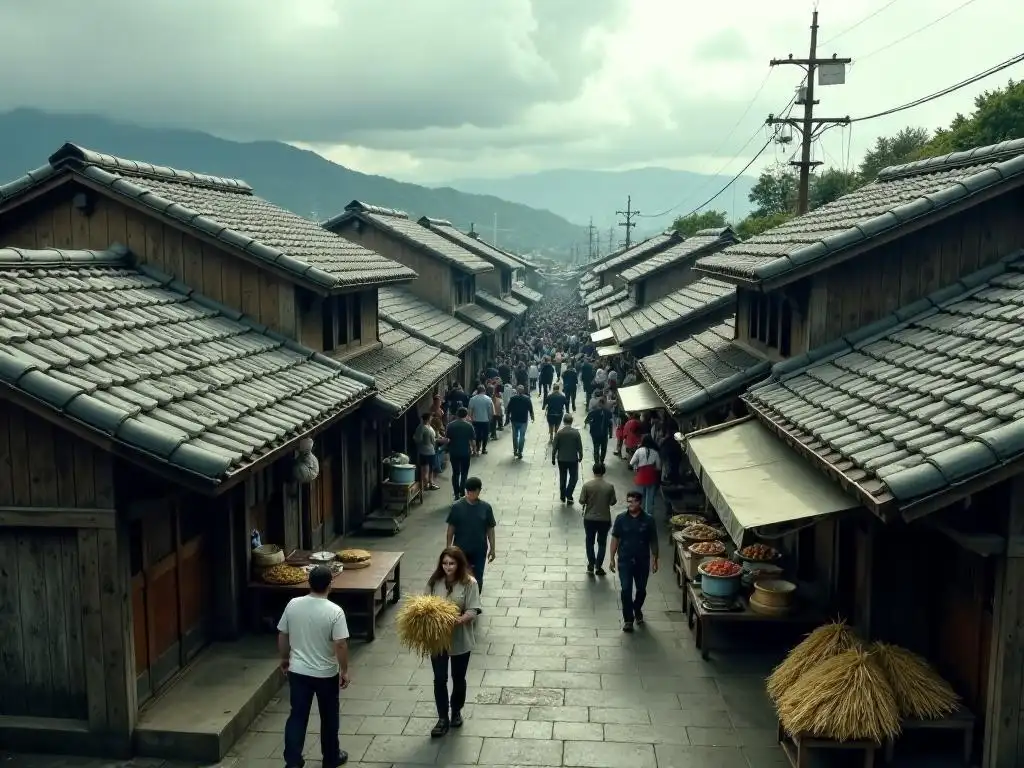
The decline of the Tokugawa economic system had far-reaching consequences that reshaped Japan's social, political, and economic landscapes. As the rigid structures of the Tokugawa shogunate began to crumble, the repercussions were felt across all strata of society. Below, we explore the various consequences of this decline, focusing on both social and political ramifications.
The economic downturn during the late Tokugawa period led to significant shifts in social dynamics and class structures, altering the fabric of Japanese society.
Changes in Class Dynamics and Social Mobility
The Tokugawa period was characterized by a strict social hierarchy, consisting of four main classes: samurai, farmers, artisans, and merchants. However, as the economic system declined, these rigid boundaries began to blur.
- Increased Mobility: Economic hardships forced many samurai to seek alternative means of income, leading to a decline in their traditional status. As a result, some samurai transitioned into the merchant class, which was previously looked down upon but began to gain prominence due to its wealth.
- Shift in Power Dynamics: The rise of commerce and the merchant class signaled a shift in power dynamics within society. Wealth became a more significant determinant of status, overshadowing the traditional class hierarchy that had been upheld for centuries.
This shift resulted in greater social mobility, allowing individuals to improve their status through economic success rather than relying solely on inherited privilege.
Rise of the Merchant Class and Urbanization
The decline of the Tokugawa economic system also catalyzed the rise of the merchant class, which played a crucial role in the transformation of Japan's urban landscape.
- Economic Expansion: As agricultural productivity waned, merchants began to dominate the economy, leading to increased trade and the emergence of bustling urban centers. Cities like Edo (modern-day Tokyo) and Osaka flourished as commercial hubs, attracting a growing population.
- Cultural Flourishing: This urbanization was accompanied by a cultural renaissance, as the merchant class sponsored arts and entertainment, leading to the development of unique cultural forms such as ukiyo-e (woodblock prints) and kabuki theater.
The rise of the merchant class not only altered the economy but also contributed to a new cultural identity that would shape modern Japan.
Political Consequences of the Economic Crisis
The economic crisis precipitated by the decline of the Tokugawa system had profound implications for the political structure of Japan, ultimately paving the way for significant change.
Erosion of Tokugawa Power and Authority
The economic downturn severely undermined the power and authority of the Tokugawa shogunate, which had maintained control through strict governance and economic regulation.
- Increased Dissent: As economic hardships deepened, dissatisfaction among the populace grew, leading to protests and uprisings against the shogunate. The inability to effectively manage the economy eroded the shogunate's legitimacy and authority.
- Rise of Opposition Movements: This dissatisfaction fueled the rise of various opposition groups, including the Sonno Joi movement (Revere the Emperor, Expel the Barbarians), which called for the restoration of imperial authority and the expulsion of foreign influence.
The erosion of Tokugawa power marked a significant turning point in Japan's political landscape.
The Path to the Meiji Restoration
The culmination of the Tokugawa economic system's decline led directly to the Meiji Restoration, a pivotal moment in Japanese history that transformed the nation.
- Restoration of Imperial Rule: In 1868, the fall of the Tokugawa shogunate resulted in the restoration of Emperor Meiji, signifying a shift from feudal rule to a more centralized government. This marked the beginning of a new era focused on modernization and westernization.
- Radical Reforms: The Meiji government implemented sweeping reforms across political, social, and economic domains, including the abolition of the feudal class system and the establishment of a modern economy. These changes laid the groundwork for Japan's emergence as a major global power.
The decline of the Tokugawa economic system was thus not merely an end but a catalyst for profound transformation, leading to the establishment of a modern Japan.
Comparative Analysis: Tokugawa Economic Policies vs. Meiji Restoration Policies
The transition from the Tokugawa economic system to the policies of the Meiji Restoration marked a pivotal moment in Japan's history, characterized by significant shifts in governance, economic strategies, and societal structures. Understanding these changes requires a comparative analysis of the economic policies that defined both eras.
Key Differences in Economic Strategies
The Tokugawa economic system, which thrived from the early 17th century until the mid-19th century, was fundamentally based on a feudal structure. The Shogunate implemented policies that prioritized agrarian stability and the control of commerce through strict regulations. In contrast, the Meiji Restoration, commencing in 1868, ushered in a new era marked by radical economic reforms aimed at modernization and industrialization.
Tokugawa Economic Policies:
- Feudal Control: The Tokugawa Shogunate maintained a rigid class system, where samurai, farmers, artisans, and merchants had distinct roles. This hierarchy limited mobility and innovation.
- Rice as Currency: The economy was predominantly agrarian, with rice serving as both a staple food and a form of currency. This reliance on agriculture created stability but stifled economic diversification.
- Sakoku Policy: Japan's isolationist policy restricted foreign trade and cultural exchange. The country engaged in limited commerce, primarily with the Dutch and Chinese, which hindered technological advancement.
Meiji Restoration Policies:
- Centralized Government: The Meiji era replaced feudal lords with a centralized bureaucratic government that aimed to unify the nation’s economic policies.
- Currency Reform: The introduction of a modern currency system facilitated trade and investment. The Meiji government established the yen as the national currency, promoting economic stability.
- Industrialization and Infrastructure: Meiji policies encouraged the development of modern industries, railways, and telecommunication systems, significantly transforming the Japanese economy from agrarian to industrial.
Outcomes of the Transition from Tokugawa to Meiji
The shift from Tokugawa to Meiji policies resulted in profound changes in Japan's economic landscape, with both positive and negative outcomes.
Economic Growth and Modernization:
- The Meiji Restoration led to rapid industrialization, with the establishment of factories and the growth of sectors such as textiles and machinery. By the early 20th century, Japan had evolved into a major industrial power.
- Infrastructure improvements, particularly in transportation, facilitated the movement of goods and people, enhancing economic productivity.
Social Disruption and Class Struggles:
- The transition caused significant social upheaval. The dismantling of the samurai class led to discontent among former warriors, many of whom struggled to adapt to the new economic realities.
- The emergence of a new working class gave rise to labor movements and demands for rights, reflecting the growing tensions between traditional values and modern capitalist practices.
Transformation of Trade Relations:
- The Meiji government sought to expand Japan's trade relationships beyond its borders, resulting in increased engagement with Western powers. This shift opened up new markets but also led to unequal treaties that favored foreign nations.
- While Japan's economy became more integrated into the global market, this came at the cost of sovereignty and control over domestic policies.
The decline of the Tokugawa economic system and its replacement by Meiji policies not only reshaped Japan's economy but also redefined its societal structures and international standing. The legacy of this transformation continues to influence Japan's economic practices and cultural dynamics today.
Historical Significance of the Tokugawa Economic System Decline

The decline of the Tokugawa economic system marks a pivotal moment in Japanese history, illustrating the intricate relationship between governance, economy, and societal structure. The Tokugawa shogunate, which ruled from 1603 to 1868, established a unique economic model characterized by strict class hierarchies, isolationist policies, and a focus on agrarian production. The eventual decline of this system can be attributed to several interconnected causes that reshaped Japan's socio-economic landscape.
Factors Leading to the Decline
- External Pressures: The arrival of Commodore Matthew Perry in 1853, demanding the opening of Japanese ports to foreign trade, signaled the end of Japan's isolationist policies. This event catalyzed a series of economic disruptions as Western powers began to exert influence over Japan's economy.
- Internal Strains: The rigid class structure and reliance on a feudalistic agricultural economy led to discontent among the lower classes, particularly the peasants who faced heavy taxation and poor living conditions. This internal strife weakened the Tokugawa's grip on power.
- Economic Stagnation: By the mid-19th century, the Tokugawa system faced stagnation due to outdated agricultural practices, population growth outpacing food production, and a lack of technological advancement. The stagnation created a growing disparity between the wealthy merchant class and impoverished peasants.
Long-term Effects on Japanese Society and Economy

The downfall of the Tokugawa economic system had profound and lasting impacts on Japanese society and its economy.
- Rise of the Merchant Class: As commerce flourished in the absence of strict governmental control, the merchant class gained significant wealth and influence, challenging the traditional samurai class's dominance.
- Urbanization: The decline led to increased urban migration, with many peasants moving to cities in search of better opportunities. This urbanization transformed Japan's demographic landscape, fostering a burgeoning working class.
Economic Modernization
- Meiji Restoration: The collapse of the Tokugawa system paved the way for the Meiji Restoration in 1868, during which Japan underwent rapid modernization and industrialization. The new government adopted Western technologies and economic practices, transforming Japan into a global economic power.
- Shift to Capitalism: The transition from a feudal economy to a capitalist framework allowed for the diversification of industries and the development of a more dynamic economic structure. This shift laid the groundwork for Japan's future economic growth throughout the 20th century.
Lessons Learned from the Tokugawa Economic Experience

The Tokugawa economic system decline offers critical lessons that resonate within contemporary economic discourse.
Importance of Adaptability
- Response to Change: The inability of the Tokugawa shogunate to adapt to external pressures, such as global trade dynamics, highlights the necessity for flexibility in economic policies. Countries must remain vigilant and responsive to both internal and external challenges to ensure stability and growth.
Value of Economic Diversification
- Avoiding Over-reliance on a Single Sector: The Tokugawa model's heavy reliance on agriculture emphasizes the risks associated with an undiversified economy. Diversifying economic activities can provide resilience against market fluctuations and societal unrest.
Societal Equity and Stability
- Addressing Class Disparities: The discontent among the lower classes under the Tokugawa regime illustrates the importance of equity in economic systems. Ensuring fair distribution of resources and opportunities is crucial to maintaining social harmony and preventing unrest.
The decline of the Tokugawa economic system not only reshaped Japan’s trajectory but also serves as a vital case study in understanding the complexities of economic governance and societal change.
Conclusion
Summary of Key Causes and Consequences of the Economic Decline
The decline of the Tokugawa economic system was a multifaceted phenomenon, influenced by various internal and external factors. Notably, these causes can be categorized into several key areas:
- External Pressures:
- Western Influence: The arrival of Commodore Perry in 1853 marked the beginning of increased Western influence in Japan, challenging the isolationist policies of the Tokugawa shogunate. This forced Japan to confront modern economic practices that clashed with its feudal structure.
- Trade Imbalances: The influx of foreign goods and the demand for Japanese products often led to trade imbalances. As Western goods flooded the market, local artisans and producers struggled to compete, resulting in economic instability.
- Internal Strains:
- Agricultural Decline: The agricultural sector, which formed the backbone of the Tokugawa economy, faced severe challenges such as poor harvests and natural disasters. This led to food shortages and increased peasant unrest, undermining the socio-economic fabric.
- Rise of the Merchant Class: The growing wealth and influence of the merchant class began to erode the traditional power dynamics. Merchants accumulated capital, leading to a shift in economic power that threatened the samurai class and the established order.
- Socio-Political Factors:
- Samurai Discontent: The samurai class, once the ruling elite, experienced financial distress as stipends were reduced. This discontent fueled social unrest and calls for reform.
- Bureaucratic Corruption: As the Tokugawa shogunate became increasingly corrupt and inefficient, public trust eroded. The mismanagement of resources and economic policies further exacerbated the decline.
The consequences of these factors were profound and far-reaching. The economic instability led to widespread protests and uprisings, culminating in the fall of the Tokugawa shogunate in 1868. This transition paved the way for the Meiji Restoration, which sought to modernize Japan and integrate it into the global economy.
Reflection on the Legacy of the Tokugawa Economic System
The Tokugawa economic system, despite its decline, left a lasting legacy that shaped Japan’s trajectory into the modern era. Several aspects of this legacy are noteworthy:
- Cultural Resilience: The Tokugawa period fostered a rich cultural environment, with advancements in art, literature, and philosophy. The economic practices established during this era influenced cultural exchanges and the development of a unique Japanese identity.
- Economic Foundations: The agricultural and trade practices developed during the Tokugawa era laid the groundwork for Japan's future economic policies. The infrastructure improvements and market dynamics initiated during this period facilitated Japan’s rapid industrialization in the late 19th century.
- Lessons in Governance: The challenges faced by the Tokugawa shogunate offer critical insights into governance and economic management. The interplay between social classes, the importance of adaptive policies, and the role of external influences remain relevant in contemporary discussions about economic systems.
The decline of the Tokugawa economic system serves as a pivotal chapter in Japan’s economic history, highlighting the complex interplay of internal dynamics and external pressures. Its legacy continues to inform Japan’s identity, culture, and economic strategies today.
Frequently Asked Questions
What were the main causes of the Tokugawa economic system decline?
The Tokugawa economic system decline was primarily caused by internal strife, social unrest, and external pressures from foreign trade and influences, leading to a destabilization of the long-standing policies.
How did foreign trade impact the Tokugawa economy?
The influx of foreign goods and ideas disrupted traditional market structures, creating competition that the Tokugawa system was ill-equipped to handle, ultimately contributing to its decline.
What were the consequences of the economic decline during the Tokugawa period?
The consequences included increased social inequality, the rise of merchant classes, and a shift towards modernization, which laid the groundwork for the eventual Meiji Restoration.
Social unrest, fueled by economic disparities and dissatisfaction with the ruling class, led to widespread protests and uprisings that undermined the stability of the Tokugawa regime.
What role did political changes play in the decline of the Tokugawa economic system?
Political changes, including the weakening of the shogunate's authority and the rise of regional daimyos, created a fragmented political landscape that further exacerbated the economic decline.
Final Reflection: Understanding the Decline of the Tokugawa Economic System
The decline of the Tokugawa economic system is not merely a historical event; it serves as a poignant reminder of the fragility of economic structures and their profound impact on society. In today's rapidly changing global economy, the lessons drawn from this pivotal moment in Japanese history resonate more than ever.
The intricate interplay of political, social, and economic factors that led to the downfall of the Tokugawa shogunate underscores the importance of adaptability and foresight in governance and economic policy. As we navigate our own economic challenges, we must recognize that the past holds valuable insights for the future.
The influence of the Tokugawa economic system's decline extends far beyond its time, shaping Japan's cultural and social landscape in ways that are still felt today. The transition from a feudal economy to a more modernized system reflects the ongoing struggle between tradition and innovation. This transformation has fostered a resilient spirit within Japanese society, encouraging continuous adaptation to new circumstances.
As historian John Dower aptly stated, “The past is never dead. It's not even past.” > This quote encapsulates the enduring relevance of historical lessons, reminding us that the echoes of the Tokugawa period still inform contemporary economic and social dynamics.
As we reflect on the decline of the Tokugawa economic system, I invite you to consider how these lessons apply to your own life and the world around you. What can we learn about resilience in the face of change? How can we foster adaptability in our personal and professional endeavors? Embrace the opportunity to reflect on your own economic choices and the broader implications they may have. By understanding the past, we can better navigate the complexities of the present and shape a more sustainable future for ourselves and future generations.
Unveil the Lessons of the Past: Take Action Now!
Thank you for immersing yourself in the fascinating history of the Tokugawa economic system! Your exploration of its causes and consequences has revealed critical insights about resilience and transformation in the face of economic challenges. Now, let’s harness that knowledge and take meaningful action.
- Dive deeper: Seek out additional articles or books about the economic systems of various historical societies to draw parallels and lessons.
- Join the conversation: Share your thoughts on how historical economic systems could inform today's policies in our community forum.
- Connect with history enthusiasts: Follow us on social media for daily insights and discussions related to Feudal Japan.
What aspect of the Tokugawa economic system's downfall resonates most with you, and how might it inform your understanding of today's economic challenges?