
The Training of Women Warriors: A Look at Onnabugeisha Education

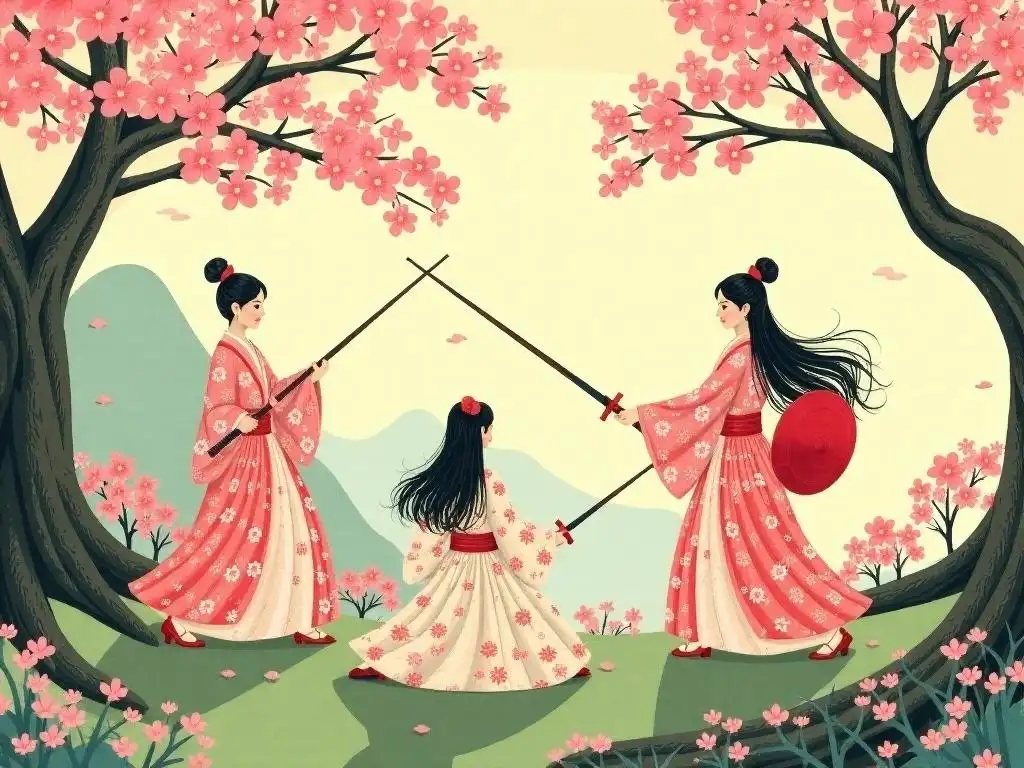
Welcome to Feudal Japan History, where we embark on an intriguing journey through the captivating tapestry of Japan's feudal era. Delve into the fascinating history of the Onnabugeisha, the legendary women warriors whose training and skills defied the conventions of their time. In our featured article, "The Training of Women Warriors: A Look at Onnabugeisha Education," we unveil the rigorous education and unique martial practices that shaped these formidable fighters.
Prepare to uncover the hidden narratives and societal dynamics that defined an era, compelling you to explore further into the depths of Japan's rich historical landscape. Are you ready to challenge what you thought you knew about feudal Japan?
Introduction to Onnabugeisha Warrior Training History
The history of the Onnabugeisha, or women warriors in feudal Japan, offers a unique perspective on the cultural and societal roles of women during a time when Japan was defined by its samurai class and militaristic traditions. This article delves into the Onnabugeisha warrior training history, examining how these women were not only trained for combat but also played a pivotal role in the broader tapestry of Japanese history.
The Onnabugeisha exemplified a blend of martial prowess and adherence to the traditional values of honor and loyalty, challenging the conventional gender roles of their time. Understanding their training provides insight into the complexities of gender dynamics and the evolution of women's roles in Japanese society.
Definition of Onnabugeisha
The term Onnabugeisha refers to female warriors who were trained in various martial arts and combat skills during Japan's feudal era. These women were not merely auxiliary figures but were integral to the samurai class, often taking up arms to defend their families and homes in times of war. Training for the Onnabugeisha included disciplines such as kenjutsu (swordsmanship), sojutsu (spear fighting), and even naginatajutsu (naginata combat).
Historical Context of Women Warriors in Feudal Japan
Throughout Japan's feudal history, women warriors emerged during periods of instability and conflict. The Heian (794-1185) and Edo (1603-1868) periods, in particular, saw the rise of the Onnabugeisha, as social upheaval often forced women to take on roles traditionally reserved for men. The historical narrative of these women is often overshadowed by their male counterparts, but their contributions were crucial in both military and domestic spheres.
Importance of Onnabugeisha in Japanese Society
The Onnabugeisha served not only as warriors but also as symbols of resilience and adaptability within Japanese society. Their training and participation in warfare challenged the gender norms of the time and highlighted the multifaceted roles women could occupy. This duality of identity—balancing the expectations of femininity with the demands of martial prowess—demonstrated the complexity of women's experiences in feudal Japan.
The Foundations of Onnabugeisha Education
Cultural Significance of Training Women Warriors
The training of Onnabugeisha was not merely about acquiring combat skills; it also encompassed a broader cultural significance. These women were taught to uphold the Bushido code, emphasizing virtues such as loyalty, bravery, and honor. Their education was often rooted in the principles of Confucianism, which stressed the importance of moral integrity and social responsibility. This cultural framework shaped their identities as warriors and reinforced their roles within the family and society.
Traditional Roles of Women in Feudal Japan
In feudal Japan, women were primarily expected to fulfill domestic roles, managing households and raising children. However, the existence of the Onnabugeisha illustrates a divergence from these norms. While many women were confined to these traditional roles, others received training in martial arts, demonstrating that the capacity for strength and leadership was not limited by gender.
The Shift in Perception: From Domestic to Warrior Roles
The perception of women in feudal Japan evolved significantly over time. As wars erupted and the need for defense became paramount, women began to be viewed through a new lens—one that recognized their potential as warriors. This shift not only altered societal views on gender roles but also inspired future generations to challenge the boundaries of what women could achieve. The legacy of the Onnabugeisha continues to resonate today, serving as a testament to the strength and resilience of women throughout Japanese history.
Training Methods and Techniques of Onnabugeisha
The training of Onnabugeisha, or women warriors in feudal Japan, was a comprehensive and multifaceted process that combined martial arts, weaponry, physical conditioning, and mental preparation. This unique training aimed to empower women to defend their homes and families, particularly during times of conflict. The curriculum was often tailored to the needs of the individual, focusing on various techniques and strategies suitable for combat.
Onnabugeisha were trained to be agile and strategic fighters, emphasizing the importance of both physical prowess and psychological readiness. This included not only hands-on training in martial arts but also education in tactics, situational awareness, and the ethics of warfare. Their training methodologies were often passed down through generations, reflecting the rich oral traditions of Japanese culture.
Martial Arts Training: Techniques and Styles
Martial arts training for Onnabugeisha included a variety of techniques and styles, which were integral to their development as warriors. Some of the most prominent styles included:
- Kenjutsu: The art of swordsmanship, focusing on techniques with the katana. Onnabugeisha learned both offensive and defensive maneuvers, emphasizing precision and control.
- Bojutsu: The use of the long staff, or bo, which helped in developing reach and understanding distance in combat.
- Naginatajutsu: Training with the naginata, a pole weapon that combined the techniques of both a sword and a spear. This weapon was particularly favored by women warriors due to its versatility.
- Iaijutsu: The art of drawing the sword quickly and efficiently, often practiced to prepare for sudden attacks.
Training sessions were rigorous, often held in secluded dojos where instructors focused on instilling discipline and fighting spirit. The emphasis was not only on physical techniques but also on the moral and ethical implications of being a warrior.
Weaponry: Tools and Skills Acquired
Onnabugeisha were trained in the use of various weapons, each requiring different skills and techniques. The primary weapons included:
- Katana: The iconic Japanese sword, which required mastery in drawing, striking, and countering.
- Naginata: As noted earlier, this weapon combined the strengths of both the sword and spear, requiring unique techniques for effective use.
- Tanto: A small dagger used for close combat, emphasizing quick reflexes and agility.
- Bows and Arrows: Archery was also part of their training, focusing on precision and the ability to shoot from various positions.
Through this diverse training, Onnabugeisha developed a well-rounded skill set that allowed them to adapt to different combat situations effectively. The mastery of these weapons was not merely about physical strength; it also required mental acuity and strategic thinking.
Physical Conditioning and Mental Preparation
Physical conditioning was a crucial component of Onnabugeisha training. This involved not only strength training but also flexibility and endurance exercises. Activities included:
- Running: To build cardiovascular endurance, essential for prolonged combat situations.
- Calisthenics: Bodyweight exercises that enhanced strength and agility.
- Meditation and Breathing Exercises: To cultivate mental focus and resilience.
Mental preparation was equally important. Onnabugeisha were taught to develop a warrior mindset, which included:
- Strategic Thinking: Understanding battlefield dynamics and making quick decisions.
- Emotional Control: Managing fear and anxiety in combat situations.
- Historical Context: Learning about past conflicts and the role of women warriors in shaping Japan's history.
This holistic approach to training ensured that Onnabugeisha were not only physically capable but also mentally prepared to face the challenges of warfare.
Educational Institutions for Onnabugeisha
The education of Onnabugeisha was often conducted in specialized institutions that focused on martial training and the development of warrior skills. These educational settings played a significant role in preserving the traditions and techniques of women warriors throughout Japan's feudal era.
Notable Dojos and Schools for Women Warriors
Several dojos and schools became renowned for their commitment to training women warriors. These included:
- The Yagyu Shinkage-ryu School: While predominantly male, it was known for accepting female students and providing them with rigorous martial arts training.
- The Katori Shinto-ryu School: One of Japan's oldest martial arts schools, it had a reputation for teaching not only men but also women in the arts of combat.
- Local Clan Dojos: Many samurai families established training grounds specifically for their daughters, ensuring that they received the necessary skills to protect themselves and their homes.
These institutions often served as community centers where women could come together to learn and support one another, fostering a sense of camaraderie among the Onnabugeisha.
Influential Figures in Onnabugeisha Education
Throughout history, several influential figures emerged who played pivotal roles in the education of Onnabugeisha. These women and men were instrumental in shaping the training methodologies and philosophies associated with female warriors. Notable figures include:
- Tomoe Gozen: A legendary female warrior who exemplified the skills and spirit of Onnabugeisha, serving as an inspiration for generations to come.
- Kato Kiyomasa: A samurai known for his progressive views on female martial training, encouraging women to learn combat skills.
- Various Female Senseis: Women instructors who took on the role of mentor to young Onnabugeisha, ensuring that their knowledge and techniques were passed down.
These figures contributed not only to martial arts education but also to the broader cultural perception of women in warfare, helping to elevate their status in society.
Curriculum and Training Regimens
The curriculum for Onnabugeisha typically included a blend of physical training, weapon mastery, and mental conditioning. Key elements of the training regimens involved:
- Daily Practice: Rigorous training sessions that often lasted several hours, focusing on different martial arts techniques and weapon usage.
- Sparring and Drills: Engaging in mock battles and drills to apply techniques in practical scenarios, enhancing both skill and confidence.
- Theoretical Education: Learning about the history of warfare, the ethics of combat, and the responsibilities of a warrior.
This structured approach to training ensured that Onnabugeisha were not only skilled fighters but also well-rounded individuals with a deep understanding of their role in society. The integration of physical, mental, and historical education created a generation of women warriors who were prepared to face the challenges of their time.
The Role of Family and Society in Women Warriors' Training
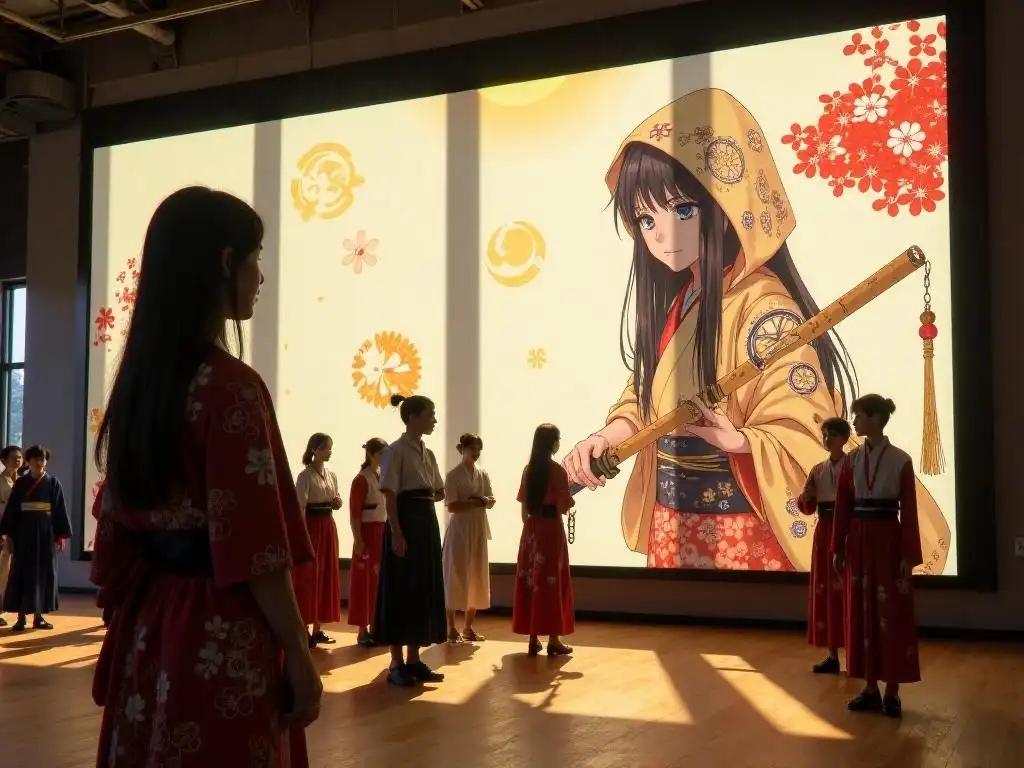
The training of Onnabugeisha, or women warriors, during Japan's feudal era was significantly influenced by their family structures and societal expectations. This training was not merely a personal endeavor but rather a reflection of the values and beliefs held by their families and communities. Understanding these influences reveals much about how women navigated their roles as warriors in a predominantly male-dominated society.
Family Support and Expectations
Family played a crucial role in the development of Onnabugeisha. Many of these women were born into samurai families, where martial skill was highly valued. Parents often instilled a sense of duty and honor in their daughters, encouraging them to partake in the rigorous training that would prepare them for the responsibilities of both warfare and family protection.
- Training from a Young Age: Many Onnabugeisha began their training in swordsmanship, archery, and other martial arts as young as six or seven. This early exposure helped cultivate not only physical skills but also mental resilience.
- Parental Guidance: Mothers often played a significant role in their daughters' education, teaching them not only the martial arts but also the intricate cultural rituals and values associated with their societal roles. The expectation was that women would be able to defend themselves and their households, particularly during times of conflict.
- Support Networks: Extended family and community members also contributed to the training. In some cases, brothers would mentor their sisters, fostering a supportive environment where women warriors could thrive.
Societal Perception of Women Warriors
The societal perception of Onnabugeisha varied throughout Japan's history, often reflecting the shifting dynamics of gender roles. While some periods celebrated female warriors, others relegated them to the background.
- Valued Protectors: In times of war, Onnabugeisha were often seen as protectors of the home. Their involvement in defense was respected, and their skills were acknowledged as vital to the family's survival.
- Cultural Representation: Literature and folklore sometimes romanticized the image of the female warrior, portraying them as noble figures. These stories helped to elevate the perception of women in martial roles and inspired many to undertake similar paths.
- Challenges to Norms: Despite some positive recognition, societal norms frequently imposed restrictions on women. Many faced skepticism and discrimination, with detractors questioning their capabilities and roles in warfare. This duality in perception shaped their training experiences and societal acceptance.
Challenges Faced by Onnabugeisha in Training
Despite their determination, Onnabugeisha faced numerous challenges in their pursuit of martial training.
- Limited Resources: Training facilities and resources dedicated to women were often scarce. Many women had to train in makeshift environments or adapt traditional male training regimens to suit their needs.
- Gender Discrimination: The societal belief that women were inherently weaker than men created barriers to their training. Many faced ridicule or were discouraged from pursuing martial arts, leading to a lack of formal recognition for their skills.
- Balancing Roles: Women warriors often had to balance their training with household responsibilities. This dual burden could limit their training time and focus, making it difficult to achieve the same level of expertise as their male counterparts.
Case Studies of Prominent Onnabugeisha
Historical Figures: Stories of Renowned Women Warriors
Throughout history, several Onnabugeisha have emerged as notable figures in Japan's feudal narrative, each with compelling stories that illustrate their strength and capabilities.
- Tomoe Gozen: Perhaps the most famous Onnabugeisha, Tomoe Gozen was a skilled warrior known for her prowess in battle during the late 12th century. She fought alongside male samurai and is often remembered for her bravery and tactical acumen.
- Hojo Masako: The wife of the first shogun, Minamoto no Yoritomo, she played an influential role in the political landscape of the Kamakura period. Her leadership and strategic mind were critical in managing the family's power and influence in feudal Japan.
- Nakano Takeko: A notable figure in the Boshin War (1868-1869), Nakano Takeko led a group of female warriors in the Aizu domain, showcasing her remarkable combat skills and commitment to her cause.
Contributions of Onnabugeisha to Feudal Japan's Military History
Onnabugeisha made significant contributions to the military history of feudal Japan, often serving in roles that were crucial to their clans' success.
- Active Participants in Battles: Women warriors engaged directly in combat, defending their homes and families during invasions. Their participation often shifted the tide of battle, providing much-needed support to their male counterparts.
- Strategic Advisors: Many Onnabugeisha were not just fighters; they also served as strategic advisors. Their insights and understanding of warfare allowed them to contribute to military planning and tactics effectively.
- Cultural Preservation: Beyond the battlefield, these women played a role in preserving the cultural heritage of Japan through their stories and martial traditions, ensuring that the legacy of female warriors continued to inspire future generations.
Legacy and Impact on Future Generations
The legacy of Onnabugeisha extends far beyond their time, influencing future generations in various ways.
- Inspiration for Modern Female Warriors: The stories of female warriors continue to inspire women today, encouraging them to pursue martial arts and break societal barriers.
- Cultural Symbolism: Onnabugeisha symbolize the strength and resilience of women in Japan's history, serving as cultural icons in literature, art, and popular media.
- Advocacy for Gender Equality: The recognition of their contributions has sparked discussions on gender roles within martial arts and society, promoting a reevaluation of women’s capabilities and rights in contemporary Japan.
The training and legacy of Onnabugeisha not only highlight the diverse narratives within Japan’s feudal era but also underscore the crucial roles women played in shaping the nation’s history.
Comparing Onnabugeisha Training with Male Samurai Training
The training of Onnabugeisha, or women warriors in feudal Japan, often draws comparisons to the training regimens of their male counterparts, the samurai. While there are significant overlaps, the nuances in their training reflect the distinct roles and societal expectations placed on each gender. Understanding these similarities and differences provides insight into the historical context of warrior training during this period.
Similarities in Training Regimens
Despite societal constraints, Onnabugeisha underwent rigorous training akin to that of male samurai. Both groups were educated in the martial arts and weaponry techniques essential for combat. Common aspects of their training included:
- Martial Arts Mastery: Both male samurai and Onnabugeisha trained in disciplines such as kenjutsu (sword fighting), naginatajutsu (polearm techniques), and iaijutsu (drawing the sword).
- Physical Conditioning: Strength and endurance were crucial for both genders, leading to a focus on physical fitness through exercises, drills, and sparring sessions.
- Mental Discipline: Training included mental conditioning, emphasizing strategy, loyalty, and the ethical responsibilities of a warrior, which were essential traits for both samurai and Onnabugeisha.
This shared foundation in martial education demonstrates that women warriors were not seen as inferior but rather as skilled fighters capable of contributing to the defense of their domains.
Differences in Techniques and Focus
While the fundamental martial arts training was similar, the techniques and focus often diverged due to the different roles each gender played within society. Notable differences include:
- Weaponry Preference: Onnabugeisha often favored weapons that complemented their agility and physicality, such as the naginata and tanto (dagger), while male samurai predominantly trained with the katana.
- Tactical Approaches: Female warriors were trained to adopt different combat strategies that emphasized stealth and agility, reflecting their societal roles as defenders of the home and family.
- Cultural Context: The training of Onnabugeisha was sometimes influenced by the need to protect their households during times of war, leading to a more defensive combat style compared to the offensive strategies typically employed by samurai.
These differences illustrate how gender-specific roles shaped the training and expectations of Onnabugeisha, allowing them to carve out their own identity within the warrior class.
Gender Roles and Their Impact on Training
The societal expectations and gender roles in feudal Japan had a profound impact on the training of Onnabugeisha. Women were often seen as the guardians of the household, and their training reflected this role:
- Expectation of Domesticity: While Onnabugeisha were trained as warriors, they were also expected to fulfill traditional roles as wives and mothers, leading to a dual focus on martial training and domestic skills.
- Access to Education: The societal perception of women’s education varied, and often, Onnabugeisha had limited access to the comprehensive training available to male samurai, which could affect the depth of their martial knowledge.
- Perception of Warrior Women: The existence of Onnabugeisha challenged traditional gender roles, resulting in varying levels of acceptance from both samurai and commoners. Their capability in combat led to respect in some circles but also to skepticism in others.
Thus, the intersection of gender roles and training provided a complex backdrop for the development of Onnabugeisha as warriors, affecting their skill levels and societal status.
Conclusion: The Legacy of Onnabugeisha Warrior Training
The legacy of Onnabugeisha training is significant, contributing not only to the martial history of Japan but also to the evolving understanding of women's roles in society. Their training and combat skills reflect a unique aspect of Japan’s feudal past that deserves recognition and further exploration.
Summary of Onnabugeisha Contributions to Japanese History
Onnabugeisha played an essential role in Japanese history, particularly during times of conflict. Their contributions included:
- Defense of Homes and Clans: Many Onnabugeisha fought valiantly to defend their families and estates, often taking up arms when male warriors were away.
- Cultural Impact: They influenced the perception of women in martial roles, showcasing that women could be both warriors and caretakers.
- Historical Records: Instances of Onnabugeisha participating in battles are documented in various historical texts, indicating their active role in shaping Japanese martial culture.
This multifaceted contribution highlights the importance of understanding Onnabugeisha in the broader narrative of Japan’s feudal era.
Reflection on the Importance of Preserving Onnabugeisha Education History
Preserving the history of Onnabugeisha education is vital for several reasons:
- Recognition of Women’s Roles: Documenting their training and contributions helps to acknowledge the vital roles women played in feudal Japan, countering the traditional narrative that often marginalizes their experiences.
- Cultural Heritage: Understanding Onnabugeisha education enriches the cultural heritage of Japan, offering insights into the complexities of gender roles and societal structures during the feudal period.
- Inspiration for Future Generations: The stories of these women warriors can inspire contemporary discussions about gender equality and the roles of women in society today.
By preserving this history, we honor the legacy of Onnabugeisha and ensure their contributions are not forgotten.
Future Research Directions on Women in Feudal Japan
Future research on women in feudal Japan can take several fruitful directions:
- Comparative Studies: Investigating the training and roles of Onnabugeisha compared to other cultures’ warrior women could offer broader perspectives on gender and warfare.
- Archaeological Evidence: Exploring archaeological sites related to female warriors may provide tangible insights into their lives, training, and societal roles.
- Interdisciplinary Approaches: Combining historical research with feminist studies, sociology, and anthropology can help deepen our understanding of the impact of Onnabugeisha on Japanese history.
These research avenues hold the potential to uncover new aspects of the Onnabugeisha legacy and contribute to a more comprehensive understanding of women's roles in feudal Japan.
- Introduction to Onnabugeisha Warrior Training History
- The Foundations of Onnabugeisha Education
- Training Methods and Techniques of Onnabugeisha
- Educational Institutions for Onnabugeisha
- The Role of Family and Society in Women Warriors' Training
- Case Studies of Prominent Onnabugeisha
- Comparing Onnabugeisha Training with Male Samurai Training
- Conclusion: The Legacy of Onnabugeisha Warrior Training
Frequently Asked Questions
What were Onnabugeisha warriors in feudal Japan?
Onnabugeisha were female warriors who played significant roles in Japanese history, particularly during the feudal era. They were trained in martial arts and participated in battles, often defending their homes and families.
How did Onnabugeisha receive their training?
Training for Onnabugeisha involved rigorous physical conditioning, mastery of weapons, and learning strategic combat skills. They often learned from male samurai or other experienced female fighters, ensuring they were well-prepared for battle.
What impact did Onnabugeisha have on Japanese society?
The presence of Onnabugeisha challenged traditional gender roles in feudal Japan. Their involvement in warfare contributed to the perception of women as capable warriors, paving the way for future generations to rethink women's roles in society.
Are there any famous Onnabugeisha in history?
Yes, notable Onnabugeisha include Tomoe Gozen and Hojo Masako, who are celebrated for their bravery and skill in combat. Their stories have become an essential part of Japanese folklore, highlighting the significant contributions of women in warfare.
How does the training of Onnabugeisha differ from that of male samurai?
While both Onnabugeisha and male samurai underwent rigorous training, the former often faced societal restrictions and were not always recognized in the same way. However, their training focused on adaptability and strategic thinking, often tailored to their unique circumstances.
Final Reflection: Embracing the Legacy of Onnabugeisha Warrior Training
The training of women warriors, particularly the Onnabugeisha, is not just a historical curiosity; it is a powerful reminder of the strength and resilience that women have exhibited throughout history. In today's world, where gender equality and empowerment are at the forefront of social movements, the legacy of Onnabugeisha warrior training serves as a beacon of inspiration. These women defied societal norms, showcasing that strength is not defined by gender but by spirit and determination. Their stories resonate deeply in our contemporary fight for equality and recognition.
The influence of Onnabugeisha education extends far beyond the battlefield; it has woven itself into the cultural fabric of Japan and beyond, inspiring countless women to embrace their inner warrior. The lessons learned from these historical figures continue to empower women today, encouraging them to break barriers and challenge stereotypes. As the renowned feminist author bell hooks once said, Life-transforming ideas have always come to me through the voices of women.
This sentiment echoes the importance of recognizing and celebrating the contributions of women warriors, whose legacies inspire future generations to stand strong and proud.
As we reflect on the remarkable history of Onnabugeisha warrior training, let us carry forward the lessons of courage, resilience, and empowerment. I invite you to explore your own inner warrior, to embrace the strength that resides within you, and to advocate for a world where every woman can train, thrive, and lead. Together, we can honor the legacy of these incredible women by ensuring their stories are told and their spirits live on in our pursuit of equality and justice.
Unleash Your Inner Warrior: Dive Deeper Into Onnabugeisha!
Thank you for exploring the inspiring world of Onnabugeisha with us! You've uncovered the powerful legacy of women warriors in feudal Japan, showcasing their remarkable skills and resilience. Now, let’s take that knowledge further and embrace your own journey of empowerment!
Here are a few steps you can take to continue your exploration:
- Join a workshop or class focused on martial arts or self-defense to connect with the spirit of the Onnabugeisha and build your confidence.
- Share this article with friends or on social media to spark conversations about the importance of women's empowerment throughout history.
- Visit local historical sites or museums dedicated to feudal Japan and its warriors, immersing yourself in the rich culture and heritage.
As you reflect on the legacy of these incredible women, consider this: What qualities of the Onnabugeisha inspire you the most, and how can you integrate them into your life today?