
Kami: The Divine Spirits of Shinto and Their Role in Daily Life

Welcome to Feudal Japan History, where we embark on a captivating journey through the intriguing tapestry of Japan’s feudal era. Dive deep into the essence of Shinto kami in daily life, and discover how these divine spirits shaped the cultural and societal fabric of ancient Japan. As you explore our expert-driven insights, you’ll unravel the mysteries of how these sacred beings influenced everything from daily rituals to the collective consciousness of the people. Prepare to be captivated as we unfold the profound connections between spirituality and everyday existence in this remarkable period of history.
- Introduction to Shinto Kami in Daily Life
- Historical Context of Shinto Kami
- Types of Shinto Kami
- The Role of Shinto Kami in Daily Life
- Shinto Kami in Contemporary Society
- Challenges and Misconceptions about Shinto Kami
- Conclusion: The Enduring Legacy of Shinto Kami in Daily Life
- Frequently Asked Questions
- Final Reflection: Embracing the Presence of Shinto Kami in Our Daily Lives
- Embrace the Spirit: Connect with Kami Today!
Introduction to Shinto Kami in Daily Life
In the rich tapestry of Japanese culture, the concept of kami holds a central place, particularly within the Shinto religion. Shinto, often considered Japan's indigenous faith, is characterized by its deep reverence for kami—divine spirits that inhabit all aspects of the natural world.
This article delves into the role of Shinto kami in daily life, exploring how these spirits influence not only religious practices but also the everyday experiences of individuals and communities. By understanding the significance of kami, we gain insight into the profound connection between spirituality and daily existence in Japan, highlighting the intertwining of the sacred and the mundane.
Definition of Kami in Shinto
Kami are often translated as "gods" or "spirits," but their essence transcends these simple definitions. In Shinto, kami can refer to:
- Natural elements: Mountains, rivers, trees, and even the wind can be considered kami, embodying the spirit of nature itself.
- Ancestors: The spirits of deceased family members are revered as kami, ensuring their continued presence and guidance in the lives of the living.
- Mythical figures: Deities from Japanese mythology, such as Amaterasu (the sun goddess) and Susanoo (the storm god), are venerated as powerful kami.
This broad definition underscores the pervasive presence of kami in all facets of life, influencing everything from agriculture to community festivals.
Importance of Kami in Japanese Culture
The significance of kami extends far beyond religious observance; they are integral to the identity and cultural practices of the Japanese people. Here are some key aspects of their importance:
- Cultural Heritage: Kami are central figures in Japan’s folklore and mythology, shaping historical narratives and cultural identity.
- Social Cohesion: Communities often gather to honor kami, strengthening social bonds and fostering a shared sense of purpose and belonging.
- Environmental Stewardship: The reverence for kami encourages a profound respect for nature, promoting sustainability and harmony with the environment.
In daily life, the presence of kami is felt through rituals, festivals, and even mundane activities, as people seek blessings and guidance from these divine spirits.
Overview of Shinto Practices
Shinto practices centered around kami are diverse and deeply embedded in the daily lives of many Japanese. Some key practices include:
- Shrine Visits (Jinja): Visiting local shrines to offer prayers, make wishes, or participate in seasonal festivals is a common practice. These shrines serve as physical manifestations of kami, where individuals can connect with the divine.
- Ritual Offerings (Shinsen): Food, sake, and other offerings are presented to kami as a sign of respect and gratitude, fostering a reciprocal relationship between humans and spirits.
- Festivals (Matsuri): Celebrations dedicated to specific kami often include processions, dances, and performances, reflecting the vibrancy of Japanese culture and its connection to spirituality.
Through these practices, the concept of Shinto kami in daily life is not only preserved but also actively celebrated, creating a living tradition that continues to evolve while remaining rooted in ancient beliefs.
Historical Context of Shinto Kami
Origins of Kami Beliefs in Ancient Japan
The concept of kami in Shinto is deeply rooted in the ancient traditions of Japan, tracing back to the Jomon period (approximately 14,000 to 300 BCE). Initially, kami were viewed as spirits associated with natural elements and phenomena. This early belief system was animistic, attributing spiritual significance to mountains, rivers, trees, and even animals.
- Nature-Centric Spirituality: Early Japanese people worshipped these kami as protectors and embodiments of the natural world. For instance, the kami of a river would be invoked for safe travel and bountiful fishing.
- Cultural Rituals: As communities formed, rituals began to take shape around these beliefs, leading to the establishment of shrines (jinja) dedicated to specific kami. These shrines served as focal points for communal worship and offerings, reinforcing social bonds within the community.
- Textual References: The oldest written record of kami can be found in the "Nihon Shoki" (Chronicles of Japan), completed in the 8th century, which documents various kami and their stories, laying the groundwork for future kami worship practices.
Evolution of Kami Worship through the Feudal Era
During the feudal era, spanning from the 12th to the 19th century, the worship of kami underwent significant transformation, influenced by the political and social changes of the time.
- Samurai and Kami: The rise of the samurai class brought a military ethos that intertwined with Shinto practices. Samurai regarded kami as protectors of their clans, leading to the establishment of clan-specific kami, such as the Hachiman kami, who became associated with war and victory.
- State Shinto: In the late Edo period, the government began to formalize Shinto as a state religion, asserting the divine nature of the emperor. This resulted in a more centralized worship of kami, which played a role in legitimizing the ruling class. The connection between kami and the emperor solidified the religious narrative that the emperor was a direct descendant of the sun goddess Amaterasu.
- Festivals and Rituals: Festivals (matsuri) became prominent during this era, incorporating kami into the daily lives of the people. These celebrations not only honored the kami but also reinforced local identity and community cohesion, providing a sense of continuity through the turbulent times of feudal conflict.
Historical Figures and Their Connection to Kami
Throughout Japan's feudal history, notable figures have illustrated the complex relationship between individuals and kami, influencing societal norms and cultural practices.
- Emperor Jimmu: As Japan's legendary first emperor, Jimmu is said to be a direct descendant of the kami Amaterasu. His narrative emphasizes the divine right of emperors and the connection between political authority and kami, shaping the ideology behind Japanese governance.
- Minamoto no Yoritomo: The founder of the Kamakura shogunate, Yoritomo, revered the kami Hachiman as a divine protector. He established the Hachiman shrine at Kamakura, reinforcing the bond between military power and divine favor, which was pivotal in legitimating his authority over the samurai class.
- Miko and Shamanistic Practices: The role of miko (shrine maidens) evolved during the feudal era, where women acted as mediators between kami and the community. They performed rituals, divinations, and healing practices, embodying the spiritual connection to the kami and ensuring the continuity of Shinto traditions in everyday life.
The historical context surrounding Shinto kami illustrates their profound impact on Japanese culture, society, and governance throughout the ages. Understanding these connections is crucial for grasping the role of kami in daily life during feudal Japan.
Types of Shinto Kami
Major Categories of Kami
Shinto kami can be broadly classified into several major categories, each serving a unique role in Japanese spirituality and daily life. Understanding these categories helps illuminate how kami interact with various aspects of existence, providing guidance, protection, and blessings.
- Ujigami: These are clan or lineage deities, believed to protect specific families or communities. Ujigami are often worshipped at local shrines and are integral to the identity of the community they safeguard.
- Tutelary Kami: These kami are guardians of particular places, such as homes, villages, or fields. They are invoked for protection and prosperity, with rituals often conducted to honor them during significant life events.
- Nature Spirits: These kami are associated with natural elements—mountains, rivers, trees, and animals. They embody the spiritual essence of nature, promoting harmony between humans and the environment.
- Mythological Deities: Many kami have mythological origins, deriving from ancient stories and legends. Figures like Amaterasu (the sun goddess) and Susanoo (the storm god) play crucial roles in Shinto cosmology.
- Ancestral Spirits: In Shinto belief, the spirits of deceased ancestors are venerated as kami. This category emphasizes the deep connection between the living and their forebears, reflecting respect for lineage and heritage.
Nature Spirits and Their Influence
Nature spirits, or shizen no kami, are among the most revered kami in Shinto. They represent the divine presence found in various elements of the natural world. Each natural feature, whether a towering mountain or a gentle stream, is believed to house a kami, which influences the environment and human life.
- Mountain Kami: Mountains like Fuji-san are considered sacred, embodying spiritual power and connection to the divine. Rituals often involve pilgrimage to such mountains, reinforcing the bond between spirituality and the natural landscape.
- Water Kami: Rivers and springs are thought to possess purifying qualities. Communities often conduct rituals to honor water kami, ensuring the continued flow of clean water and the fertility of the land.
- Forest Spirits: Trees are seen as manifestations of kami, with ancient groves often designated as sacred spaces. These spirits encourage reverence for nature, fostering sustainable practices in agriculture and forestry.
The influence of nature spirits extends into daily life, as Shinto practitioners often conduct rituals to invite blessings and protection from these kami. This relationship fosters a sense of stewardship over the environment, emphasizing the importance of living in harmony with nature.
Ancestral Spirits in Daily Life
Ancestral spirits hold a significant place in Shinto practice, reflecting the deep-seated belief in the ongoing presence of deceased family members. These spirits are often regarded as ujiko, serving as protectors and guides for the living.
- Rituals and Offerings: Families conduct rituals at home altars ( butsudan) to honor their ancestors, offering food, incense, and prayers. Such practices reinforce the connection between generations and acknowledge the ancestors' influence on the family's well-being.
- Obon Festival: One of the most important times for honoring ancestral spirits is during the Obon festival. This event invites the spirits of the deceased back to the family home, where special rituals, dances, and offerings are made in gratitude and remembrance.
- Guidance and Protection: Ancestral spirits are believed to provide guidance in daily decisions, influencing the moral and ethical conduct of family members. Their presence instills a sense of responsibility towards maintaining family honor and traditions.
The veneration of ancestral spirits fosters a strong sense of identity and continuity within families, reinforcing the interconnectedness of past, present, and future in Shinto belief.
Deities of Specific Domains (e.g., Agriculture, War)
In addition to nature spirits and ancestral kami, Shinto features deities associated with specific domains that play crucial roles in everyday life. These kami are often invoked for blessings and support in various aspects of existence.
- Agricultural Kami: Deities such as Inari, the god of rice and agriculture, are central to farming communities. Festivals and rituals dedicated to these kami ensure bountiful harvests and agricultural prosperity.
- War Deities: Kami like Hachiman, the god of war, are revered by warriors and military families. Shrines dedicated to these deities often serve as places for seeking protection and victory in battles, reflecting the martial spirit of Japan.
- Health and Healing Kami: Some kami are associated with health and well-being, providing blessings for physical and spiritual healing. Rituals may involve offerings and prayers at specific shrines to invoke their protection against illness.
- Commerce and Prosperity Kami: Deities like Ebisu, associated with business and good fortune, are worshipped by merchants and entrepreneurs. Rituals for these kami focus on success in trade and financial stability.
These deities illustrate the diverse and intricate relationship between Shinto kami and daily life, highlighting how spirituality is woven into the very fabric of Japanese existence. By honoring these kami, practitioners seek to ensure balance, prosperity, and protection in their lives.
The Role of Shinto Kami in Daily Life
Daily Rituals Involving Kami Worship
In the daily life of many Japanese people, the presence of Shinto kami is not just a distant concept but a vital part of their everyday routines. Many households engage in daily rituals that honor these divine spirits, reflecting a deep-rooted belief in their active role in the world. Common practices include:
- Morning Rituals: Many families begin their day with a brief prayer at their household shrine, known as a kamidana. This shrine typically features an offering of rice, sake, and salt, symbolizing purity and respect for the kami.
- Purification Rites: Before participating in any significant activity, such as festivals or family gatherings, individuals often perform purification rituals ( harae). This can include washing hands and rinsing the mouth, a symbolic act to cleanse both body and spirit.
These rituals serve to reinforce the connection between the worshippers and the kami, embedding spirituality into the mundane aspects of life.
Offering Practices and Their Significance
Offering practices are central to Shinto rituals, symbolizing gratitude and respect toward kami. Common offerings include:
- Food and Drink: It is customary to place food, especially rice, fruits, and sake, on the kamidana as a gesture of hospitality toward the kami. This act signifies the sharing of resources and the desire for divine blessings.
- Seasonal Offerings: Certain times of the year see specific offerings related to seasonal festivals, which are believed to enhance the relationship between humans and kami. For instance, during the New Year, families may present mochi (rice cakes) and omiki (sacred sake) to invite prosperity.
These practices are not merely ritualistic; they embody the philosophy of reciprocity in Shinto, where the relationship between humans and kami is nurtured through mutual respect.
Festivals Celebrating Kami
Festivals ( matsuri) play a crucial role in the community's engagement with kami, often involving elaborate rituals, music, and dance. These events typically highlight specific kami associated with the local area, fostering a sense of community and shared identity. Key features of these festivals include:
- Processions and Parades: Many festivals feature processions where portable shrines ( mikoshi) are carried through the streets, believed to transport the kami among the people. This movement symbolizes the kami's presence in the community.
- Cultural Performances: Traditional music and dance are performed to honor the kami, often recounting myths and historical tales associated with them. This not only entertains but also educates the community about their cultural heritage.
Through these festivals, the presence of kami in daily life is celebrated, reinforcing social bonds and cultural identity.
Kami and Family Life
The influence of kami extends deeply into family life, shaping traditions and practices that are integral to Japanese culture. Families often cultivate a spiritual atmosphere at home that honors their ancestors and the kami.
Household Shrines and Their Importance
Household shrines ( kamidana) are a focal point of worship in many Japanese homes. These shrines serve several important functions:
- Spiritual Center: The kamidana acts as a spiritual center where families can come together to pray and reflect. It is common for family members to gather here for daily rituals, fostering a sense of unity and shared belief.
- Symbol of Protection: Many families believe that having a kamidana in their home provides protection and guidance from the kami. The presence of these divine spirits is thought to ward off misfortune and bring blessings.
The maintenance and care of the kamidana reflect not only respect for the kami but also a commitment to spiritual practice within the family.
Ancestral Worship in Modern Japanese Homes
Ancestral worship is a significant aspect of family life in Japan, closely linked to the veneration of kami. This practice includes:
- Obon Festival: During the Obon festival, families honor the spirits of their ancestors, believing that they return to the earthly realm to visit their families. Offerings of food and flowers are made at altars, creating a bridge between the living and the spirits.
- Daily Remembrance: In many homes, photographs of deceased family members are displayed alongside the kamidana, serving as a reminder of their presence and influence in the family's life. Daily prayers and offerings to these ancestors reinforce the family's connection to their heritage.
This blend of kami worship and ancestral reverence illustrates the interconnectedness of Shinto practices within family life, highlighting the role of spirituality in maintaining family bonds and cultural continuity.
Shinto Kami in Contemporary Society
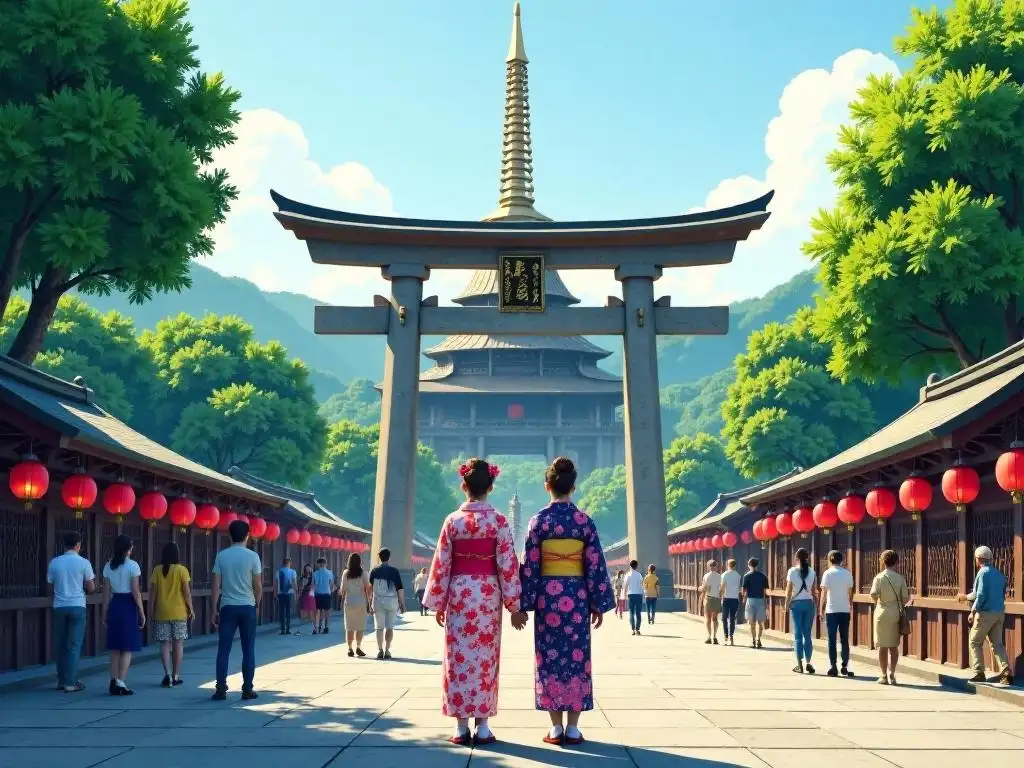
The Integration of Kami Beliefs in Modern Japan
In contemporary Japan, the belief in kami remains a significant aspect of daily life, even as society modernizes. Many Japanese people, regardless of their level of religious observance, acknowledge the presence of kami in various aspects of their lives. This integration manifests in several ways:
- Daily Rituals: Many individuals conduct small rituals at home, such as offering food or incense at household shrines (called kamidana), to honor the kami. These practices, while simple, are deeply rooted in the belief that kami can provide protection and blessings.
- Life Events: Major life events, such as births, marriages, and funerals, often incorporate Shinto rites. For instance, newborns are typically presented to the kami in a ceremony called shichiya-san to seek their protection and guidance. Similarly, weddings frequently involve Shinto ceremonies that honor the kami and seek their blessings for a harmonious union.
- Community Involvement: Many Japanese communities maintain local shrines, where residents gather for festivals and seasonal celebrations. These events reinforce communal bonds and are steeped in rituals honoring the kami, showcasing the enduring connection between spirituality and community life.
The adaptation of kami beliefs in modern Japan illustrates how these ancient concepts continue to influence the daily lives of many, blending seamlessly with contemporary practices and societal norms.
The Role of Shinto Kami in Japanese Festivals
Japanese festivals, or matsuri, are vibrant celebrations that often center around the veneration of kami. These events not only serve as communal gatherings but also highlight the deep-rooted connection between the people and their divine spirits. Here are some key aspects:
- Seasonal Celebrations: Festivals correspond with the agricultural calendar, celebrating harvests or seasonal changes, and are typically dedicated to specific kami. For example, the Aoi Matsuri in Kyoto honors the kami of agriculture and fertility, reflecting the agrarian roots of Shinto.
- Processions and Rituals: Many festivals feature elaborate processions where portable shrines, called mikoshi, are carried through the streets. This act symbolizes transporting the kami to the people, allowing for a direct interaction between the divine and the community.
- Cultural Performances: Festivals often include traditional performances, such as kagura (sacred dance) and noh (classical drama), which narrate myths and stories related to the kami. These performances serve to educate attendees about the significance of the kami and their historical narratives.
Through these festivals, the role of kami is highlighted as a vital force in Japanese culture, linking past traditions with present community life, and fostering a sense of identity and belonging among participants.
Influence of Kami on Japanese Art and Culture
The concept of kami has profoundly influenced various forms of Japanese art and culture, reflecting the spiritual and aesthetic values inherent in Shinto beliefs. This influence is evident in several domains:
- Visual Arts: Traditional Japanese painting and sculpture often depict kami in various forms, showcasing their attributes and stories. For example, the intricate illustrations found in ancient texts, like the Nihon Shoki, reveal the characteristics and narratives of different kami, serving both a decorative and educational purpose.
- Literature: Japanese literature, from classical works like The Tale of Genji to modern novels, frequently incorporates themes related to kami. These narratives explore the relationship between humans and the divine, illustrating how kami influence the moral and ethical decisions of characters.
- Architecture: Shinto shrines, designed to house kami, are not only places of worship but also architectural masterpieces. The use of natural materials and harmonious design reflects the Shinto belief in the sacredness of nature, demonstrating how the presence of kami informs aesthetic principles in Japanese architecture.
- Performing Arts: Traditional forms of theater, such as kabuki and bunraku, often include stories that revolve around kami and their interactions with humans. These performances serve to preserve and communicate Shinto beliefs through captivating storytelling.
The impact of kami on art and culture illustrates the enduring legacy of Shinto, enriching Japan's cultural landscape and providing a framework through which the divine continues to be explored and expressed.
Challenges and Misconceptions about Shinto Kami
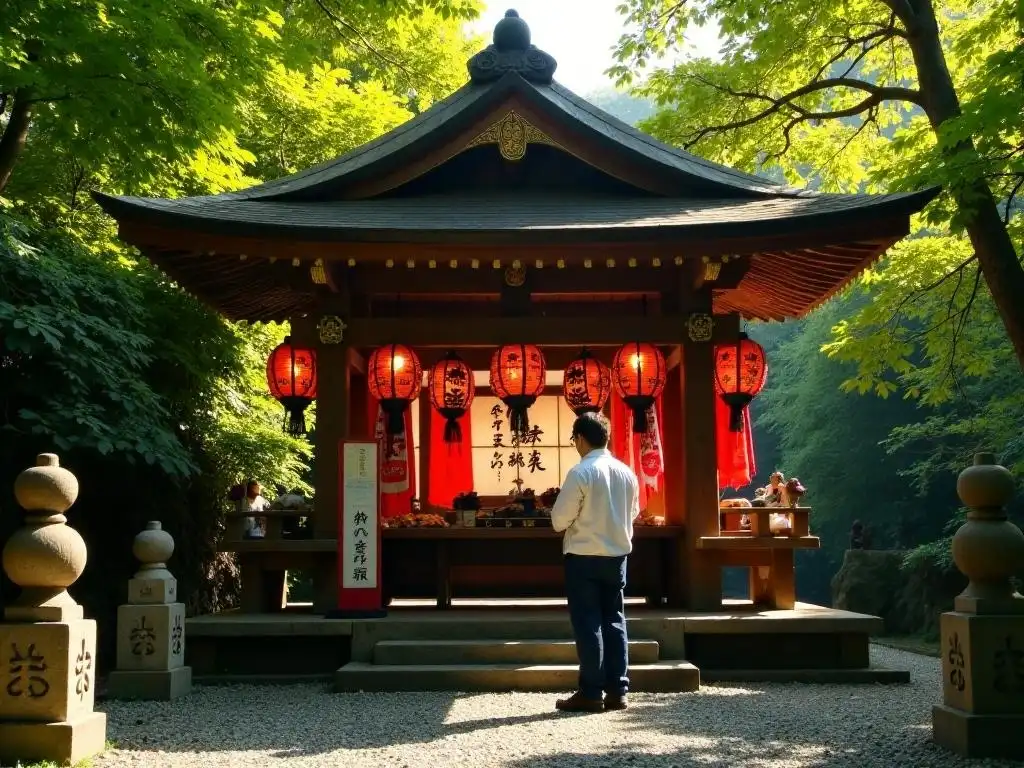
Understanding Shinto kami requires navigating through various misconceptions that have developed over time. These misunderstandings can often lead to confusion about the nature and role of kami in the daily lives of practitioners. This section will address some of the most common myths and clarify the true essence of kami in Shinto practices.
Common Myths Surrounding Kami
-
Kami as Deities or Gods
One prevalent myth is that kami are equivalent to gods in the Western sense. While some kami, such as major deities like Amaterasu, hold significant importance, many are associated with natural elements or ancestral spirits, reflecting a broader and more diverse understanding of divinity within Shinto. This distinction is crucial for grasping the multifaceted nature of kami.
-
Kami Require Worship to Exist
Another misconception is that kami exist solely due to human worship. In reality, kami are believed to exist independently; they inhabit natural phenomena, sacred spaces, and ancestral lineage. Worship and rituals serve to honor them, but the kami themselves are not dependent on human recognition for their existence.
-
All Kami Are Benevolent
It is a common assumption that all kami are benevolent spirits. However, some kami can embody both positive and negative aspects, reflecting the dual nature of existence. For instance, certain kami associated with natural disasters may be perceived as vengeful, demanding respect and acknowledgment of their power.
-
Shinto Is a Static Religion
Many view Shinto as a rigid, unchanging set of beliefs and practices. In contrast, Shinto is highly adaptable, evolving with societal changes and integrating local traditions. As such, the understanding and practices surrounding kami can vary significantly across different regions and communities in Japan.
-
Kami Are Exclusively Associated with Shrines
While shrines are important places for kami worship, kami are not confined to these spaces. They can be found in various natural elements like rivers, mountains, and trees, which are often considered sacred. This broader view of kami emphasizes their omnipresence in nature and everyday life.
Clarifying the Role of Kami in Daily Practices
The role of kami in daily life is deeply intertwined with the cultural practices and spiritual beliefs of Japanese society. Here are some ways in which kami manifest in the everyday lives of individuals:
-
Rituals and Offerings
Daily practices often include rituals such as offering food, sake, and rice at home altars (kamidana) or at local shrines. These offerings are meant to express gratitude and maintain a harmonious relationship with the kami.
-
Seasonal Festivals (Matsuri)
Festivals celebrating specific kami are integral to community life. These events include processions, dances, and music, reinforcing the connection between kami and the community while also providing opportunities for collective worship and celebration.
-
Life Milestones
Kami play a vital role in significant life events, such as births, weddings, and deaths. For example, the Shinto ritual of Shichigosan celebrates the growth of children at ages 3, 5, and 7, highlighting the kami's protective influence over their lives.
-
Nature and Environmental Respect
The reverence for kami often translates into a broader respect for nature. Many practitioners engage in practices that honor the natural world, acknowledging that kami inhabit and influence the environment.
-
Personal Guidance and Protection
Many individuals seek to connect with kami for personal guidance, protection, and blessings in their daily lives. This may involve prayer, meditation, or simply acknowledging the presence of kami in everyday situations, fostering a sense of spiritual awareness and connection.
Understanding the challenges and misconceptions surrounding Shinto kami is essential for appreciating their profound role in Japanese culture and daily life. By clarifying these myths and recognizing the multifaceted nature of kami, one can gain a deeper insight into the spiritual landscape of Shinto and its relevance today.
Conclusion: The Enduring Legacy of Shinto Kami in Daily Life
In examining the role of Shinto kami in daily life, we find a rich tapestry of beliefs and practices that continue to influence Japanese culture. The reverence for kami transcends mere worship; it is woven into the very fabric of societal norms, rituals, and community interactions. This legacy is not only a reflection of historical traditions but also a dynamic aspect of contemporary Japanese identity.
Reflecting on the Importance of Kami in Japan's Cultural Identity
The significance of kami in Japan's cultural identity can be observed through various lenses. From festivals (matsuri) that celebrate local deities to the practice of visiting shrines (jinja) for blessings, kami serve as a link between the spiritual and physical worlds. These practices are deeply embedded in the collective consciousness of the Japanese people. For instance:
- Community Engagement: Festivals dedicated to specific kami often involve the entire community, fostering a sense of belonging and shared purpose. This not only strengthens social ties but also reinforces the cultural significance of the kami associated with the community.
- Rituals and Daily Practices: Many households maintain small altars (kamidana) to honor kami, integrating spiritual practices into daily life. This daily acknowledgment of kami reflects an ongoing relationship that is both personal and communal.
- Cultural Symbolism: Kami are often associated with natural elements, reflecting Japan's historical connection to nature. This relationship influences art, literature, and even architecture, where the beauty of the natural world is celebrated as a manifestation of divine presence.
The resilience of these practices in modern Japan demonstrates the adaptability of Shinto beliefs, allowing them to coexist with contemporary life while maintaining their significance.
Future of Shinto Practices and Kami Worship in Japan
As Japan continues to evolve, the future of Shinto practices and kami worship faces both challenges and opportunities. Trends indicate a shift in how younger generations engage with traditional beliefs:
- Modern Adaptations: Many young Japanese are exploring Shinto practices in new contexts, integrating them with modern lifestyles. This includes participation in traditional ceremonies for significant life events, such as weddings and the birth of children, while also embracing contemporary values.
- Global Influence: The increasing interest in spirituality and nature among global audiences has led to a renewed appreciation for Shinto practices, potentially revitalizing local traditions. This globalization can foster a deeper understanding of kami and their role in daily life, encouraging cross-cultural exchanges.
- Sustainability and Environmental Awareness: With growing concerns about environmental issues, there is a resurgence of interest in the kami associated with natural elements. This trend aligns with broader movements advocating for sustainability and respect for nature, suggesting that the reverence for kami may play a role in addressing modern ecological challenges.
The relationship between Shinto kami and daily life is a profound testament to Japan's cultural heritage. As society evolves, the adaptability of these practices ensures that the legacy of kami will continue to thrive, enriching both personal lives and communal identities.
Frequently Asked Questions
What are Shinto kami?
Shinto kami are the divine spirits or deities in Shinto, representing various elements of nature, ancestors, and other significant aspects of life. They are central to Japanese spirituality and cultural practices.
How do kami influence daily life in Japan?
Kami influence daily life through rituals, festivals, and personal practices that honor them. People often visit shrines to offer prayers, seek blessings, and celebrate special occasions, integrating spirituality into their everyday routines.
What role do shrines play in relation to kami?
Shrines serve as sacred spaces where kami are worshipped. They are places for offerings, prayers, and rituals, allowing individuals and communities to connect with the divine and seek guidance or protection from the spirits.
How can one incorporate kami into their home life?
To incorporate kami into home life, individuals can create a small home altar or kamidana, where they can place offerings and prayers. This practice fosters a sense of spiritual presence and connection to Shinto traditions.
Are there specific festivals dedicated to kami?
Yes, there are numerous festivals dedicated to kami across Japan, known as matsuri. These events celebrate the spirits through processions, offerings, and traditional performances, reinforcing the community's bond with the divine.
Final Reflection: Embracing the Presence of Shinto Kami in Our Daily Lives
The essence of Shinto kami resonates profoundly in our contemporary world, reminding us that spirituality is not confined to temples or rituals but is woven into the fabric of our everyday experiences. As we navigate the complexities of modern life, the teachings and presence of kami offer a guiding light, encouraging us to find harmony with nature and foster a deeper connection with ourselves and our communities.
Cultural practices surrounding Shinto kami continue to shape our social landscape, influencing how we perceive our relationship with the environment and each other. The reverence for these divine spirits encourages mindfulness and gratitude, inviting us to recognize the sacredness in the mundane. The kami are not just deities to be worshipped; they are the spirits that inhabit our world, teaching us to appreciate the beauty and interconnectedness of all things.
This ongoing influence serves as a reminder that spirituality can manifest in simple acts of kindness and respect towards nature and one another.
As we reflect on the role of kami in our daily lives, I invite you to consider how you can incorporate their teachings into your own routine. Take a moment to appreciate the small wonders around you, cultivate gratitude for the relationships you cherish, and honor the natural world that sustains us. By embracing the spirit of kami, we can enrich our lives and foster a sense of belonging and purpose, ultimately creating a more harmonious existence for ourselves and those around us.
Embrace the Spirit: Connect with Kami Today!
Thank you for delving into the fascinating world of kami and their profound role in Shintoism! Your exploration of these divine spirits not only enhances your understanding of Japan’s rich cultural tapestry but also opens doors to integrating their wisdom into your daily life.
Now, let’s take actionable steps to deepen your connection with these powerful forces:
- Integrate Kami into Your Daily Routine: Create a small altar or dedicated space in your home to honor a kami that resonates with you. Consider making daily offerings or reciting prayers to nurture that connection.
- Explore Local Shinto Practices: Visit a nearby Shinto shrine and participate in the rituals or festivals to experience the vibrant community and traditions firsthand.
- Share Your Experience: Join online forums or social media groups focused on Shinto practices and share your journey. Engaging with like-minded individuals can greatly enrich your spiritual exploration.
Which kami resonates with you the most, and how do you envision honoring their presence in your life? Let's spark a conversation!