
Masterpieces of Feudal Japan: Celebrating the Art of the Craftsmen


Welcome to Feudal Japan History, where we embark on a captivating journey through the rich tapestry of Japan’s feudal era. Here, we delve into the intricate world of "Feudal Japan art masterpieces," celebrating the remarkable creativity and craftsmanship that defined this period. From breathtaking paintings to exquisite textiles, the artistry of feudal Japan tells stories of culture, society, and the enduring legacy of its craftsmen. Are you ready to uncover the hidden gems of this fascinating history? Join us as we explore the masterpieces that shaped an era and continue to inspire generations.
Feudal Japan, a period marked by the rise of the samurai and the intricate interplay of power among clans, was also a time of extraordinary artistic expression. During this era, artisans and craftsmen flourished, creating art masterpieces that not only reflected the cultural ethos of their time but also laid the groundwork for Japan's rich artistic heritage.
From exquisite textiles to delicate ceramics, the art of Feudal Japan is a testament to the skill, creativity, and dedication of its creators. This article delves into the remarkable achievements of these artisans, celebrating their contributions and exploring the significance of their work within the broader context of Feudal Japan's social and cultural landscape.
The Role of Artisans in Feudal Society
Artisans in Feudal Japan played a crucial role in shaping both the economy and culture. Unlike the nobility, who wielded political power, artisans operated within a hierarchical structure, often grouped into guilds that regulated their trades. This system not only ensured high-quality craftsmanship but also fostered a sense of community among artisans.
- Types of Artisans:
- Potters: Renowned for their ceramic works, particularly during the Edo period.
- Weavers: Created intricate textiles, such as silk kimonos.
- Woodworkers: Crafted everything from furniture to religious icons.
- Metalworkers: Produced stunning weapons, armor, and decorative items.
The work of these artisans was often commissioned by the samurai class or wealthy merchants, making their craft not just a means of livelihood but also a way to express social status and cultural identity.
The Influence of Buddhism and Shintoism on Art
The spiritual beliefs of Feudal Japan significantly influenced its artistic expressions. Buddhism and Shintoism, the two predominant religions, left an indelible mark on the themes and techniques used by craftsmen.
- Buddhist Art:
- Statues and Icons: Crafted to represent various deities, often made of wood or metal.
- Temples: Architectural marvels adorned with intricate carvings and paintings.
- Shinto Art:
- Shrines: Simple yet elegant structures that reflect the harmony with nature.
- Ritual Objects: Items created for ceremonies, showcasing skilled craftsmanship.
Through these artistic endeavors, artisans not only contributed to the spiritual life of their communities but also established a unique aesthetic that celebrated the natural world and the divine.
Iconic Art Masterpieces of Feudal Japan
Several art masterpieces from the Feudal era stand out for their beauty and historical significance. These works often encapsulate the skill and creativity of the artisans of the time.
- The Great Wave off Kanagawa:
- Artist: Katsushika Hokusai
- Medium: Woodblock print
- Significance: This iconic print has become a symbol of Japanese art worldwide, showcasing the power of nature and the skill of ukiyo-e artists.
- Kinkaku-ji (Golden Pavilion):
- Architectural Style: Zen Buddhist temple
- Significance: An exquisite example of Muromachi period architecture, reflecting the integration of nature and design.
- Noh Masks:
- Craftsmanship: Hand-carved from wood, painted with natural pigments
- Significance: Essential to Noh theater, these masks embody the emotions and characters portrayed, demonstrating the intricate artistry involved.
Conclusion
The art of Feudal Japan, characterized by its diversity and depth, serves as a window into the era's societal values and cultural norms. As we celebrate the masterpieces created by skilled craftsmen, we gain not only an appreciation for their artistry but also insight into the rich tapestry of Feudal Japan's historical and social context. Through this exploration, we honor the legacy of the artisans who shaped Japan's artistic identity, ensuring their contributions are remembered and revered.
- The Role of Artisans in Feudal Society
- The Influence of Buddhism and Shintoism on Art
- Iconic Art Masterpieces of Feudal Japan
- Conclusion
Introduction to Feudal Japan Art Masterpieces
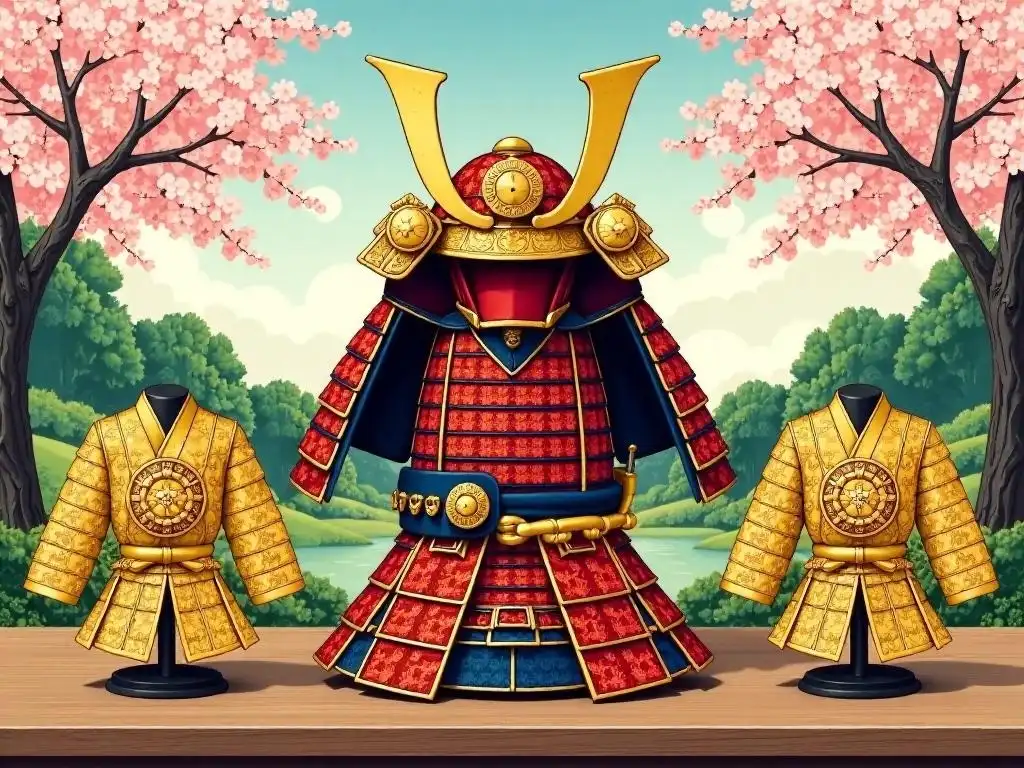
The artistic legacy of Feudal Japan is a rich tapestry woven from the creativity and skill of numerous craftsmen, whose contributions have left an indelible mark on the cultural landscape of the nation. This era, spanning from the 12th to the 19th centuries, witnessed the flourishing of various art forms, including painting, ceramics, textiles, and sculpture.
These art masterpieces not only reflect the aesthetic values of the time but also encapsulate the societal norms, religious beliefs, and historical events that shaped Japan during this period. Understanding the nuances of these artworks provides insight into the lives of the artisans who created them and the significance of their craft in a society that revered beauty and skill.
Overview of Feudal Japan's Historical Context
Feudal Japan emerged in the late 12th century, characterized by a decentralized political structure where power was held by local lords, or daimyo, and their samurai warriors. This period was marked by significant social stratification and a rigid class system. The shogunate, led by the shogun, controlled the military and governance, while the emperor held a symbolic position with limited power.
During this time, several key historical events influenced the development of art in Japan:
- The Kamakura Period (1185-1333): Marked by the rise of the samurai class, this period saw the emergence of new artistic styles, including the realism found in Buddhist sculptures and the introduction of ink painting.
- The Muromachi Period (1336-1573): This era was characterized by the flourishing of Zen Buddhism, which greatly influenced artistic expression. The development of ink wash painting and the tea ceremony as an art form became prominent.
- The Edo Period (1603-1868): Under the Tokugawa shogunate, Japan entered a time of relative peace and stability, leading to a cultural renaissance. The rise of ukiyo-e, or woodblock prints, became a significant art form, depicting landscapes, kabuki actors, and scenes of everyday life.
These historical contexts provide the backdrop for understanding how Feudal Japan art masterpieces were created and appreciated, reflecting the values and aspirations of the society.
Importance of Craftsmen in Feudal Society
Craftsmen played a pivotal role in the social fabric of Feudal Japan, often revered as masters of their craft. Their contributions were not only essential for economic sustenance but also for the cultural identity of the nation. The following aspects highlight the significance of craftsmen in this era:
- Cultural Preservation: Craftsmen were integral to preserving traditional techniques and styles while innovating new forms. They ensured that the rich heritage of Japanese art was passed down through generations.
- Economic Contributions: Skilled artisans contributed to the economy by creating goods that were both functional and beautiful. This included everything from ceramics and textiles to intricate metalwork and lacquerware.
- Social Status: The status of craftsmen fluctuated throughout the feudal period. While some artisans achieved recognition and elevated social status, others remained in the lower echelons of society. Notably, master craftsmen could gain patronage from the ruling class, allowing them to flourish.
- Community and Guilds: Craftsmen often formed guilds, which provided a support network for sharing techniques and resources. These communities fostered collaboration and competition, driving innovation within their respective fields.
- Spiritual and Artistic Expression: Many craftsmen saw their work as a form of spiritual expression. Whether through the meticulous creation of a tea bowl or the intricate designs of a kimono, these artisans infused their creations with personal and cultural significance.
The masterpieces of Feudal Japan are not merely artistic expressions; they are testimonies to the skilled craftsmen who dedicated their lives to their trades. Their artistry continues to inspire and influence contemporary Japanese culture, reminding us of the enduring legacy of Feudal Japan art masterpieces.
The Craftsmanship of Feudal Japan
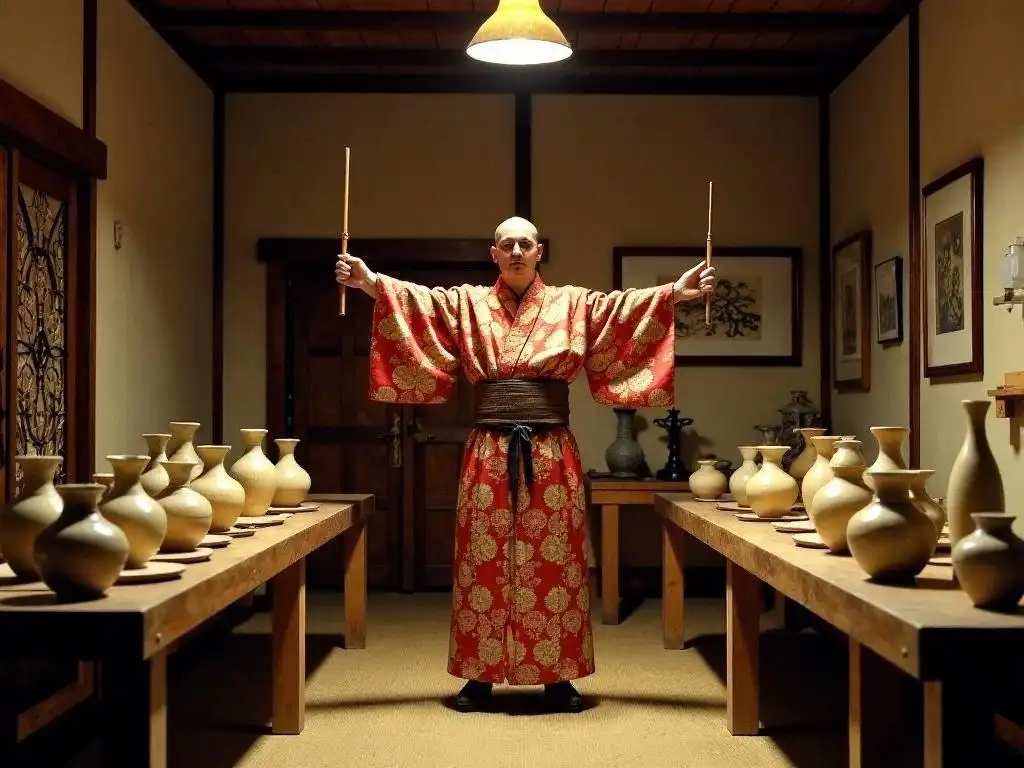
The craftsmanship of Feudal Japan stands as a testament to the exceptional skills and artistic vision of its artisans. This era, spanning from the 12th to the 19th century, was marked by a unique blend of functionality and aesthetics in art forms. Artisans were deeply rooted in their communities, often passing down techniques through generations, which allowed for the preservation and evolution of various crafts. These craftsmen not only contributed to the economy but also played a crucial role in shaping the cultural identity of Japan during this period.
Feudal Japan's art masterpieces are characterized by their intricate designs, use of natural materials, and a profound connection to nature and spirituality. The artisans' dedication to their craft is evident in the meticulous processes they employed and the significance imbued in each piece. Below, we explore some of the key art forms that flourished during this time.
Key Art Forms in Feudal Japan
Woodblock Printing
Woodblock printing, known as ukiyo-e, emerged as one of the most popular art forms in Feudal Japan. This technique involved carving images into wooden blocks, which were then inked and pressed onto paper or fabric.
- Notable Artists:
- Hokusai and Hiroshige are perhaps the most famous ukiyo-e artists, known for their landscapes and portraits that captured the essence of everyday life in Edo-period Japan.
- Cultural Impact:
- Ukiyo-e prints were instrumental in spreading Japanese culture and aesthetics to the Western world during the 19th century, influencing artists like Van Gogh and Monet.
- Technique:
- The process required precision in carving, as each block would represent a different color layer, making the final print a collaborative effort between the artist and skilled craftsmen.
Ceramics and Pottery
Ceramics in Feudal Japan were not only utilitarian but also held significant aesthetic value. The craft evolved through various regional styles, each with its own unique characteristics.
- Key Styles:
- Raku: Known for its hand-shaped tea bowls used in the tea ceremony, emphasizing simplicity and natural beauty.
- Imari: Recognized for its vibrant colors and intricate patterns, often used for decorative ware.
- Cultural Significance:
- Ceramics played a vital role in the tea ceremony, a central aspect of Japanese culture, reflecting Zen principles of harmony and tranquility.
- Craftsmanship:
- Artisans employed techniques such as glazing, firing, and hand-painting to produce pieces that were both functional and artistic, showcasing their mastery of materials.
Textile Arts: Kimono and Weaving
The textile arts of Feudal Japan are epitomized by the kimono, a traditional garment that reflects the artistry and craftsmanship of its makers.
- Weaving Techniques:
- Techniques such as kasuri (ikat) and yuzen (dyed fabric) were employed to create intricate patterns and vivid colors that conveyed social status and personal identity.
- Symbolism:
- The designs on kimonos often held symbolic meanings, with motifs representing seasonal changes, nature, or auspicious symbols that conveyed well-wishes for the wearer.
- Cultural Relevance:
- Kimonos were worn for various occasions, from everyday wear to ceremonial events, showcasing the rich cultural heritage of Japan through fashion.
Sword Making: The Art of the Katana
The katana, a symbol of the samurai class, represents the pinnacle of Japanese sword-making craftsmanship. The creation of a katana is a highly revered art form that encompasses both technological skill and artistic expression.
- Forging Process:
- Traditional methods involve folding the steel multiple times to create layers, enhancing strength and flexibility while producing a distinctive grain pattern known as hada.
- Cultural Significance:
- Beyond its functionality as a weapon, the katana is viewed as a work of art, embodying the spirit and values of the samurai, such as honor and loyalty.
- Master Craftsmen:
- Renowned swordsmiths like Masamune and Muramasa are celebrated for their exceptional skills, with blades that are not only functional but also visually striking, often adorned with intricate tsuba (handguards) and elaborate hilts.
The art masterpieces of Feudal Japan encapsulate a rich tapestry of craftsmanship that reflects the values, beliefs, and daily lives of its people. Each art form, from woodblock printing to sword making, showcases the dedication and expertise of artisans who contributed to Japan's cultural legacy.
Influential Artisans of Feudal Japan
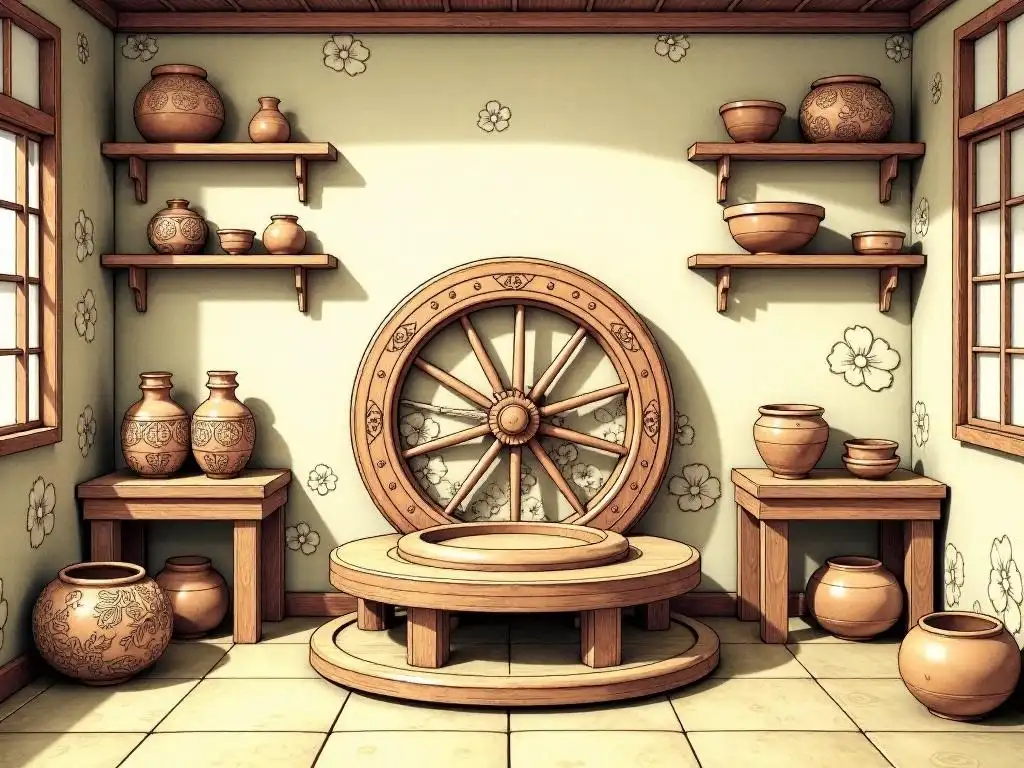
Renowned Craftsmen and Their Contributions
The artisans of Feudal Japan played a pivotal role in shaping the cultural landscape through their remarkable craftsmanship. Their contributions not only reflected the aesthetic values of the period but also influenced social practices and economic structures. Among the various craftsmen, woodblock printers, potters, and textile producers emerged as the most significant.
- Woodblock Printing: This technique revolutionized the dissemination of art, enabling the mass production of images and literature. Artists like Katsushika Hokusai and Suzuki Harunobu stand out for their exceptional skills and innovative approaches.
- Pottery and Ceramics: Ceramic artisans excelled in creating functional and decorative pieces, with styles like Imari and Raku gaining prominence during the Edo period.
- Textiles: The textile industry flourished, particularly with the production of kimono fabrics, where artisans employed intricate dyeing techniques such as shibori and katazome.
By exploring the works of these artisans, we gain insight into the societal values and artistic trends that flourished during this era.
Katsushika Hokusai: Master of Woodblock Printing
Katsushika Hokusai (1760-1849) is perhaps the most celebrated artist of the Edo period, renowned for his exceptional woodblock prints. His iconic series, Thirty-Six Views of Mount Fuji, showcases not only his mastery of form and color but also his innovative use of perspective. Hokusai's dedication to capturing the transient beauty of nature and everyday life resonated deeply with the public, leading to widespread acclaim.
- Innovative Techniques: Hokusai employed multiple blocks for color printing, allowing for a richer palette and more detailed imagery. His techniques laid the groundwork for future generations of artists.
- Cultural Impact: His work influenced not only Japanese art but also Western artists, particularly during the Japonisme movement in the 19th century.
Hokusai's legacy continues to inspire contemporary art and remains a cornerstone in the study of Feudal Japan art masterpieces.
Suzuki Harunobu: Innovator in Color Woodblock Prints
Suzuki Harunobu (1725-1770) is credited with being the first artist to fully exploit color woodblock printing techniques, effectively transforming the medium. His work introduced a new level of sophistication and artistry, characterized by delicate compositions and intricate coloring.
- First Full-Color Prints: Harunobu's innovations included the use of an advanced method called nishiki-e, which allowed for multiple colors to be printed simultaneously. This technique made it possible to produce vibrant images that were previously unattainable.
- Themes and Subjects: His prints often depicted scenes from daily life, beautiful women, and seasonal changes, reflecting the aesthetics of ukiyo-e, or "pictures of the floating world."
Harunobu's contributions were instrumental in elevating woodblock prints as a form of high art, solidifying their place in the cultural fabric of Feudal Japan.
The Role of Guilds in Craftsmanship
During the Feudal era, artisan guilds emerged as crucial institutions that regulated trade, maintained quality standards, and provided apprenticeships. These guilds played a significant role in fostering a sense of community among craftsmen and preserving traditional techniques.
Structure and Function of Artisan Guilds
Artisan guilds in Feudal Japan, known as za, were organized groups of craftsmen who specialized in specific trades. The structure of these guilds was hierarchical, typically consisting of masters, journeymen, and apprentices.
- Master Craftsmen: At the top of the hierarchy, master craftsmen were responsible for training apprentices and ensuring the quality of work produced under their supervision.
- Journeymen and Apprentices: Journeymen, who had completed their training, worked under masters, while apprentices learned the craft. This system ensured the transfer of skills and techniques across generations.
Guilds also played a crucial role in regulating prices, protecting members from competition, and establishing trade networks. They facilitated collaboration among craftsmen, which led to the sharing of ideas and techniques.
Influence on Art and Culture in Feudal Japan
The influence of guilds extended beyond craftsmanship, significantly impacting the art and culture of Feudal Japan.
- Standardization of Quality: Guilds maintained high standards for products, which contributed to the reputation of Japanese crafts both domestically and internationally. This standardization ensured that artisans produced work that met the expectations of consumers.
- Cultural Exchange: Guilds often participated in cultural events and fairs, showcasing their artisans' works. This not only promoted their crafts but also facilitated cultural exchange, allowing for the blending of different artistic styles and techniques.
The legacy of these guilds can still be felt today, as they laid the groundwork for modern artisanal practices and the appreciation of craftsmanship in Japanese culture.
Themes and Motifs in Feudal Japan Art

Feudal Japan art masterpieces are characterized by a rich tapestry of themes and motifs that reflect the unique cultural, social, and spiritual landscape of the era. This artistic expression was heavily influenced by various philosophical and religious beliefs, particularly Shinto and Buddhism, which integrated nature and spirituality into everyday life. The artisans of this period drew inspiration from their surroundings, creating works that encapsulated the harmony between man and nature, as well as the spiritual essence inherent in both.
Nature and Spirituality in Japanese Crafts
Nature played a pivotal role in the artistic expression of feudal Japan. Artisans frequently depicted natural elements such as mountains, rivers, and flora, symbolizing the connection between the physical world and the spiritual realm. This relationship is evident in various crafts, including pottery, textiles, and woodblock prints.
- Natural Materials: The use of organic materials like bamboo, wood, and clay not only showcased the beauty of nature but also reinforced the artisans' respect for their environment.
- Seasonal Changes: Many artworks celebrated the changing seasons, highlighting ephemeral beauty and the transience of life, a concept deeply rooted in Japanese aesthetics.
The spiritual aspect is often intertwined with nature through the representation of deities and mythical creatures, suggesting a world where the divine and the natural coexist. Such themes are reflected in the intricate carvings on shrine gates (torii) and the detailed motifs found in textile patterns.
Symbolism in Feudal Japanese Art
Symbolism is a cornerstone of feudal Japan art masterpieces, where every element carries a deeper meaning. The artisans utilized various symbols to convey messages about life, death, and the human experience.
The Significance of Color and Form
Colors were not merely aesthetic choices; they held significant symbolic value:
- Red: Often associated with protection and happiness, red was used in festivals and religious ceremonies.
- Black: Represented elegance and formality, frequently seen in samurai armor and formal attire.
- White: Signified purity and was commonly used in ceremonial contexts.
The forms and shapes within artworks also held meaning. For instance, the circular motifs often represented eternity, while sharp angles could symbolize conflict or change. Understanding these symbols allows a deeper appreciation of the emotional and narrative layers embedded in the artworks.
Cultural Narratives Illustrated in Crafts
Feudal Japan art masterpieces often narrate cultural stories and historical events, embedding them within the crafts.
- Folk Tales and Legends: Many woodblock prints and textiles depict famous tales, such as the "Tale of the Heike," illustrating the valor of samurai and the tragedies of war.
- Daily Life and Customs: Artisans captured scenes of everyday life, showcasing cultural practices, festivals, and rituals, which serve as valuable historical records of the time.
Through these narratives, viewers gain insight into the values, beliefs, and social norms of feudal Japan, making these art forms not just aesthetically pleasing but also culturally significant.
The themes and motifs present in feudal Japan art masterpieces reflect a profound connection to nature, spirituality, and cultural narratives, offering a window into the historical and social fabric of the era. Understanding these elements enriches our appreciation of the craftsmanship and artistry that define this remarkable period in history.
The Legacy of Feudal Japan Art Masterpieces
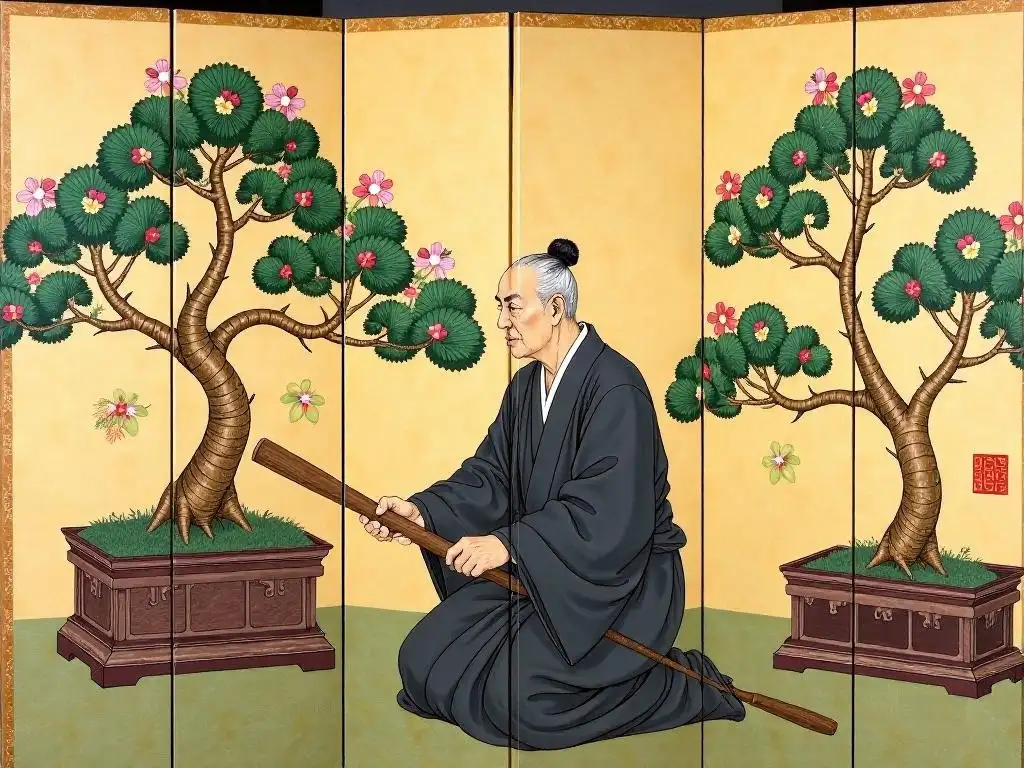
The legacy of feudal Japan art masterpieces is a testament to the extraordinary skills and creativity of artisans from the Kamakura (1185–1333) to the Edo period (1603–1868). These craftsmen not only created visually stunning works but also infused them with cultural significance and deep philosophical meanings. This legacy continues to influence contemporary Japanese art and craft, ensuring that the beauty and techniques of this historical period remain relevant today.
Preservation of Craft Techniques
The preservation of craft techniques from feudal Japan is vital for understanding the historical context in which these masterpieces were created. Many traditional methods have been passed down through generations, often within family lines. This transmission of knowledge has been crucial in maintaining the integrity and authenticity of various art forms.
- Key Techniques:
- Kintsugi: The art of repairing broken pottery with lacquer dusted or mixed with powdered gold, silver, or platinum. This not only restores the item but also emphasizes its history and imperfections.
- Urushi: The use of lacquer derived from the sap of the urushi tree, which has been used for centuries to create beautiful, durable surfaces on wood and other materials.
- Sumi-e: Traditional Japanese ink painting that emphasizes simplicity and the beauty of nature, highlighting the importance of brush techniques and ink density.
Craftsmanship is often tied to specific regions, where local resources and cultural influences shape the unique styles found in the art. For instance, the Arita region is renowned for its porcelain, while the Bizen area is famous for its earthenware pottery. Each region’s techniques reflect the natural environment and cultural traditions, contributing to a rich tapestry of artistic expression.
Influence on Modern Japanese Art and Culture
The influence of feudal Japan art masterpieces on modern Japanese art and culture is profound. Contemporary artists draw inspiration from the aesthetics, themes, and techniques of their predecessors, creating a bridge between past and present.
Continuation of Traditional Techniques
Many modern artisans are committed to preserving traditional techniques while infusing them with contemporary relevance. This fusion can be seen in various art forms:
- Ceramics: Artists continue to explore ancient glazing techniques, often experimenting with modern forms while honoring traditional methods.
- Textiles: Weaving and dyeing techniques, such as indigo dyeing (aizome), have seen a resurgence, with artisans crafting both traditional garments and modern fashion items.
- Painting: Contemporary painters often incorporate traditional themes, such as nature and seasonal changes, reflecting the timeless connection to the natural world.
By integrating traditional methods with modern sensibilities, these artisans ensure that the essence of feudal Japan art masterpieces lives on, adapting to the tastes and needs of today’s society.
The Role of Festivals and Exhibitions
Festivals and exhibitions play a critical role in showcasing the enduring legacy of feudal Japan art. These events not only celebrate traditional crafts but also provide platforms for artisans to demonstrate their skills and engage with a broader audience.
- Art Festivals: Events such as the Kanazawa Hyakumangoku Festival celebrate local crafts and attract visitors interested in experiencing Japan’s rich artistic heritage.
- Exhibitions: Museums and galleries frequently host exhibitions that focus on feudal Japan art, allowing the public to appreciate historical masterpieces and understand their cultural significance.
These gatherings foster a sense of community among artisans, collectors, and art enthusiasts, ensuring that the techniques and styles of feudal Japan continue to inspire future generations. The interplay between past and present in these settings highlights the importance of artisans in preserving cultural identity and celebrating the artistry that defines Japan’s historical narrative.
The art masterpieces of feudal Japan are not just relics of the past; they are vibrant expressions of a rich cultural heritage that continue to shape modern Japanese art and society. By preserving traditional techniques and promoting cultural events, we honor the legacy of these remarkable craftsmen and their contributions to the world of art.
Conclusion: Celebrating the Art of Feudal Japan
The rich tapestry of craftsmanship in Feudal Japan is a testament to the creativity, skill, and cultural significance of the artisans who dedicated their lives to their trades. From the delicate strokes of ink on paper to the intricate carvings of wood and stone, the art produced during this era reflects a profound connection to nature, spirituality, and the social hierarchy that defined the time. As we conclude our exploration of these masterpieces, it is essential to appreciate not only the technical prowess exhibited by the craftsmen but also the societal implications of their work.
Reflection on the Impact of Craftsmen in Feudal Society
Craftsmen in Feudal Japan played a pivotal role in shaping both the economy and cultural landscape of their time. Many artisans were organized into guilds, which not only provided them with a means of securing livelihoods but also fostered a sense of community and collaboration. This collective effort led to the development of unique styles and techniques, preserving traditional practices while innovating upon them.
The social status of craftsmen varied significantly, depending on their craft and the era. While some were regarded with high esteem, such as the renowned potters and textile weavers, others faced social stigma, especially those engaged in trades deemed less noble. However, the art they produced transcended these barriers, becoming a vital aspect of daily life and a source of cultural identity.
Examples of craftsmanship that reflect this impact include:
- Ceramics: The tea ceremony, a cornerstone of Japanese culture, was enhanced by the creation of exquisite tea bowls, which were often seen as works of art.
- Textiles: Kimono makers elevated textile art to new heights, employing techniques such as shibori (tie-dye) and yuzen (stencil dyeing) that are still celebrated today.
- Woodblock Printing: Artists like Hokusai and Hiroshige pushed the boundaries of printmaking, influencing not just Japanese art but also Western artists during the Japonisme movement.
Through their craftsmanship, these artisans not only contributed to the economy but also provided a means for cultural expression and continuity, embedding their legacy within the very fabric of Japanese society.
The Enduring Influence of Feudal Japan Art Masterpieces on Contemporary Culture
The art masterpieces of Feudal Japan continue to resonate within contemporary culture, influencing various fields such as fashion, interior design, and visual arts. The principles of simplicity, harmony, and respect for nature evident in traditional craftsmanship are increasingly relevant in today's world, where sustainability and mindfulness are paramount.
Consider the following aspects of this enduring influence:
- Fashion and Textiles: Modern designers often draw inspiration from traditional Japanese garments, incorporating techniques like boro (patchwork) and sashiko (decorative stitching) into contemporary fashion. These elements not only revive historical practices but also promote sustainable fashion by valuing craftsmanship and reducing waste.
- Visual Arts: The aesthetics of ukiyo-e (floating world pictures) have inspired countless artists across the globe. The use of color, perspective, and subject matter in contemporary art often pays homage to these classic woodblock prints, showcasing their timeless appeal.
- Design Philosophy: The concept of wabi-sabi—finding beauty in imperfection and transience—has permeated various aspects of modern design. This philosophy encourages a deeper appreciation for craftsmanship and the stories behind each piece, fostering a connection between past and present.
- Cultural Festivals: Events celebrating traditional crafts, such as pottery and textile making, are thriving in Japan today, highlighting the importance of preserving these skills and knowledge for future generations.
The art masterpieces of Feudal Japan serve as a bridge between history and modernity, reminding us of the importance of craftsmanship in shaping cultural identity. As we celebrate these works, we honor the artisans who dedicated their lives to their crafts and continue to inspire us today.
Frequently Asked Questions
What are some key art masterpieces from Feudal Japan?
Feudal Japan is renowned for its art masterpieces including ukiyo-e prints, ceramics, and samurai armor, showcasing exquisite craftsmanship and cultural significance.
How did feudal society influence the art created during this period?
The feudal society in Japan shaped art by emphasizing patronage from samurai and nobles, leading to the creation of works that reflected their values, aesthetics, and social hierarchy.
What materials were commonly used in Feudal Japan art?
Artists in Feudal Japan often utilized materials such as silk, wood, ceramics, and metal, each contributing to the distinct style and technique of the era's masterpieces.
Are there specific themes in Feudal Japan art masterpieces?
Yes, Feudal Japan art masterpieces frequently explore themes such as nature, mythology, and warrior culture, reflecting the spiritual and social values of the time.
How can I learn more about Feudal Japan art masterpieces?
To dive deeper, consider exploring expert-driven articles, historical texts, and visiting museums that feature exhibitions on Feudal Japan art masterpieces for a comprehensive understanding.
Final Reflection: Celebrating the Timeless Art of Feudal Japan
The masterpieces of Feudal Japan continue to resonate in today's world, reminding us of the profound connection between art and culture. As we explore the intricate craftsmanship and aesthetic philosophies that defined this era, we uncover a legacy that transcends time and geography. The artistry of Feudal Japan is not merely a relic of the past; it is a vibrant testament to the human spirit, creativity, and the pursuit of beauty that remains relevant in our contemporary lives.
Craftsmen of Feudal Japan were not just artisans; they were storytellers, weaving narratives through their creations that reflect the values and beliefs of their society. The influence of their work can be seen in various aspects of modern culture, from fashion to interior design, where traditional motifs and techniques are reinterpreted for new audiences. Art is the most beautiful of all lies.
This quote encapsulates the enduring power of art to evoke emotion and provoke thought, reminding us that the masterpieces of the past continue to shape our understanding of beauty and craftsmanship today.
As we reflect on the significance of Feudal Japan's art, I invite you to consider how these timeless masterpieces can inspire your own creative journey. Take a moment to appreciate the beauty around you, whether it be in nature, architecture, or everyday objects. Let the spirit of these craftsmen guide you to explore your own artistic expressions and to honor the craftsmanship in your life. Embrace the lessons of patience, dedication, and passion that these masterpieces embody, and carry them forward into the future.
Unleash Your Inner Artisan: Connect with the Legacy of Feudal Japan!
Thank you for diving into the exquisite world of Feudal Japan! We hope you feel inspired by the creativity and craftsmanship that shaped this vibrant era. Now, it’s time to engage deeper with this rich heritage and bring a piece of it into your life.
Here are some actionable steps for you to continue your journey:
- Explore local art studios or workshops that focus on traditional Japanese crafts. Consider enrolling in a class to create your own unique piece of art.
- Share your newfound knowledge by discussing this art form with friends or fellow history enthusiasts. You might even organize a themed gathering to celebrate the artistry of Feudal Japan!
- Join online forums or communities dedicated to historic craftsmanship. Connecting with others who share your passion can lead to valuable idea exchanges and collaborative projects.
What aspect of Feudal Japanese craftsmanship resonates with you the most, and how can you incorporate that inspiration into your own creative endeavors?